
Tabelog 100 #62
Our verdict
Located on Higashiboridori in Niigata's Chuo Ward, 越後屋 加子 sits within a city that takes its food culture seriously, shaped by premium-grade rice, cold-water seafood, and sake traditions that define the Niigata table. The setting and format align with the deliberate, produce-first approach that distinguishes the region's better dining rooms from the national mainstream.

Pearl is the En Primeur Club membership app, where members save venues, book tables and use the concierge.
The menu
What to order
- Koshihikari rice course
- Shinshu beef
- Seasonal sashimi
Niigata and the Table It Sets
Few cities in Japan make as coherent an argument through food as Niigata. The prefecture produces Koshihikari rice widely regarded as the country's benchmark short-grain variety, maintains one of Japan's highest concentrations of licensed sake breweries, and draws cold-water seafood from the Sea of Japan that reaches local kitchens within hours of landing. These are not incidental facts about a regional food scene, they are structural advantages that shape what restaurants here can put on a plate and why diners willing to travel beyond Tokyo or Osaka find the detour worthwhile.
越後屋 加子 sits on Higashiboridori in Chuo Ward, a central Niigata address that places it within the denser cluster of the city's established dining rooms. The venue name itself signals local identity: 越後屋 references the old provincial name for Niigata, Echigo, invoking a food culture that predates the prefecture's modern administrative borders and connects the table to centuries of rice-farming and fishing tradition.
A City Where Produce Earns Its Reputation
Understanding 越後屋 加子 requires understanding what Niigata's culinary reputation is actually built on. The city sits at the intersection of three distinct food traditions: the rice-centered inland farming culture of the Echigo plain, the coastal fishing economy of the Sea of Japan, and the sake-brewing heritage concentrated in towns like Niigata, Nagaoka, and Tsubame-Sanjo. Each of these shapes the local kitchen in ways that don't always translate cleanly to visitors arriving with Tokyo dining expectations.
The seafood profile here differs from what most Japanese diners associate with Pacific-coast fish markets. Snow crab, yellowtail, and a local variety of salmon trout come through colder, slower-moving water than the Pacific delivers, producing flesh with different fat distribution and texture. Niigata's rice-fed local chicken (Koshino Jidori) and the prefecture's pork breeds have developed regional followings that extend well beyond local pride. A kitchen working in this environment has access to ingredients that carry genuine provenance, and the better Niigata restaurants treat that provenance as the point rather than the preamble.
For context on the range of cooking styles operating in this environment, Kyodaizushi (Sushi) and KOKAJIYA represent two distinct approaches to the same local larder, while Restaurant UOZEN (French) demonstrates the degree to which Western technique has taken root in provincial Japanese dining. Menya Agosuke and Mûrir round out the picture of a city that supports a wider range of serious cooking than its size might suggest.
The Cultural Weight of the Echigo Name
The decision to invoke Echigo in a restaurant name is not decorative. In Japanese dining culture, place-naming carries accountability, it signals an intention to express the terroir of a specific geography rather than trade on generic tradition. Restaurants across Japan's provincial cities have increasingly adopted this kind of regional grounding as a positioning statement, particularly as Tokyo's dining scene has become more internationally focused and some of the most compelling produce-driven cooking has migrated outward to cities with direct access to the source.
This pattern appears in Niigata with some consistency. The city's better-known dining rooms tend to anchor their menus to local provenance, and the restaurants that have built durable reputations here generally do so by deepening their connection to regional ingredients rather than approximating cosmopolitan formats. Our full Niigata restaurants guide tracks this pattern across the city's dining scene.
For comparison across Japan's regional dining circuit, the same dynamic appears in cities like Fukuoka, where Goh has built a nationally recognized program around local Kyushu produce, and in Nara, where akordu applies European technique to regional Japanese ingredients. In Akita, affetto akita demonstrates how northern Japanese ingredients translate into an Italian-influenced format, a reminder that regional specificity and culinary ambition are not mutually exclusive. Similarly, Aji Arai in Oita and Akakichi in Imabari point to a broader provincial dining movement that Niigata participates in from a position of genuine ingredient strength.
Higashiboridori and the Chuo Ward Context
The 8 Bancho area of Higashiboridori sits within Niigata's central ward, a district that has historically housed the city's commercial and administrative core. Chuo Ward contains the highest concentration of Niigata's established restaurants, sake bars, and food-focused businesses, and its streets after dark carry the particular quality of a city that eats well without performing the act for outsiders. Niigata does not have the international dining tourism infrastructure of Kyoto or Osaka, venues here build their clientele primarily through local and regional reputation rather than guidebook coverage, which tends to mean that the restaurants that survive do so on cooking quality rather than marketing.
That context matters for the visitor deciding whether to make Niigata a dedicated dining destination. The city sits approximately two hours from Tokyo by Shinkansen on the Joetsu line, a travel time short enough to consider as a day trip but more productively spent over two nights to capture both the evening dining scene and the morning fish market activity. Arriving on a weekday gives better access to kitchen-to-table availability at smaller venues, where reservation windows tend to be tighter than the volume-driven dining rooms that dominate city centers.
For those building a broader regional itinerary around serious dining, Ajidocoro in Yubari District and Abon in Ashiya represent other provincial Japan dining options worth sequencing alongside a Niigata visit. At the higher end of the national dining circuit, HAJIME in Osaka, Harutaka in Tokyo, and Gion Sasaki in Kyoto provide the benchmark for what Japan's most decorated kitchens are doing with some of the same ingredient categories that Niigata handles at the source. Internationally, Le Bernardin in New York City and Lazy Bear in San Francisco illustrate how produce-forward, chef-driven formats translate in North American contexts.
Planning a Visit
Specific booking details, pricing, and hours for 越後屋 加子 are not currently available in verified form. Niigata's better restaurants in this district tend to operate dinner-focused services with limited seatings, and advance contact, particularly for weekend visits, is advisable. The Joetsu Shinkansen from Tokyo Station to Niigata Station runs frequently throughout the day, placing the city within a practical travel window for visitors based in Tokyo.
Frequently asked questions
Is 越後屋 加子 child-friendly?
The address on Higashiboridori in Niigata's Chuo Ward places it among the city's more established dining addresses, where venues tend toward table-service formats rather than casual family dining. Call ahead or check locally before bringing young children.
Where is éè¶å± å ç³ in Niigata?
éè¶å± å ç³ is located at 8 Bancho-1420 Higashiboridori, Chuo Ward, Niigata, 951-8065, Japan, Niigata.
What kind of setting is 越後屋 加子?
越後屋 加子 occupies an address at 8 Bancho-1420 Higashiboridori in Niigata's Chuo Ward, the central district that has historically concentrated the city's serious dining establishments. The Echigo name invoked in the restaurant's title signals a commitment to regional identity rather than a generic setting, a naming convention in Japanese dining that carries genuine accountability.
What should I order at 越後屋 加子?
That said, a kitchen operating under the Echigo name in Niigata has strong cause to feature Koshihikari rice, which the prefecture produces at a standard the rest of Japan measures itself against, alongside seafood drawn from the nearby Sea of Japan. Expect those two categories to anchor whatever the kitchen presents.
Cost and Credentials
Comparable venues nearby, for context on price, style, and recognition.
| Venue | Cuisine | Price | Awards | Notes |
|---|---|---|---|---|
| éè¶å± å ç³This venue (the venue you are viewing) | Seasonal Niigata Kaiseki | $200–300 | Tabelog 100 #62 | Not listed |
| Kappou Choukichi | Seasonal Wild Duck Kappo (Japanese) | $100–150 | Tabelog 100 #10 | Nishikan-ku, Seasonal Wild Duck Kappo (Japanese) |
| Yakiniku Hatchi | Japanese Yakiniku BBQ | $30–50 | Tabelog 100 #70 | Furumachi, Japanese Yakiniku BBQ |
| Sushi Nakahisa Hoshino | Edomae Sushi | $150–200 | Tabelog 100 #27 | Niigata Furumachi, Edomae Sushi |
| Tokiwa Sushi Nigata Ten | Niigata Local Omakase Sushi | $200–300 | Tabelog Bronze #460 | Chuo Ward, Niigata Local Omakase Sushi |
| Menya Agosuke | Japanese Ramen | $10–20 | Tabelog 100 #82 | Shimomonzen, Joetsu, Shio Ramen Specialist |
Recognition history
Dated appearances from independent guides and award organizations, with the underlying list record or original source where available.
Tabelog 100 #62 · No. 62
Tabelog · Tabelog 100 - Japanese cuisine - EAST - 2025
Continue exploring
More in Niigata
Restaurants in Niigata
All restaurants in Niigata →
Hotels in Niigata
All hotels in Niigata →
Details
- Elegant
- Intimate
- Sophisticated
- Special Occasion
- Date Night
- Business Dinner
- Private Dining
- Sake Program
- Local Sourcing
- Tasting Menu
- Set Menu
- Sake
- Vegetarian Friendly
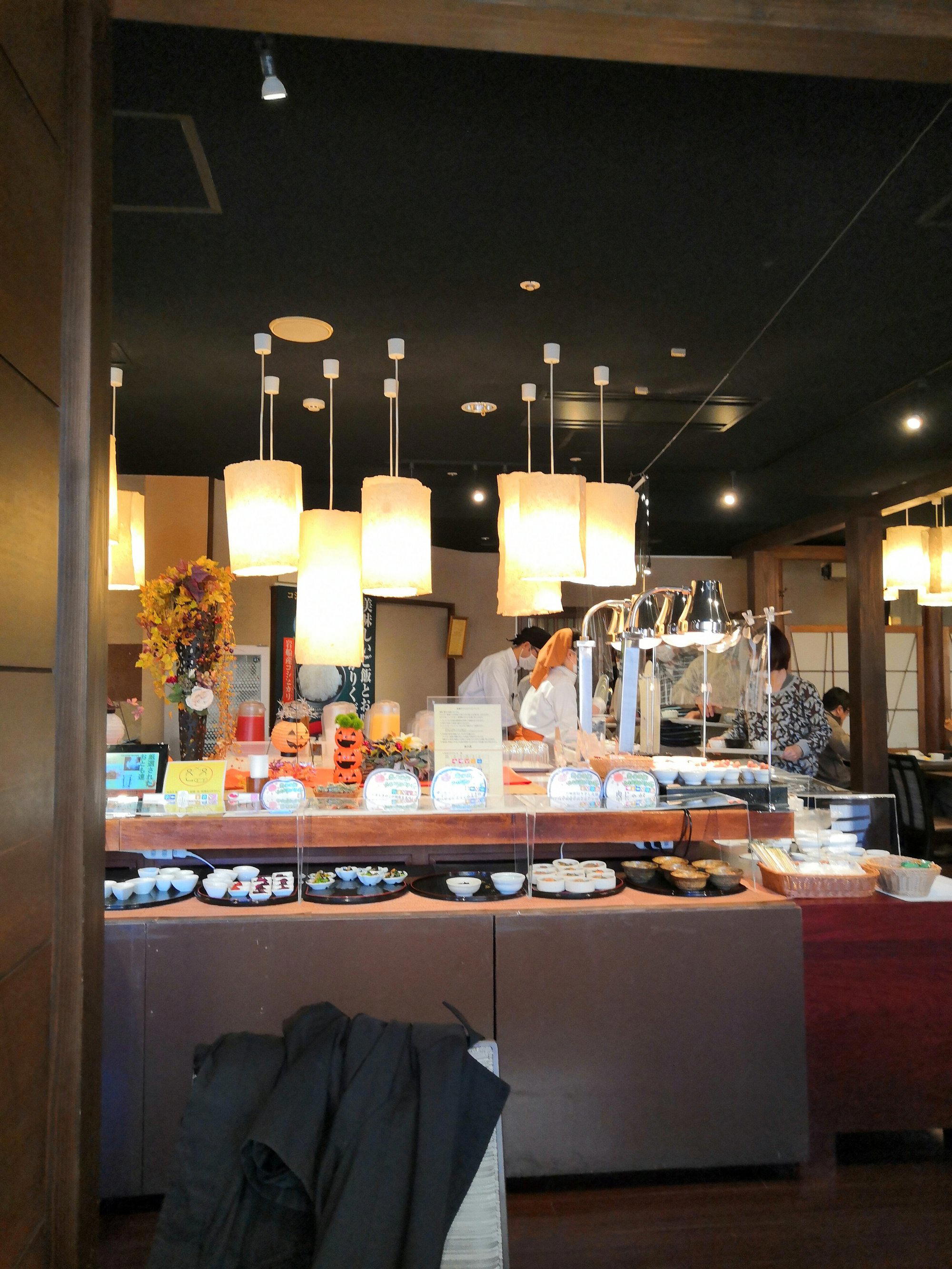
Dimly lit traditional Japanese interior with tatami rooms and shoji screens creating a serene, refined atmosphere.