
Niigata’s Furumachi dining culture has always rewarded compact rooms with a clear point of view. Yakiniku Hatchi brings that logic to Japanese barbecue: a 16-seat, non-smoking yakiniku counter-and-sofa format with shochu and wine, selected for Tabelog 100 Yakiniku EAST 2025 less than two years after opening.
Pearl is the En Primeur Club membership app — saves, bookings, and concierge access live there. Same editors, same standards.
- Address
- 新潟県新潟市中央区古町通9番町1477-2
- Phone
- +815088883842
- Website
- tabelog.com
 Saves & bookings on Pearl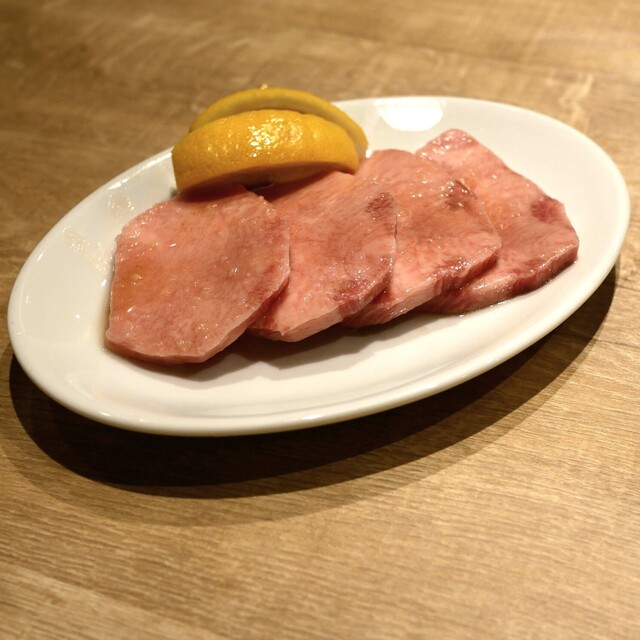
Furumachi after dark has a particular scale: narrow frontages, small dining rooms, serious food kept close to the street rather than sealed behind ceremony. Yakiniku suits that setting: participatory cooking, social pacing, and a meal built less on theatrical plating than sourcing, cutting, heat control, and confidence in beef as the subject.
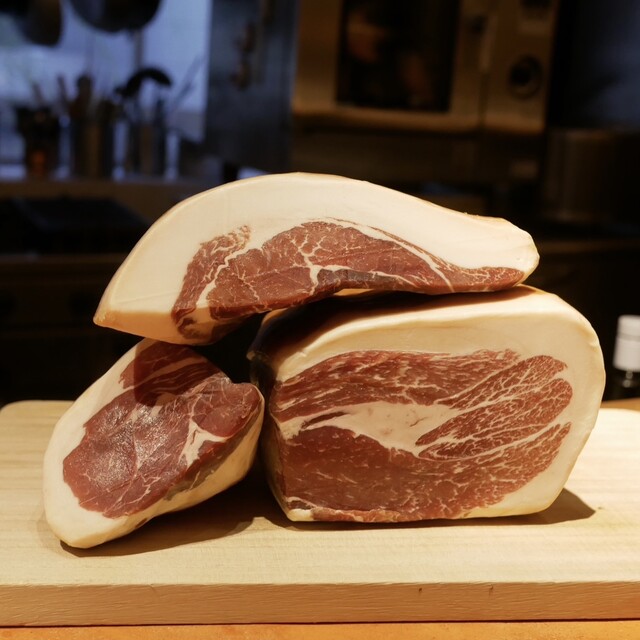
Niigata is better known outside Japan for rice, sake, and seafood than grilled beef, which makes its stronger yakiniku rooms worth reading in context. The city’s restaurant culture prizes ingredient clarity over display, an instinct Japanese barbecue rewards: cuts are portioned for the grill, seasoning supports fat and texture rather than covers them, and the table becomes the final cooking station. Yakiniku Hatchi is a small-format restaurant where sourcing matters before the first piece reaches the flame.
Furumachi yakiniku built around sourcing, not spectacle
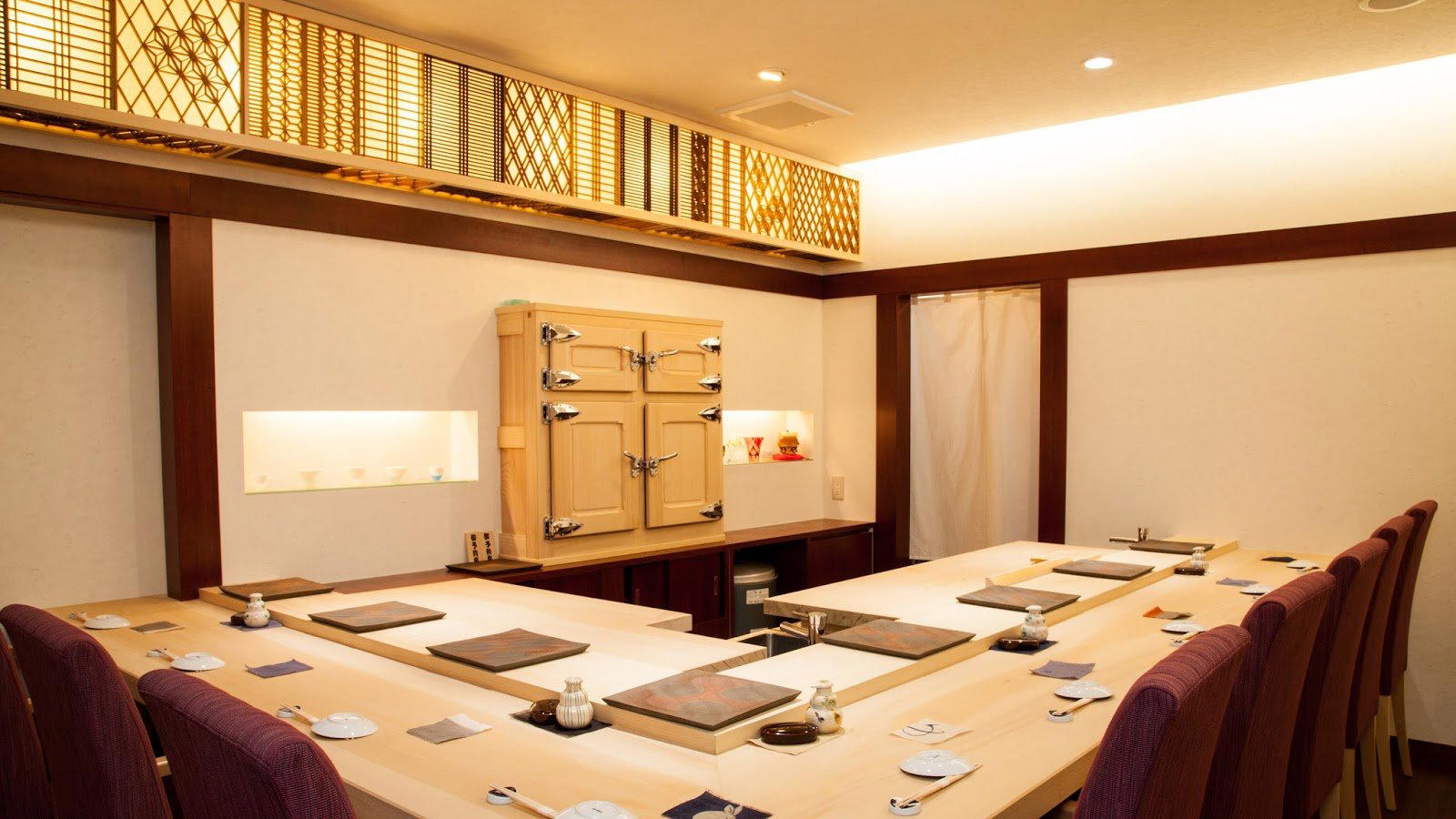
Japanese barbecue has split into two broad lanes. One favors high-volume group dining, broad menus, and a party-room rhythm. The other is tighter and more ingredient-led: fewer seats, closer supervision, and less margin for error because every slice of beef faces direct judgment. Yakiniku Hatchi sits in the latter lane, with 16 seats and a non-smoking room that keeps attention on the grill rather than room residue.
The Tabelog 100 Yakiniku EAST 2025 selection is the useful trust signal. It places a young Niigata restaurant on a regional list heavily contested by larger metropolitan markets. That does not make Furumachi a beef capital like Tokyo, but it marks a serious local address in a category where diners compare across prefectures. For a city often framed through polished rice, winter seafood, and sake culture, a recognized yakiniku room adds another reading of Niigata’s appetite: less coastal, more fire-and-fat, still governed by ingredient quality.
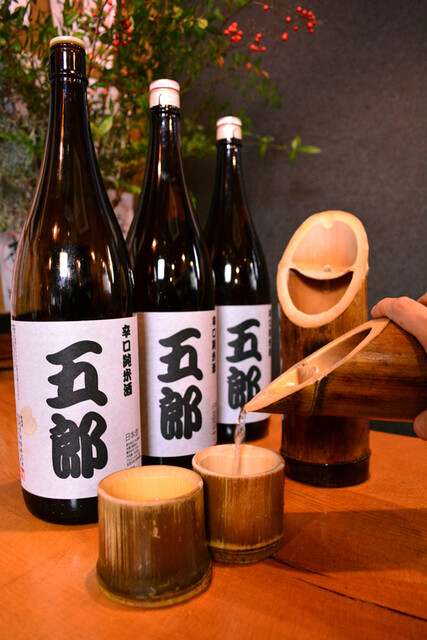
The drink direction matters too. Shochu and wine offer two ways to handle grilled meat. Shochu keeps the meal in a Japanese register, cutting through fat without pushing the table toward formality. Wine, handled with restraint, gives beef a broader dining-room frame. That pairing is now common at ambitious yakiniku restaurants, but in compact Niigata it signals more than a quick grill-and-go dinner.
For readers mapping the city, this differs from the seafood and sushi axis of Chiyo Zushi, or the broader Japanese dining register of Echigo Ichie Juro. Furumachi can handle precision and ease, so a barbecue room, sushi counter, and polished kappo-style address can share the same night-out conversation without doing the same job.
A small room changes the way the grill is judged
Yakiniku is sometimes treated casually because diners cook at the table, but the stronger version is unforgiving. Beef must be cut to suit the grill, not merely portioned generously. Fat distribution, thickness, seasoning, and timing show quickly once heat is involved. A small room intensifies that judgment: there is less anonymity than in a large chain format, and the meal’s rhythm depends on supplying the table without overwhelming the grill.
Scale is therefore editorially relevant. Sixteen seats is not just capacity; it shapes the experience. It suggests controlled pacing, a counter with a role beyond decoration, and kitchen decisions close to the diner. Sofa seating adds a softer social register, but this remains compact, not a sprawling banquet hall. In Niigata, that matters because many stronger restaurants keep neighborhood-room intimacy while drawing diners across town for a specific category.
The absence of private rooms is telling. This is not the corporate yakiniku model of enclosed rooms and expense-account privacy. Better comparisons are other specialist formats across the city: the burger focus at Burger Stand Tender, the Western-leaning precision of Amaranthus, or the grill-driven counter culture at French Teppan Seikou An. Each asks the same question differently: how narrow can a format become before it feels more serious, not less?
Furumachi’s broader restaurant field explains the appeal. Comparison venues such as Goro Furumachi ten, Oniya, 古門, 兄弟寿し, and 鍋茶屋 光琳 point to a district where izakaya energy, sushi craft, and established Japanese dining overlap. Yakiniku Hatchi does not replace those traditions. It gives beef a compact, ingredient-first room in a neighborhood already fluent in small-scale dining.
How to place it in a Niigata itinerary
Travelers often build Niigata dining around sake and seafood first, understandably but incompletely. A sharper itinerary uses contrast: sushi one night, grilled beef another, then a looser bar or izakaya evening to see how the city relaxes. The fuller picture sits across Our full Niigata restaurants guide, with parallel planning through Our full Niigata hotels guide, Our full Niigata bars guide, Our full Niigata wineries guide, and Our full Niigata experiences guide.
Against Japan’s wider grill culture, the interest here is regional rather than maximalist. Elsewhere, beef can become a luxury signal before dinner. A Kamakura address such as -Grilled beef Sukiyaki- KAMAKURA TANUKIAN 鎌倉 たぬき庵 in Kamakura frames beef through sukiyaki; Tokyo rooms such as. 鮪と炭火焼き うお炭 秋葉原店 in Tokyo often pair charcoal with a broader urban menu. Niigata’s version feels more compact and local: a small Furumachi room, direct grill format, and recognition signal giving travelers reason to look beyond the city’s better-known seafood script.
That contrast can extend across a Japan trip..cafe in Osaka.know in Kumamoto, (Shoku) Vietnam in Kawasaki, and [Curry Senmon Ten] Maruyama Kyoju. in Sapporo all show how category-specific rooms can define a stop without grand dining-room language. Across the Pacific, Jōdo Saké Bar in Los Angeles and Onigiri Time in Pasadena underline the same point differently: Japanese food travels well when format remains disciplined.
The editorial case for the restaurant is not that Niigata should suddenly be treated as a beef destination. It is that a city famous for rice, sake, and the Sea of Japan also has room for a focused yakiniku address with regional recognition and a scale small enough to keep the grill honest. For diners already planning one seafood-led meal in Niigata, this is the counterweight: smoke, fat, and sourcing discipline in Furumachi’s compact night-time grid.
Comparable Spots, Quickly
Nearby venues at a similar price tier for orientation.
| Venue | Cuisine | Price | Notes |
|---|---|---|---|
| Yakiniku HatchiThis venue — the venue you are viewing | Japanese Yakiniku BBQ | $$$ | Not listed |
| éè¶å± å ç³ | Seasonal Niigata Kaiseki | $$$$ | Chuo Ward |
| Sushi Yasu | Traditional Edo‑style Sushi | $$$ | Chuo Ward |
| Sasagawa Mochiya | Traditional Japanese Sweets | $ | Nishibori, Chuo Ward |
| Echigo Ichie Juro | Niigata local izakaya with creative Echigo cuisine | $$ | Chuo-ku |
| Shintaku | Modern Kappo Kaiseki with Local Murakami Ingredients | $$$ | Murakami |
Recognition history
Dated appearances from independent guides and award organizations, with the underlying list record or original source where available.
Tabelog 100 #70 · No. 70
Tabelog · Tabelog 100 - Yakiniku - EAST - 2025
Continue exploring
More in Niigata
At a Glance
- Cozy
- Intimate
- Classic
- Family
- Casual Hangout
- Special Occasion
- Standalone
- Sake Program
- Beer Program
Small, non-smoking, counter-and-sofa seating creates an intimate, focused yakiniku setting rather than a large lively dining room.