ラトリエ・ドゥ・ノト sits in Wajima, the Noto Peninsula city that became a reference point for regional Japanese craft and cuisine long before fine dining arrived in force. Contact and booking details are limited, making advance research essential. For travellers already committed to the Noto circuit, it sits alongside アユート as part of a small but serious local dining tier.
Pearl is the En Primeur Club membership app — saves, bookings, and concierge access live there. Same editors, same standards.
- Address
- Japan, 〒928-0001 Ishikawa, Wajima, Kawaimachi, 4−142
- Phone
- +81768234488
- Website
- atelier-noto.com
 Saves & bookings on Pearl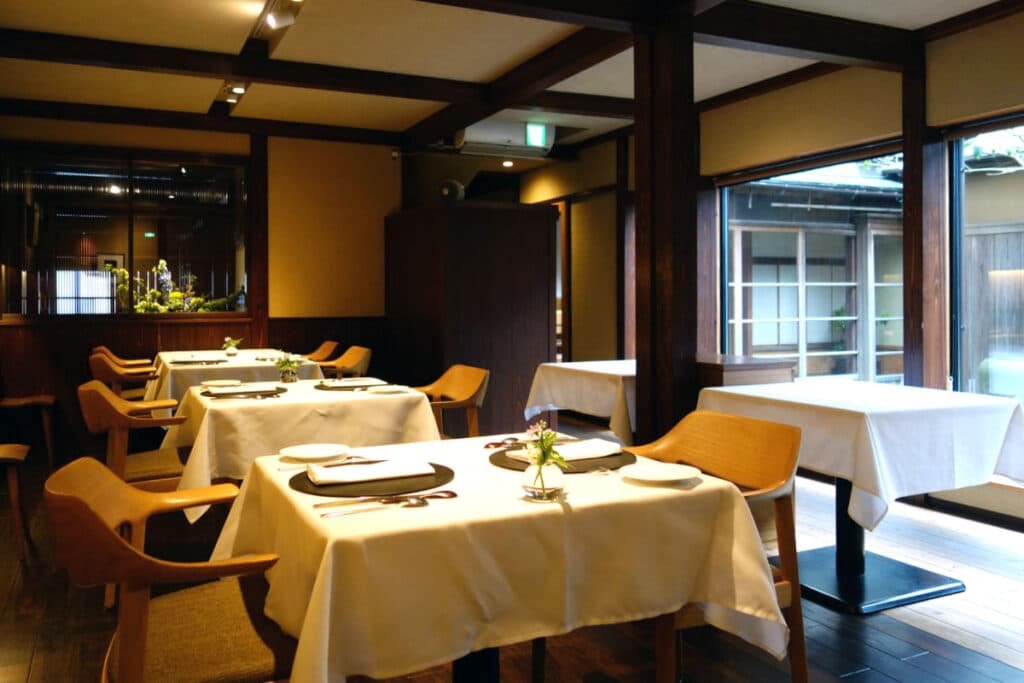
Wajima and the Noto Peninsula's Place in Japan's Regional Dining Map
Japan's premium restaurant culture has historically concentrated in three cities: Tokyo, Osaka, and Kyoto. The Noto Peninsula, jutting into the Sea of Japan from Ishikawa Prefecture, represents a different proposition altogether. Here, the draw is not density of options but specificity of place: lacquerware traditions that date back centuries, morning markets operating on rhythms unchanged for decades, and seafood pulled from waters with distinct seasonal patterns. Wajima sits at the northern tip of that peninsula, a city defined as much by its craft heritage as by its table. When serious dining does appear in this context, it arrives as an extension of that place-rooted logic rather than as an import of urban technique.
That context matters for understanding what ラトリエ・ドゥ・ノト represents within the Wajima scene. The name, transliterating the French L'Atelier de Noto, signals a deliberate cultural translation: French atelier thinking applied to Noto's material world. This is a pattern visible elsewhere in Japan's regional fine dining, where French structural discipline and Japanese ingredient obsession have been merging for decades. At HAJIME in Osaka, that synthesis reaches maximum philosophical density. In smaller regional cities, it tends toward quieter, more ingredient-led expressions.
The French-Japanese Register in Regional Japan
The French-Japanese synthesis is now well enough established in Japan that its regional variants have developed distinct characteristics. Tokyo counters such as Harutaka operate within a hyper-competitive comparable set where reputation is maintained against hundreds of credentialed alternatives. Kyoto's Gion Sasaki benefits from the weight of kaiseki tradition as an anchor. In smaller cities and rural settings, restaurants operating in this register have a different advantage and a different challenge: the ingredients and setting are often more direct, the source relationships shorter, but the critical infrastructure (regular press attention, guide visits, word-of-mouth networks) is thinner.
akordu in Nara is one model for how a regional city can support a sophisticated European-influenced table anchored to local produce. Goh in Fukuoka shows how a city with strong local seafood identity can sustain a high-concept kitchen. Wajima's position on the Sea of Japan coast, with access to yellowtail, crab, and shellfish drawn from cold northern waters, provides a comparable foundation. The question for any serious restaurant operating here is how completely it converts that raw material advantage into a coherent dining proposition.
Approaching the Address
ラトリエ・ドゥ・ノト is located at Kawaimachi 4-142, Wajima, in Ishikawa Prefecture's 〒928-0001 postal district. Wajima is accessible by highway bus from Kanazawa, the nearest major city, with journey times typically in the two-hour range depending on route and stops. Kanazawa itself connects to Tokyo and Osaka via the Hokuriku Shinkansen, making the Noto Peninsula reachable as a dedicated trip from either city, though it requires planning: this is not a half-day excursion. Visitors to the region often combine Wajima with Nanao, where 一本木 石川製 offers another point of regional dining interest, building a multi-day itinerary across the peninsula.
Wajima's own rhythm is worth factoring into arrival timing. The Wajima Morning Market (朝市), one of Japan's most referenced daily markets, runs through the centre of town and shapes the day's pace. Arriving the night before a planned dinner, with time to walk the market in the morning, gives a more complete picture of the ingredient culture that underpins local kitchens. The coastal light in this part of Ishikawa in late afternoon, particularly in autumn, has a quality that rewards unhurried movement through the town.
What the Name Communicates
The word atelier carries specific weight when attached to a restaurant in rural Japan. In French culinary tradition, an atelier implies a working space oriented toward craft process rather than theatrical service, closer to the workshop than the stage. Applied to Noto, it frames the kitchen as a place where the region's materials are worked and studied, not merely presented. This is consistent with a broader trend across Japan's mid-scale to upper-mid-scale regional dining, where chefs increasingly position their spaces as research spaces for local ingredient traditions rather than as formal dining rooms in the classical European sense.
The Noto suffix does the second half of the work: it grounds the concept completely in place. Restaurants in Japan's regional tier that attach a specific geography to their name are making a claim about ingredient sourcing and local commitment that the dining room must then justify. It places ラトリエ・ドゥ・ノト in the same conceptual category as other named-place regional expressions found across the country, from the Seto Inland Sea to the mountains of Tohoku, where place identity has become both the marketing frame and the operational logic.
The Noto Peninsula Since the 2024 Earthquake
Noto Peninsula experienced a significant earthquake in January 2024, which caused widespread disruption to infrastructure and communities across the region, including in Wajima. Travellers planning a visit should verify current conditions and access routes before booking any travel to the area. The recovery timeline for hospitality businesses in the region varies considerably, and direct contact with venues or local tourism boards is the most reliable way to confirm current operating status. Supporting the region through considered travel remains one of the more direct ways travellers can contribute to recovery, but it requires current information rather than assumptions based on pre-earthquake status.
Planning a Visit
Practical details for ラトリエ・ドゥ・ノト include an essential reservation policy and a smart casual dress code. Given the logistical investment required to reach Wajima from any major city, this verification step is not optional.
For those drawing comparisons outside Japan, the model of a European-influenced kitchen committed to a specific regional ingredient identity has close analogies in restaurants such as Le Bernardin in New York City for its singular ingredient focus, or Atomix in New York City for its formal integration of Korean culinary reference into a fine dining structure. The Noto version of that conversation is smaller in scale and more remote in setting, but no less serious in intent. Other comparisons across Japan's regional dining spectrum might include Bistro Ange in Toyohashi or bodai, each working similar territory between European form and Japanese ingredient logic in cities outside the main dining capitals.
Cost and Credentials
Comparable venues nearby, for context on price, style, and recognition.
| Venue | Cuisine | Price | Awards | Notes |
|---|---|---|---|---|
| ラトリエ・ドゥ・ノトThis venue — the venue you are viewing | $$$ | , | ||
| アユート | $$$ | , | Wajima City, Italian with Local Japanese Fusion | |
| Restaurant Ennu | Kanazawa, Modern French Bistronomy | $$$ | , | |
| ビストロ高柳 | Kanazawa, French Bistro | $$$ | , | |
| 薪の音 | Noguchi, Satoyama French-Japanese Fusion | $$$ | , | |
| The Barn by Odin | $$$ | , | Hirafu, French Bistro with Hokkaido Ingredients |

At a Glance
- Elegant
- Intimate
- Rustic
- Sophisticated
- Date Night
- Special Occasion
- Business Dinner
- Historic Building
- Open Kitchen
- Private Dining
- Sommelier Led
- Local Sourcing
- Farm To Table
- Sustainable Seafood
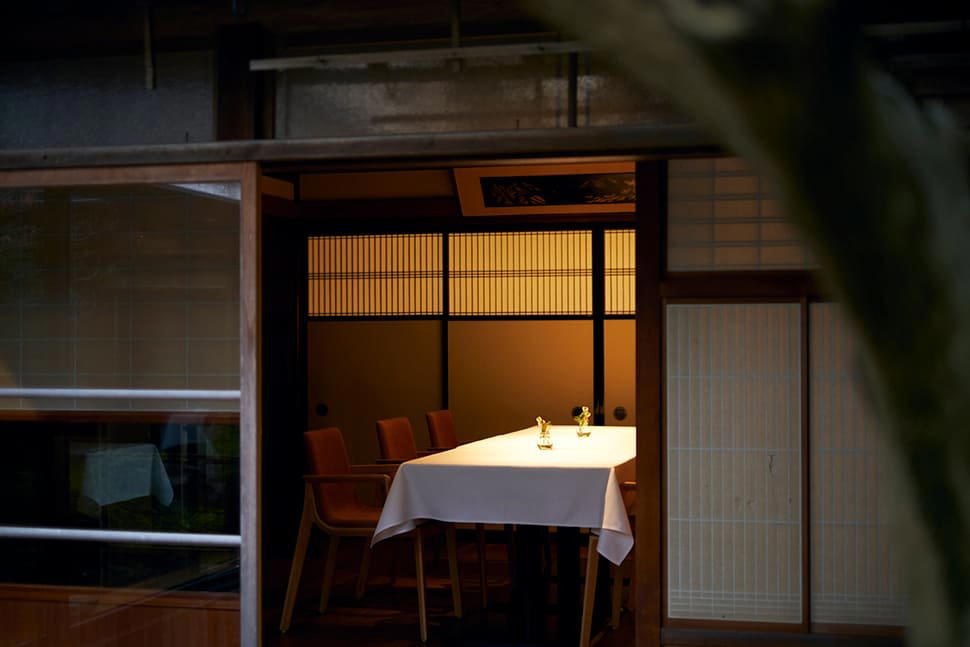
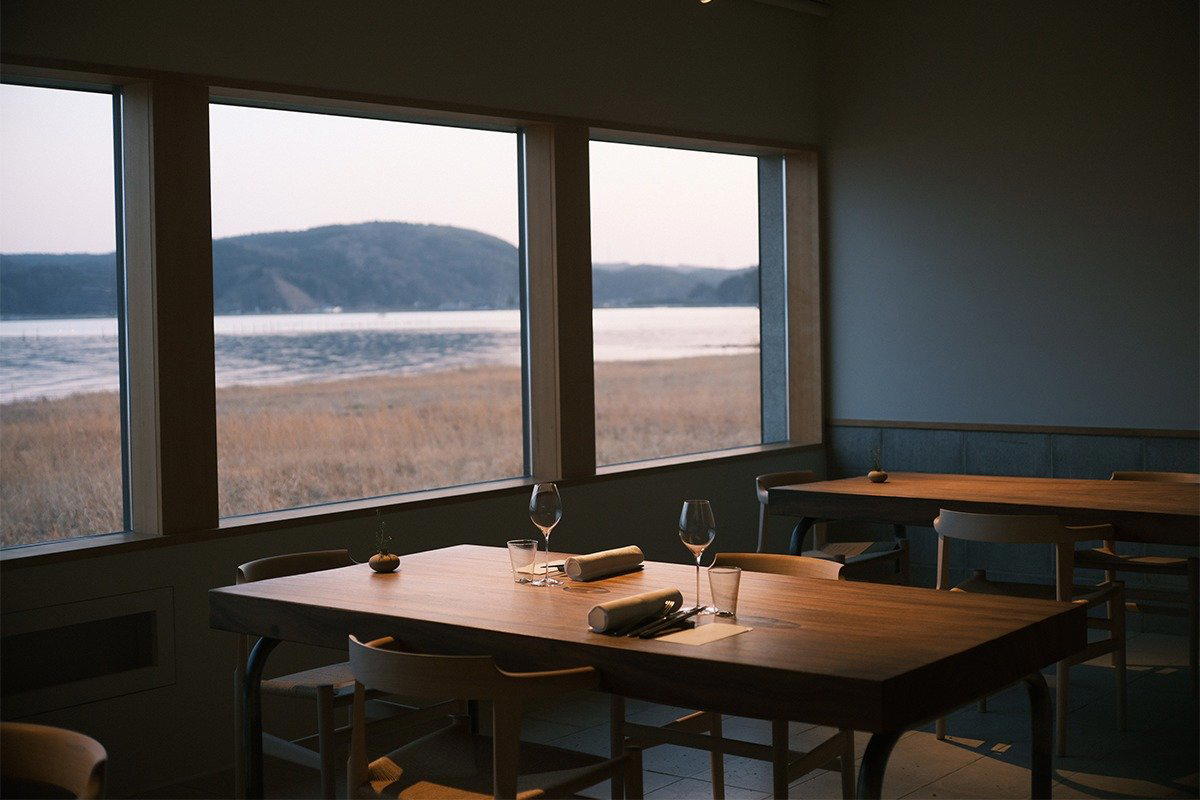
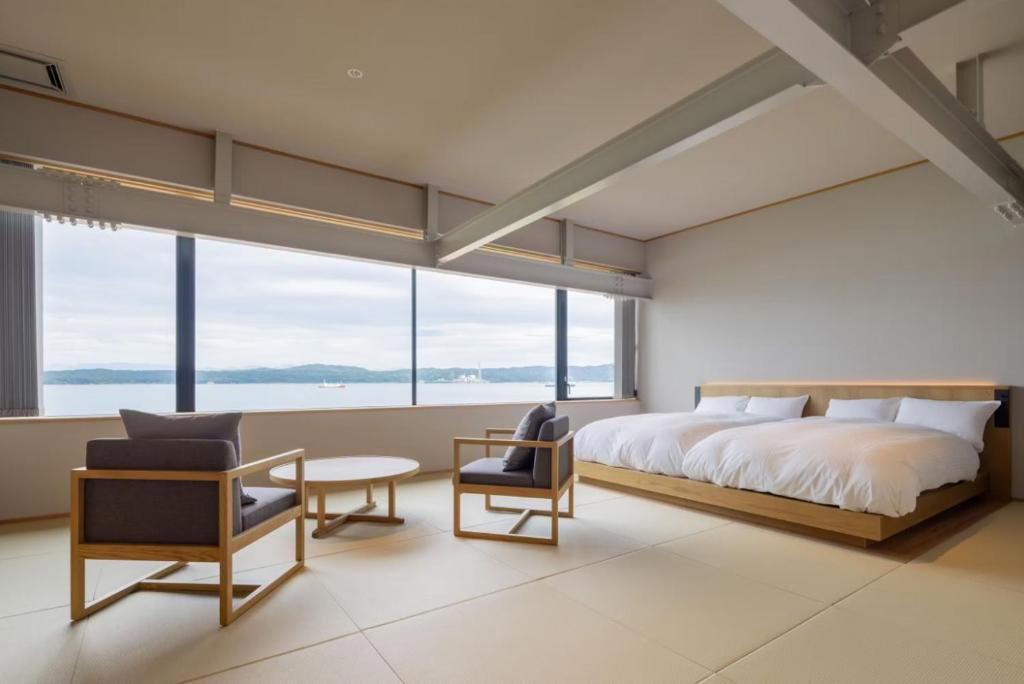
Subdued and refined atmosphere within a meticulously restored historic building, creating an intimate setting that honors traditional Japanese craftsmanship.