
Tabelog 100 #78
Our verdict
3931WORKS. puts Kasukabe’s ramen scene into sharp focus: a compact Ichinowari counter with eight seats, ramen and tsukemen, and a 2025 Tabelog Ramen EAST 100 selection. The appeal is not ceremony but concentration, with regional ramen craft, low pricing, and tight logistics all pointing to a serious noodle stop outside central Tokyo.

Pearl is the En Primeur Club membership app, where members save venues, book tables and use the concierge.
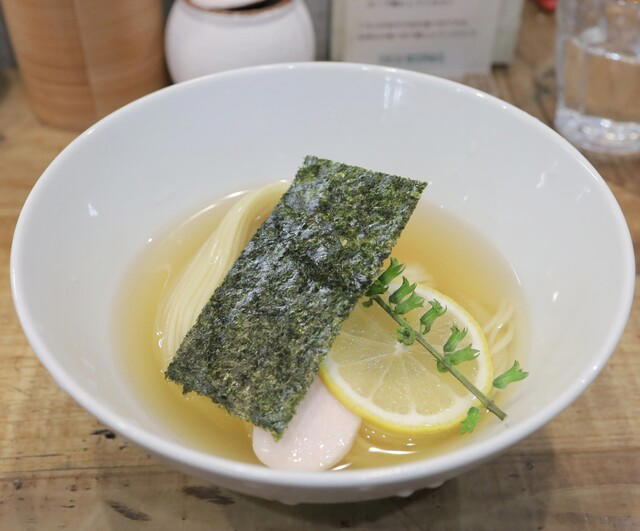
Ichinowari’s ramen rhythm is compact and practical: station-side streets, quick lunch windows, and small counters where the room is designed around turnover rather than lingering. 3931WORKS. fits that grammar with an eight-seat, counter-only format, placing the meal in the same stripped-down category as many serious suburban ramen rooms: the chef-facing seat, the bowl, and little else to distract from broth, noodles, and timing.
Kasukabe is not Tokyo’s usual ramen hunting ground for visitors, which is precisely why its better noodle shops are useful to understand. In Saitama’s commuter cities, ramen has to answer to regulars as much as destination diners. The price band sits at JPY 1,000 to JPY 1,999, a level where technical choices matter because there is little luxury padding. A 2025 Tabelog Ramen EAST 100 selection gives the shop a regional credential, but the more interesting point is what that recognition says about ramen outside the capital’s denser circuits: suburbia is not a consolation prize when the counter discipline is this tight.
Tochigi lineage, Saitama address, and the ingredient logic behind the bowl
The listed categories are ramen and tsukemen, which already places the kitchen in a split tradition: soup-driven immediacy on one side, dipping-noodle concentration on the other. That division matters because ramen sourcing is not only about premium labels. It is about how stock, tare, fat, and noodle texture are calibrated so the bowl keeps its shape from first sip to last noodle pull. Tsukemen pushes that logic harder, since the dipping broth must carry enough intensity to coat noodles without becoming blunt.
The shop’s stated origin connects it to Tochigi names UNITED NOODLE Amè no Oto and YOKOKURA STOREHOUSE. That is not a decorative biography; it is a useful clue to the competitive set. Northern Kanto ramen has developed a strong following for modern bowls that treat noodle quality and broth clarity as technical signatures rather than afterthoughts. In that context, 3931WORKS. reads less like an isolated Kasukabe opening and more like part of a regional exchange between Tochigi technique and Saitama demand.
Opening date, 2024.12.19, also matters. A restaurant selected for a 2025 regional ramen list so soon after opening signals fast local traction in a category where repeat custom and queue behavior tend to expose weak execution quickly. The Tabelog score of 3.88 adds another public marker, especially in Japan’s ramen category, where incremental score differences can reflect intense comparison among diners who visit multiple counters in the same week.
A counter built for ramen, not a long restaurant evening
Room’s format is the experience. Eight counter seats create a narrow service model: diners arrive, eat, and release the seat for the next bowl. That is not a flaw; it is how much of Japan’s serious ramen culture protects pace and consistency. Compared with BurgerPOLICE Kasukabe, which sits in a higher local price band, or Oak wood, which belongs to a different casual dining rhythm, this is a sharper, shorter proposition. The closer Kasukabe comparison is Niboshi Ranbu, another ramen address in the same JPY 1,000 to JPY 1,999 bracket, though the two should be read as parallel expressions of local noodle demand rather than substitutes.
Reservations are unavailable, which puts the burden on timing rather than planning software. Lunch runs most operating days, with evening service limited to Wednesday and Friday, and Monday is closed. EPARK reception begins around 10:00 for the day session and around 17:00 for the evening session, a detail worth treating seriously in an eight-seat shop. Payment is cash-oriented in practice: credit cards, electronic money, and QR code payments are not accepted. Parking is unavailable, and the address sits by Ichinowari Station, making rail the cleaner approach.
For travelers building a Kasukabe food day, the useful move is to treat this as a focused ramen stop rather than the anchor for a long itinerary. Broader local planning can sit around Our full Kasukabe restaurants guide, while non-dining logistics belong in Our full Kasukabe hotels guide, Our full Kasukabe bars guide, Our full Kasukabe wineries guide, and Our full Kasukabe experiences guide. The practical reading is simple: come for the bowl, not for a padded evening.
Where it sits in a wider Japan noodle conversation
Japan’s casual dining strength lies in narrow specialization. Ramen counters, curry shops, onigiri specialists, sake bars, and small grill formats all depend on the same editorial question: does the format justify the trip at its scale and price? That is why cross-category comparisons can be useful even when the food differs. A traveler comparing compact Japanese formats might also look at [Curry Senmon Ten] Maruyama Kyoju. in Sapporo, [ki:] in Kyoto.cafe in Osaka.know in Kumamoto, or (Shoku) Vietnam in Kawasaki to see how narrowly defined menus carry local identity without resorting to grand dining codes.
That same lens extends beyond Japan. Jōdo Saké Bar in Los Angeles and Onigiri Time in Pasadena show how Japanese formats are translated abroad, while -Grilled beef Sukiyaki- KAMAKURA TANUKIAN 鎌倉 たぬき庵 in Kamakura and. 鮪と炭火焼き うお炭 秋葉原店 in Tokyo sit closer to Japan’s ingredient-led dining traditions. Against that wider field, 3931WORKS. is valuable because it keeps the argument narrow: ramen and tsukemen, a small counter, a low price band, and enough regional recognition to make Ichinowari part of the conversation.
Frequently asked questions
Does 3931WORKS. work for a family meal?
Yes, for a small family that is comfortable with a counter-only room. The 8-seat layout and JPY 1,000–JPY 1,999 price range make 3931WORKS. practical for a focused ramen stop in Kasukabe.
How would you describe the vibe at 3931WORKS.?
The mood is tightly edited and functional: 8 counter seats, no private rooms, and no reservations. That setup suits a quick ramen or tsukemen stop in Kasukabe rather than a lingering dinner.
What price level is 3931WORKS.?
Pricing at 3931WORKS. is listed as JPY 1,000 - JPY 1,999 JPY 1,000 - JPY 1,999.
When can I go to 3931WORKS.?
Hours at 3931WORKS.: Mon: Closed; Tue: 11 AM–2:30 PM; Wed: 11 AM–2:30 PM, 6–8 PM; Thu: 11 AM–2:30 PM; Fri: 11 AM–2:30 PM, 6–8 PM; Sat: 11 AM–2:30 PM; Sun: 11 AM–2:30 PM.
Snapshot
Comparable venues by cuisine and price in the same metro.
| Venue | Cuisine | Price | Awards | Notes |
|---|---|---|---|---|
| 3931WORKS.This venue (the venue you are viewing) | Modern Ramen & Tsukemen | $10–20 | Tabelog 100 #78 | Not listed |
| Oak wood | Patisserie Cafe | $10–20 | Tabelog 100 #82 | Hachichome |
| Niboshi Ranbu | Japanese Ramen | $1–10 | Tabelog 100 #30 | Takesato |
| Hosoi | Japanese Traditional Sweets | $1–10 | Tabelog 100 #76 | Kasukabe |
| BurgerPOLICE Kasukabe | Wagyu Burger & Steak Bistro | $20–30 | Tabelog 100 #74 | Chuo |
| HIKINIKU TO COME (挽肉と米) | Hamburger steak set menu (Japanese-style) | $20–30 | Tabelog 100 #59 | Shibuya |
Recognition history
Dated appearances from independent guides and award organizations, with the underlying list record or original source where available.
Tabelog 100 #78 · No. 78
Tabelog · Tabelog 100 - Ramen - EAST - 2025
Continue exploring
More in Kasukabe
Restaurants in Kasukabe
All restaurants in Kasukabe →

Bars in Kasukabe
Browse all →



Details
- Trendy
- Modern
- Casual Hangout
- Solo
- Late Night
- Open Kitchen
- Sake Program
- Counter Dining
- A La Carte
Current opening hours
- Monday
- Closed
- Tuesday
- 11 AM–2:30 PM
- Wednesday
- 11 AM–2:30 PM, 6–8 PM
- Thursday
- 11 AM–2:30 PM
- Friday
- 11 AM–2:30 PM, 6–8 PM
- Saturday
- 11 AM–2:30 PM
- Sunday
- 11 AM–2:30 PM
Hours can change for holidays and private events. Last verified .
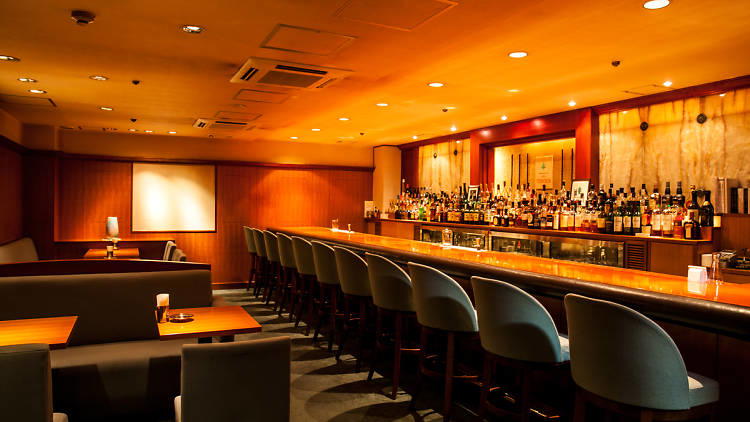
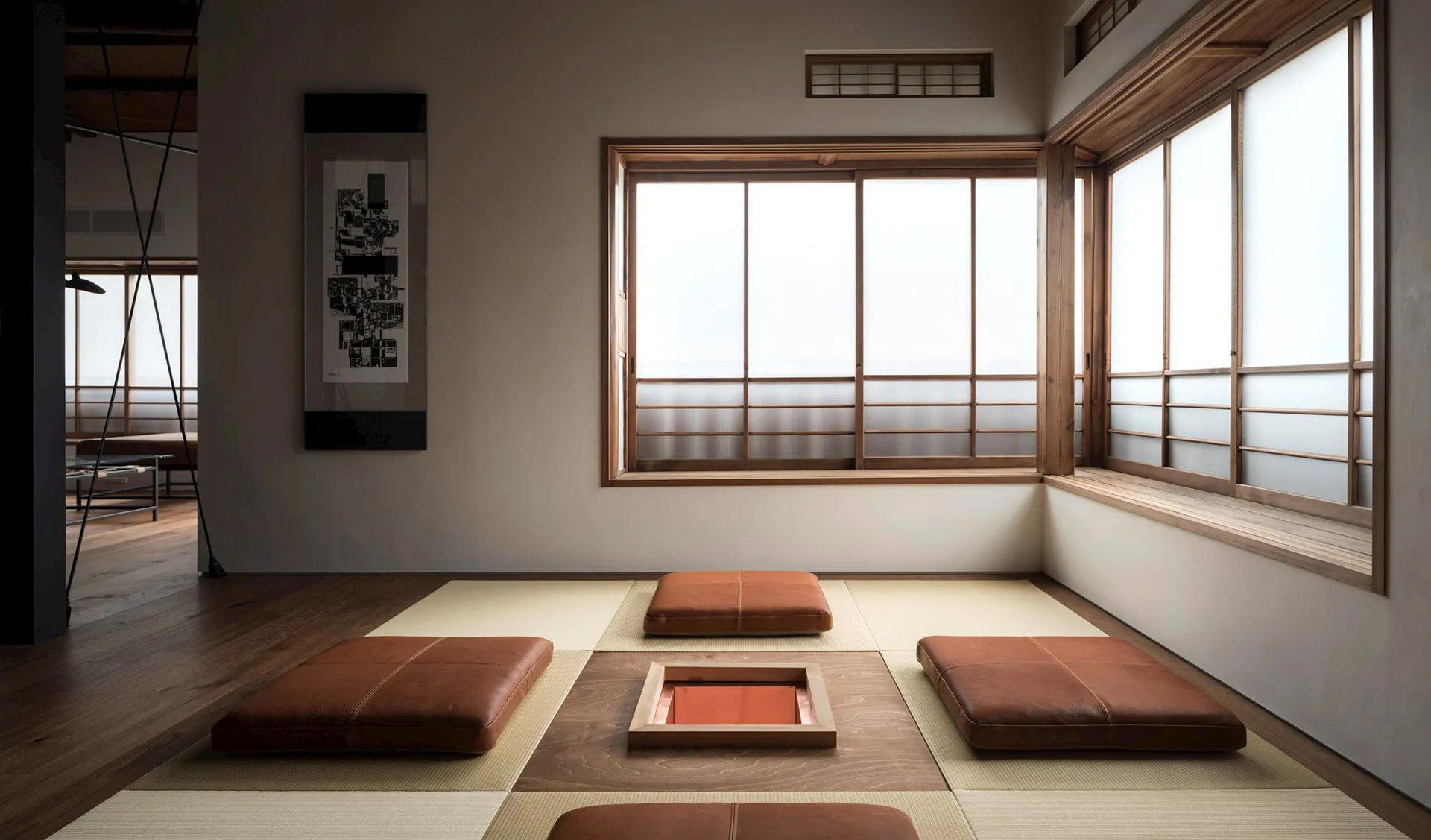
Compact counter-only space with a modern, minimalist ramen shop atmosphere.