
Tabelog 100 #59
Our verdict
Hikiniku to Kome Shibuya sits in Tokyo’s modern yoshoku lane, where hamburger steak has shifted from family-restaurant comfort to counter-format specialization. Its Tabelog 100 Yoshoku EAST 2025 selection, 31-seat setup, English menu, and low price band make it a useful Shibuya reference point for travelers comparing lunch value with a tighter evening mood.

Pearl is the En Primeur Club membership app — saves, bookings, and concierge access live there. Same editors, same standards.
The menu
What to order
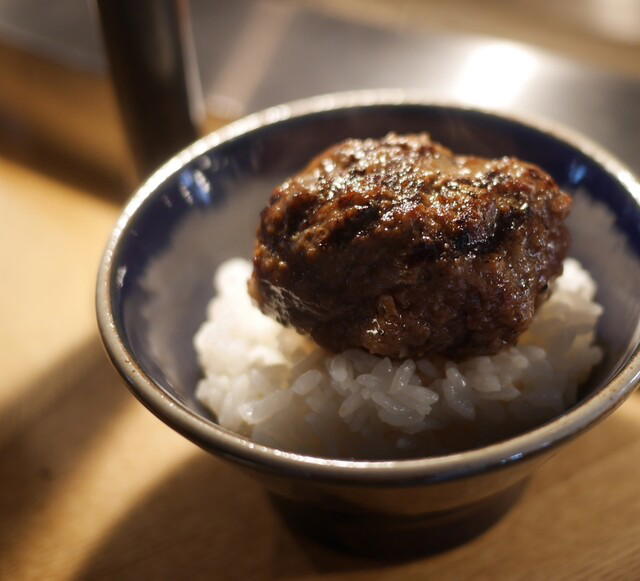
- Three 90g charcoal-grilled hamburger steaks set
- Freshly cooked rice with free refills
- Miso soup
- Raw egg with condiments and pickles
Tokyo changes register quickly: station traffic, slope-side signs, late-day queues, and the sense that every floor above street level may hide a compact dining room. Here, hamburger steak makes sense: quick enough for a Tokyo lunch break, specific enough for a planned stop, and familiar enough to cross language barriers without losing its Japanese character.
Tokyo’s casual dining tradition is pragmatic rather than precious. Familiar forms are absorbed, adapted, and standardized into dishes that behave differently here than in Europe or America. Hamburger steak is the clear example: not a burger, not a steakhouse order, but a Japanese set-meal grammar of minced meat, rice, condiments, and speed. Hikiniku to Kome Shibuya belongs to the newer specialist version, narrowing the category instead of expanding it.
Hamburger steak as Tokyo counter food, not retro nostalgia
The useful point is not that Tokyo has hamburger steak; the city has had it for generations. The shift is format. Contemporary specialist shops reduce the meal to a few decisions and let turnover, rice, and heat do the work. That separates this address from broader casual rooms whose menus may sprawl across many familiar comfort-food categories. Here, the category becomes a focused Tokyo meal.
That focus has recognition beyond neighborhood popularity. The restaurant has Tabelog Hyakumeiten recognition for 2025, with a Tabelog score of 3.71. In Tokyo, where casual price bands include both filler meals and cult specialist counters, that combination matters. It places the restaurant in a documented conversation rather than the broader, noisier field of station-area dining.
Price is part of the story. A JPY 1,000 to JPY 1,999 range for both lunch and dinner keeps it closer to everyday Tokyo eating than destination tasting-menu behavior. Compare Tokyo alternatives in the same orbit: Murghee operates in a casual price context; VIRON Shibuya ten offers another lighter city stop; Yakiniku Horumon Arai Ya Shibuya and Chinese Shindai point to different dinner moods. The appeal is clear: not a splurge play, but a specialist meal with enough recognition to choose over a generic stop nearby.
Lunch carries the value argument; dinner changes the pace
The lunch-dinner divide in Tokyo is less about what the city offers than how the same format feels under different pressure. Daytime Tokyo can be transactional: office workers, shoppers, travelers moving through stations, and tight gaps between appointments. A hamburger steak counter fits because the meal is built around immediacy and repetition. The low price band lands hardest at lunch, when the alternative may be a convenience-store tray, ramen queue, or department-store basement grazing.
Evening gives the format another role. Tokyo dinner often splits between drinking-led venues, yakiniku, group izakaya, and reservation restaurants with higher average checks. A meal built around hamburger steak offers a cleaner proposition before bars, cinemas, live houses, or a late train home. It does not require the social architecture of a long dinner or the menu negotiations that slow groups in the city.
The format reinforces that functional split. Rather than presenting itself as formal destination dining, Hikiniku to Kome Shibuya reads as a compact specialist stop built around a clear category. Those details say more than design adjectives. This is disciplined Tokyo dining, not a lounge built for lingering.
The meal’s logic is rice-centered as much as protein-centered. Hamburger steak works here as part of a set-meal rhythm rather than a standalone Western-style order. That is the broader Tokyo point: the plate may borrow its shape from Western cooking, but the meal structure remains Japanese. For travelers trying to understand why hamburger steak endures here, that distinction beats treating it as novelty.
Where it fits in a Tokyo eating day
The restaurant works well as a Tokyo anchor in a day otherwise scattered across the city. It combines easily with shopping, record stores, galleries, or a bar crawl, more so than restaurants buried in quieter residential routines. It also suits visitors wanting one tightly defined Japanese comfort-food format without committing an evening to fine dining.
Within EP Club’s Tokyo coverage, it belongs to the casual-specialist map rather than the luxury tier. Readers building a route might compare it with other Tokyo dining for focused categories, quick city meals, counter traditions, seafood and charcoal cooking, or a visual café stop. For the wider city edit, use Our full Tokyo restaurants guide, plus Our full Tokyo hotels guide, Our full Tokyo bars guide, Our full Tokyo wineries guide, and Our full Tokyo experiences guide.
Outside Tokyo, the comparison is less about like-for-like cuisine than Japan’s reward for narrow formats. Other dining rooms across Japan can show the same habit of precision, whether through a single dish, a narrow category, or a tightly controlled service style. For Japanese food culture abroad, focused formats translate differently outside Japan, often becoming more explanatory while keeping the same appeal of clarity.
The editorial case is simple: Hikiniku to Kome Shibuya is strongest as a precise Tokyo meal, not a grand occasion. Lunch gives the sharpest value, dinner gives a cleaner alternative to drinking-led sprawl, and the Tabelog recognition supports prioritizing it over a random station-area fallback.
A Quick Peer Check
Comparable venues for orientation by cuisine and category.
| Venue | Cuisine | Price | Awards | Notes |
|---|---|---|---|---|
| Hikiniku to Kome ShibuyaThis venue (the venue you are viewing) | Hamburger steak set menu (Japanese-style) | $20–30 | Tabelog 100 #59 | Not listed |
| tonkatsu.jp表参道 | Premium Tonkatsu Specialist | $20–30 | Tabelog 100 #86 | Omotesando |
| Hana Goori Kakigori | Japanese Kakigori (Shaved Ice) | $20–30 | Not listed | Roppongi |
| やきそばー HIT | Japanese Yakisoba & Ramen Bar | $10–20 | Not listed | Sugamo |
| Handmade buckwheat Matsunaga | Handmade Soba & Japanese Sake | $20–30 | Tabelog 100 #60 | Shibuya |
| Azabu Shogetsudo | Japanese Traditional Sweets (Wagashi) | $1–10 | Tabelog 100 #42 | Minato |
Recognition history
Dated appearances from independent guides and award organizations, with the underlying list record or original source where available.
Tabelog 100 #59 · No. 59
Tabelog · Tabelog 100 - Yoshoku - EAST - 2025
Continue exploring
More in Tokyo
Restaurants in Tokyo
All restaurants in Tokyo →


Bars in Tokyo
All bars in Tokyo →






Details
- Lively
- Modern
- Trendy
- Minimalist
- Energetic
- Solo
- Casual Hangout
- After Work
- Late Night
- Chefs Counter
- Open Kitchen
- Standalone
- Design Destination
- Local Sourcing
- Set Menu
- Counter Dining
Current opening hours
- Monday
- 11 AM–3 PM, 5–9 PM
- Tuesday
- 11 AM–3 PM, 5–9 PM
- Wednesday
- Closed
- Thursday
- 11 AM–3 PM, 5–9 PM
- Friday
- 11 AM–3 PM, 5–9 PM
- Saturday
- 11 AM–3 PM, 5–9 PM
- Sunday
- 11 AM–3 PM, 5–9 PM
Hours can change for holidays and private events. Last verified .
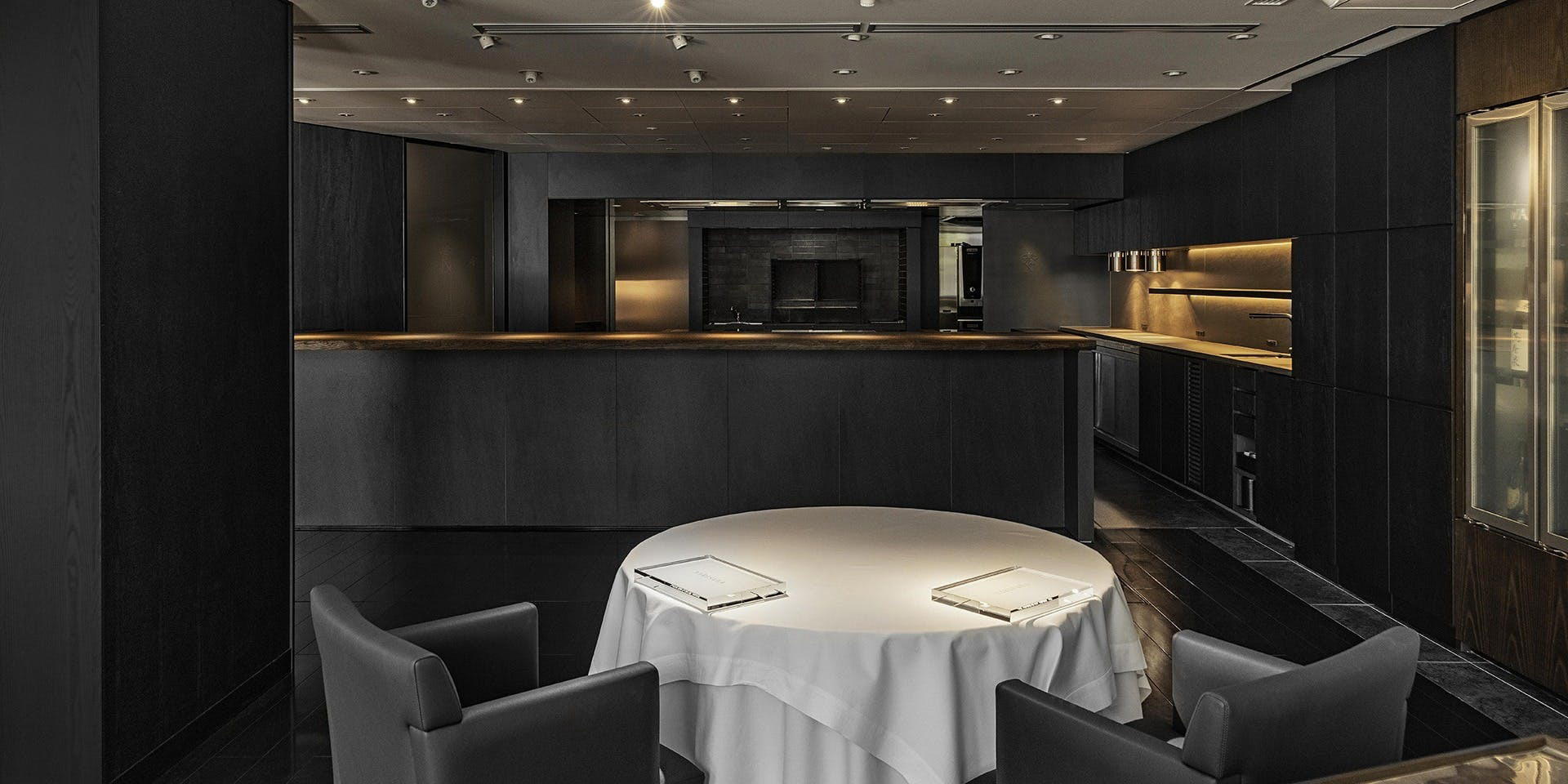
Minimalist counter-style space centered on a charcoal grill, where patties are cooked to order in front of diners; the atmosphere is lively and energetic with the focus on the sizzling grill and the timing of each freshly served patty rather than decor.