39 Rue de Jean
A French brasserie on John Street that holds its ground in Charleston's increasingly crowded dining scene, 39 Rue de Jean brings the format of a classic Parisian café, zinc bar, late-night energy, direct bistro cooking, to the lower peninsula. It reads as a counterpoint to the city's Southern-focused dining identity, drawing a crowd that arrives early for mussels and returns late for cocktails.
Pearl is the En Primeur Club membership app — saves, bookings, and concierge access live there. Same editors, same standards.
- Address
- 39 John St, Charleston, SC 29403
- Phone
- +1 843 722 8881
- Website
- 39ruedejean.com
- Directions
- Get directions
 Saves & bookings on Pearl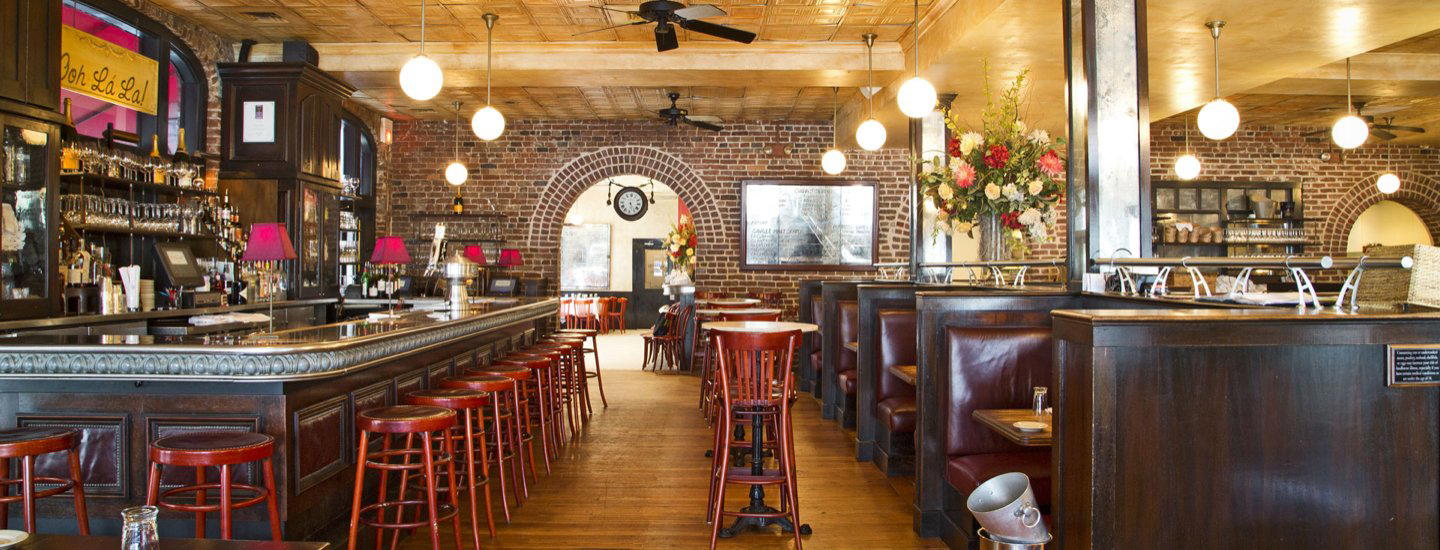
The Brasserie Format in a Southern City
Charleston's dining identity is built on Low Country tradition: rice-enriched stews, wood-smoked proteins, shellfish pulled from local waters. Against that backdrop, the French brasserie format occupies a specific and durable niche. It offers something the Southern canon generally does not, a late-running, convivial room designed as much for drinking as for eating, with a menu that rewards both the hungry and the merely thirsty. On John Street in the lower peninsula, 39 Rue de Jean has occupied that niche long enough to feel established in Charleston's dining scene.
The brasserie as a concept travels well to American cities, not because it mimics Paris faithfully but because the underlying logic, zinc bar, reliably long hours, a menu of approachable French standards, ambient noise calibrated for conversation rather than silence, translates cleanly to cities where dining culture skews social. Charleston, with its density of hospitality professionals and its tradition of eating late by Southern standards, is a reasonable fit for the format. Comparing the scene here to the French brasserie rooms that populate New Orleans, where the French colonial influence is more architecturally legible, or to the deliberate formality of places like Le Bernardin in New York City, shows how much latitude the category allows. The brasserie can absorb a great deal of local character without losing its essential shape.
Atmosphere and Physical Environment
The sensory register at 39 Rue de Jean is recognisably brasserie before you sit down. The sound of a room like this, cutlery on ceramic, the particular acoustics of a bar doing serious volume, French-adjacent music at a level that fills gaps without demanding attention, signals the room's brasserie character. You are not walking into a tasting-menu silence, nor into the deliberate rusticity of places like Rodney Scott's BBQ a few streets away. The pitch here is European café energy: unhurried by design, animated in practice.
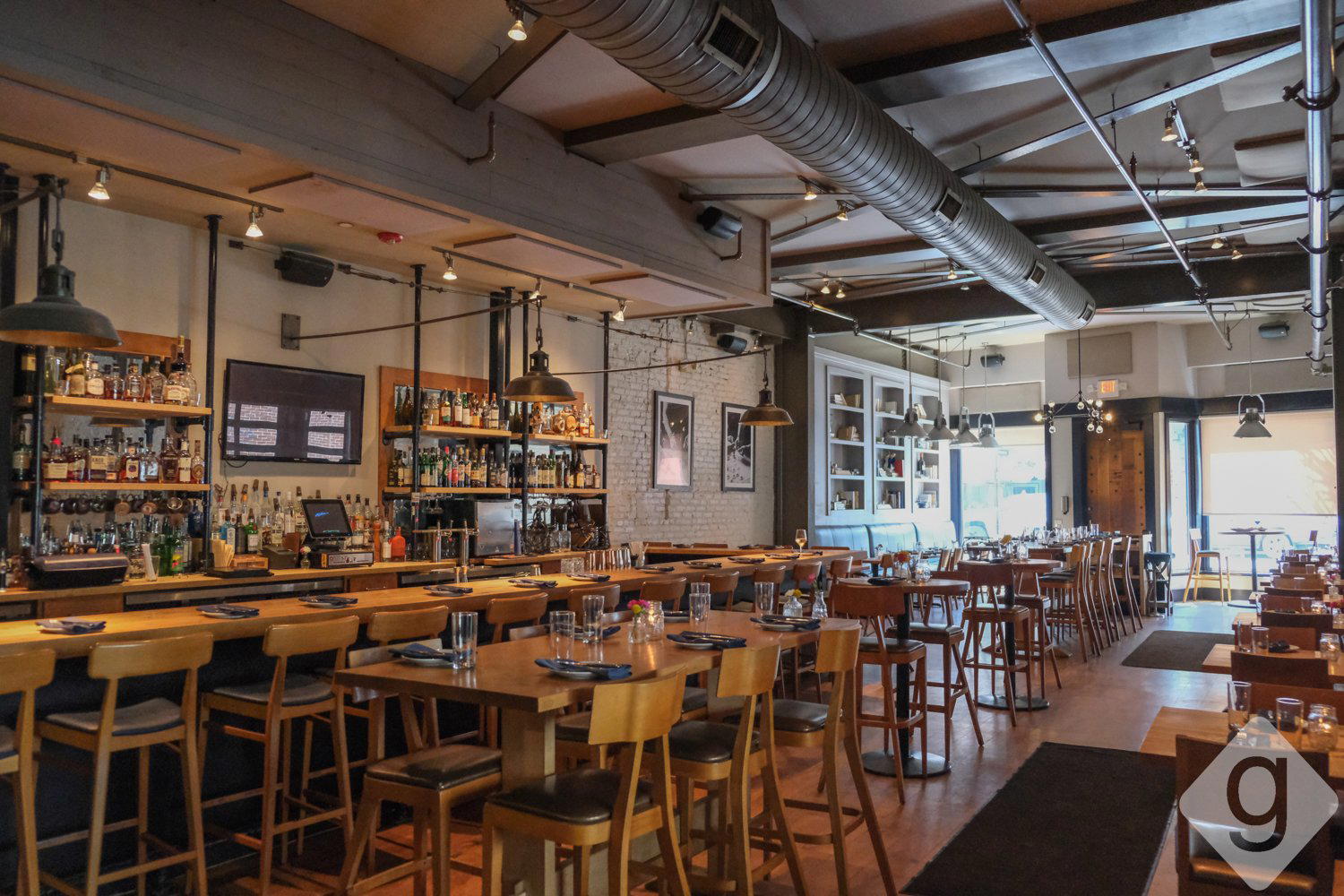
Brasseries depend on their bars in a way that many American restaurants do not. The bar is not a holding pen before the real experience of the table; it is a destination in its own right, and the crowd that settles there for the evening without booking a table is as much the point as the dining room. That dynamic shapes everything, the lighting, the noise level, the pace of service. At 39 Rue de Jean, the bar dimension is central to what the room actually is, which separates it from the more dining-room-focused New American addresses on the lower peninsula, including Vern's or Lowland.
Where It Sits in Charleston's Dining Ecology
Charleston's restaurant scene has developed a recognisable hierarchy in recent years. At the considered end, tasting-format and ingredient-driven rooms like FIG and Husk (and their successors) have established a serious culinary identity for the city, placing it in the same conversation as the farm-sourcing programs at Blue Hill at Stone Barns or the precision-driven kitchens of Single Thread Farm in Healdsburg. At the more casual end, specialist operations like Malagón Mercado y Taperia and seafood-focused oyster bars have multiplied. The brasserie occupies a middle register: more structured than a bar snack, less demanding than a tasting menu, priced to encourage repeat visits rather than special-occasion budgeting.
That middle register is where 39 Rue de Jean does most of its work. The French bistro canon, mussels in various preparations, steak frites, onion soup, a croque, is a known quantity, which is both its commercial advantage and its critical limitation. A known menu is a comfortable menu. It is also a menu that invites comparison with every other brasserie the diner has visited, which means execution matters more than novelty. In a city where the competition includes the shellfish program at 167 Raw and the Southern-inflected New American cooking at Edmunds Oast, the French format competes not on conceptual originality but on the quality of the familiar.
For those exploring Charleston's broader dining geography, 1010 Bridge and the addresses covered in our full Charleston restaurants guide fill in the picture around what is a genuinely varied lower-peninsula scene.
The Seasonal Case for Visiting Now
Charleston's climate runs warmer than most of the American Eastern Seaboard, which extends the outdoor dining window and affects the seasonal logic of how the city's restaurants are used. The shoulder seasons, late autumn and early spring, bring a different kind of crowd: fewer tourists, more locals, and shorter waits at the city's most-discussed tables. For a brasserie format that depends on ambient energy, those months can actually play in the room's favour. A full room of repeat visitors generates a different atmosphere than a full room of first-timers, and the neighbourhood character of John Street reads more clearly when the city is not operating at peak visitor volume.
French cooking's seasonal logic also aligns reasonably well with the Low Country calendar. The mussel season, the availability of local shellfish, the temperature at which a braised dish or a proper onion soup registers as comfort rather than weight, these all track with the cooler months that Charleston actually gets, brief as they are. Visiting in January or February means the menu's heavier registers are appropriate to the weather in a way that July visits are not.
Planning Your Visit
The restaurant is at 39 John St in Charleston's lower peninsula, within walking distance of the main cluster of the city's dining addresses. The brasserie format typically supports both booked tables and walk-in bar seating, and the late-running model means the room is often more accessible after nine than before seven. For visitors with limited nights in the city, this is a useful address to keep in reserve for evenings when more structured rooms are unavailable or feel too formal.
For those calibrating against other American fine dining benchmarks, the contrast is worth noting: where The French Laundry in Napa, Providence in Los Angeles, Addison in San Diego, Atomix in New York City, 8½ Otto e Mezzo Bombana in Hong Kong, and The Inn at Little Washington represent cooking at its most intentional and formally structured, a brasserie like 39 Rue de Jean represents the opposite pole of the French dining tradition: generous, unhurried, and built around the comfort of the known rather than the excitement of the new.
Same-City Peers
Comparable venues nearby, for context on price, style, and recognition.
| Venue | Cuisine | Price | Notes |
|---|---|---|---|
| 39 Rue de JeanThis venue — the venue you are viewing | Classic French Brasserie | $$$ | Not listed |
| Chez Nous | Southern French with Northern Italian & Spanish Influences | $$$$ | Cannonborough/Elliottborough |
| Well Hung Vineyard | American with Southern Twists | $$$ | French Quarter |
| The Peacock | American with International Influences | $$$ | French Quarter |
| Saffire Restaurant | Modern American Fusion | $$$ | Downtown |
| Rudy Royale | Upscale Southern Chicken + Cocktails | $$$ | downtown |
Continue exploring
More in Charleston
Restaurants in Charleston
Browse all →
Bars in Charleston
Browse all →
At a Glance
- Classic
- Elegant
- Sophisticated
- Intimate
- Date Night
- Business Dinner
- Celebration
- Special Occasion
- Private Dining
- Historic Building
- Extensive Wine List
- Craft Cocktails
- Street Scene
Current opening hours
- Monday
- 11:30 AM–3 PM, 4–10 PM
- Tuesday
- 11:30 AM–3 PM, 4–10 PM
- Wednesday
- 11:30 AM–3 PM, 4–10 PM
- Thursday
- 11:30 AM–3 PM, 4–10 PM
- Friday
- 11:30 AM–3 PM, 4–11 PM
- Saturday
- 11:30 AM–3 PM, 4–11 PM
- Sunday
- 11:30 AM–3 PM, 4–9 PM
Hours can change for holidays and private events. Last verified .
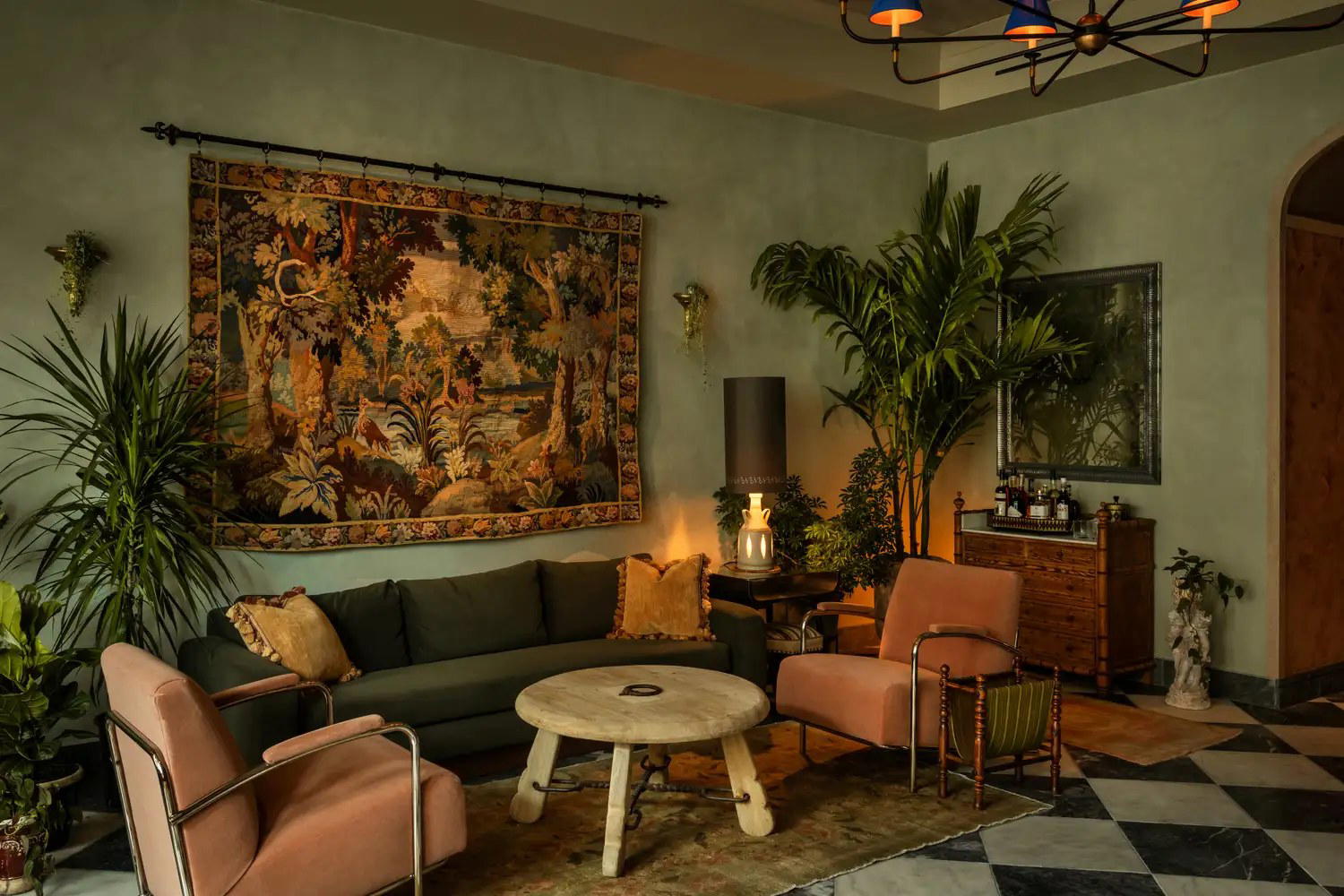
Sophisticated Parisian brasserie atmosphere with historic red brick, large mirrors, vaulted ceilings, exposed brick, and a gloriously dark long bar.