The Peacock
Our verdict
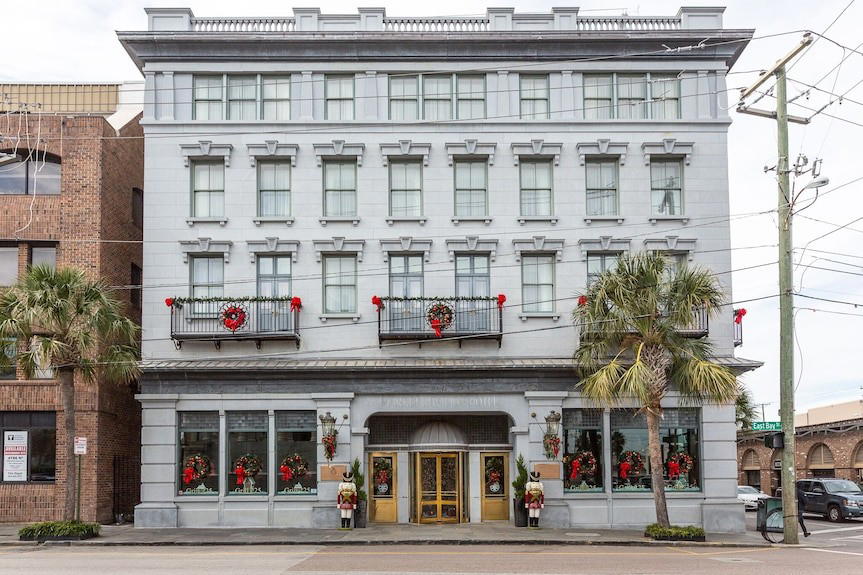
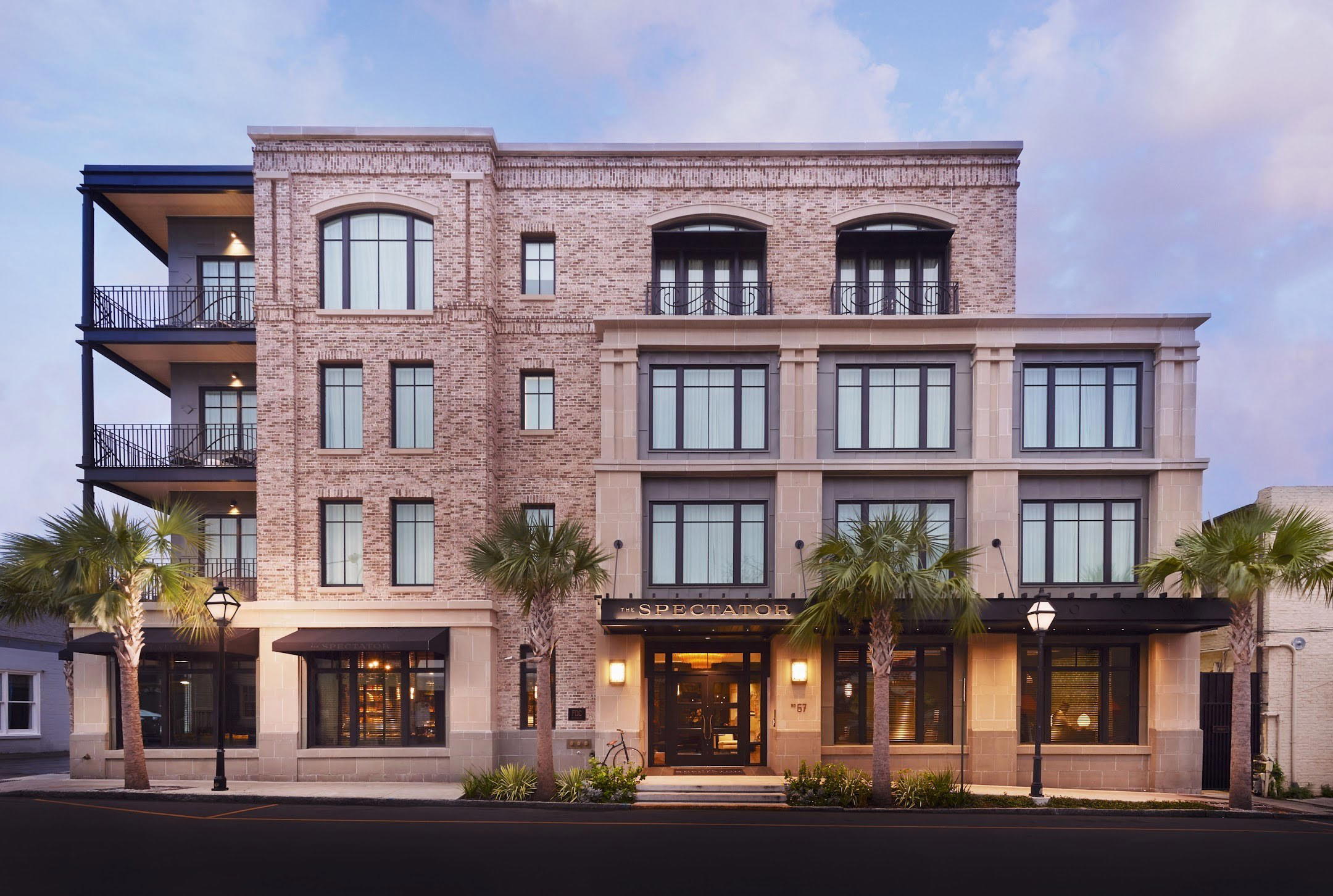
Located on East Bay Street in the heart of Charleston's historic district, The Peacock occupies a address long associated with the city's dining ambitions. Charleston's ingredient-forward restaurant culture provides the backdrop here, where the sourcing traditions of the Carolina Lowcountry — heritage grains, coastal seafood, truck-farm produce — frame how serious kitchens in this city think about what goes on the plate.

Pearl is the En Primeur Club membership app — saves, bookings, and concierge access live there. Same editors, same standards.
The menu
What to order
- Garlic Butter Shrimp
- Steak Frites
- Fried Chicken Sandwich
- Farmer's Salad
East Bay Street and the Logic of Place
East Bay Street runs along the edge of Charleston's oldest commercial district, a corridor where antebellum counting houses and nineteenth-century warehouses have spent the past two decades converting, one by one, into restaurants, bars, and hotel dining rooms. The address at 213 E Bay puts The Peacock squarely inside that transformation zone, within walking distance of the French Quarter's gallery blocks and a short reach from the Market Street food corridor. In Charleston, where you eat on East Bay tells you something about how a kitchen is positioning itself: the street holds everything from high-volume tourist-adjacent operations to rooms with serious culinary intent, and the distinction between those two camps is rarely announced on the sign above the door.
That geographic context matters because Charleston's dining identity has never been singular. The city that produced Husk's Southern grain evangelism and the quiet precision of FIG's New American kitchen is also the city where Rodney Scott's BBQ operates as a nationally recognized argument for whole-hog tradition. These are not competing visions so much as parallel conversations about what the Lowcountry's pantry actually contains — and which kitchens are doing the work to source from it honestly.
The Sourcing Argument That Defines Charleston's Better Kitchens
The ingredient-sourcing question sits at the center of how serious Charleston restaurants distinguish themselves from the crowd. In a city where shrimp and grits appears on approximately every third menu within a half-mile radius, the meaningful signal is not which restaurant serves the dish but which kitchen is sourcing White Shrimp from known Lowcountry trawlers versus commodity product, which is milling their grits from heirloom corn at Anson Mills or a comparable operation, and which is simply assembling the expected plate from industrial supply chains.
This is a city with genuine sourcing infrastructure: the Carolina Lowcountry produces oysters from ACE Basin waters, heritage pork from small farms in the Pee Dee region, truck-farm tomatoes and okra from Johns Island, and stone-ground grains from an operation — Anson Mills, based in Columbia, that has influenced kitchens nationally, including rooms far outside the South. The restaurants worth attention in Charleston are the ones engaged with that supply network rather than decorating around it. Lowland and Vern's each represent versions of that engagement in their respective price tiers. 1010 Bridge approaches it from a different format. The Peacock at 213 E Bay sits within this same sourcing conversation, on a street that has historically supported the ambition to participate in it seriously.
Understanding where a Charleston restaurant fits requires some calibration against how the national fine-dining conversation has evolved. The farm-to-table sourcing discipline that operations like Blue Hill at Stone Barns in Tarrytown or Single Thread Farm in Healdsburg have made structurally central to their identity is not simply a marketing frame in those rooms, it is the organizing principle of the menu, the farm calendar, and the guest experience. Charleston has its own version of that discipline, grounded in Lowcountry ecology rather than Hudson Valley agriculture or Sonoma Coast fishing, but operating according to the same logic: the kitchen's identity derives from its supply relationships, not just its technique.
Compared to the tasting-menu formalism of Alinea in Chicago or the French classical authority of Le Bernardin in New York, Charleston's leading kitchens operate in a register that is more regional, more ingredient-declarative, and more connected to the specific ecology of the Carolina coast and piedmont. That is not a limitation. It is a competitive advantage in an era when dining audiences have grown skeptical of abstraction and want to know where the oyster came from before they hear about the technique applied to it. Rooms like Providence in Los Angeles or Addison in San Diego work the sourcing argument from their own regional positions; Charleston's version of that argument is Lowcountry-specific and has been building credibility for roughly two decades.
The broader American fine-dining tier, which includes The French Laundry in Napa, The Inn at Little Washington, Lazy Bear in San Francisco, Atomix in New York, and Emeril's in New Orleans, covers a wide range of formats and philosophies. Charleston contributes to that national conversation primarily through its specificity of place rather than through format experimentation, and the East Bay corridor has been one of the addresses where that specificity gets tested most visibly.
The Spanish Register on the Same Block
One useful triangulation point: Malagón Mercado y Taperia, a Spanish-format operation in the same general district, shows how the East Bay and surrounding blocks have absorbed non-Southern formats without losing their Charleston character. The presence of taperia-style dining and market formats alongside traditional Lowcountry kitchens is characteristic of how the city's dining has broadened its reference points while keeping its sourcing instincts intact. International formats succeed in Charleston when they engage with local supply, sourcing local shellfish for a Spanish preparation, for instance, rather than operating as if the Lowcountry larder does not exist.
Planning Your Visit
For those building an itinerary around East Bay Street, the practical reality of Charleston dining applies: the city's best-regarded rooms operate on reservation systems that fill weeks in advance during the spring and fall high seasons (roughly March through May and September through November), when the weather draws significant visitor volume and convention traffic competes with local regulars for tables. Summer heat thins the crowds somewhat but rarely opens the most sought-after slots on short notice. A visit to The Peacock at 213 E Bay is leading approached as part of a considered Charleston itinerary rather than a same-day decision. The address is walkable from the majority of Charleston's downtown hotel inventory, and East Bay Street itself is navigable on foot from the Market Street hub. For context on how The Peacock fits within Charleston's wider dining picture, our full Charleston restaurants guide maps the city's kitchens by neighborhood, format, and sourcing orientation.
Frequently asked questions
What should I eat at The Peacock?
Charleston's better kitchens build their menus around Lowcountry sourcing, ACE Basin oysters, Johns Island produce, heirloom grains from regional mills, and the most rewarding choices at any serious room in this city tend to be the dishes that reflect the most direct supply relationships. At The Peacock, as with comparable East Bay addresses, the menu items most worth attention are those engaging with coastal and piedmont ingredients rather than preparations that could appear on a menu anywhere in the country. For verified dish-level detail, checking current menu listings directly is advisable, as specifics shift with the season and supply.
How far ahead should I plan for The Peacock?
Charleston operates on compressed reservation windows during its two primary high seasons: spring (March to May) and fall (September to November). In those months, rooms with any recognition, award-acknowledged or editorially noted, fill their prime slots two to four weeks out, and occasionally further. If your travel dates fall inside those windows, treating The Peacock as a same-week decision is likely to limit your options. Outside those seasons, the booking horizon typically contracts, though the city's conference and event calendar can introduce spikes at unpredictable points. Checking availability as early as your travel plans are confirmed is the standard approach for Charleston dining at this address tier.
Is The Peacock a good choice for a special-occasion dinner in Charleston?
East Bay Street has historically supported the city's more occasion-oriented dining rooms, and 213 E Bay sits in a part of the corridor associated with that register. Charleston's special-occasion dining tier is defined less by tasting-menu formalism and more by the quality of sourcing, the calibration of service, and the physical character of the room, factors the East Bay address has consistently delivered for the kitchens that have operated there with genuine intent. For comparison across the full range of Charleston's occasion-dining options, the EP Club Charleston guide provides a mapped view of how different rooms position themselves within that tier.
Credentials Lens
Comparable venues nearby, for context on price, style, and recognition.
| Venue | Cuisine | Price | Notes |
|---|---|---|---|
| The PeacockThis venue — the venue you are viewing | American with International Influences | $30–50 | Not listed |
| Church and Union Charleston | Modern-American with Southern Flair | $50–100 | Ansonborough |
| The Swamp Fox Restaurant | Classic Southern Lowcountry | $30–50 | Downtown Charleston |
| Palmetto Cafe | Lowcountry American Cafe | $30–50 | Downtown |
| Two Boroughs Larder | New American Farm-to-Table | Not listed | Cannonborough-Elliotborough |
| Bessinger's | South Carolina Mustard BBQ | $20–30 | West Ashley |
Continue exploring
More in Charleston
Restaurants in Charleston
All restaurants in Charleston →
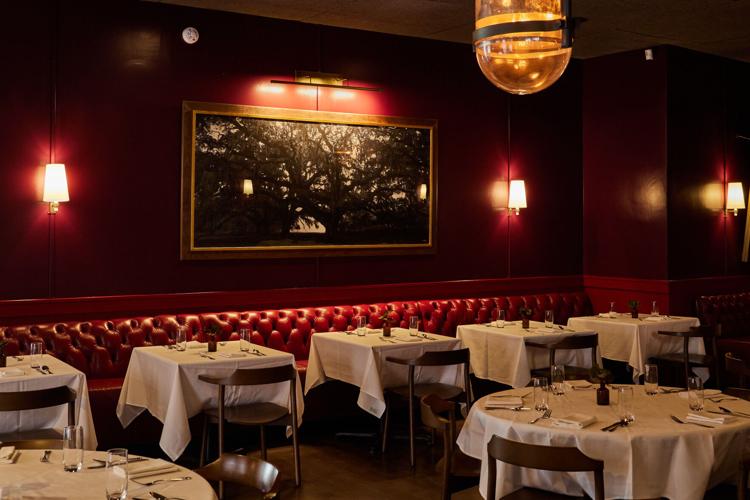
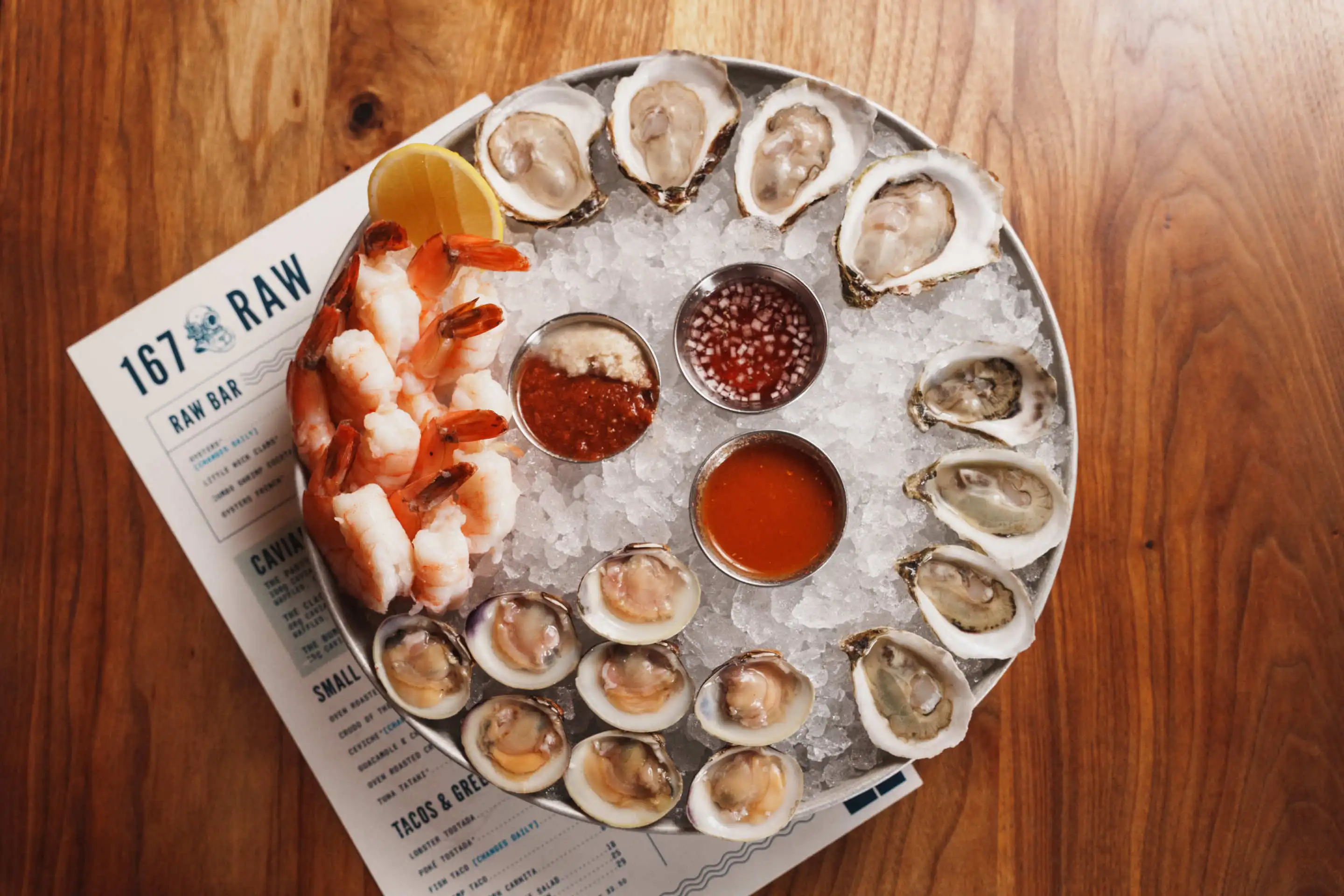
Bars in Charleston
All bars in Charleston →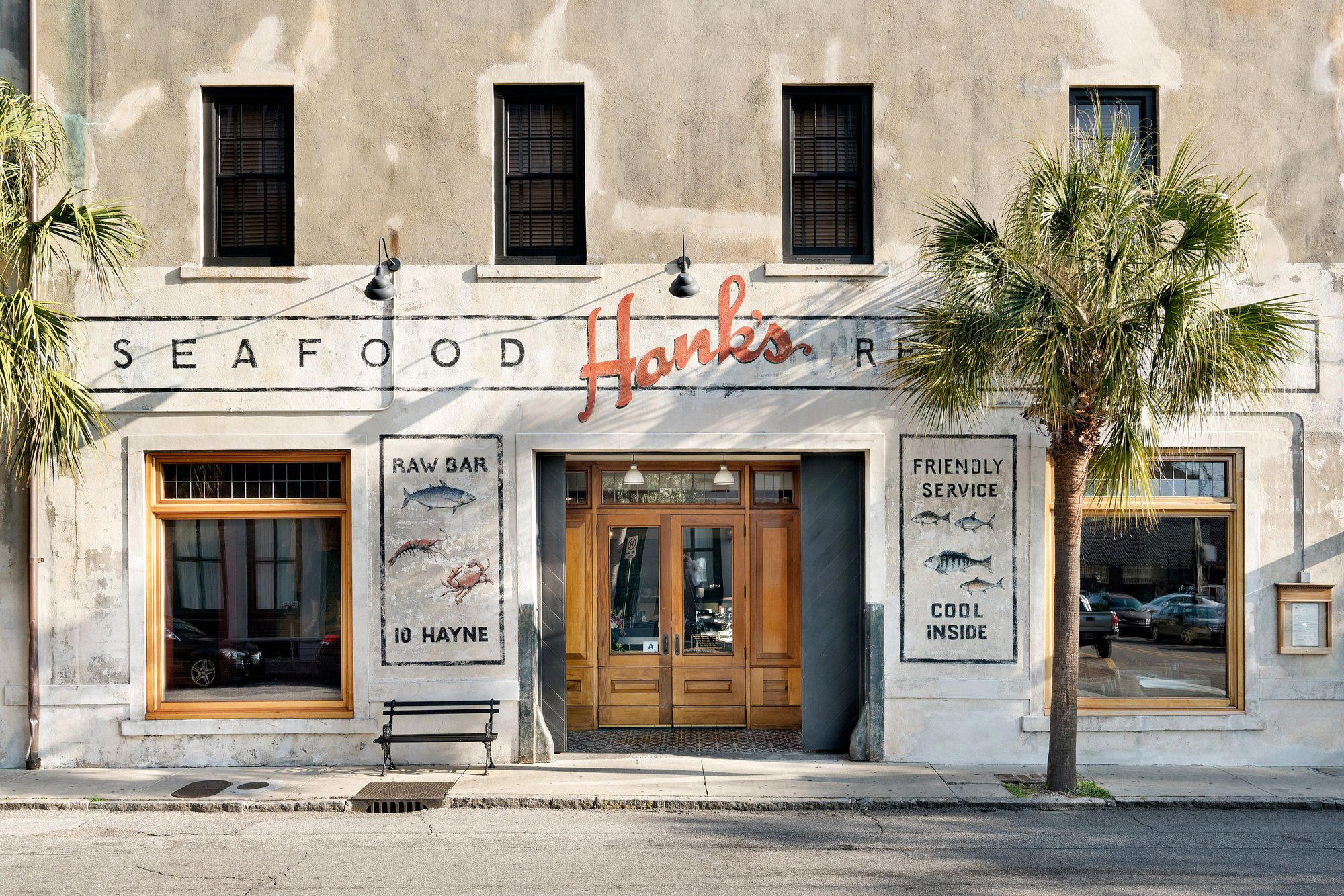
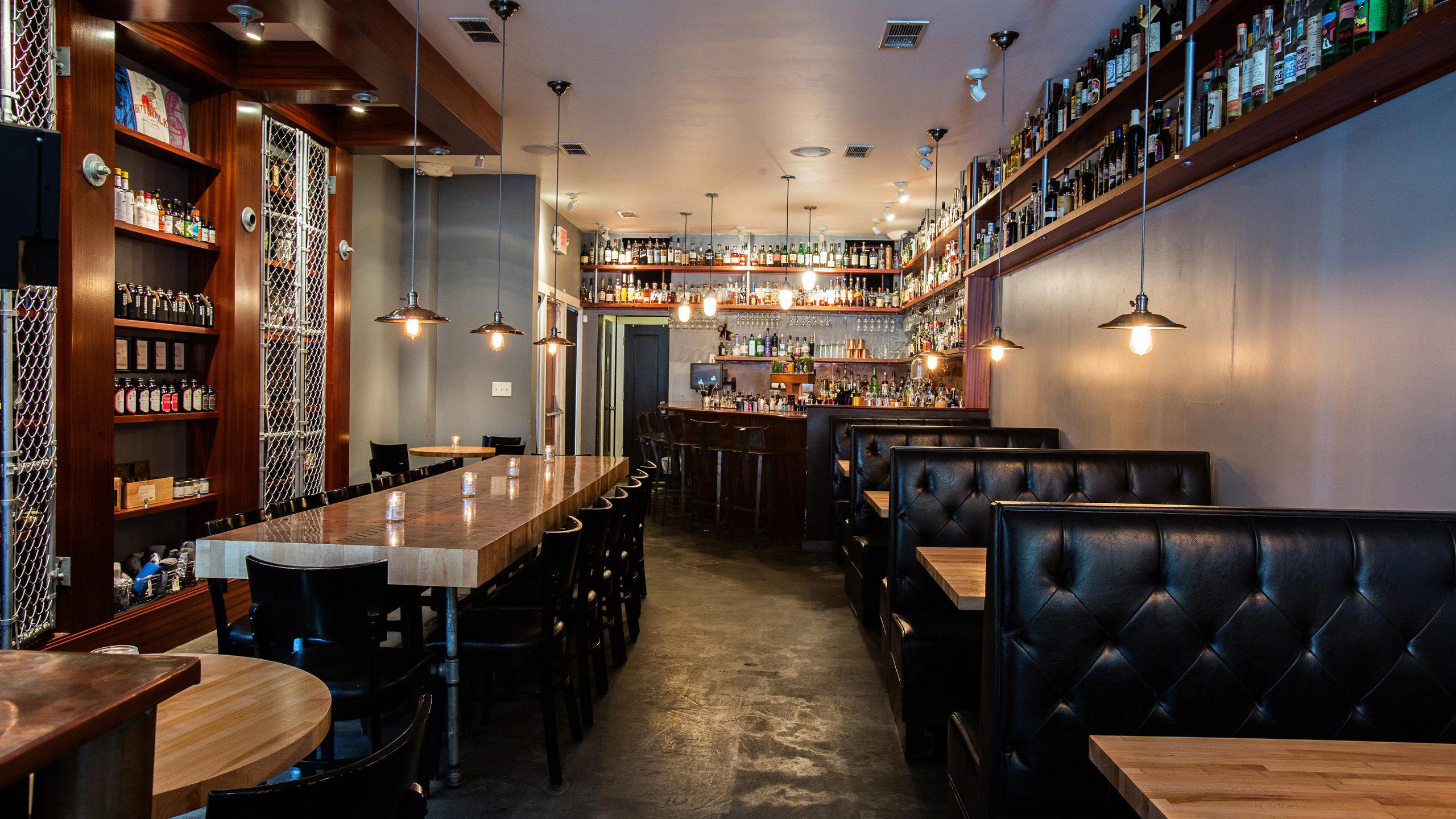
The Peacock
The wine
- Wine program
- Curated wine list
- Extensive wine list
- Craft cocktails
Details
- Lively
- Elegant
- Trendy
- Energetic
- Date Night
- Group Dining
- Celebration
- Brunch
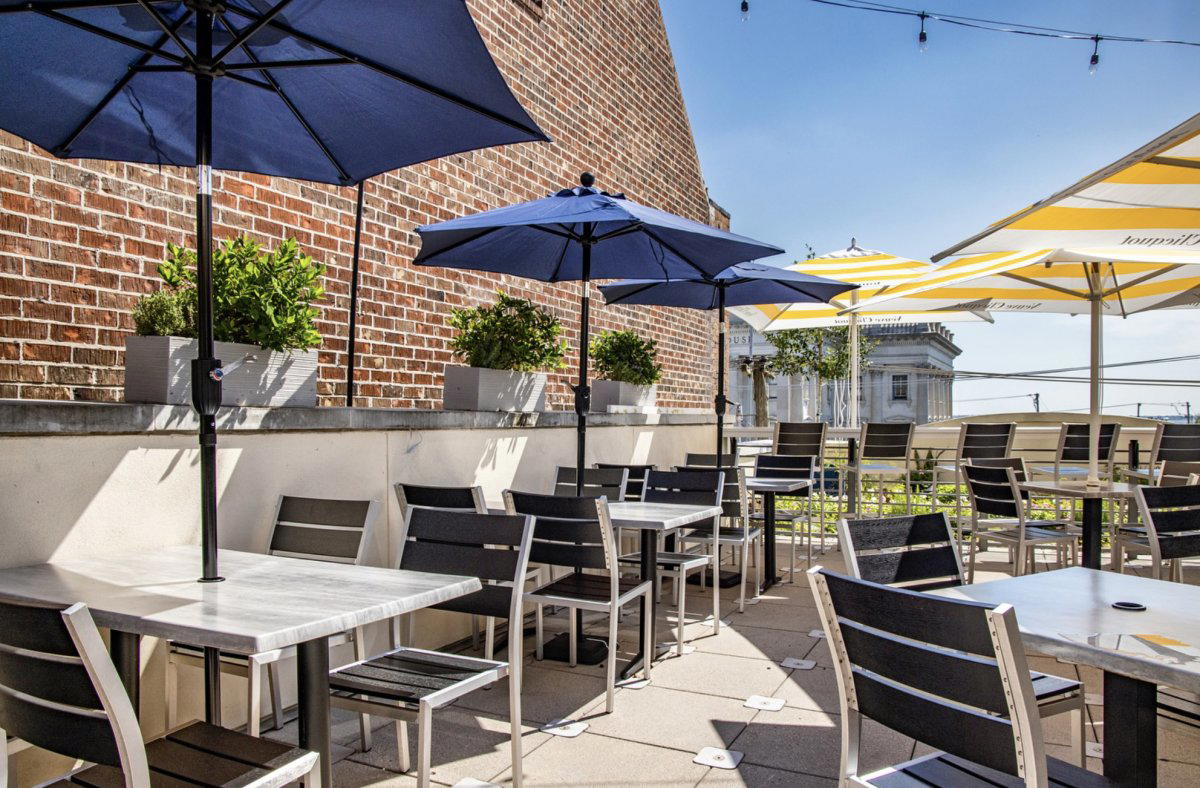
- Rooftop
- Live Music
- Waterfront
- Open Kitchen
- Craft Cocktails
- Extensive Wine List
- Waterfront
- A La Carte
- Small Plates
- Craft Cocktails
- Wine
Current opening hours
- Monday
- 4 PM–12 AM
- Tuesday
- 4 PM–12 AM
- Wednesday
- 4 PM–12 AM
- Thursday
- 4 PM–12 AM
- Friday
- 11:30 AM–2 AM
- Saturday
- 11:30 AM–2 AM
- Sunday
- 11:30 AM–12 AM
Hours can change for holidays and private events. Last verified .
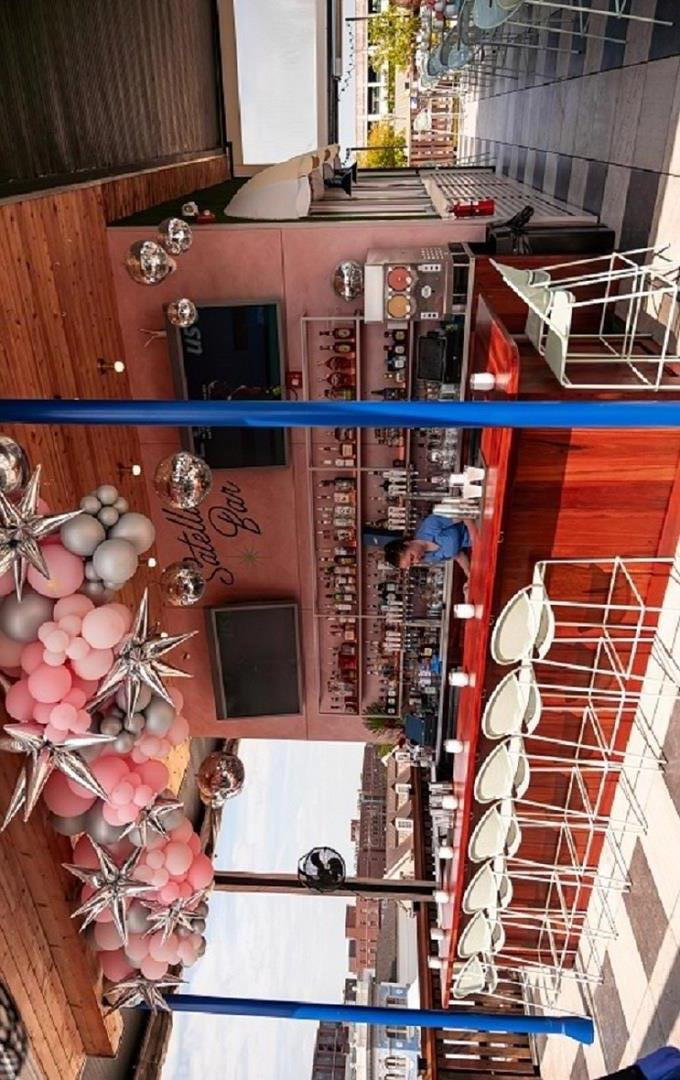
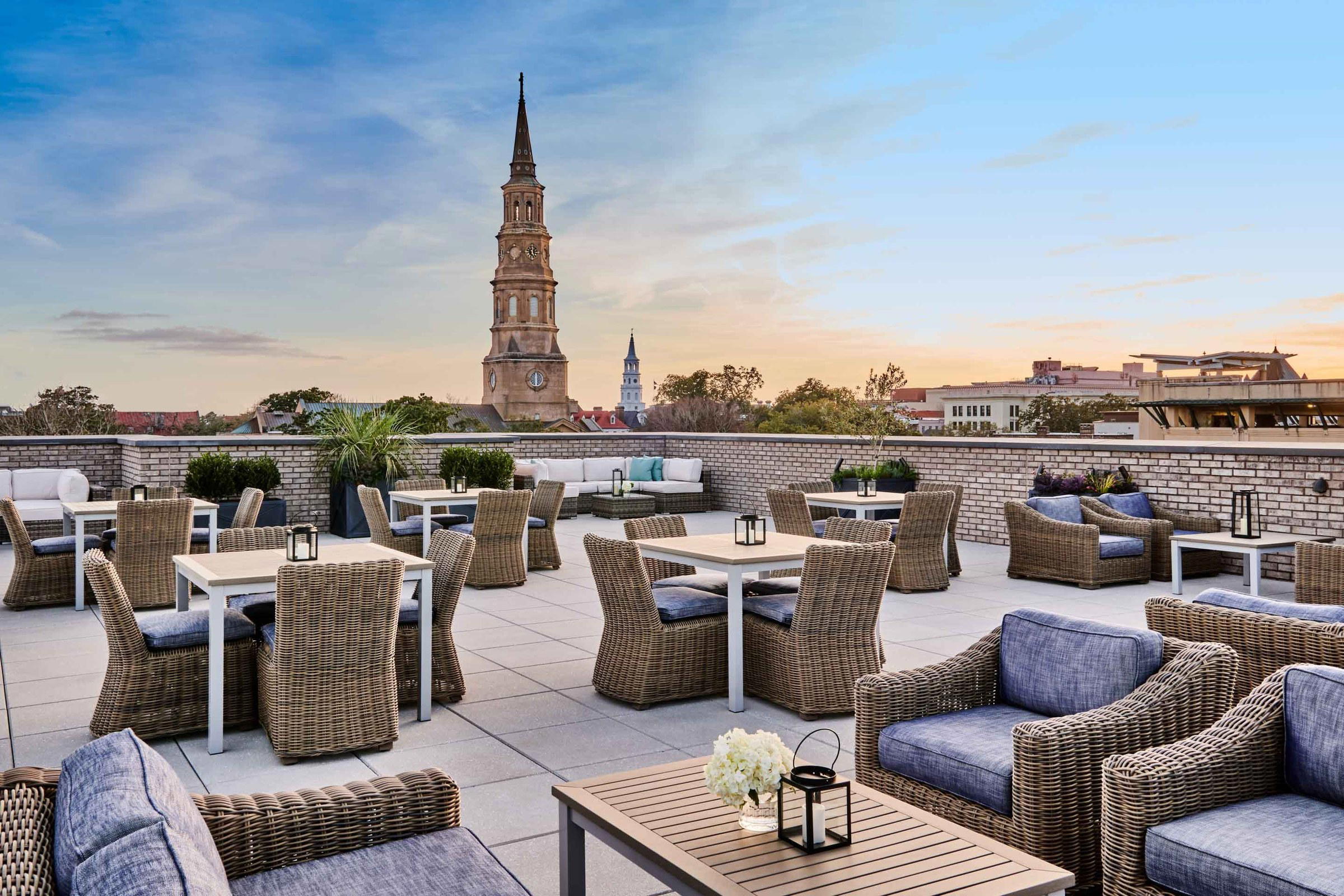
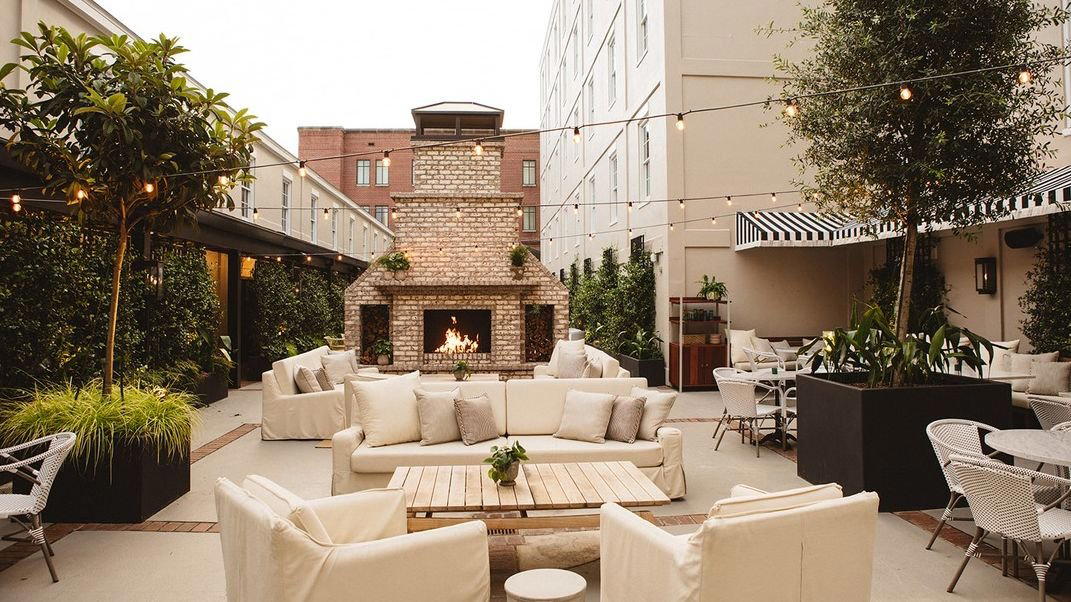
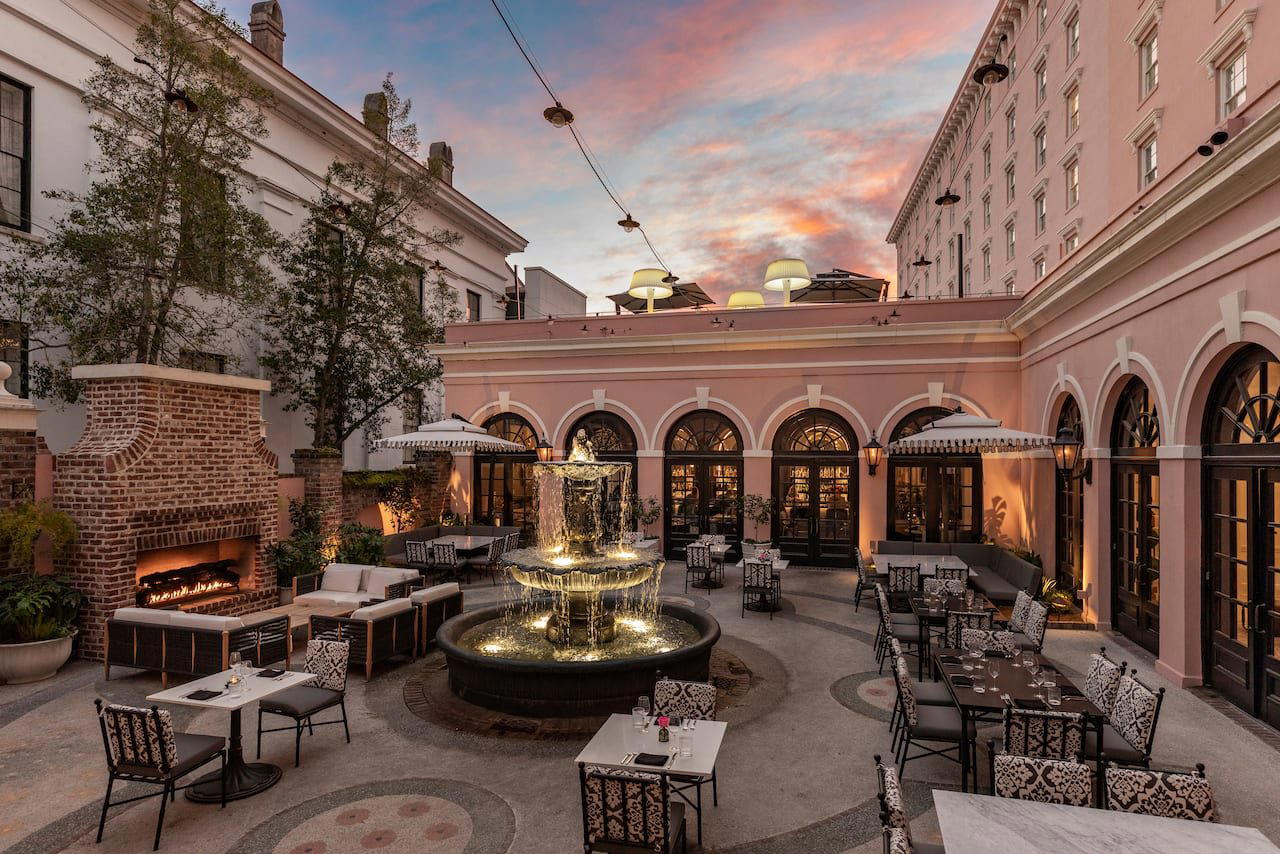
Classy yet laid-back art deco atmosphere with lively energy from live music and multiple bars across three floors.