The Pinch Charleston


Three joined historic structures on George Street form one of Charleston's most considered boutique hotels. The Pinch holds a Michelin 2 Keys rating and a 91-point La Liste Top Hotels 2026 score across 25 rooms that go well beyond the boutique baseline, with full kitchens, in-room laundry, and a grocery service. Its restaurant, Lowland, operates from a freestanding 19th-century neoclassical house on the grounds.
Pearl is the En Primeur Club membership app — saves, bookings, and concierge access live there. Same editors, same standards.
- Address
- 40 George St, Charleston, SC 29401
- Phone
- +1 854-895-4422
- Website
- thepinch.com
- Directions
- Get directions
 Saves & bookings on Pearl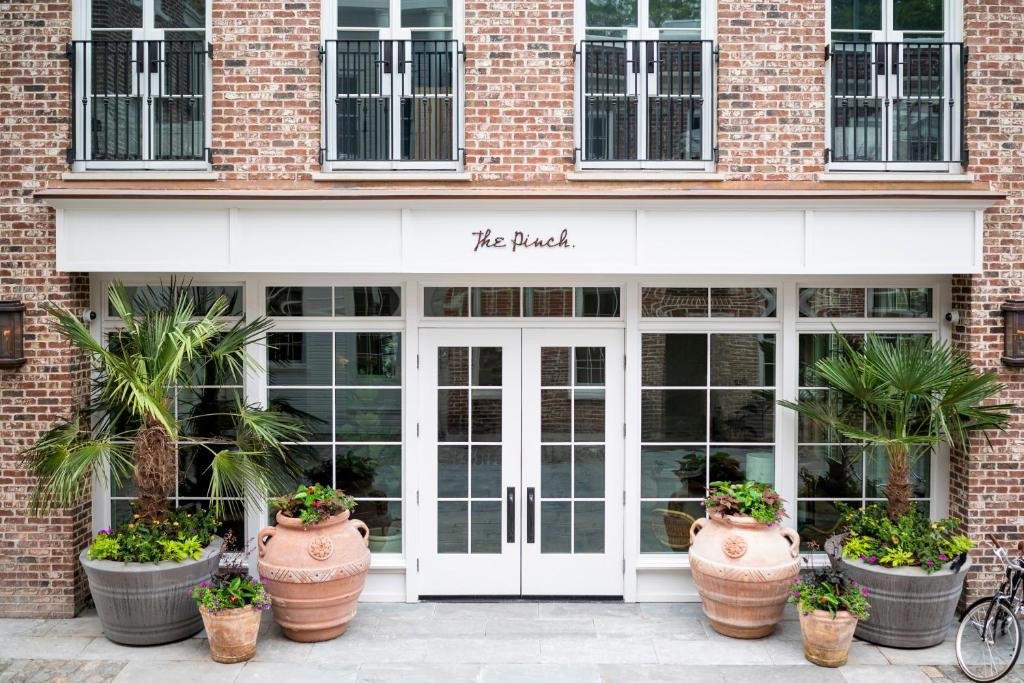
Where George Street Places You
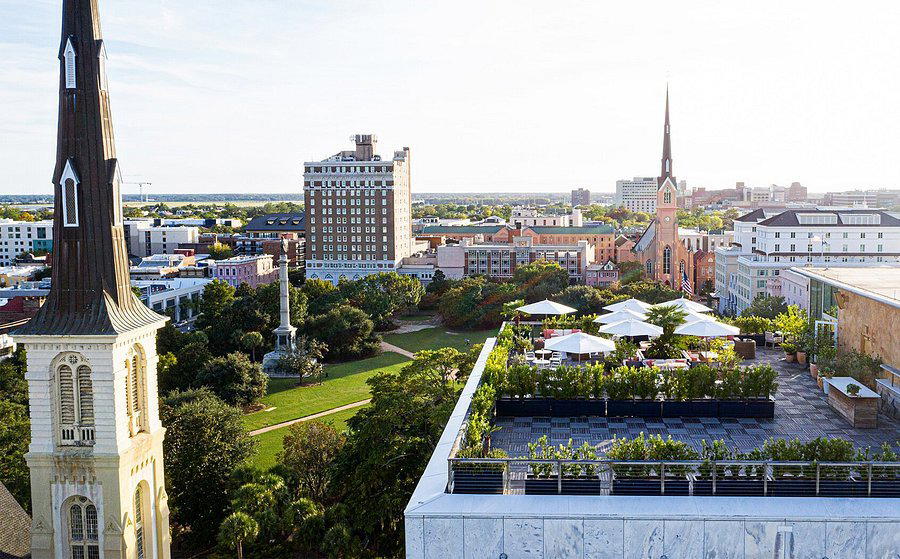
The corner of King and George sits at the navigational center of Charleston's most walkable district. Antique dealers, wine bars, and the city's highest concentration of pre-Civil War architecture are within a few blocks in any direction. Hotels in this zone compete not just on rooms but on address: proximity to the Charleston Peninsula's main commercial and cultural corridor carries real logistical weight. The Pinch, at 40 George St, is a 24-room hotel in Charleston with 2 Michelin Keys, close enough to King Street's retail and dining spine to arrive on foot but set just far enough off the main artery that street-level noise is not the dominant experience.
Charleston's boutique hotel tier has grown considerably in the last decade. Properties like The Loutrel, The Spectator Hotel, Emeline, and 86 Cannon Charleston occupy the same general category: small-count, design-forward, independent or soft-brand properties that pitch themselves against the area's larger flagships. Within that set, differentiation comes from interiors, amenities, and dining programs rather than from scale. Hotel Bennett Charleston and The Dewberry represent the larger-format end of the independent spectrum. The Pinch, at 25 rooms, is firmly in the smaller, more deliberate cohort.
Three Buildings, One Identity
The physical proposition here is worth understanding before booking. Two Victorian-era structures and one contemporary addition have been joined into a single property, which means the internal layout carries the idiosyncrasies of a building that was never designed as a hotel from the ground up. Corridors connect across different floor levels; the spatial logic is not the seamless flow of a purpose-built property. For some guests, that architectural layering is part of the appeal. Charleston's historic district is defined by buildings that accumulated character rather than declaring it at opening.
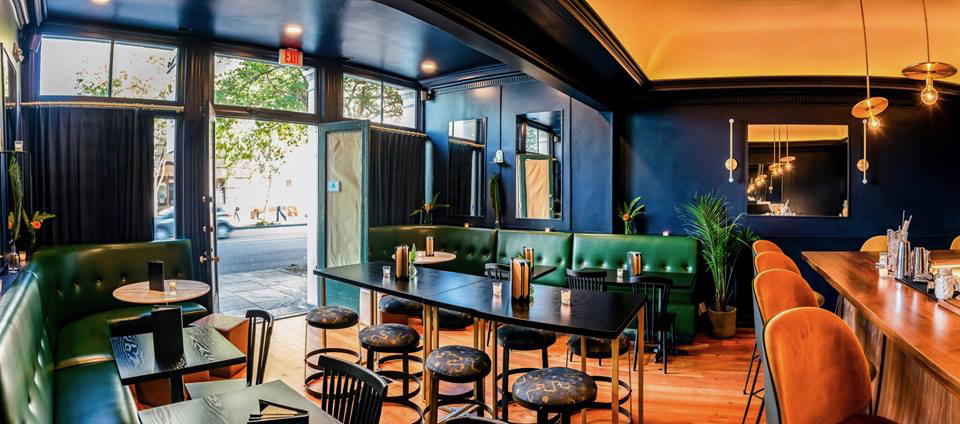
The interior design takes the Victorian bones as a starting point rather than a constraint. Bold patterned wallpapers and period architectural ornaments appear throughout, but they are placed against a modern color palette and an eclectic mix of furnishings and contemporary art. The approach positions the hotel in a tradition of adaptive reuse that appears across the American South's better independent hotels, where the building's age is read as an asset to be worked with rather than an obstacle to be minimized. Properties like Post House and HarbourView Inn approach Charleston's historic stock from different angles; The Pinch's particular resolution of old structure and contemporary curation places it among the more ambitious interpretations in that local conversation.
Room Format and What It Changes
Practical departure point for The Pinch, relative to most boutique hotels in the same size bracket, is the room specification. Full kitchens and in-room laundry facilities are not standard in Charleston's boutique tier, and their inclusion shifts the property's useful audience considerably. A 25-room hotel with kitchen infrastructure and a grocery delivery service is positioning itself as a stay-longer option, not just a long-weekend stopover. Charleston draws a meaningful volume of visitors who come for culinary events, heritage tourism, or seasonal travel that rewards a slower pace, and the room format addresses that segment directly.
Grocery service in particular is a logistical detail that separates extended-stay capability from mere marketing language. It means the kitchen is actually meant to be used, not just photographed. For travelers who find the rhythm of a city by cooking in it, picking up local produce, preparing breakfast before an early morning walk, this is a functional advantage over properties where the kitchen is a glorified minibar.
Across the American boutique hotel market, the kitchen-suite format has become a differentiator at specific price points. At properties like SingleThread Farm Inn in Healdsburg or Troutbeck in Amenia, the relationship between property amenities and the surrounding food culture is central to the stay's logic. The Pinch operates within a version of that argument: Charleston's ingredient culture, its farmers markets and local purveyors, is accessible to a guest with kitchen access in a way it simply is not to someone relying entirely on restaurant schedules.
Lowland and the Dining Dimension
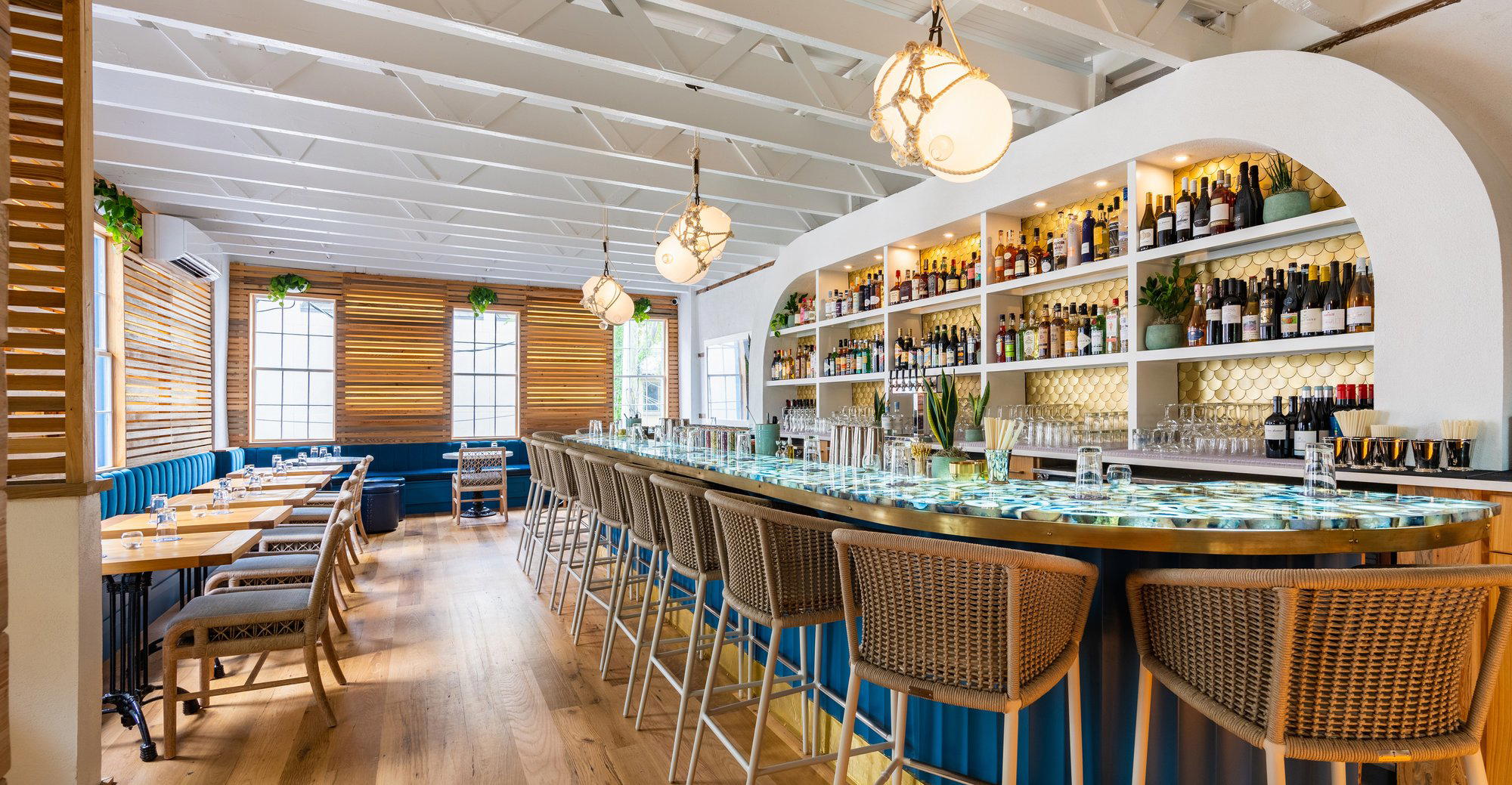
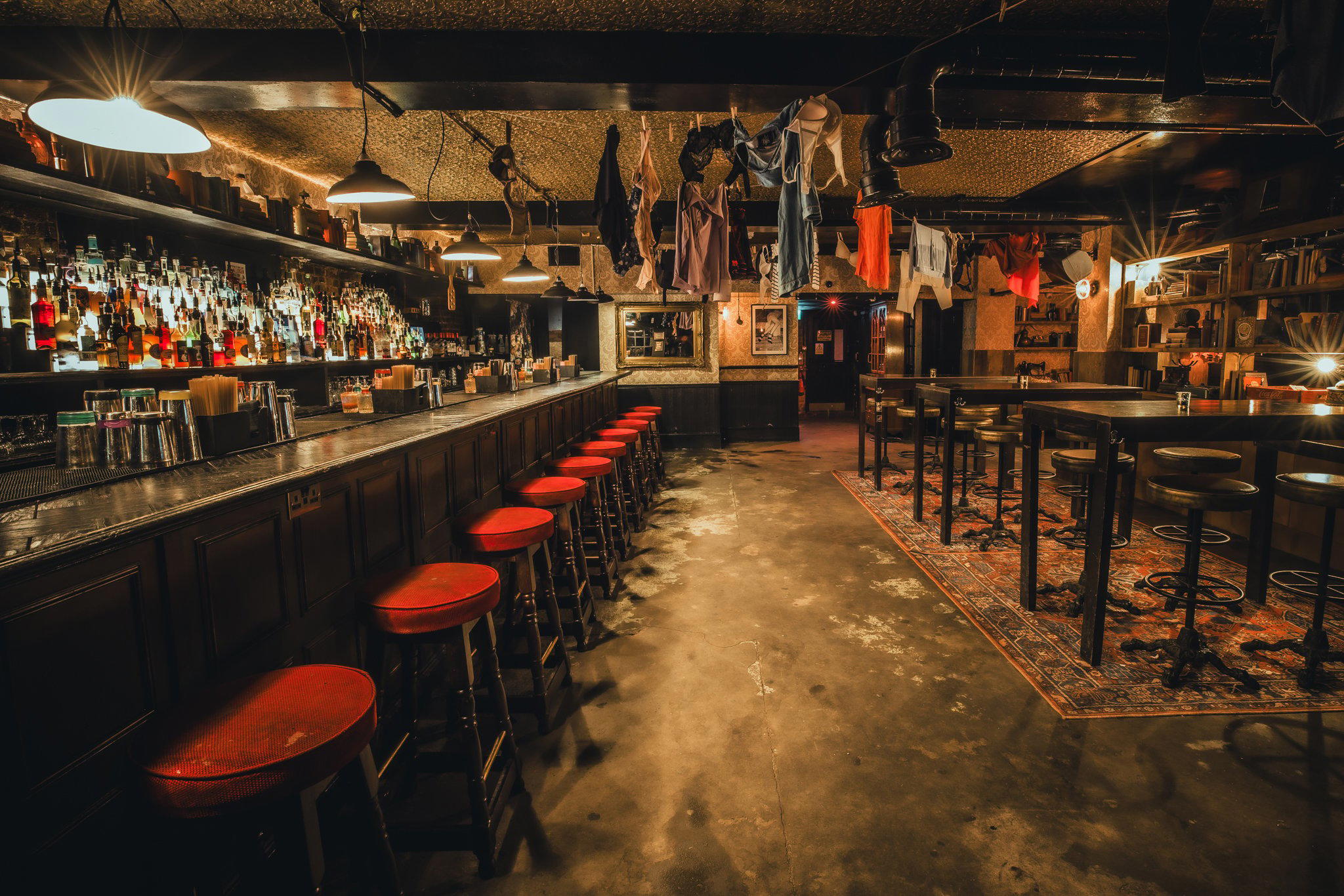
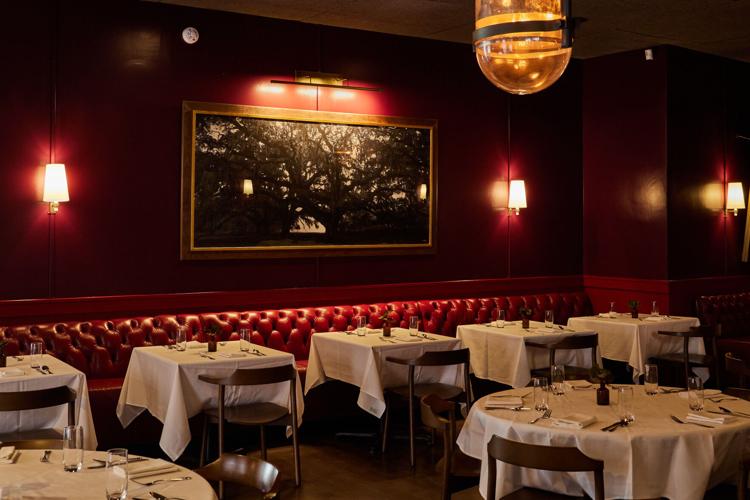
The presence of Lowland as a freestanding dining component changes the property's profile in a specific way. The restaurant operates from its own 19th-century neoclassical-style house, separate from the main hotel building, which gives it an autonomy that hotel restaurants occupying a corner of the lobby cannot claim. Southern tavern-inspired cuisine is the format, with a bar component attached to the hotel's ground floor offering a more casual entry point.
Charleston's dining culture sits among the more closely watched in the American South. The city has produced a sustained critical conversation around Lowcountry cooking, rice traditions, and the relationship between African culinary heritage and what appears on restaurant tables. For a hotel restaurant to position itself within that conversation requires more than geographic proximity. Lowland's freestanding structure suggests an intention to be read as a destination rather than a convenience, a distinction that matters in a city where the dining options within walking distance are numerous and competitive.
Awards and comparable set
Two trust signals frame The Pinch's market position clearly. The Michelin 2 Keys rating, awarded in 2024, places it in the tier of hotels Michelin's inspectors judge as offering a notably high-quality stay across all criteria. The 2026 La Liste score provides a second independent data point. La Liste's hotel methodology covers service, setting, and experiential quality, and the score positions The Pinch credibly against properties of considerably larger scale and resource.
Globally, 2 Keys Michelin hotels span a wide price and format range, from compact urban properties to full resort operations. What the designation signals is consistency of execution rather than a specific room count or price tier. Among Charleston's boutique set, holding both a Michelin 2 Keys and a La Liste score in the low 90s is a combination that few properties in any city can claim at 25 rooms. For calibration, the Michelin hotel guide's 2 Keys properties in comparable American cities tend to sit alongside properties like The Fifth Avenue Hotel in New York City or Raffles Boston in terms of how the methodology weights service and design coherence.
Planning and Booking
At 24 rooms, The Pinch has limited inventory by design. Charleston's travel calendar is compressed around specific windows: spring (particularly March through May, when the Spoleto Festival and azalea season both drive demand), and fall, when temperatures drop and the shoulder-season rate of the city's peak dining and event programming aligns. These windows fill boutique properties quickly, and a 25-room hotel with recognized awards and a freestanding restaurant has less slack than a larger property. Guests targeting spring or a specific festival weekend should plan well ahead.
The George Street address means arrivals by car need to account for Charleston's downtown parking constraints. The historic district has limited street parking and a managed garage system, and the city's grid is not designed for vehicle storage. Arriving via Charleston's taxi or rideshare network, or from the Charleston Amtrak station, simplifies the logistics considerably. The property's position relative to the main Charleston visitor infrastructure means most of what a guest would want to reach, the City Market, the waterfront, the main dining corridors, is walkable from the front door.
For travelers comparing The Pinch against properties of different scale and character, the comparison points shift depending on what is prioritized. Those drawn to landscape-integrated seclusion will look elsewhere, toward properties like Amangiri in Canyon Point or Post Ranch Inn in Big Sur. Those seeking the specific combination of urban walkability, historic architecture, kitchen-equipped rooms, and a formally recognized dining program will find the argument for 40 George Street holds up on its own terms.
The Short List
Comparable venues nearby, for context on price, style, and recognition.
| Venue | Price | Notes |
|---|---|---|
| The Pinch CharlestonThis venue — the venue you are viewing | $$$$ | Not listed |
| The Spectator Hotel | $$$$ | Downtown Charleston, Art Deco meets Southern charm boutique |
| The Sanctuary at Kiawah Island Golf Resort | $$$$ | Kiawah Island, grand seaside mansion with Lowcountry luxury |
| HarbourView Inn | $$$ | Downtown Charleston, Historic boutique waterfront inn with modern updates |
| 86 Cannon Charleston | $$$$ | Downtown Charleston, Historic boutique inn restored to original glory with modern luxury touches |
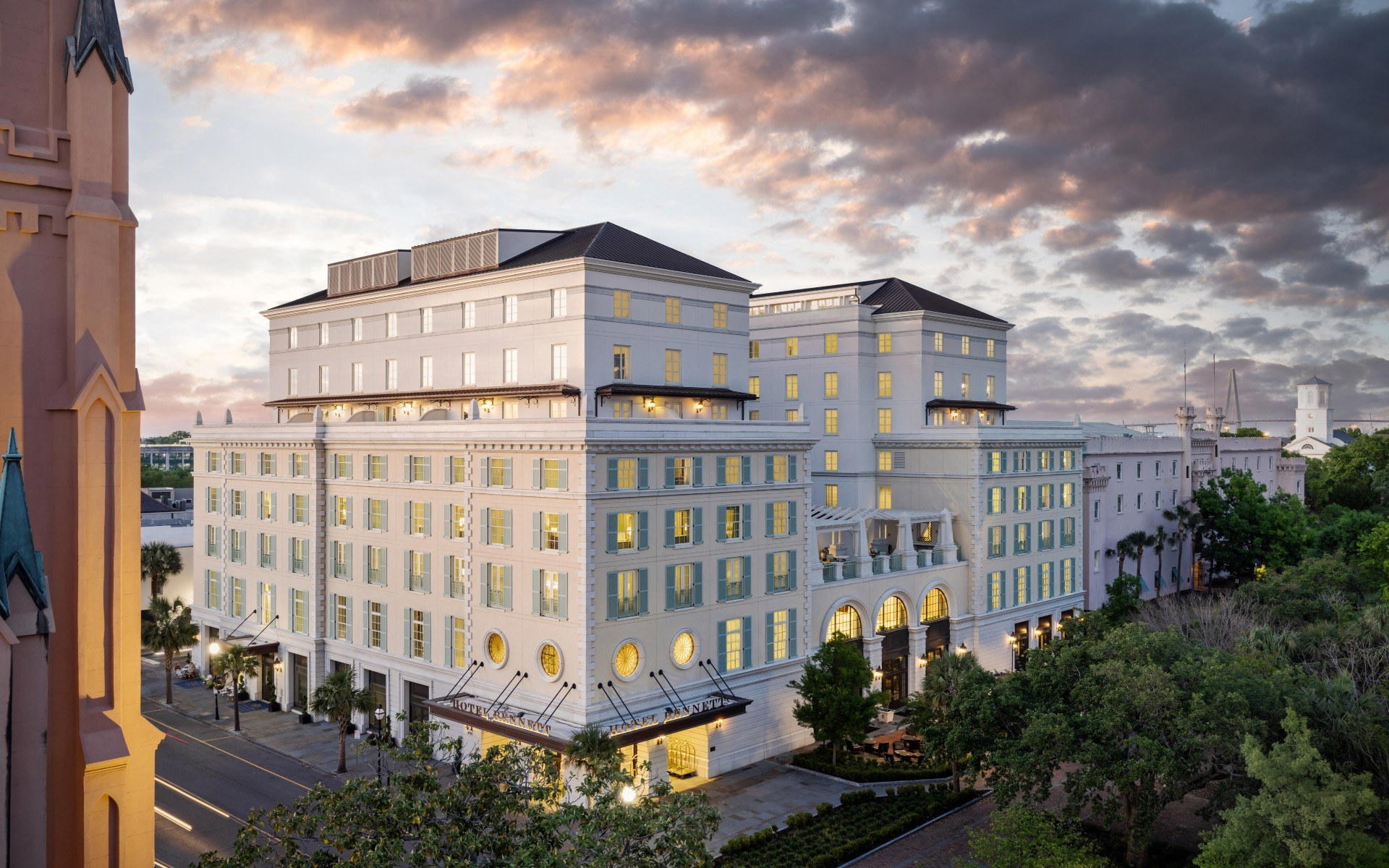
| Hotel Bennett Charleston | $$$$ | Downtown Charleston, European-inspired luxury hotel with Southern elegance |
Recognition history
Dated appearances from independent guides and award organizations, with the underlying list record or original source where available.
La Liste Top Hotels
La Liste
Michelin 1 Key
Michelin
Michelin 2 Keys
Michelin
At a Glance
- Elegant
- Sophisticated
- Cozy
- Trendy
- Intimate
- Romantic Getaway
- Anniversary
- Weekend Escape
- Historic Building
- Terrace
- Wi Fi
- Spa
- Fitness Center
- Room Service
- Concierge
- Valet Parking
- Street Scene
- Wi Fi
- Spa
- Fitness Center
- Room Service
- Concierge
- Valet Parking
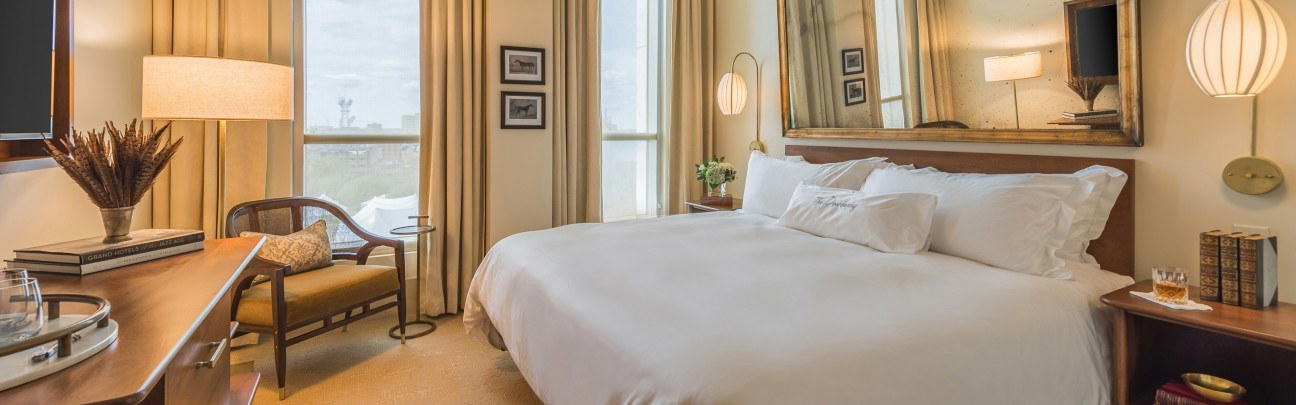
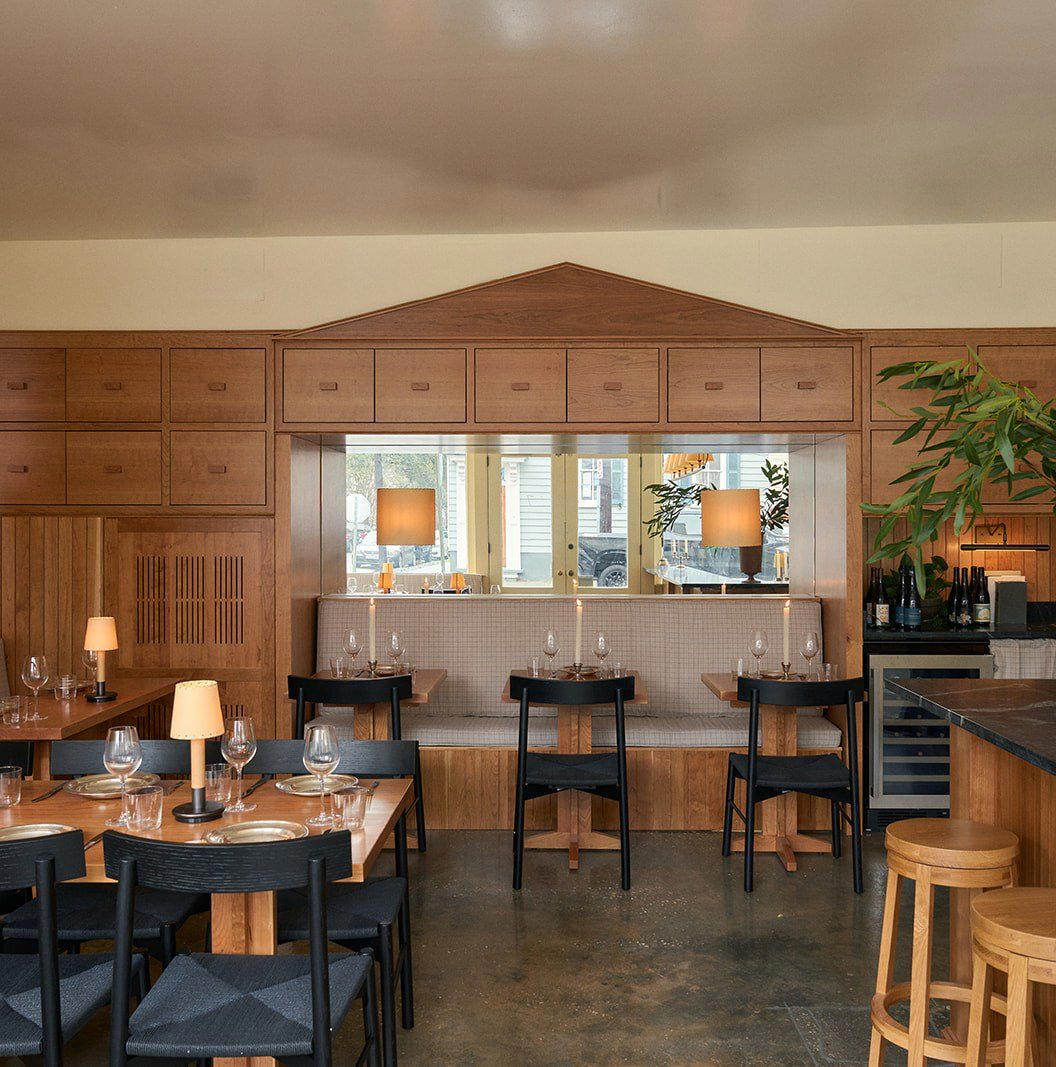
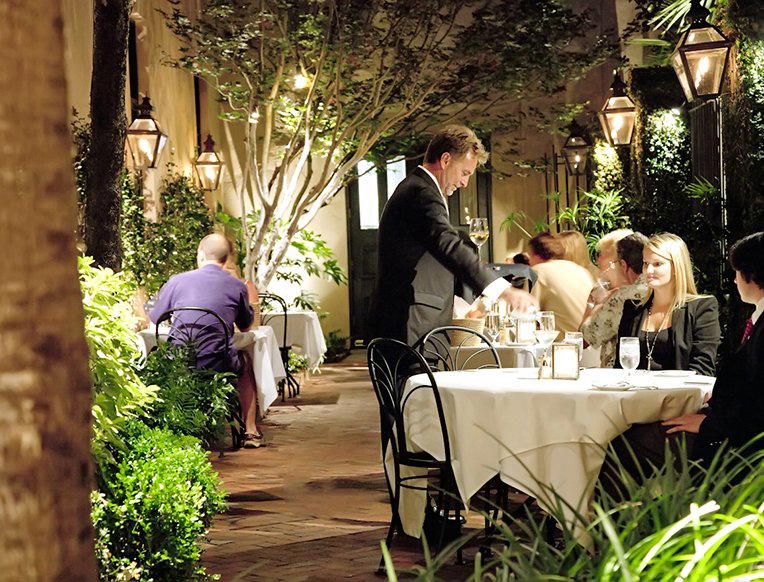
Chic and sophisticated with natural light from large windows and French doors, modern touches blended with vintage fixtures on wide plank floors, cozy lobby patio with fireplace.