
We're Smart World 3 Radishes
Our verdict
A Friedrichshain fixture for decades, 1990 Vegan Living serves traditional Vietnamese vegan cooking on Krossener Straße in a relaxed, neighbourhood setting. The kitchen works with plant-based ingredients rooted in Vietnamese culinary tradition, producing food that is flavour-forward without relying on meat or dairy substitutes. In a city with one of Europe's most established vegetable-focused dining scenes, this is a longstanding reference point for the format.

Pearl is the En Primeur Club membership app, where members save venues, book tables and use the concierge.
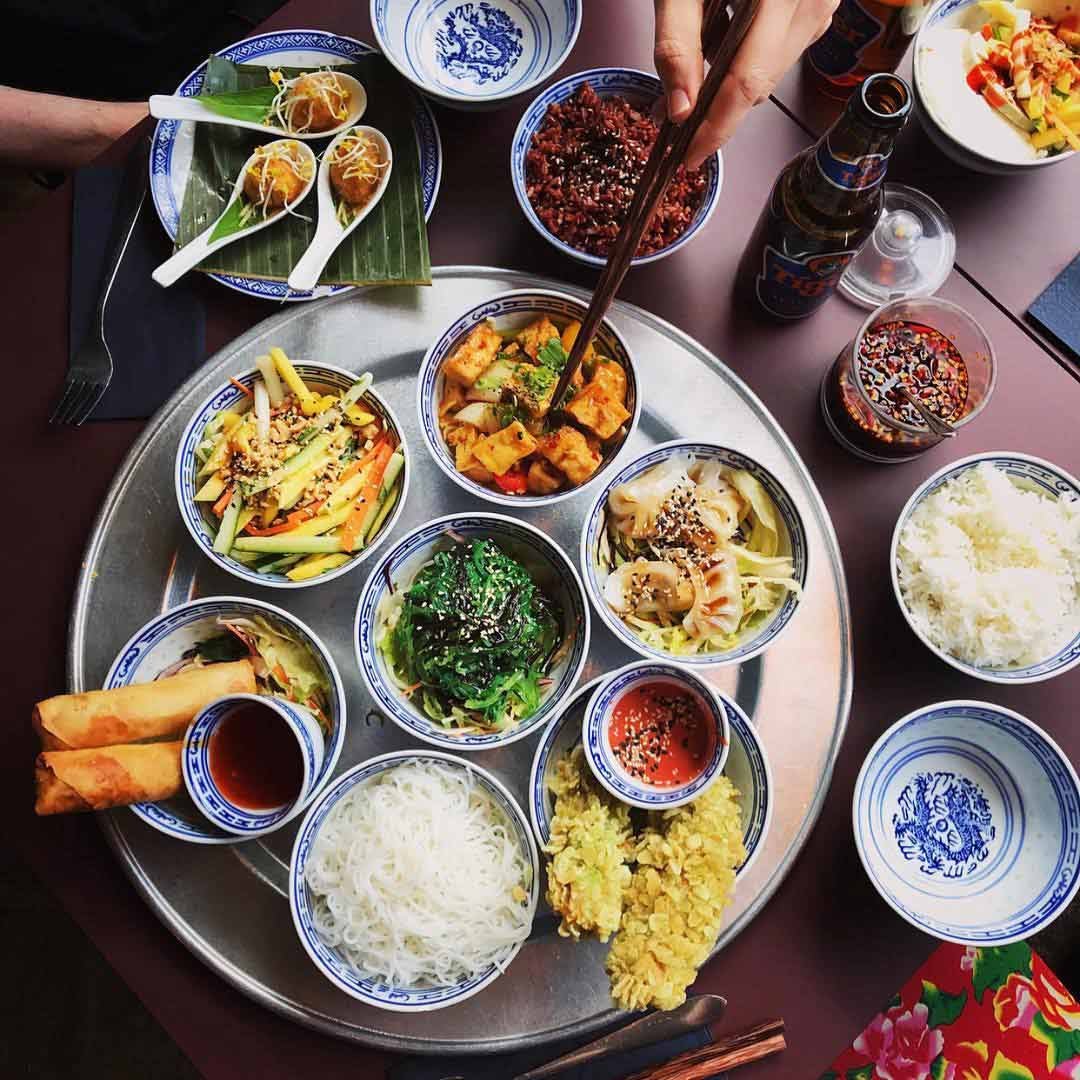
The menu
What to order
- Bao Bun Burgers
- Ying Yang Bowl
- Buddha Bowl
Friedrichshain and the Vegetable Question
Berlin's relationship with plant-based cooking predates the global wave of vegan restaurants by a considerable margin. The city developed a dense vegetarian and vegan dining culture through the 1990s and 2000s, driven partly by its activist communities, partly by the low rents that alternatives food businesses to survive long enough to build regulars. By the time vegan cuisine became a marketing category elsewhere, Berlin already had neighbourhood institutions that had been serving it quietly for years. 1990 Vegan Living on Krossener Straße sits in that longer tradition: a Vietnamese restaurant operating with a fully plant-based kitchen, drawing on a culinary heritage where vegetables, tofu, and fermented aromatics have always carried the weight of flavour.
Where Vietnamese Technique Meets Plant-Based Discipline
Vietnamese cooking is, structurally, better adapted to vegan translation than most East Asian traditions. The cuisine already relies heavily on fresh herbs, rice-based starches, legumes, and layered broths built from aromatics rather than animal bones alone. The challenge in plant-based Vietnamese cooking is not substitution but fidelity: keeping the brightness of the herbs, the clean acidity of pickled vegetables, and the depth that comes from long cooking without leaning on fish sauce or pork-derived stock. Kitchens that handle this well tend to source carefully and cook with intention rather than reaching for processed meat replacements.
At 1990 Vegan Living, the approach is rooted in traditional forms rather than experimental reconstruction. That distinction matters in a city where vegan restaurants now range from hyper-conceptual tasting menus at the CODA Dessert Dining end of the spectrum down to fast-casual bowls. A place that holds to traditional Vietnamese cooking within a plant-based framework occupies a specific and less crowded position in Berlin's dining map.
The Sourcing Logic Behind the Menu
The editorial angle here is ingredient provenance, and it is worth thinking through what Vietnamese vegan cooking actually requires to work. The flavour architecture depends on a short list of high-impact components: fresh coriander, Thai basil, Vietnamese mint, lemongrass, galangal, lime leaf, and soy-based proteins handled without over-processing. When these come in at the right quality, the food announces itself. When they don't, the dishes flatten. Berlin has reasonable access to Asian specialty grocers and wholesale suppliers concentrated in neighbourhoods with established Vietnamese communities, a legacy of the significant Vietnamese migration to East Germany during the GDR period. That historical geography means Friedrichshain and the surrounding eastern districts have some of the longest-running Vietnamese food supply chains in Germany, which matters for ingredient quality in a way that newer vegan Vietnamese operations in other European cities cannot always replicate.
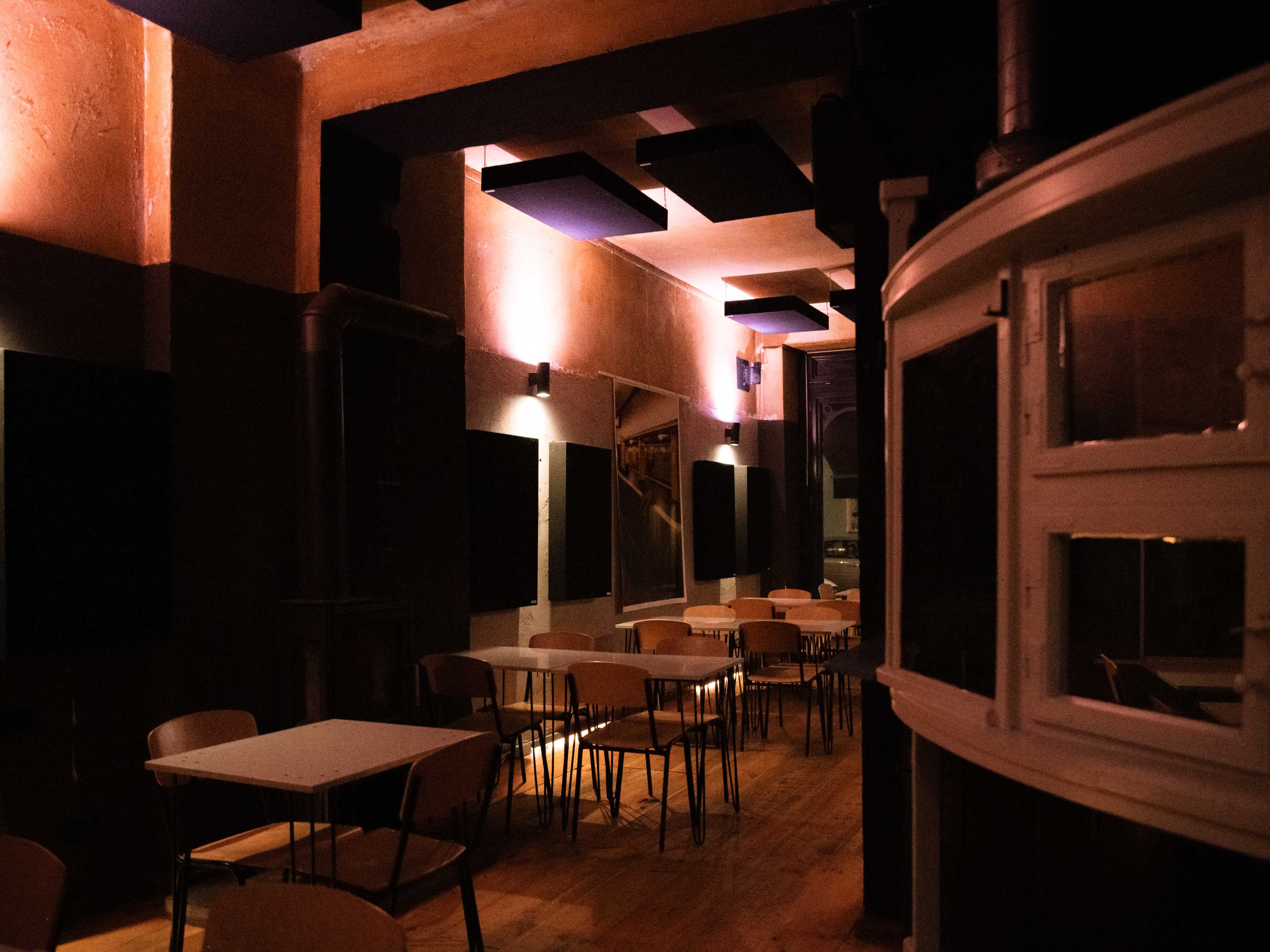
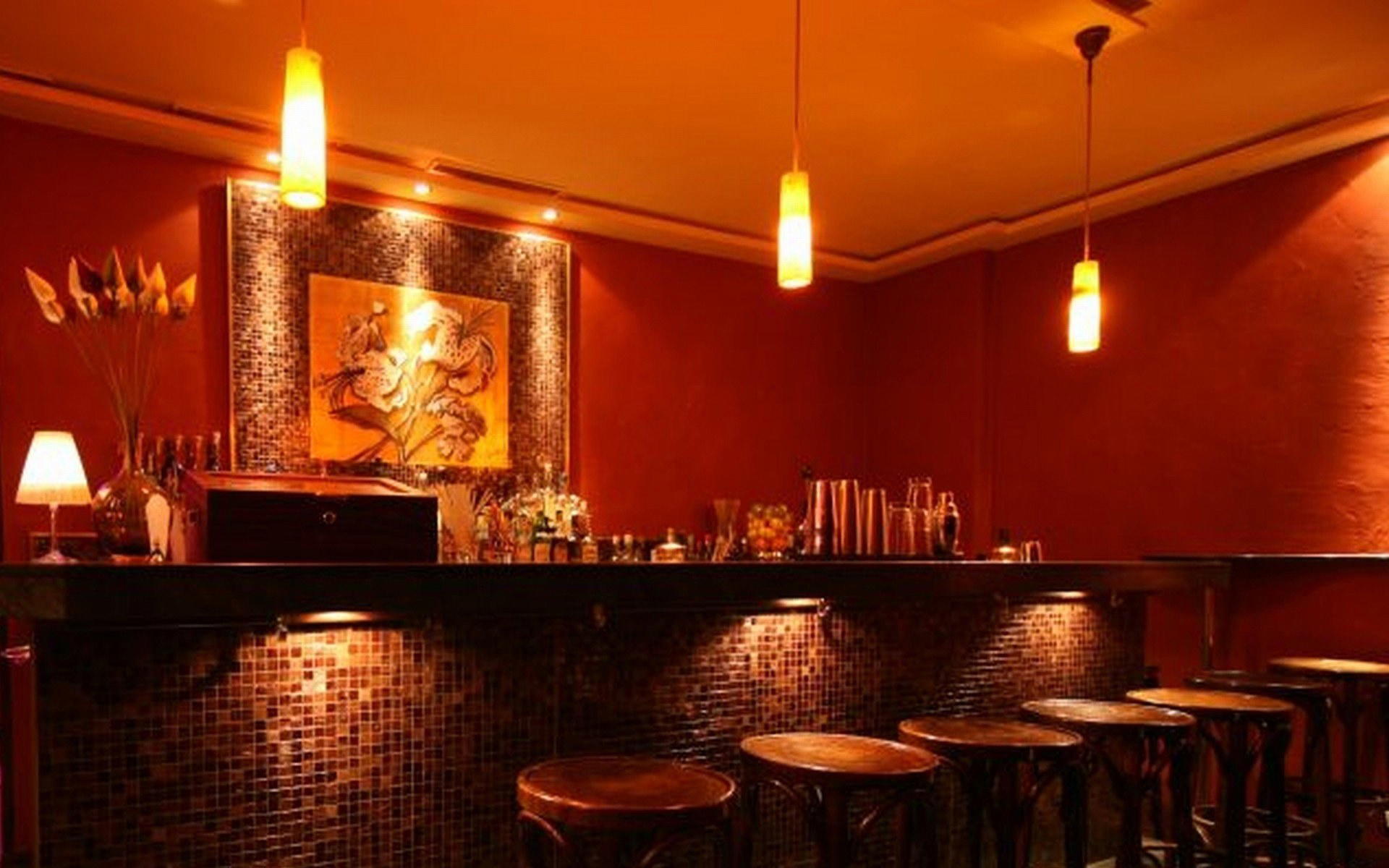
The homely atmosphere noted in assessments of the restaurant is consistent with this sourcing model: this is a kitchen spending its budget on ingredients and technique rather than on interior design or marketing. That trade-off is a signal worth reading.
Placed in Berlin's Broader Dining Context
Berlin's fine dining scene has moved significantly in recent years. Restaurants like Nobelhart & Schmutzig, which operates a strict regional sourcing policy across its tasting menu, and FACIL, with its contemporary European kitchen, represent the city's upper tier. At the other end, Restaurant Tim Raue draws on Southeast Asian flavour structures at a Michelin two-star level, and Rutz has built a serious wine and food program around modern German cooking. None of these are direct comparators for 1990 Vegan Living, which operates in a different register entirely: neighbourhood, accessible, and rooted in a specific immigrant culinary tradition.
That positioning is not a limitation. Across Germany's broader restaurant map, from Aqua in Wolfsburg to JAN in Munich and the Schwarzwaldstube in Baiersbronn, the dominant formal dining tradition remains European and meat-centred. A Vietnamese vegan kitchen with decades of operation in Friedrichshain represents a different culinary lineage, and one with its own internal standards.
For international context, the question of how traditional cuisines adapt to fully plant-based cooking is playing out in cities from New York to New Orleans. Berlin, with its established vegan infrastructure, is further along that curve than most European capitals, and restaurants like 1990 Vegan Living have been part of building that infrastructure from the ground up.
Planning Your Visit
1990 Vegan Living is located at Krossener Straße 19 in the 10245 postcode, a walkable stretch of Friedrichshain close to the Simon-Dach-Straße corridor and the Warschauer Straße transport hub, which connects to S-Bahn, U-Bahn, and tram lines. The neighbourhood is dense with independent restaurants and bars, making it a logical anchor for an evening that moves across formats. Given the restaurant's long-standing local reputation and neighbourhood format, walk-ins are plausible outside peak weekend hours, but arriving early in the evening reduces the risk of a wait. For a full picture of where to eat, drink, and stay while in the city, the EP Club Berlin restaurants guide covers the range, and the Berlin hotels guide, bars guide, wineries guide, and experiences guide are available for broader trip planning. Comparable dining in other German cities, including Vendôme in Bergisch Gladbach, ES:SENZ in Grassau, and Restaurant Haerlin in Hamburg, skews toward fine dining; 1990 Vegan Living operates in a deliberately different register.
Frequently asked questions
What kind of recognition has 1990 Vegan Living received?
1990 Vegan Living has received recognition including: Berlin is a city where vegetable cuisine has long reigned supreme! A place to be. For decades, this Vietnamese restaurant has been serving traditional vegan cuisine with great flavour and respect for the planet. The taste bombs are served i….
Where is 1990 Vegan Living located?
1990 Vegan Living is located at Krossener Straße 19, 10245 Berlin, Germany, Berlin.
What's the signature dish at 1990 Vegan Living?
Specific menu items are not published in detail, but the kitchen is recognised for delivering what reviewers describe as 'taste bombs', flavour-forward Vietnamese vegan dishes that draw on traditional technique rather than substitution logic. The focus is on fresh, herb-driven preparations that reflect how Vietnamese cooking functions structurally as a plant-based cuisine. For the current menu, visiting in person at Krossener Straße 19 is the most reliable approach.
Can I walk in to 1990 Vegan Living?
No booking policy is published for 1990 Vegan Living, and the restaurant's homely, neighbourhood atmosphere in Friedrichshain suggests it operates with some walk-in flexibility. That said, given its decades-long standing in Berlin's plant-based dining scene and strong local word of mouth, arriving early or during off-peak hours reduces the risk of a wait. The address is Krossener Straße 19, 10245 Berlin.
What is 1990 Vegan Living known for?
1990 Vegan Living is known for serving traditional Vietnamese vegan cuisine in Berlin over a period spanning decades, placing it among the city's longest-running plant-based restaurants. Editorial recognition singles out its 'great flavour and respect for the planet' alongside a homely atmosphere that contrasts with the more clinical presentation common in newer vegan concepts. It sits in Friedrichshain, a neighbourhood with deep roots in Berlin's vegetable-forward dining culture.
Is 1990 Vegan Living good for vegetarians?
Yes. The entire menu is vegan, which means vegetarians are fully accommodated without needing to cross-check dishes. Vietnamese cuisine's structural reliance on fresh herbs, broths, and fermented condiments means the food reads as complete rather than restrictive. The restaurant's long track record in Berlin supports that this is a kitchen built around plant-based cooking as a discipline, not an afterthought.
How does 1990 Vegan Living compare to other long-running vegan restaurants in Berlin?
Berlin developed its plant-based dining culture well ahead of most European capitals, and 1990 Vegan Living occupies a specific niche within that history: Vietnamese technique applied to fully vegan cooking over multiple decades. Where newer Berlin venues like Nobelhart & Schmutzig frame vegetable-forward cooking through a regional sourcing argument, 1990 Vegan Living roots its identity in Southeast Asian flavour tradition. That combination of longevity and culinary specificity makes it a reference point in Friedrichshain rather than simply another entry in a crowded category.
Fast Comparison
Comparable venues nearby, for context on price, style, and recognition.
| Venue | Cuisine | Price | Awards | Notes |
|---|---|---|---|---|
| 1990 Vegan LivingThis venue (the venue you are viewing) | Vegan Vietnamese | $10–20 | We're Smart World 3 Radishes | Not listed |
| TAT Restaurant | Vietnamese & Asian Fusion | Not listed | Not listed | Friedrichshain |
| Hoa Rong | Modern Sapa Vietnamese | $20–30 | Not listed | Mitte |
| Gon 80 | Authentic Vietnamese | $10–20 | Not listed | Kreuzberg |
| Standard | Neapolitan Pizza | $20–30 | Star Wine List | Prenzlauer Berg |
| Annelies | Seasonal American Breakfast & Brunch Café | $10–20 | Not listed | Kreuzberg |
Recognition history
Dated appearances from independent guides and award organizations, with the underlying list record or original source where available.
We're Smart World 3 Radishes
We're Smart World
Continue exploring
More in Berlin
Restaurants in Berlin
All restaurants in Berlin →
Bars in Berlin
All bars in Berlin →

Details
- Cozy
- Lively
- Trendy
- Group Dining
- Casual Hangout
- Open Kitchen
- Small Plates
- Vegan Options
- Vegetarian Friendly
Current opening hours
- Monday
- 12–10 PM
- Tuesday
- 12–10 PM
- Wednesday
- 12–10 PM
- Thursday
- 12–10 PM
- Friday
- 12–11 PM
- Saturday
- 12–11 PM
- Sunday
- 12–10 PM
Hours can change for holidays and private events. Hours as of .
Cozy and welcoming with a relaxed atmosphere that can get noisy and hectic during peak times.