Horton Vineyards
The winery draws attention for its commitment to Piedmont terroir and its position in a wine region that continues to redefine what Virginia viticulture can achieve at the premium level.

Pearl is the En Primeur Club membership app — saves, bookings, and concierge access live there. Same editors, same standards.
- Address
- 6399 Spotswood Trail, Gordonsville, VA 22942
- Phone
- (540) 832-7440
- Website
- hortonwine.com
- Directions
- Get directions
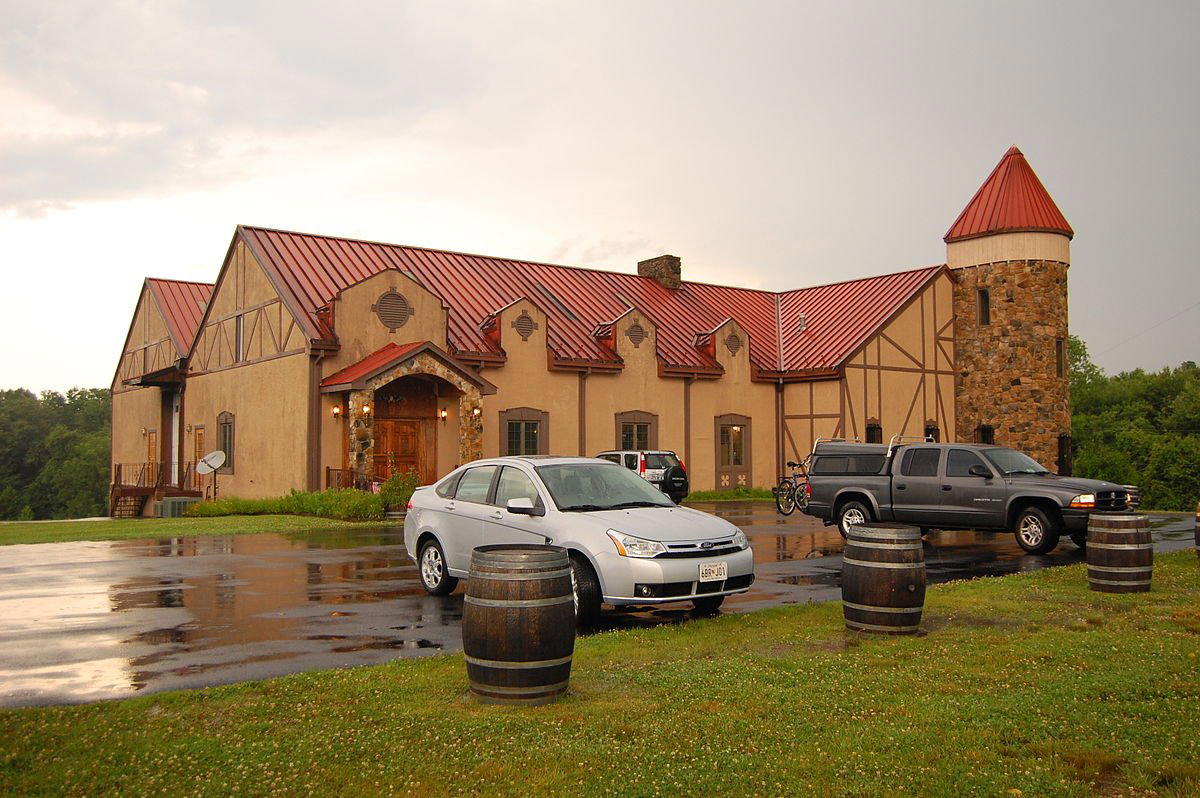
. That designation matters more when you understand what Virginia has been working against, namely a reputation built on inconsistent vintages, humidity-driven disease pressure, and a long-held perception that the Mid-Atlantic can produce drinkable wine but not consequential wine.
What Piedmont Terroir Actually Means Here
Virginia's Piedmont sits at a geological crossroads that creates wines with a structural character distinct from either the Appalachian mountain producers or the coastal plain operations. Orange County soils tend toward weathered red clay over a base of metamorphic rock, which drains reasonably well while retaining enough moisture to buffer against the region's periodic summer drought stress. The altitude in this part of the Piedmont, generally 400 to 700 feet, creates diurnal temperature swings that slow ripening and preserve acidity in ways that the lower Tidewater regions cannot replicate.
That acid retention is the defining terroir signal in much of what Piedmont Virginia produces. Where California's warmer inland valleys push toward richness and extraction, and where Oregon's Willamette focuses on aromatic delicacy, Virginia's Piedmont tends to produce wines with a tension between ripeness and freshness that reads as distinctly Mid-Atlantic. It is a profile that rewards producers willing to let structure be the story rather than chasing concentration. Horton's recognition in 2025 positions the estate as one making a case for that profile at a prestige level. Compare this approach to how producers like Adelaida Vineyards in Paso Robles or Alban Vineyards in Arroyo Grande have built reputations on expressing the specific geological signatures of their respective California sub-regions, and you see a parallel ambition at work in Virginia.
Virginia's Emerging Premium Tier
The broader Virginia wine scene has stratified noticeably over the past decade. A lower tier of tourist-facing operations, centered on fruit wines and casual weekend visitors, coexists with a growing upper tier of producers focused on vinifera quality, estate sourcing, and national distribution.
For context on where that places Horton nationally, consider the kind of American producers earning prestige-tier recognition: estates like Accendo Cellars in St. Helena or Aubert Wines in Calistoga operate at allocation-level prestige in Napa, while Adelsheim Vineyard in Newberg has spent decades building Oregon's credibility internationally. Horton's 2025 recognition places it in a peer conversation that crosses state lines, even if the price points and distribution models differ significantly. The underlying logic is the same: estate-driven wine expressing a specific place with enough precision to earn critical attention.
Virginia as a whole now counts over 300 licensed wineries, but the number producing at a level that attracts serious wine attention remains far smaller. Orange County, where Horton operates, has developed a reputation as one of the more consistent subregions within the state, with a cluster of producers committed to the kind of quality-over-volume approach that builds a regional identity over time rather than capitalizing on tourism alone. For those exploring the area's broader dining and drinking options, our Andrew Murray Vineyards in Los Olivos or Au Bon Climat in Santa Barbara, typically see booking windows compress following award cycles.
Visitors combining Horton with a broader Piedmont itinerary can extend into the Charlottesville appellation corridor, which includes a number of producers operating at similar or adjacent quality levels. The seasonal timing question is worth considering: Virginia Piedmont summers bring humidity and heat that can make outdoor tasting spaces less comfortable in July and August, while the harvest period in September and October offers both more pleasant conditions and a chance to understand the vintage character firsthand. Spring visits, particularly late April through early June, tend to offer good weather with lighter visitor traffic before the summer and fall peaks arrive.
A Broader Point About East Coast Terroir
What Horton's 2025 recognition signals is less about a single winery and more about the maturation of an American wine region that has operated in the shadow of California, Oregon, and Washington for decades. The Eastern seaboard's wine argument, from the Finger Lakes through the Hudson Valley and down through Virginia's Piedmont, rests on the claim that continental and humid-continental climates can produce wines of genuine distinction, not just regional interest.
Compare the developmental arc to producers in other historically underestimated regions: Achaia Clauss in Patras has spent generations building Greek wine credibility internationally, while Aberlour demonstrates how regional specificity in Speyside translates into a globally recognized identity over time. Virginia is earlier in that arc, but producers like Horton, accumulating serious recognition in 2025, are the ones moving that arc forward. For American wine drinkers looking east of the Rockies, the Piedmont corridor deserves attention on its own terms, not as a secondary option when Napa allocation runs short.
Other American estates operating at the prestige level include Alpha Omega Winery in Rutherford, Alexander Valley Vineyards in Geyserville, Artesa Vineyards and Winery in Napa, and Babcock Winery and Vineyards in Lompoc, all of whom have built their reputations through sustained site expression rather than single-vintage headlines. B.R. Cohn Winery in Glen Ellen represents another example of how estate identity in a well-defined region compounds over time. Horton's trajectory, anchored in Orange County's Piedmont geology and now confirmed by 2025 award recognition, is following a recognizable pattern.
Quick Comparison
Comparable venues nearby, for context on price, style, and recognition.
| Venue | Cuisine | Price | Notes |
|---|---|---|---|
| Horton VineyardsThis venue — the venue you are viewing | Viognier, Cabernet Franc | $1–10 | Not listed |
| Bluemont Vineyard | Chardonnay, Merlot | $10–20 | Bluemont |
| Cardinal Point Winery | Cabernet Franc, Viognier | $1–10 | Afton |
| Michael Shaps Wineworks | Cabernet Franc, Chardonnay | $20–30 | south of Charlottesville |
| Flying Fox Vineyard | Cabernet Franc, Merlot | $10–20 | Afton |
| Eastwood Farm & Winery | Chardonnay, Petit Verdot | $10–20 | Scottsville Road |
Continue exploring
More in Gordonsville
Wineries in Gordonsville
Browse all →
Bars in Gordonsville
Browse all →
Restaurants in Gordonsville
Browse all →





Details
- Rustic
- Scenic
- Classic
- Wine Education
- Solo Exploration
- Vineyard Tour
- Estate Grounds
- Vineyard
- Mountain
- Viognier
- Cabernet Franc
- Norton
- Tannat
- Petit Manseng
- Rkatsiteli
- Still White
- Still Red
- Walk Around Tasting
- English
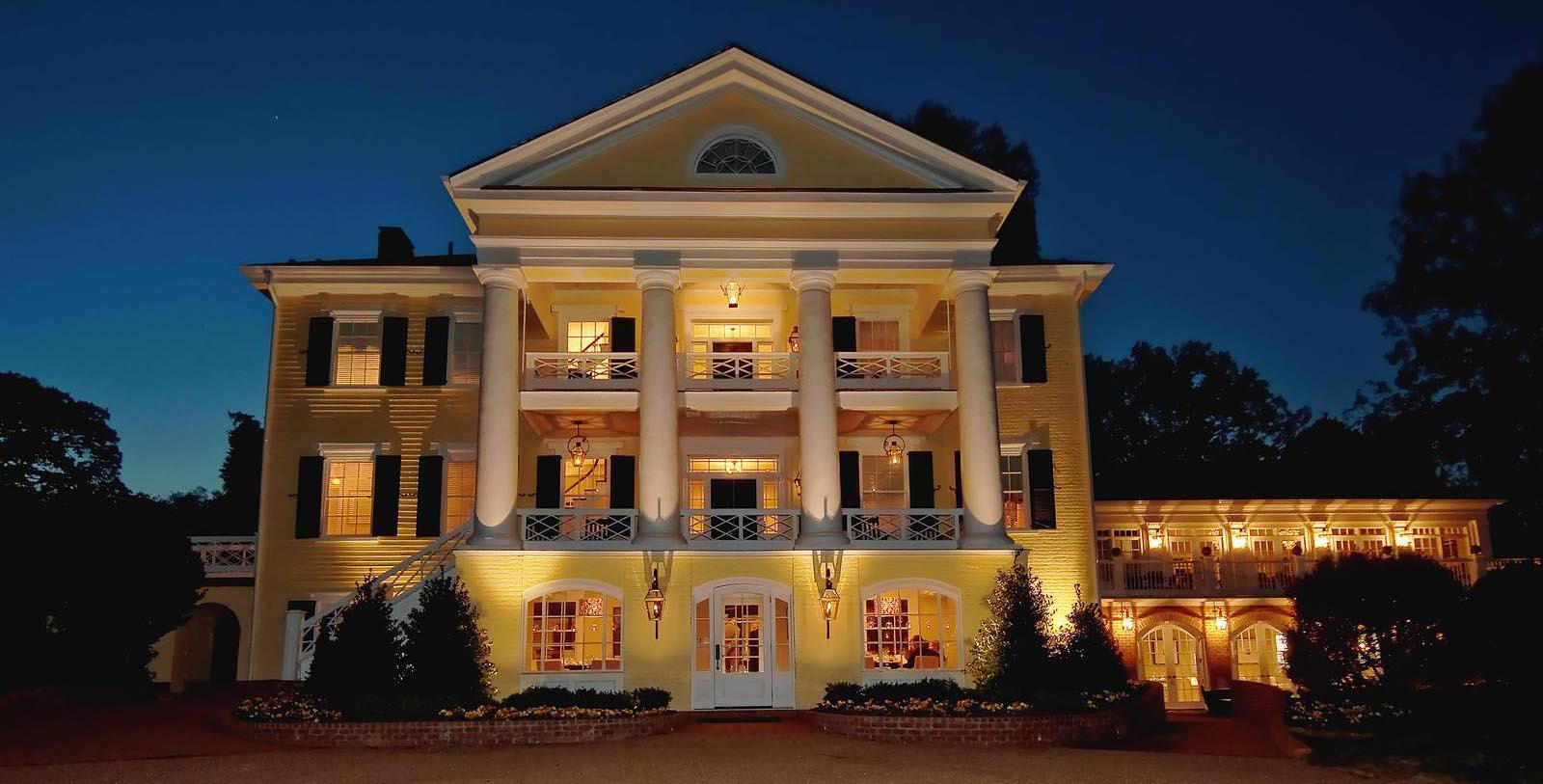
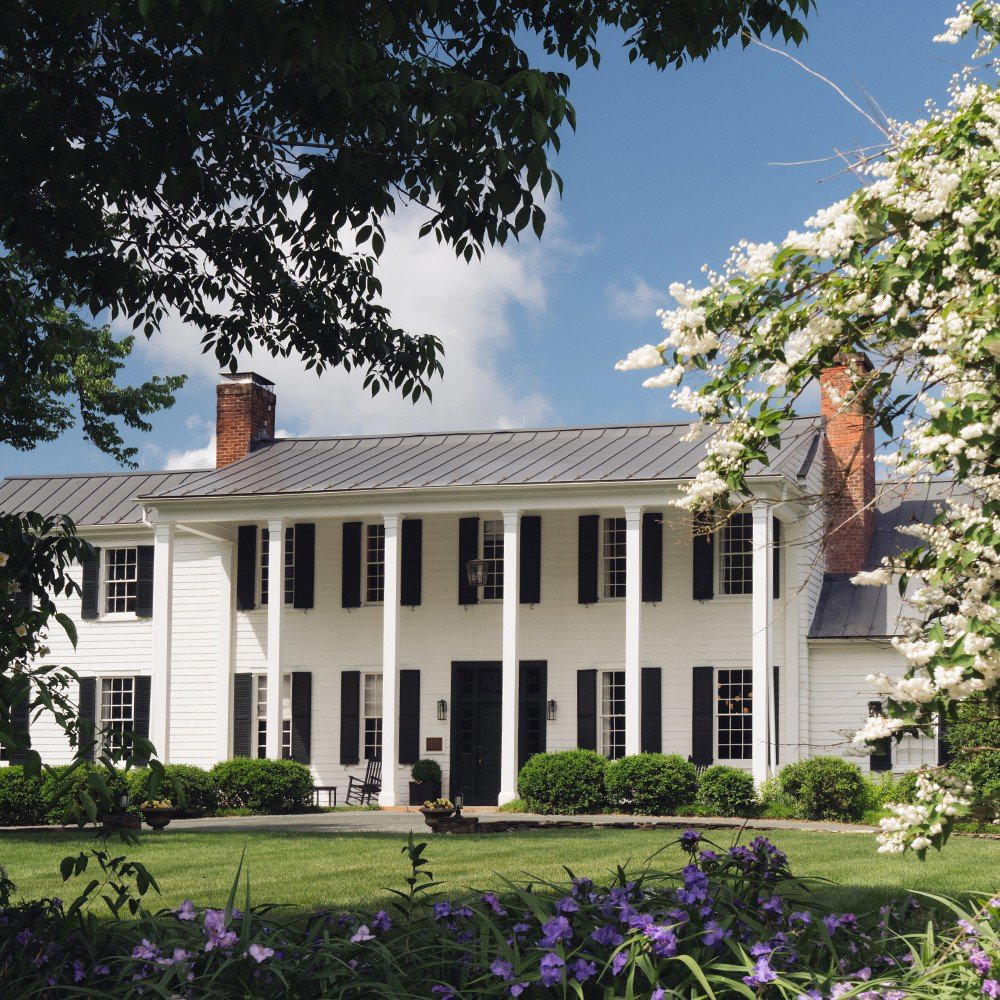
Picturesque rolling hills with dramatic Blue Ridge Mountain views and a vaulted ceiling tasting room in stone underground cellars.