The Counter Café
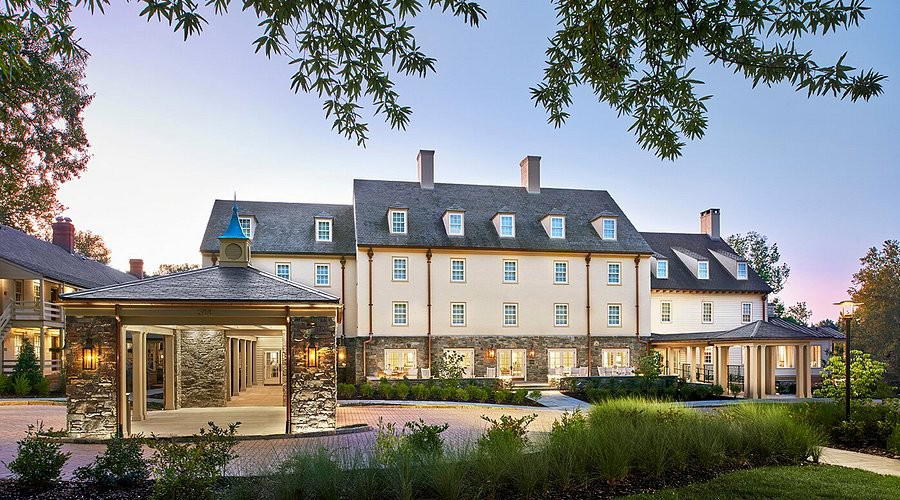
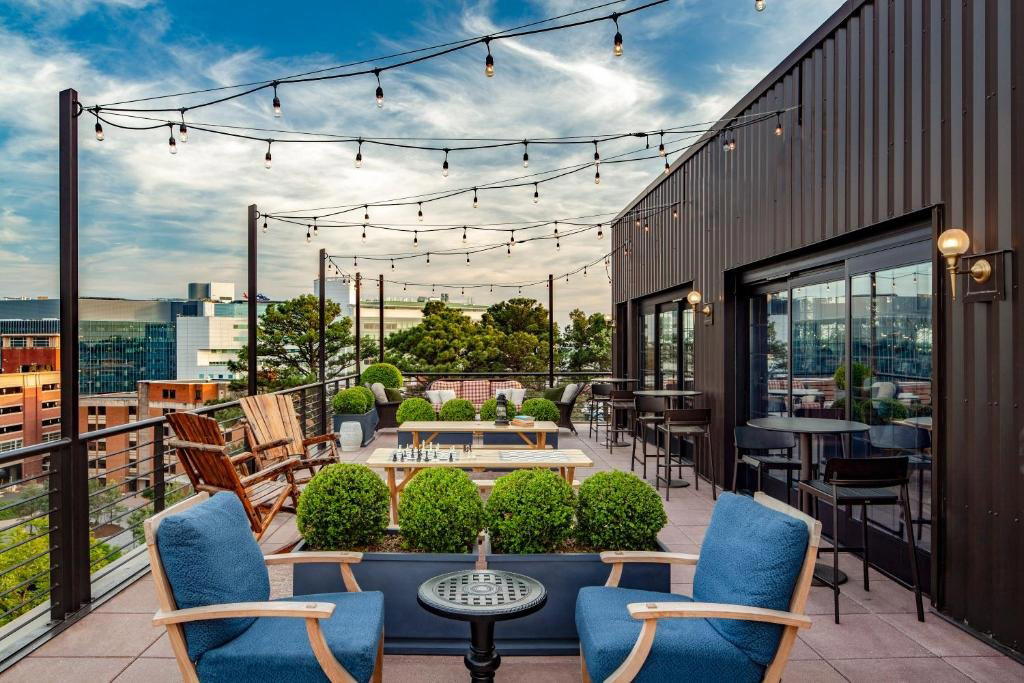
The Counter Café sits within Charlottesville's daytime dining culture, serving coffee, pastries, and locally inspired snacks in a format that reflects the city's broader commitment to approachable, ingredient-led eating. It occupies a different register from the white-tablecloth rooms that anchor the downtown scene, functioning instead as a neighborhood anchor for morning and midday visitors.
Pearl is the En Primeur Club membership app — saves, bookings, and concierge access live there. Same editors, same standards.
- Address
- Charlottesville, United States
 Saves & bookings on Pearl
Coffee Culture and the Daytime Dining Scene in Charlottesville
Charlottesville has a particular relationship with its daytime dining rooms. The city's food reputation is anchored, justifiably, by dinner: the farm-to-table commitments of Vintage Restaurant (American Farmhouse), the French polish of Fleurie Restaurant, the grand setting of The Mill Room, the long history of C & O Restaurant, and the estate dining at 1799 at The Clifton. But the city's mornings and middays have their own rhythm, shaped by the University of Virginia calendar, a strong independent-business culture, and a community that tends to treat coffee stops and lunch counters as seriously as it treats dinner reservations.
The Counter Café operates in that daytime tier. Its format, built around coffee, pastries, and locally inspired snacks, positions it as a quick-service destination rather than a full dining room. That distinction matters. In American college towns with active food cultures, the leading daytime spots often do more work shaping a city's culinary identity than their evening counterparts. They set the tone for how locals engage with food on ordinary days, not just special occasions.
What Locally Inspired Means in Virginia's Piedmont
The phrase "locally inspired snacks" carries real weight in the Charlottesville context. Central Virginia's Piedmont region has a documented agricultural history that predates the modern farm-to-table movement by centuries. Heirloom grain cultivation, small-scale produce farming, and artisan dairy production are all active parts of the regional food economy, and they feed directly into what kitchens across Charlottesville put on their menus.
For a café format, drawing on that tradition means sourcing thoughtfully at a smaller scale: pastries made with regional flours, snacks that reflect the season's produce, and coffee programs that align with the broader national shift toward single-origin and traceable beans. This is not the territory of tasting menus at The French Laundry or the precision-driven formats of Alinea or Atomix. It is a different register entirely, one where the cultural significance is quieter but no less real: the everyday expression of a region's food identity.
Charlottesville's café scene sits within a broader Virginia food tradition that has gained national recognition through destination restaurants rather than daytime spots. Places like The Inn at Little Washington have put the state on serious dining itineraries. The daytime venues that support those itineraries, the coffee stops between winery visits, the quick lunch before an afternoon at Monticello, function as the connective tissue of that food culture. The Counter Café fills that connective role.
The Format and What It Signals
Quick-service café formats have undergone a quiet repositioning in American cities over the past decade. The distinction between a café that happens to have good coffee and one that treats sourcing, preparation, and the small-plate menu as a genuine craft proposition has become meaningful to food-literate audiences. Charlottesville, shaped by a university community and by visitors drawn to its wine country and cultural sites, skews toward the latter audience.
A café built around coffee, pastries, and snacks sits at a different price point from the evening dining rooms that populate any serious restaurant guide, That lower price of entry means it serves a broader cross-section of the city daily, from students and faculty to tourists moving between the Historic Downtown Mall and the surrounding vineyards. The format is accessible in a way that tasting-menu rooms at the level of Single Thread Farm or Blue Hill at Stone Barns are not designed to be.
That accessibility is a feature, not a concession. Some of the most culturally resonant food spaces in any city operate at the café register: the counters that anchor a neighborhood, build regulars over years, and reflect local character more faithfully than a special-occasion restaurant can. This is true in New Orleans, where the café tradition runs deep, just as it is in cities with strong third-wave coffee cultures on the coasts. Charlottesville's version is shaped by its specific mix of academic, agricultural, and tourism economies.
Visiting and Practical Considerations
The Counter Café is positioned for daytime visits rather than evening dining, and it fits naturally into itineraries organized around Charlottesville's other draws: the Historic Downtown Mall, the University of Virginia grounds, and the wine country that extends through Albemarle County. Visitors planning time across those sites will find a café-format stop useful as a morning anchor or a midday pause between other commitments.
For travelers whose primary dining focus is Charlottesville's serious evening options, the daytime café tier offers a lower-commitment, lower-cost way to engage with the city's food culture outside dinner. At this price register, the decision calculus is simple: it is a neighborhood stop first, and a travel destination second, but it contributes to a rounded picture of what the city eats and how it moves through the day.
Charlottesville's dining scene rewards visitors who engage with it at multiple price points and formats. The evening rooms, from the estate dining of 1799 at The Clifton to the neighborhood consistency of C & O Restaurant, set a high bar for the city's formal dining identity. The daytime stops fill in a different, equally necessary part of the picture. For visitors building a full itinerary that also draws comparison to dining in other American cities, from Le Bernardin in New York to Emeril's in New Orleans to Lazy Bear in San Francisco, understanding what a city does at every level of the dining register gives a truer read on its food culture than focusing only on its most formal rooms.
Cost and Credentials
Comparable venues nearby, for context on price, style, and recognition.
| Venue | Cuisine | Price | Awards | Notes |
|---|---|---|---|---|
| The Counter CaféThis venue — the venue you are viewing | Keswick, American Bakery Café | $$ | , | |
| The Mill Room | $$$ | Boars Head, Contemporary Southern American | ||
| C & O Restaurant | Downtown Mall, Country French Bistro | $$$ | , | |
| Vintage Restaurant | Orange, Seasonal Regional American | $$$$ | ||
| 1799 at The Clifton | $$$$ | , | countryside, Seasonal Mid-Atlantic Fine Dining | |
| Fleurie Restaurant | $$$$ | Downtown, Contemporary French Fine Dining |
Continue exploring
More in Charlottesville
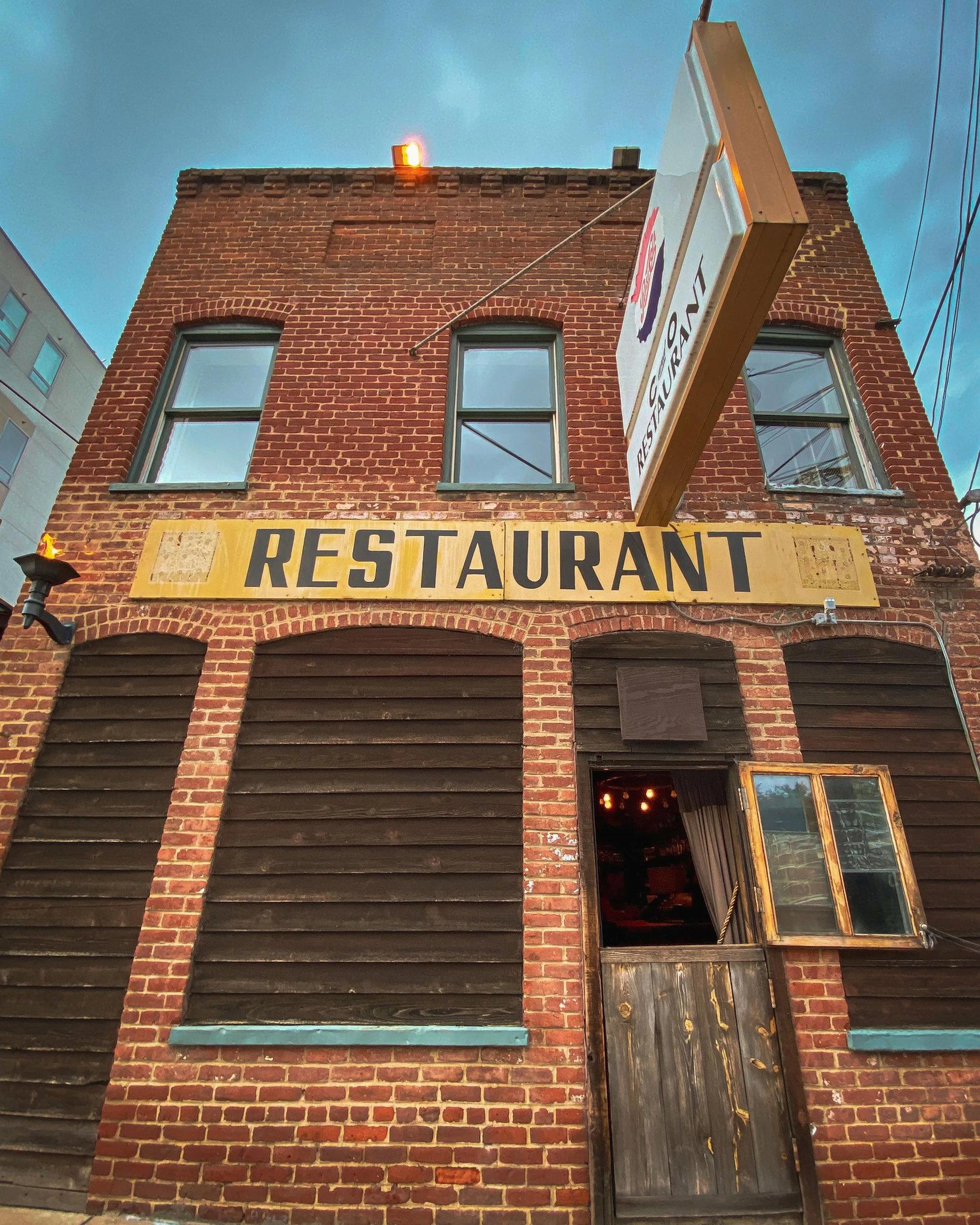
Restaurants in Charlottesville
Browse all →

Bars in Charlottesville
Browse all →
Hotels in Charlottesville
Browse all →
At a Glance
- Cozy
- Casual Hangout
- Hotel Restaurant
Casual and convenient hotel café atmosphere.