Our verdict
弁天山美家古寿司 occupies a narrow wooden building in Asakusa, one of Tokyo's oldest surviving dining neighbourhoods. The restaurant operates within a kaiseki-adjacent sushi tradition shaped by generations of craft rather than contemporary tasting-menu convention. Visitors to Taito City's historic quarter will find it positioned well outside the Ginza omakase circuit, both geographically and in spirit.

Pearl is the En Primeur Club membership app, where members save venues, book tables and use the concierge.
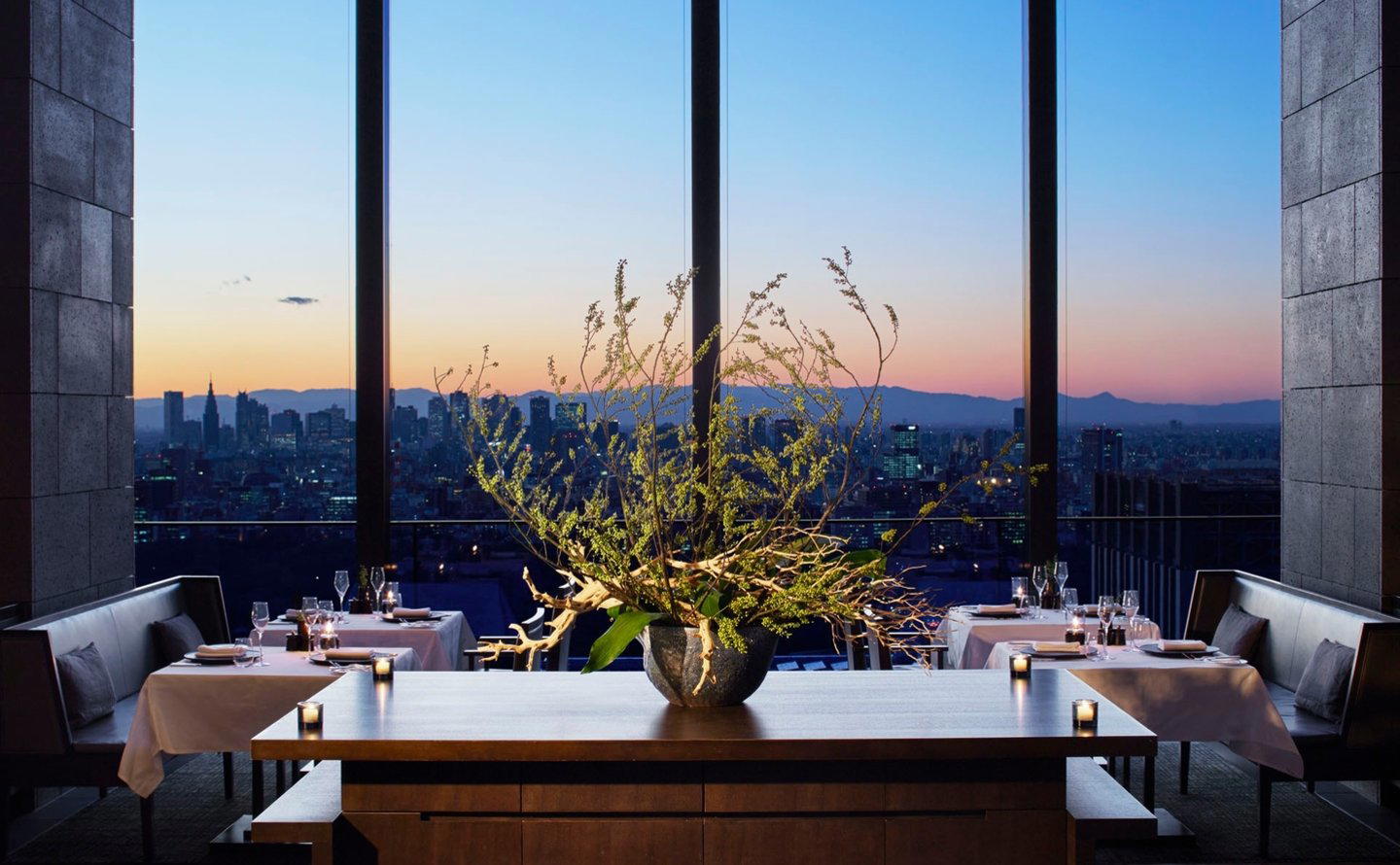
Asakusa's Sushi Tradition and Where 弁天山美家古寿司 Fits
Tokyo's premium sushi scene has, over the past two decades, consolidated around a legible format: small counters in Ginza or Minami-Aoyama, omakase-only sittings priced north of ¥30,000, and lineages that trace back through a handful of celebrated masters. That format has become so dominant that it now functions almost as a genre unto itself, with pricing and prestige signalling working in near-lockstep. Against that backdrop, Asakusa operates as a different kind of reference point. The neighbourhood retains a pre-war merchant-town character that most of central Tokyo has lost, and the dining culture here, including at 弁天山美家古寿司, addressed at 2 Chome-1-16 Asakusa in Taito City, reflects a longer, less trend-sensitive history. This is Edo-mae sushi in the city where Edo-mae sushi was invented, and Asakusa is among the few districts where that origin story still has visible architecture to support it.
The Scene at Street Level
Approaching from the direction of Senso-ji, the built environment around 弁天山美家古寿司 is low-rise and wood-framed in a way that feels structurally honest rather than curated for tourism. The restaurant's facade reads as a working building rather than a destination statement, no design-forward signage, no international hotel lobby proximity, none of the visual grammar that marks the Ginza counter tier. For visitors accustomed to Tokyo's high-end restaurant aesthetic as it has evolved in recent years, this can require a recalibration. The experience category here aligns more closely with old-quarter Kyoto than with the contemporary Tokyo fine-dining circuit represented by venues like RyuGin (Kaiseki) or Sézanne. The neighbourhood itself is doing a lot of work. Asakusa draws both domestic and international visitors, but its serious restaurants remain relatively insulated from the tourist-trail economy because they operate within local social structures: regular clientele, established booking rhythms, and a pace set by the house rather than by platform-driven demand.
Collaboration in a Traditional Kitchen: How the Room Works
In Tokyo's most-discussed sushi and kaiseki rooms, the front-of-house dynamic has become as legible as the menu itself. In older Asakusa establishments, that collaboration tends to be less formally segmented. The itamae often holds conversational authority over the full experience, from the progression of courses to guidance on drink. This consolidation of roles is not a limitation; it is a different grammar of hospitality, one that prioritises continuity of voice over specialist division of labour. The result is a room where the meal feels authored rather than produced, closer in spirit to the experience at Gion Sasaki in Kyoto than to Tokyo's newer tasting-menu formats. For diners comfortable with that mode, it can be the more satisfying kind of service.
Placing 弁天山美家古寿司 in the Wider Japan Context
Japan's serious dining culture extends well beyond Tokyo's most-cited addresses. The regional spread includes HAJIME in Osaka, akordu in Nara, and Goh in Fukuoka, each occupying a distinct local tradition. Within Tokyo itself, the contrast between Asakusa sushi culture and the city's French-influenced innovative tier, represented by venues like L'Effervescence and Crony, is substantial. The Asakusa counter does not compete with those addresses on their own terms; it operates in a different register entirely, one where the value proposition is historical depth rather than contemporary technique. Beyond Japan, parallels exist in other cities where craft longevity anchors the dining culture: Le Bernardin in New York represents a comparable kind of institutional authority, though in a French-American idiom. Atomix, also in New York, shows how Korean fine dining can build its own referential depth over time. The pattern, craft continuity as a form of prestige distinct from trend leadership, recurs across serious dining cultures. Japan's own regional dining network extends further into lesser-visited prefectures: 一本木 石川製 in Nanao, 夕佳亭 in Sapporo, and 羽根屋 in Nishikawa Machi each sit within local traditions that rarely surface in international dining coverage. 湖畔荘 in Takashima and Bistro Ange in Toyohashi further illustrate how Japan's prefectural dining culture rewards travellers willing to move beyond the major city circuit. Birdland in Sakai applies a similarly local-first logic to yakitori tradition in Osaka Prefecture.
Planning Your Visit
Asakusa is directly served by the Tokyo Metro Ginza Line (Asakusa Station) and the Tobu Skytree Line, making access from central Tokyo direct. The address at 2 Chome-1-16 Asakusa places the restaurant within walking distance of Senso-ji, though the restaurant's character is entirely separate from the temple-tourism circuit. Asakusa's dining options are leading explored across an extended stay rather than a single visit; the neighbourhood rewards repeat contact. For a full orientation to Tokyo's broader dining scene across price tiers and cuisine types, EP Club's full Tokyo restaurants guide maps the major reference points.
Frequently asked questions
What's å¼å¤©å±±ç¾å®¶å¤å¯¿å¸'s location?
å¼å¤©å±±ç¾å®¶å¤å¯¿å¸ is located at 2 Chome-1-16 Asakusa, Taito City, Tokyo 111-0032, Japan, Tokyo.
What's the must-try dish at 弁天山美家古寿司?
What is documented is the restaurant's position within Asakusa's Edo-style sushi tradition, which historically centres on kohada, anago, and vinegared-rice technique rather than the premium tuna cuts that define Ginza omakase counters. Visiting with an open order rather than a fixed agenda is consistent with how this category of Tokyo sushi restaurant operates.
How hard is it to get a table at å¼å¤©å±±ç¾å®¶å¤å¯¿å¸?
Reservations are recommended for å¼å¤©å±±ç¾å®¶å¤å¯¿å¸ in Tokyo. Confirm current policy via the venue's official channels.
What makes å¼å¤©å±±ç¾å®¶å¤å¯¿å¸ worth seeking out?
å¼å¤©å±±ç¾å®¶å¤å¯¿å¸ is best approached by focusing on the core concept and signature offerings.
Booking and Cost Snapshot
A quick peer reference to anchor this venue in its category.
| Venue | Cuisine | Price | Awards | Notes |
|---|---|---|---|---|
| å¼å¤©å±±ç¾å®¶å¤å¯¿å¸This venue (the venue you are viewing) | Traditional Edo-mae Sushi | Not listed | Not listed | Not listed |
| Harutaka | Edo-Style Omakase Sushi | $200–300 | 3 Michelin Stars · World's 50 Best #76 | Sushi |
| L'Effervescence | Modern French with Japanese Influences | $200–300 | 3 Michelin Stars · World's 50 Best #69 | French |
| RyuGin | Modern Kaiseki | $500+ | 3 Michelin Stars · World's 50 Best #41 | Kaiseki, Japanese |
| Crony | Modern French with Japanese Influences | $150–200 | 2 Michelin Stars · World's 50 Best #34 | Innovative, French |
| Florilège | Modern French-Japanese Plant-Based Fine Dining | $50–100 | 2 Michelin Stars · World's 50 Best #31 | French |
Continue exploring
More in Tokyo
Restaurants in Tokyo
All restaurants in Tokyo →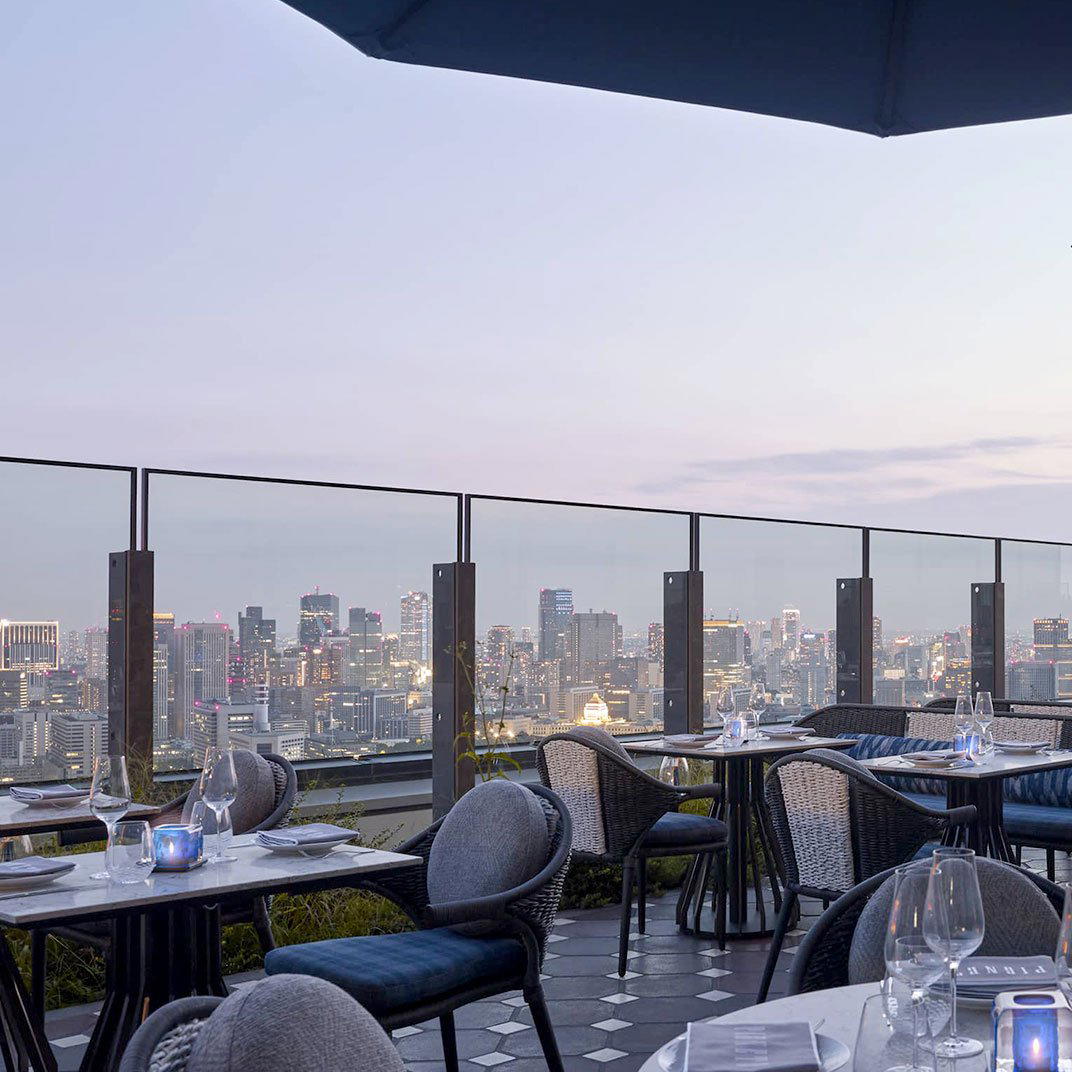

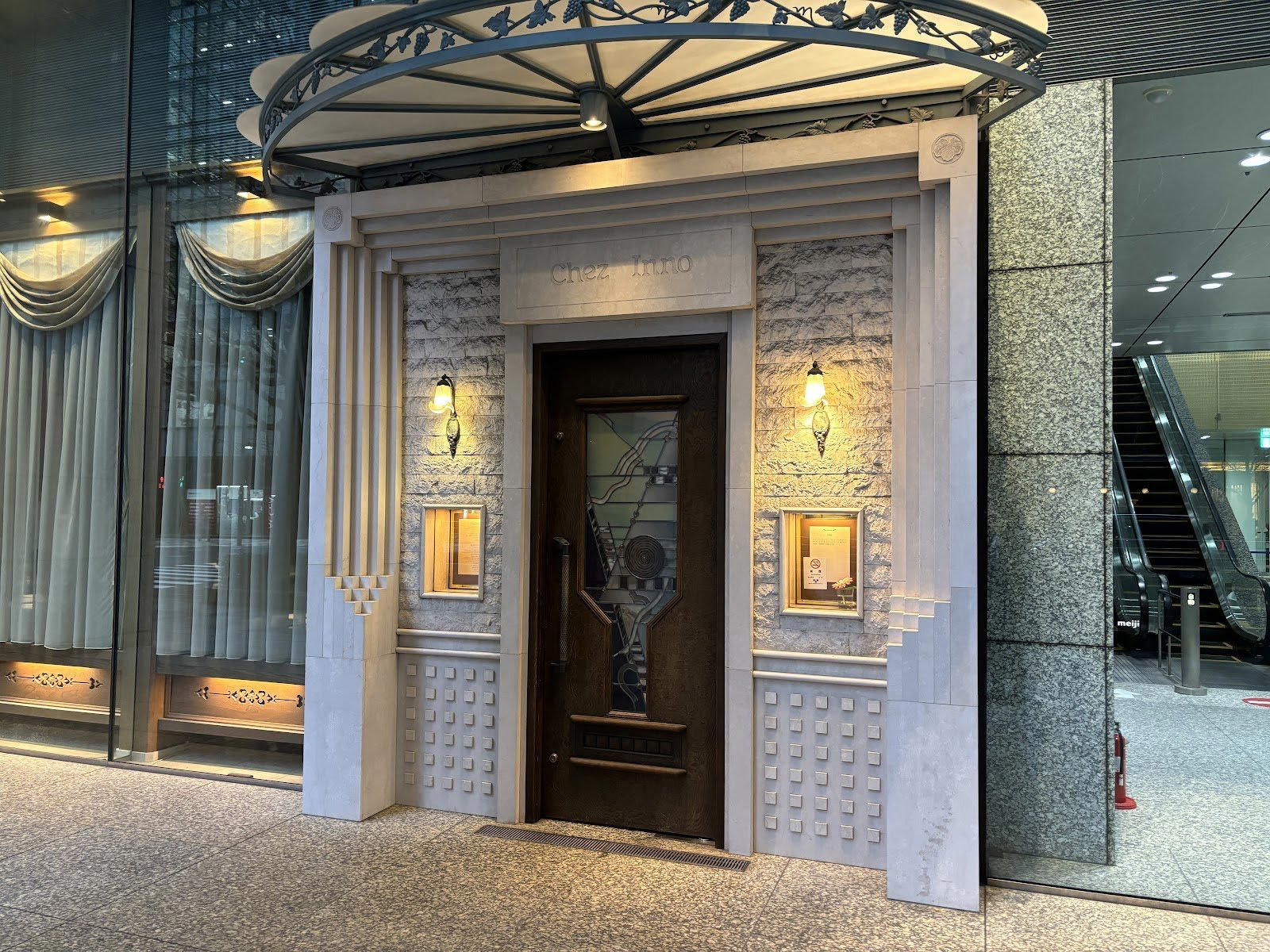





Details
- Classic
- Sophisticated
- Business Dinner
- Special Occasion
- Solo
- Historic Building
- Standalone
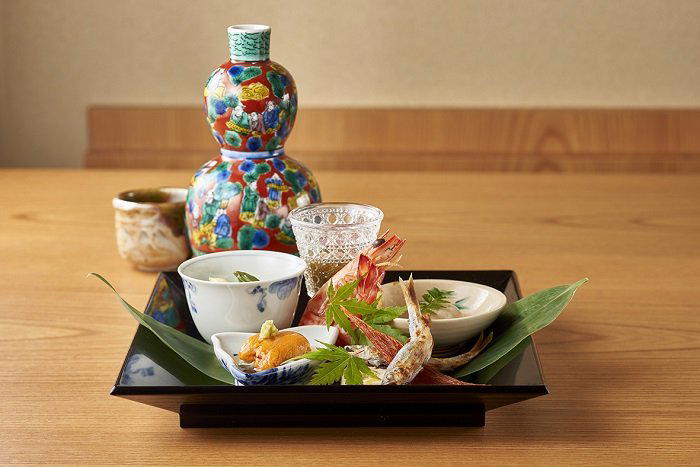
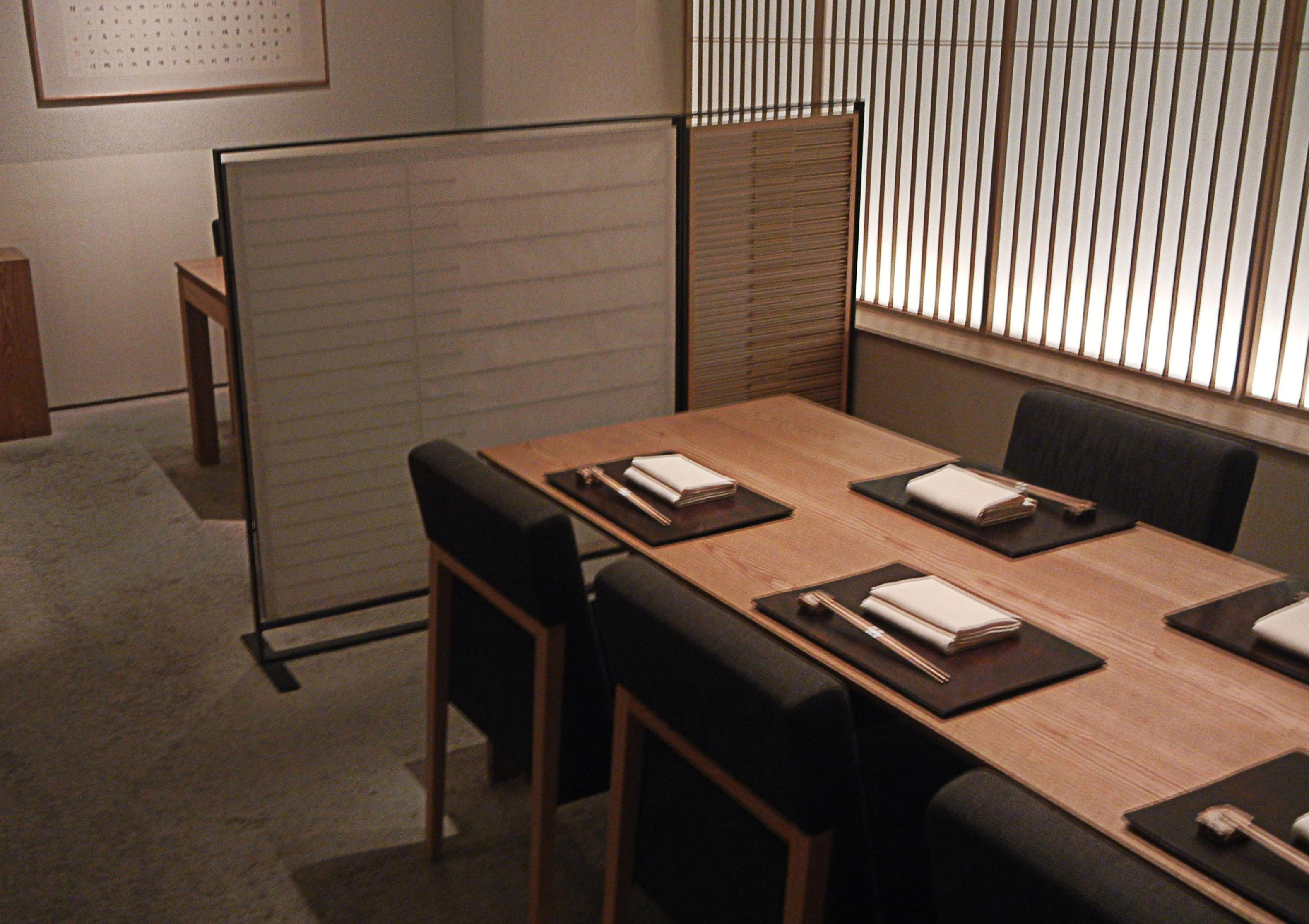
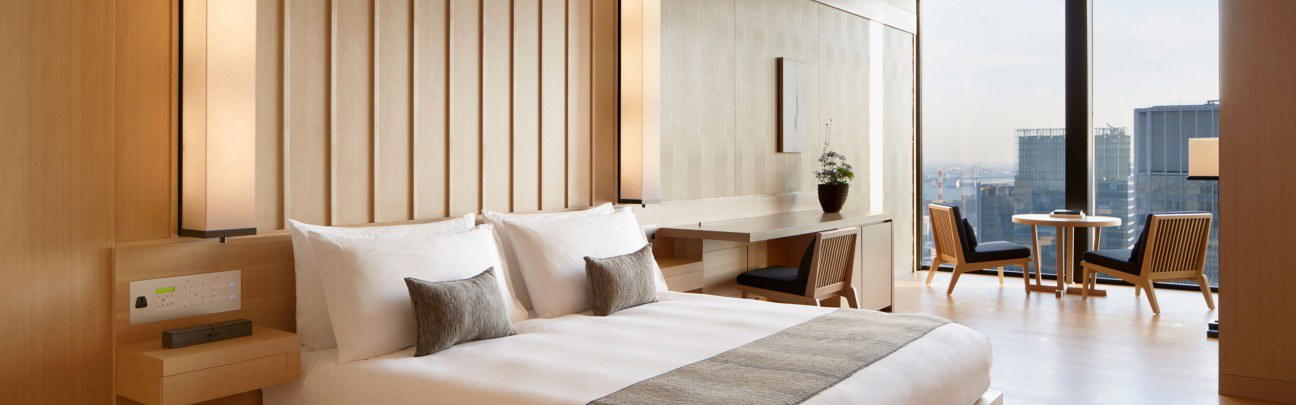
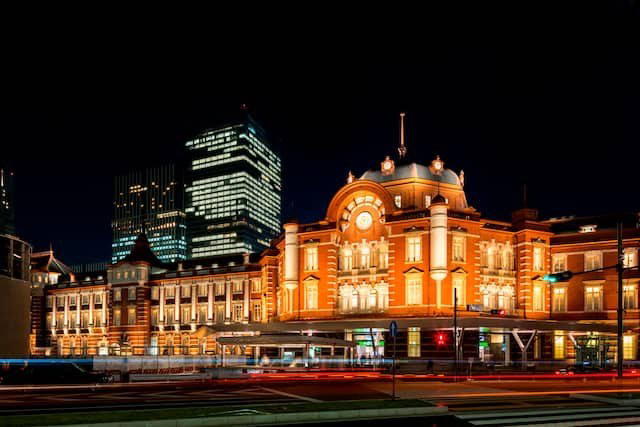
Traditional, old-school sushi house atmosphere with a restrained, classic feel centered on Edo-mae craftsmanship.