


Michelin Plate · Falstaff Bar - 83 Falstaff Points · We're Smart World 3 Radishes
Our verdict
A Michelin Plate recipient on Prenzlauer Berg's Schönhauser Allee, KINK Bar & Restaurant sits inside Berlin's broader shift toward plant-forward creative dining. The format rotates around a seasonal vegetable focus, delivered in a room that reads more like a late-night bar than a white-tablecloth destination.

Pearl is the En Primeur Club membership app, where members save venues, book tables and use the concierge.
The Room Before the Menu
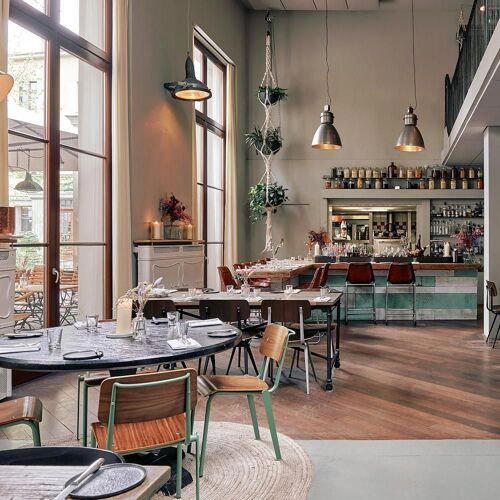
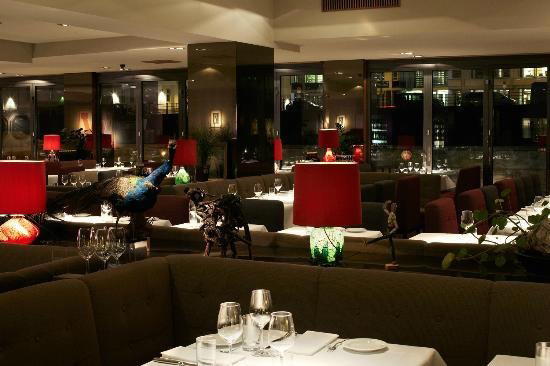
Prenzlauer Berg has long operated as one of Berlin's most legible dining neighbourhoods: dense, walkable, and resistant to the kind of sterile hotel-dining gravity that pulls creative kitchens toward Mitte. Along Schönhauser Allee, where the refined U-Bahn track runs overhead and the ground-floor strip alternates between neighbourhood fixtures and newer arrivals, KINK Bar & Restaurant occupies a position that reads, from the outside, more like a bar than a restaurant. That ambiguity is the point. Berlin's most interesting mid-tier dining of the past decade has increasingly refused the separation between eating and drinking, between the structured meal and the extended evening. KINK sits squarely inside that tradition.
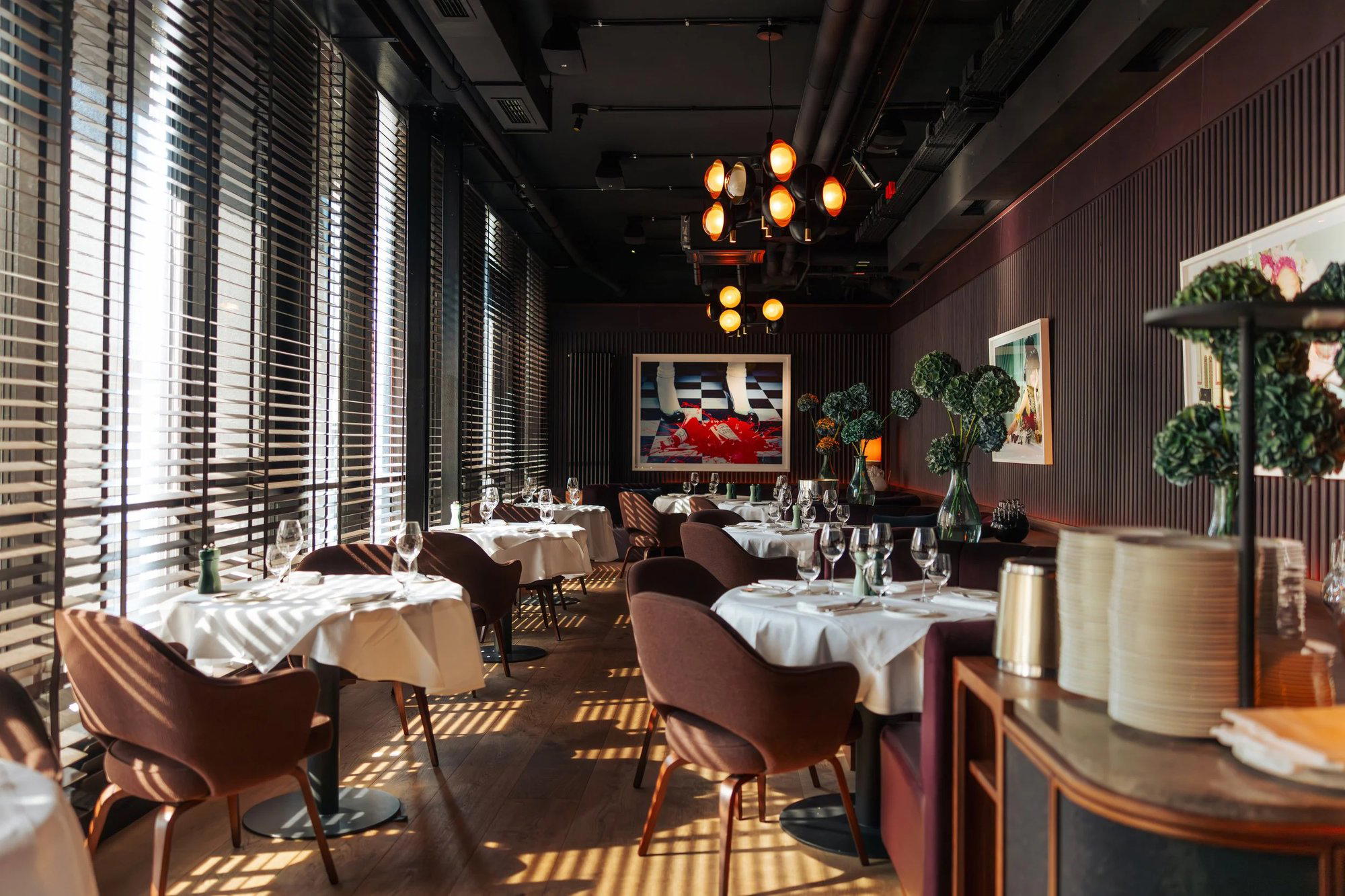
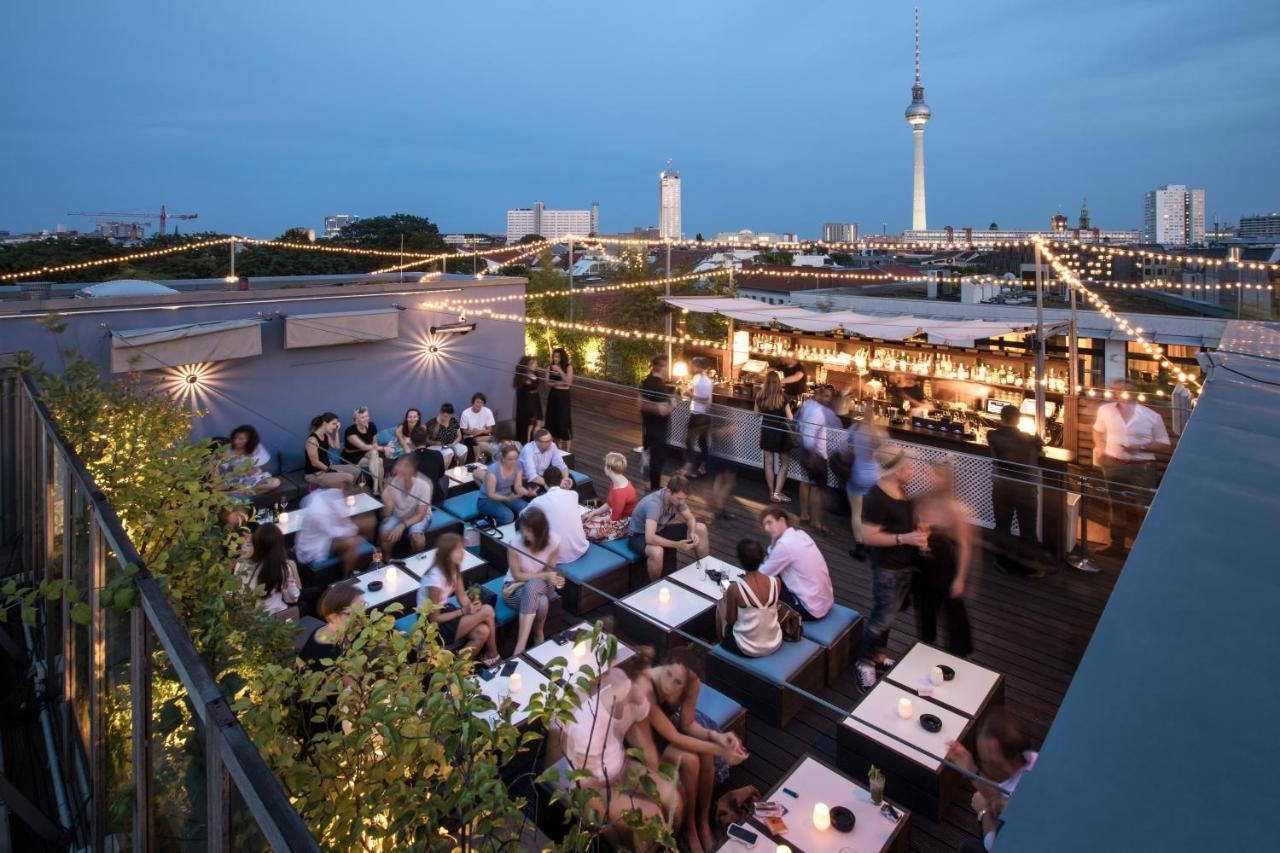
The atmosphere sets an expectation before any food arrives. The energy skews social and informal, a room where you are as likely to settle at the bar as at a table, and where the pacing of the evening belongs to the guest rather than the kitchen. That informality is not the same as carelessness. Two consecutive Michelin Plate recognitions (2024 and 2025) confirm that the cooking is being taken seriously by the circuit that tracks it, even if the room does not announce that fact in its design.
How the Meal Moves
The dining ritual at a plant-forward creative restaurant in Berlin operates by different conventions than the tasting-menu formality found further up the price tier. At venues like CODA Dessert Dining or Bandol sur mer, the structure of the meal is fixed and the guest submits to it. At the €€ tier, the contract is different: the kitchen proposes, the guest assembles, and the bar remains a legitimate destination throughout. KINK operates on this more fluid model, with a menu built around seasonal vegetable centrality rather than protein-led progression.
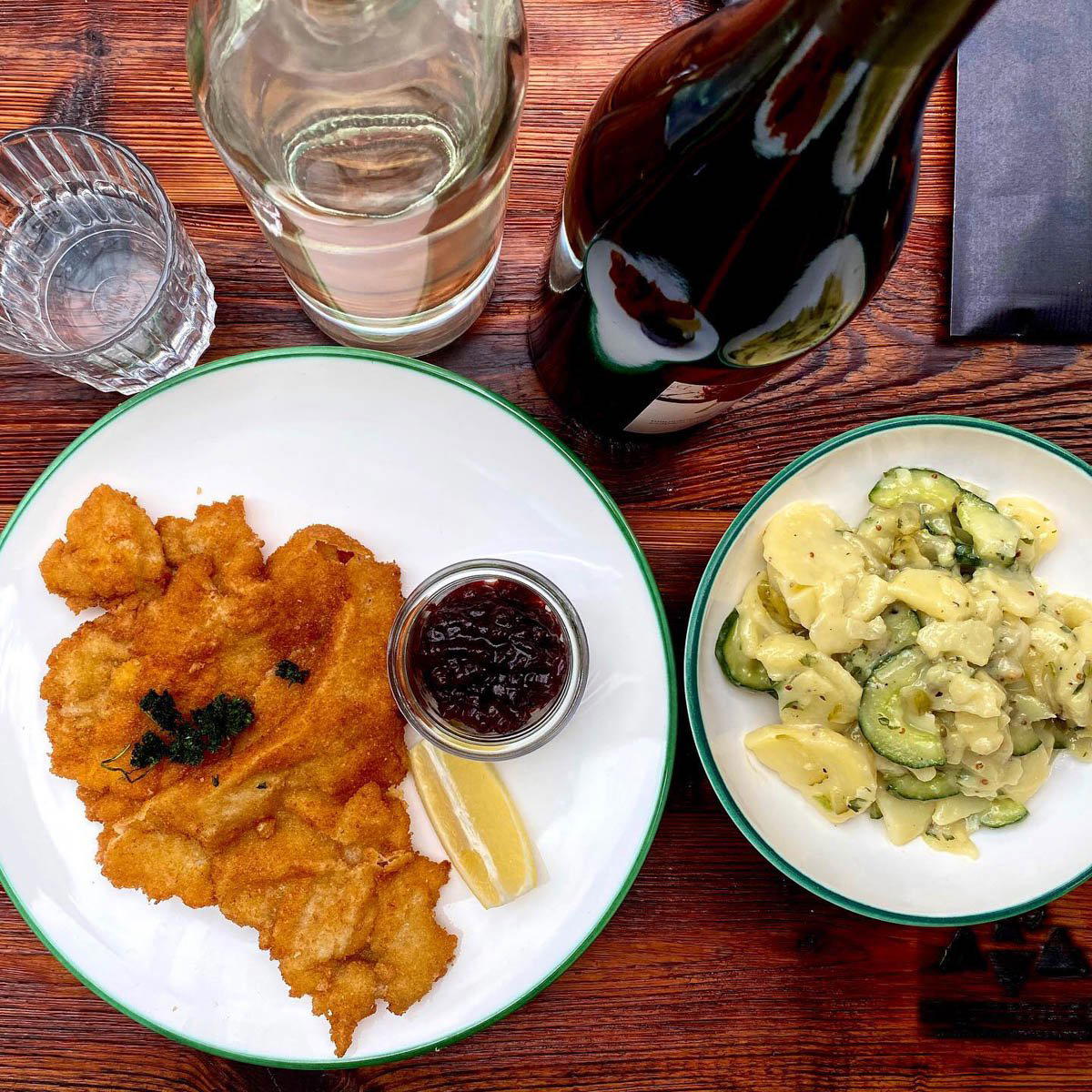
That seasonal vegetable focus is not a gimmick. In the years since plant-based cooking moved from the margins of Berlin dining into something closer to a mainstream expectation, the kitchens that have maintained credibility are those that rotate their reference point with genuine seasonal discipline rather than cycling through the same five preparations year-round. KINK's stated commitment to a vegetable of the season as an organizing principle is the kind of structural choice that separates a kitchen with a point of view from one following a trend. The Michelin Plate recognition, awarded in both 2024 and 2025, suggests that discipline has been consistent enough to register with outside observers.
For the reader planning an evening: the bar-or-table choice at arrival is not merely logistical. Sitting at the bar at KINK is a different ritual than taking a table. Bar seating puts you inside the production rather than across from it, and in a room with this kind of energy, that placement shapes how the meal reads, quicker, more conversational, less structured. Table seating allows for the longer pace that a vegetable-led creative menu often rewards, where each course can be given time before the next arrives. Neither is wrong; they are different agreements about what the evening is for.
Where KINK Sits in the Berlin Creative Tier
Berlin's creative dining scene now covers a wider price and formality range than most European capitals. At the upper end, restaurants like Lorenz Adlon Esszimmer and the full tasting-menu format at Julius operate with the fixed-menu rigour and price points that come with higher Michelin recognition. Restaurant Tim Raue occupies its own tier, defined by an established reputation and international following. KINK does none of this. It holds the Michelin Plate, a recognition that denotes good cooking without the full star apparatus, and prices at €€, which in Berlin's current context positions it as a destination for guests who want creative kitchen ambition without the formality or cost of the starred tier.
That positioning matters for how you approach the evening. For comparison, several of Berlin's Michelin-starred restaurants accumulate fewer total reviews because their capacity and booking model limits throughput. KINK's score at volume suggests the experience is reliable rather than occasionally transcendent, which, at the €€ price tier and with a social-bar atmosphere, is the right benchmark to apply.
For readers building a wider Berlin itinerary, our full Berlin restaurants guide maps the city's dining across price tiers and neighbourhood clusters. The Berlin bars guide covers the late-night side of Prenzlauer Berg's drinking scene, and the hotels guide handles accommodation across the city's distinct neighbourhood characters. If experiences beyond dining are on your itinerary, the Berlin experiences guide and wineries guide round out the picture.
Germany's wider creative dining circuit, for readers tracking the Michelin Plate and star tier together, includes JAN in Munich, Schwarzwaldstube in Baiersbronn, Aqua in Wolfsburg, Vendôme in Bergisch Gladbach, ES:SENZ in Grassau, and Restaurant Haerlin in Hamburg. For the creative format specifically at the European level, Alléno Paris au Pavillon Ledoyen and Enrico Bartolini in Milan represent the format at its most ambitious and expensive, useful reference points for understanding where KINK sits within a much larger range.
Planning the Visit
KINK Bar & Restaurant is at Schönhauser Allee 176, 10119 Berlin, in Prenzlauer Berg. The U2 line stops at Senefelderplatz and Eberswalder Strasse, both within walking distance, making arrival by public transport direct. The €€ price range places a full evening, food and drinks, at a level where the bill remains accessible without advance financial planning. The Michelin Plate recognition makes this a considered choice rather than a casual fallback; treat it accordingly. Given the social energy of the room, the evening works well as a standalone destination or as an earlier stop before Prenzlauer Berg's late-night options. Booking ahead, even for a venue at this price tier, avoids the frustration of a full room on a Friday or Saturday.
Frequently asked questions
Can I bring kids to KINK Bar & Restaurant?
What should I expect atmosphere-wise at KINK Bar & Restaurant?
What's the signature dish at KINK Bar & Restaurant?
Standing Among Peers
| Venue | Cuisine | Price | Awards | Notes |
|---|---|---|---|---|
| KINK Bar & RestaurantThis venue (the venue you are viewing) | Modern Fusion Small Plates | $50–100 | Michelin Plate · Falstaff Bar - 83 Falstaff Points | Not listed |
| CODA Dessert Dining | Dessert-Inspired Fine Dining | $200–300 | 2 Michelin Stars · World's 50 Best #79 | Creative |
| Rutz | Modern German Fine Dining | $200–300 | 3 Michelin Stars · La Liste Top Restaurants | Modern European, Modern Cuisine |
| Nobelhart & Schmutzig | Hyper-Local Modern German Fine Dining | $100–150 | 1 Michelin Star · World's 50 Best #59 | Modern German, Creative |
| FACIL | Modern Fusion Fine Dining | $200–300 | 2 Michelin Stars · La Liste Top Restaurants | Contemporary European, Creative |
| Horváth | Modern Austrian Vegetable Cuisine | $200–300 | 2 Michelin Stars · La Liste Top Restaurants | Modern Austrian, Creative |
Recognition history
Dated appearances from independent guides and award organizations, with the underlying list record or original source where available.
Michelin Plate
Michelin
Falstaff Bar - 83 Falstaff Points
Falstaff
We're Smart World 3 Radishes
We're Smart World
Full recognition history (4 entries)
Michelin Plate
Michelin

Continue exploring
More in Berlin
Restaurants in Berlin
All restaurants in Berlin →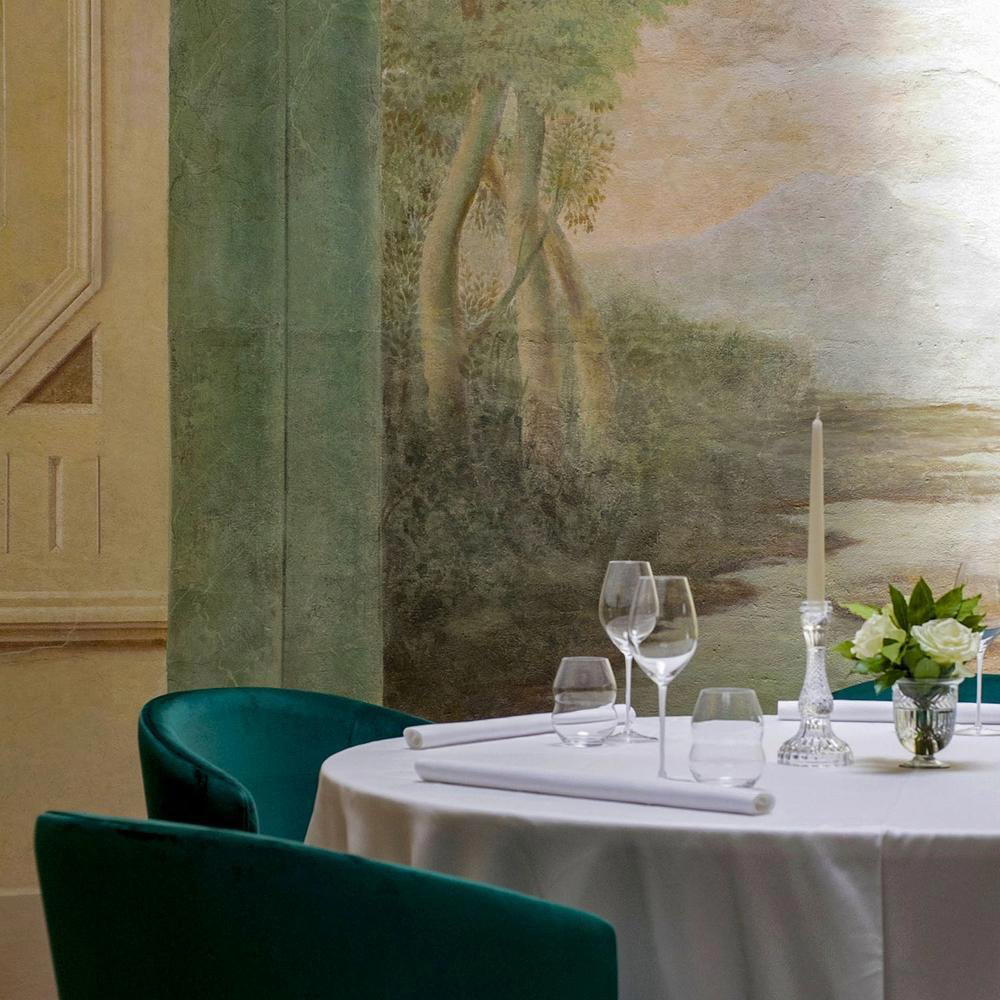
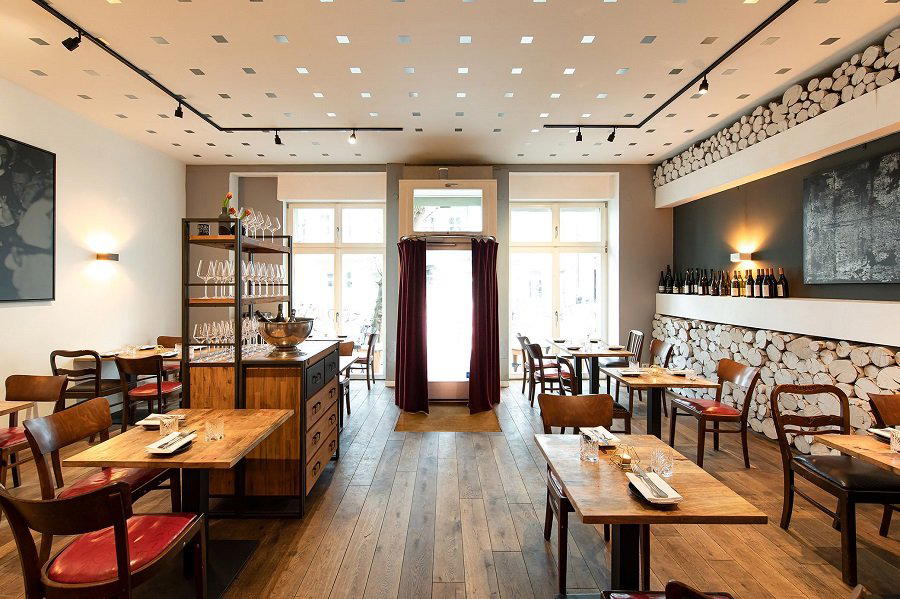
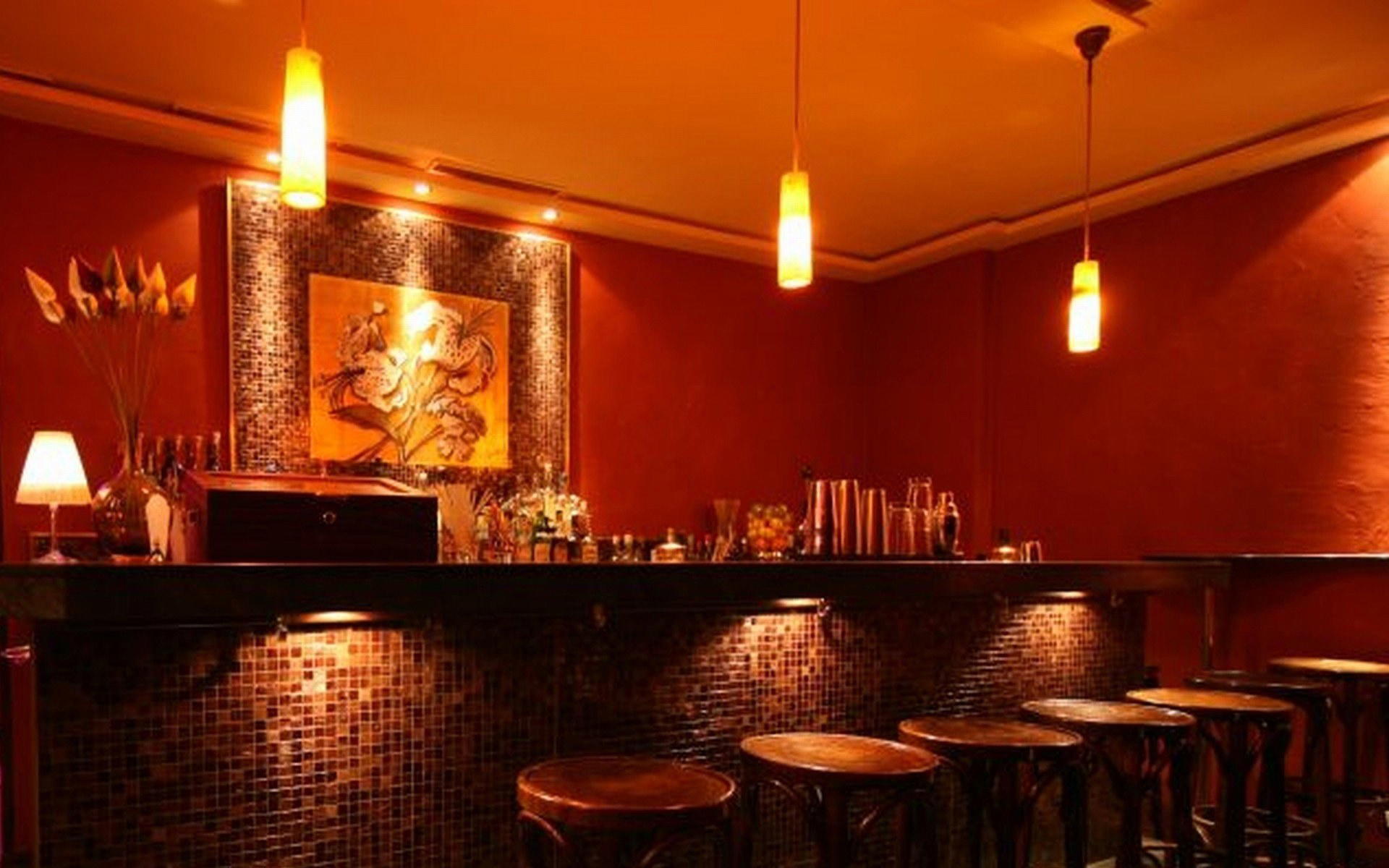
Bars in Berlin
All bars in Berlin →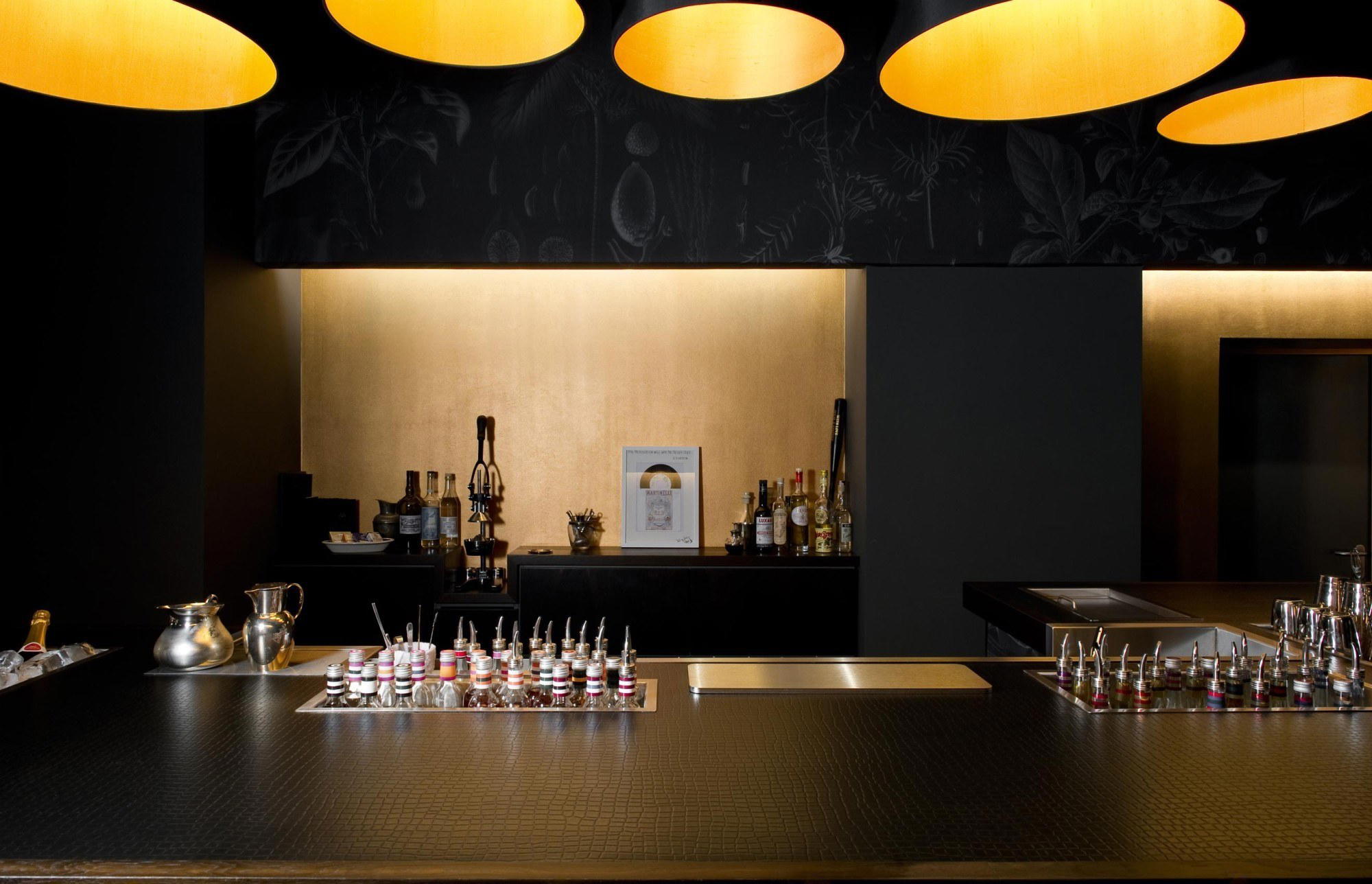
Details
- Trendy
- Lively
- Cozy
- Modern
- Date Night
- Group Dining
- Casual Hangout
- Special Occasion
- Terrace
- Open Kitchen
- Design Destination
- Craft Cocktails
- Local Sourcing
- Small Plates
- A La Carte
- Cocktails
- Vegetarian Friendly
Current opening hours
- Monday
- 5:30 PM–1 AM
- Tuesday
- 5:30 PM–1 AM
- Wednesday
- 5:30 PM–1 AM
- Thursday
- 5:30 PM–1 AM
- Friday
- 5:30 PM–2:30 AM
- Saturday
- 10:30 AM–3 PM, 5:30 PM–1 AM
- Sunday
- 10:30 AM–3 PM, 5:30 PM–1 AM
Hours can change for holidays and private events. Hours as of .
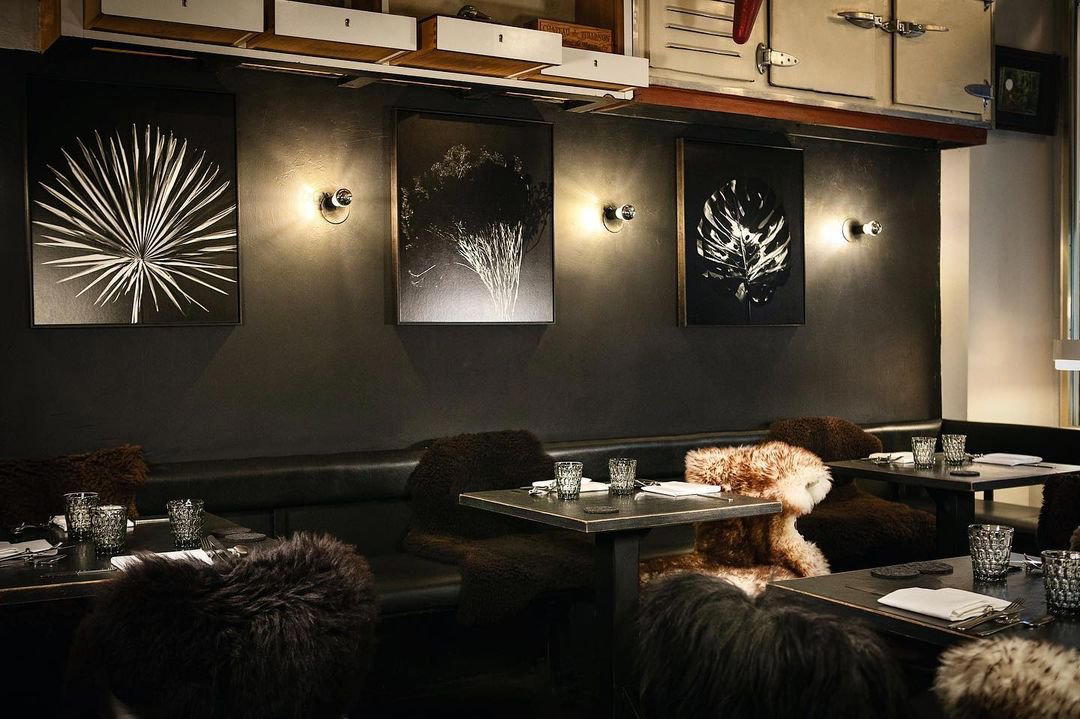
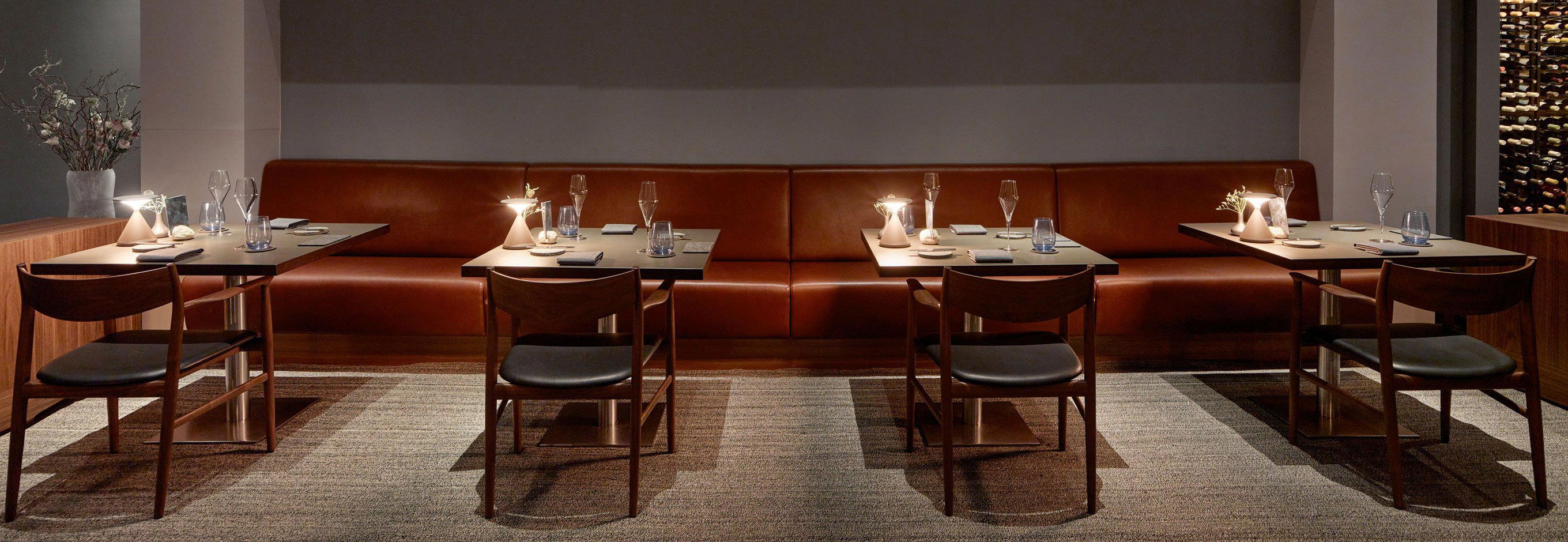
Laid-back and artistic atmosphere with high ceilings, large-scale art installations, cozy lighting, and a chilled vibe.