Our verdict
1 Kitchen occupies the ground floor of 550 Wellington Street West in Toronto's King West corridor, a neighbourhood that has become one of the city's most active zones for design-conscious dining. The venue sits within a broader Canadian dining scene that increasingly prizes spatial intention alongside culinary execution, placing it in conversation with the city's more considered restaurant openings.

Pearl is the En Primeur Club membership app, where members save venues, book tables and use the concierge.

A Corner of King West Where Space Does the Talking
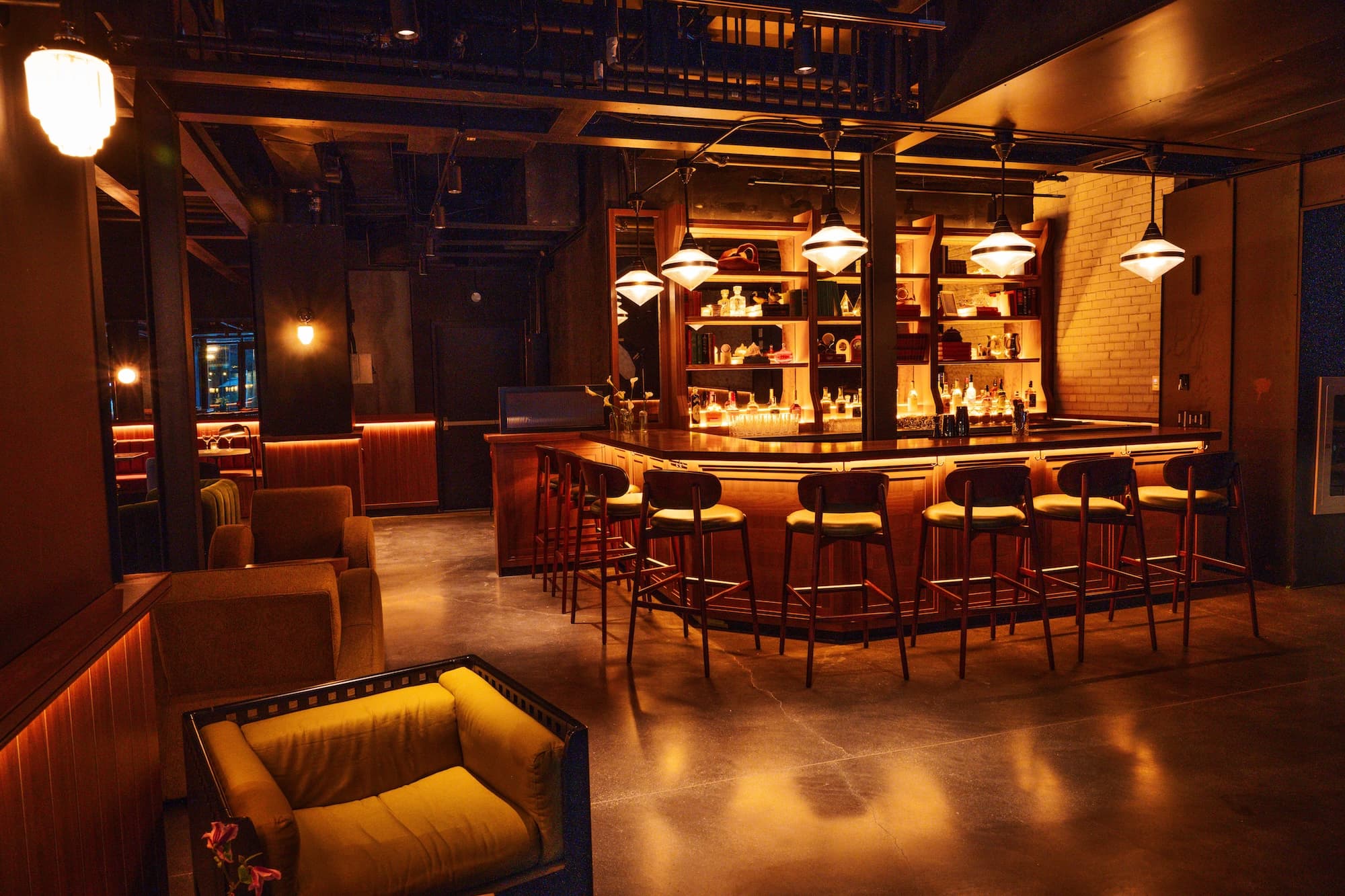
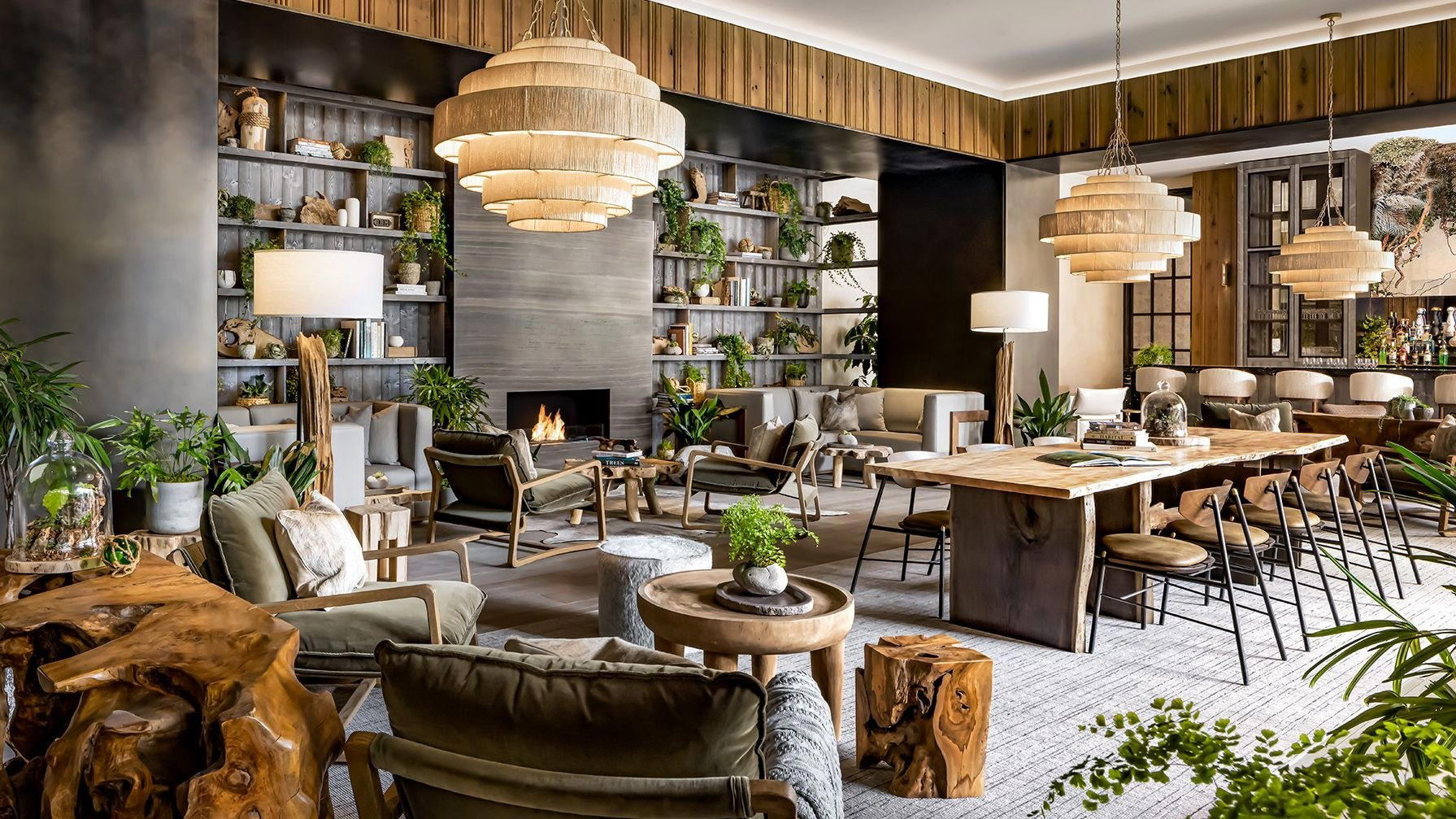
King West has spent the better part of a decade sorting itself into two distinct tiers: high-volume rooms built for turnover, and a smaller cohort of spaces where the physical container is understood as part of the proposition. The ground floor of 550 Wellington Street West belongs to the second category. At street level, the building sits at one of the neighbourhood's more trafficked intersections, yet the interior turns away from that noise in the way that well-considered restaurant design tends to do, by creating a legible sense of enclosure and purpose that doesn't depend on what's happening outside.
In Toronto's current dining environment, that kind of spatial discipline carries real signal value. The city's top-end openings, from the tasting-menu counters of Aburi Hana to the long-running dining room at Alo, share a tendency to treat interior architecture as a first-order decision, not an afterthought. A room that communicates clearly about what it is tends to attract guests who know why they're there, and that self-selection shapes service dynamics, pacing, and the overall register of an evening in ways that matter.
The King West Dining Context
Wellington Street West, in the stretch between Bathurst and Spadina, has attracted a concentration of restaurants that position themselves above the neighbourhood's busier entertainment strip to the east. The pattern across this area reflects a broader Canadian shift: as major cities developed more sophisticated dining cultures through the 2010s, premium restaurants began clustering in mixed-use developments and converted industrial spaces rather than in traditional hotel or financial-district addresses. The ground-floor restaurant embedded in a residential or commercial building at a prominent West End intersection is now a recognisable format in Toronto, Vancouver, and Montreal alike.
Peers in the higher-end Canadian independent scene, places like Tanière³ in Quebec City or AnnaLena in Vancouver, operate on similar logic: find a well-located but not overexposed site, let the interior signal intent, and build a reputation through the quality of what comes out of the kitchen rather than through marketing volume. Jérôme Ferrer's Europea in Montreal offers another reference point: a room in which design and culinary ambition are treated as complementary rather than competing investments.
Design as Editorial Statement
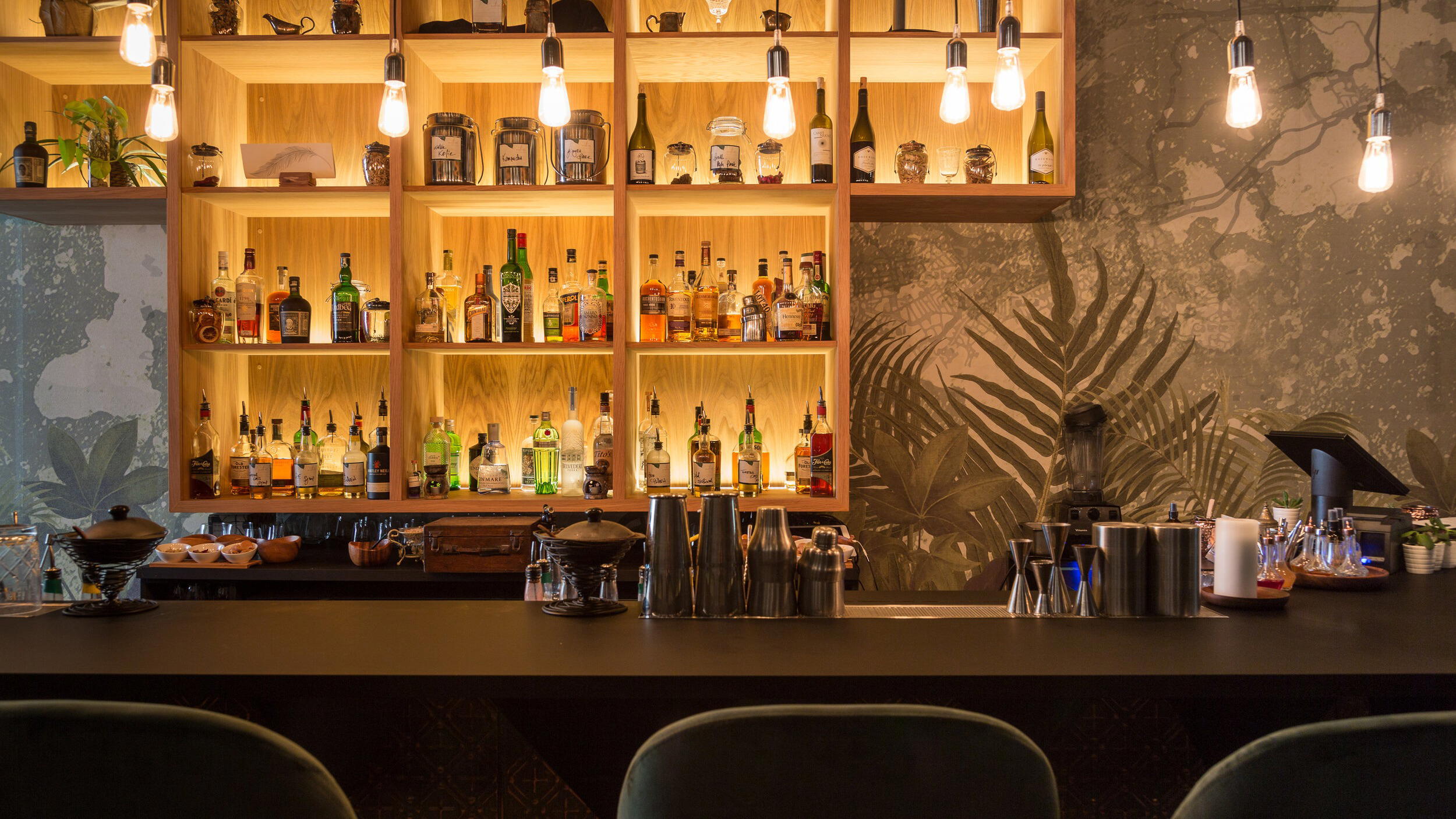
The Wellington Street West address places 1 Kitchen in a neighbourhood that has attracted design-conscious operators partly because of its architectural stock. Buildings in this corridor tend toward the larger-footprint, mixed-use typology, ground-floor retail or hospitality with residential or commercial above, which gives restaurant interiors more raw volume to work with than, say, the narrow Victorian storefronts of Dundas West. More volume means more decisions: ceiling treatment, light source placement, acoustic management, sightline control. How a room handles those decisions signals a great deal about the ambitions of whoever put it together.
Toronto's most-discussed dining rooms of the past five years have consistently used spatial arrangement to create a sense of occasion without relying on formality. The Italian-rooted rooms at DaNico and Don Alfonso 1890 both demonstrate that warmth and precision are not opposites in interior design any more than they are in the kitchen. A well-lit room with thoughtful material choices creates a different kind of tension, the productive kind, than a room that simply gestures at luxury through dark surfaces and low light.
Situating 1 Kitchen in Toronto's Dining Hierarchy
Toronto now operates at a scale where its restaurant scene can be meaningfully compared to other major North American cities. The presence of venues like Sushi Masaki Saito, which operates at the top of the Japanese omakase tier in Canada, alongside contemporary and Italian fine dining at the $$$$ price band confirms that the city has a credible upper stratum. Reference points from other cities help calibrate expectations: Le Bernardin in New York or Atomix represent the kind of precision and format discipline that define what premium dining looks like at full expression. Toronto's leading rooms are increasingly in that conversation, if not always at the same altitude.
Within Ontario's wider dining geography, the city sits alongside destinations like Restaurant Pearl Morissette in Lincoln and Eigensinn Farm in Singhampton, both of which have built strong reputations by treating setting and sourcing as inseparable from the cooking itself. That regional seriousness has raised the baseline for what Toronto diners expect when they walk into a room, and it has raised the pressure on city operators to justify their addresses.
Further afield, the Canadian dining ecosystem includes strong independent voices at places like Narval in Rimouski, The Pine in Creemore, and Barra Fion in Burlington, venues that demonstrate the geographic spread of serious culinary ambition across the country. Aux Anciens Canadiens in Quebec offers a different reference point: a room where historical context and setting are the primary draw. Bearspaw Golf Club in Calgary represents the club-format end of the premium dining spectrum. The breadth of these comparisons underscores how varied the Canadian premium dining scene has become, and how location-specific the logic of each venue tends to be.
Planning a Visit
1 Kitchen is located at 550 Wellington Street West, on the ground floor of a building in Toronto's King West neighbourhood. The address is accessible from the King streetcar and within walking distance of the Entertainment District's denser transit connections. For those comparing options across the city's upper dining tier, our full Toronto restaurants guide maps the current landscape by cuisine type, price band, and neighbourhood.
Frequently asked questions
What dish is 1 Kitchen famous for?
What the address and neighbourhood context do suggest is a kitchen operating within Toronto's broader contemporary dining conversation, a scene where technique-forward cooking and careful sourcing have become baseline expectations at the upper-mid and premium tiers. For a calibrated sense of what that category looks like at its upper range in the city, the menus at Alo and Aburi Hana offer useful reference points.
How hard is it to get a table at 1 Kitchen?
Booking demand at King West restaurants varies considerably by format: tasting-menu counters in Toronto can require weeks or months of lead time, while à la carte rooms in the same neighbourhood often have same-week availability. The city's most sought-after rooms, the $$$$ tier that includes venues like Sushi Masaki Saito, typically require advance planning of at least four to six weeks. Contacting the venue directly will give the clearest current picture.
Is 1 Kitchen suitable for a special occasion dinner in Toronto?
Ground-floor rooms in King West's mixed-use buildings have increasingly been developed with occasion dining in mind, the format rewards design investment and tends to attract operators who understand the difference between a transactional restaurant and a destination room. 1 Kitchen's Wellington Street West address places it in a corridor where that intention is common. For confirmed occasion-dining options in Toronto with documented track records, the EP Club Toronto guide covers the full premium tier, including venues with published awards and ratings.
Price and Positioning
| Venue | Cuisine | Price | Awards | Notes |
|---|---|---|---|---|
| 1 KitchenThis venue (the venue you are viewing) | Farm-to-Table Sustainable Cuisine | Not listed | Not listed | Not listed |
| Alo | Modern French Fine Dining with Asian Influences | $200–300 | 1 Michelin Star · La Liste Top Restaurants | Contemporary |
| Sushi Masaki Saito | Edomae-Style Omakase | $500+ | 1 Michelin Star · La Liste Top Restaurants | Sushi, Japanese |
| Aburi Hana | Modern Japanese Kyō-Kaiseki | $300–500 | 1 Michelin Star · The Best Chef One Knife | Kaiseki, Japanese |
| Don Alfonso 1890 | Modern Italian Fine Dining | $200–300 | 1 Michelin Star · La Liste Top Restaurants | Contemporary Italian, Italian |
| Edulis | Mediterranean Seafood Tasting Menu | $150–200 | 1 Michelin Star · World's 50 Best #25 | Canadian, Mediterranean Cuisine |
Continue exploring
More in Toronto
Restaurants in Toronto
All restaurants in Toronto →

Bars in Toronto
All bars in Toronto →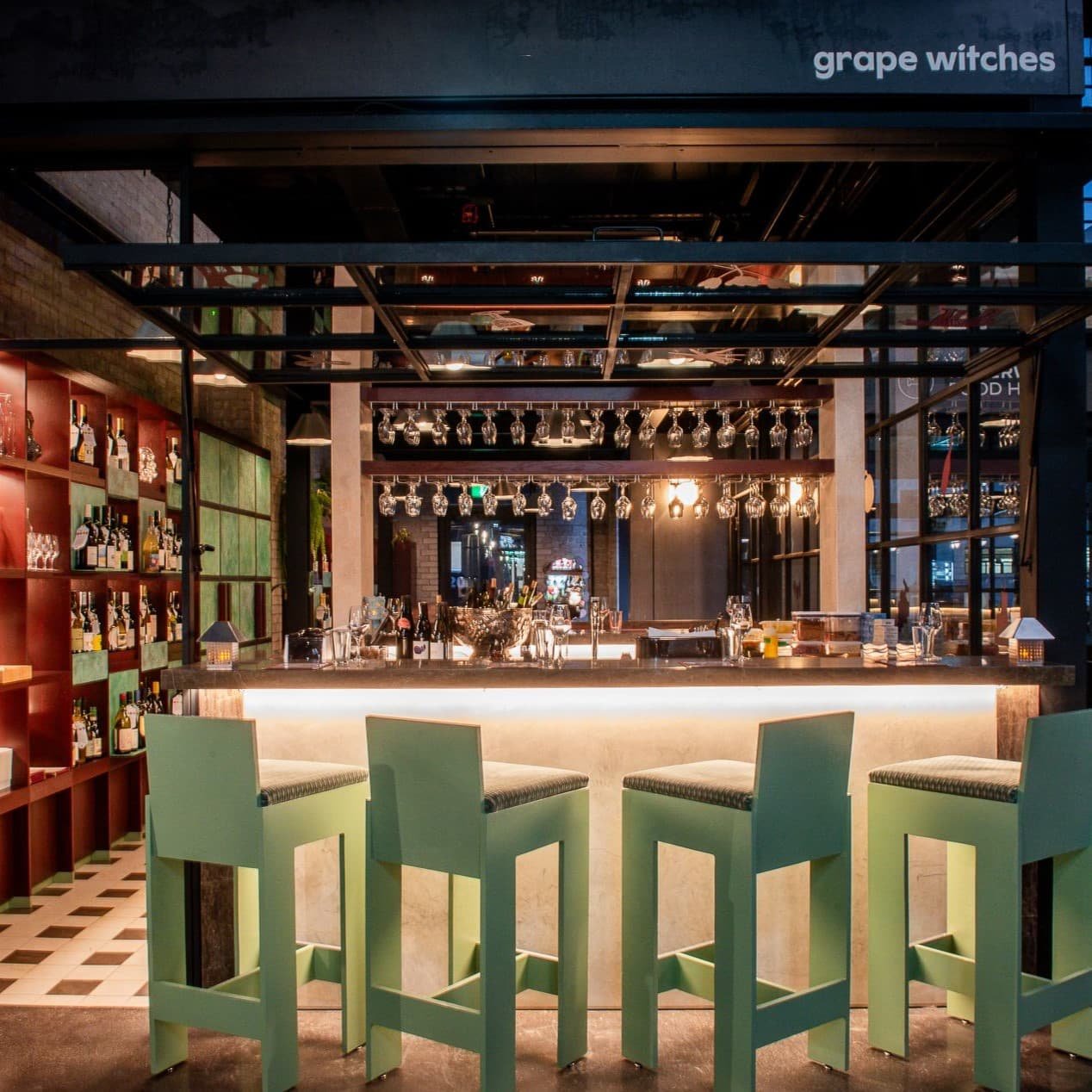

Details
- Cozy
- Modern
- Trendy
- Brunch
- Casual Hangout
- Hotel Restaurant
- Open Kitchen
- Craft Cocktails
- Farm To Table
- Local Sourcing
- Zero Waste
- A La Carte
- Craft Cocktails
- Biodynamic Wine
- Vegetarian Friendly
- Vegan Options
- Gluten Free Options
Current opening hours
- Monday
- 7 AM–9 PM
- Tuesday
- 7 AM–9 PM
- Wednesday
- 7 AM–9 PM
- Thursday
- 7 AM–9 PM
- Friday
- 7 AM–10 PM
- Saturday
- 7 AM–10 PM
- Sunday
- 7 AM–9 PM
Hours can change for holidays and private events. Hours as of .
Light-filled and open conservatory-like space with vaulted wood ceiling, curved trusses hung with greenery, and a comfortable, home-like atmosphere.