Barque Smokehouse on Roncesvalles Avenue anchors itself in a tradition that most Canadian cities have struggled to sustain: serious wood-smoke barbecue executed with regional commitment. The room reads casual but the technique is deliberate, placing it in a distinct tier from the city's fine-dining corridor. For Toronto diners who read smoke as craft rather than novelty, Barque is a consistent reference point.
Pearl is the En Primeur Club membership app — saves, bookings, and concierge access live there. Same editors, same standards.
- Address
- 299 Roncesvalles Ave, Toronto, ON M6R 2M3, Canada
- Phone
- +1 416 532 7700
- Website
- barque.ca
- Directions
- Get directions
 Saves & bookings on Pearl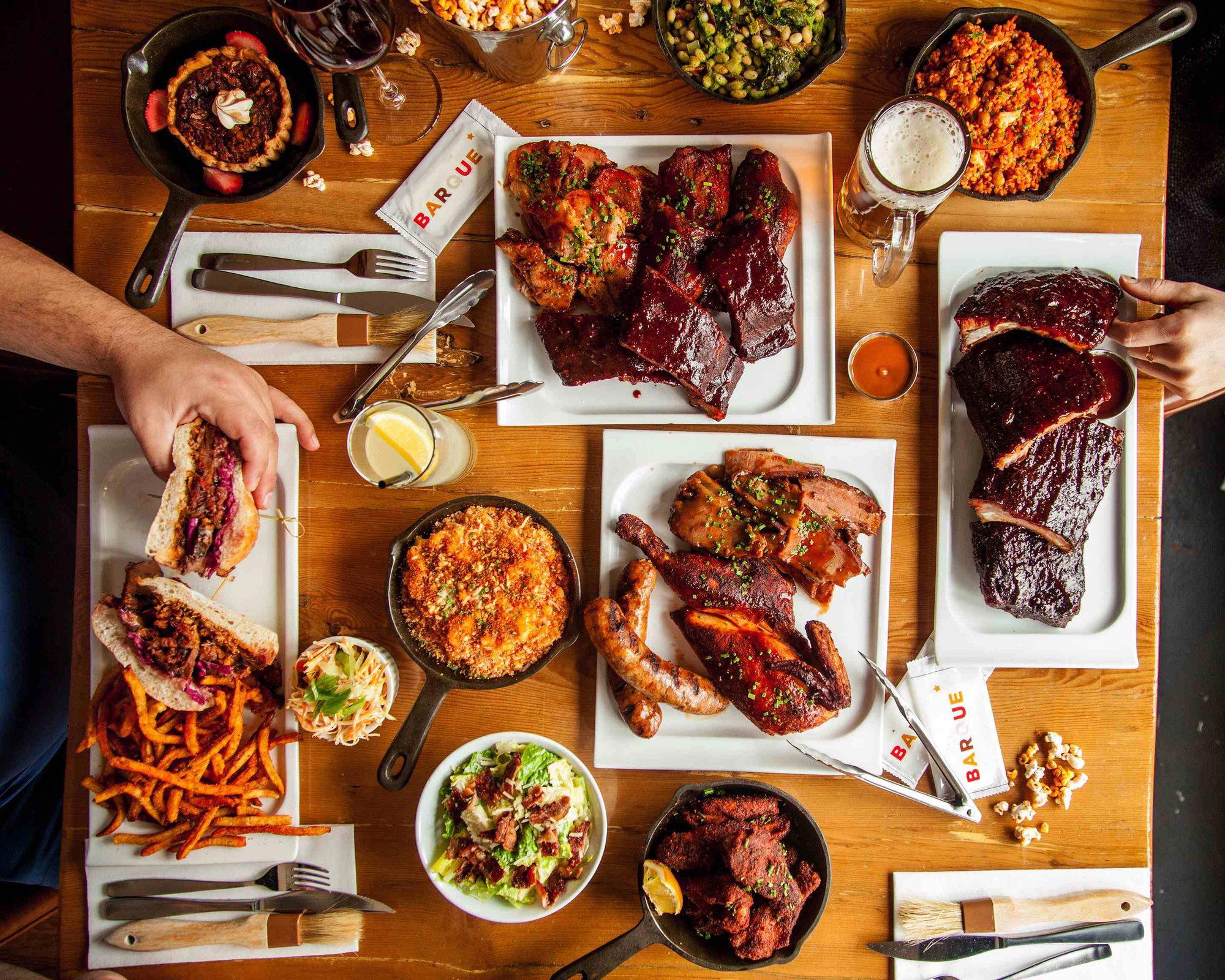
Smoke, Wood, and the West End
Roncesvalles Avenue runs through one of Toronto's more grounded neighbourhoods, Polish delis, independent cafes, and the kind of foot traffic that belongs to residents rather than tourists. Against that backdrop, Barque Smokehouse makes a particular kind of sense. Barbecue culture in North America has long operated as a counterpoint to the tasting-menu economy: democratic in price and format, deeply technical in execution, and almost entirely defined by geography and wood supply. What Barque represents on Roncesvalles is an attempt to transplant that seriousness into a city that did not historically produce it.
Toronto's dining scene is better understood through its immigrant culinary traditions than through any single indigenous cooking style. The city's Portuguese, Caribbean, Korean, and South Asian communities have each built strong neighbourhood food cultures, and the mainstream restaurant corridor, where venues like Alo, Sushi Masaki Saito, and Aburi Hana operate, skews toward tasting menus and high-precision formats. Barbecue sits at a different register entirely, and Barque's positioning in the west end rather than the downtown core reflects that difference.
The Cultural Argument for Smoke
American barbecue is one of the few cooking traditions where technique and time are inseparable. The smoke is not a flavouring agent applied at the end; it is the cooking medium itself, measured in hours rather than minutes. Different regional traditions, Texas brisket, Carolina whole hog, Kansas City ribs, reflect specific wood sources, cattle breeds, and historical migration patterns. When a Canadian restaurant takes that tradition seriously, the conversation it enters is not simply about food preference. It is about whether wood-smoke craft can travel without losing the context that made it meaningful.
This is a question that Canadian cities have not always answered well. The barbecue category in Toronto has historically been fragmented between Americanised chain formats and a handful of independent operators who work at different levels of seriousness. Barque sits in the independent tier, on a street that rewards commitment over novelty. That positioning has allowed it to develop a consistent local identity rather than chasing broader trend cycles. For a city that defaults to fine dining as its prestige category, a smokehouse that operates with genuine technical conviction represents a different but coherent kind of ambition.
Across Canada, the venues that sustain regional cooking traditions most effectively tend to do so outside the major fine-dining corridors. Eigensinn Farm in Singhampton built a benchmark around sourcing discipline. Fogo Island Inn Dining Room in Joe Batt's Arm anchors its identity in Newfoundland's specific larder. The Pine in Creemore has taken Ontario's natural environment as a culinary starting point. What connects these venues is a commitment to place that goes beyond sourcing, it shapes the entire format and expectation. Barque operates from a similar instinct, even if its tradition is American in origin rather than Canadian.
Where Barque Sits in Toronto's Dining Tiers
The gap between Barque and Toronto's fine-dining tier is not accidental; it is structural. The city's upper-end restaurant category, anchored by venues including DaNico and Don Alfonso 1890, competes on a different set of criteria: chef credentials, tasting-menu architecture, and cellar depth. Barbecue does not belong to that category and should not be evaluated against it. Its comparable set is neighbourhood-level restaurants where the format is casual, the price point is accessible, and the standard of judgment centres on execution consistency over time rather than seasonal novelty.
Within that comparable set, the question is whether a venue treats the craft seriously enough to earn repeat visits. In the barbecue category specifically, that judgment falls on a small number of variables: smoke penetration, bark formation, internal temperature management, and hold time. These are learnable but not easily faked. Venues that get them right build a local following that is difficult for competitors to displace. Barque's presence on Roncesvalles over time suggests it has cleared at least some of those bars.
The Roncesvalles Factor
Neighbourhood restaurants in Toronto succeed or fail partly on the strength of their immediate community. Roncesvalles has enough residential density, sufficient pedestrian culture, and the right mix of incomes to support a mid-range independent operator over multiple years. That dynamic tends to favour consistency over spectacle, which suits a barbecue format well.
The broader Canadian context for ambitious regional cooking extends from Tanière³ in Quebec City to AnnaLena in Vancouver and across to Jérôme Ferrer's Europea in Montreal, with each city building its own culinary identity around different traditions and ingredients. Narval in Rimouski and Restaurant Pearl Morissette in Lincoln push the farm-and-terroir model in their respective regions. Barque's contribution to this picture is modest in ambition but specific in focus: a single-category restaurant that does not try to be all things, and that has established itself firmly enough in its neighbourhood to function as a local anchor rather than a passing trend.
For diners arriving from outside Toronto, the shift in register at Barque is deliberate and should be read as such. Barbecue at this level is a different kind of argument about what food can be when technique and tradition do the work that plating and theatre do elsewhere.
How It Stacks Up
Comparable venues nearby, for context on price, style, and recognition.
| Venue | Cuisine | Price | Notes |
|---|---|---|---|
| Barque SmokehouseThis venue — the venue you are viewing | Southern Ontario BBQ | $$ | Not listed |
| The Dirty Bird Chicken + Waffles | Fried Chicken & Waffles | $$ | Kensington |
| Sap | Canadian Comfort Food | $$ | Downtown Yonge |
| Union Chicken | Southern Fried Chicken | $$ | Entertainment District |
| Pickle Barrel | Classic Canadian Deli | $$ | Uptown Yonge |
| Almond Butterfly Bistro | Gluten-Free American Bistro | $$ | Little Italy |
Continue exploring
More in Toronto
Restaurants in Toronto
Browse all →
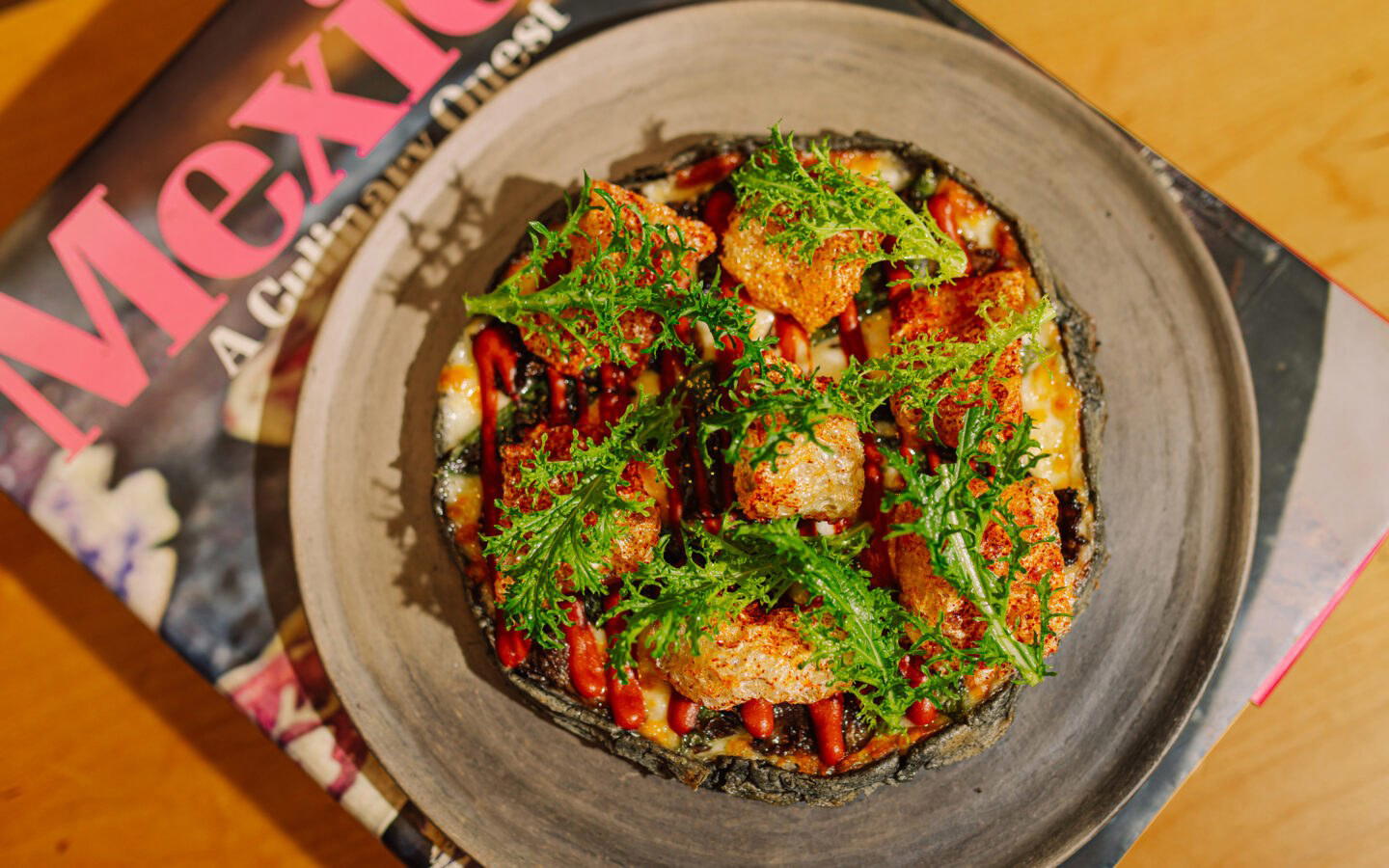

Bars in Toronto
Browse all →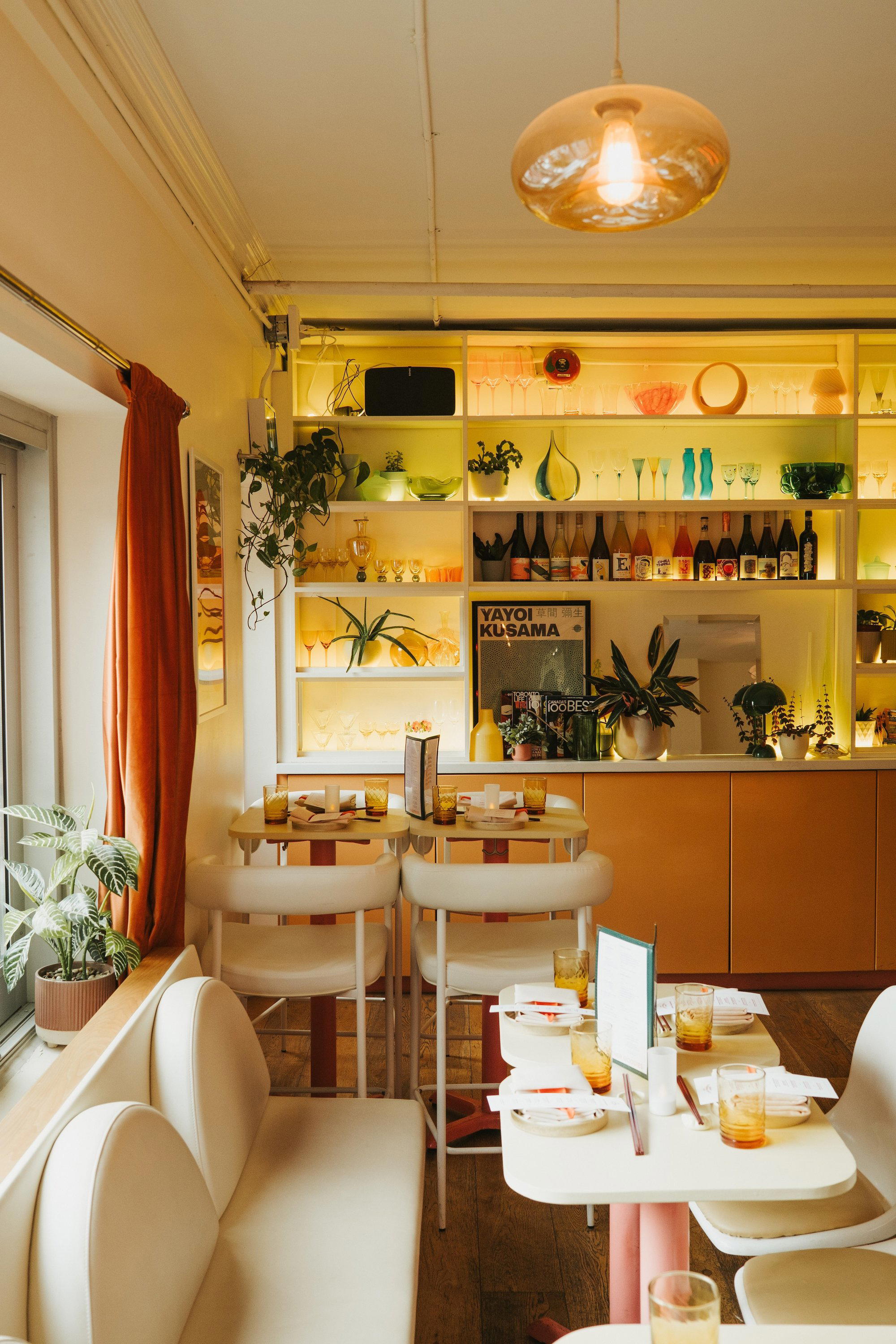

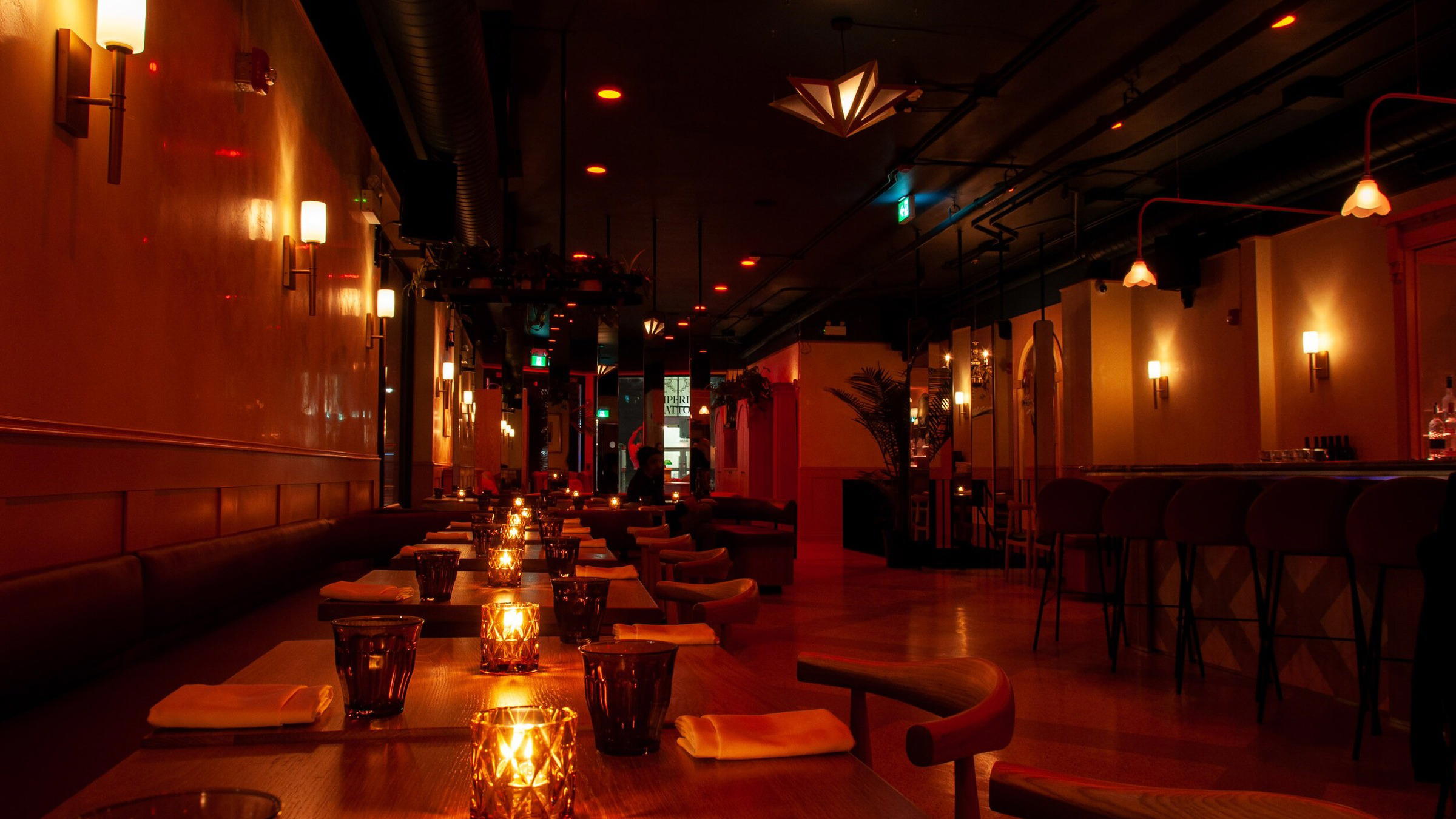
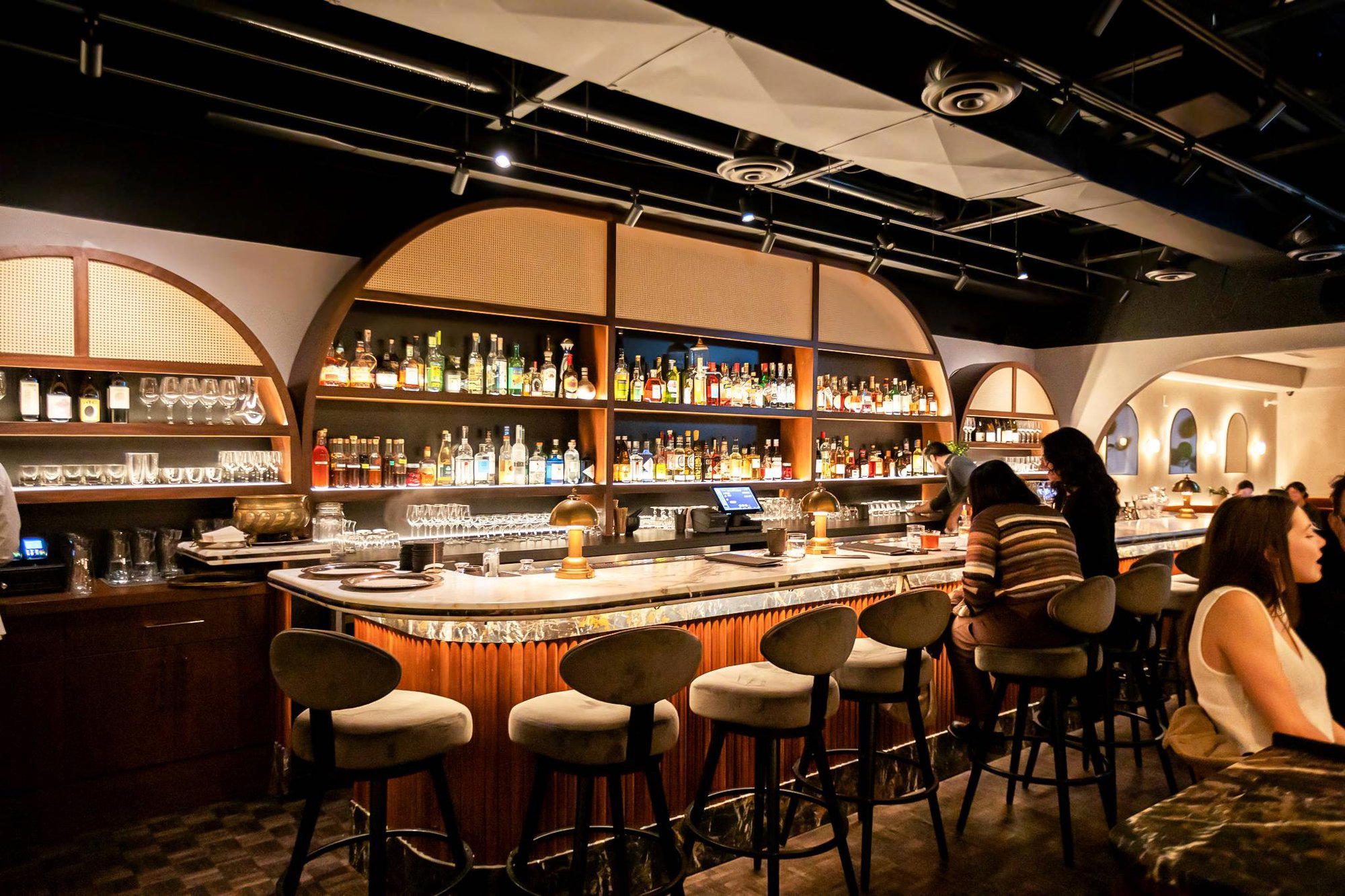
Hotels in Toronto
Browse all →

At a Glance
- Rustic
- Cozy
- Lively
- Group Dining
- Family
- Casual Hangout
- Brunch
- Open Kitchen
- Local Sourcing
Current opening hours
- Monday
- 11:30 AM–9 PM
- Tuesday
- 11:30 AM–9 PM
- Wednesday
- 11:30 AM–9 PM
- Thursday
- 11:30 AM–9 PM
- Friday
- 11:30 AM–9:30 PM
- Saturday
- 11:30 AM–9:30 PM
- Sunday
- 11:30 AM–9 PM
Hours can change for holidays and private events. Last verified .
Family-style fun atmosphere in a refreshed casual dining room with counter-style service.