
Richmond Station occupies a sharp corner in Toronto's Financial District, where a menu built around Canadian ingredients and careful sourcing places it in a tier above casual downtown dining without crossing into the city's most formal rooms. The kitchen's commitment to producer relationships and seasonal structure gives the food a specificity that separates it from neighbourhood contemporaries. A reliable choice for business lunches and considered evening meals alike.
Pearl is the En Primeur Club membership app — saves, bookings, and concierge access live there. Same editors, same standards.
- Address
- 1 Richmond St W, Toronto, ON M5H 3W4, Canada
- Phone
- +16477481444
- Website
- richmondstation.ca
- Directions
- Get directions
 Saves & bookings on Pearl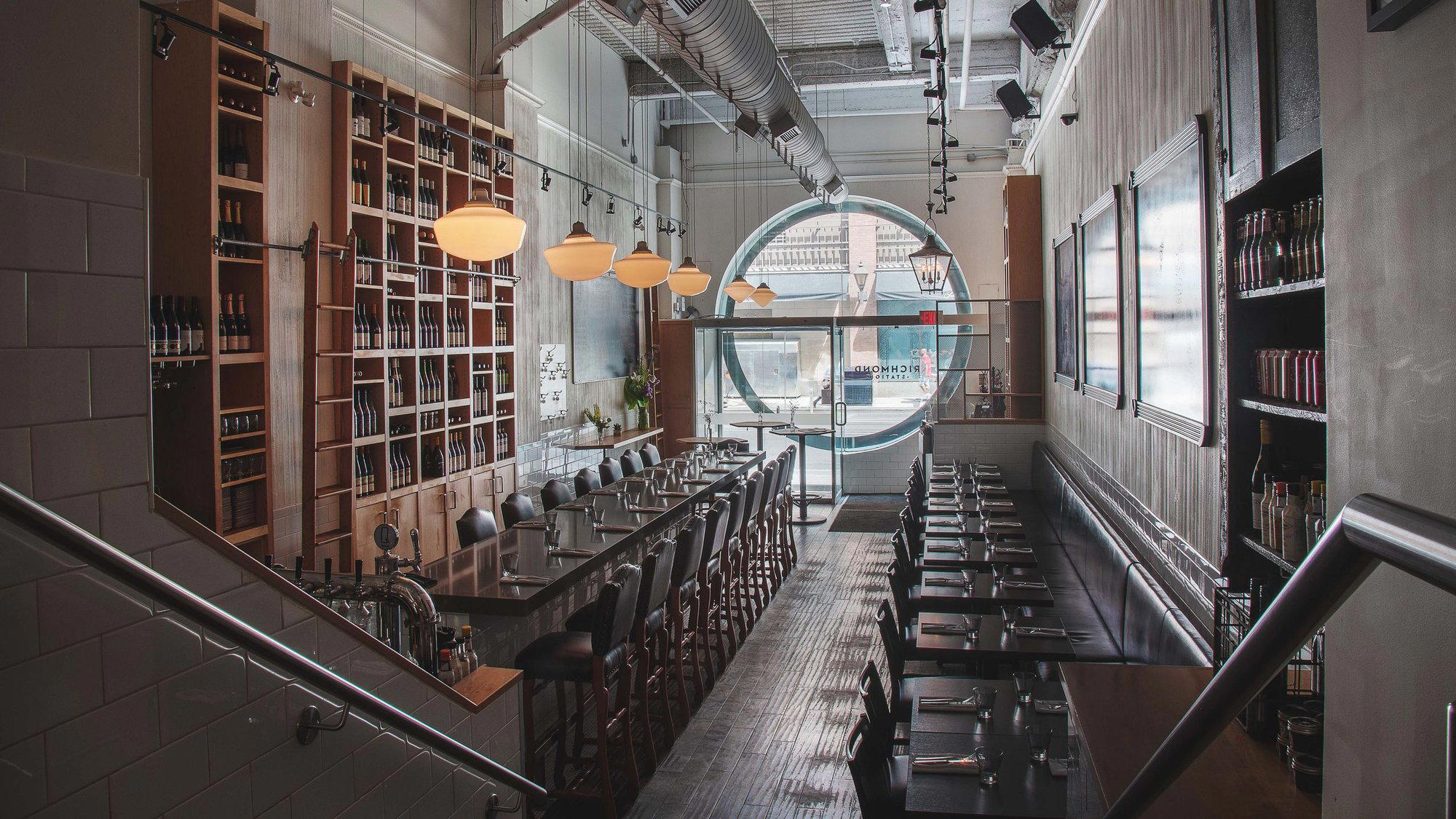
A Corner in the Financial District That Earns Its Position
The Financial District is not Toronto's most obvious address for serious eating. Its restaurants historically served the lunch trade and the post-work crowd, calibrated for convenience rather than conviction. Richmond Station, at 1 Richmond Street West, is a restaurant in Toronto serving modern Canadian seasonal cooking. The address puts it steps from Bay Street money and a short walk from the theatre corridors, which means the dining room handles a wide range of occasions without losing its culinary identity in the process.
That position, between the deliberately formal and the straightforwardly casual, defines a particular tier in Toronto's restaurant scene. It is the tier where cooking ambition and genuine hospitality coexist without the ceremony that characterises the city's most refined rooms. Alo operates several rungs higher in price and formality; Richmond Station offers a different contract with the diner, one where the menu is specific and considered but the room does not demand a special occasion as justification for the visit.
How the Menu Is Built, and What That Tells You
The architecture of Richmond Station's menu is its most revealing quality. Canadian restaurants in the country's premium tier have been moving toward producer-named sourcing for over a decade, a structure borrowed in part from the farm-to-table tradition but increasingly sophisticated in how it is executed. When a menu names its suppliers, it is making an argument about provenance and accountability. The kitchen's choices about what to list, and what to leave general, signal which sourcing relationships the restaurant considers central to its identity.
This approach places the restaurant in a recognisable Canadian tradition of market-driven, regionally inflected cooking that has found serious expression at restaurants like Tanière³ in Quebec City and, at a more intimate scale, at Eigensinn Farm in Singhampton. The difference is one of format and context: the restaurant operates in a downtown urban room with a full service cadence, rather than in the destination-dining model those properties employ. The comparison with AnnaLena in Vancouver is also instructive, both occupy a similar tier in their respective cities, where the cooking is clear and specific without the price point or booking difficulty of the leading omakase or tasting-menu counters.
The menu structure itself tends toward a format that allows a la carte selection within a seasonal framework. This is a deliberate editorial choice on the kitchen's part: it signals confidence in individual dishes while maintaining the flexibility that urban diners, particularly at lunch, require. Contrast this with the fixed-format counters like Sushi Masaki Saito or Aburi Hana, where the menu architecture is entirely prescribed. The restaurant's approach represents a different set of values: the kitchen trusts its ingredients enough to let dishes stand individually, without requiring a narrative arc across a set sequence.
Where It Sits Among Toronto's Dining Options
Toronto's restaurant scene has matured considerably in the past decade, and the mid-upper tier, where the restaurant operates, has become increasingly competitive. The city now has serious Italian rooms like DaNico and Don Alfonso 1890, both of which anchor specific culinary traditions with clear technical credentials. The restaurant's Canadian identity gives it a different positioning: it is not anchored to a European culinary lineage but to a local sourcing argument, which makes it both harder to benchmark and more interesting as a statement about what Toronto cooking can be.
For diners building a week of eating in the city, the restaurant functions well as an early-evening or business meal option. Those chasing the city's most technically demanding cooking will find more challenge at Alo or the Japanese counters. Those wanting cooking that reflects Ontario's seasonal produce calendar with confidence and without the ritual of a full tasting menu will find the restaurant better suited to the occasion.
Beyond Toronto, the Canadian context matters. Restaurants like Jérôme Ferrer's Europea in Montreal and Restaurant Pearl Morissette in Lincoln show how differently the country's serious restaurants can be structured, from the grand Montreal dining room to the winery-anchored rural format. The restaurant is urban, accessible, and consistent in a way that the destination formats cannot replicate. The Pine in Creemore and Barra Fion in Burlington serve a different geography and a different kind of occasion. The restaurant is the version of this Canadian sensibility designed for the city, for the regular visit, for the lunch that does not require a full day's commitment.
For international reference points, the register is comparable to the kind of mid-serious urban room that sits below the benchmarks of Le Bernardin in New York City or Atomix but above the neighbourhood casual tier. The cooking at this level is characterised by technical competence, clear ingredient sourcing, and a menu that changes frequently enough to reflect seasonal reality.
Venue Format Price Tier Booking Lead Time Leading For Richmond Station A la carte, seasonal Mid-upper Days to 1-2 weeks Business meals, seasonal Canadian cooking Alo Tasting menu $$$$ Weeks to months Occasion dining, technical modern Sushi Masaki Saito Omakase $$$$ Months in advance Premium Japanese counter experience DaNico A la carte / tasting $$$-$$$$ 1-3 weeks Italian-focused, cocktail program
Cuisine and Credentials
Comparable venues nearby, for context on price, style, and recognition.
| Venue | Cuisine | Price | Notes |
|---|---|---|---|
| Richmond StationThis venue — the venue you are viewing | Modern Canadian Seasonal | $$$ | Not listed |
| Aura | Global Small Plates with Turkish & Spanish Influences | $$$ | South Riverdale |
| Goose Island Brewhouse Toronto | American Gastropub | $$ | Saint Lawrence |
| O'Grady's Restaurant On Church | Comfort Food Gastropub | $$ | Church and Wellesley |
| CLAY | Seasonal Modern Canadian | $$$ | Yorkville |
| Rose and Sons | Jewish Deli Diner | $$ | Annex |
Recognition history
Dated appearances from independent guides and award organizations, with the underlying list record or original source where available.
Opinionated About Dining Casual in North America Recommended
Opinionated About Dining
Opinionated About Dining Top Restaurants in North America Recommended
Opinionated About Dining
Continue exploring
More in Toronto
Restaurants in Toronto
Browse all →
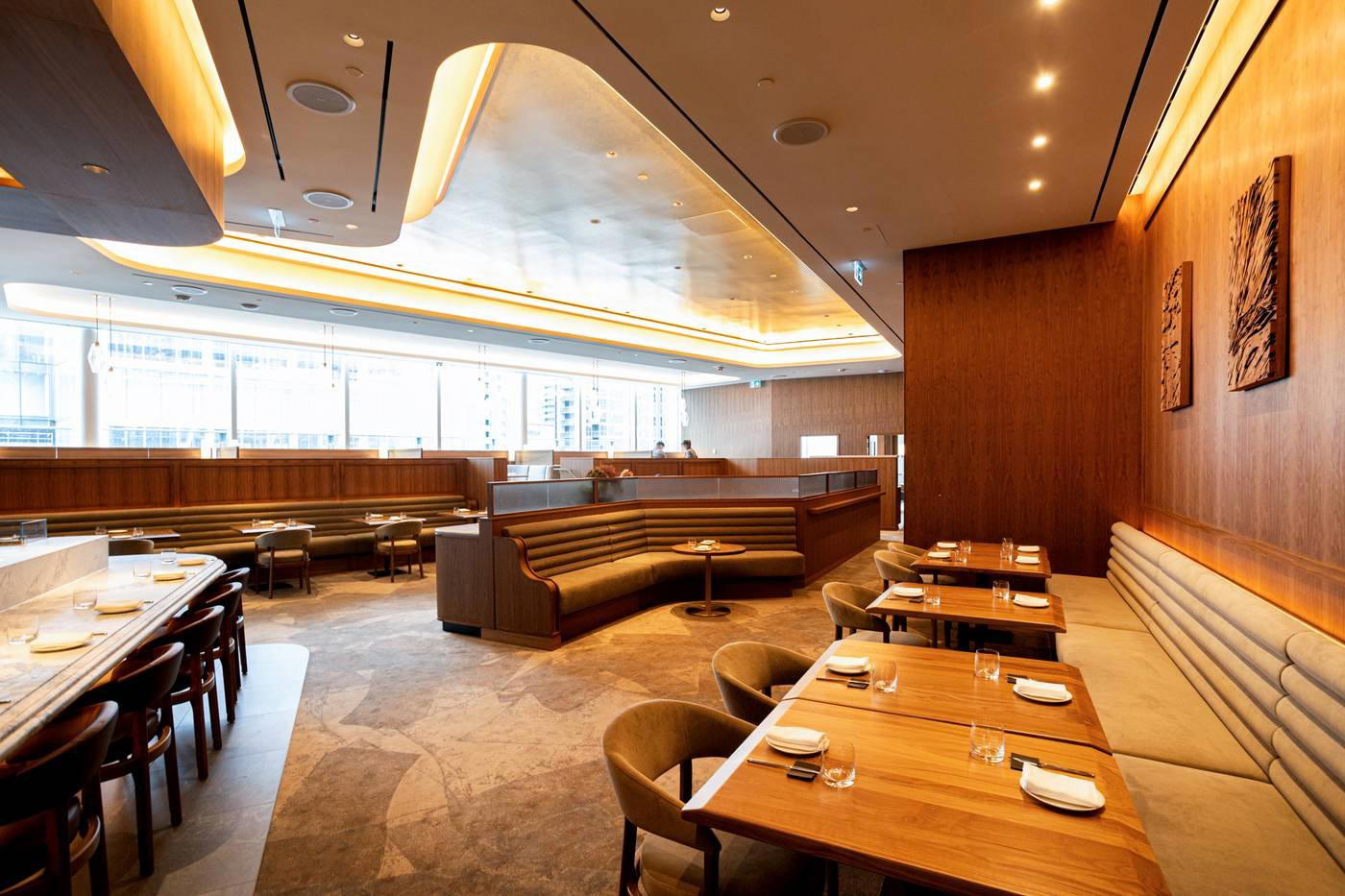
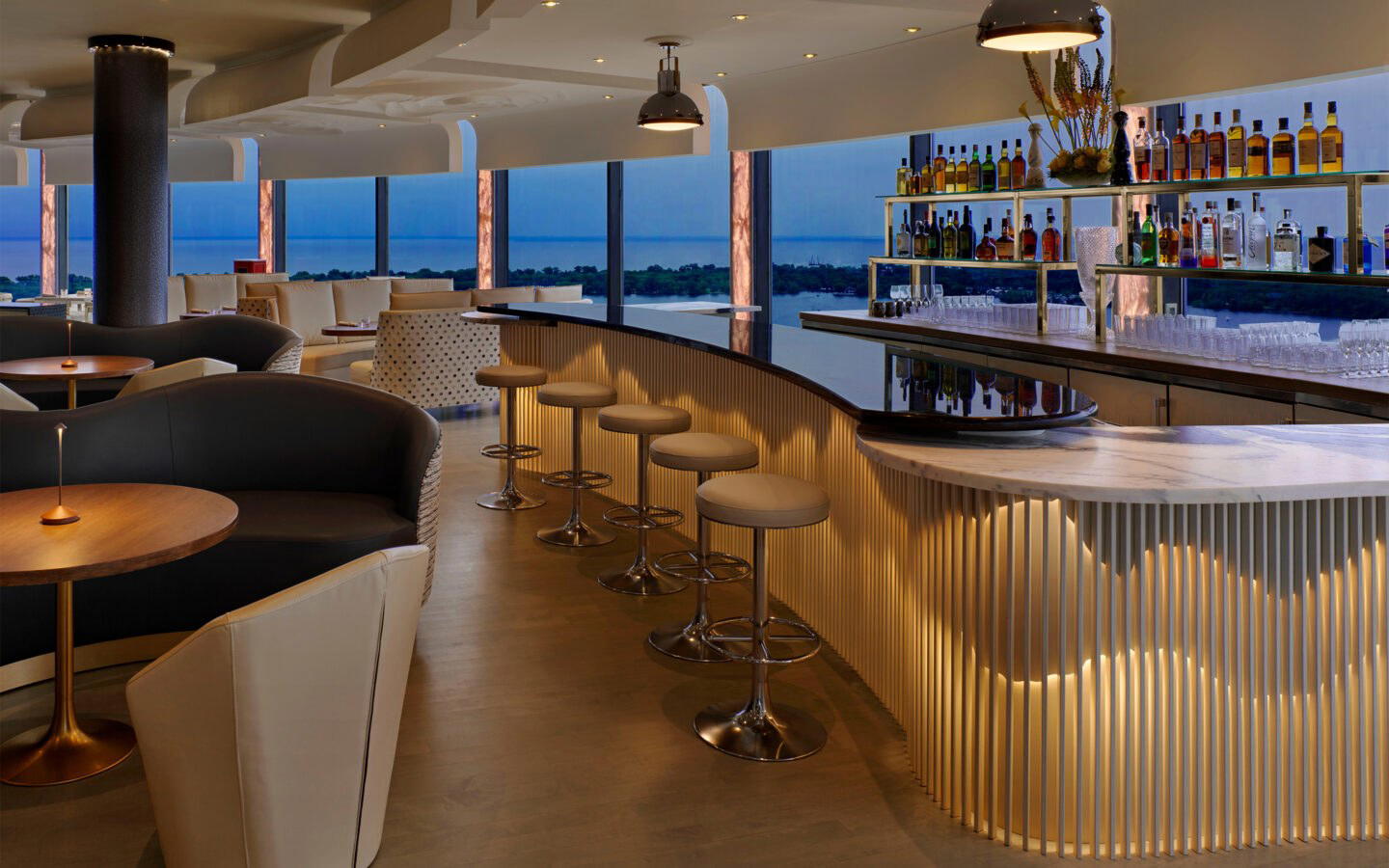
Bars in Toronto
Browse all →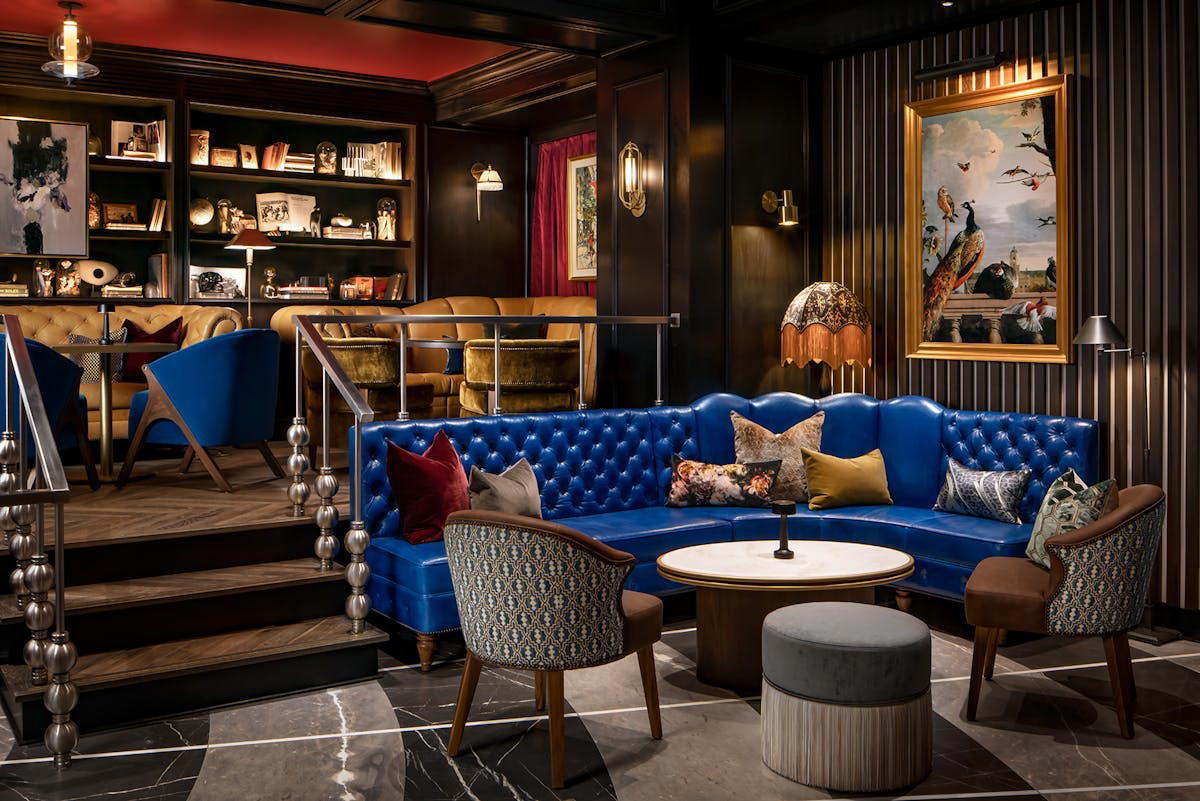
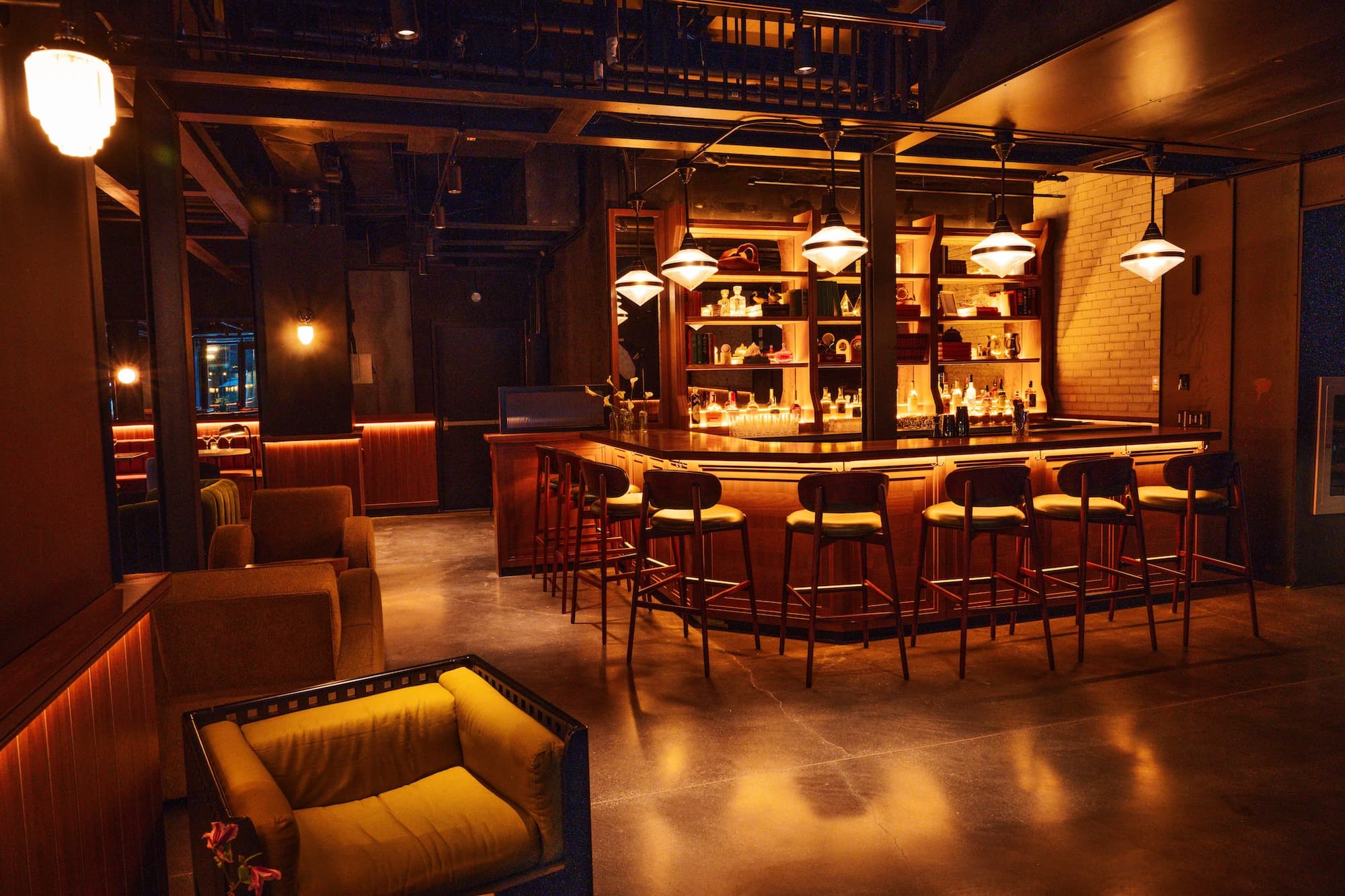
Hotels in Toronto
Browse all →



At a Glance
- Modern
- Cozy
- Elegant
- Industrial
- Date Night
- Business Dinner
- Group Dining
- Special Occasion
- Open Kitchen
- Extensive Wine List
- Local Sourcing
- Farm To Table
Current opening hours
- Monday
- 11:30 AM–2:30 PM, 4:30–10:30 PM
- Tuesday
- 11:30 AM–2:30 PM, 4:30–10:30 PM
- Wednesday
- 11:30 AM–2:30 PM, 4:30–10:30 PM
- Thursday
- 11:30 AM–2:30 PM, 4:30–10:30 PM
- Friday
- 11:30 AM–2:30 PM, 4:30–10:30 PM
- Saturday
- 4:30–10:30 PM
- Sunday
- 4:30–10:30 PM
Hours can change for holidays and private events. Last verified .
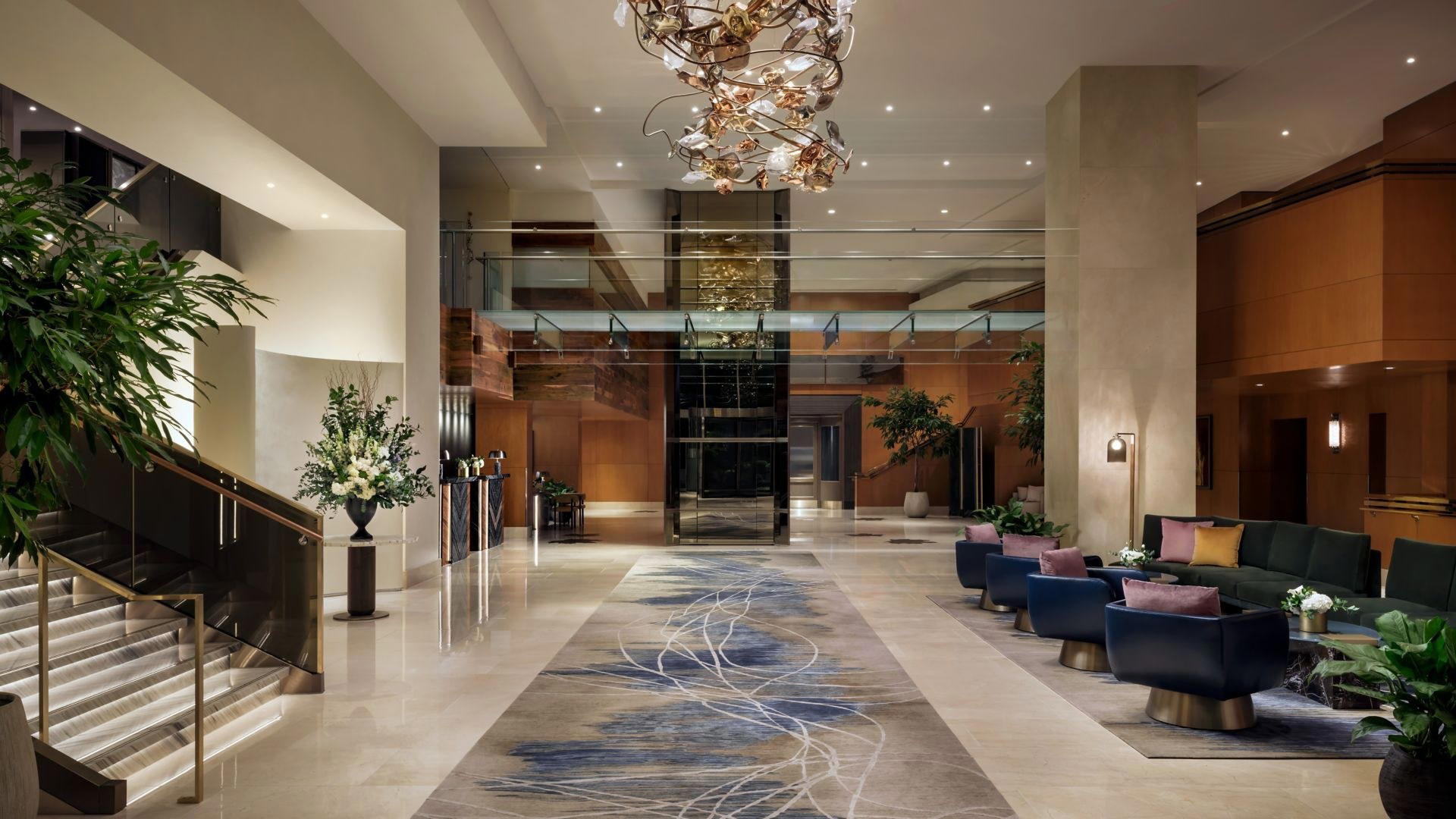
Modern yet cozy atmosphere with pristine white walls, large artwork, open kitchen, and a gorgeous wine wall, contributing to an inviting and lively vibe.