
Chaoshan Taste Zhuhai sits on the fourth floor of Haibin Road in Shantou's Jinping District, earning 96 points on the La Liste Top Restaurants ranking in both 2025 and 2026. The kitchen focuses on Chaoshan cuisine, one of China's most technically demanding regional traditions. For travellers exploring Guangdong's food culture beyond Cantonese orthodoxy, it is a serious reference point.
Pearl is the En Primeur Club membership app — saves, bookings, and concierge access live there. Same editors, same standards.
- Address
- China, Guangdong Province, Shantou, Jinping District, 53, Haibin Rd, 53号4楼海逸汇景酒店 邮政编码: 515041
- Phone
- +86 137 1990 1682
- Website
- laliste.com
- Directions
- Get directions
 Saves & bookings on Pearl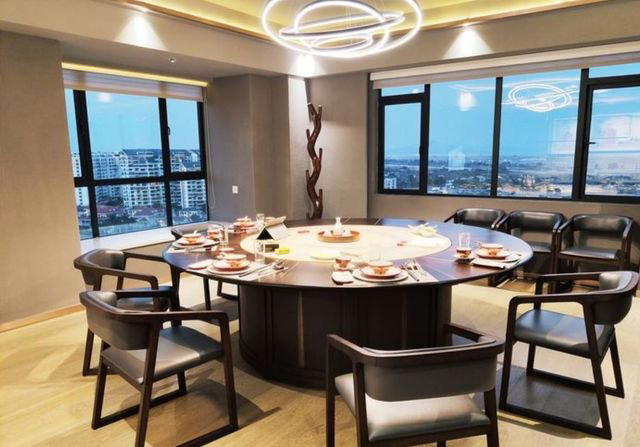
Where Chaoshan Cuisine Holds Its Ground
Fourth-floor dining rooms above busy coastal roads are not where most critics expect to find La Liste's top tier, yet Chaoshan Taste Zhuhai has held 96 points on that ranking for two consecutive years, 2025 and 2026. That score places it in the same assessed bracket as restaurants operating in far more internationally visible cities. The address, the fourth floor of the Haibin Haiyihui Hotel at 53 Haibin Road in Shantou's Jinping District, is useful precisely because it signals what drives recognition here: the cooking, not the setting's prestige.
Chaoshan cuisine, the tradition that takes its name from the Chaozhou-Shantou corridor in eastern Guangdong Province, is among China's most technically demanding regional styles. It demands restraint in a country where many regional cooking forms announce themselves loudly. The tradition prizes clarity of flavour over complexity of spicing, fresh ingredients over long-braised depth, and a precision at the wok that tolerates little error. High heat and fast execution define the technique, but the Chaoshan kitchen is not Cantonese, and conflating the two is a common oversimplification. Where Cantonese cuisine accommodates a broader pantry and a wider latitude for sweetness, Chaoshan cooking operates within tighter parameters, leaning on notable primary ingredients and the control of the cook over an intensely hot flame.
Flame Discipline and the Logic of Chaoshan Technique
In Chinese cooking broadly, wok hei, the breath of the wok, is the marker of professional-grade execution. It is the result of oil, food, and intense heat meeting at the right moment, producing a slight char, a smokiness, and a surface texture that cannot be replicated at domestic temperatures. In Chaoshan kitchens specifically, this technique intersects with the tradition's preference for seafood and lighter proteins, which means the margin between correct and overcooked is narrower than in styles that rely on longer cooking times to correct timing errors. The cook cannot compensate with more sauce or more time. The flame discipline is the craft.
This is the context in which Chaoshan Taste Zhuhai's recognition carries weight. Two consecutive years at that score suggest stability of standard, not a single polished service.
For a useful frame of reference within China's premium Chinese dining tier: Xin Rong Ji (Xinyuan South Road) in Beijing and Xin Rong Ji in Chengdu represent the Zhejiang-rooted end of premium Chinese regional cooking, while Imperial Treasure Fine Chinese Cuisine in Guangzhou anchors the Cantonese end of the Guangdong province spectrum. Chaoshan Taste Zhuhai sits in a smaller, more regionally specific niche than either, drawing on a cuisine that remains less internationally documented despite its depth.
Shantou as a Dining City
Shantou is not a city that appears on most international dining itineraries, and that absence shapes the context for everything that operates here at a high level. Shantou's Chaoshan food culture is the source tradition for much of what overseas Chinese communities in Southeast Asia, Europe, and North America eat when they eat Teochew food, the Cantonese pronunciation of Chaozhou. The Teochew diaspora carried this cuisine outward, but the cooking that remains in the source region carries a different character from its exported versions, closer to its original technical requirements and less adjusted for different supply chains or unfamiliar audiences.
For food-focused travellers already moving through Guangdong Province, Shantou sits roughly equidistant from Guangzhou's density and the Fujian border's different culinary traditions. The Fleurs Et Festin in Xiamen and Jiangnan Wok·Rong in Fuzhou represent comparable premium regional dining in adjacent coastal cities. Shantou's dining character is more singular: the city's identity is inseparable from Chaoshan cuisine, which means restaurants operating at the summit of the local tier compete within a well-informed local audience, not primarily for visiting critics.
Where This Fits in the Wider Region
Across China's restaurant ranking conversation, serious regional Chinese cuisine now stands alongside the internationally legible formats that dominated earlier iterations of global rankings. Chef Tam's Seasons in Macau and 102 House in Shanghai represent the type of recognised Chinese fine dining that attracts international attention through location alone. Ru Yuan in Hangzhou and Dai Yuet Heen in Nanjing operate in cities with growing international dining profiles. The restaurant earns comparable scores without those locational advantages, which is the clearest indicator of where the kitchen's technical register sits.
Other regional Chinese references worth holding alongside this one: Dingshan·Jiangyan (Xiangcheng) in Suzhou, Shang Palace in Yangzhou, Oyster Talks in Beijing, and Su Shien Valley in Town of Qingcheng Mountain each anchor different regional traditions at a serious level. Understanding where the restaurant sits means understanding Chaoshan cuisine as a distinct tradition, not a subset of Cantonese cooking.
Planning Your Visit
The restaurant is located at 53 Haibin Road, fourth floor, Jinping District, Shantou, within the Haiyihui Hotel. The dress code is smart casual, and reservations are recommended.
Quick Comparison
Comparable venues nearby, for context on price, style, and recognition.
| Venue | Cuisine | Price | Notes |
|---|---|---|---|
| Chaoshan Taste ZhuhaiThis venue — the venue you are viewing | Modern Chaoshan (Teochew) Cuisine | $$$ | Not listed |
| Wu Modern Chao | Modern Chaozhou Fine Dining | $$$$ | Zhugang New Town |
| Zhuhai | Modern Chaoshan (Teochew) Cuisine | $$$$ | East Coast Area |
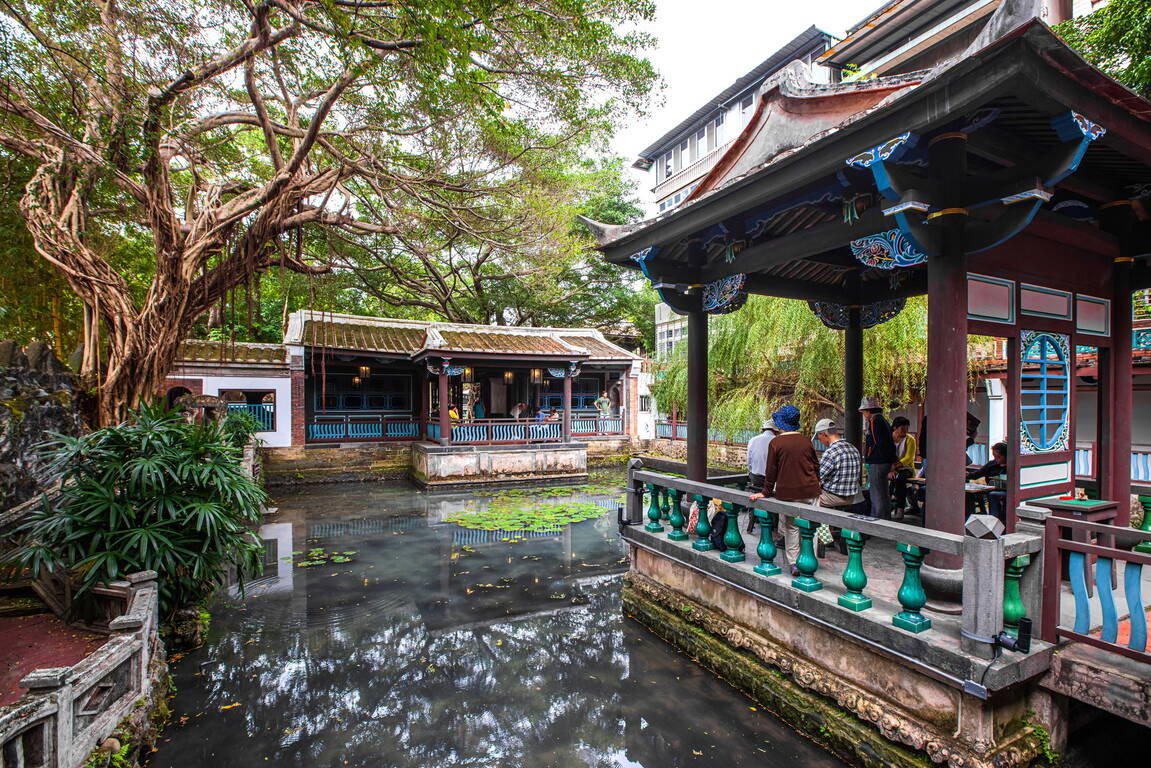
| LIN MANSION | Modern Teochew Fine Dining | $$$ | Longhu District |
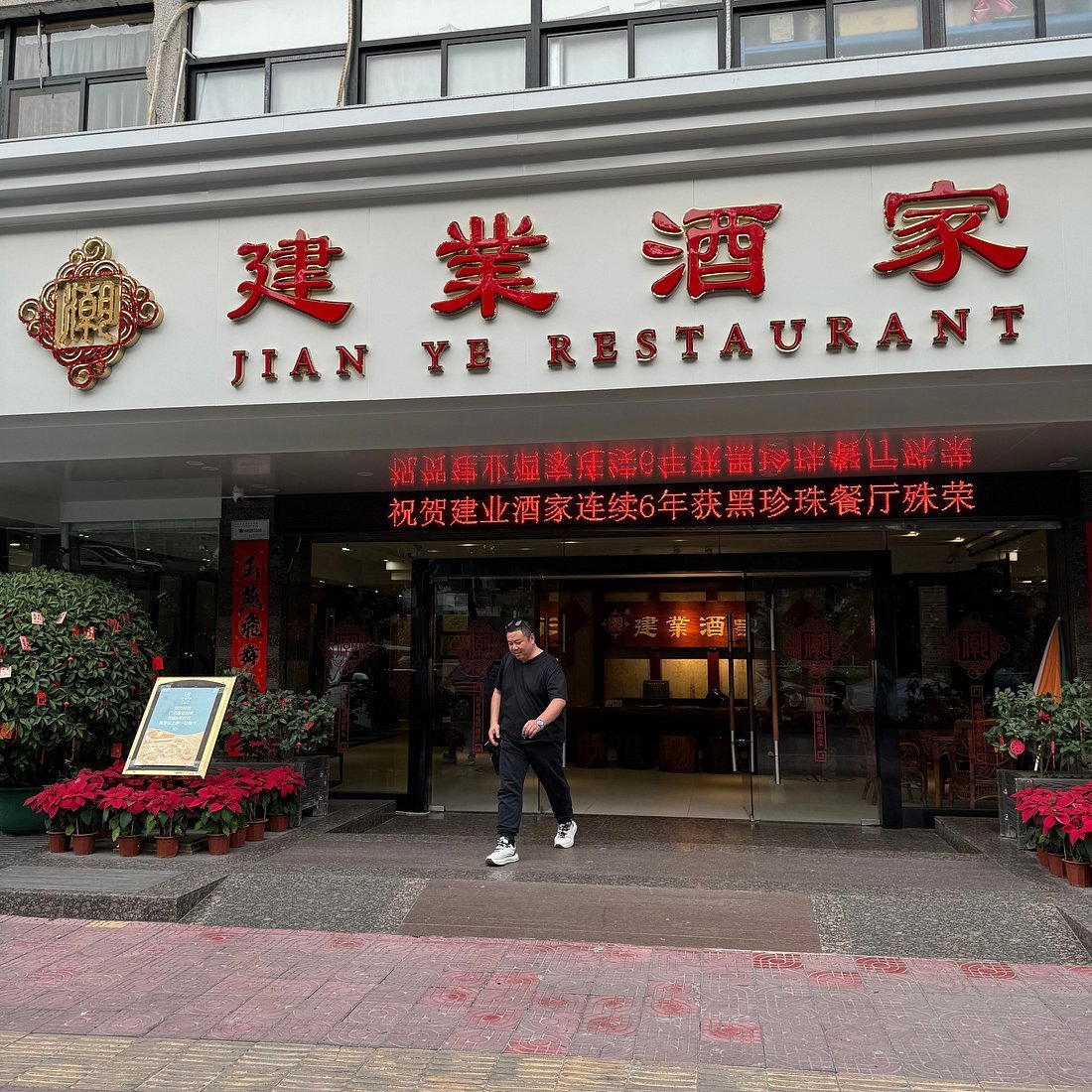
| JianyeResturant | Traditional Chaozhou Cuisine | $$$ | Longhu District |
| MING JIA | Premium Shandong Seafood | $$$ | Qujiang |
Recognition history
Dated appearances from independent guides and award organizations, with the underlying list record or original source where available.
La Liste Top Restaurants
La Liste
La Liste Top Restaurants
La Liste
Continue exploring
More in Shantou
Restaurants in Shantou
Browse all →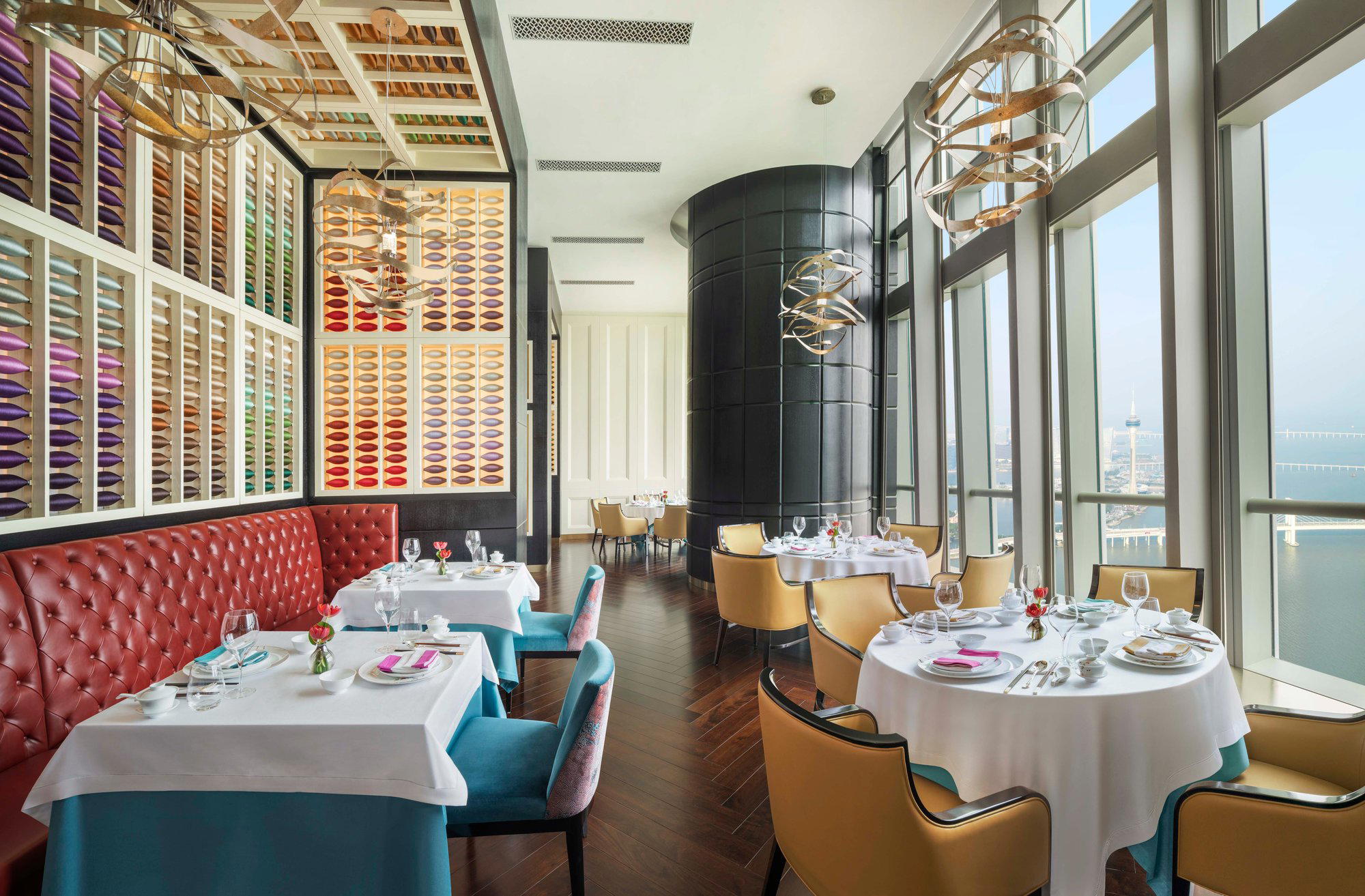
At a Glance
- Elegant
- Cozy
- Scenic
- Business Dinner
- Special Occasion
- Celebration
- Waterfront
- Open Kitchen
- Hotel Restaurant
- Sake Program
- Local Sourcing
- Waterfront
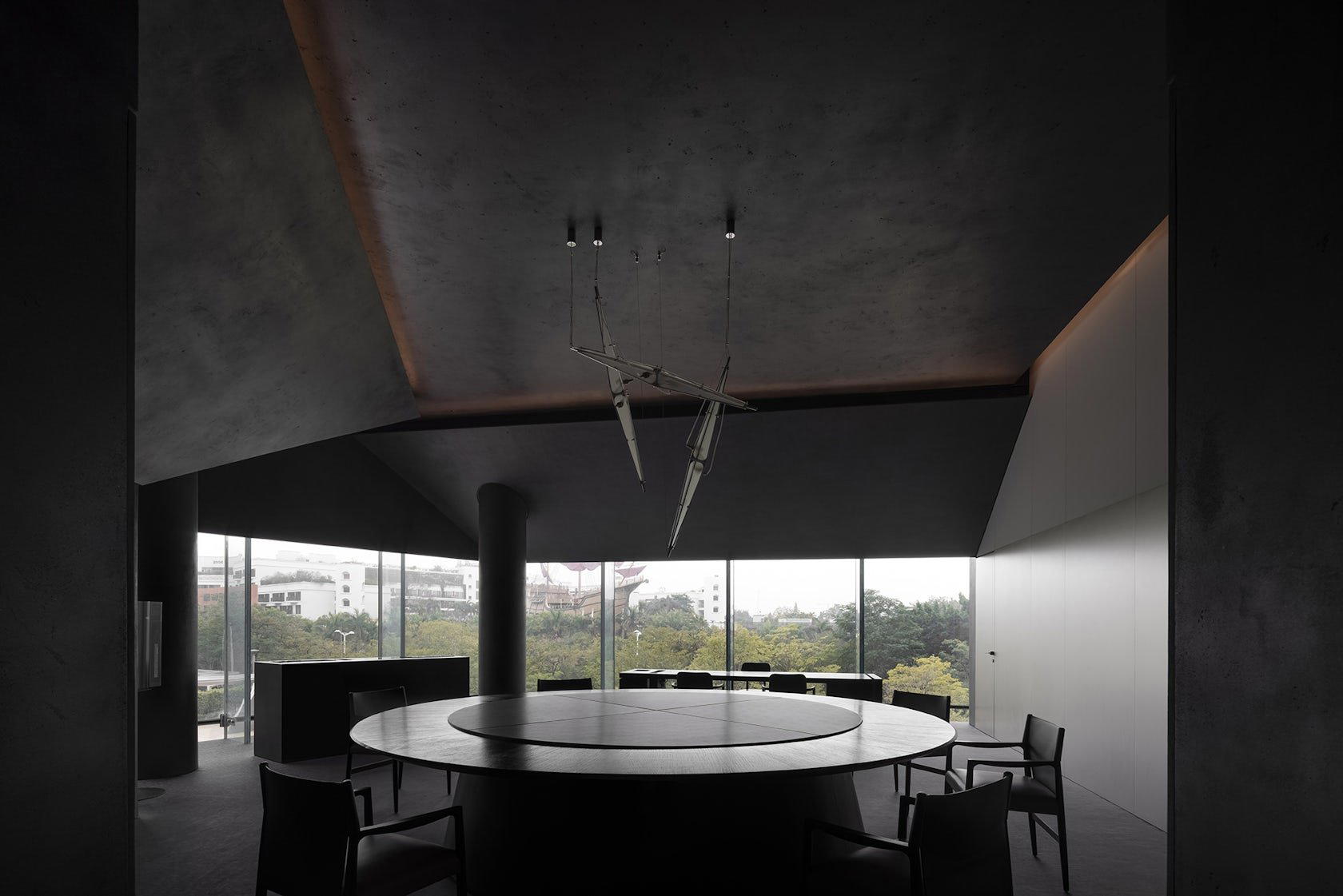
Warm, inviting lighting with clear sightlines to the harbor creating a relaxed, focused atmosphere.