Villa Magalean Hotel & Spa


Michelin Selected · Mr & Mrs Smith Seal of Approval
Michelin Selected for 2025, Villa Magalean Hotel & Spa occupies a carefully restored historic property in Hondarribia, one of the Basque Country's most architecturally coherent medieval towns. The hotel sits within walking distance of the old quarter's fortified walls and positions itself at the design-led, low-key end of Spain's premium hotel market, a world away from the grand-scale properties in Madrid or Barcelona.

Pearl is the En Primeur Club membership app — saves, bookings, and concierge access live there. Same editors, same standards.
- Address
- Nafarroa-Behera Kalea, 2, 20280 Puntalea, Gipuzkoa, Spain
- Phone
- +34 943 56 91 30
- Website
- villamagalean.com
- Directions
- Get directions
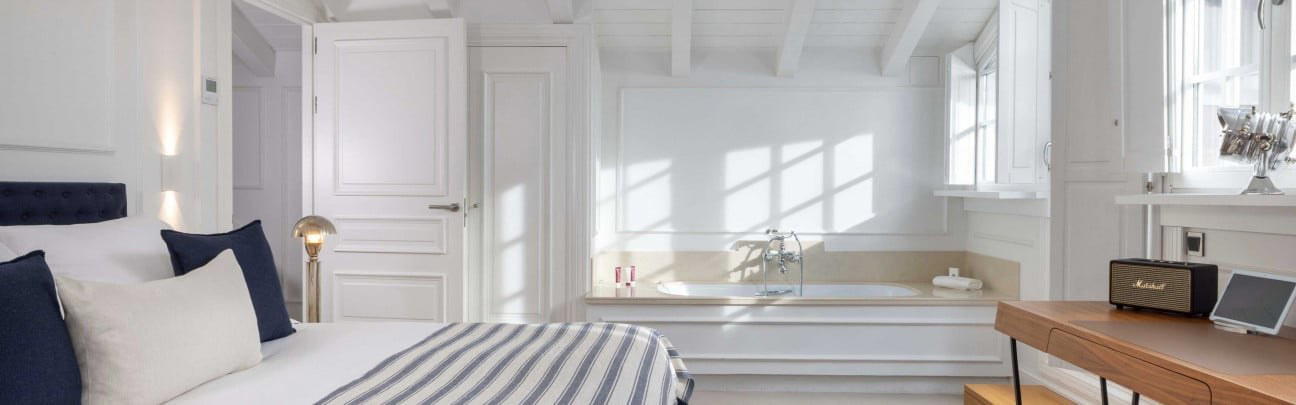
A Stone Town Built for Looking At
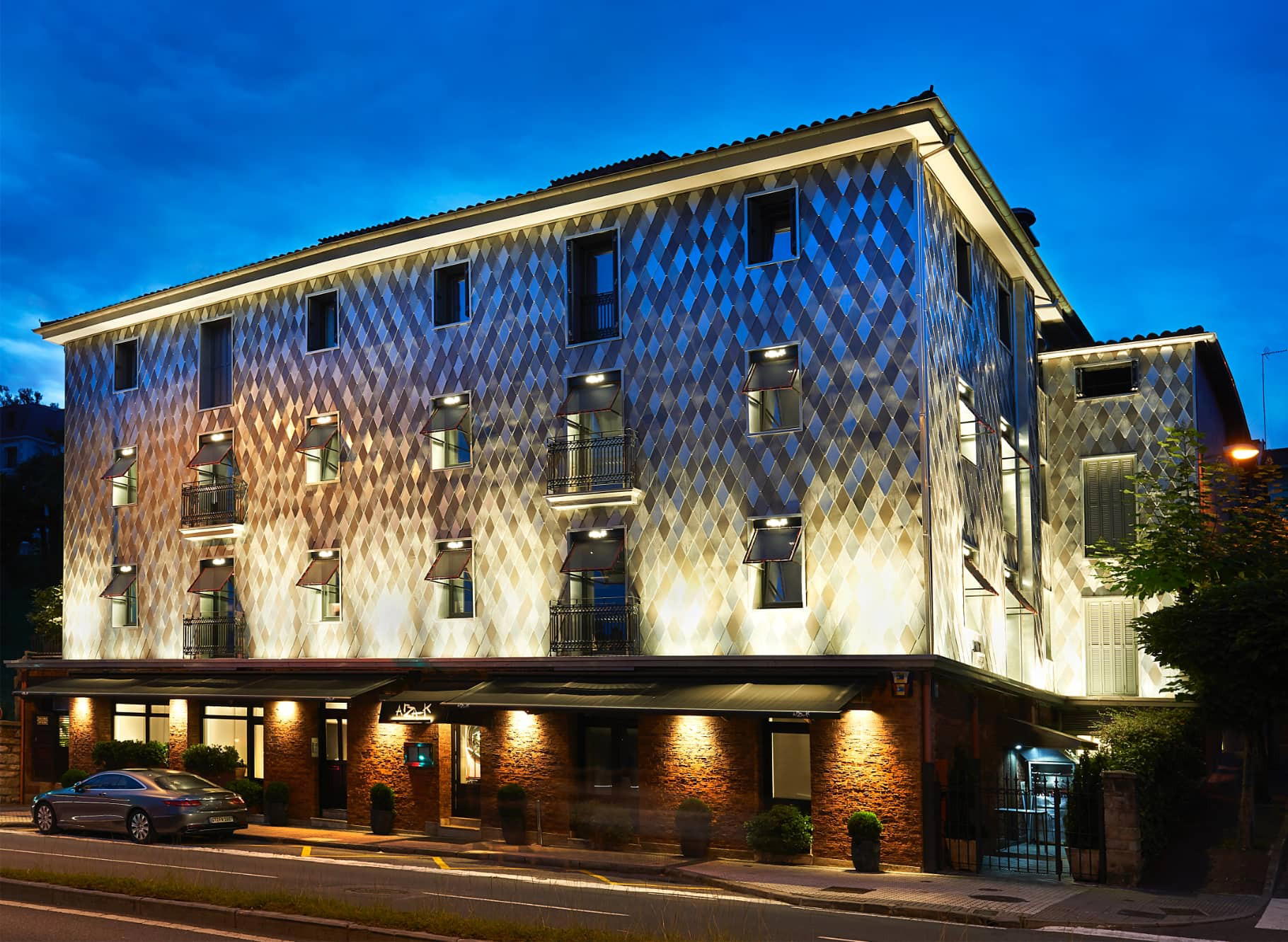
Hondarribia earns its reputation on architecture alone. The town's medieval core, a compact grid of painted facades, iron balconies, and a well-preserved fortified wall, sits at the mouth of the Bidasoa estuary on the border with France. It is the kind of place where the built environment does most of the talking, and where a hotel that fits the grain of that environment will always outperform one that imposes itself on it. Villa Magalean Hotel & Spa reads the room. The property, addressed at Nafarroa-Behera Kalea 2, occupies a historic building within that old-town fabric rather than beside it, which shapes the entire character of a stay here.
Spain's premium hotel market has split along recognizable lines over the past decade. On one side sit the large-footprint internationals: the Mandarin Oriental Ritz, Madrid and Mandarin Oriental Barcelona operate at a scale and brand recognition that places them in one competitive tier. On the other sit smaller, often independently operated properties that make their case through architectural integrity, location specificity, and a guest count that keeps service ratios high. Villa Magalean belongs to the second category, and in northern Spain that category is increasingly where the more interesting stays are happening. For a broader view of what the Basque region and its neighbors are offering, see our full Hondarribia restaurants guide.
Design in Context: What the Building Communicates
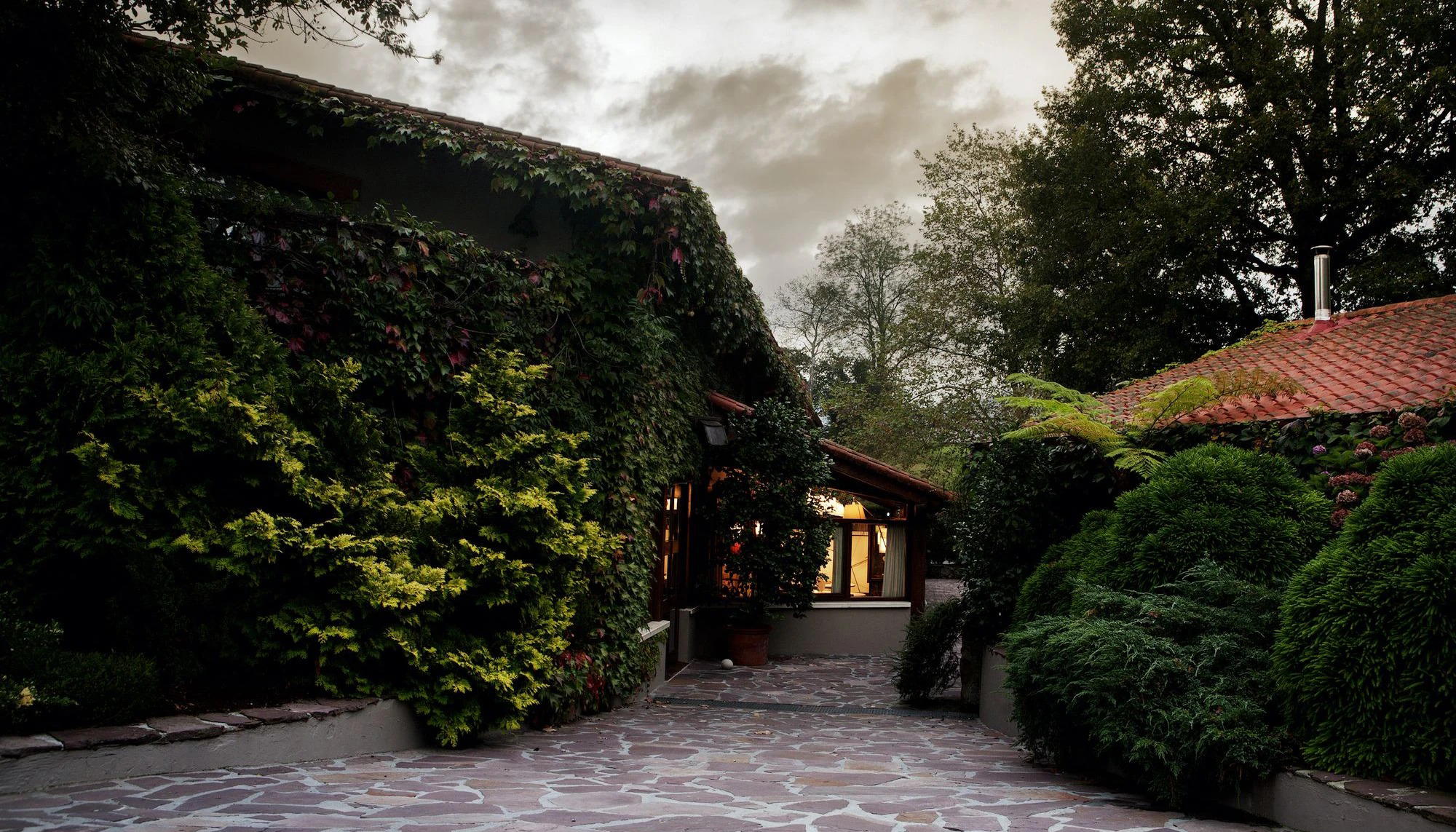
The editorial angle on any hotel in Hondarribia's historic quarter begins with the building itself. Properties in this zone are constrained by heritage regulations that prevent wholesale reinvention, which tends to push design decisions toward materials, proportion, and interior atmosphere rather than dramatic architectural gesture. The result, when handled well, is a hotel that feels embedded rather than installed. Villa Magalean's placement within this protected environment means that what you encounter on arrival is a conversation between the historic shell and the contemporary hospitality program running inside it, rather than a statement property asserting itself over its surroundings.
This is a pattern seen in some of Spain's most considered smaller hotels. Caro Hotel in València operates on a similar premise, with Roman and medieval archaeological layers integrated into a contemporary hotel format. Atrio Restaurante Hotel in Cáceres uses Extremadura's medieval urban fabric as the frame for a contemporary interior. In each case, the building's age becomes the primary design material. Villa Magalean's version of that approach is calibrated to the Basque vernacular: the town's characteristic use of stone, painted timber, and ironwork sets the visual vocabulary that a hotel operating within the historic core must either work with or against.
The Spa Offer and What It Signals About the Property's Positioning
The inclusion of a spa in a small historic-town hotel is a meaningful signal about the intended guest. Hondarribia draws day visitors from San Sebastián, which sits roughly twenty minutes to the west, and from the French Basque coast across the estuary. A hotel that adds a spa to its offer is explicitly targeting guests who intend to stay multiple nights and treat the property as a destination in itself, not merely a base for gastronomy tourism. That positioning aligns Villa Magalean with a tier of Spanish properties that include Mas de Torrent Hotel & Spa in Torrent and Terra Dominicata in Escaladei, both of which combine historic architecture with wellness programming to create a self-contained argument for longer stays.
The broader northern Spain hotel market offers useful comparisons. Akelarre in San Sebastián anchors its offer around a three-Michelin-star restaurant, which draws a particular kind of guest. Villa Magalean operates without that kind of gravitational pull from a named culinary program, which means the design, location, and wellness offer must carry the weight of the proposition. In towns as small and architecturally coherent as Hondarribia, that is often enough.
What Michelin Selection Means in This Context
Villa Magalean carries a Michelin Selected designation for 2025, which places it in the Michelin hotel guide's quality-confirmed tier. Michelin Selected properties are reviewed and approved for quality across multiple criteria, including design, comfort, and service, but sit below the Michelin Key tier that the guide uses to recognize hotels of exceptional distinction. The designation is a meaningful benchmark in the context of a town this size: Hondarribia is not a city where hotel quality is dense or competitive, so a Michelin-confirmed property here occupies a different kind of authority than the same designation would carry in Madrid or Barcelona. For context on how Spain's Michelin-confirmed hotel tier looks at the upper end, consider properties like La Residencia, A Belmond Hotel, Mallorca or Cap Rocat in Cala Blava, which operate in similarly specific geographic contexts with similarly architecture-led identities.
Hondarribia as a Base: The Practical Case
The town's position at the Franco-Spanish border gives it logistical utility that other small Basque towns lack. Biarritz Airport sits across the estuary, and San Sebastián's Donostia is a short drive or bus connection to the west. For guests arriving on the French side, the crossing at Hendaye makes Hondarribia accessible without the need to route through a major Spanish hub. That access profile means the hotel draws from a wider geographic catchment than its size might suggest: Basque gastronomy tourists combining it with a San Sebastián program, French Basque visitors crossing for a weekend stay, and longer-haul travelers building a northern Spain itinerary that includes the Basque coast before moving south. For those extending a Spanish journey further, the editorial context broadens: Pepe Vieira Restaurant & Hotel in Poio and Casa Beatnik Hotel in A Coruña represent the Galician end of the northern coast, while Abadía Retuerta LeDomaine and Torre del Marqués Hotel Spa & Winery extend the itinerary into Castile and Aragon.
Seasonality matters in Hondarribia. The Basque summer, roughly July through September, brings the heaviest visitor concentrations to both the old town and the beach area to the north of the historic quarter. Spring and early autumn offer more workable conditions for guests whose interest is primarily architectural or gastronomic rather than beach-focused. The town's position on the estuary means that even summer evenings carry a maritime coolness that distinguishes the microclimate from the hotter inland Basque areas.
Planning a Stay
What can be said with confidence is that Michelin Selected properties in towns of Hondarribia's scale and profile tend to operate with limited room counts, which typically means that weekend stays in high season warrant advance planning. The Basque Country's gastronomy calendar, particularly the September festivals and the broader summer demand from both Spanish and French visitors, compresses availability in the region's better properties. Guests planning a stay that combines Hondarribia with San Sebastián's restaurant calendar should plan both components together, since the two are logistically linked. For comparison with how other design-led Spanish spa hotels approach availability and pricing, properties like Hotel Can Ferrereta in Santanyí, Predi Son Jaumell in Capdepera, and Hotel Mas Lazuli in Girona offer a useful peer reference for the format and price tier.
In Context: Similar Options
Comparable venues nearby, for context on price, style, and recognition.
| Venue | Cuisine | Price | Awards | Notes |
|---|---|---|---|---|
| Villa Magalean Hotel & SpaThis venue — the venue you are viewing | Renovated neo-Basque villa blending family home warmth with luxury hotel amenities. | $300–500 | Michelin Selected · Mr & Mrs Smith Seal of Approval | Not listed |
| Parador de Alarcón | Medieval castle parador blending authentic history with modern hospitality. | Not listed | Michelin Selected | Alarcon |
| Palacio Tondón | Historic palace with modern extensions blending tradition and innovation | $200–300 | Michelin Selected | Briñas |
| Castell Son Claret | Historic castle estate with modern luxury renovations | $300–500 | 1 Michelin Key · La Liste Top Hotels | Es Capdellà |
| Four Seasons Seville | Luxury urban heritage hotel in a landmark 1940s office building, reimagined as a nerve centre for high-end tourism in Seville. | Not listed | Not listed | Plaza Nueva |
| Arima Hotel & Spa | Contemporary eco-luxury boutique with sustainable Passivhaus architecture blending seamlessly into forest landscape | Not listed | Michelin Selected · Mr & Mrs Smith Seal of Approval | Miramón |
Recognition history
Dated appearances from independent guides and award organizations, with the underlying list record or original source where available.
Michelin Selected
Michelin
Mr & Mrs Smith Seal of Approval
Mr & Mrs Smith
Continue exploring
More in Hondarribia
Hotels in Hondarribia
Browse all →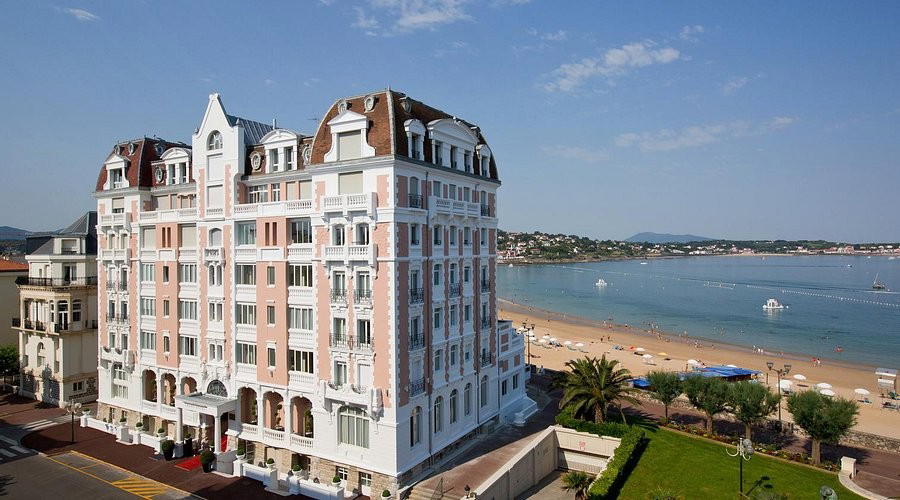
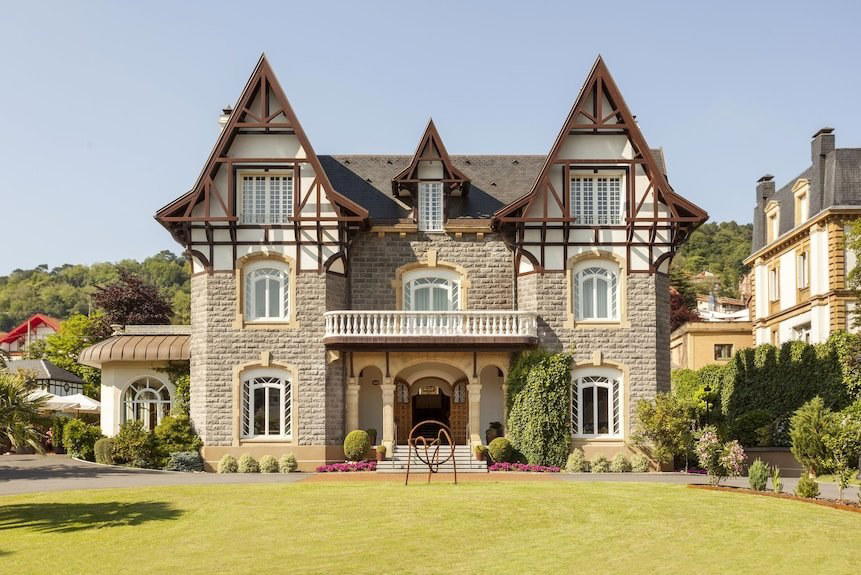
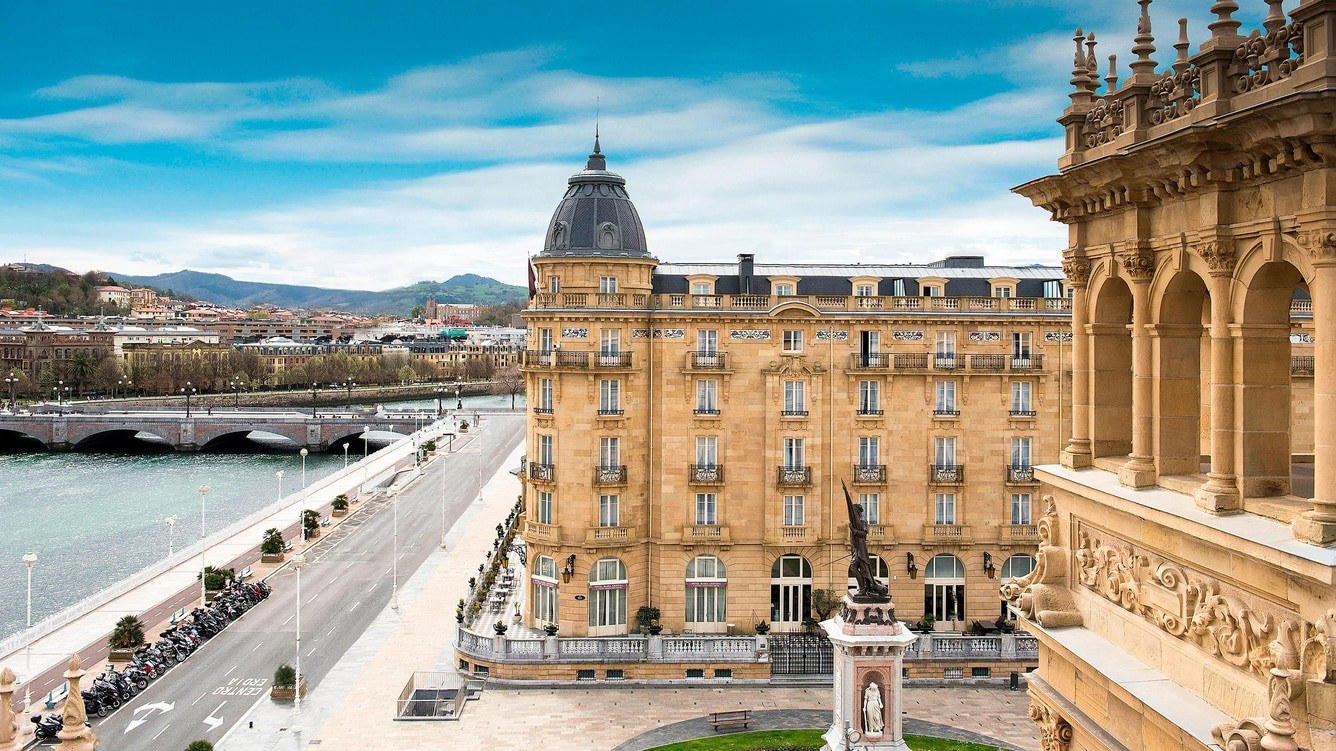
Bars in Hondarribia
Browse all →
Details
- Romantic
- Quiet
- Elegant
- Cozy
- Sophisticated
- Romantic Getaway
- Wellness Retreat
- Anniversary
- Weekend Escape
- Terrace
- Historic Building
- Spa
- Wi Fi
- Room Service
- Concierge
- Massage
- Wheelchair Accessible
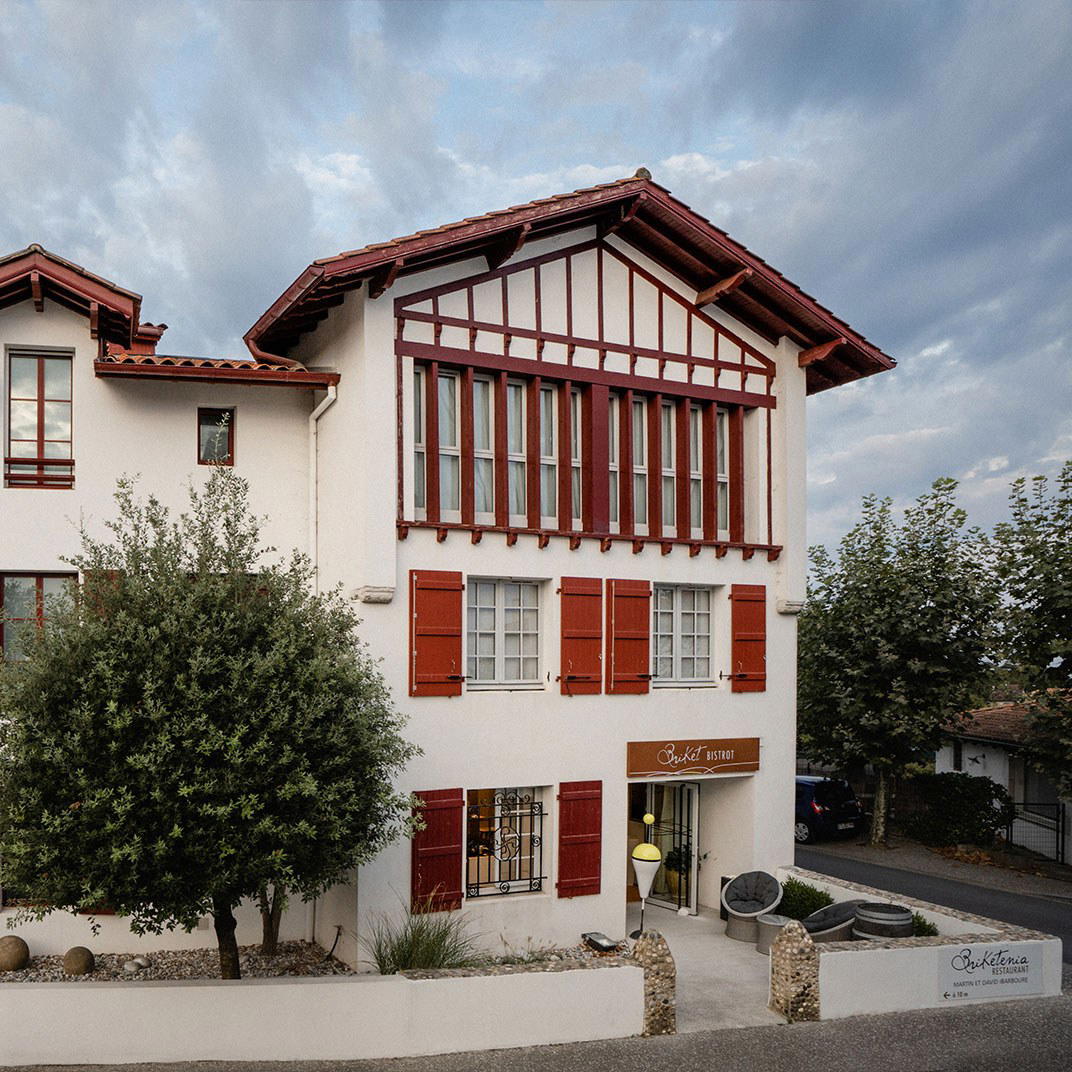
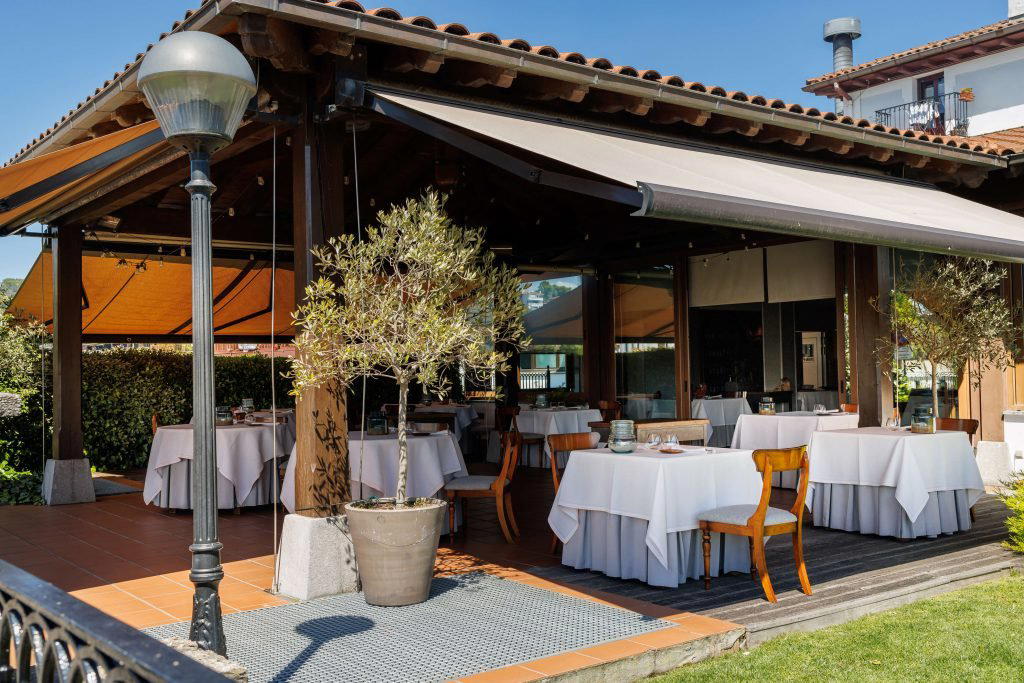
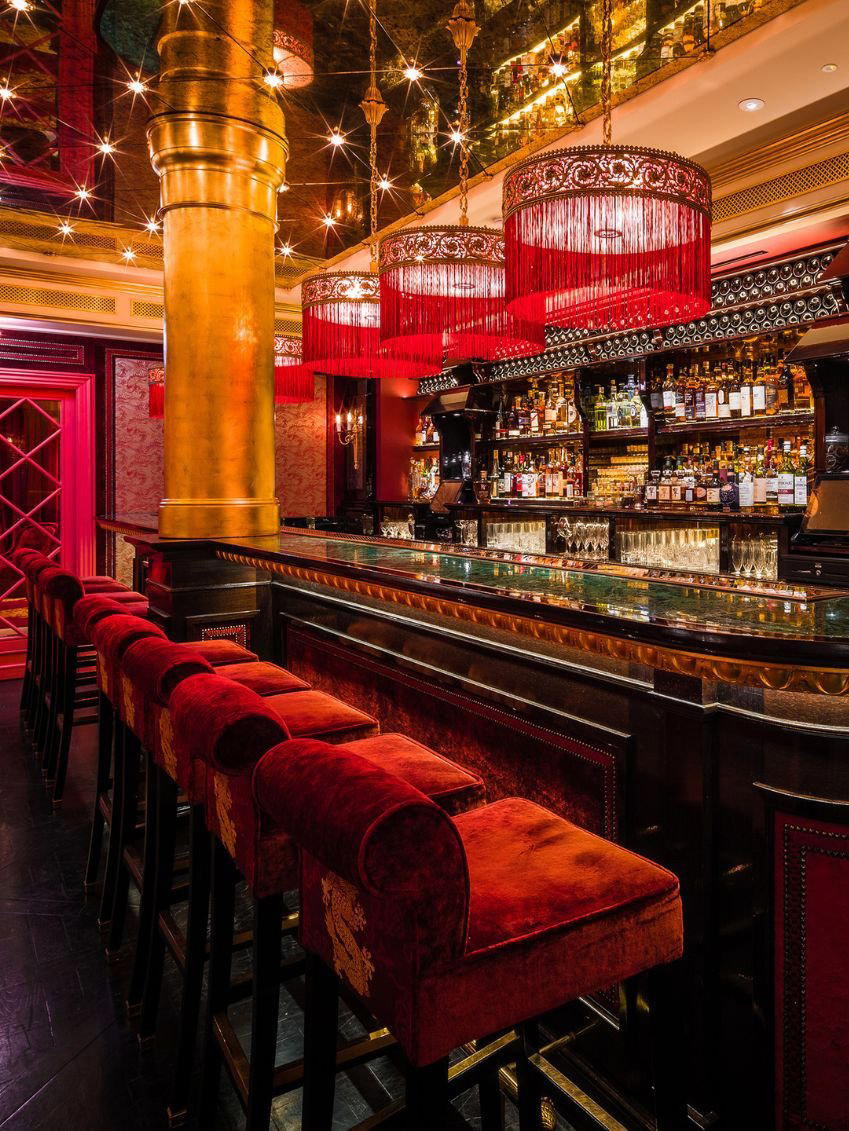
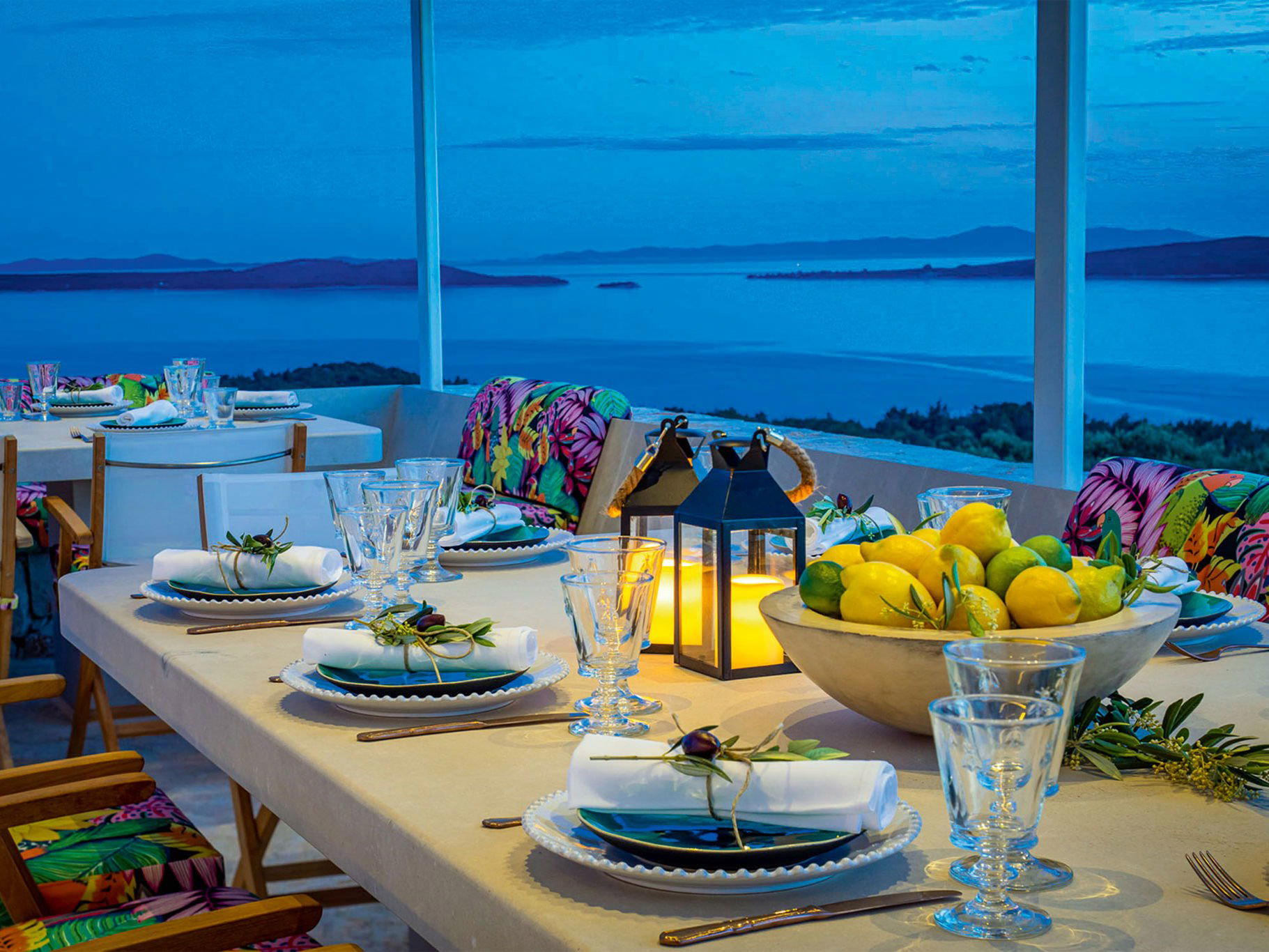
Refined decor blending contemporary and timeless neo-Basque style with natural light, balanced volumes, and a blissful sense of well-being and relaxation.