Campero taberna
Campero taberna occupies a straightforward address on Calle Jose Miguel Barandiaran in San Sebastián's Gipuzkoa district, sitting within a city that treats its bars and tabernas as civic infrastructure rather than afterthoughts. In a pintxos culture that rewards repetition and ritual, Campero operates in the tradition of the neighbourhood taberna: a physical space built around counter culture, proximity, and the accumulated logic of daily use.

Pearl is the En Primeur Club membership app — saves, bookings, and concierge access live there. Same editors, same standards.
- Address
- C. Jose Miguel Barandiaran, 8, 20013 Donostia / San Sebastián, Gipuzkoa, Spain
- Phone
- +34 943 27 14 95
- Hours
- Mon–Fri 9 AM–11 PMSat–Sun 11 AM–11 PM
- Website
- camperodonosti.com
- Directions
- Get directions
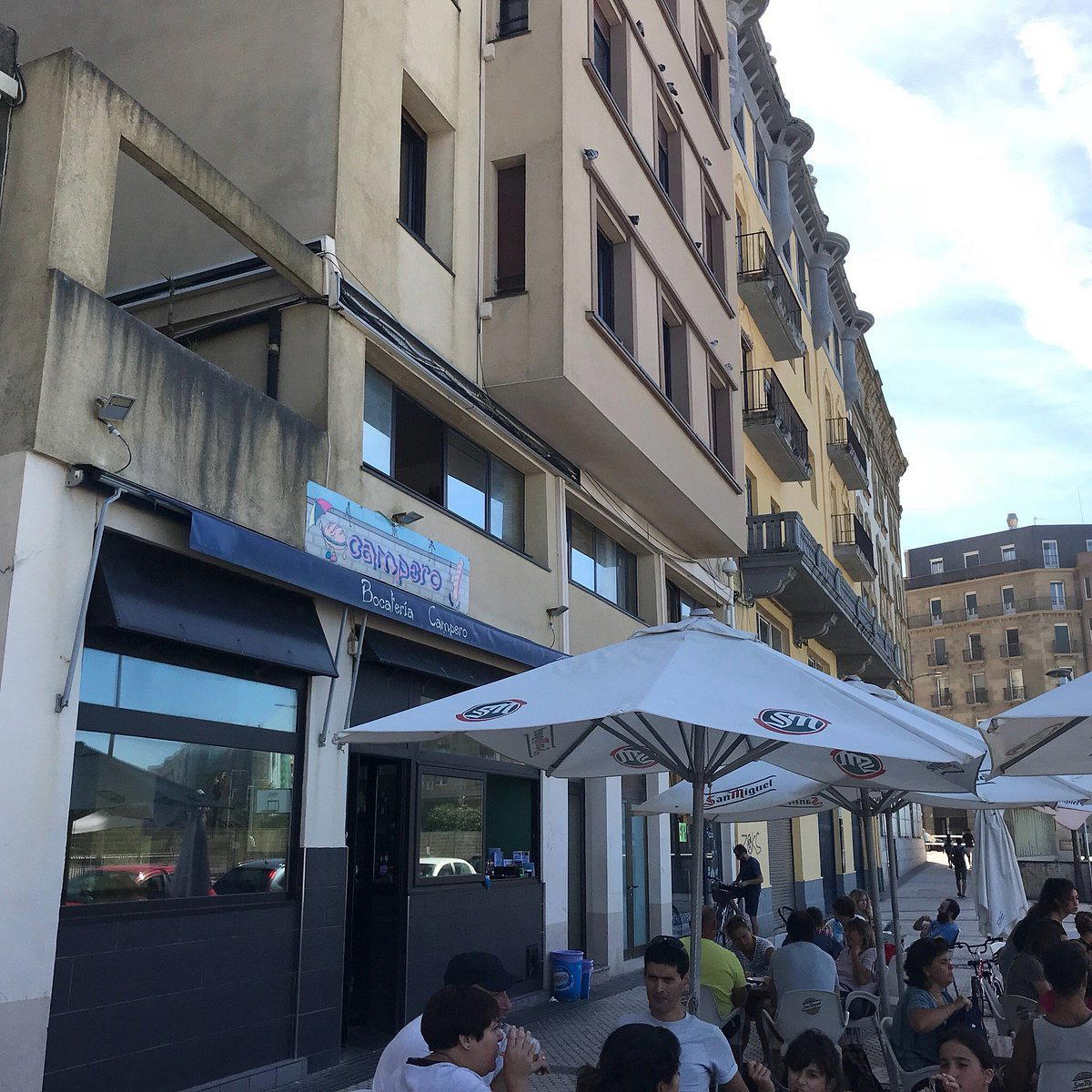
The Room Before the Drink
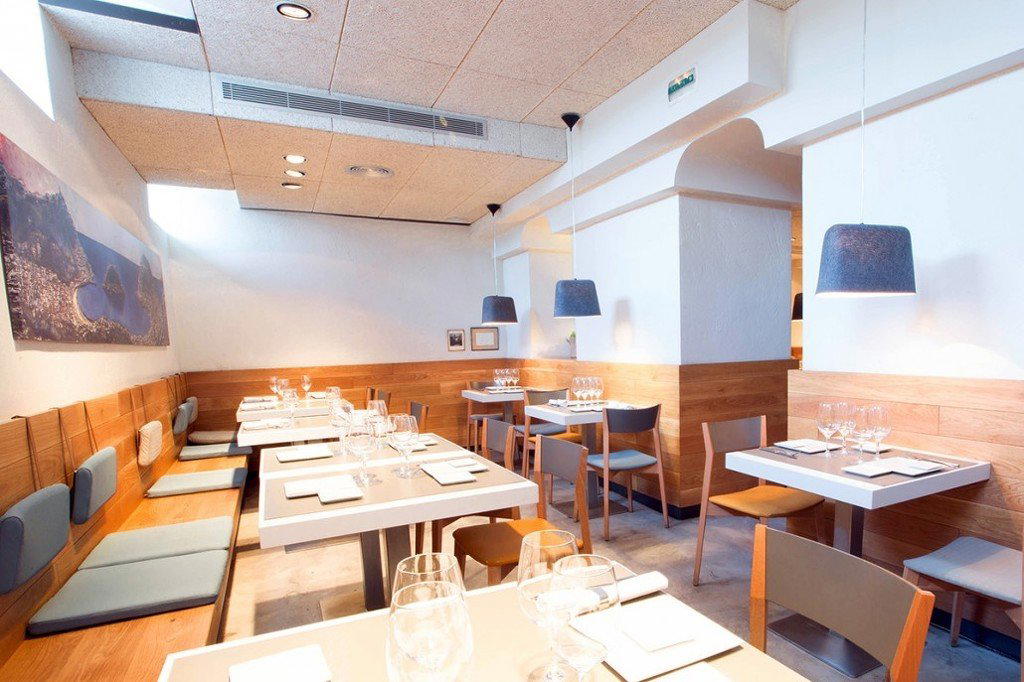
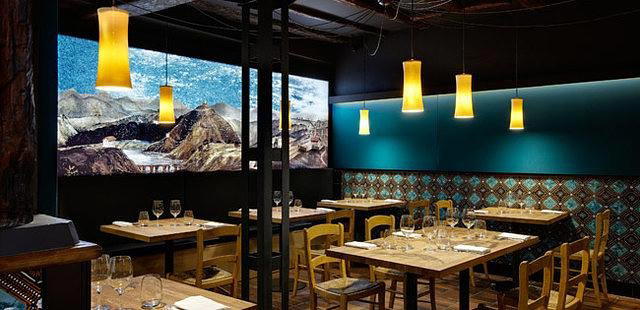
San Sebastián's taberna tradition is architectural before it is anything else. The city's relationship with its bars is spatial: counters designed for standing, surfaces calibrated for small plates, sightlines arranged so you can read the room without turning around. Campero taberna, on Calle Jose Miguel Barandiaran in Donostia / San Sebastián, belongs to this typology. It is a physical argument for a particular way of drinking and eating, one that the city has been refining for generations.
Across San Sebastián, the taberna format has split in recent decades between venues that self-consciously perform their tradition and those that simply enact it. The performative end produces gleaming renovations and curated pintxos displays aimed at tourists arriving with lists. The other end produces places where the counter logic is load-bearing: the bar is wide because you need room for glasses and plates and elbows; the stools are positioned because some conversations require sitting; the back wall holds bottles because the selection is the point. Campero reads as the latter category, a working taberna on a residential-adjacent street rather than a tourism-circuit destination.
What the Space Does
The editorial angle most useful for understanding Campero is not the menu but the room. San Sebastián's leading tabernas share a spatial discipline: they are small enough to feel inhabited but not so small that they become precious. The counter anchors everything. It is the place where orders happen, where the bartender's movement sets the pace, and where standing drinkers establish a temporary social contract with whoever arrives next to them. This is not a design choice in the contemporary sense of the word — it is an inherited spatial grammar that the city's drinking culture has been passing forward since at least the mid-twentieth century.
On Calle Jose Miguel Barandiaran, the street context matters. This is not the Parte Vieja, where bars line up in the density of a medieval grid and foot traffic is constant from midday onward. The Gipuzkoa address places Campero in a more local-facing register, the kind of neighbourhood where the clientele arrives on foot from nearby, not from a hotel concierge recommendation. That geographic position is itself a signal about the taberna's relationship to the city: it is of San Sebastián rather than performing for visitors to San Sebastián.
For practical planning: Campero sits on a street that connects into the broader fabric of the Gipuzkoa district, walkable from central San Sebastián but outside the concentrated tourist corridor. The counter itself functions as the reservation system. Arriving early in a given service period is the standard approach at venues of this type.
The Taberna in San Sebastián's Competitive Frame
Within San Sebastián's bar circuit, the taberna occupies a distinct tier from the pintxos bar and the cocktail-led space. The pintxos bar prioritises the display case and the small bite; the cocktail venue prioritises technique and the individual glass. The taberna sits between them, organised around wine, vermouth, and txakoli alongside food that is simpler and more sustained than a pintxos counter typically offers. The social contract is longer, people stay, and the space reflects that.
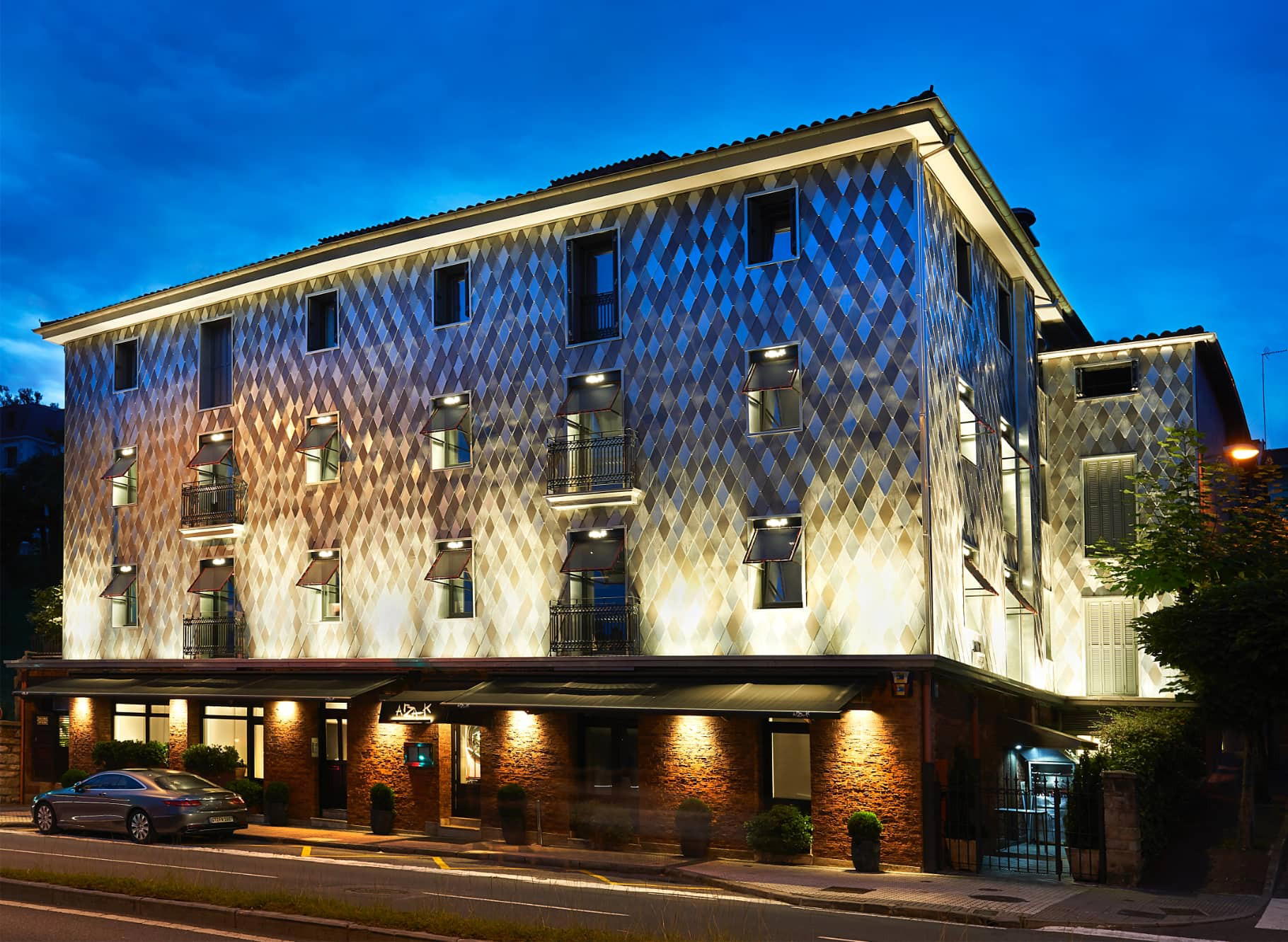
Comparison points within the city include Akerbeltz, which operates with its own distinct positioning in the San Sebastián drinking scene, and Antonio taberna, another entry in the taberna format that signals how the city sustains multiple iterations of the same basic spatial and social model without any single one becoming redundant. Atari Gastrolekua and Bar Ciaboga extend the map further, each occupying a different node in the city's layered drinking infrastructure. What this plurality suggests is that San Sebastián does not operate on a single dominant bar destination the way some cities do. The ecosystem is distributed, and individual venues accumulate their clientele through repetition rather than spectacle.
Across Spain more broadly, the taberna format produces analogous venues in cities with strong local bar cultures. Angelita in Madrid demonstrates how the wine-forward taberna model translates into a capital-city register, while Boadas in Barcelona and Bar Sal Gorda in Seville show how deeply embedded counter culture is across Spanish cities regardless of region. Further out, Bar Gallardo in Granada and La Margarete in Ciutadella confirm that the format is not unique to the Basque Country, it is a national inheritance that each city inflects differently. Even at a remove, Bar Leather Apron in Honolulu and Garito Cafe in Palma de Mallorca gesture toward how bar formats built around a specific spatial logic travel, adapt, and sometimes converge on similar solutions in very different contexts.
Who This Works For
The taberna format self-selects its audience through its own architecture. If you want a curated tasting menu, the counter logic will frustrate you. If you want to drink well in a room that has its priorities in the right order, proximity, the bar, the glass in hand, the conversation that follows, then the taberna is the correct address. Campero, on its residential-facing street in Gipuzkoa, fits that description. It is a neighbourhood institution in a city that takes neighbourhood institutions with complete seriousness.
The case for going is not about accolades or discovery. It is about understanding what San Sebastián is actually built on, which is the daily infrastructure of bars, counters, and standing drinkers. Campero taberna is part of that infrastructure.
Just the Basics
Comparable venues nearby, for context on price, style, and recognition.
| Venue | Cuisine | Price | Awards | Notes |
|---|---|---|---|---|
| Campero tabernaThis venue — the venue you are viewing | San Sebastián, pub | Not listed | Not listed | Not listed |
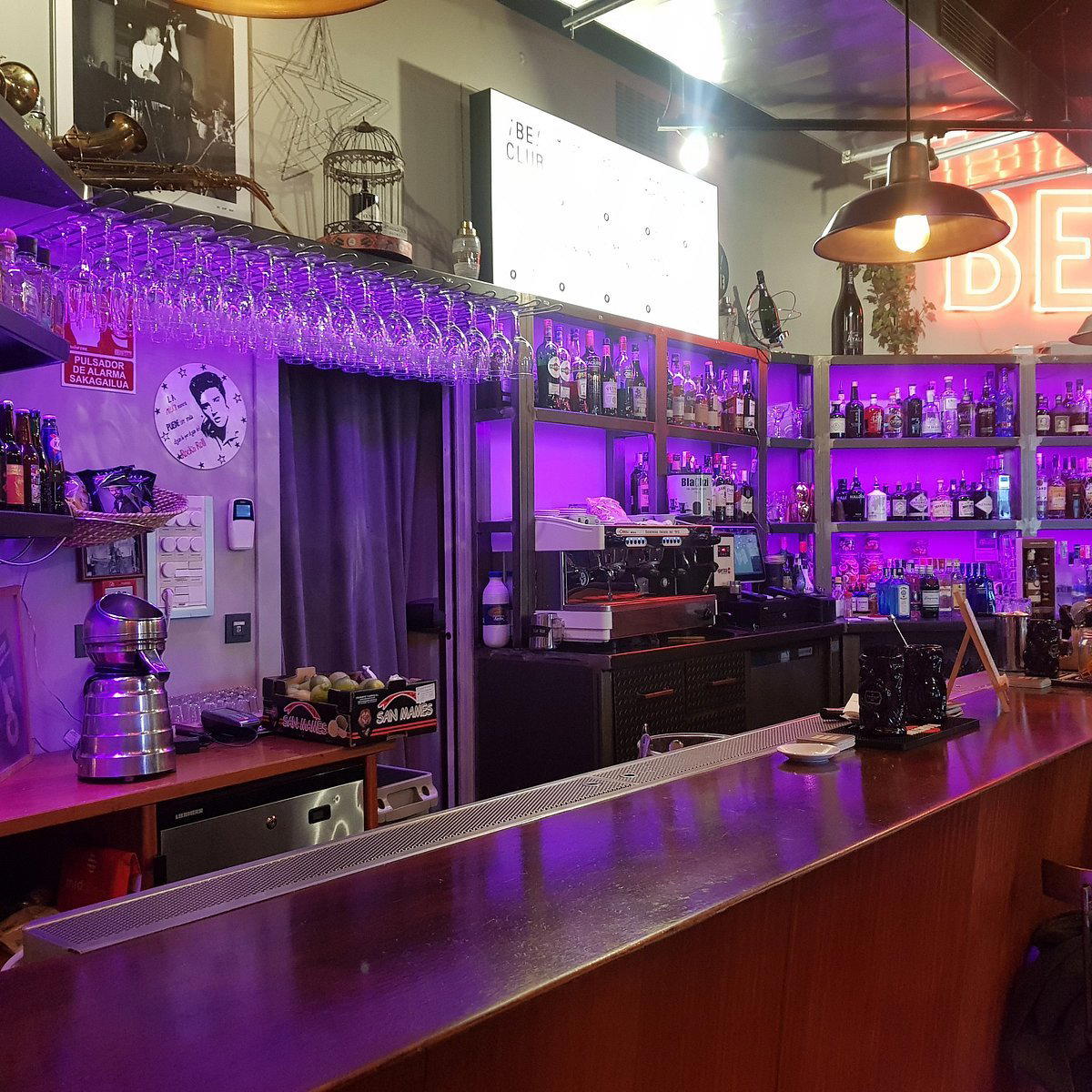
| ¡BE! Club | Gros, lounge | $20–30 | Not listed | Not listed |
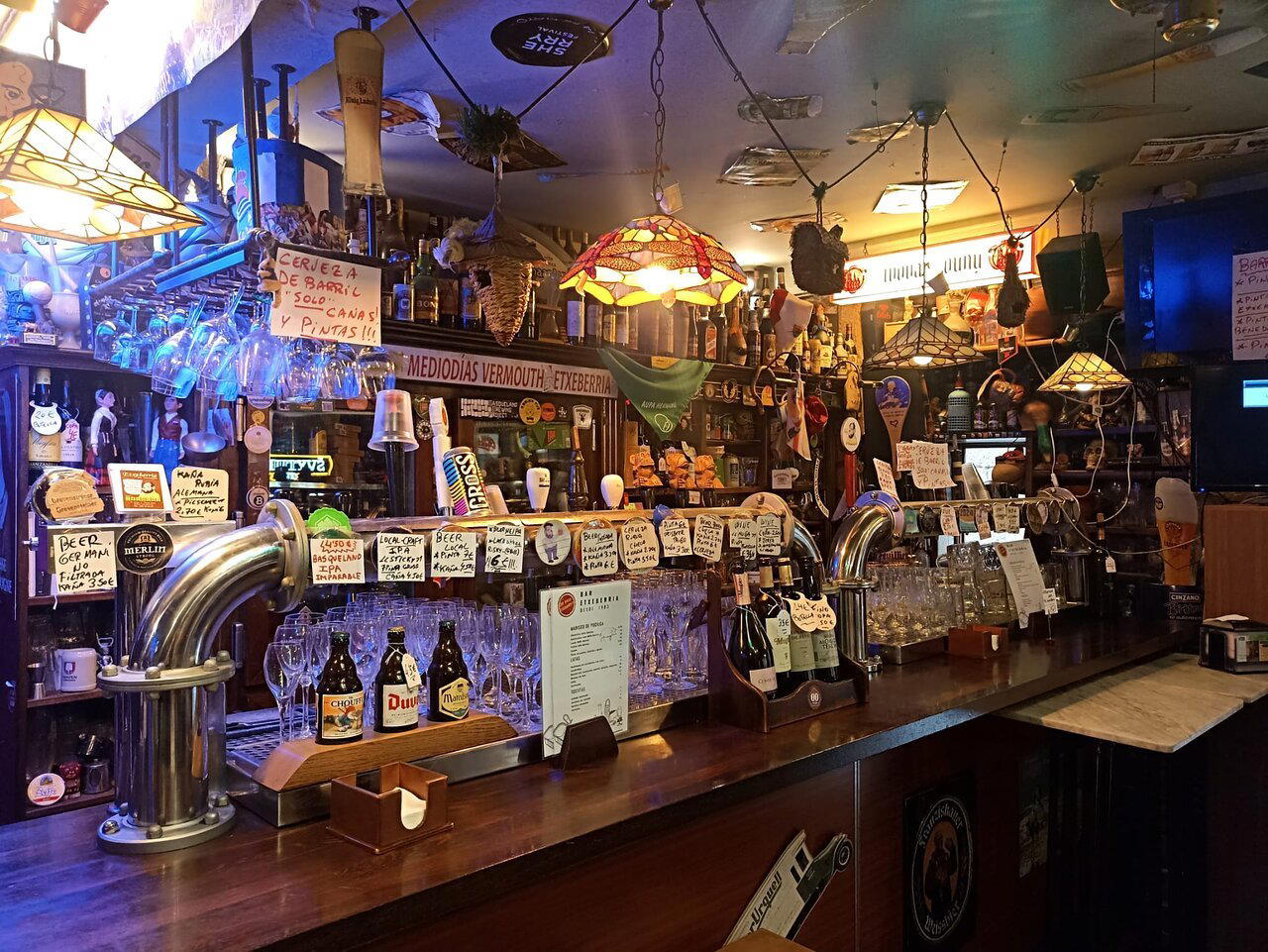
| Bar Etxeberria | Not listed | $20–30 | Falstaff Wine Bar - 93 Falstaff Points | Parte Vieja (Old Town), beer_bar |
| Antonio taberna | Centro, pub | Not listed | Not listed | Not listed |
| La Madame | Not listed | $50–100 | Not listed | Centro, cocktail_bar |
Continue exploring
More in San Sebastián
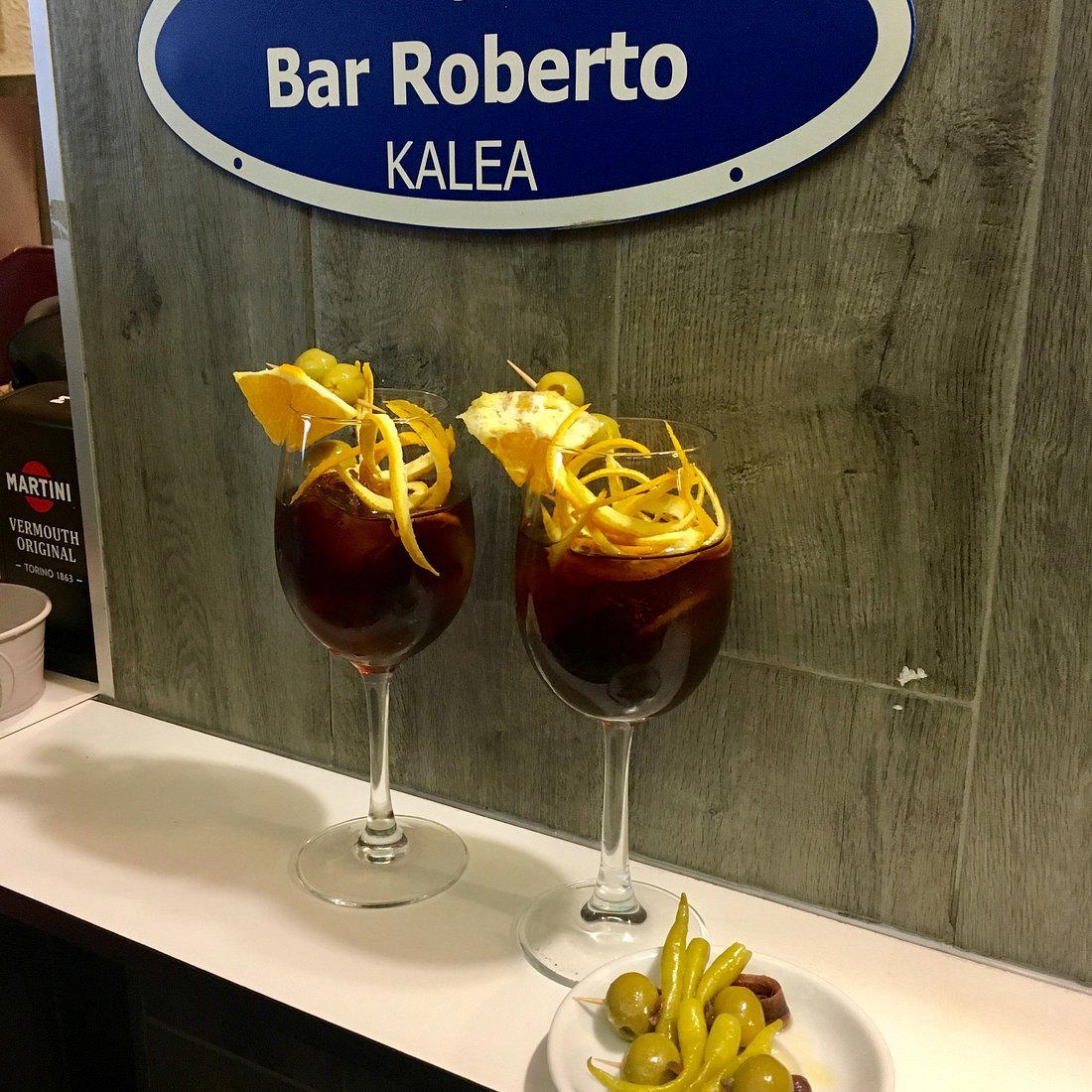
Bars in San Sebastián
Browse all →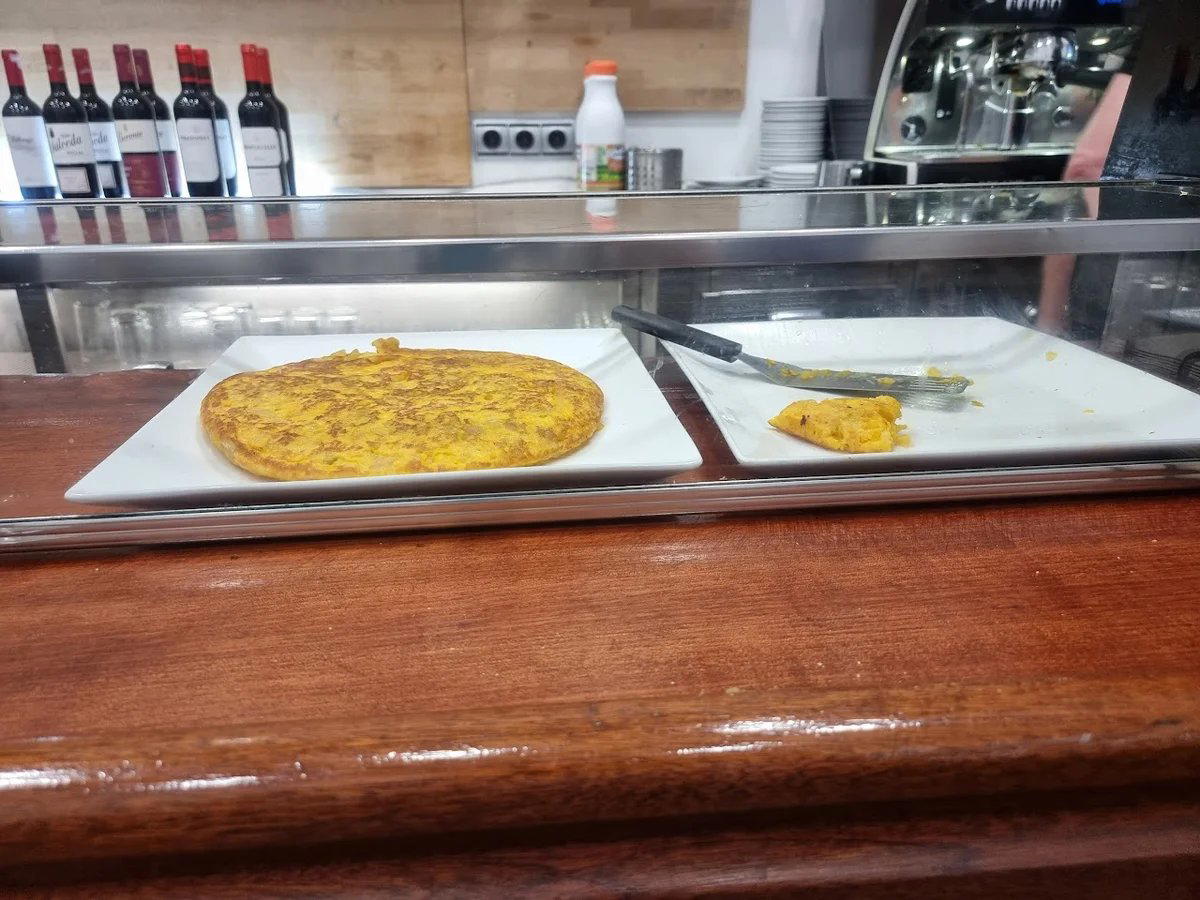
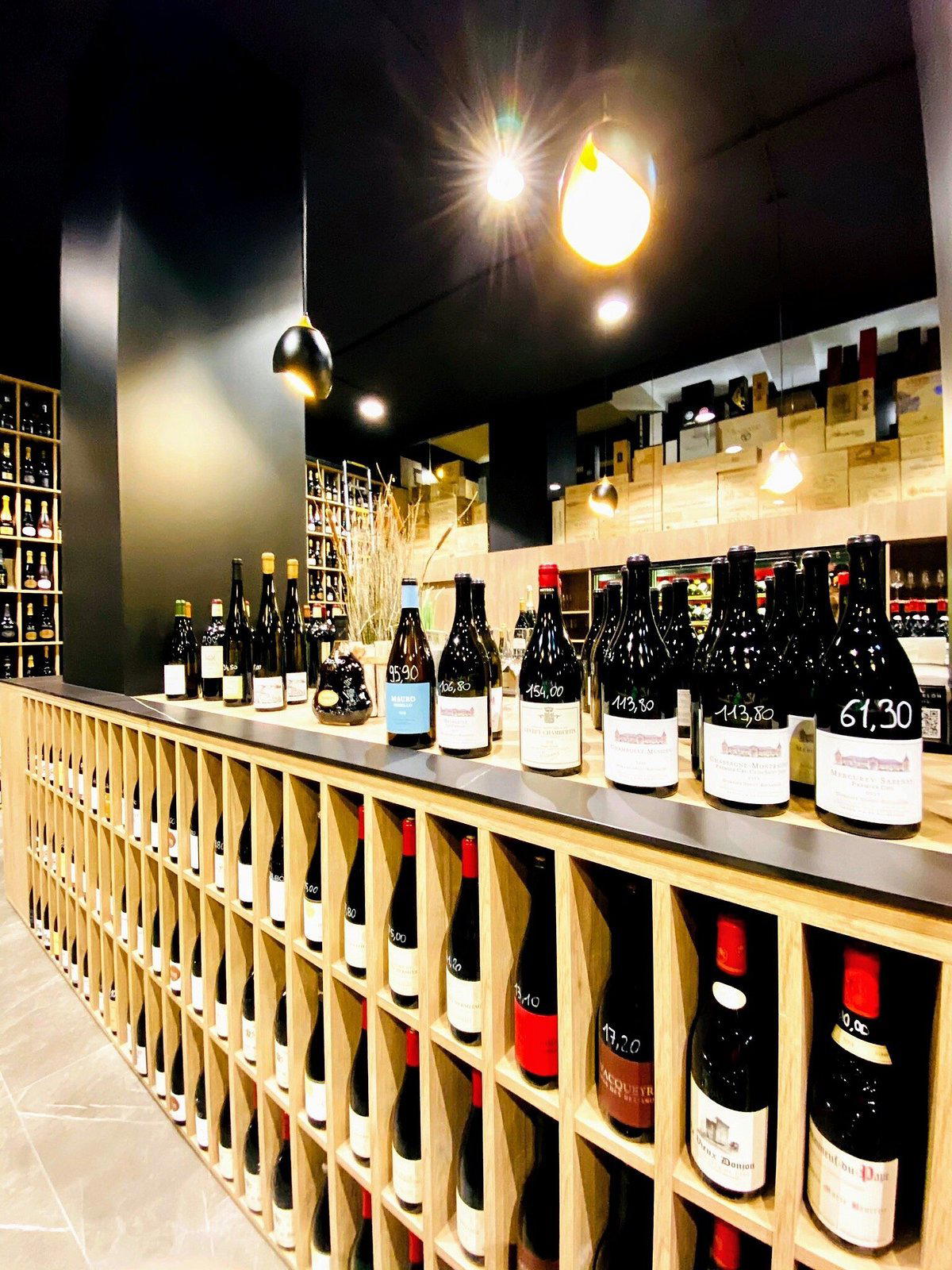
Restaurants in San Sebastián
Browse all →
Details
- Casual Hangout
- Standalone
- Conventional Wine
Current opening hours
- Monday
- 9 AM–11 PM
- Tuesday
- 9 AM–11 PM
- Wednesday
- 9 AM–11 PM
- Thursday
- 9 AM–11 PM
- Friday
- 9 AM–11 PM
- Saturday
- 11 AM–11 PM
- Sunday
- 11 AM–11 PM
Hours can change for holidays and private events. Last verified .