


2 Michelin Stars · La Liste Top Restaurants · Gault & Millau Remarkable Restaurant
Our verdict
Ekaitza holds two Michelin stars as of 2025 and a 76-point La Liste ranking, positioning it among France's most closely watched modern kitchens. Sitting on the quayside in Ciboure, across the harbour from Saint-Jean-de-Luz, chef Guillaume Roget works through a lens shaped by the Basque Country's Atlantic larder. The €€€ price point makes it accessible relative to three-star peers, but bookings run well ahead of the visit date.

Pearl is the En Primeur Club membership app — saves, bookings, and concierge access live there. Same editors, same standards.
- Address
- 15 Quai Maurice Ravel, 64500 Ciboure, France
- Phone
- +33 5 59 51 29 51
- Hours
- Mon ClosedTue–Wed 7:30–9:15 PMThu–Sat 12:15–1:30 PM, 7:30–9:15 PMSun Closed
- Website
- restaurant-ekaitza.fr
- Directions
- Get directions
- Booking
- Book on Zenchef
The menu
What to order
- Duck breast with cherry reduction
- Chocolate fondant with sea salt caramel
The Basque Quayside as Kitchen Context
Quai Maurice Ravel in Ciboure is one of those addresses that does the cooking's first job before a plate arrives. The working harbour sits a few metres from the dining room, the Bay of Biscay light shifts through the afternoon, and the fishing boats that supply much of the Basque coast's celebrated marine larder tie up close enough to make provenance a geographic fact rather than a menu claim. This is not incidental to what Ekaitza does; it is structural to it. The Basque Country's Atlantic coastline produces some of the most argued-over seafood in Europe, from the deep-water merlu (hake) that anchors traditional Basque cooking to the axoa cuts and the txangurro spider crab that migrate between home kitchens and high-end counters with equal ease. A kitchen positioned here, at this quayside, is entering a conversation about ingredient sourcing that the region has been having for generations.
That conversation has sharpened considerably in the last decade. The emergence of San Sebastián as a reference point for ingredient-driven modern cooking drew international attention to the broader Basque region, and Ciboure's proximity to the Spanish border means the French side of the Basque Country now operates in a peer dialogue with the Michelin-dense txoko culture across the Bidasoa river. For our full view of where Ekaitza sits among the area's options, see our full Ciboure restaurants guide.
Two Stars, One Year Apart
The speed of Ekaitza's Michelin progression is the clearest signal of where the kitchen stands within its competitive set. One star in 2024, two in 2025: a single-year step that places Guillaume Roget in a small group of French chefs who have moved through Michelin's recognition tiers at that pace. La Liste's 2026 ranking assigns 76 points and the category designation "Remarkable," a label that in La Liste's framework indicates a restaurant operating above regional significance.
For context on where two-star modern cuisine sits within France's broader Michelin geography: the three-star tier in France runs from long-established houses like Auberge de l'Ill in Illhaeusern and Paul Bocuse in Collonges-au-Mont-d'Or through more recently converted creative addresses such as Alléno Paris au Pavillon Ledoyen and Mirazur in Menton. Ekaitza's two-star position and its trajectory suggest it operates in the cohort immediately below that ceiling. Its €€€ pricing, rather than the €€€€ common to three-star and many two-star Paris addresses like Assiette Champenoise in Reims or Au Crocodile in Strasbourg, reflects a regional rather than capital pricing structure.
What the Basque Larder Actually Provides
The Basque Country's ingredient reputation rests on a specific geography. The Pyrenean foothills push down close to a coastline that transitions sharply from shallow estuary to deep Atlantic shelf, creating a condensed range of micro-climates that supports both upland livestock and some of Europe's most productive fishing grounds. Merlu from the Basque fleet has a specific texture profile tied to cold, deep water and rapid line capture. The Espelette pepper, grown across a controlled appellation in the Pyrenean foothills thirty kilometres inland, provides a heat and fruitiness that now appears as a definitive seasoning marker in Basque cooking on both sides of the border. Txakoli, the local slightly sparkling white from the vineyards closer to the Spanish Basque coast, functions as both an aperitif and a reference point for the kind of brightness that works against the region's fish.
A modern kitchen on Quai Maurice Ravel does not need to import this larder; it stands at the centre of it. The editorial question for any two-star kitchen in this position is how it translates geographic advantage into a coherent modern cuisine framework, which is the category Michelin assigns to Ekaitza. Modern cuisine, as a Michelin classification, implies technique and editorial menu construction layered over that primary-ingredient base, as opposed to purely traditional Basque execution. The distinction matters: the region's Basque-traditional tier, including addresses like Chez Mattin in Ciboure, works from an established recipe canon. Ekaitza sits in a different register.
Guillaume Roget and the Modern Basque Tier
France's south-west has produced a strand of modern fine dining that differs from the Paris axis. Bras in Laguiole set an early template for ingredient-reverent modern cooking outside the capital. Flocons de Sel in Megève occupies an analogous position in the Alps. What these kitchens share is a willingness to let the regional source material set the structural agenda for menu building, with technique functioning as a means of precision rather than transformation for its own sake. Roget's kitchen at Ekaitza reads within that lineage, operating at a quayside address where the supply chain is measurable in walking distance rather than logistics chains.
The international comparison point is instructive. Modern cuisine at two-star level, whether at AM par Alexandre Mazzia in Marseille or at the Nordic-influenced addresses like Frantzén in Stockholm or FZN by Björn Frantzén in Dubai, involves a chef's ability to construct a tasting sequence that holds internal logic while keeping the source ingredients legible. The Basque coast's larder gives Roget a starting point that is already loaded with recognizable character. Troisgros in Ouches has long demonstrated that regional identity and technical ambition are not in tension in French fine dining; the same logic applies here.
Planning the Visit
Ekaitza operates at 15 Quai Maurice Ravel in Ciboure, directly on the harbour front and within easy reach of Saint-Jean-de-Luz, which sits across a short bridge. The two-star designation and the relatively contained seating environment of a quayside restaurant in a small Basque town mean demand significantly exceeds availability. Booking well in advance is not a formality; at this recognition tier, the lag between announcement of the second star in 2025 and any available table typically runs to several weeks at minimum. The €€€ price bracket positions Ekaitza below the full cost of comparable two-star addresses in Paris, though the Basque coast's coastal-resort character means accommodation and logistics deserve attention when building a trip around a single restaurant visit.
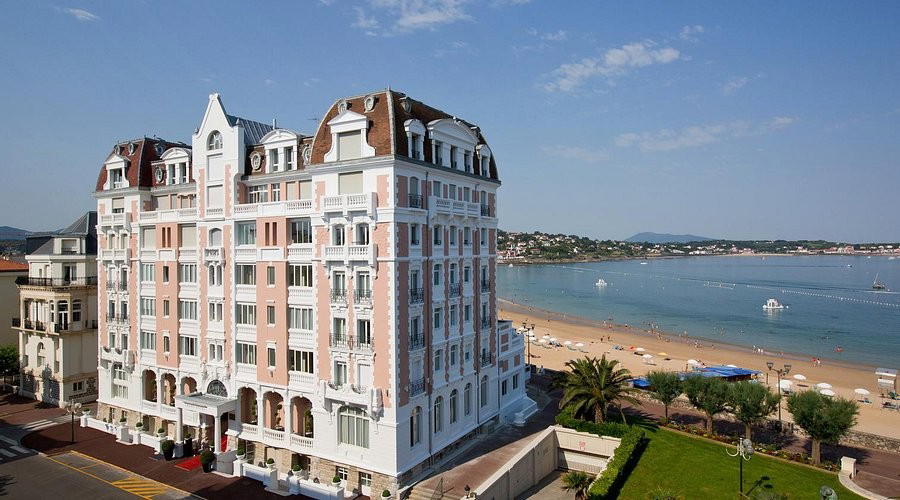
Ciboure and Saint-Jean-de-Luz function well as a two-night base, with the area's fishing port atmosphere, the beach architecture of the Belle Époque resort buildings, and the proximity to the Spanish Basque border providing context for the cuisine. For hotels, bars, and other experiences worth building into the trip, see our full Ciboure hotels guide, our full Ciboure bars guide, our full Ciboure experiences guide, and our full Ciboure wineries guide. The wine dimension of a Basque-context meal extends beyond txakoli; the proximity to both Irouléguy and the broader south-west French appellations gives a good sommelier significant room.
Frequently asked questions
Is Ekaitza okay with children?
At €€€ pricing in a two-Michelin-star kitchen in Ciboure, this is a table-focused adult environment. It is not designed around families with young children.
What kind of setting is Ekaitza?
If you are comfortable with a formal modern-cuisine format at two-star level in a harbour-town setting, Ekaitza offers exactly that: a quayside address in Ciboure, recognised by Michelin in 2025 with two stars and by La Liste 2026 with 76 points, at €€€ pricing that reflects the region rather than a Paris tariff. If you are looking for casual Basque eating, the same town provides that at a different register.
at Ekaitza?
What the Michelin classification of "modern cuisine" and the Basque coastal address together suggest is that the menu builds from the Atlantic larder, with the hake and spider crab that define the region likely appearing in some form. Chef Guillaume Roget's kitchen earned its second star in a single step, which indicates a menu that works as a coherent whole.
Budget and Context
| Venue | Cuisine | Price | Awards |
|---|---|---|---|
| EkaitzaThis venue — the venue you are viewing | Modern Basque Fine Dining | $100–150 | 2 Michelin Stars · La Liste Top Restaurants |
| Alléno Paris au Pavillon Ledoyen | Creative | Not listed | Michelin 3 Star |
| Kei | Contemporary French, Modern Cuisine | Not listed | Michelin 3 Star |
| L'Ambroisie | French, Classic Cuisine | Not listed | Michelin 3 Star |
| Le Cinq - Four Seasons Hôtel George V | French, Modern Cuisine | Not listed | Michelin 3 Star |
| Plénitude | Contemporary French | Not listed | Michelin 3 Star |
Recognition history
Dated appearances from independent guides and award organizations, with the underlying list record or original source where available.
Michelin 2 Stars
Michelin
La Liste Top Restaurants
La Liste
Gault & Millau Remarkable Restaurant
Gault & Millau
Full recognition history (5 entries)
Michelin 2 Stars
Michelin
Michelin 1 Star
Michelin
Details
- Elegant
- Sophisticated
- Intimate
- Date Night
- Special Occasion
- Waterfront
- Open Kitchen
- Extensive Wine List
- Sommelier Led
- Local Sourcing
- Waterfront
- Street Scene
- Tasting Menu
Current opening hours
- Monday
- Closed
- Tuesday
- 7:30–9:15 PM
- Wednesday
- 7:30–9:15 PM
- Thursday
- 12:15–1:30 PM, 7:30–9:15 PM
- Friday
- 12:15–1:30 PM, 7:30–9:15 PM
- Saturday
- 12:15–1:30 PM, 7:30–9:15 PM
- Sunday
- Closed
Hours can change for holidays and private events. Last verified .
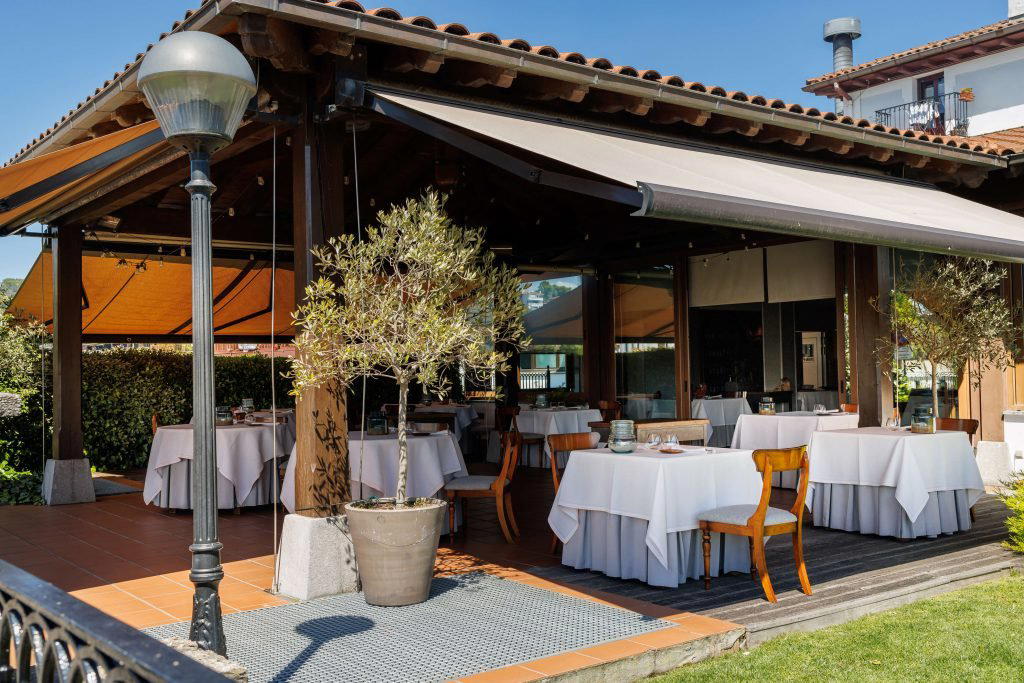
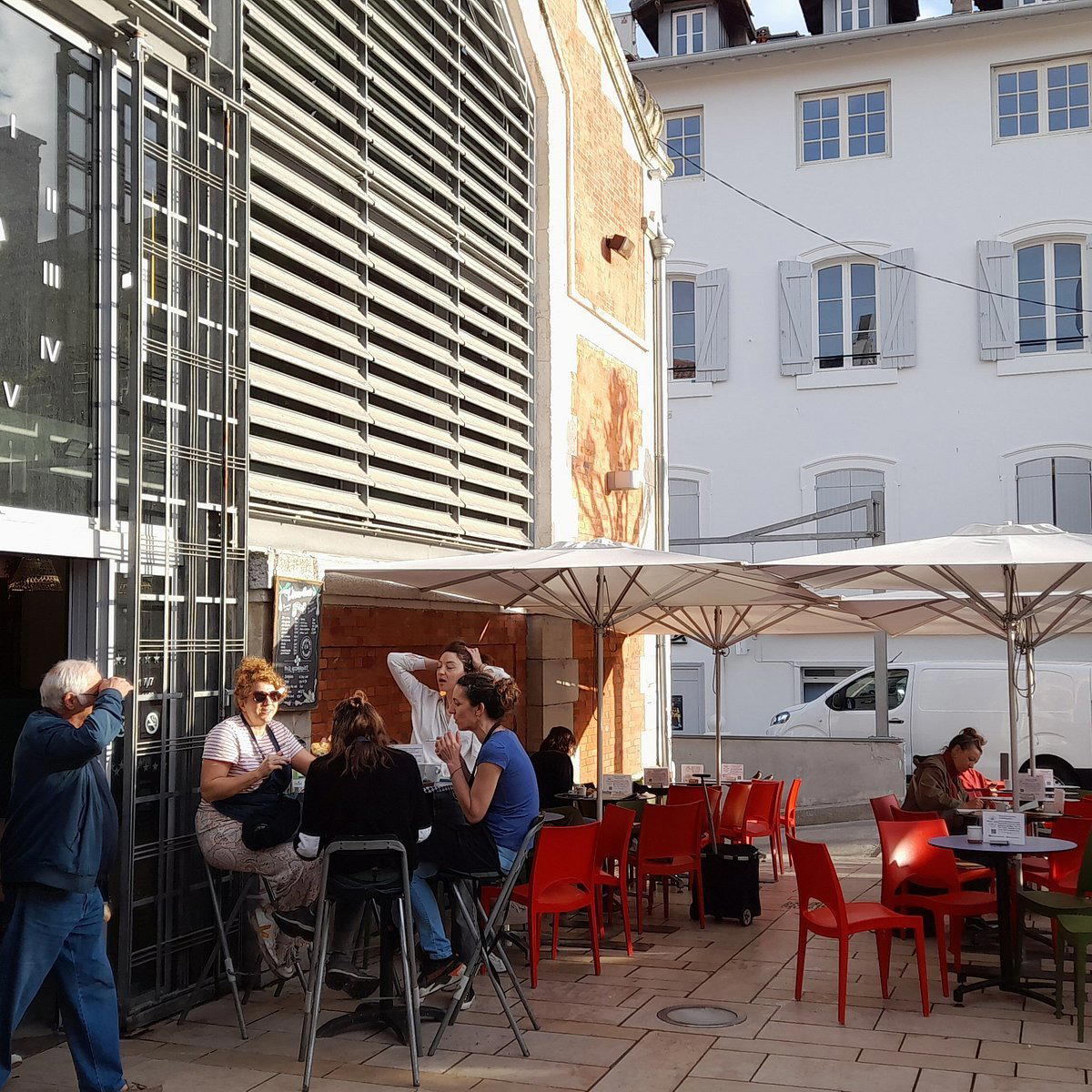
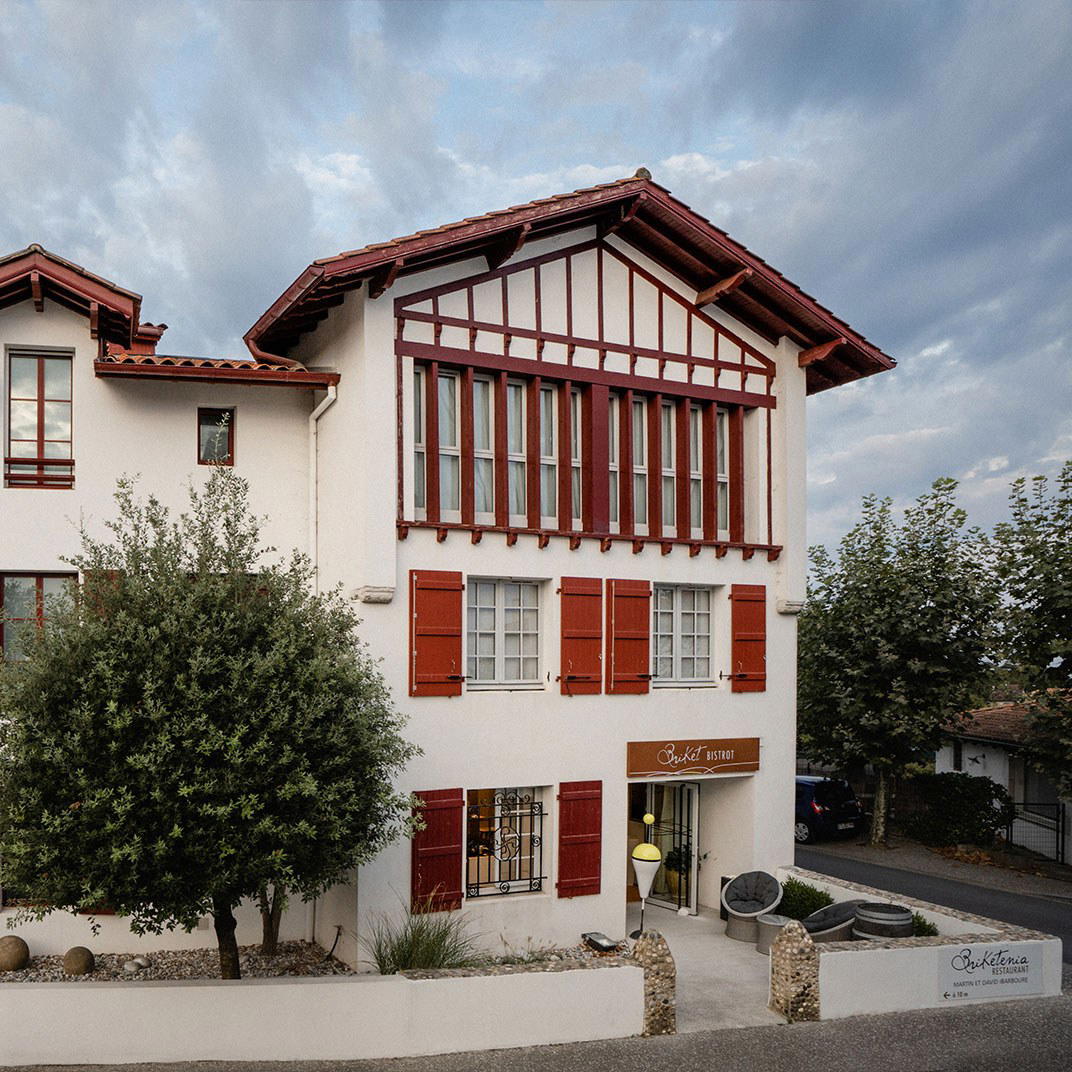
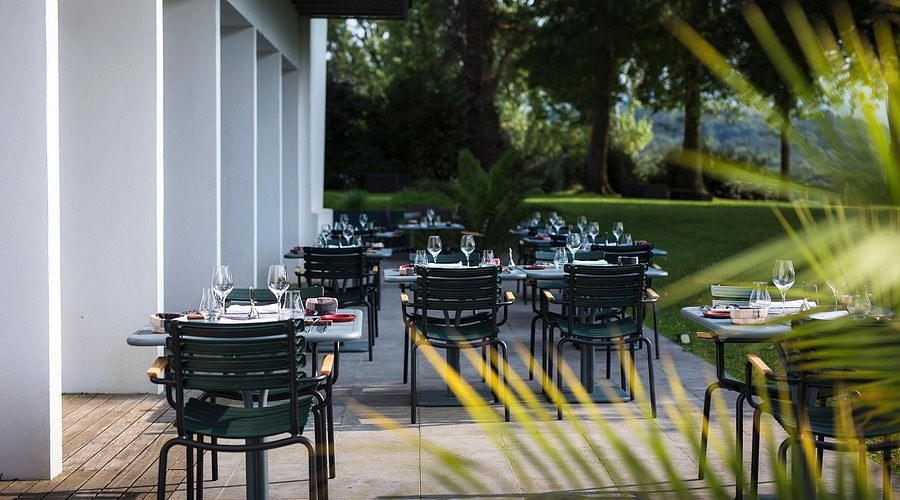
Bright and lively interior with pretty carpentry tables, warm ambiance, attentive service, and views of the port; modern and simple decor creating a pleasant atmosphere.