
Michelin Selected
A Michelin Selected hotel occupying a converted 19th-century warehouse on the Sandtorkai, AMERON Hamburg Speicherstadt puts guests inside one of Europe's most architecturally coherent historic districts. The red-brick canal frontage, preserved industrial bones, and direct access to HafenCity make it a considered base for anyone who wants Hamburg's maritime heritage as the backdrop rather than the postcard.

Pearl is the En Primeur Club membership app — saves, bookings, and concierge access live there. Same editors, same standards.
- Address
- Am Sandtorkai 4, Hamburg, Germany
- Website
- ameroncollection.com
- Directions
- Get directions
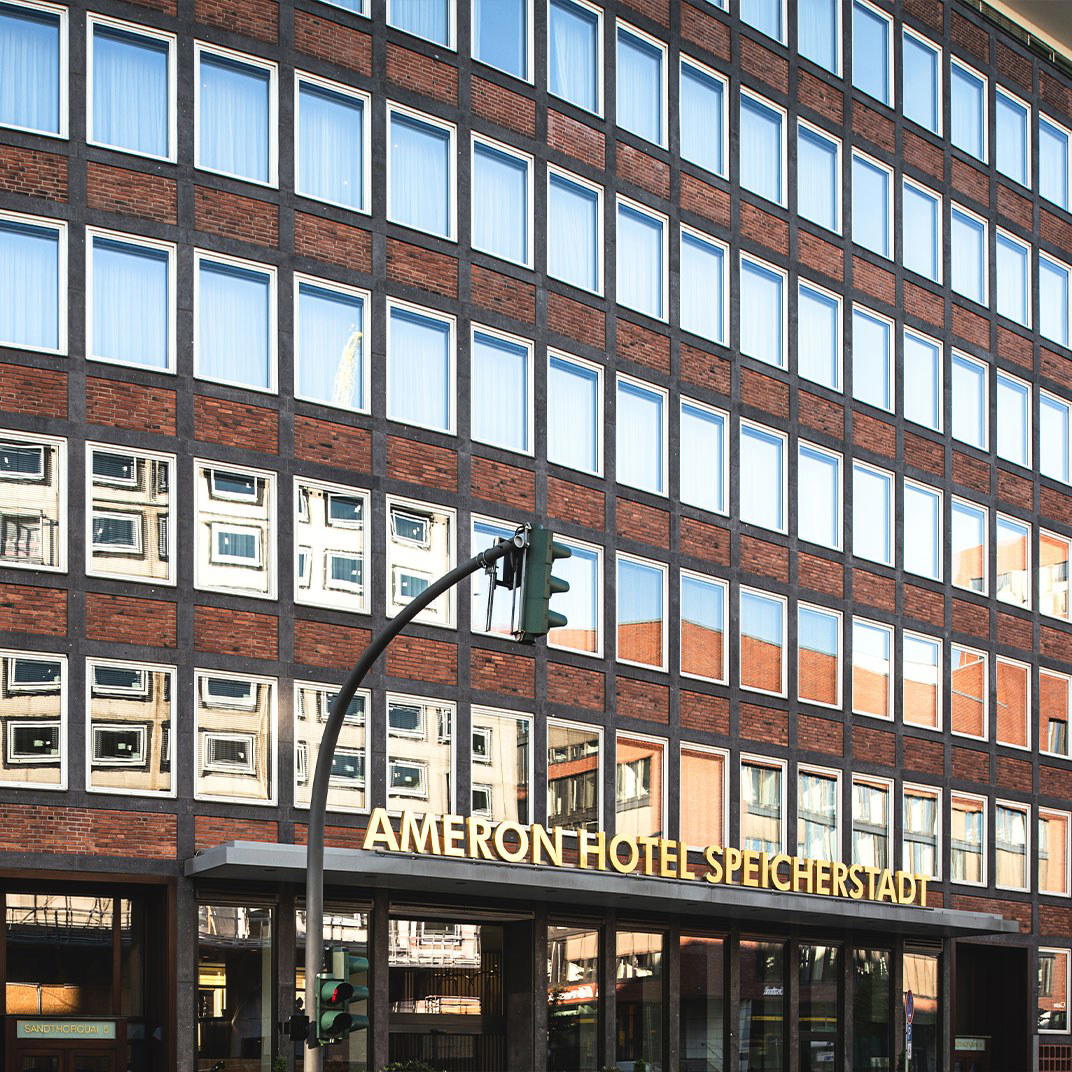
Brick, Water, and the Architecture of a Former Port City
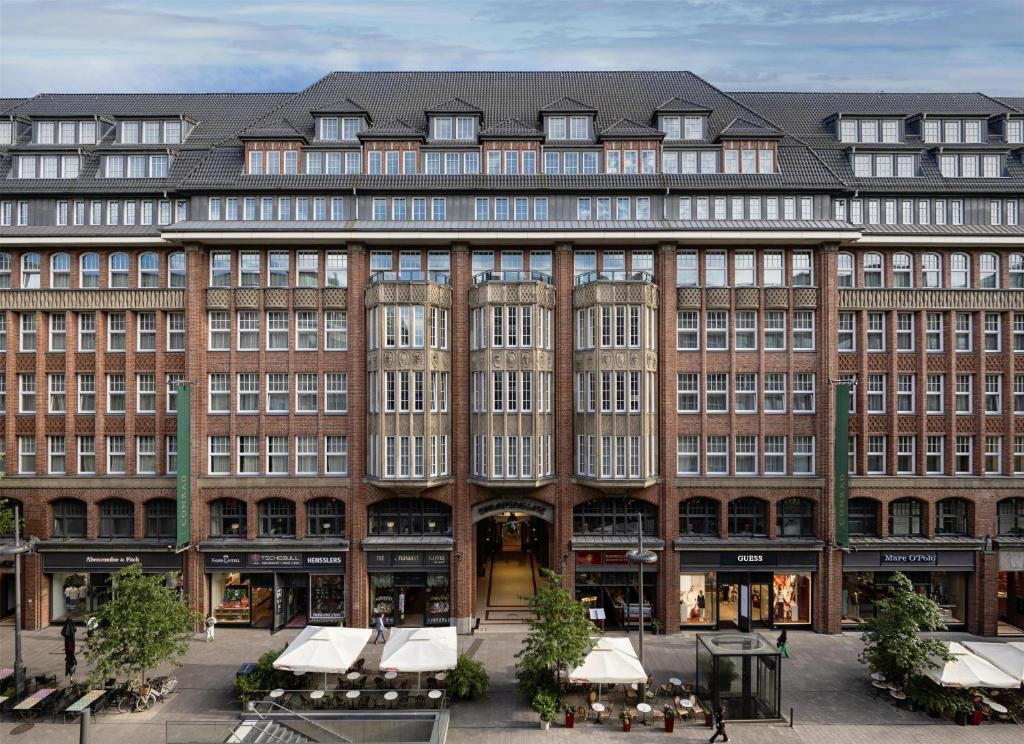
The Speicherstadt district did not arrive at its current reputation by accident. Built between 1883 and 1927 on a series of artificial islands in the Elbe estuary, it was for most of its life a working bonded warehouse zone — one of the largest in the world — where Hamburg's merchant class stored spices, coffee, tobacco, and carpets in conditions exempt from customs duty. The Gothic Revival warehouses that line its canals, known as Fleets, were designed to impress as much as to function: their dark red-brick facades, pointed gables, and cast-iron hoists project a mercantile seriousness that remains almost entirely intact today. Since 2015, the entire Speicherstadt, together with the adjacent Kontorhaus district, has held UNESCO World Heritage status. AMERON Hamburg Speicherstadt at Am Sandtorkai 4 is positioned directly within this fabric, occupying a converted warehouse building whose exterior reads as part of the district's continuous architectural envelope.
Among Hamburg's hotel options, the Speicherstadt address places the AMERON in a distinct tier. The city's longer-established luxury properties, including the Fairmont Hotel Vier Jahreszeiten on Binnenalster and The Fontenay on the western lake shore, draw on Alster-facing grandeur. The AMERON operates in a different register: its authority is architectural and historical rather than palatial, which attracts a different kind of guest.
What the Building Does to You
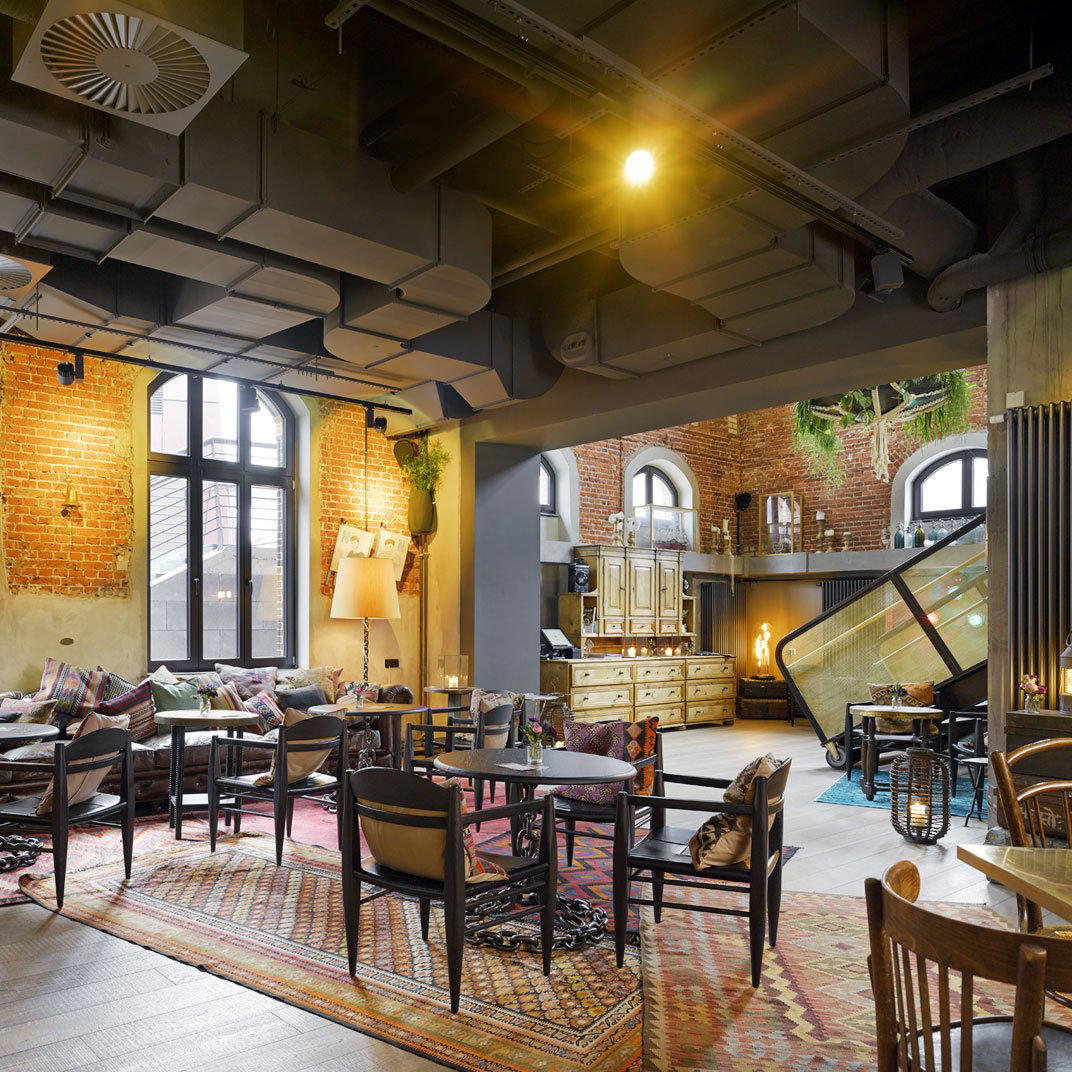
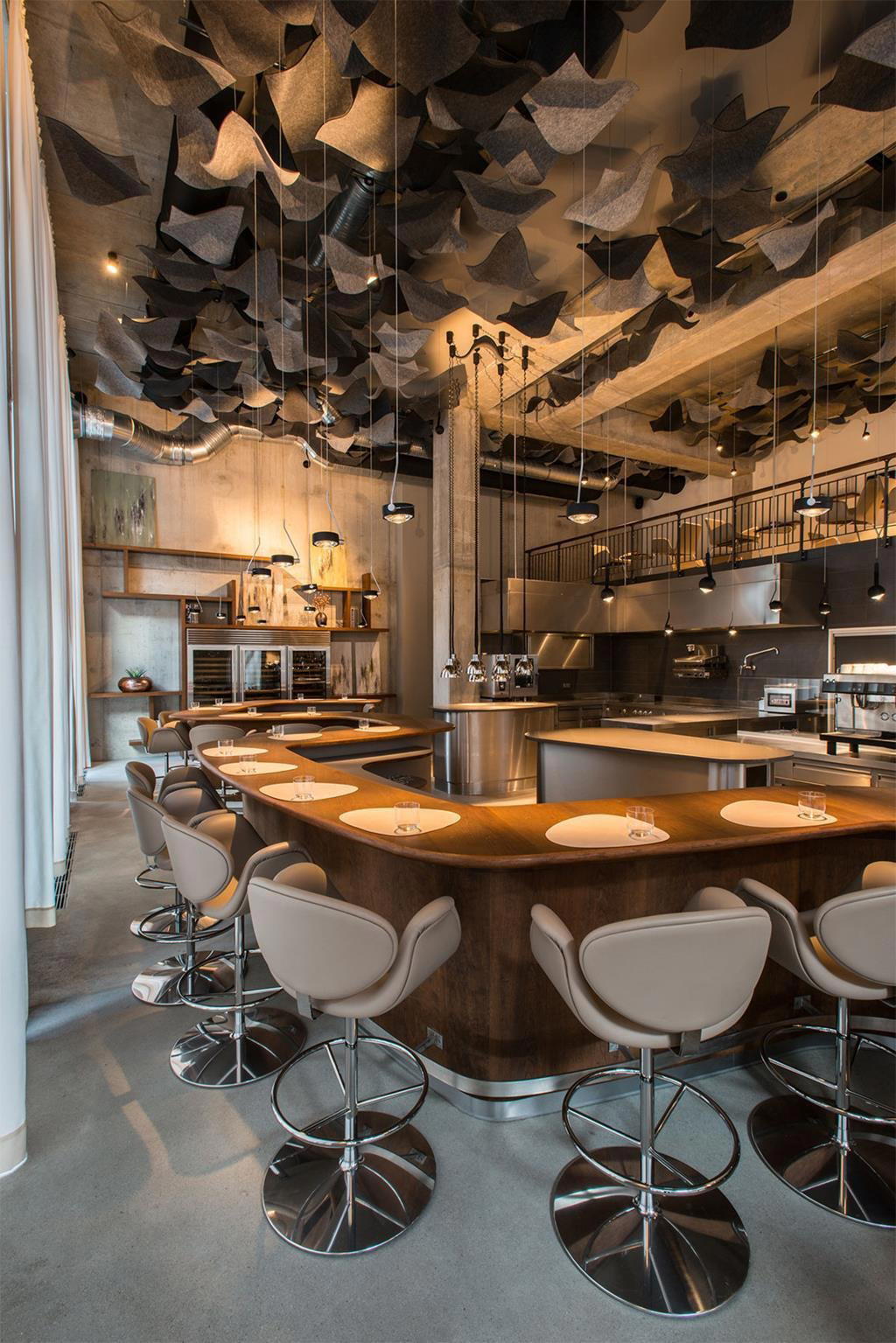
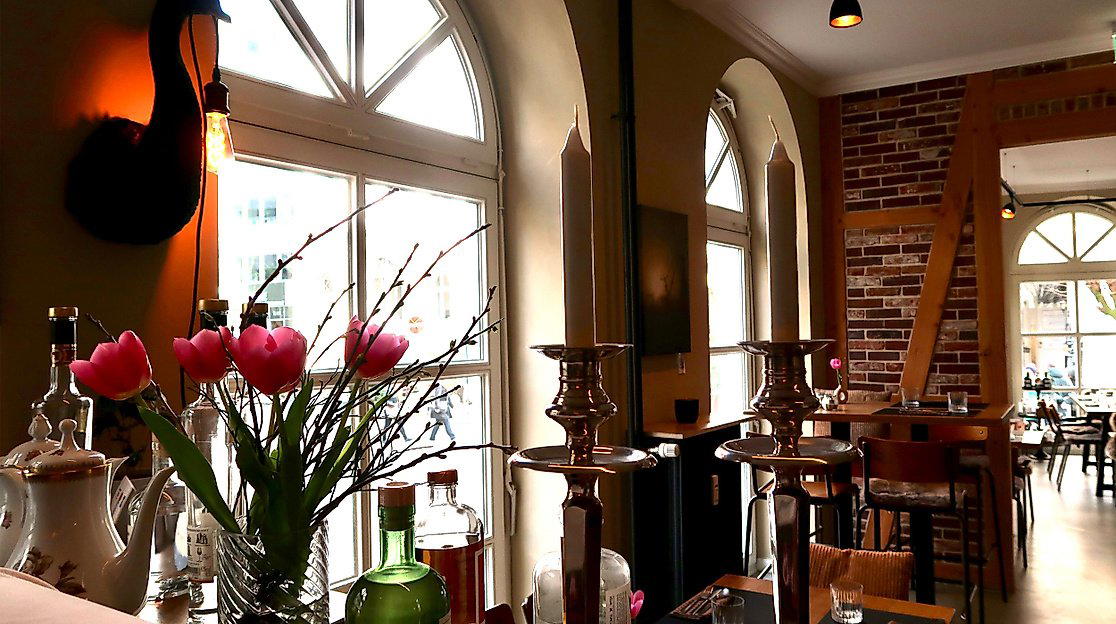
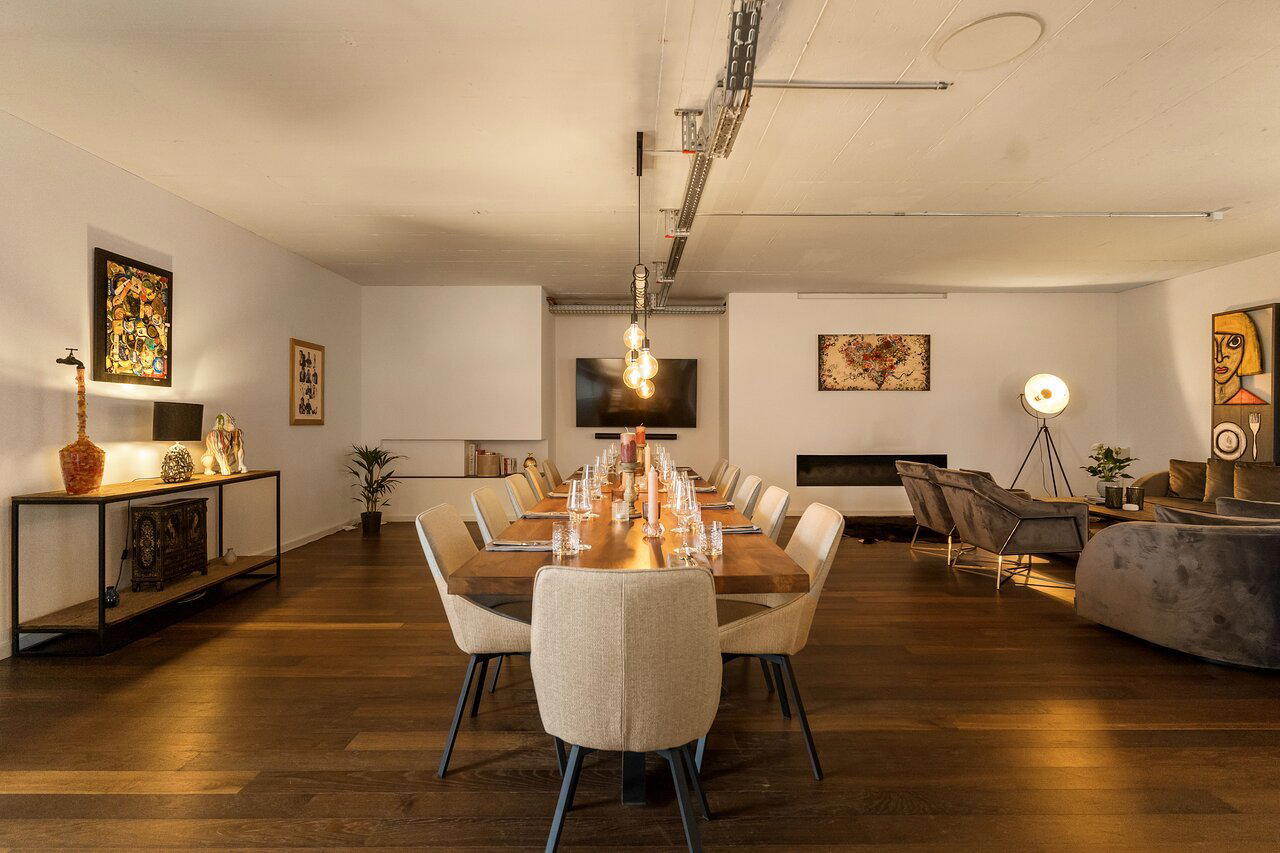
Approaching along the Sandtorkai, the warehouse aesthetic dominates before the hotel signage does. The ground floor retains the scale of its industrial past, high ceilings, exposed structural elements, and the kind of proportions that were built for goods movement rather than human comfort. The design strategy inside leans into that contrast: contemporary furnishings and warm lighting placed against original brickwork and heavy timber, a combination that Hamburg's conversion architects have refined across several HafenCity projects but that remains effective when executed with restraint.
The view dimension matters here. Rooms overlooking the Fleet canals face the Speicherstadt's most recognisable visual sequence, with warehouse facades reflected in dark water and the district's Gothic gables forming a skyline that feels more Bruges or Amsterdam than northern German port. This is not a selling point to be taken lightly: the architecture around the hotel is, in effect, part of what the hotel offers.
For context on how Hamburg's design-led hotel sector positions itself, the east Hamburg property in St. Pauli and the Gastwerk Hotel Hamburg in Bahrenfeld represent the industrial-conversion approach applied to different neighbourhoods. The Speicherstadt location gives the AMERON a heritage density those addresses cannot match.
HafenCity and the Immediate Neighbourhood
The hotel's position on the Sandtorkai sits at the boundary between the protected Speicherstadt and the newer HafenCity development, which means guests have access to both the district's preserved 19th-century character and one of Europe's most significant contemporary urban planning projects within a short walk. The Elbphilharmonie concert hall, completed in 2017 and now the district's most visible landmark, is reachable on foot. The nearby Apotheke an der Elbphilharmonie is another Michelin Selected property in this immediate zone, reflecting how HafenCity has developed a cluster of recognisable accommodation over the past decade.
The International Maritime Museum occupies a warehouse building in the Speicherstadt itself, and the district's carpet and spice trade heritage is documented across several small museums within the same blocks. For guests with time beyond the city centre, Hamburg's broader appeal is well covered in our full Hamburg restaurants guide.
Michelin Selection and What It Signals
Michelin Selected designation for 2025 positions the AMERON within the Michelin Hotels programme, which assesses accommodation independently from restaurant stars. Michelin Selected is the programme's entry recognition tier, indicating properties that meet criteria for comfort, character, and hospitality quality without reaching the higher Michelin Key distinctions.
For comparison within the broader Hamburg market, Hotel Louis C. Jacob on the Elbe's north bank and the Conrad Hamburg in the city centre represent different points in the local competitive set. The Garner Hamburg East occupies a more value-oriented position. The AMERON's Michelin recognition, combined with its address inside a UNESCO site, carves a legible niche.
Planning Your Stay
The hotel's address at Am Sandtorkai 4 places it within easy reach of Hamburg's central train station (Hamburg Hauptbahnhof) by taxi or public transport, with the U-Bahn's U4 line providing a direct connection to HafenCity from the city centre. The Speicherstadt is a walking district by design, its narrow canal bridges and warehouse-lined paths reward pedestrian exploration, and much of what makes the location valuable is experienced on foot rather than by car.
Booking through the hotel's official channels is the standard approach; the Michelin Hotels listing provides a verified reference point for room categories and current availability, though specific pricing and seasonal rates should be confirmed directly. The district draws significant visitor numbers year-round given its UNESCO status, and weekend availability in the converted warehouse hotels tends to compress during the Hamburg trade fair and congress calendar, which runs heavily through spring and autumn.
Germany's Wider Hotel Context
Travellers building a German itinerary around design-led and heritage properties will find the AMERON Speicherstadt sits coherently alongside options at the other end of the country. Properties like Althoff Seehotel Überfahrt in Rottach-Egern, Hotel Traube Tonbach in Baiersbronn, and Schloss Elmau Luxury Spa Retreat & Cultural Hideaway in Elmau serve a different geographic and experiential register, alpine, resort-oriented, while coastal alternatives like Söl'ring Hof in Sylt and BUDERSAND Hotel in Hörnum represent the North Sea and Wadden Sea options. Further options across Germany include Weissenhaus Private Nature Luxury Resort in Weissenhaus, Villa Contessa in Bad Saarow, Esplanade Saarbrücken, Luisenhöhe in Horben, Seezeitlodge Hotel & Spa in Gonnesweiler, Breidenbacher Hof Düsseldorf, Gut Steinbach Hotel Chalets Spa in Reit im Winkl, LA MAISON in Saarlouis. For those extending beyond Germany, The Fifth Avenue Hotel in New York City, Badrutt's Palace Hotel in St. Moritz, and Hôtel de Paris Monte-Carlo represent comparable heritage-anchored positioning in their respective markets.
At-a-Glance Comparison
Comparable venues nearby, for context on price, style, and recognition.
| Venue | Cuisine | Price | Awards | Notes |
|---|---|---|---|---|
| AMERON Hamburg SpeicherstadtThis venue — the venue you are viewing | Mid-century modern in historic warehouse building | $100–200 | Michelin Selected | Not listed |
| east Hamburg | Modern design hotel in historic foundry | $100–200 | Michelin Selected · Preferred Hotels Member | St. Pauli |
| The Nikolai Hamburg | Historic Kontorhaus blending heritage and modernity | Not listed | Michelin Selected | Hamburg-Altstadt |
| Gastwerk Hotel Hamburg | Industrial design hotel in a converted 19th-century power station | $100–200 | Michelin Selected · Design Hotels Member | Neumuehlen |
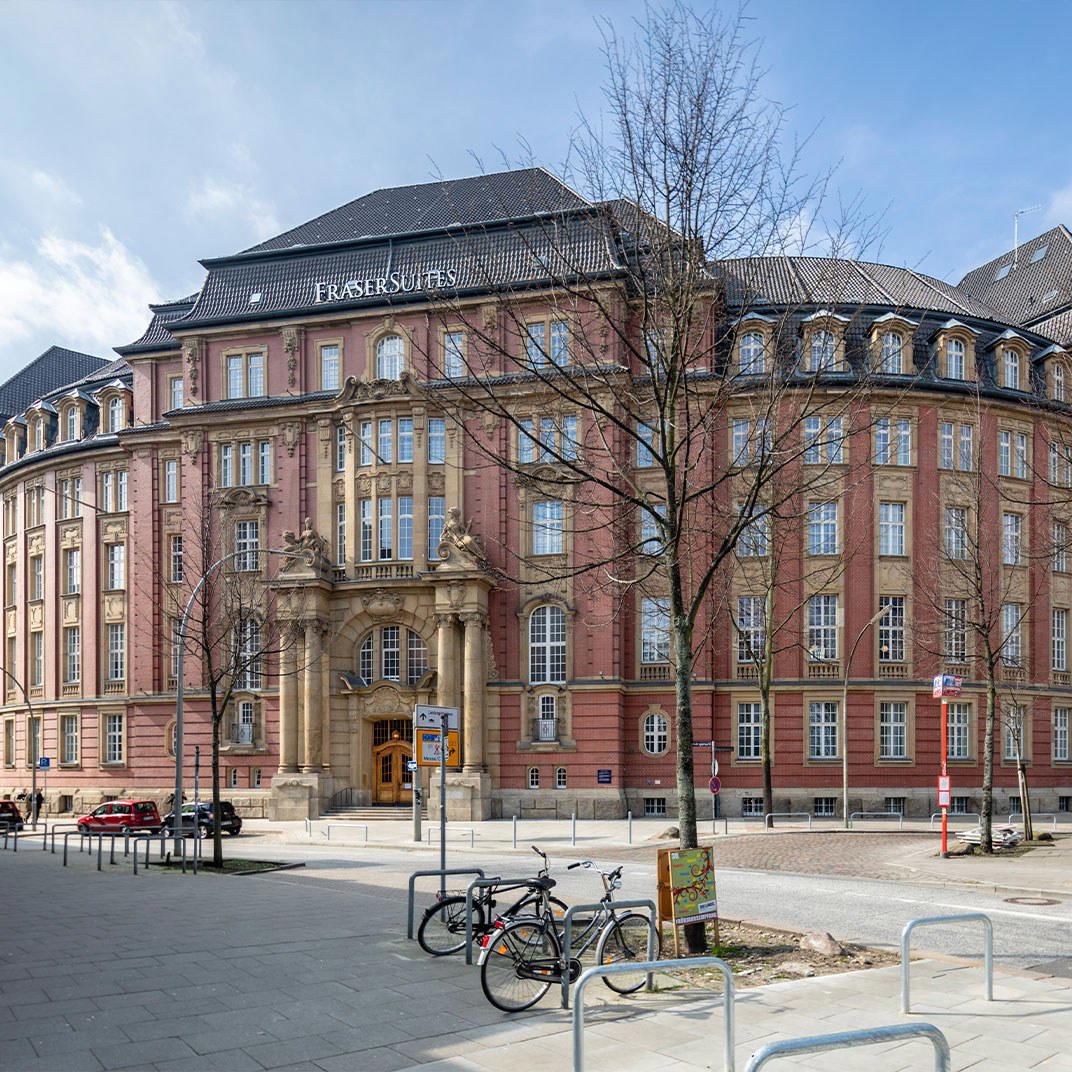
| Fraser Suites Hamburg | 5-star boutique serviced apartment hotel in a heritage building | Not listed | Michelin Selected | Hamburg-Altstadt |
| Steigenberger Hotel Hamburg | Elegant country house with modern renovations | $100–200 | Michelin Selected | Alstertal |
Recognition history
Dated appearances from independent guides and award organizations, with the underlying list record or original source where available.
Michelin Selected
Michelin
Continue exploring
More in Hamburg
Hotels in Hamburg
Browse all →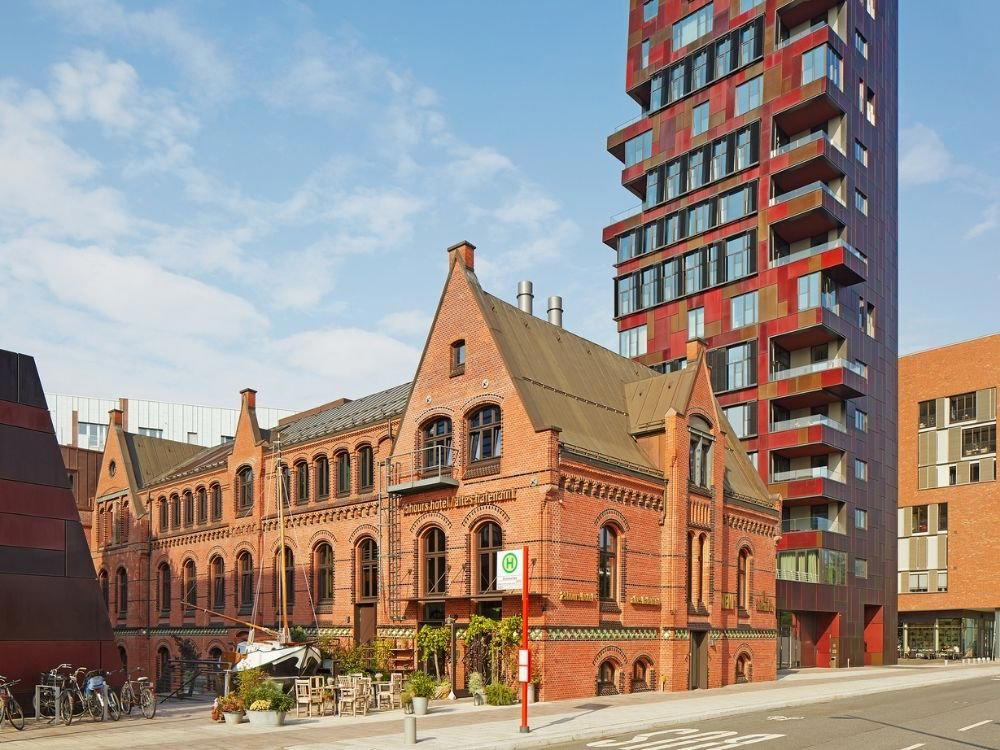
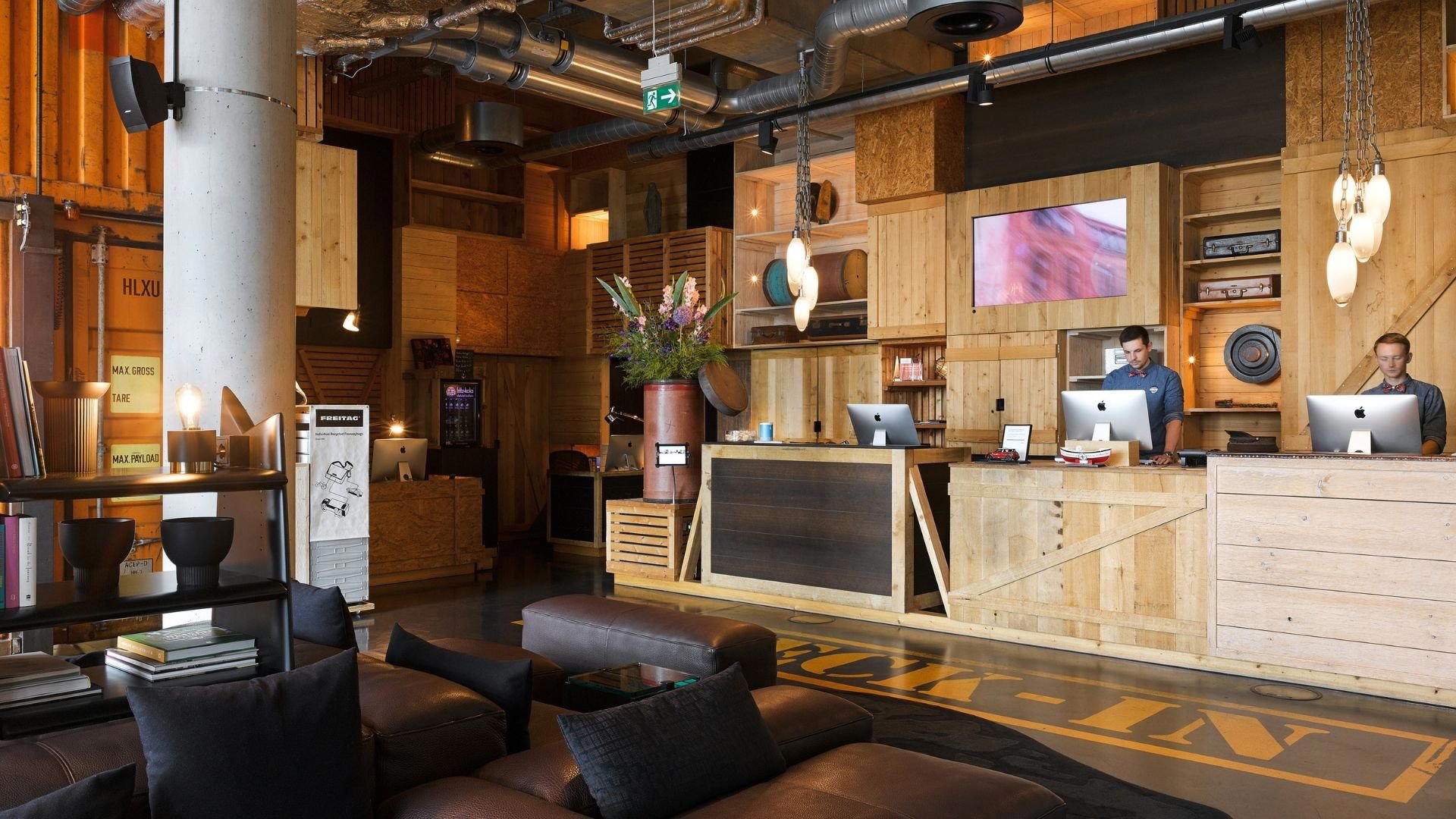
Bars in Hamburg
Browse all →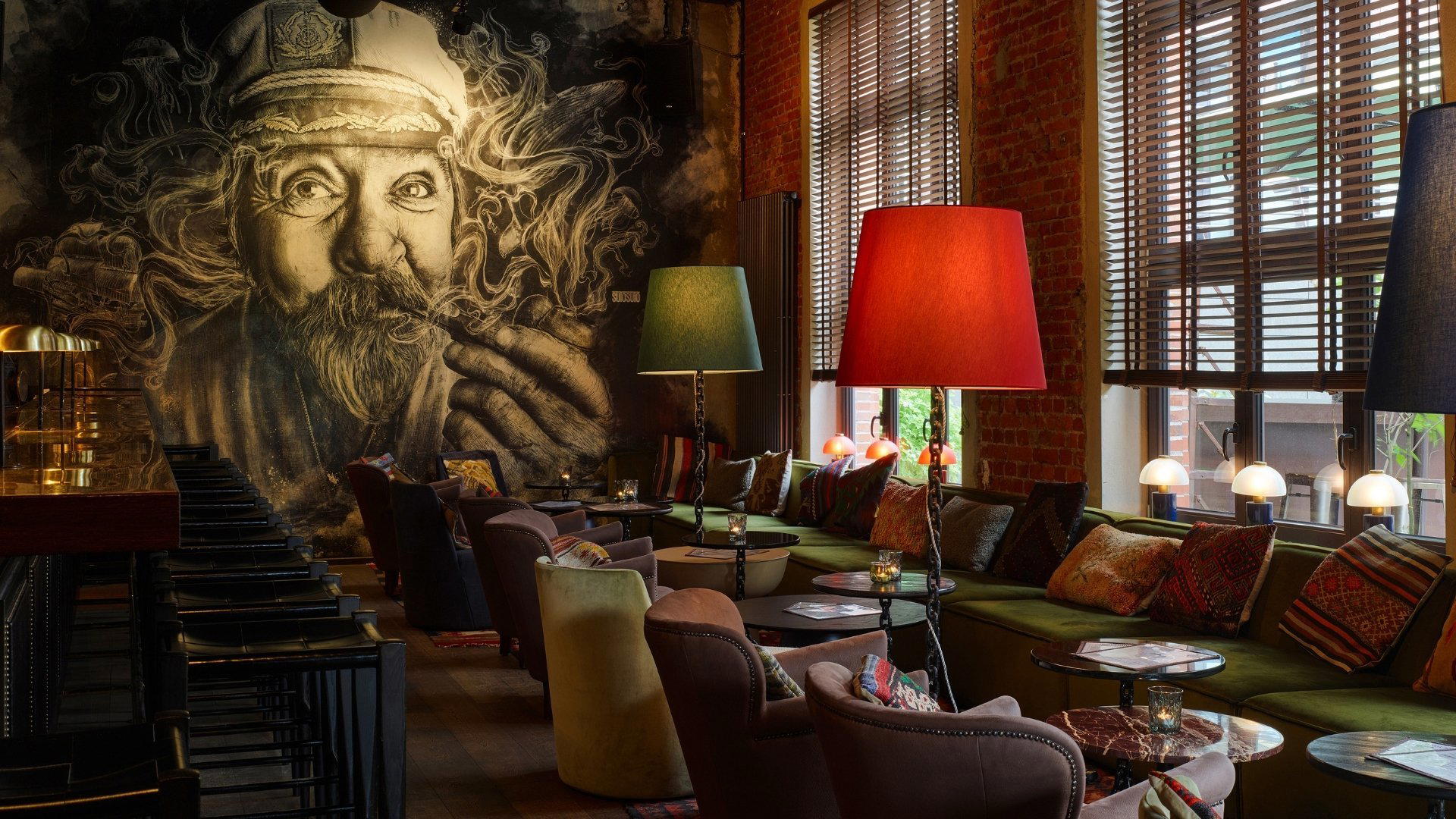
Restaurants in Hamburg
Browse all →
Wineries in Hamburg
Browse all →
Details
- Elegant
- Modern
- Sophisticated
- Cozy
- Business Trip
- Weekend Escape
- Historic Building
- Terrace
- Wi Fi
- Spa
- Fitness Center
- Room Service
- Concierge
- Waterfront
- Street Scene
- Wheelchair Accessible
- Elevator
- Step Free Entrance
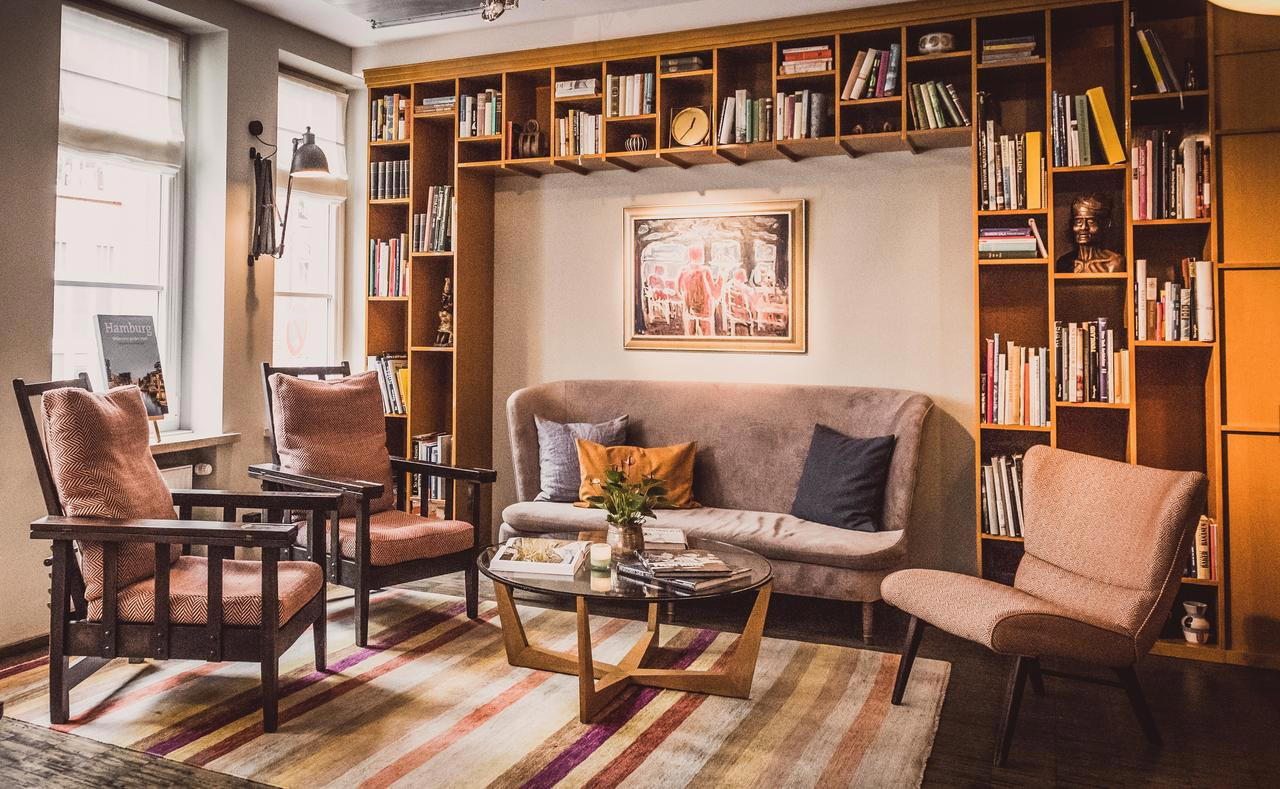
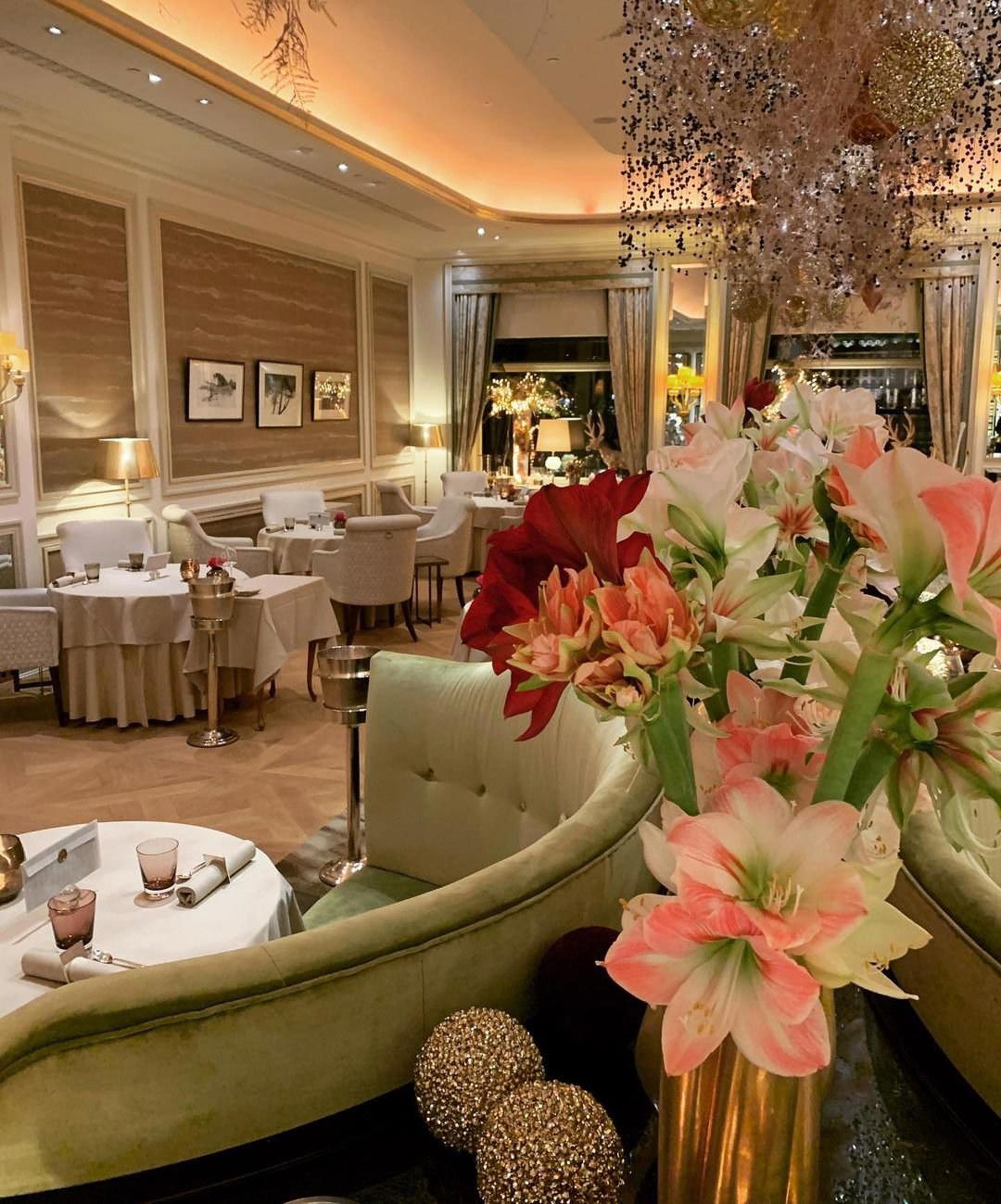
Sophisticated atmosphere with warm colors, dark woods, velvet furnishings, and gold accents evoking 1950s-60s elegance in a historic setting.