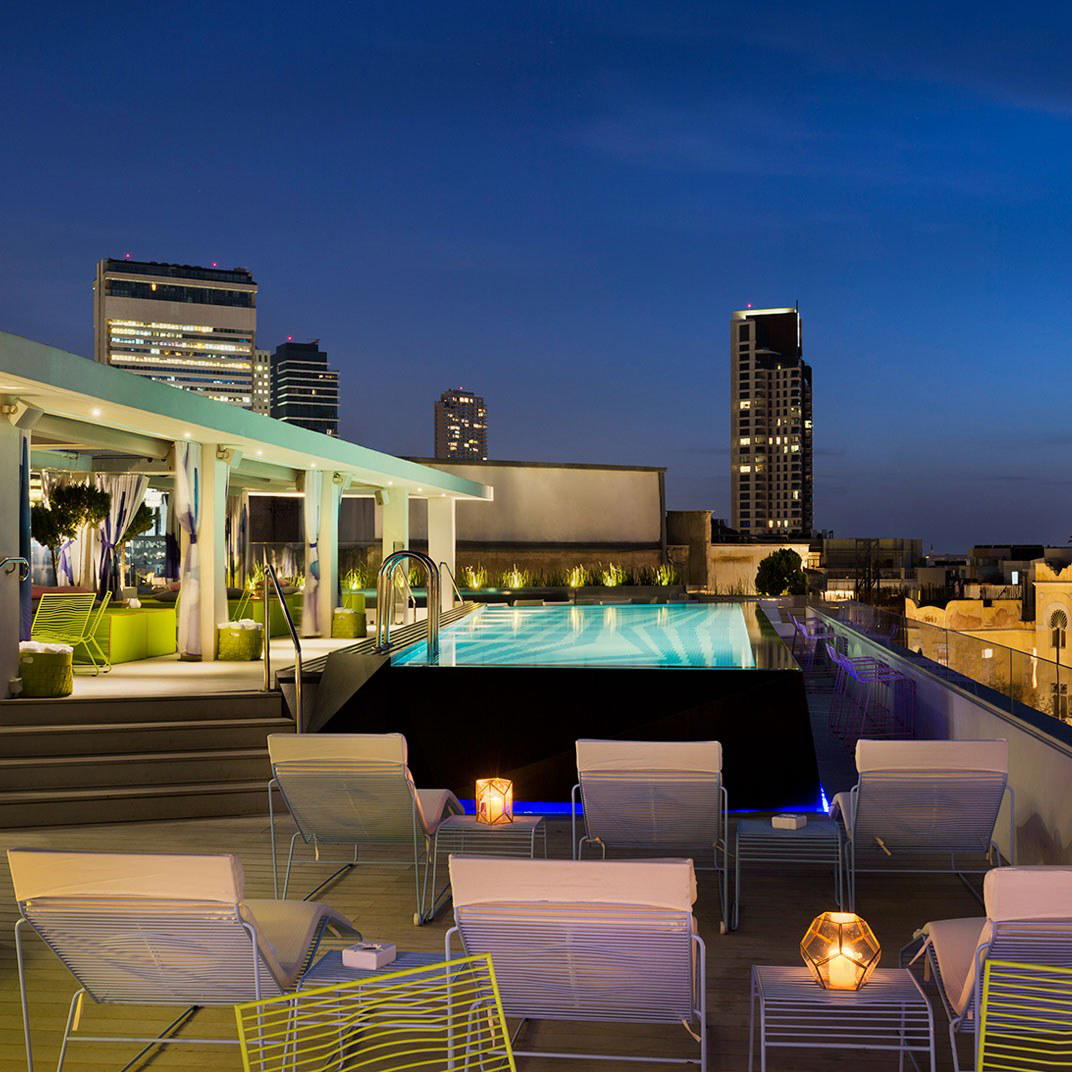
The Vera Hotel sits on Lilienblum Street in Tel Aviv's Neve Tzedek-adjacent financial district, where the city's oldest bar culture and emerging design hotel scene intersect. The address places guests within walking distance of the Carmel Market, the Jaffa flea market belt, and the dense restaurant corridor of Rothschild Boulevard — positioning the property as a genuinely urban base rather than a seafront retreat.
Pearl is the En Primeur Club membership app — saves, bookings, and concierge access live there. Same editors, same standards.
- Address
- Lilienblum St 27, Tel Aviv-Yafo, 6513102, Israel
- Phone
- +972 3 778 3800
- Website
- theverahotel.com
- Directions
- Get directions
 Saves & bookings on Pearl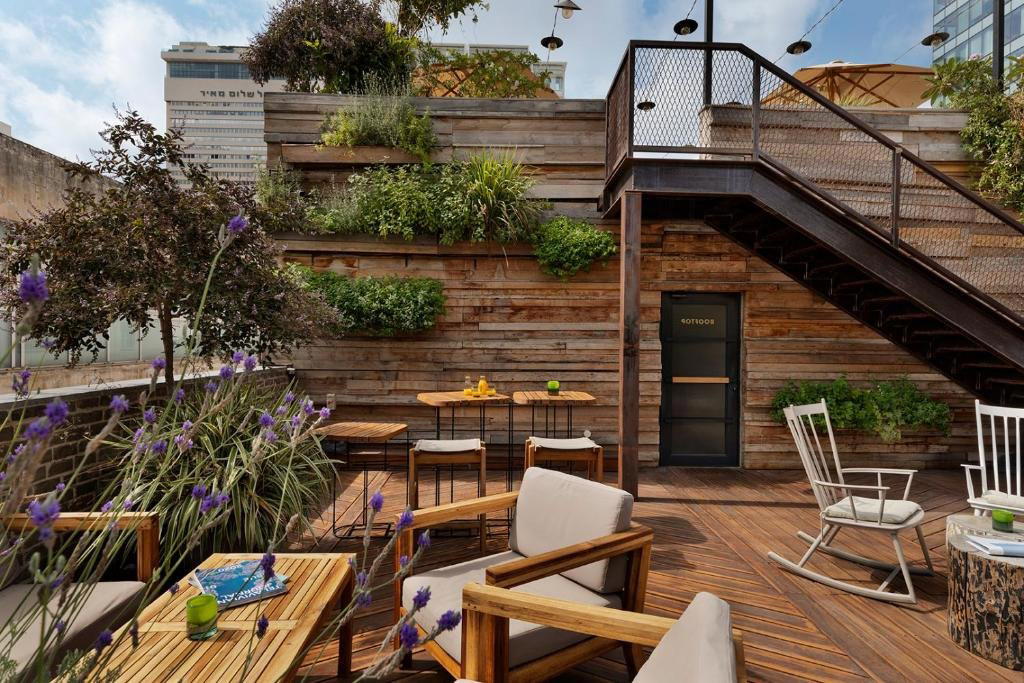
Lilienblum Street and What It Means to Stay Here
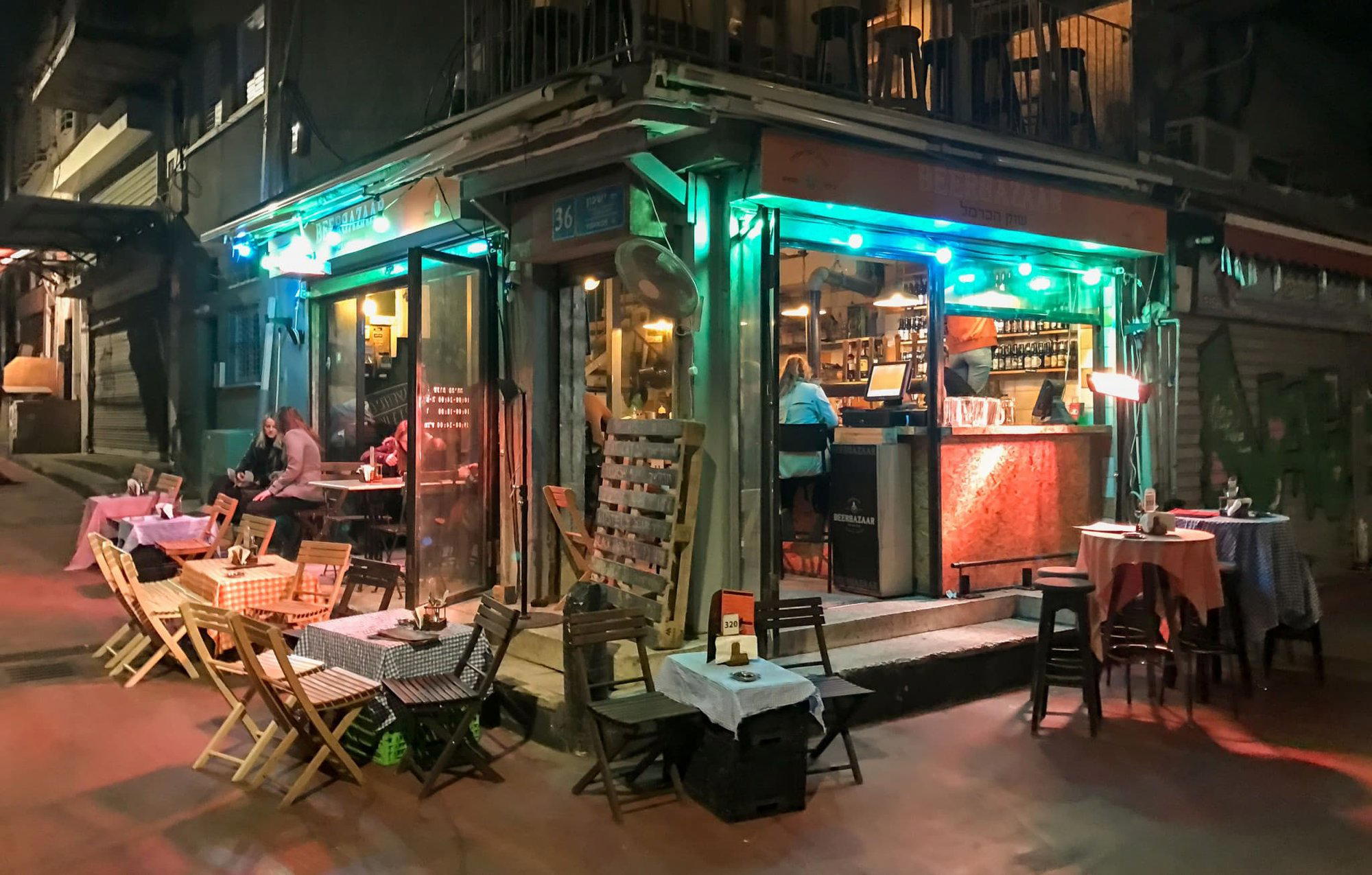
Lilienblum Street occupies a specific register in Tel Aviv's urban geography. It runs through the lower end of the city's financial district, close enough to Neve Tzedek to share its early-twentieth-century building stock, yet removed from the beachfront hotel corridor where most large international properties cluster. The street has historically housed some of the city's older wine bars and late-night institutions, and the blocks around it connect quickly to Rothschild Boulevard's café and restaurant density, the Carmel Market to the north, and the Jaffa transition zone to the south. Staying here means choosing urban grain over seafront spectacle — a decision that shapes every hour of the day, not just the view from the room.
Tel Aviv's hotel market has split clearly over the past decade. On one side sit the large-footprint properties along Herbert Samuel and the beachfront — places like Dan Tel Aviv, David InterContinental Tel Aviv, and The David Kempinski Tel Aviv, that trade on sea views, scale, and conference infrastructure. On the other side, a smaller cohort of design-conscious, neighbourhood-embedded properties has grown in areas like Neve Tzedek, Florentin, and the Rothschild corridor. The Vera Hotel sits in that second grouping, where the address itself is the amenity and the surrounding streets do much of the experiential work.
The Neighbourhood as Context for the Stay
The southern end of Tel Aviv where Lilienblum runs is among the most historically dense parts of the city. Neve Tzedek, immediately adjacent, was the first Jewish neighbourhood built outside Jaffa in the 1880s, and its low-rise, pastel-toned buildings have survived largely intact through successive waves of urban change. The area around it now houses a concentration of independent restaurants, design studios, and small galleries that make it a reference point for the city's cultural output rather than just its nightlife reputation.
Rothschild Boulevard, a short walk north, functions as Tel Aviv's most legible public space: a tree-lined promenade flanked by Bauhaus buildings, outdoor seating, and a cycling lane used heavily from early morning. The boulevard's restaurant and café density is among the highest in the city, and the range runs from fast casual to serious wine-focused dining rooms. Guests at a Lilienblum address can reach this corridor on foot in a few minutes, without crossing any major arterial roads.
The Carmel Market, Tel Aviv's largest open-air market, is similarly accessible. On Friday mornings it operates at a different rhythm than weekdays, more produce, shorter hours, heavier foot traffic, which is worth factoring into planning if the market is on the itinerary. The adjacent HaCarmel street and the Kerem HaTeimanim neighbourhood that borders it offer some of the city's most condensed street food eating.
Jaffa, which formally merges with Tel Aviv to the south, is walkable from Lilienblum Street along the promenade or through the internal streets. The Jaffa flea market area has become a focal point for design-led dining and vintage retail, while the old city's hilltop and port retain a different, older character. Properties like The Jaffa Hotel, Tel Aviv are embedded in that district; staying at the Vera means the Jaffa experience is a destination rather than a doorstep, which suits travellers who prefer to approach the old city as a separate excursion.
How the Vera Sits Within Tel Aviv's Design Hotel Cohort
The design-led boutique category in Tel Aviv has grown to include properties with distinct editorial identities. Hotel Montefiore operates at the intersection of Rothschild and Montefiore with a small room count and a restaurant that draws non-guests regularly. Alma Hotel works a similar model in the White City's Bauhaus stock. Brown TLV Urban Hotel has anchored a different price point further along the same neighbourhood axis. The Drisco Tel Aviv, one of the city's oldest continuously operating hotels, takes a restoration-heritage approach in the American Colony building near the port.
The Vera's Lilienblum address puts it in the southernmost position of this cohort, closer to the Neve Tzedek boundary than any of the above. That specificity matters: the evening character of the streets around Lilienblum, denser with wine bars and low-lit dining rooms than the boulevard's daytime café culture, means the hotel functions differently at 10pm than it does at 8am. Travellers who prefer a neighbourhood that activates after dark will find the location relevant in a way that a beachfront address is not.
Planning a Stay: What to Know
Tel Aviv's peak periods cluster around Jewish holidays in autumn (Rosh Hashanah through Sukkot, typically September to October) and the summer months from June through August, when Mediterranean heat keeps the city at high occupancy. The shoulder months of April, May, and November offer more moderate temperatures and somewhat easier movement through the city's popular market and restaurant areas. Friday afternoons bring early closures across much of the city ahead of Shabbat, which runs from sundown Friday to Saturday night, a logistical detail that affects everything from supermarket access to restaurant hours, and which new visitors consistently underestimate.
For travellers considering Israel more broadly, the country's hotel geography is wider than Tel Aviv alone. The Negev desert, accessible to the south, has drawn serious hospitality investment: Beresheet in Mizpe Ramon and Six Senses Shaharut in Shaharut represent two different approaches to remote luxury in the crater landscape. Jerusalem, forty-five minutes east by highway, is served by properties including the David Citadel Hotel. The northern coast offers a different register again, with The Efendi Hotel in Acre occupying a restored Ottoman building in the old city. A Vera stay in Tel Aviv fits naturally as an urban anchor within a multi-city Israel itinerary.
For a broader view of where the Vera sits relative to the full Tel Aviv hotel and restaurant scene, see our full Tel Aviv restaurants guide.
Continue exploring
More in Tel Aviv
Hotels in Tel Aviv
Browse all →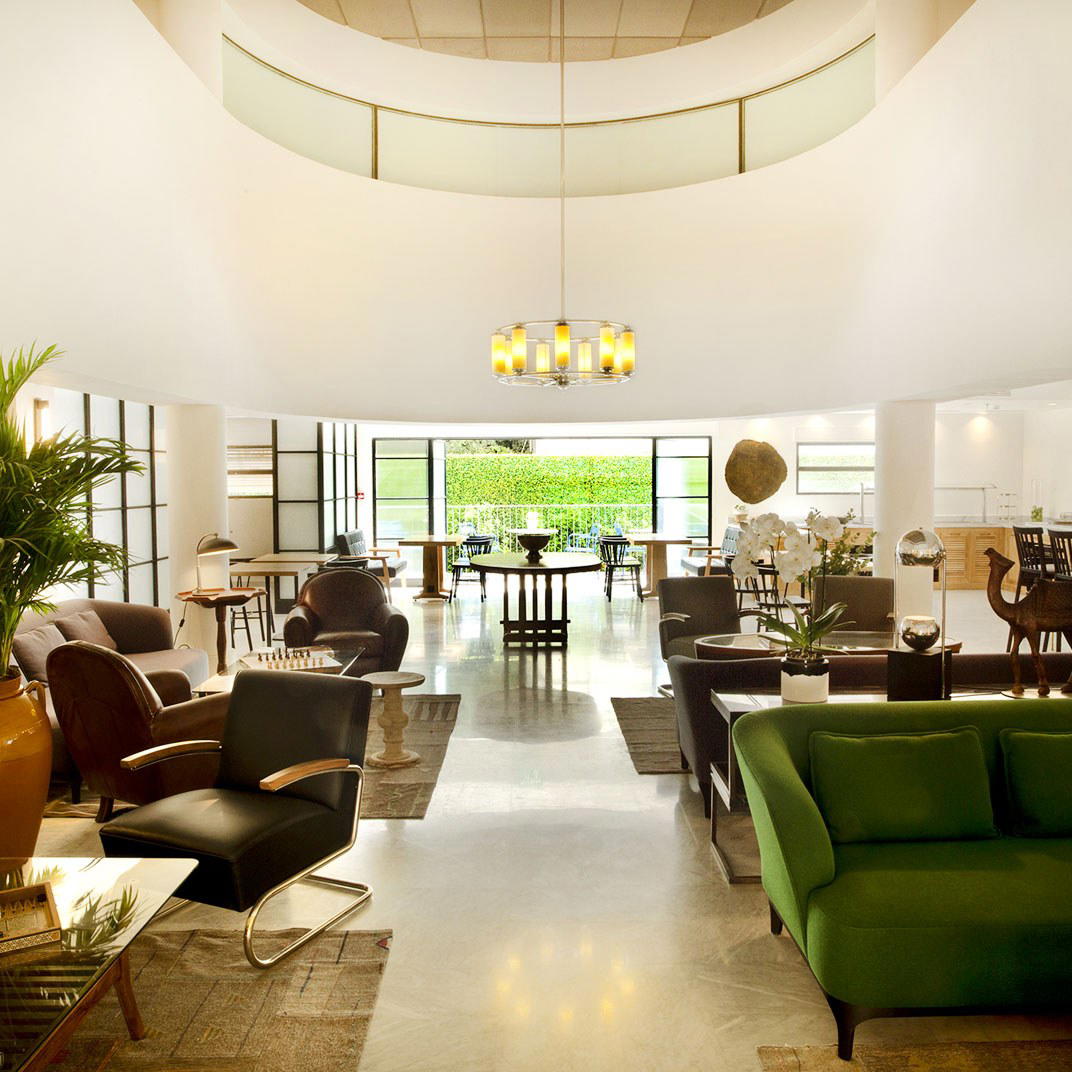
Bars in Tel Aviv
Browse all →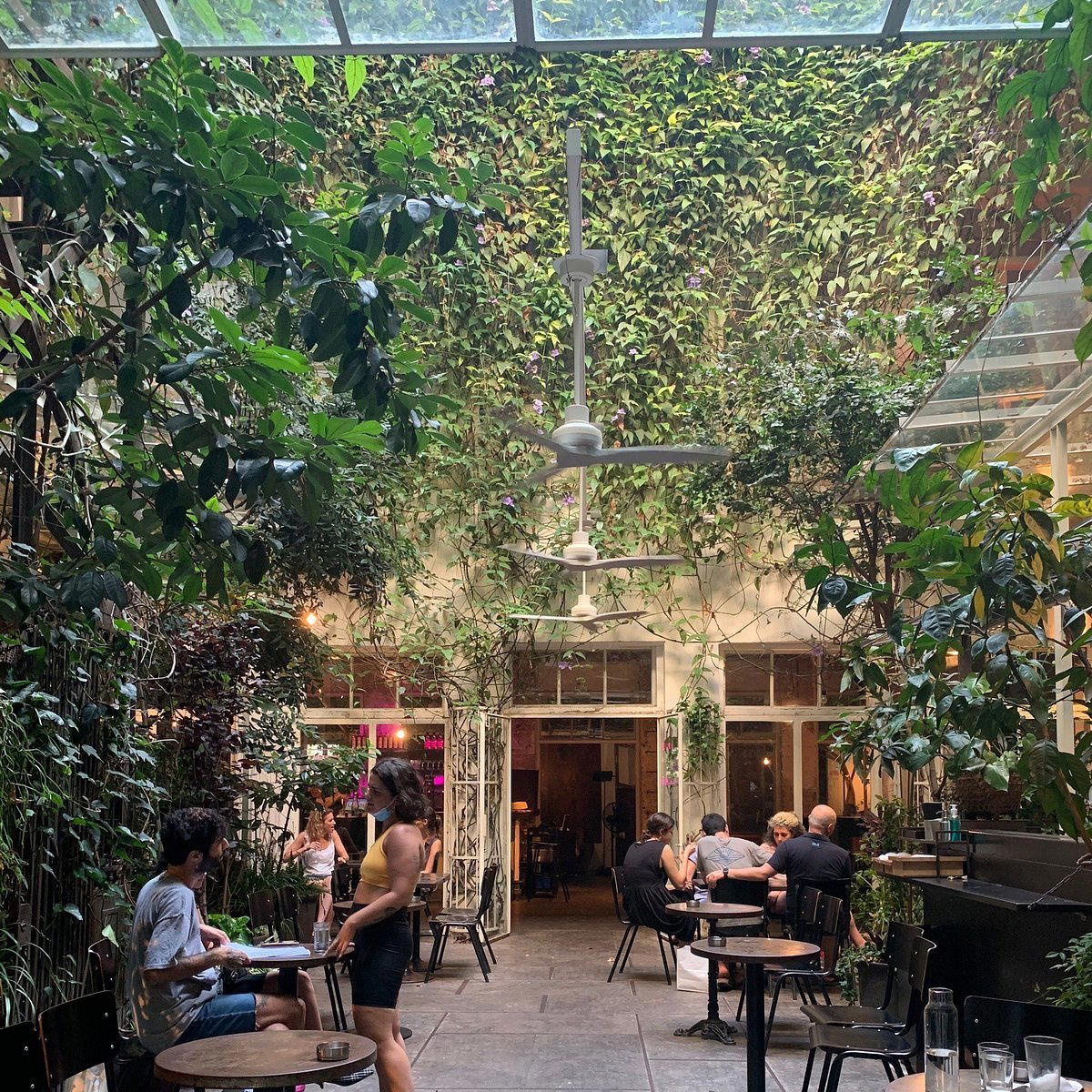
Restaurants in Tel Aviv
Browse all →

At a Glance
- Modern
- Minimalist
- Elegant
- Trendy
- Romantic Getaway
- Weekend Escape
- Rooftop Pool
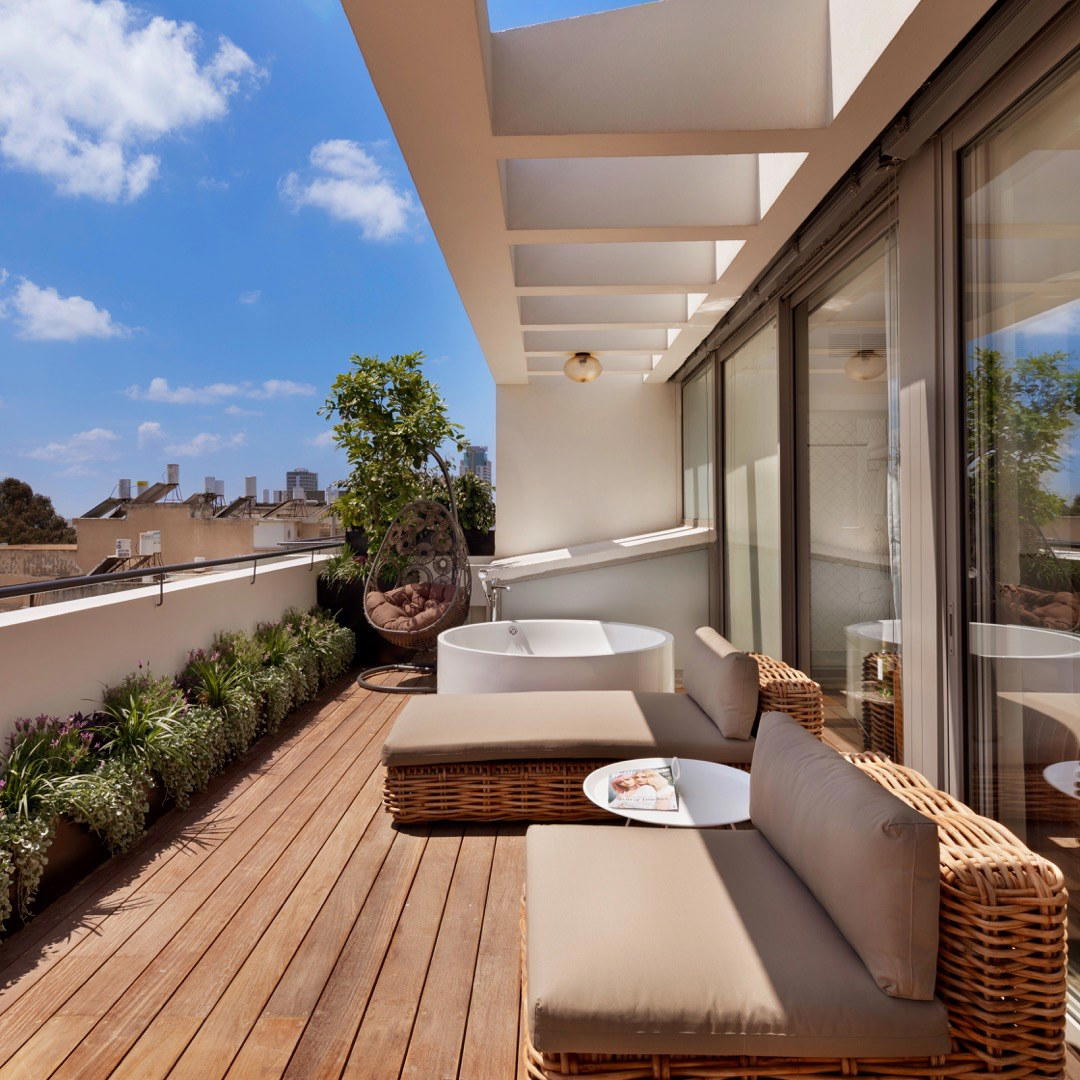
- Terrace
- Garden
- Wi Fi
- Spa
- Fitness Center
- Room Service
- Concierge
- Garden
- Skyline
- Street Scene
- Wi Fi
- Spa
- Fitness Center
- Room Service
- Concierge
- Garden
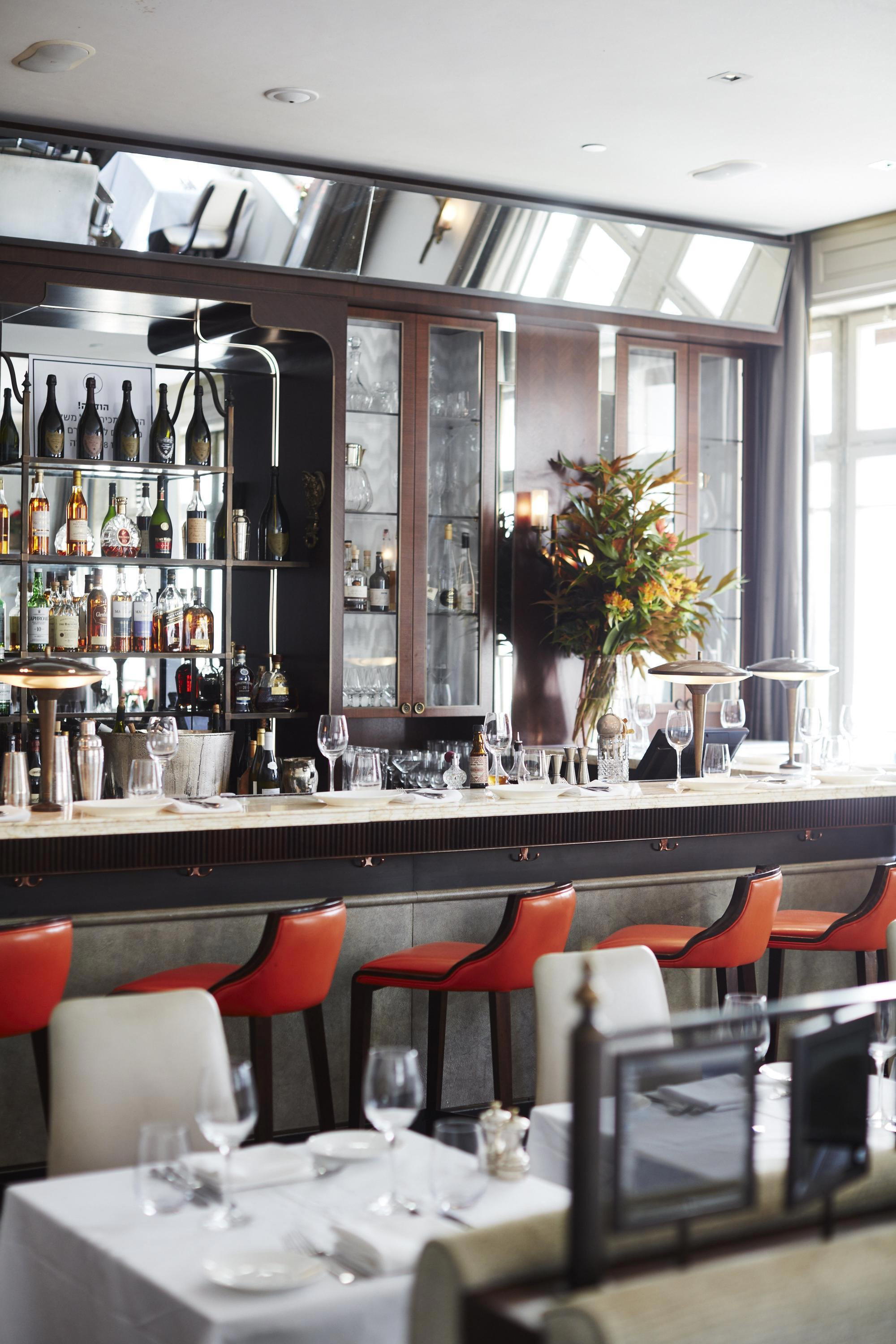
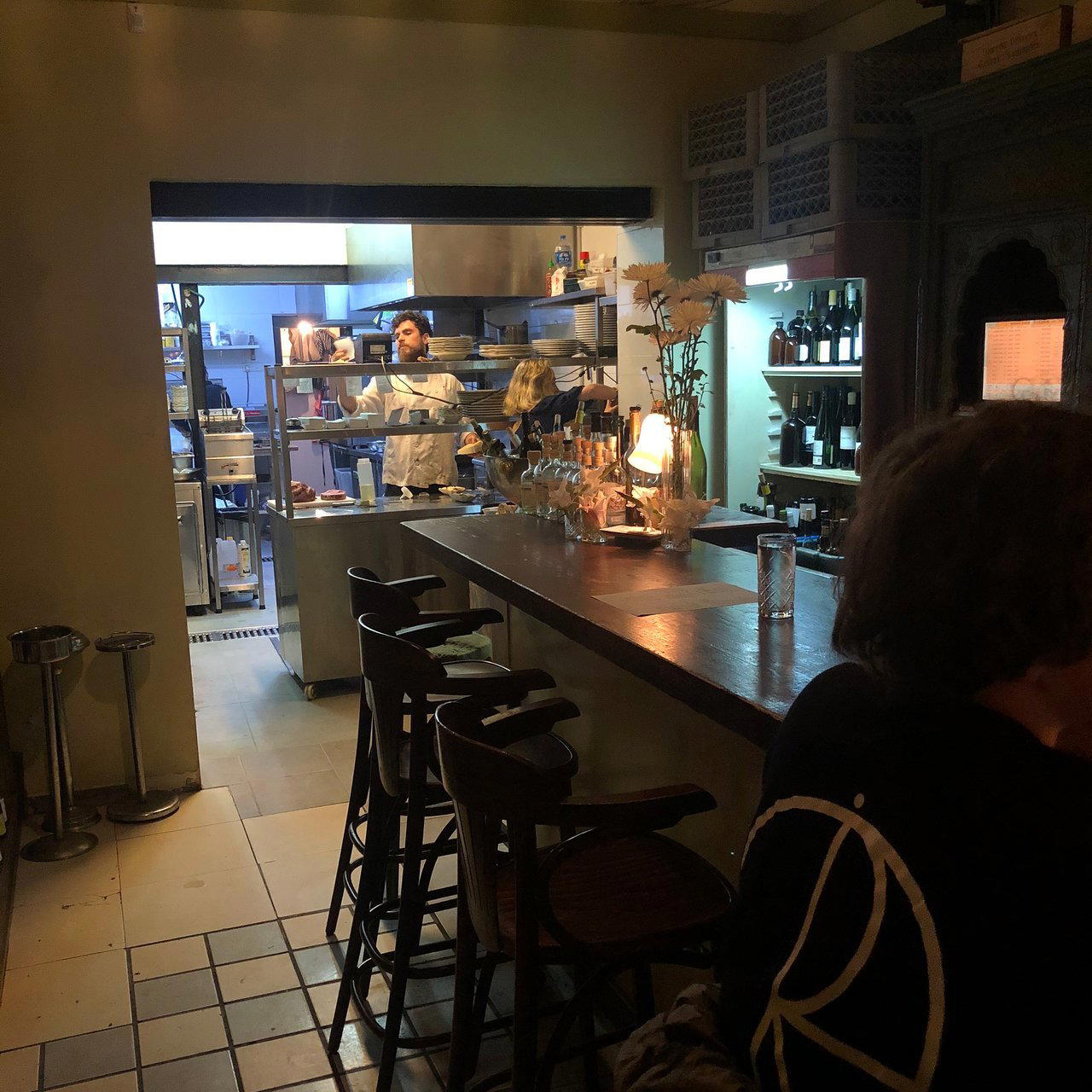
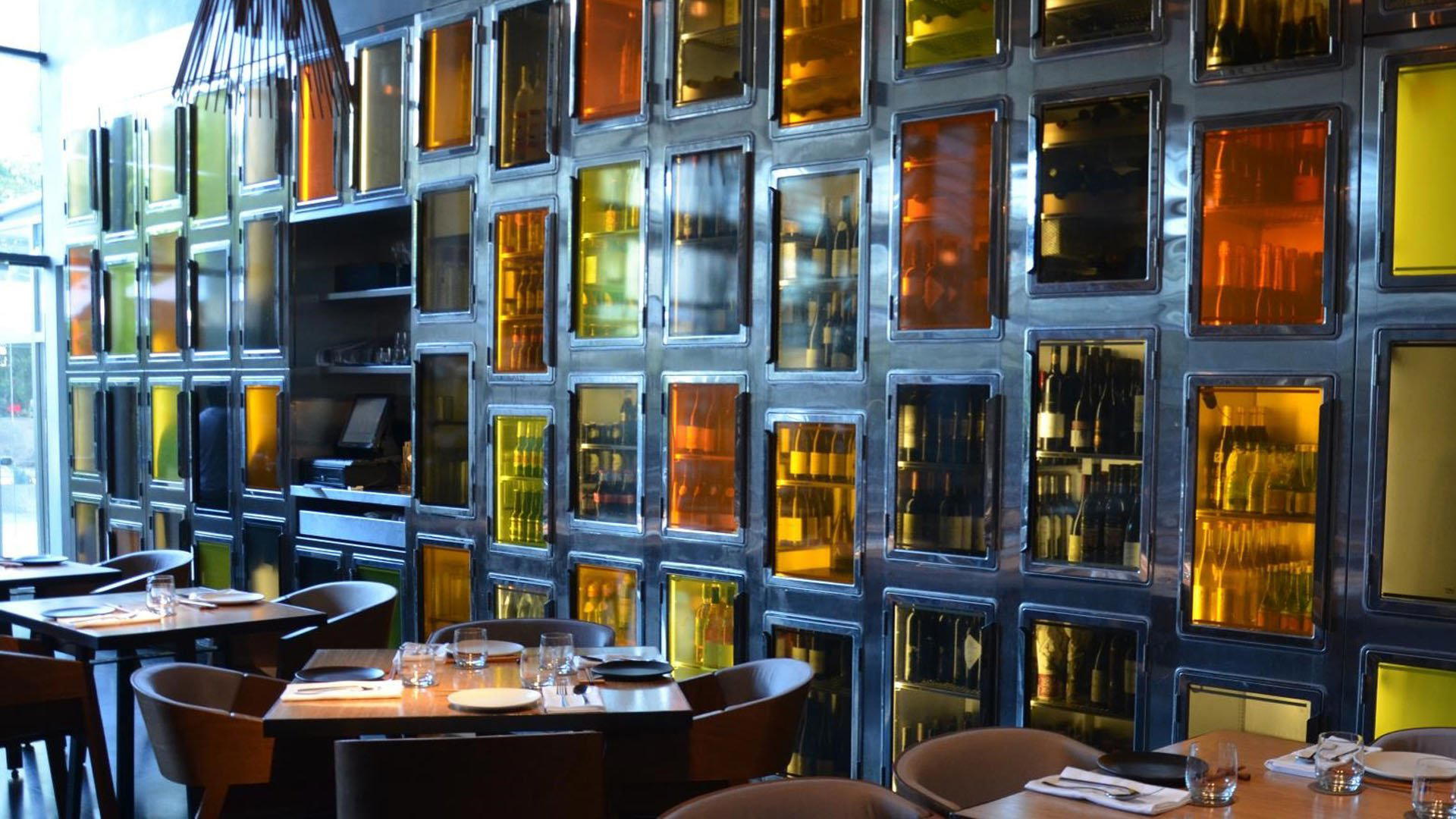
Raw unplastered walls, polished concrete, engraved tin ceilings, natural minimal palette of cream, black, white and grey with caramel leather, wood, blackened steel accents, and abundant greenery creating a relaxed industrial-chic atmosphere.
Know Before You Go
- Getting there
- Lilienblum St 27, Tel Aviv-Yafo, 6513102, Israel