
Bergen's most culturally anchored boutique hotel occupies a prominent address on Vågsallmenningen, weaving the city's musical heritage into its contemporary design. Run by descendants of composer Edvard Grieg, Opus XVI operates in a small niche where historical connection and design ambition matter more than brand scale. For visitors wanting Bergen's character expressed through architecture and atmosphere rather than chain-hotel uniformity, it belongs at the summit of the shortlist.
Pearl is the En Primeur Club membership app — saves, bookings, and concierge access live there. Same editors, same standards.
- Address
- Vågsallmenningen 16, 5014 Bergen
- Phone
- +47 53 01 22 00
- Website
- opusxvi.no
- Directions
- Get directions
 Saves & bookings on Pearl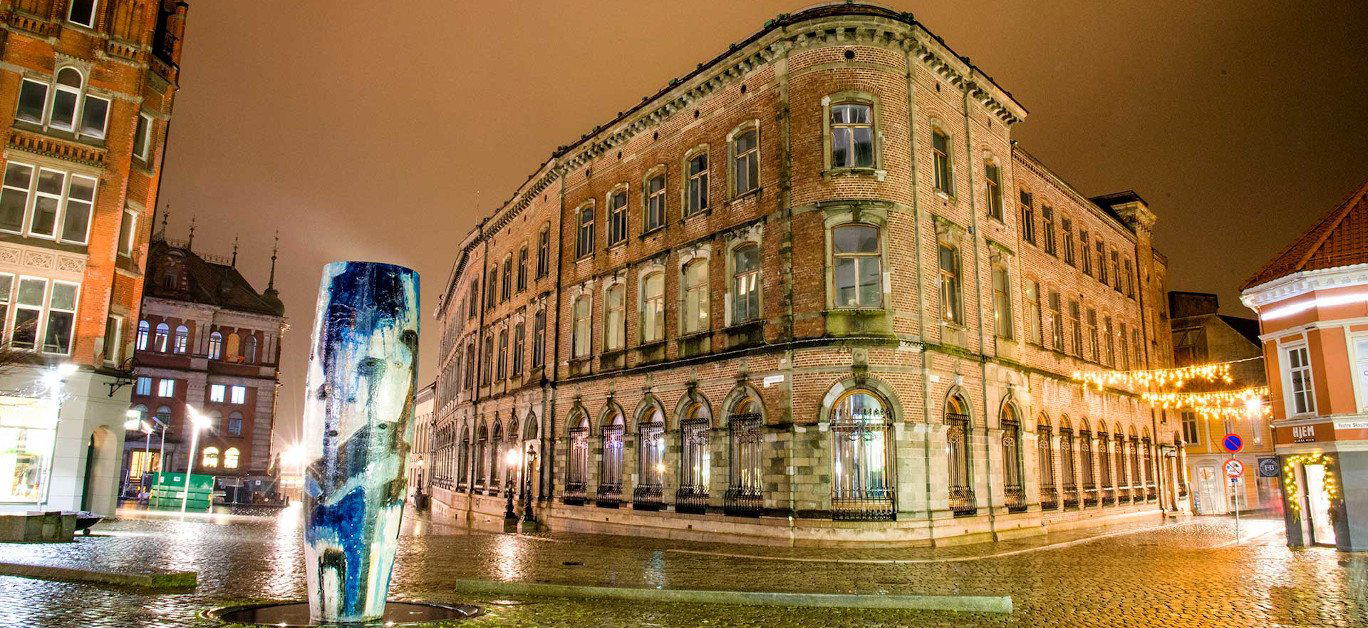
Where Bergen's Cultural Identity Takes Physical Form
Opus XVI is a hotel in Bergen, set at Vågsallmenningen 16 and priced from $273 per night. Bergen operates differently. The city's compact historic core, flanked by seven mountains and shaped by centuries of Hanseatic trade, has produced a handful of hotels where that relationship goes much deeper. Opus XVI, at Vågsallmenningen 16, sits in that smaller category. The address puts it at one of Bergen's central pedestrian spaces, a short walk from the Bryggen wharf and within the web of alleys and timber-fronted buildings that give the city its distinct urban grain.
The framing that matters here is musical rather than architectural in the conventional sense. The hotel takes its name from the piano concerto in A minor by Edvard Grieg, Bergen's most celebrated composer, and is run by members of the Grieg family. That is not mere branding. The choice of Opus 16 as a structural metaphor, a composition built from distinct parts that resolve into a coherent whole, shapes how the property positions itself: not as a monument to the past, but as a contemporary property that carries historical weight without being defined by nostalgia.
Design Principles and the Boutique Tier
Norway's premium hospitality has split over the past decade into two distinct modes. The first is the dramatic-landscape property: remote, architecturally expressive, positioned against fjords or forests. Juvet Landscape Hotel in Valldal and Storfjord Hotel in Glomset operate in this category, where the building is in explicit dialogue with terrain. The second mode is the urban cultural property: smaller, more curated, where design choices are read against the city's own aesthetic codes rather than a natural panorama. Opus XVI belongs firmly in that second group, comparable in spirit to Amerikalinjen in Oslo, which similarly draws its identity from a specific chapter of Norwegian cultural history.
What defines this tier is the primacy of editorial intention in spatial decisions. Rather than uniformity across rooms or the anonymous comfort of a chain hotel, properties at this level use material choices, object selection, and spatial proportion to communicate something specific about where they are and who they honour. In the hotel's case, the stated aim is to celebrate Bergen's cultural heritage while remaining contemporary, which in practice means the property must hold two registers at once: legible historical connection and current design confidence. That is a harder balance to achieve than either pure period restoration or blank-slate modernism, and it is what the Grieg family lineage makes credible rather than merely decorative.
Bergen's Architectural Context
Understanding what the hotel is doing architecturally requires some sense of what Bergen looks like at street level. The city's UNESCO-listed Bryggen district establishes a visual baseline of narrow gabled timber structures, painted in ochres and reds, originally built by Hanseatic merchants. That aesthetic runs through Bergen's broader self-image. Vågsallmenningen, where the hotel sits, is a wider civic space, more formally European in character, with stone-fronted buildings from the nineteenth and early twentieth centuries that reflect the city's prosperity in that era. A hotel on this square is operating in a different register than one tucked into the Bryggen quarter, more institutional in its address, which makes the interior design work carry more of the character-building responsibility.
For travellers comparing urban Norway, Bergen's density of cultural institutions, the KODE art museums, the Grieg legacy sites at Troldhaugen outside the city, and the Bryggen historical complex, gives it a different weight than Stavanger or Ålesund. Eilert Smith Hotel in Stavanger and Hotel Brosundet in Ålesund each work within their own city's particular character. Bergen's is denser, more layered, and the hotel's design premise is specifically calibrated to that context.
Positioning in the Norwegian Boutique Set
Norwegian boutique hospitality covers a wide geographic and experiential range, from island-based properties like Manshausen on Manshausen Island and Lilløy Lindenberg in Herdla to historic rural estates such as Walaker Hotel in Solvorn and Boen Gård in Kristiansand. Against that spread, an urban Bergen property with a specific cultural anchor occupies a particular slot: accessible by public transport from Bergen Airport Flesland (roughly 25 minutes by light rail to the city centre), walkable to the main cultural and historical sites, and oriented toward guests whose primary interest is Bergen itself rather than the surrounding fjord landscape.
That positioning makes the hotel relevant to a different travel logic than, say, Aurora Lodge in Tromso or Nusfjord Village in Ramberg, where the surrounding environment is the primary draw. Here, the property is the base from which Bergen is experienced, which means its design and atmosphere carry the full weight of the stay. For readers who want a useful international frame, the logic is closer to Aman Venice or Castello di Reschio in Umbria than to landscape-destination properties: the building itself is the argument.
Planning a Stay
Bergen runs a genuine high season from May through August, when the Grieg International Piano Competition and Bergen International Festival draw substantial cultural tourism. Visitors connecting the hotel to its musical namesake will find those months particularly resonant, though they also represent peak pricing and the fullest accommodation calendars across the city. The shoulder months of April and September offer a more considered visit, with Troldhaugen, Grieg's villa and museum a short bus ride from the centre, remaining accessible and less crowded.
Comparable Venues
Comparable venues nearby, for context on price, style, and recognition.
| Venue | Cuisine | Price | Awards | Notes |
|---|---|---|---|---|
| Opus XVIThis venue — the venue you are viewing | Historic boutique luxury hotel with modern Scandi influences | $$$$ | Not listed | Not listed |
| Bergen Børs Hotel | Historic building converted to modern luxury hotel | $$$$ | 4-Star | Bergenhus |
| Zander K Hotel | Contemporary minimalist Nordic design hotel with utilitarian approach; youth-oriented and design-focused boutique positioning. | $$ | 4-Star | Bergenhus |
| Lilløy Lindenberg | Restored 19th-century farmhouse on a private island with sustainable, low-tech design. | $$$$ | Not listed | Herdla |
| LILLØY LINDENBERG | sustainable private island escape | $$$$ | Not listed | Herdla |
| Scandic Go Grensen | Compact, urban economy hotel positioned for price‑conscious city travellers in Oslo’s core shopping and entertainment district. | $ | 3-Star | Oslo city center |
Recognition history
Dated appearances from independent guides and award organizations, with the underlying list record or original source where available.
Small Luxury Hotels of the World Member
Small Luxury Hotels of the World

At a Glance
- Elegant
- Sophisticated
- Modern
- Cozy
- Romantic
- Romantic Getaway
- Anniversary
- Weekend Escape
- Historic Building
- Design Destination
- Wi Fi
- Fitness Center
- Room Service
- Concierge
- Restaurant
- Street Scene
- Skyline
- Wi Fi
- Fitness Center
- Room Service
- Concierge
- Restaurant
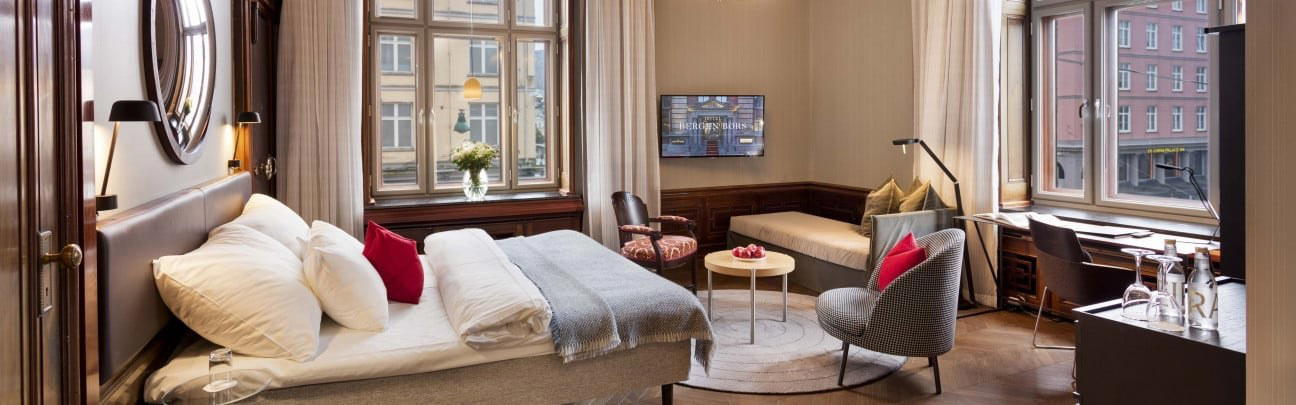
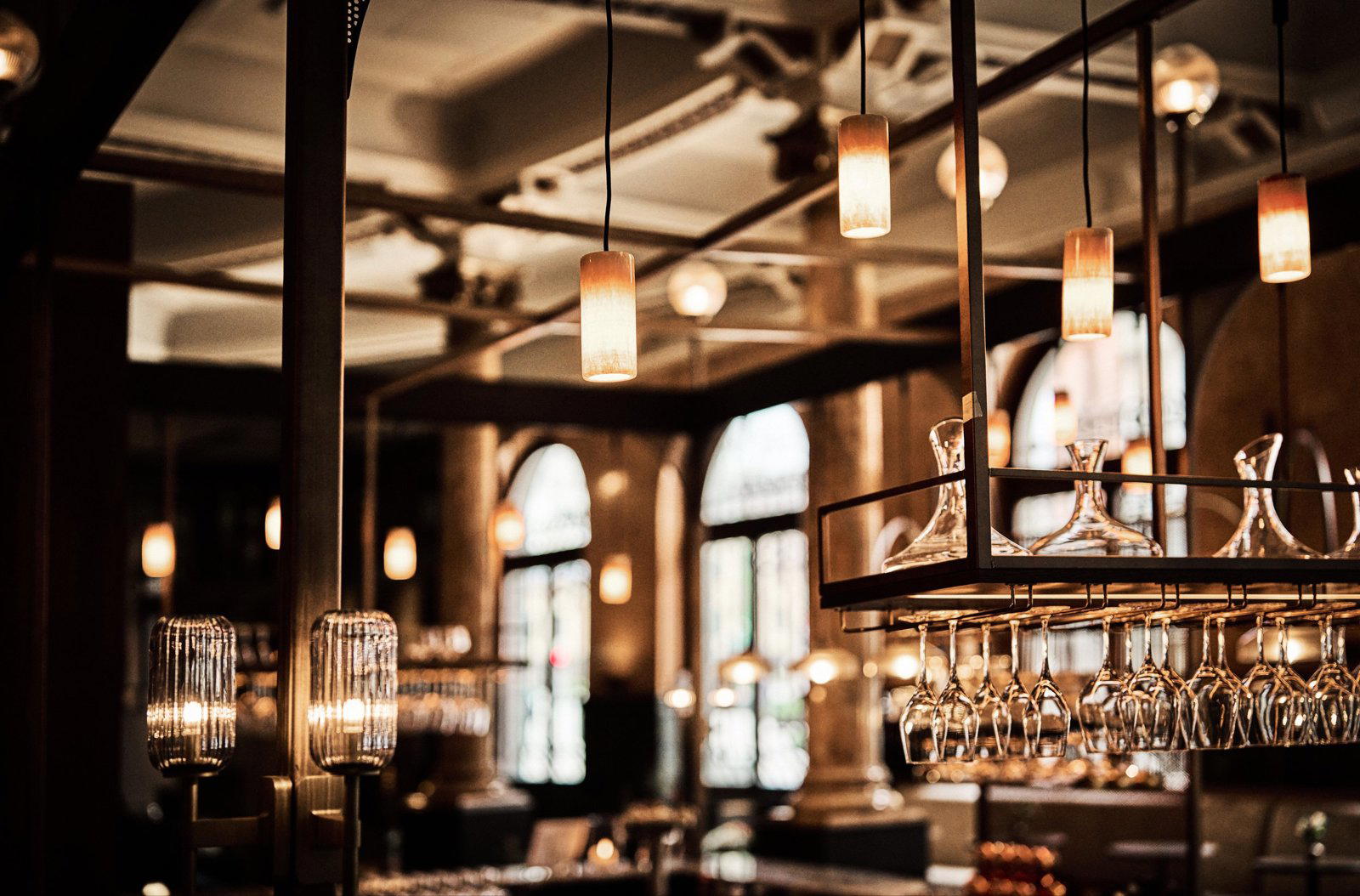
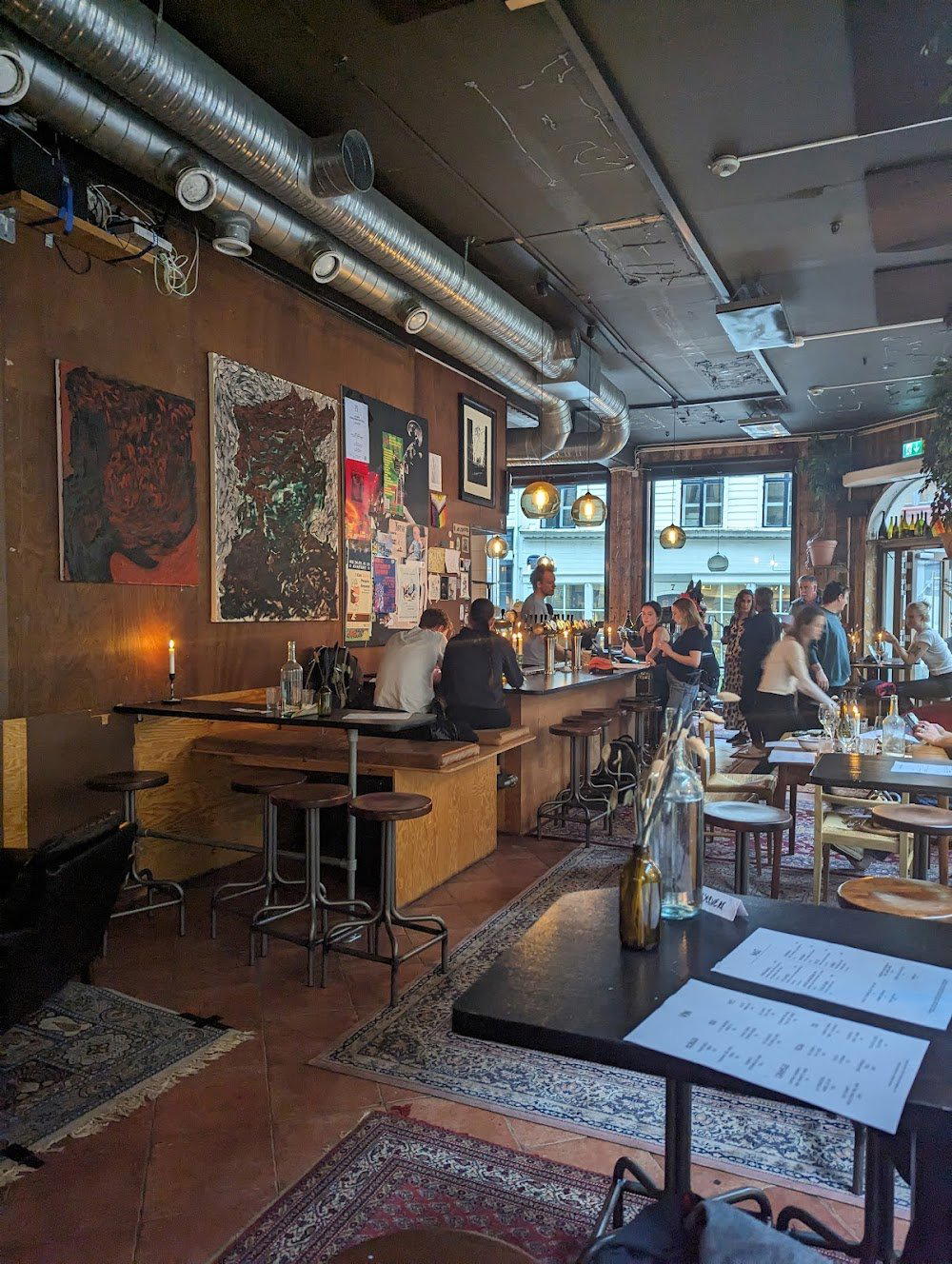
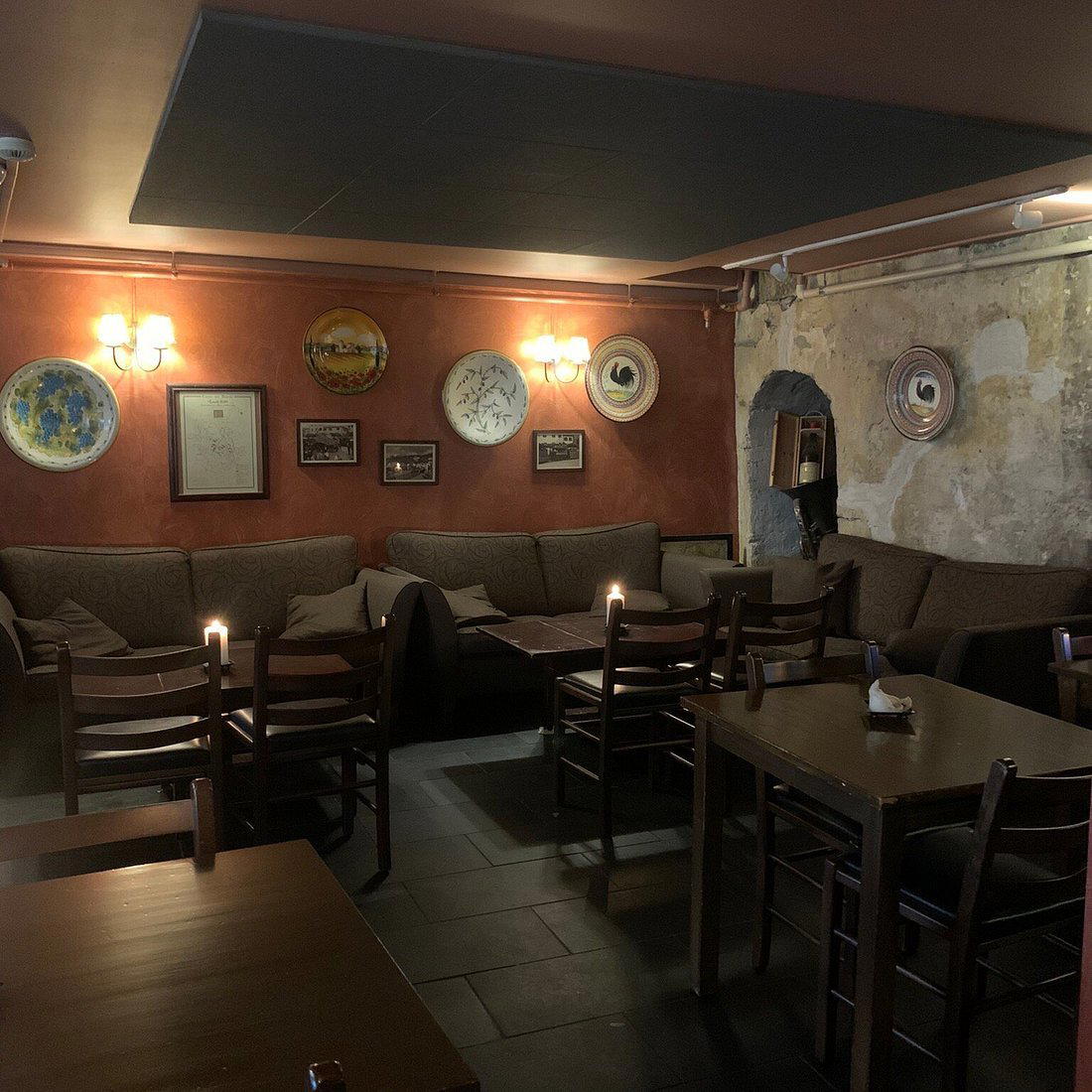
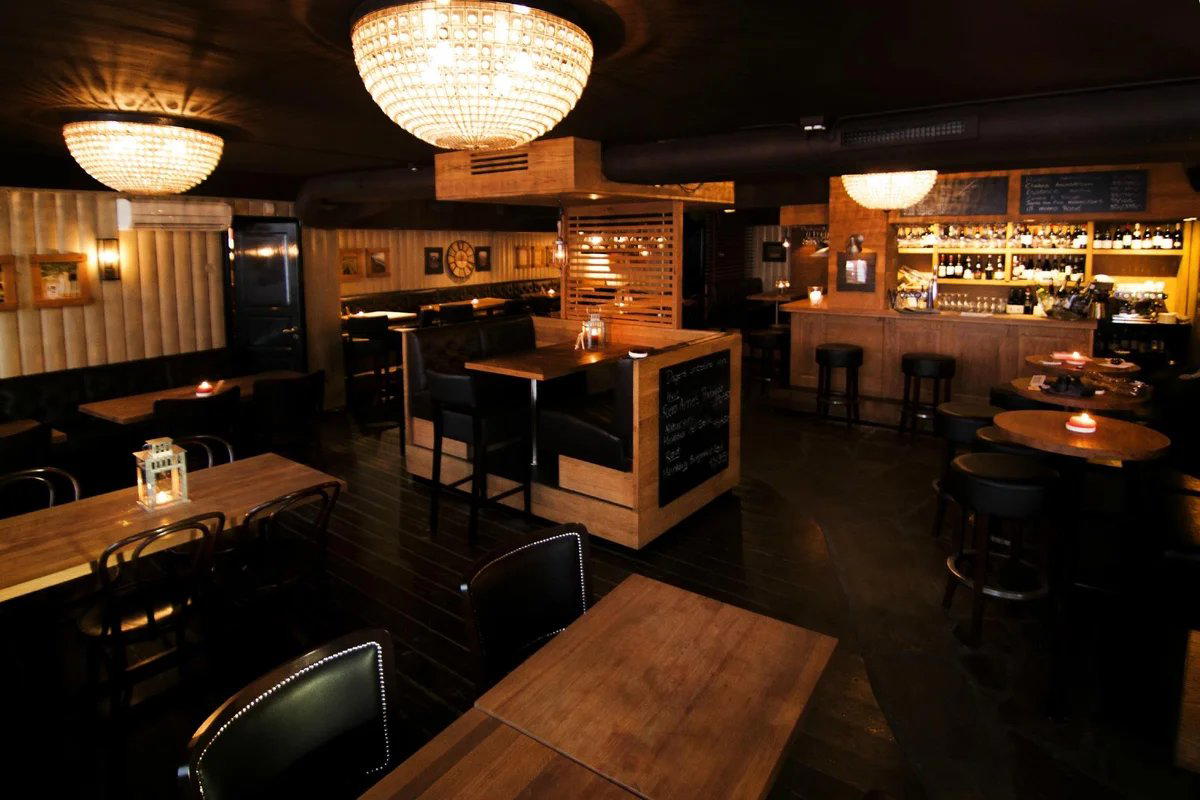
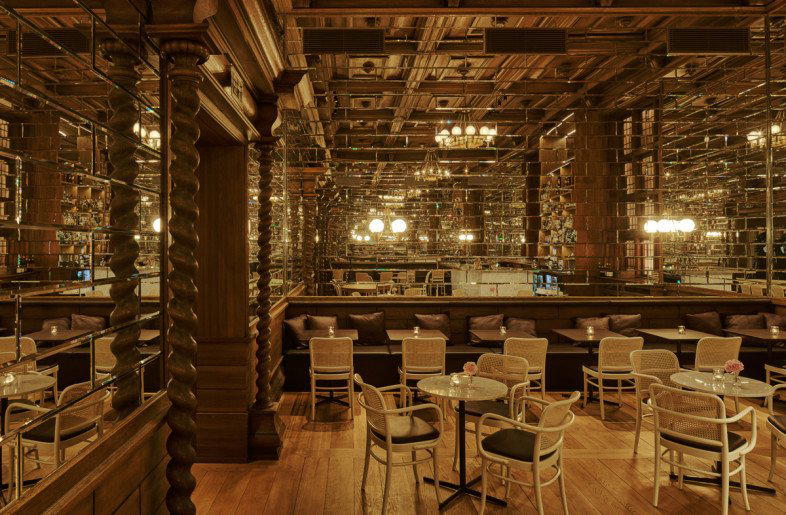
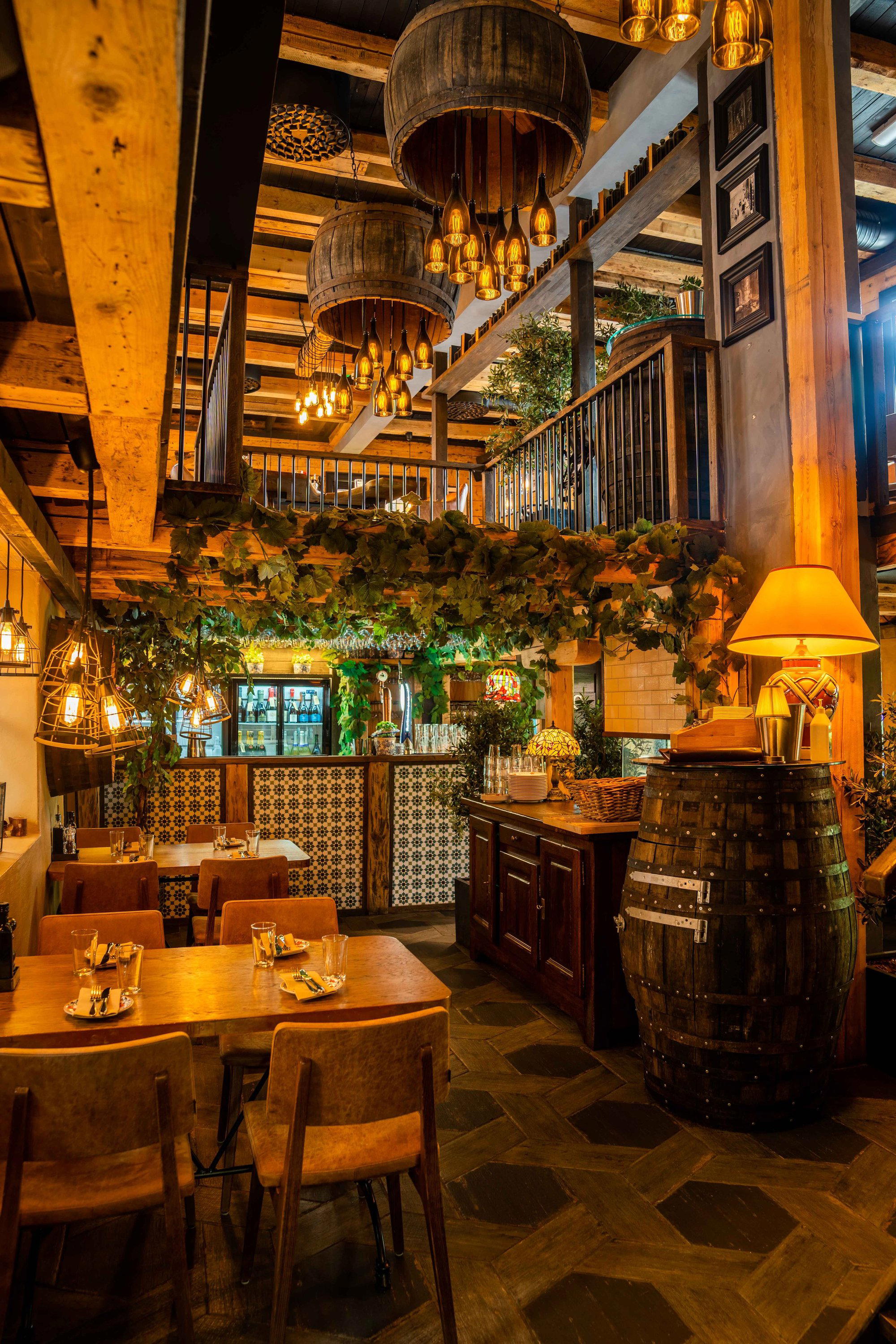
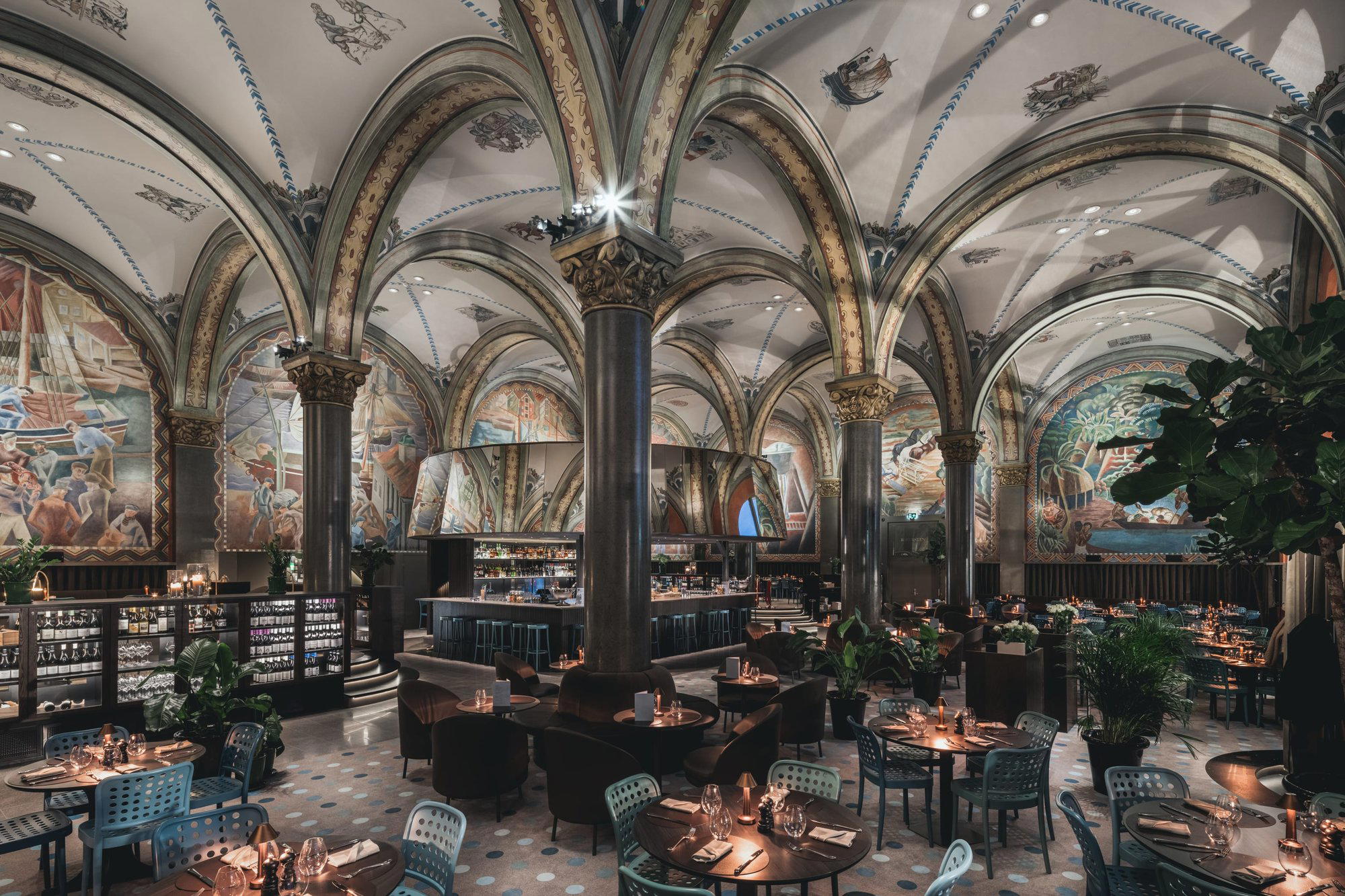
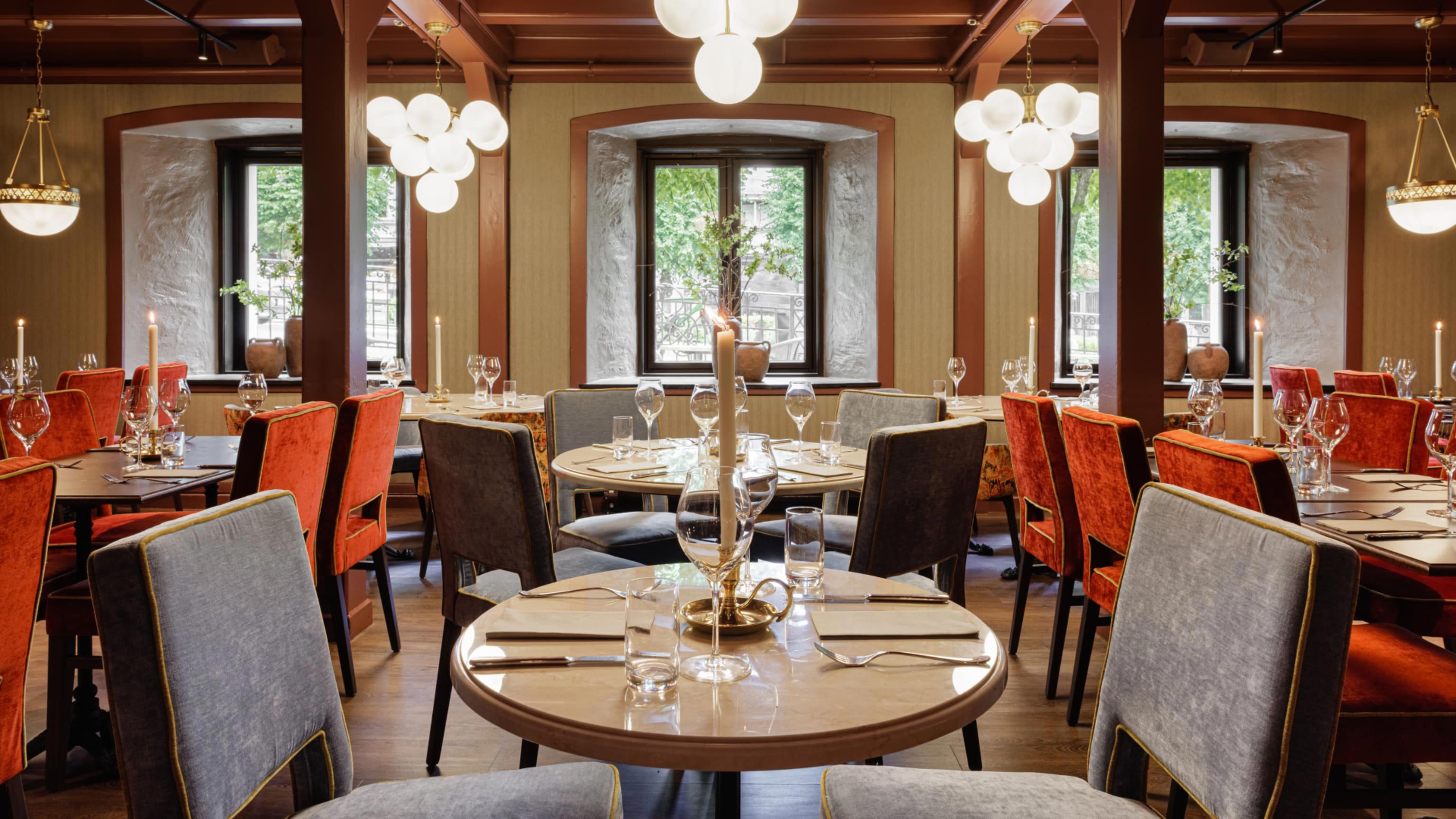
Elegant atmosphere with grand lobby featuring chandeliers, live piano music, natural light, high ceilings, and plush seating for a sophisticated yet welcoming feel.