

Tablet Hotels Best New Hotel Designs (Europe) · Small Luxury Hotels of the World Member
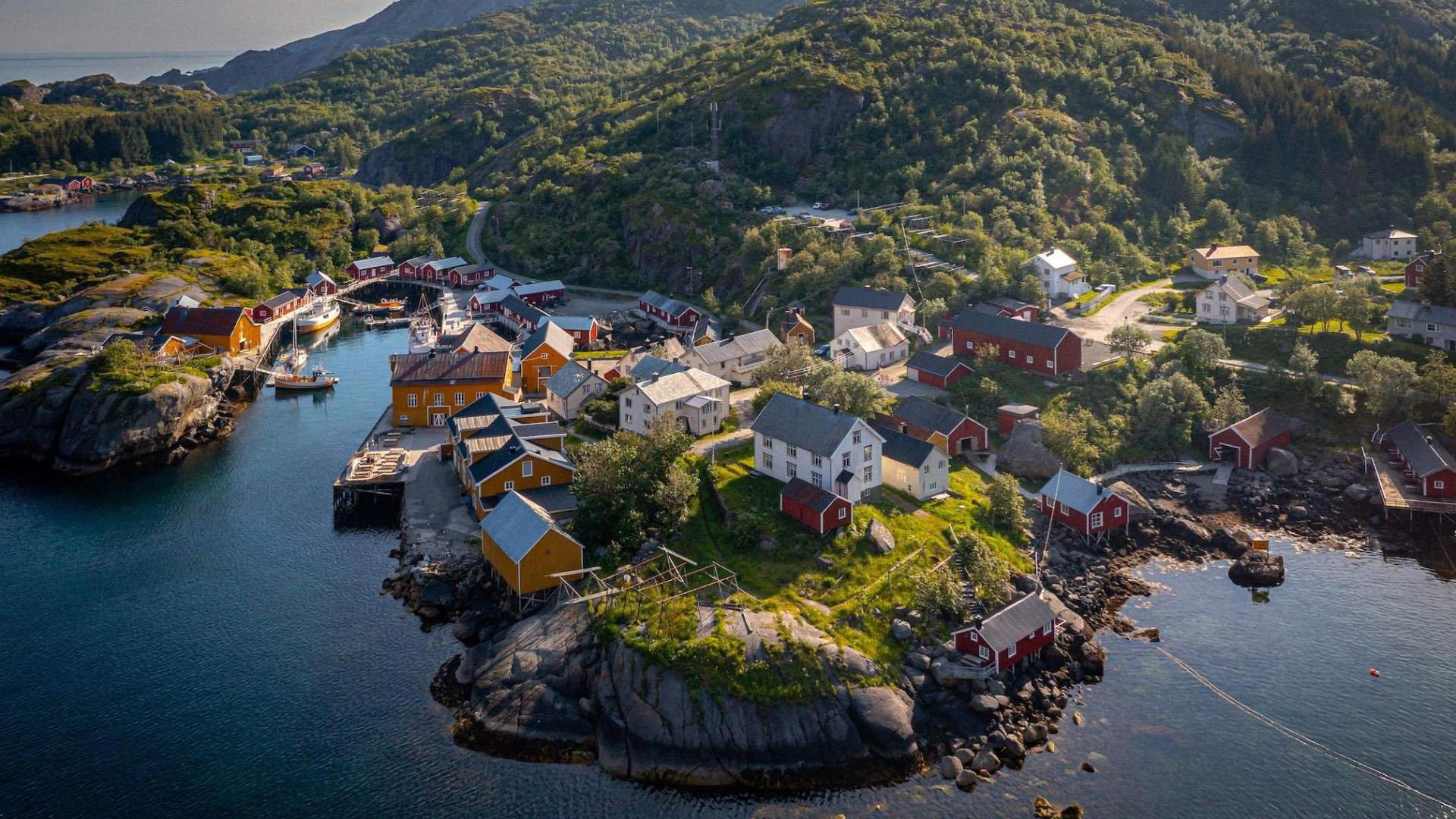
A preserved nineteenth-century fishing village on the Lofoten Islands, Nusfjord Village & Resort offers traditional rorbu cabins arranged around a working harbour where dramatic mountain walls meet the Norwegian Sea. The setting is one of Norway's most photographed coastal arrangements, and the architecture functions as both accommodation and living document of the region's cod-fishing era. It sits in a different competitive tier from standard Lofoten lodging.

Pearl is the En Primeur Club membership app, where members save venues, book tables and use the concierge.
A Harbour Frozen in the Cod Era
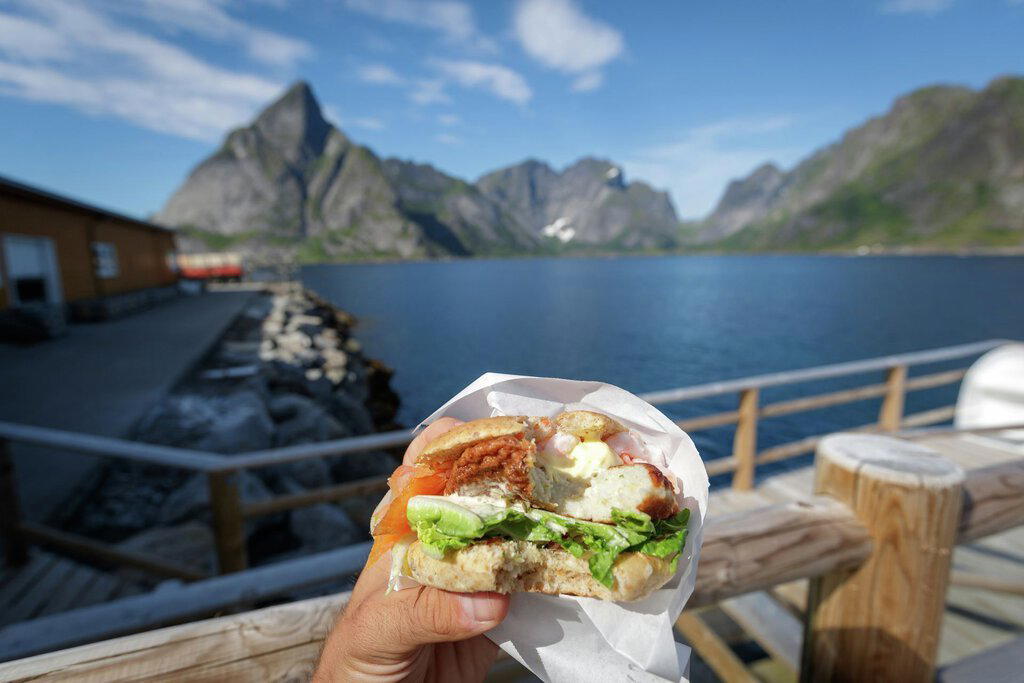
The approach to Nusfjord does much of the work before you reach your cabin door. The road descends through birch and rock to a small fjord pocket where red and ochre timber buildings cluster at the water's edge, their reflections broken by the occasional fishing vessel. The mountains rise almost vertically on three sides, and the harbour mouth opens to Flakstadfjorden with the kind of framing that seems composed rather than geological. What you are looking at is not a reconstruction. The village fabric is largely intact from the nineteenth and early twentieth century, when Nusfjord operated as one of the Lofoten Islands' most productive cod-fishing stations.
In Norway's broader accommodation conversation, the rorbu format occupies a specific cultural position. These fishermen's cabins, originally built on stilts over or beside the water to house seasonal workers during the winter cod season, have been converted across the Lofoten archipelago with varying degrees of restraint. Nusfjord's version sits toward the preservation end of that spectrum: the structural character of the original buildings is retained, and the harbour arrangement remains spatially coherent rather than expanded for capacity. Guests who have come through properties like Sakrisøy Rorbuer in Reine will find Nusfjord operates on a similar philosophy of working within inherited architecture rather than around it, though the village scale here gives it a more complete settlement character.
The Architecture as the Argument
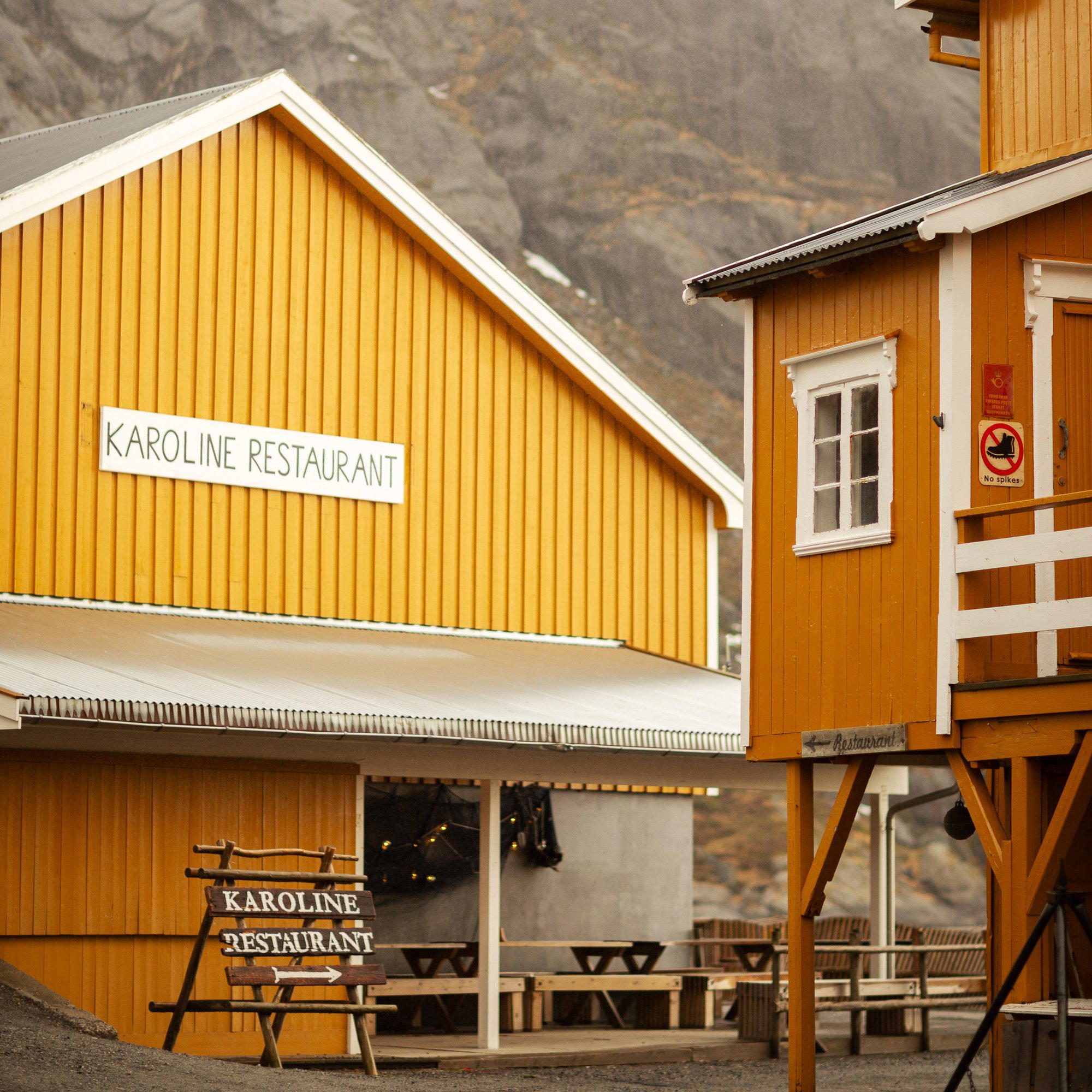
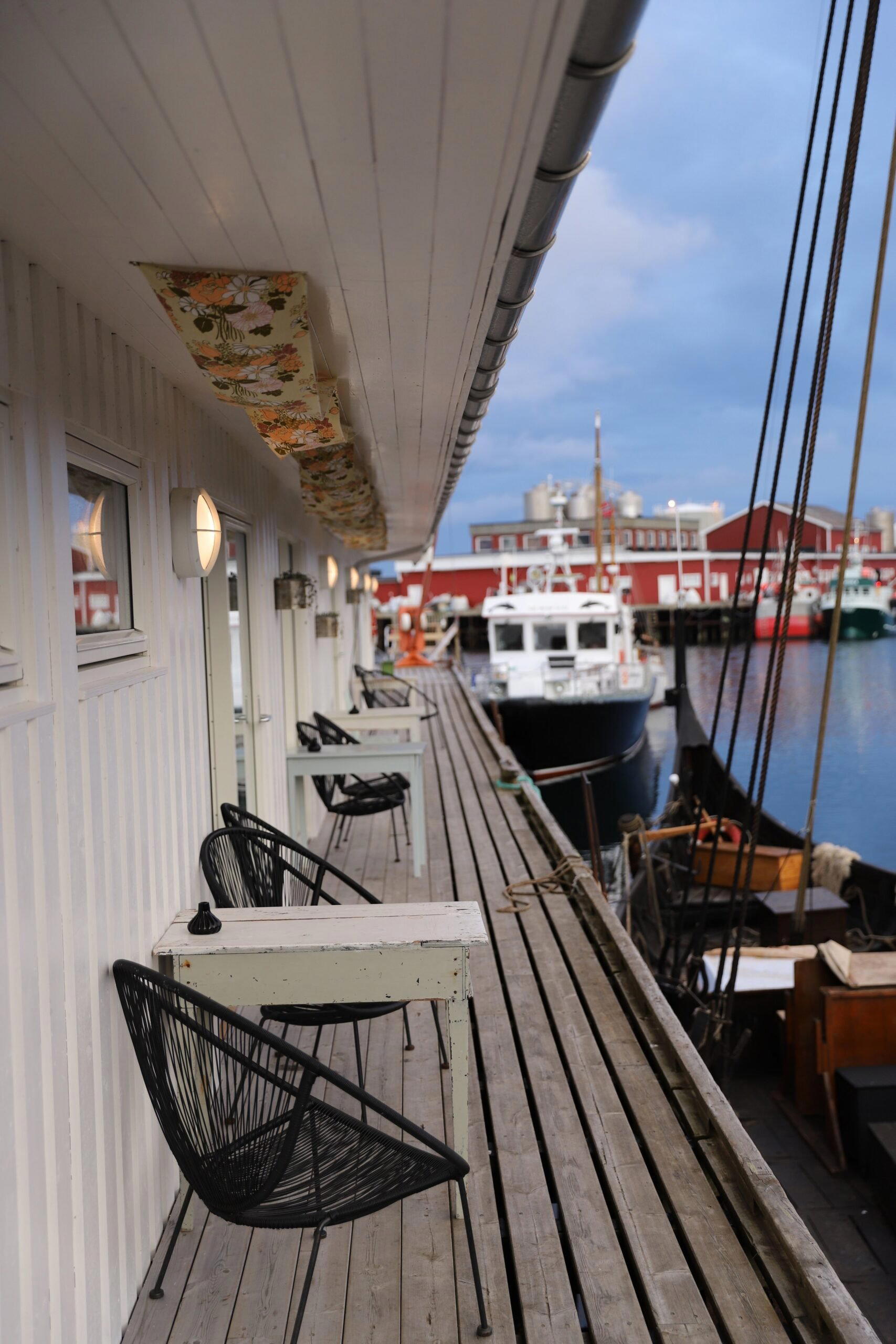
The design logic at Nusfjord is conservative in the leading sense: it resists the temptation to modernise aggressively. The rorbu cabins retain their timber cladding, steep pitched roofs, and waterfront positioning, features that developed from practical necessity rather than aesthetic choice. Pitched roofs shed the heavy Lofoten snowfall; proximity to the water allowed direct access for fishing boats; the red and ochre paint schemes, historically practical rather than decorative, now function as the visual signature of Lofoten's built environment from promotional imagery to the paintings sold in every Norwegian gallery that touches the archipelago.
What makes the Nusfjord arrangement architecturally coherent rather than merely picturesque is the relationship between the buildings and the working harbour infrastructure. The boathouses, the quayside, the small shop building, and the cabins form a legible spatial sequence that still reads as a functioning settlement rather than a curated village set. Properties that have undergone more intensive intervention, including some in the broader Norwegian coastal hospitality market, often lose this readability. The architecture at Nusfjord speaks to a period when fishing communities across the Nordland coast organised their entire built environment around the logistics of the Lofoten fishery, one of Europe's largest seasonal fisheries by historical catch volume.
For guests placing this against other Norwegian properties with strong architectural identity, the comparison set is instructive. Juvet Landscape Hotel in Valldal deploys contemporary design in a landscape context; Hotel Union Øye in Norangsfjorden works within a nineteenth-century hotel building with a different kind of historical weight; Storfjord Hotel in Glomset takes a more contemporary vernacular approach. Nusfjord's position in this set is defined by its village-scale completeness, it is not a single building inserted into a landscape but an entire settlement retained as a place to stay.
Setting and Season
The Lofoten Islands sit above the Arctic Circle, which structures the Nusfjord experience as firmly as the architecture. Winter visits, roughly November through February, bring the possibility of the northern lights visible over the fjord from the cabin windows, alongside the polar night when the sun does not clear the mountain ridges. Summer reverses the condition entirely: the midnight sun means continuous daylight from late May through mid-July, transforming the harbour into a place where time of day becomes genuinely ambiguous. Both seasonal extremes attract different traveller profiles, and both reward the specific geography of Nusfjord's enclosed harbour, where the interplay of light on water and mountain is the central spectacle regardless of season.
The islands are accessible by road from the mainland via the E10, which connects through a series of bridges and tunnels across the archipelago, or by air to Leknes airport roughly 35 kilometres from Nusfjord. The nearest larger service town, Ramberg, is a short drive. For guests building a broader Norwegian itinerary, properties like Aurora Lodge in Tromso address similar Arctic-light experiences from a city base, while Elva Hotel in Skulestadmo and Manshausen on Manshausen Island represent other points on the Norwegian coastal accommodation spectrum.
Where Nusfjord Sits in the Norwegian Coastal Market
Norwegian coastal hospitality has developed a recognisable premium tier over the past two decades, with properties converting heritage structures for travellers specifically seeking landscape immersion and architectural authenticity rather than urban amenity. Nusfjord sits clearly within this tier. The rorbu format carries cultural weight that generic Scandinavian hotel design cannot replicate, and properties that deploy it credibly in genuinely preserved settings occupy a niche that larger international hotel groups have largely not entered. This distinguishes the competitive set from, say, the urban luxury market represented by Amerikalinjen in Oslo or Britannia Hotel in Trondheim, where historical buildings are the delivery vehicle for full urban-hotel programming.
At Nusfjord, the building is the product. Guests are not selecting a hotel that happens to have a view; they are selecting a specific form of Norwegian architectural heritage as their primary experience. That framing aligns it more closely with properties like Walaker Hotel in Solvorn or Hotel Brosundet in Ålesund, where place and building history carry as much weight as contemporary amenity. See our full Ramberg restaurants guide for context on dining options in the wider area.
Planning Your Stay
Nusfjord draws the strongest advance interest for the peak summer midnight-sun window and for the winter northern-lights season, both of which tend to book out earlier than the shoulder months of September and October, which offer stable weather, the return of proper darkness, and fewer visitors than midsummer. Guests who have stayed at comparable properties such as Lilløy Lindenberg in Herdla or Opus XVI in Bergen will find the Lofoten experience requires more logistical planning around transport given the archipelago's remoteness, but that remoteness is precisely the condition the architecture was built to serve.
Comparable Venues
Comparable venues nearby, for context on price, style, and recognition.
| Venue | Cuisine | Price | Awards | Notes |
|---|---|---|---|---|
| Nusfjord Village & ResortThis venue (the venue you are viewing) | Traditional fishermen's rorbu cabins blended with modern comforts in a historic village. | $200–300 | Tablet Hotels Best New Hotel Designs (Europe) · Small Luxury Hotels of the World Member | Not listed |
| Sakrisøy Rorbuer | traditional fishermen's rorbuer cabins on stilts over water | Not listed | Not listed | Reine |
| Thon Partner Stavanger Forum Hotel | Modern high-rise conference hotel | $100–200 | Michelin Selected | Tjensvoll |
| Manshausen | Sustainable eco-luxe sea cabins harmonizing with rugged Arctic nature. | $500–750 | 1 Michelin Key | Manshausen Island |
| Scandic Go Grensen | Compact, urban economy hotel positioned for price‑conscious city travellers in Oslo’s core shopping and entertainment district. | $100–200 | Not listed | Oslo city center |
| Ytri Island Retreat | High-end, landscape-focused island retreat conceived as a destination in itself, integrating hotel, wellness, and nature-based experiences at the far edge of the Helgeland coast. | Not listed | Relais Chateaux Award | Træna archipelago |
Recognition history
Dated appearances from independent guides and award organizations, with the underlying list record or original source where available.
Tablet Hotels Best New Hotel Designs (Europe)
Tablet Hotels · Tablet Hotels Design Awards 2026: Best New Hotel Designs (Europe)
Small Luxury Hotels of the World Member
Small Luxury Hotels of the World
Continue exploring
More in Ramberg
Hotels in Ramberg
All hotels in Ramberg →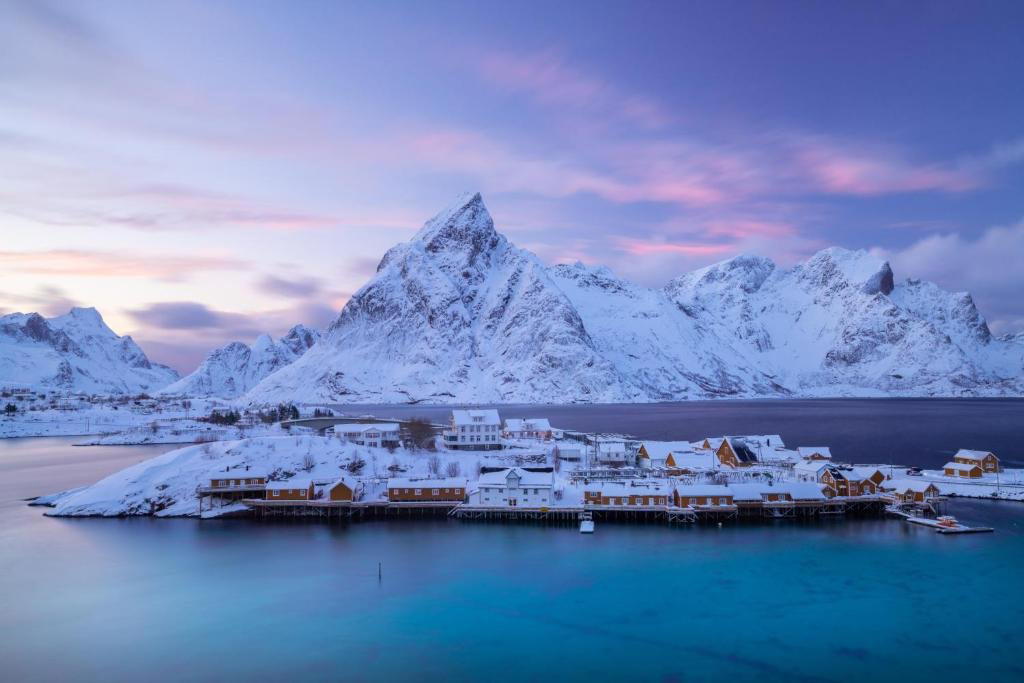
Bars in Ramberg
All bars in Ramberg →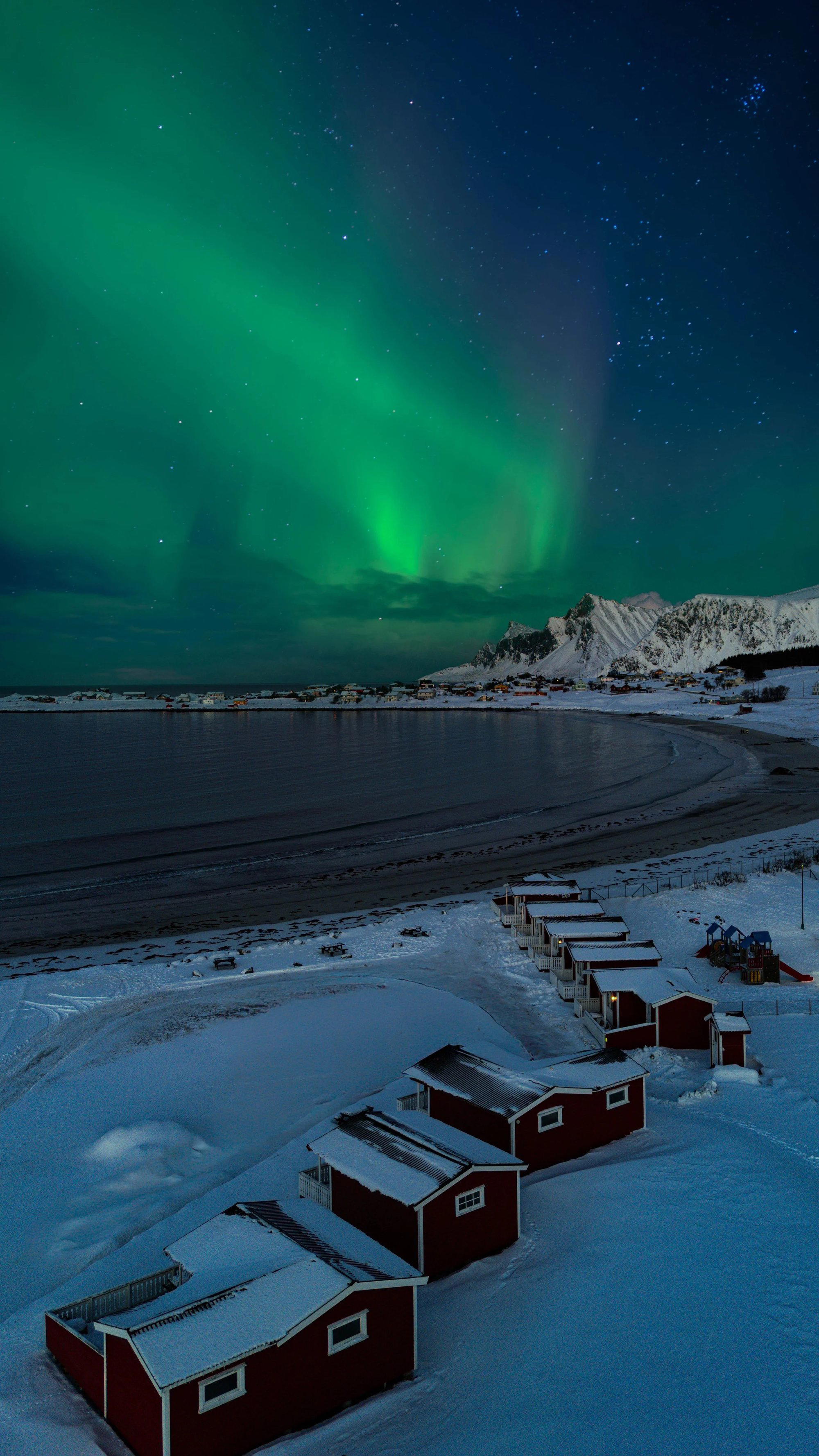

Details
- Scenic
- Rustic
- Cozy
- Quiet
- Romantic
- Romantic Getaway
- Family Vacation
- Weekend Escape
- Waterfront
- Panoramic View
- Historic Building
- Terrace
- Wi Fi
- Sauna
- Hot Tub
- Restaurant
- Free Parking
- Massage
- Breakfast Included
- Spa
- Waterfront
- Mountain
- Step Free Entrance
Peaceful and cozy ambiance with soundproofed rooms, warm lighting, and relaxing spa facilities overlooking the ocean.