Positioned on Via dei Condotti, steps from the Spanish Steps and the heart of Rome's most storied shopping corridor, The Inn At The Spanish Steps occupies a historic palazzo that places guests inside the city's fabric rather than above it. The property belongs to a small tier of intimate Roman addresses where location and atmosphere do most of the work, and where the scale of the house shapes every guest interaction.
Pearl is the En Primeur Club membership app — saves, bookings, and concierge access live there. Same editors, same standards.
- Address
- Via dei Condotti, 85, 00187 Roma RM, Italy
- Phone
- +39 06 6992 5657
- Website
- theinnatthespanishsteps.com
- Directions
- Get directions
 Saves & bookings on Pearl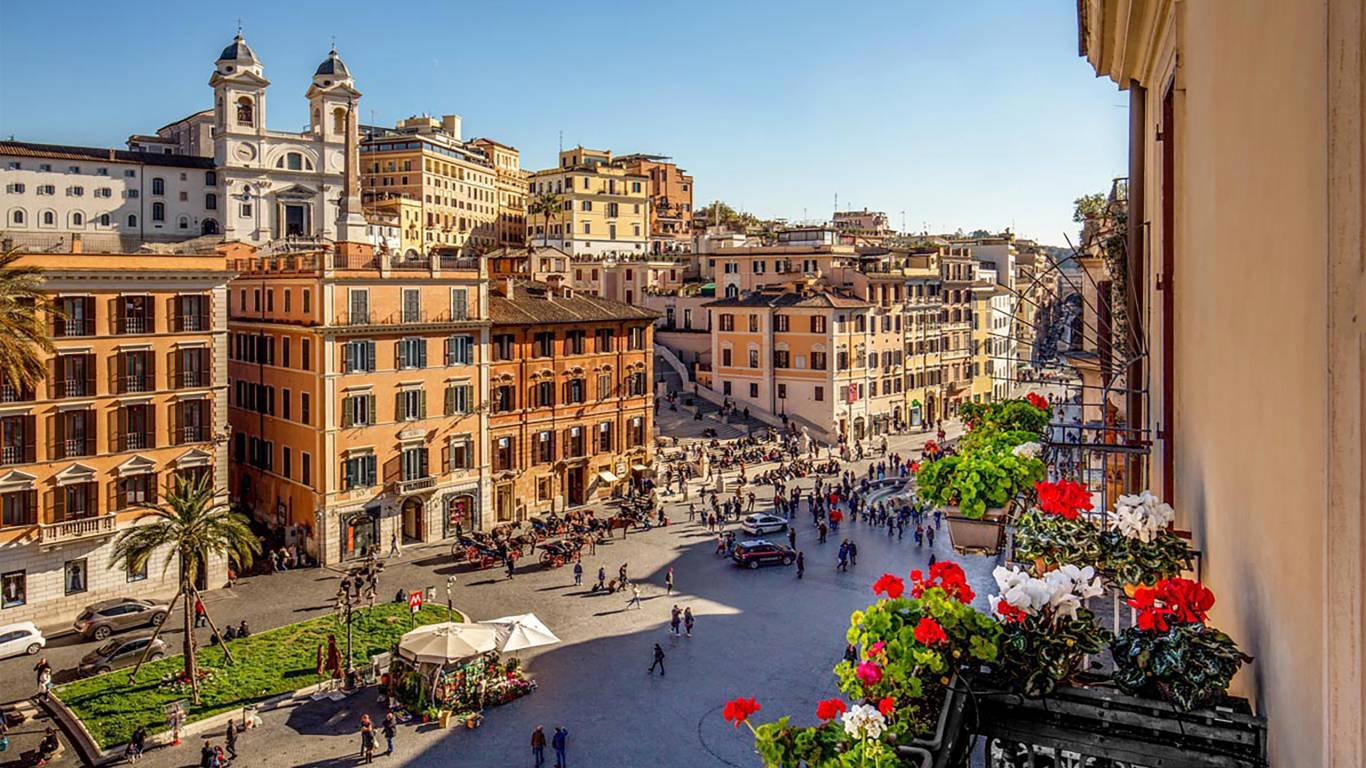
Where Via dei Condotti Meets Its Most Storied Address
Via dei Condotti is one of Rome's most legible streets: it runs in an almost well-suited line from the base of the Spanish Steps toward the Tiber, flanked by Bulgari, Valentino, and Cartier on either side, and it has functioned as the city's luxury axis for centuries. Hotels on or immediately adjacent to this corridor occupy a position that is geographic, historical, and social all at once. The Inn At The Spanish Steps, at number 85, sits inside that convergence. Approaching from the Steps themselves, the building's facade reads as part of the continuous streetscape rather than announcing itself as a hotel. That restraint is the point. In a neighbourhood where grandeur is architectural rather than performed, integration into the fabric of the street is a stronger statement than separation from it.
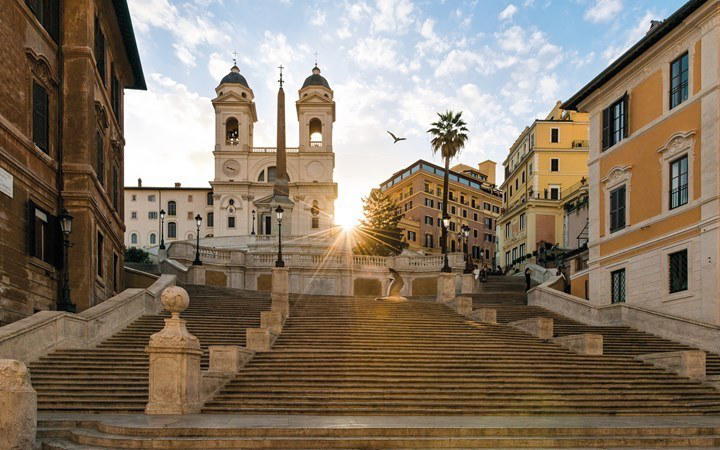
The piazza itself shifts character by season. In spring and early autumn, before the summer peak brings the full weight of tourist volume, the Steps operate as a kind of outdoor salon, locals reading on the travertine, the flower sellers arranging their displays at the base, the light hitting the twin-tower church of Trinità dei Monti in a way that has drawn painters and travel writers here for three centuries. Staying on this corridor means that the city's most concentrated stretch of historical and retail significance is not a day-trip destination but a daily condition.
Rome's premium hotel market has two distinct formats: the grand palace hotels, which trade on ballroom scale and formal hierarchies of service, and a smaller tier of boutique addresses where staff-to-guest ratios are high and personalisation is structural rather than aspirational. The Inn At The Spanish Steps belongs to this category. At properties of this scale, the front desk team typically covers the full range of guest-facing logistics, concierge intelligence, dining reservations, transport, local knowledge, without the departmental handoffs that characterise larger operations. That compression of service roles tends to produce more consistent interactions: the person who checks you in is often the same person who can tell you which table at a nearby trattoria is worth requesting, or when the queue at the Borghese Gallery tends to thin.
This is a service philosophy that functions differently from the elaborate anticipatory choreography of, say, a large Rocco Forte property or the full-floor butler model at the Bulgari Hotel Roma. The intimacy is less produced and more contingent on the specific staff in house on any given stay, which means the experience can vary more than at a standardised luxury chain. The upside is proportionally greater when it works: the knowledge is local, the recommendations are specific, and the interaction feels less like a transaction managed by protocol.
Properties of this type in Rome tend to attract guests who are returning to the city rather than visiting for the first time. The guest arriving with a clear itinerary and strong opinions about which cacio e pepe is worth the detour is better served by a small hotel with genuinely embedded local knowledge than by a concierge desk managing a high volume of first-time visitor requests across hundreds of rooms.
The Neighbourhood as Extended Amenity
The concentration of historic and cultural infrastructure within a short radius of Via dei Condotti is one of the higher densities of its kind in any European capital. The Spanish Steps, Piazza del Popolo, the Pantheon, the Trevi Fountain, and the green spread of Villa Borghese are all reachable on foot from this address. Rome rewards pedestrian exploration in a way that many comparable cities do not, partly because the centro storico is compact, partly because the streets between landmarks carry their own interest: the Keats-Shelley Memorial House sits at the base of the Steps; the Caffe Greco on Via Condotti itself has been in continuous operation since 1760.
For visitors calibrating a Rome hotel against its neighbourhood utility, this address scores well on proximity and poorly on tranquillity. Via dei Condotti and the piazza below the Steps carry significant foot traffic from mid-morning through the evening in peak months. The tradeoff is one that guests at hotels in this location make consciously. Comparable intimate Roman addresses that trade more on neighbourhood calm include Hotel Vilòn near Piazza Borghese and Portrait Roma on Via Bocca di Leone, both of which offer a different kind of discretion. The Hassler Roma, positioned directly above the Steps on the Pincian Hill, solves the noise equation by sitting above the crowd rather than inside it.
How This Address Sits Within Rome's Boutique Tier
Rome's premium boutique hotels have developed along several distinct lines over the past two decades. Some, like JK Place Roma near the Pantheon, have built their reputation on design-led interiors and a strong food and beverage programme. Others, like Maalot Roma, emphasise residential calm and privacy. The Inn At The Spanish Steps positions itself through location specificity: the address carries its own narrative, and the hotel's role is to place guests inside a storied part of the city without overcrowding that story with its own programming.
For context on how this property sits within a wider Italian itinerary, the register of intimacy and historical positioning it offers has parallels elsewhere: Aman Venice achieves something similar along the Grand Canal, as does Castello di Reschio in Umbria and Passalacqua on Lake Como, properties where the physical setting carries the weight and the hotel's task is primarily to manage access to it with competence and discretion.
Know Before You Go
- Address: Via dei Condotti, 85, 00187 Roma, Italy
- Location: Centro Storico, directly on Rome's primary luxury retail corridor, at the base of the Spanish Steps
- Leading season: Late March through May and September through October offer lower foot traffic around the piazza and cooler temperatures for walking the neighbourhood
- Getting there: Spagna metro station (Line A) is the nearest stop, approximately two minutes on foot. Taxis from Fiumicino (FCO) typically run 45 to 60 minutes depending on traffic
City Peers
Comparable venues nearby, for context on price, style, and recognition.
| Venue | Cuisine | Price | Notes |
|---|---|---|---|
| The Inn At The Spanish StepsThis venue — the venue you are viewing | Historic palazzo renovated as intimate boutique hotel with annexes and private terraces. | $$$$ | Not listed |
| Soho House Rome | Members-only club-hotel blending industrial aesthetics with Roman elegance using upcycled materials. | $$$$ | San Lorenzo |
| Piazza di Spagna 9 | Boutique art gallery hotel in historic palazzo | $$$$ | Tridente |
| Rooms of Rome | Contemporary art-infused palazzo apartments | $$$$ | Tuscolano |
| DOM Hotel | Hotel | Not listed | Ponte |
| Baccarat Hotel Rome | Ultra-luxury urban hotel positioned as a glamorous social and cultural hub on Rome’s Via Veneto. | $$$$ | Via Veneto |

At a Glance
- Elegant
- Classic
- Sophisticated
- Romantic
- Intimate
- Romantic Getaway
- Honeymoon
- Anniversary
- Historic Building
- Terrace
- Panoramic View
- Wi Fi
- Room Service
- Concierge
- Street Scene
- Skyline
- Wi Fi
- Room Service
- Concierge
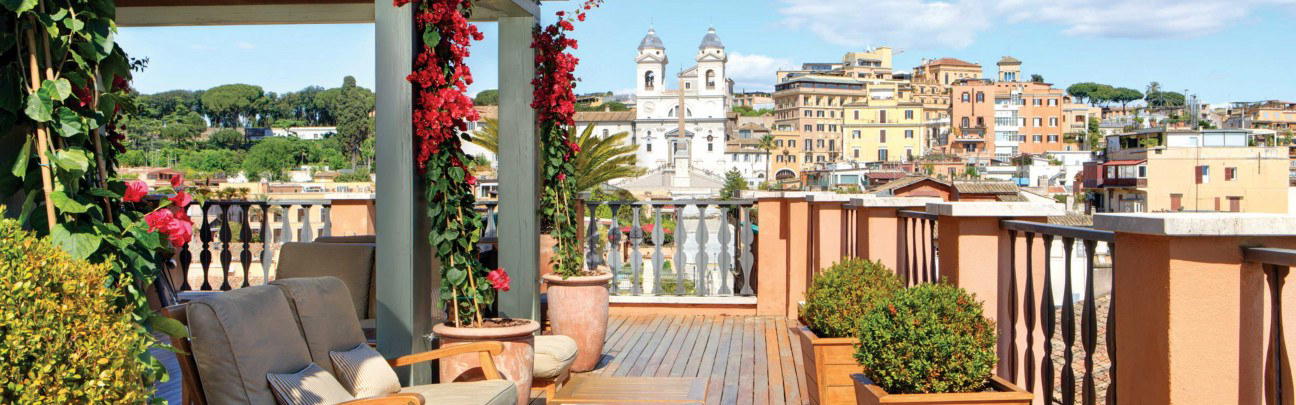
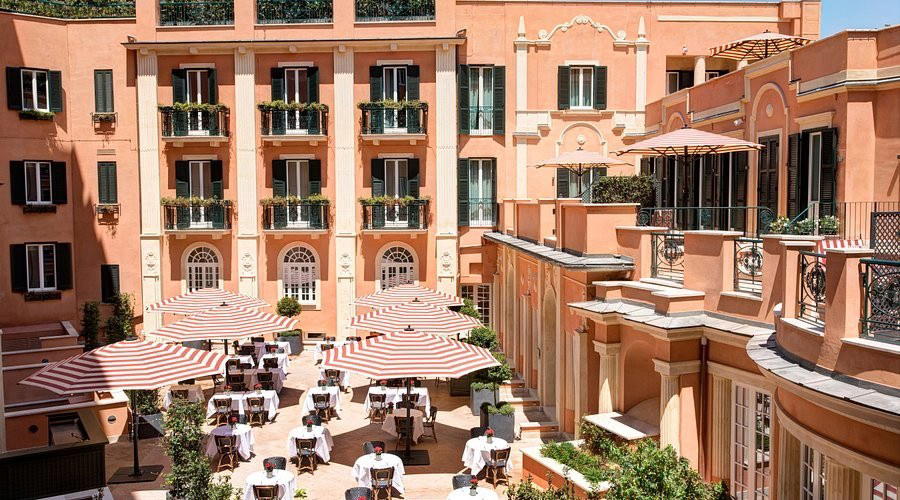
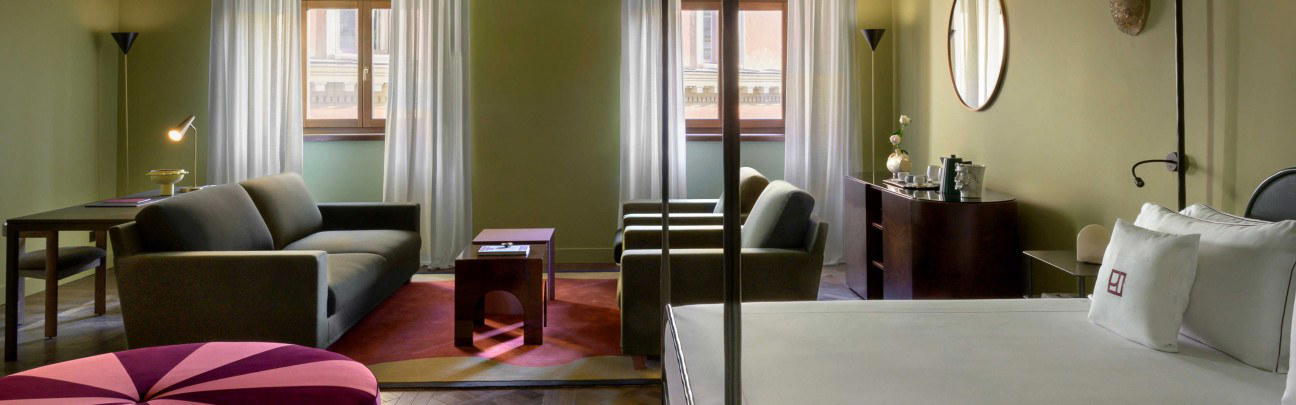
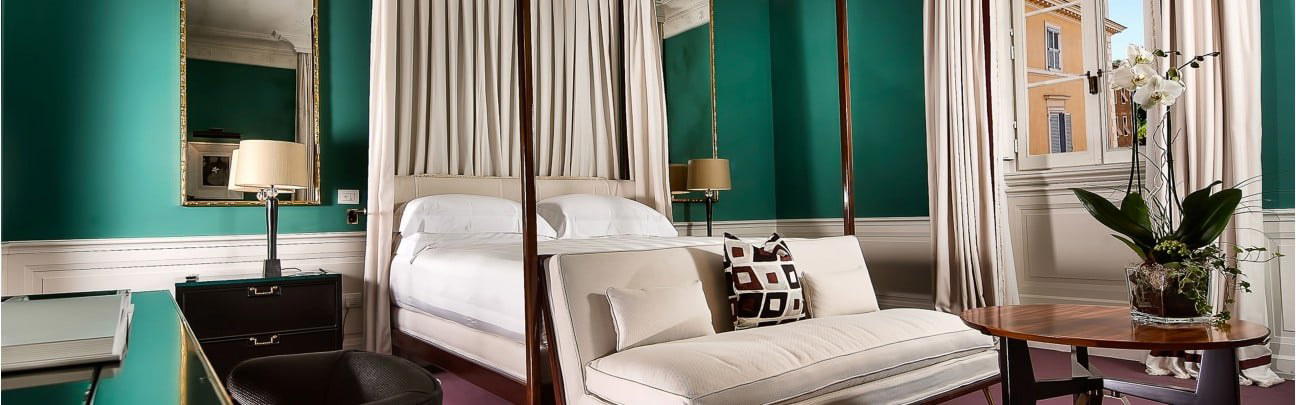
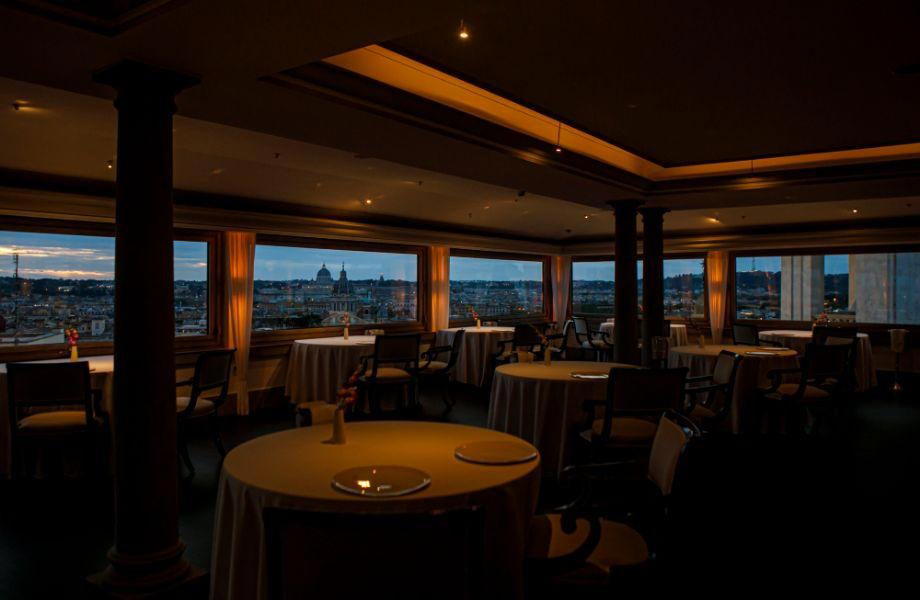
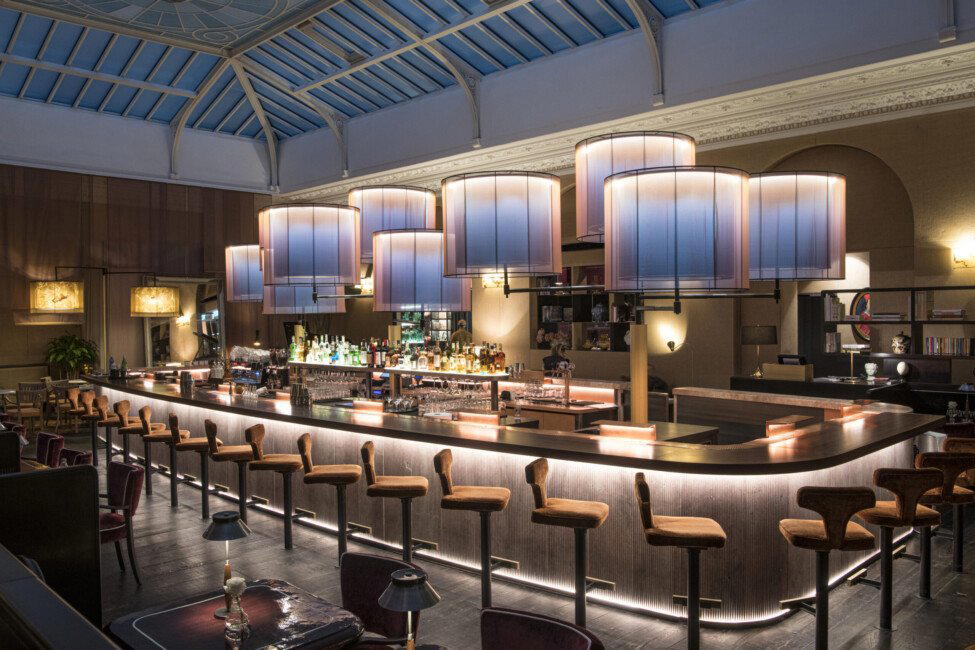
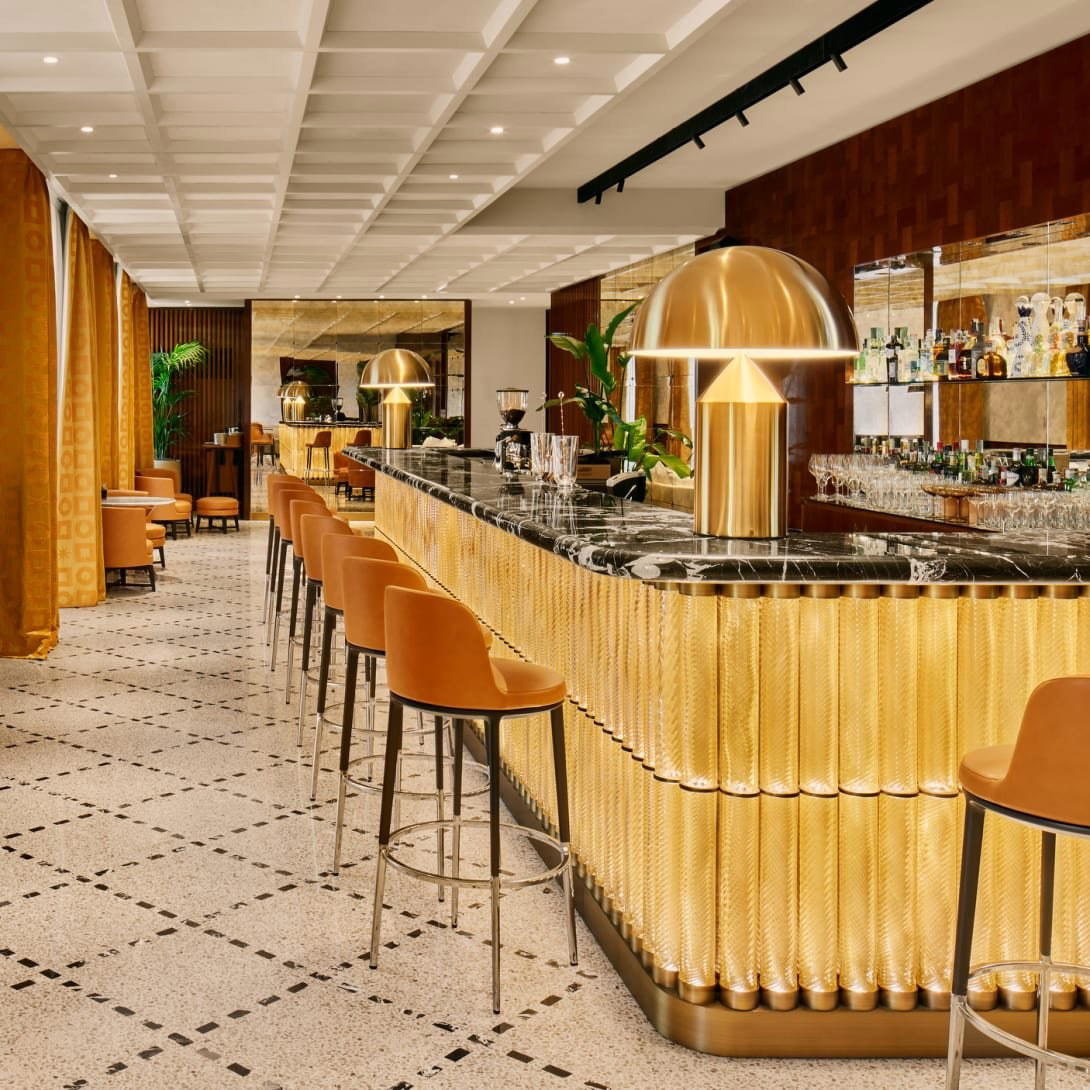
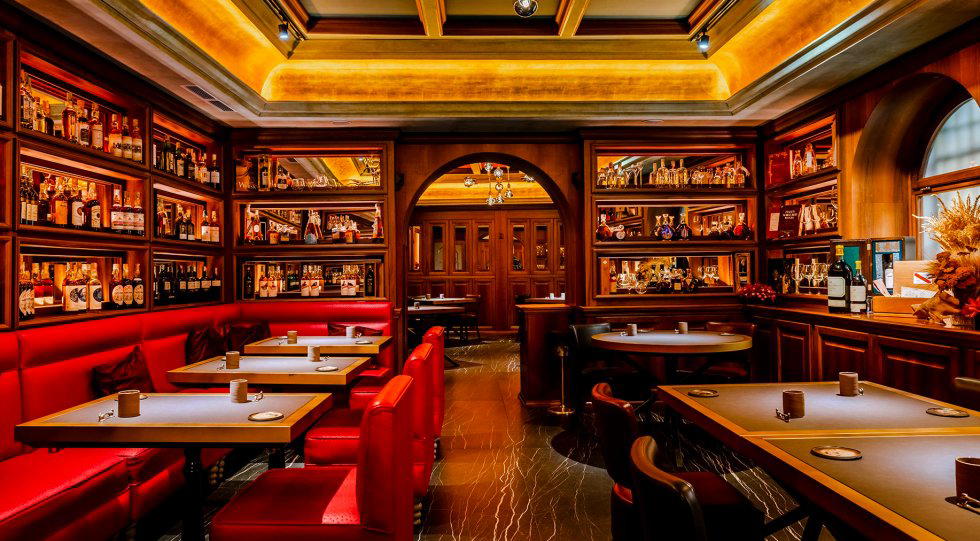
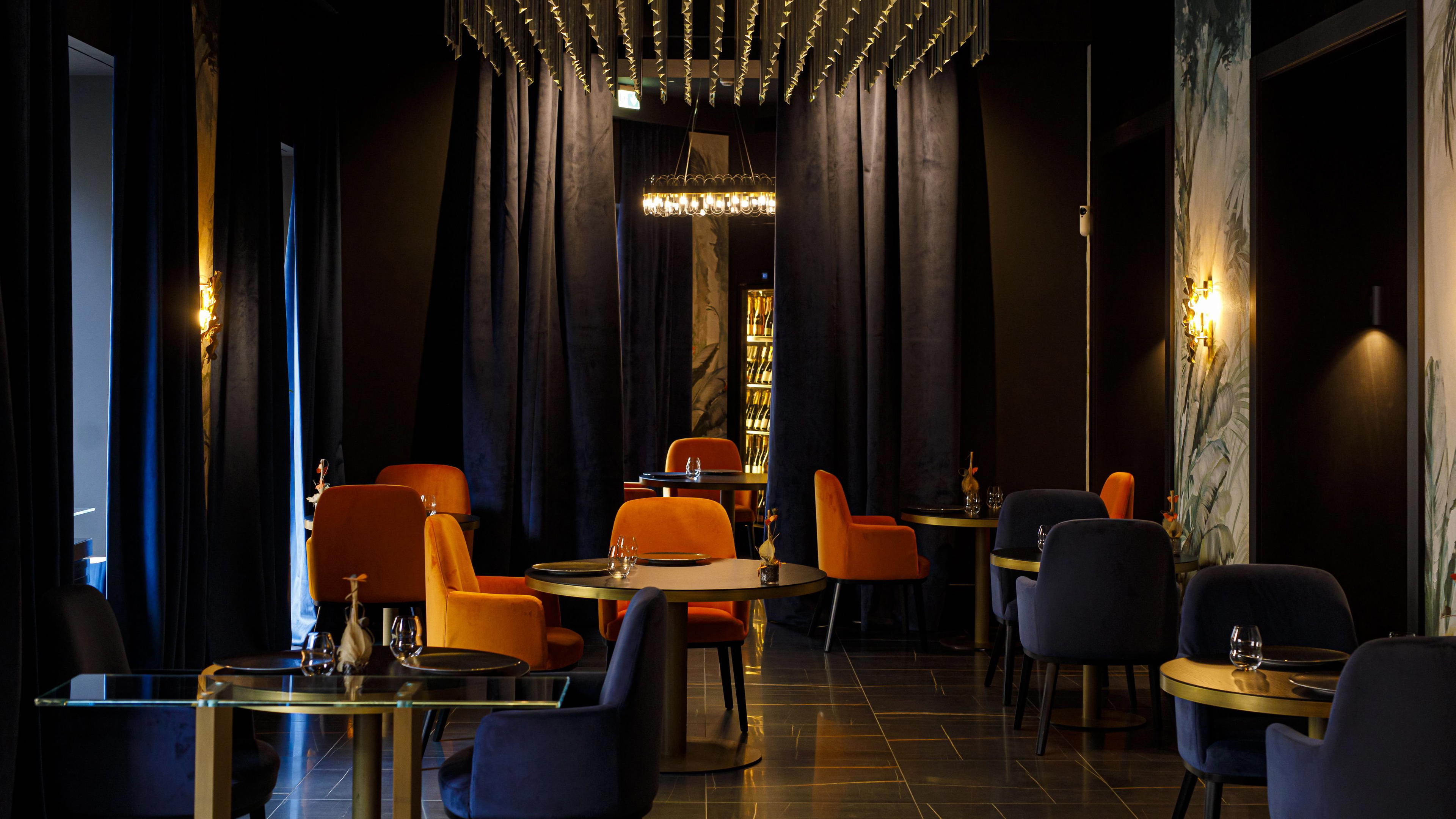
Warm, refined interiors with original architectural details, vaulted ceilings, vintage marble, fresco fragments, period furniture, and warm lighting blended with contemporary touches.