


Michelin Selected · Mr & Mrs Smith Seal of Approval · Preferred Hotels L.V.X. Collection
DOM Hotel occupies a Renaissance-era address on Via Giulia, one of Rome's most architecturally coherent streets, with 18 rooms that place it firmly in the city's smaller, design-led boutique tier. Where larger luxury brands compete on amenities and floor counts, DOM operates on intimacy and address, the street itself functioning as an extension of the guest experience. For travellers prioritising location specificity over branded infrastructure, the property makes a focused case.

Pearl is the En Primeur Club membership app, where members save venues, book tables and use the concierge.
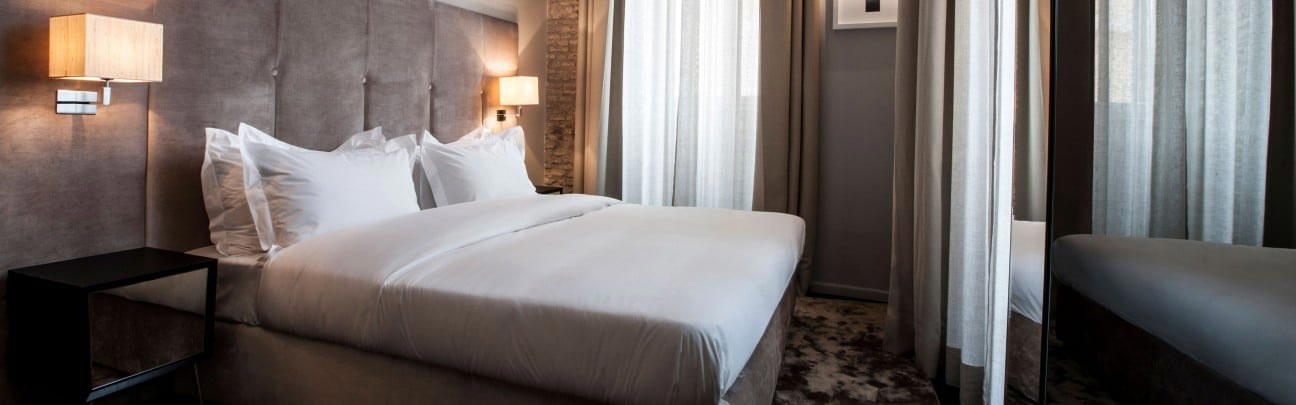
Via Giulia and the Grammar of Roman Intimacy
Via Giulia is one of Rome's most consistently beautiful streets: a long, straight corridor of Renaissance facades, ivy-draped archways, and cobblestones worn smooth by five centuries of foot traffic. The street runs parallel to the Tiber between Campo de' Fiori and the Farnese quarter, and it has the quality of a Rome that tourists often miss, one that is residential, unhurried, and genuinely old. A hotel on this street is not making a neutral choice about location. It is positioning itself inside a very specific version of the city, one where the architecture does the talking and scale is kept deliberately human.
DOM Hotel occupies that address at number 131, and with 18 rooms, it belongs firmly to the small-property tier that has defined Rome's most considered lodging options over the past decade. That number matters. At 18 rooms, a property cannot rely on the machinery of a large operation: the multiple restaurants, the spa complex, the concierge team of twenty. What it can offer instead is a different kind of attention, one proportional to the size of the house and the character of the street outside.
The Occasion Case for a Small Property in Rome
Rome has a particular relationship with milestone travel. Anniversaries, honeymoons, significant birthdays, and proposals arrive here in higher concentrations than almost any European city, because Rome carries weight that newer destinations cannot manufacture. The Colosseum, the Pantheon, the evening light over the Borghese gardens: these are backdrops that already mean something before a guest has unpacked. A hotel that understands this will use its position and scale to intensify that existing charge, rather than compete with it through programming and amenities.
The small-hotel format suits occasion travel for reasons that are logistical as much as atmospheric. A property with 18 rooms is less likely to have another large group checking in on your anniversary. The noise ceiling is lower. The chance that the staff will remember your name by day two is higher. For a milestone trip, those operational details are not trivial. The category of Rome hotels that includes properties like Hotel Vilòn and Portrait Roma has built its reputation precisely on the premise that fewer rooms, handled correctly, creates a more coherent experience than a hundred rooms managed well.
DOM Hotel operates inside that same logic. The Via Giulia address places guests within walking distance of some of Rome's most rewarding evening circuits: dinner in the Trastevere or Campo de' Fiori neighbourhoods, a passeggiata along the river, drinks in the quieter enoteca-lined streets of the Farnese. For a couple celebrating something, the ability to step directly from a hotel of this scale onto one of Rome's most beautiful streets is the kind of detail that shapes a trip's emotional register from the first hour.
Where DOM Sits in Rome's Premium Small-Hotel Field
Rome's premium lodging market has split clearly between two types of property. The first includes the large legacy addresses: Hassler Roma at the top of the Spanish Steps, Hotel Eden overlooking the Villa Borghese, and the recently arrived Bulgari Hotel Roma, all of which offer the full complement of restaurants, bars, and amenity stacks expected at that tier. The second type is smaller, more architecturally specific, and deliberately restrained in scope. This is the tier where DOM Hotel, Maalot Roma, and Hotel Locarno compete, and the terms of competition are different: character, location specificity, and the quality of the individual room experience take precedence over breadth of facilities.
For guests deciding between these two tiers, the choice usually comes down to what kind of Roman trip they want. A first visit with a packed sightseeing agenda and a desire for multiple on-site dining options points toward the larger addresses. A return visit, or a milestone trip where the city itself is the activity and the hotel is a place to retreat to, often points toward the smaller tier. With 18 rooms on Via Giulia, DOM Hotel is clearly configured for the latter.
For comparison, Italy's other small-format luxury properties that have built strong reputations in their respective cities and regions include Aman Venice, Passalacqua on Lake Como, and Casa Maria Luigia outside Modena. Each occupies a niche where room count is limited by design and the surrounding environment is treated as an amenity in itself. DOM Hotel's positioning on one of Rome's most architecturally significant streets follows that same structural logic.
Planning a Stay: What to Know
With only 18 rooms, DOM Hotel has limited availability across the calendar, and Rome's peak travel periods, which run from April through June and again in September and October, compress booking windows considerably. For occasion travel where dates are fixed, lead time is the most important planning variable. The Via Giulia location places guests in the historic centre, which means most of Rome's major sites are accessible on foot or by a short taxi or rideshare, though the narrow street grid of the neighbourhood makes this more of a walking city than a driving one. Rome's Termini station is the main rail hub for connections to other Italian cities, useful for guests extending a trip to other regions. Guests considering a broader Italy itinerary from a Rome base might compare properties like Four Seasons Hotel Firenze, Borgo Egnazia in Puglia, or Il San Pietro di Positano for different regional characters. See our full Rome restaurants guide for dining recommendations across the city's neighbourhoods, particularly relevant for guests staying at a property without an on-site restaurant.
Standing Among Peers
Comparable venues nearby, for context on price, style, and recognition.
| Venue | Cuisine | Price | Awards | Notes |
|---|---|---|---|---|
| DOM HotelThis venue (the venue you are viewing) | Hotel | $200–300 | Michelin Selected · Mr & Mrs Smith Seal of Approval | Not listed |
| Residenza B | Boutique affittacamere in historic palazzo | Not listed | Michelin Selected | Trevi |
| The Place 217 | Luxury guesthouse in historic 1930s building | $200–300 | Michelin Selected | Prati |
| Colosseum Garden | Historic guesthouse with peaceful garden | Not listed | Not listed | Celio |
| Piazza di Spagna 9 | Boutique art gallery hotel in historic palazzo | $200–300 | Michelin Selected · Mr & Mrs Smith Seal of Approval | Tridente |
| Salotto Monti | Urban-chic boutique with self-catering apartments in historic center. | Not listed | Michelin Selected | Monti |
Recognition history
Dated appearances from independent guides and award organizations, with the underlying list record or original source where available.
Michelin Selected
Michelin
Mr & Mrs Smith Seal of Approval
Mr & Mrs Smith
Preferred Hotels L.V.X. Collection
Preferred Hotels
Continue exploring
More in Rome
Hotels in Rome
All hotels in Rome →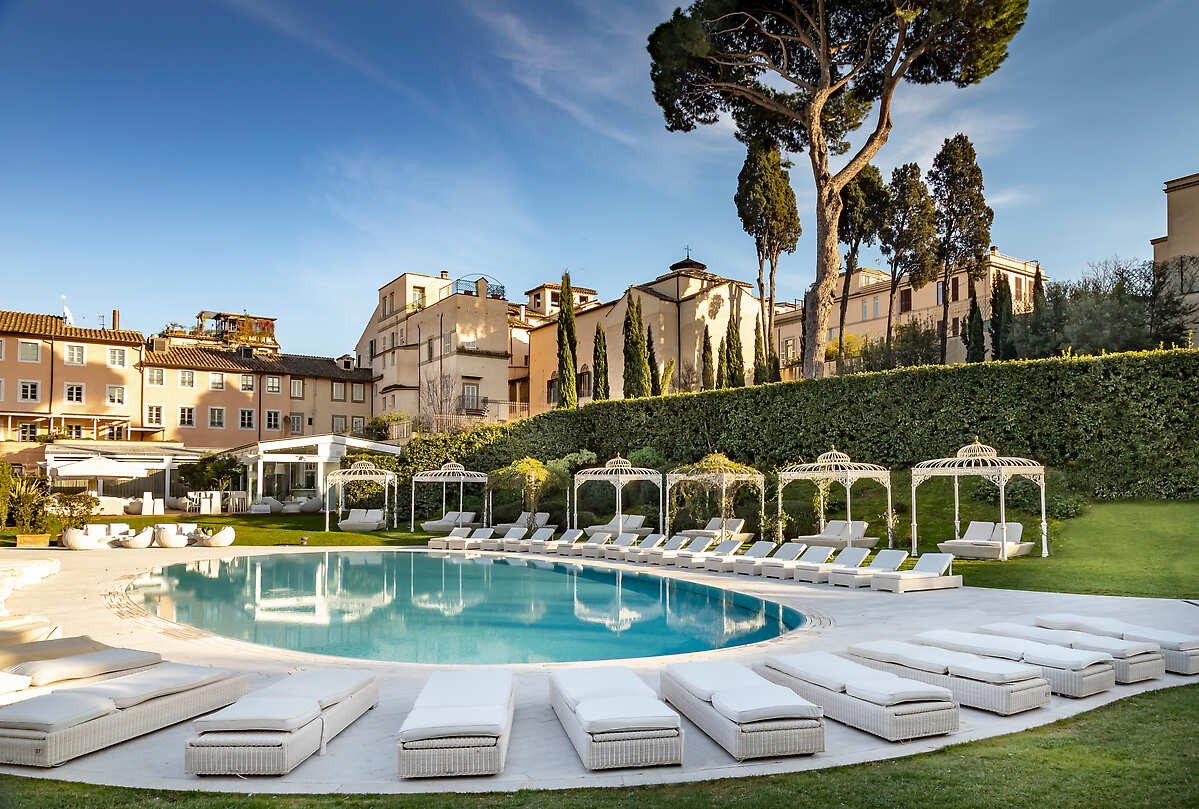
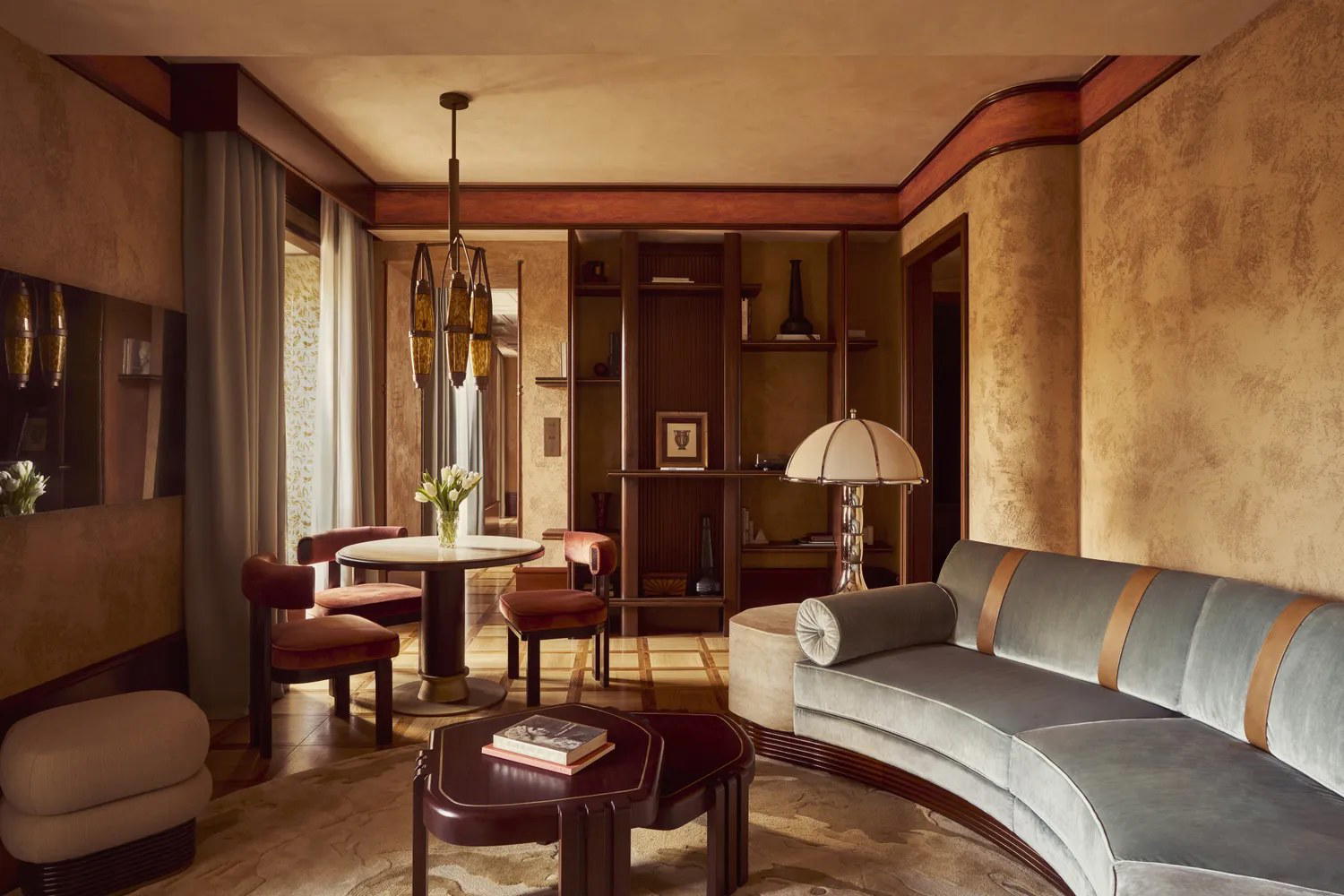
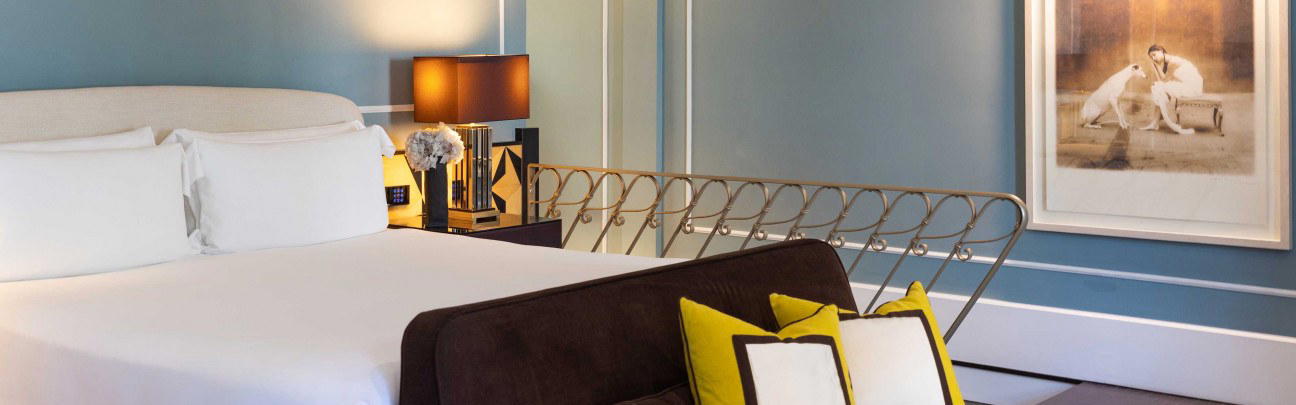
Bars in Rome
All bars in Rome →

Details
- Intimate
- Elegant
- Sophisticated
- Romantic
- Quiet
- Romantic Getaway
- Anniversary
- Weekend Escape
- Business Trip
- Historic Building
- Private Dining
- Terrace
- Design Destination
- Wi Fi
- Restaurant
- Bar
- Room Service
- Concierge
- Parking
- Valet Parking
- Airport Transfer
- Luggage Storage
- Laundry Service
- Skyline
- Street Scene
- Wheelchair Accessible
- Elevator
- Accessible Restroom
- Step Free Entrance
- Accessible Parking
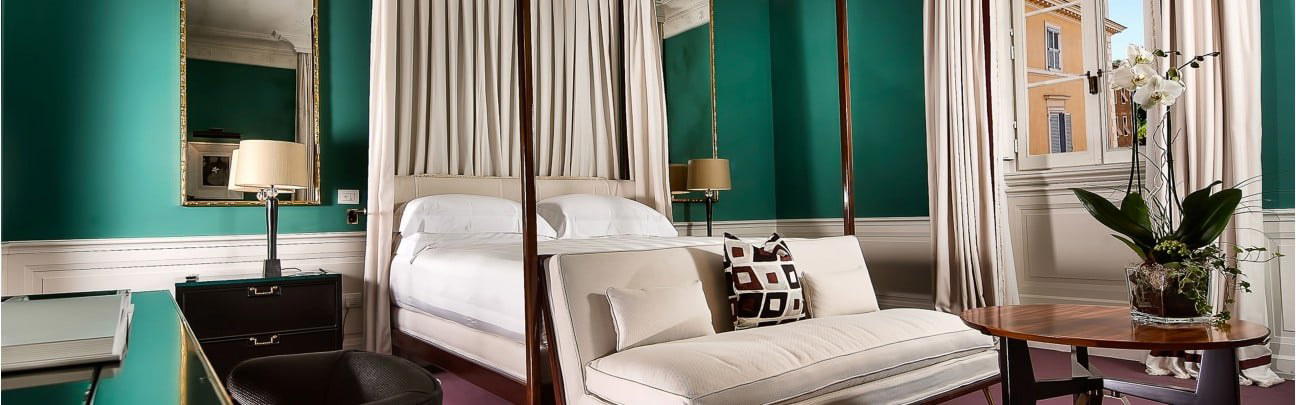
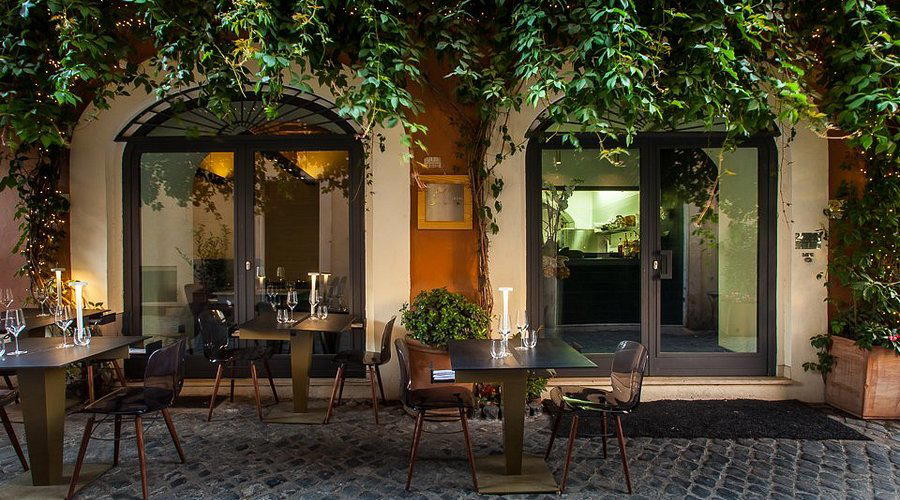
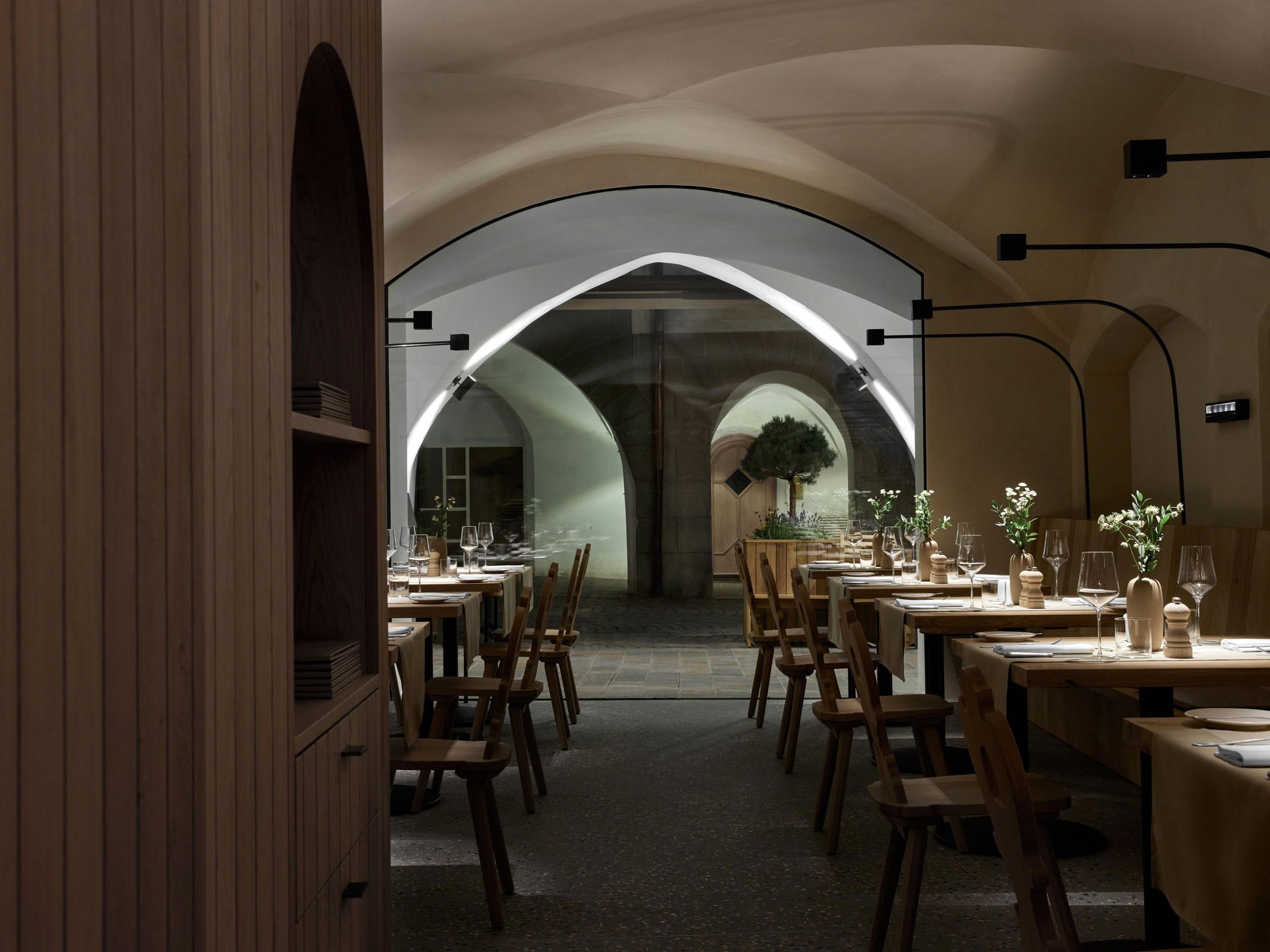
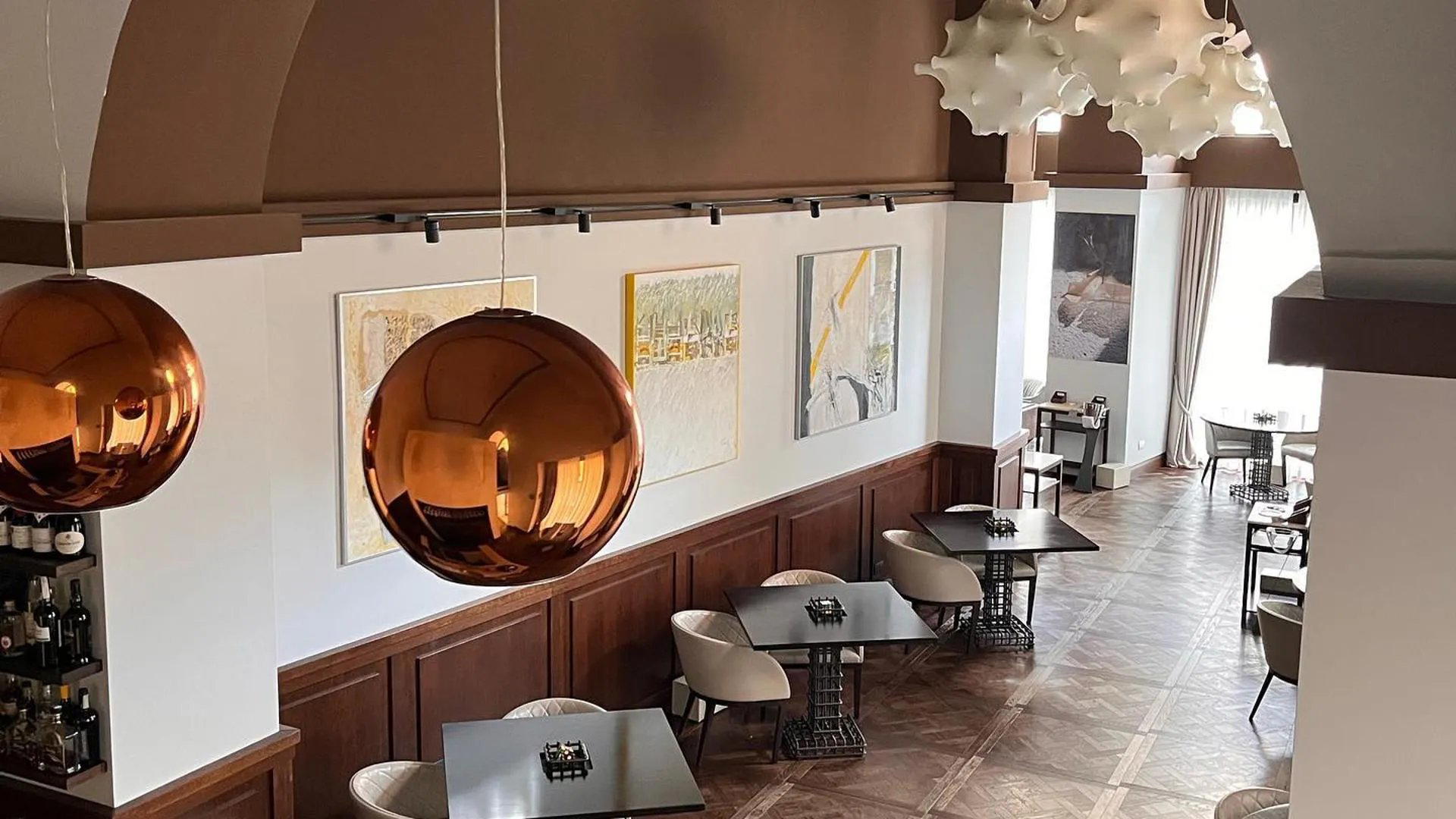
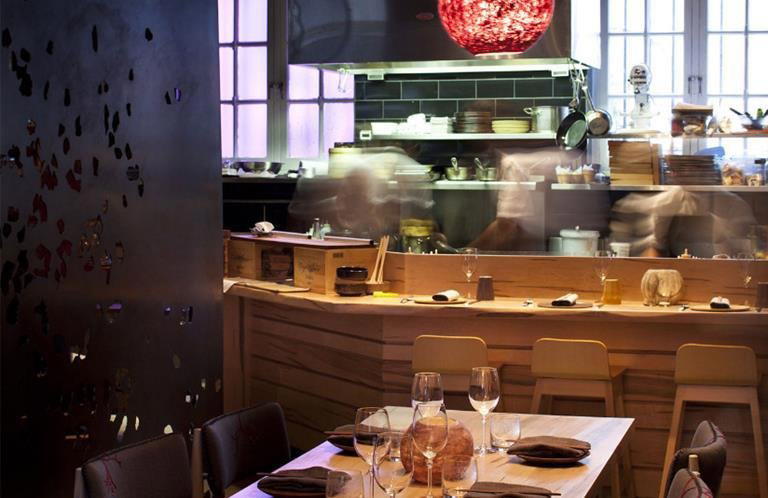
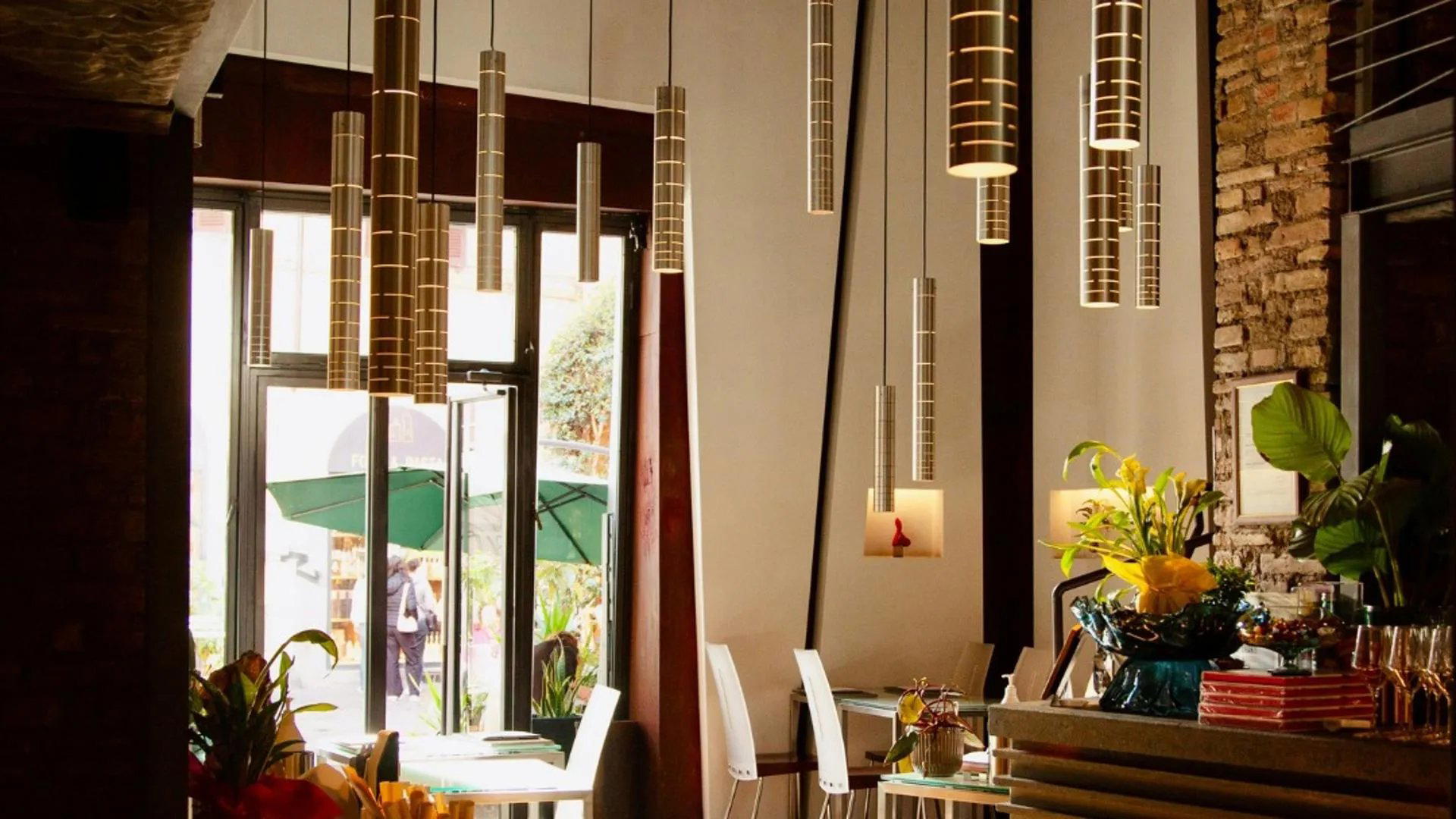
Intimate and sophisticated, with a quiet, cloister-like atmosphere that blends historic grandeur, dark woods, velvet, and contemporary art into a softly lit, elegant setting.