

2 Michelin Keys · Virtuoso Luxury Hotel Partner
The Apurva Kempinski Bali holds Michelin Selected recognition for 2025, placing it among a small tier of hotels in Nusa Dua where architecture and setting do the heaviest lifting. Built into a clifftop site above the Indian Ocean, the property draws its design language directly from Balinese royal palace tradition, making it a reference point for guests who want monumental scale without sacrificing local material culture.

Pearl is the En Primeur Club membership app — saves, bookings, and concierge access live there. Same editors, same standards.
- Address
- Jl. Raya Nusa Dua Selatan No.4, Benoa, Kec. Kuta Sel., Kabupaten Badung, Bali 80361, Indonesia
- Phone
- +62 361 2092288
- Website
- kempinski.com
- Directions
- Get directions
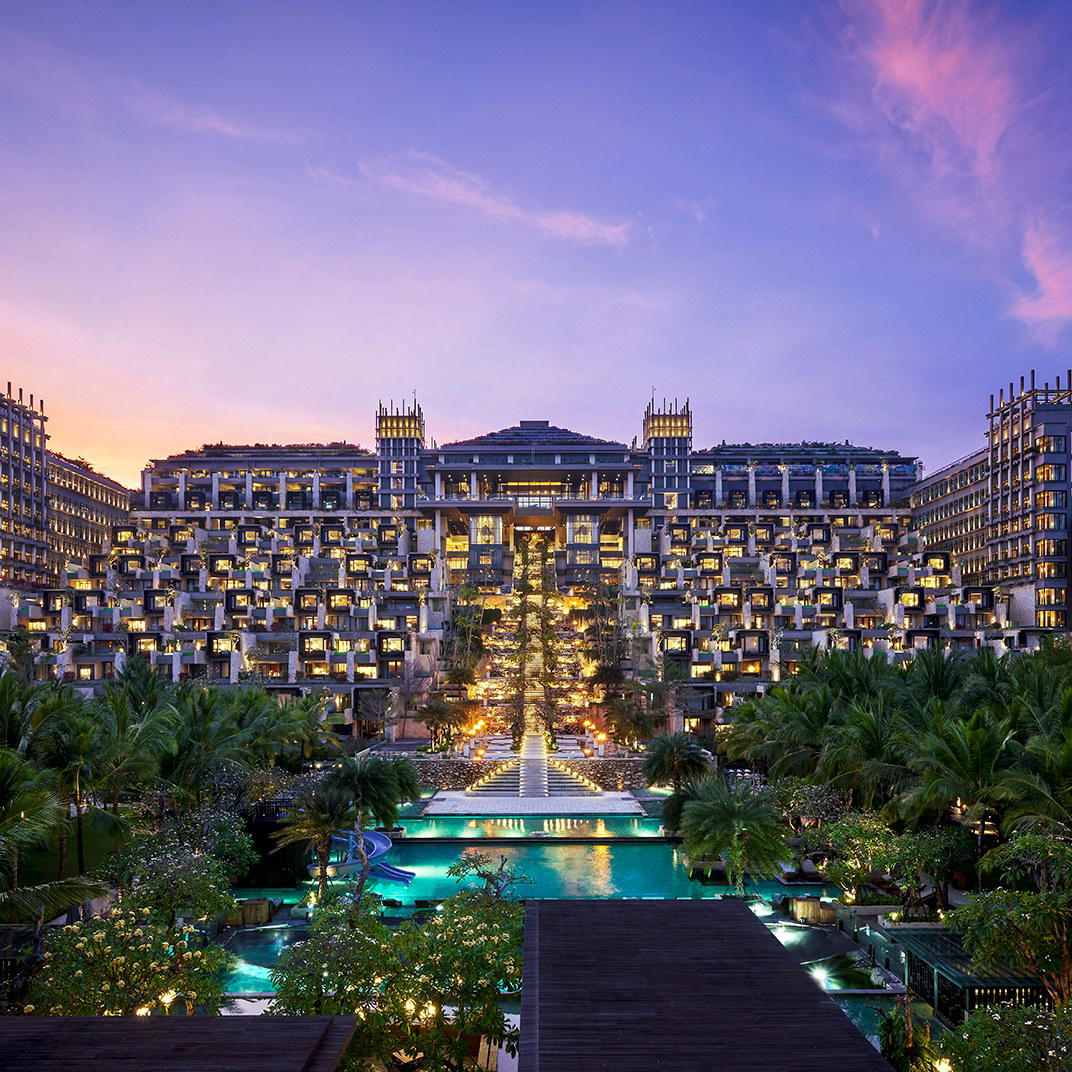
Clifftop Architecture as the Opening Statement
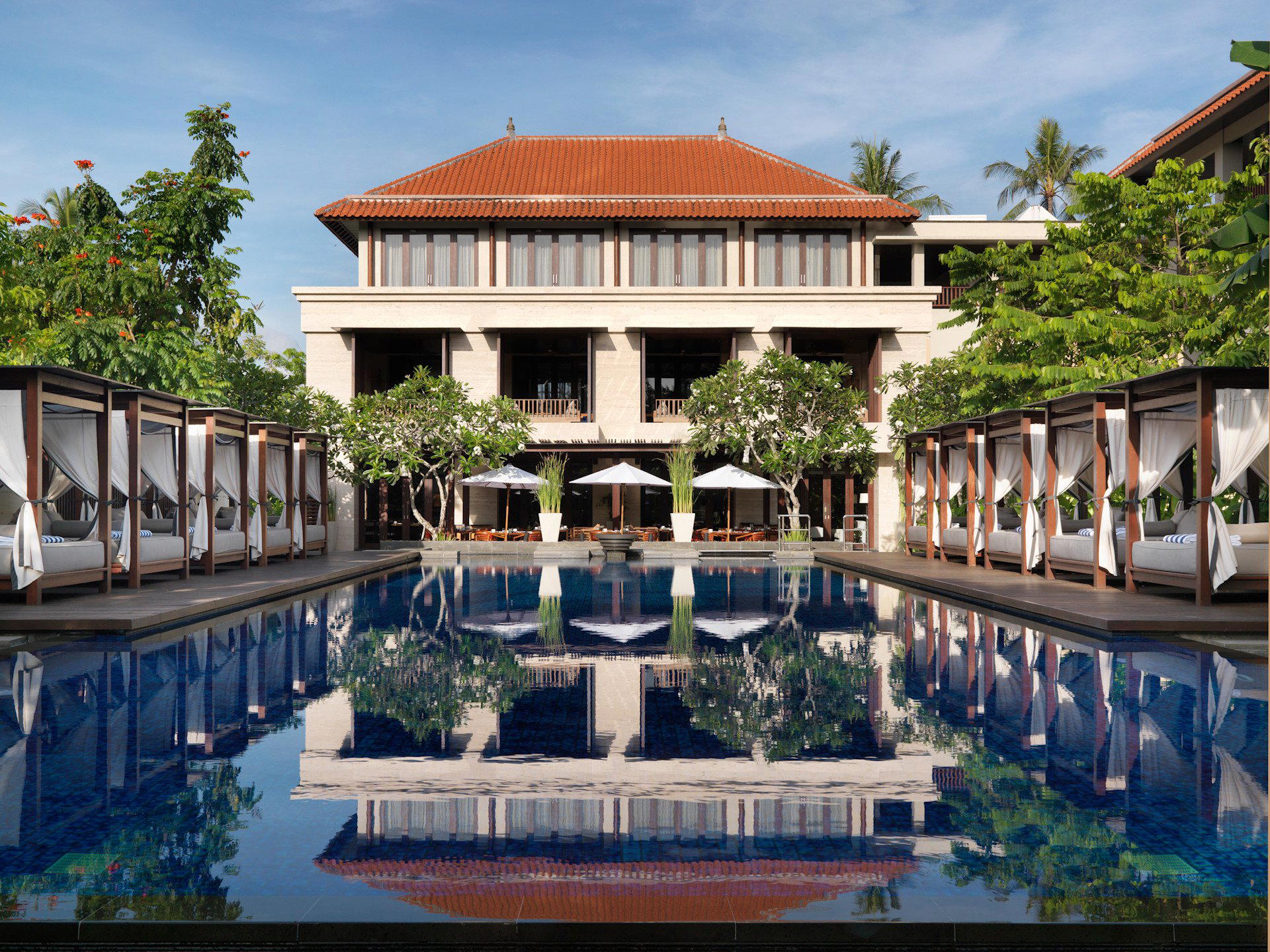
Arriving at The Apurva Kempinski Bali, the first impression is structural before it is hospitality. The approach road rises toward a grand ceremonial staircase that descends in tiers toward the Indian Ocean, an arrangement drawn directly from the spatial grammar of Balinese royal palace architecture. This is not a resort that borrows a few local motifs for lobby decoration; the entire organizational logic of the property, its axes, its terracing, its sight lines, is rooted in that tradition. Among Nusa Dua's cluster of large-scale luxury properties, this design commitment places The Apurva in a distinct position: it reads less like an international hotel that landed in Bali and more like a deliberate interpretation of what Balinese monumental architecture could become at resort scale.
The property received Michelin Selected designation in the 2025 hotels guide, a recognition that covers fewer than a handful of properties across the Nusa Dua corridor and signals a baseline of quality that the Michelin team considers worthy of editorial inclusion. That credential matters in context: Nusa Dua hosts some of the densest concentration of luxury hotel flags in Indonesia, including THE BALÉ Nusa Dua, Samabe Bali Suites & Villas, and Mulia Villas, so selection from that field is a narrowing exercise.
Design Philosophy Across the Site
Balinese architecture operates on a cosmological framework: the mountain is sacred, the sea is the realm of spirits, and human habitation occupies the middle ground. The Apurva's terraced layout maps directly onto this hierarchy, descending from the entrance compound toward the beach in a sequence that mirrors the traditional Balinese tri-angga spatial concept. The use of local stone, carved timber, and hand-laid decorative details throughout the property sustains that logic at the material level, well beyond the point where most large international resorts would have switched to cost-effective alternatives.
For guests comparing this property to its Nusa Dua neighbors, the reference points shift depending on what they prioritize. Aman Villas at Nusa Dua operates at smaller scale with a quieter footprint; Kimpton Naranta Bali sits in a different design register altogether, leaning toward a more contemporary aesthetic. The Apurva occupies the territory where ceremonial grandeur and Balinese material culture converge at significant scale, a combination that has no close equivalent in the immediate area. Guests drawn to Sofitel Bali Nusa Dua Beach Resort or Hilton Bali Resort for their more international hotel character will find The Apurva a departure in tone.
Nusa Dua as Context
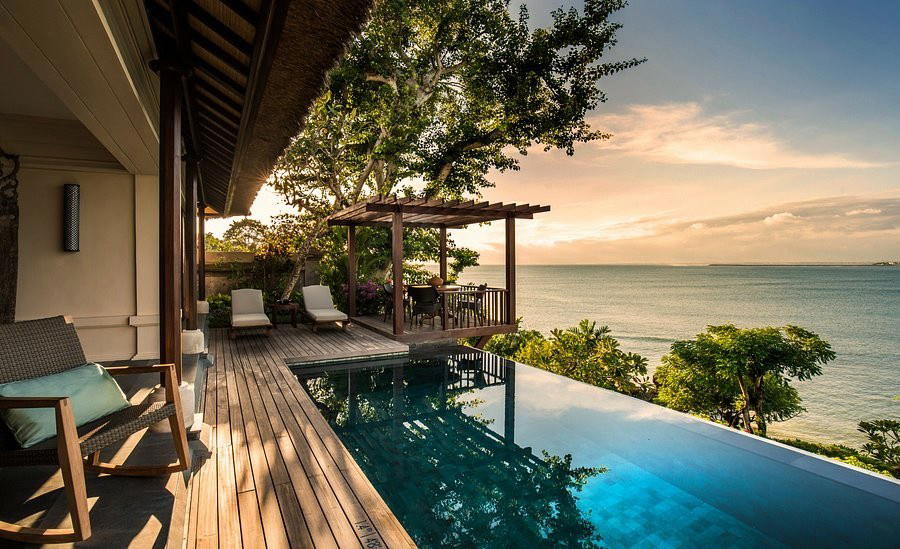
Nusa Dua functions as Bali's most controlled luxury precinct, a planned resort zone where beachfront properties operate behind a gated perimeter, noise and commercial intrusion are minimal, and the Indian Ocean frontage is shared but managed. This makes it the preferred base for guests who want direct beach access and resort self-sufficiency rather than the creative neighborhood energy of Canggu or the jungle immersion that defines Ubud's offer. COMO Uma Canggu and Mandapa, a Ritz-Carlton Reserve in Ubud each serve that different impulse. Within Nusa Dua's specific proposition, The Apurva's clifftop position is a meaningful differentiator: the elevation creates ocean views that flat-plot beach properties in the same enclave cannot replicate.
The broader Indonesian context is worth holding in mind. Properties like Nihi Sumba in Sumba or Plataran Komodo Resort & Spa in Labuan Bajo represent a completely different axis of luxury travel in the archipelago, built around remoteness and ecological rarity. The Apurva sits at the opposite end of that spectrum: accessible, large in scale, and positioned as a flagship hotel experience rather than an escape from infrastructure. For the Indonesian market and international travelers arriving through Ngurah Rai International Airport, that accessibility is a feature rather than a compromise. Our full Nusa Dua guide covers the broader precinct in detail, including dining, beach, and transport logistics.
What the Space Asks of Its Guests
Properties built around ceremonial architecture impose a certain pace. The staircases are long, the grounds are extensive, and the distance from any given room to the beach or to a restaurant can be significant. This is not a compact resort where everything is a three-minute walk; it is a property that rewards guests who are willing to move through the space rather than anchor to one spot. For families, couples, or groups who want to treat the resort as a destination in itself, that scale is part of the experience. For guests who want a smaller, more contained footprint, THE BALÉ Nusa Dua or Samabe Bali Suites & Villas would be the more calibrated choice.
Guests comparing the broader Bali offer should also consider Conrad Bali and Jumeirah Bali when assessing where The Apurva sits in the competitive field. Conrad Bali operates with strong international brand infrastructure; Jumeirah Bali leans into Javanese temple architecture as its design reference. The Apurva's Balinese royal palace framework is the most locally specific of the three approaches, and for guests to whom that distinction carries weight, it is the decisive factor.
Planning a Stay
The property sits on Jalan Raya Nusa Dua Selatan in Sawangan, within the main Nusa Dua resort enclave, approximately 14 kilometers south of Ngurah Rai International Airport. The BTDC resort zone is navigable by taxi, app-based transport, or hotel transfer; Nusa Dua's internal shuttle system also connects the main properties. Peak season across Nusa Dua runs from July through August and again over December and January, when occupancy across the precinct is high and advance booking becomes necessary. The shoulder months of April to June and September to October offer more room availability with comparable beach and weather conditions.
For travelers building a longer Indonesian itinerary, the combination of a Nusa Dua stay with time at Desa Potato Head or Potato Head Suites & Studios in Seminyak covers very different register of the island. Further afield, Plataran Borobudur Resort and Spa in Magelang and InterContinental Bandung Dago Pakar represent a Java-focused counterpoint for guests with time to extend beyond Bali. Innit Lombok and Hotel Komune and Beach Club Bali in Gianyar serve more surf-oriented travelers. On the wellness axis, REVĪVŌ Wellness Resort Nusa Dua Bali occupies a specialist tier just outside the main precinct boundary.
Fast Comparison
Comparable venues nearby, for context on price, style, and recognition.
| Venue | Cuisine | Price | Awards | Notes |
|---|---|---|---|---|
| The Apurva Kempinski BaliThis venue — the venue you are viewing | Contemporary Javanese palace inspired by Majapahit Kingdom and Balinese temples | $500–750 | 2 Michelin Keys · Virtuoso Luxury Hotel Partner | Not listed |
| Kimpton Naranta Bali | barefoot luxury lifestyle sanctuary blending Balinese heritage with modern design | Not listed | Michelin Selected | Nusa Dua |
| VOUK Hotel & Suites Bali 5 star Hotel | Contemporary Balinese resort with serene tropical gardens and sheltered pool areas | Not listed | Not listed | Nusa Dua |
| Aman Villas at Nusa Dua | Balinese luxury villas with private pools and gardens | $1,500–2,500 | Michelin Selected · Mr & Mrs Smith Seal of Approval | Nusa Dua |
| THE BALÉ Nusa Dua | Modernist Balinese pavilions with private gardens and pools | Not listed | Michelin Selected | Nusa Dua |
| Samabe Bali Suites & Villas | luxurious cliffside resort blending contemporary and traditional Balinese elements | $1,000–1,500 | Michelin Selected · Star Wine List | Nusa Dua |
Recognition history
Dated appearances from independent guides and award organizations, with the underlying list record or original source where available.
Michelin 2 Keys
Michelin
Virtuoso Luxury Hotel Partner
Virtuoso
Full recognition history (3 entries)
Michelin Selected
Michelin
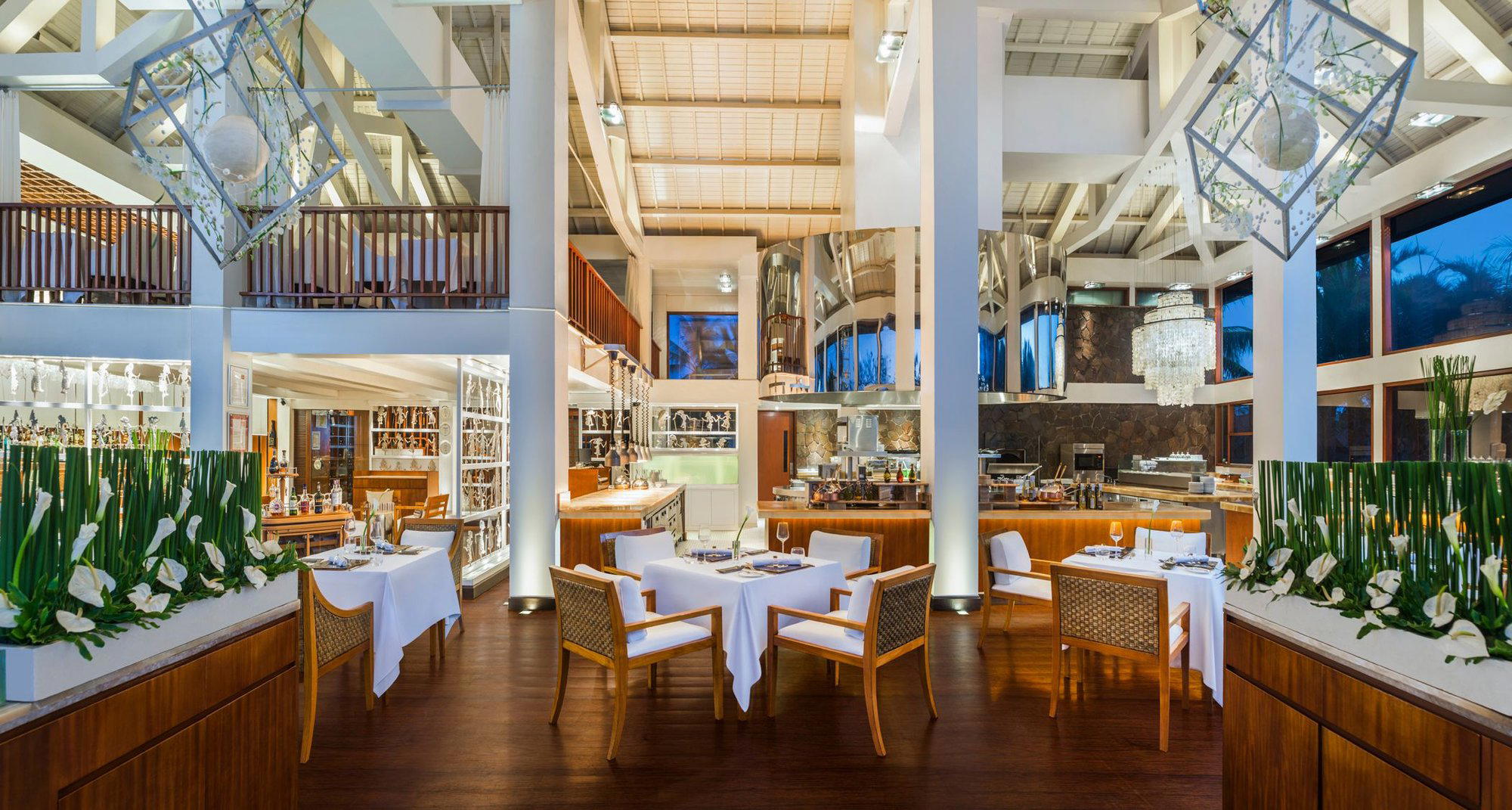
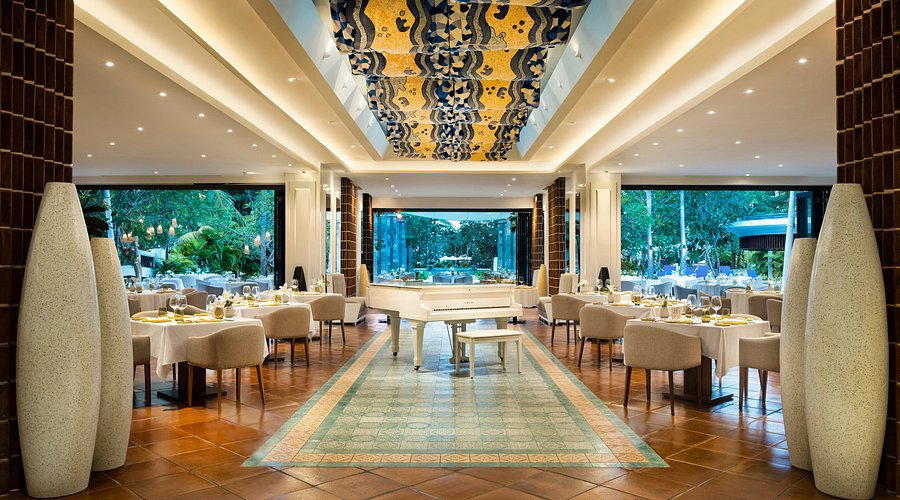
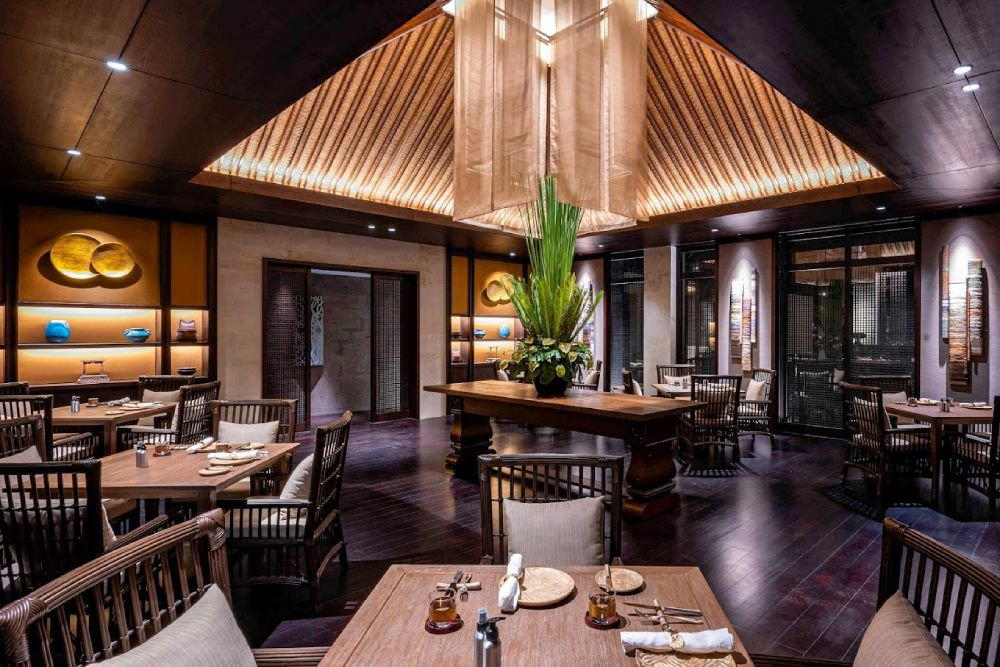
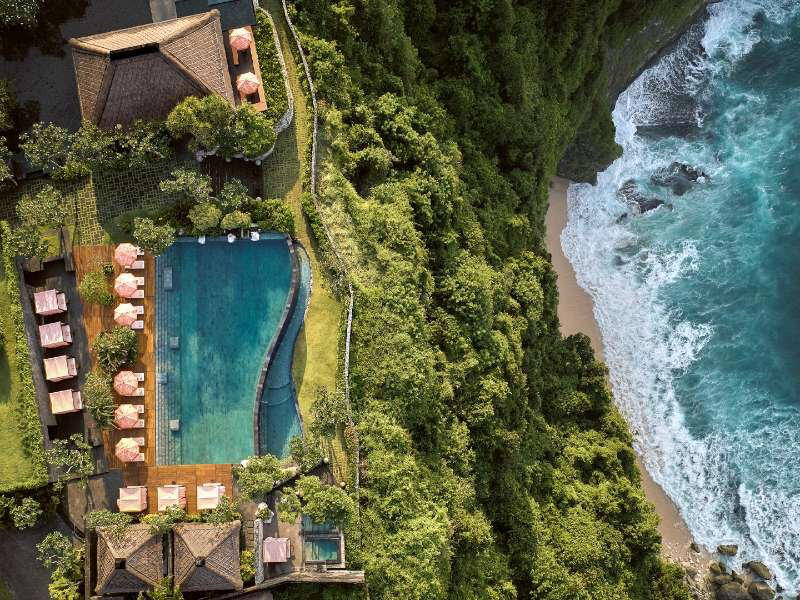
Details
- Elegant
- Sophisticated
- Ornate
- Scenic
- Honeymoon
- Romantic Getaway
- Family Vacation
- Wellness Retreat
- Beachfront
- Infinity Pool
- Private Villa
- Panoramic View
- Pool
- Spa
- Fitness Center
- Room Service
- Concierge
- Kids Club
- Beach Access
- Waterfront
- Garden
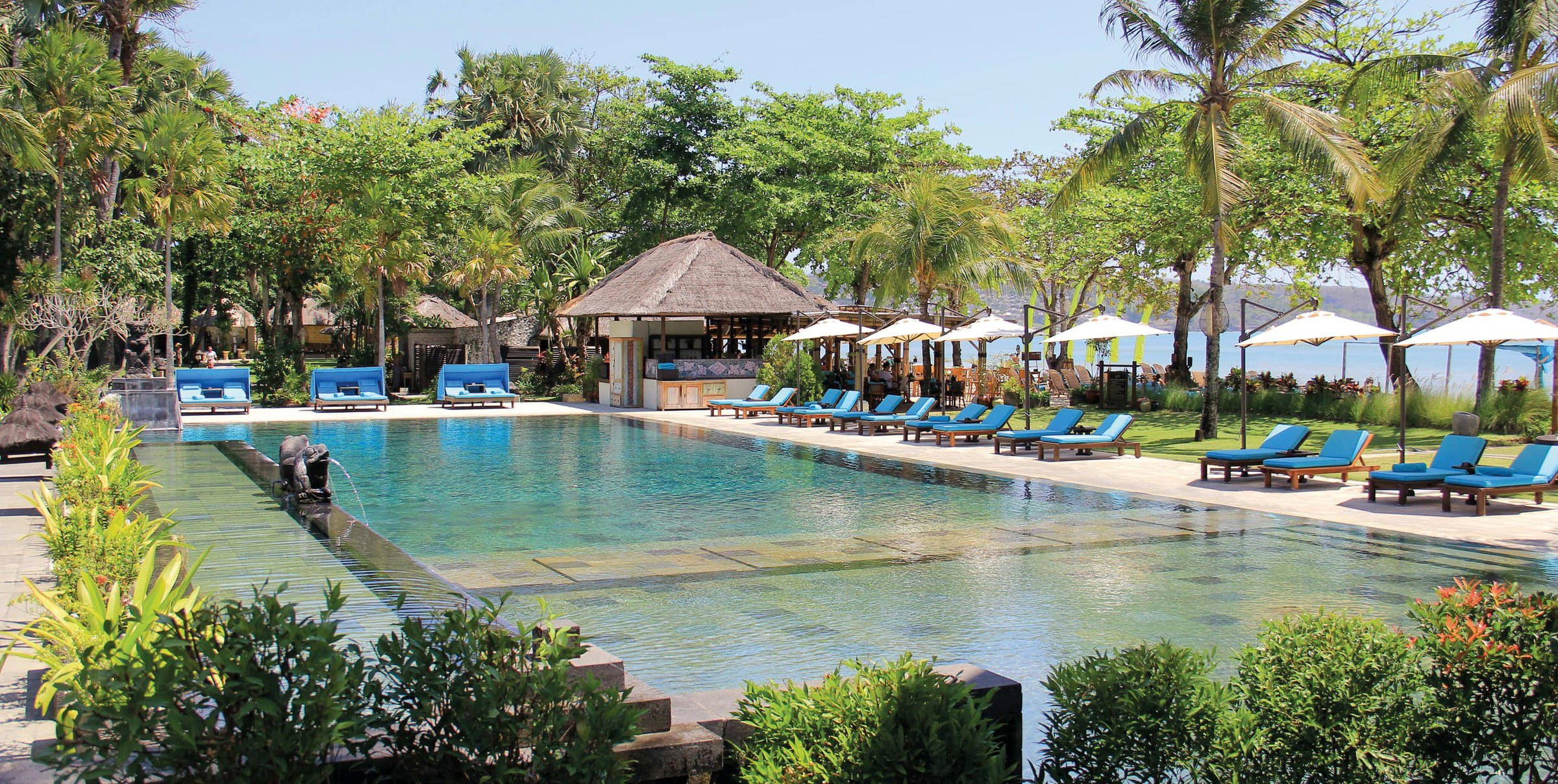
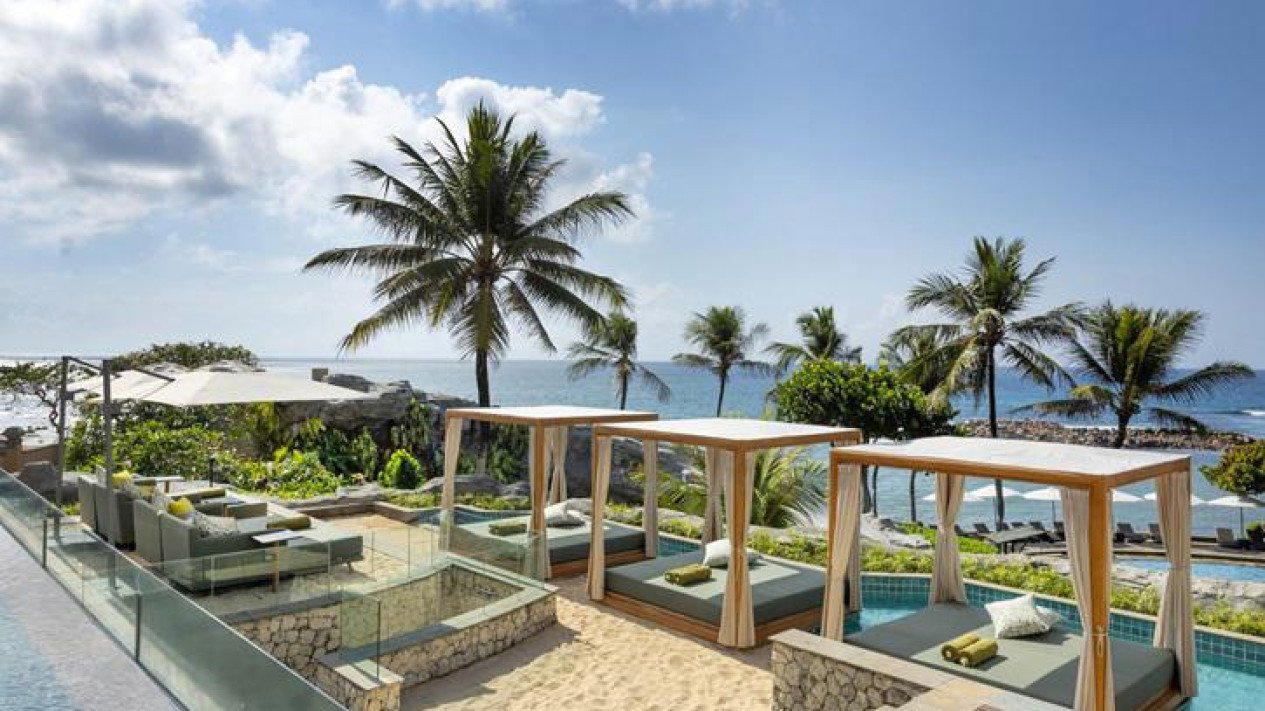
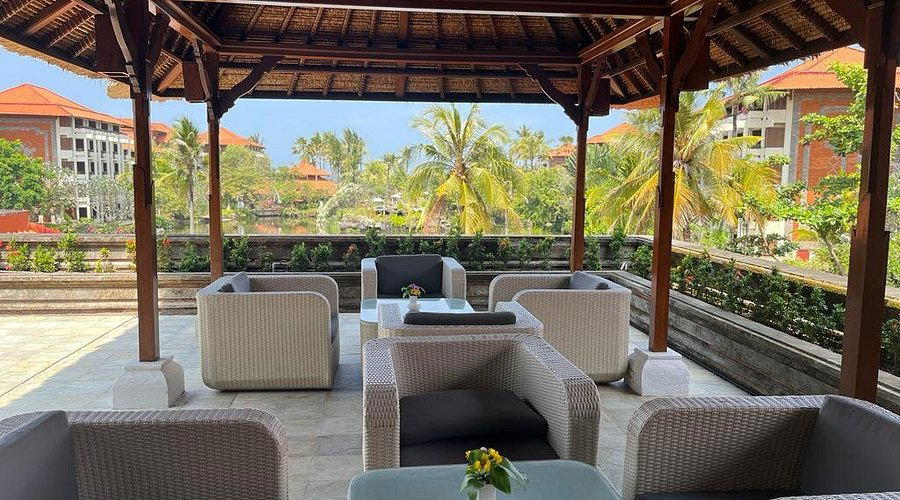
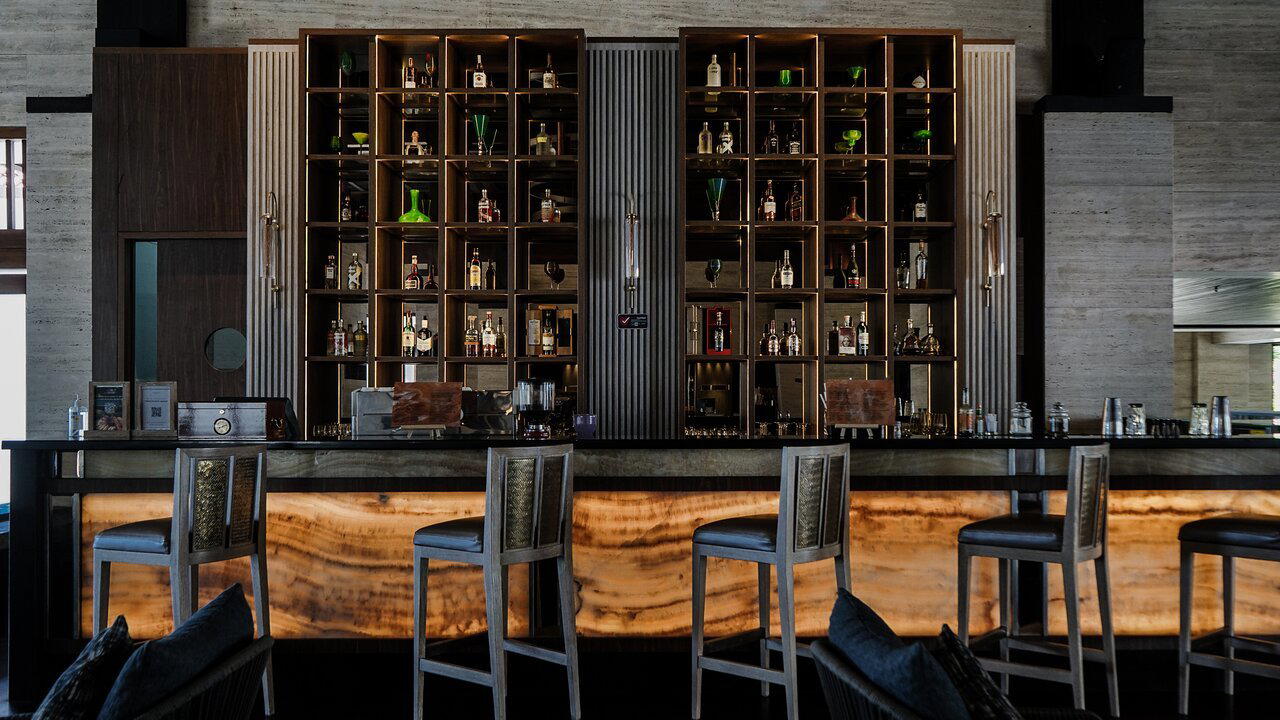
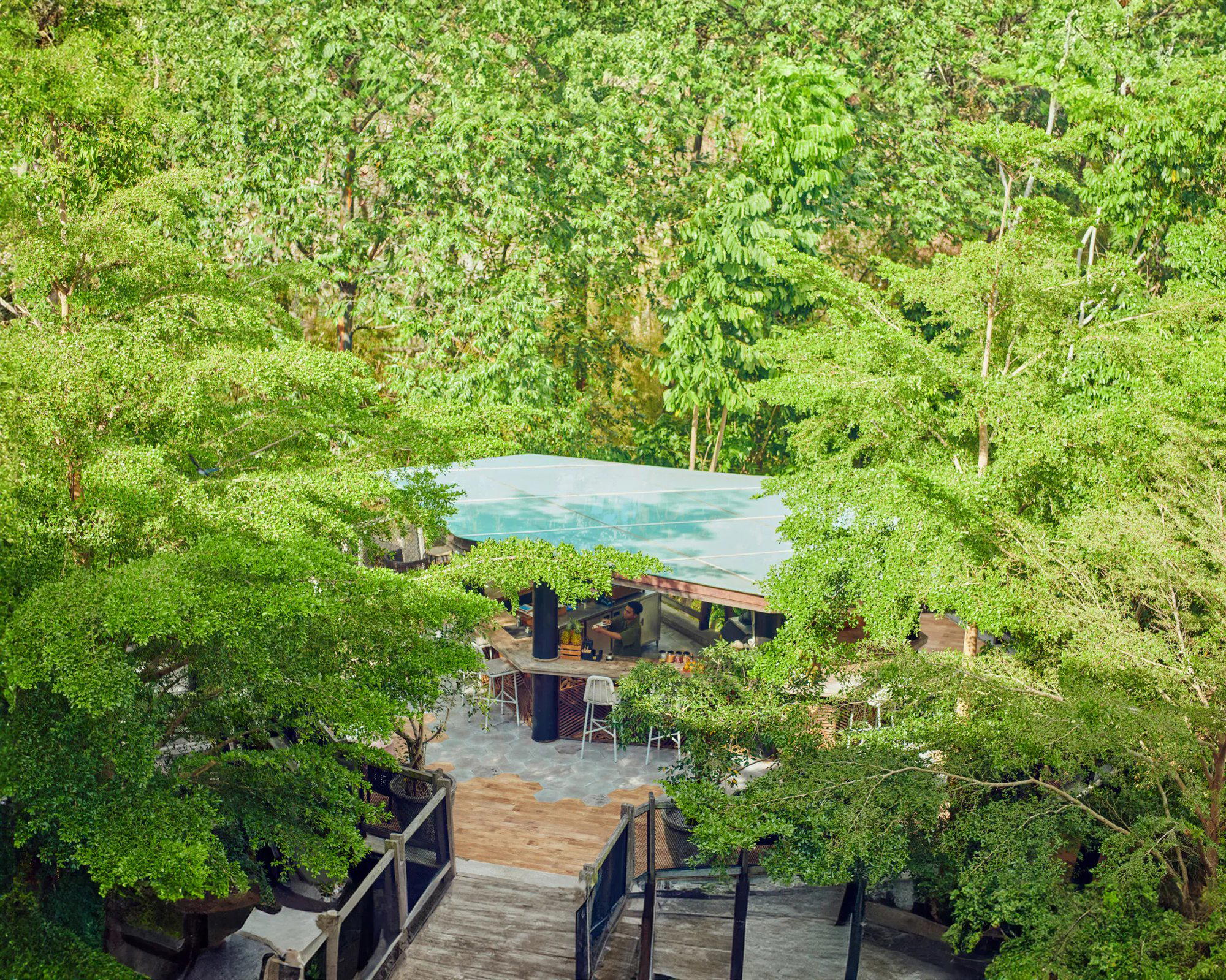
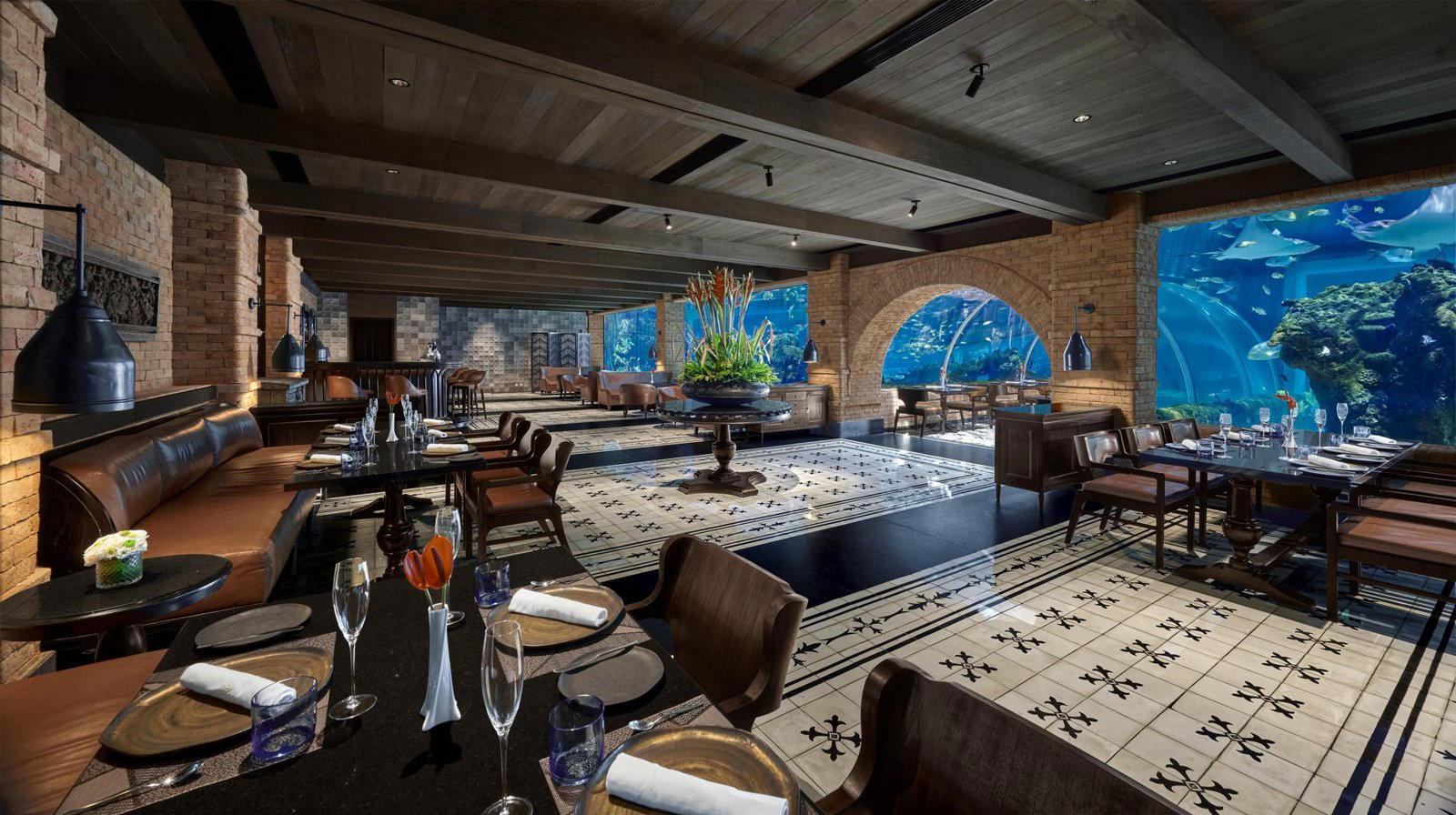
Monumental yet soulful atmosphere blending heritage, spirituality, and contemporary luxury with panoramic ocean views and palace-like presence.