
The Tower Wing of the Taj Mahal complex in Colaba sits at the upper tier of Mumbai luxury, with 258 rooms, harbour-facing views, and direct access to one of India's most storied hotel addresses. At around $270 per night, it positions alongside the city's international-calibre properties while offering a more contemporary format than the adjacent Heritage Wing, which dates to 1903.
Pearl is the En Primeur Club membership app — saves, bookings, and concierge access live there. Same editors, same standards.
- Address
- PJ Ramchandani Marg, Apollo Bandar, Colaba, Mumbai, Maharashtra 400001
- Phone
- +91 22 6665 3000
- Website
- tajhotels.com
- Directions
- Get directions
 Saves & bookings on Pearl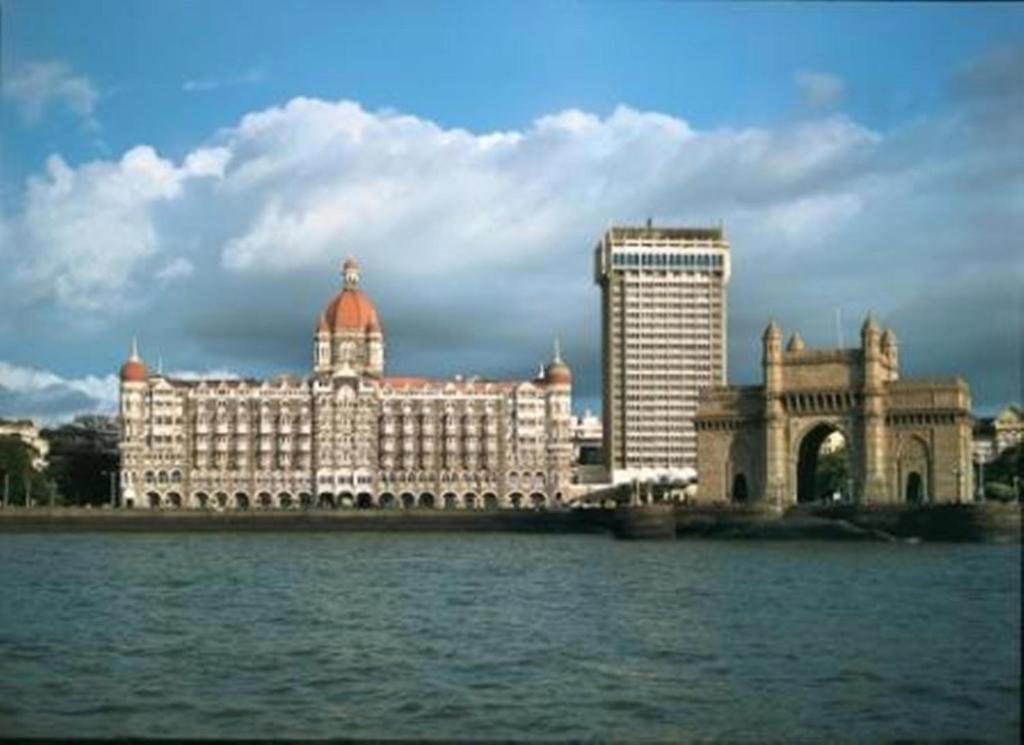
Mumbai's Colaba Waterfront and the Weight of the Address
Few hotel addresses in India carry the gravitational pull of the Apollo Bandar waterfront in Colaba. The Gateway of India stands within steps, the Arabian Sea stretches to the west, and the Taj Mahal complex has anchored this stretch of PJ Ramchandani Marg since 1903. Within that complex, the Tower Wing is the more recent addition: a high-rise structure that trades the Heritage Wing's ornate Indo-Saracenic corridors for a cleaner, more contemporary format while drawing on the same address, the same staff infrastructure, and the same harbour setting. Guests choosing between the two wings are, in effect, choosing between two distinct hotel typologies that happen to share a postcode, and in Mumbai's luxury tier, that postcode matters considerably.
Colaba itself is one of the few neighbourhoods in Mumbai where the colonial-era street grid, the waterfront promenade, and a working fishing harbour coexist within walking distance of each other. The contrast is not incidental, it is the texture of the city compressed into a few square kilometres. Luxury hotels in this part of Mumbai do not exist in isolation from that texture; they sit at its centre. The The Taj Mahal Palace, Mumbai occupies the Heritage Wing of the same complex, and for travellers weighing the two options, the Palace represents a deeper immersion in pre-independence architectural grandeur, while the Tower offers the harbour views from a more efficiently organised building.
The Architecture Story and What It Actually Means for the Guest
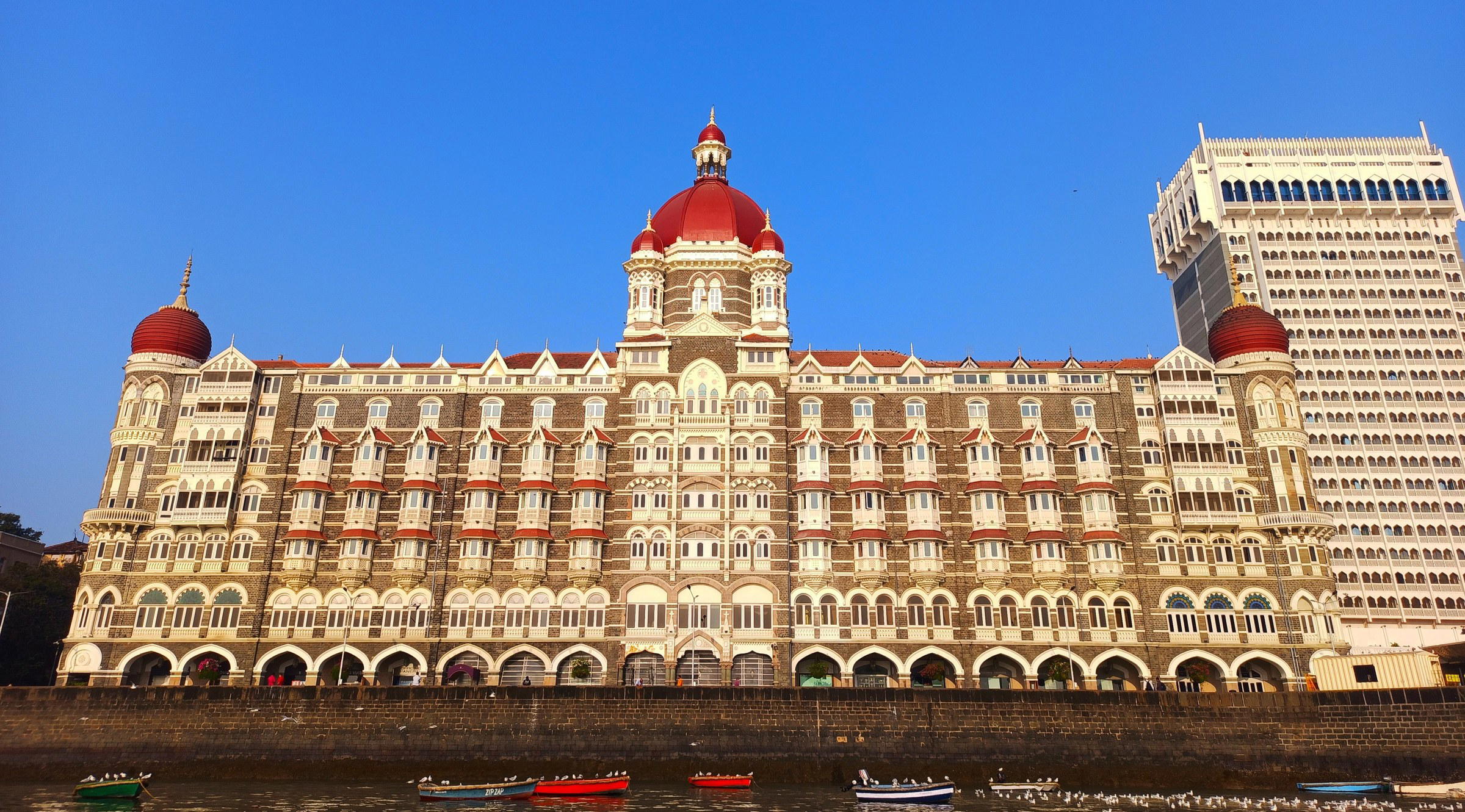
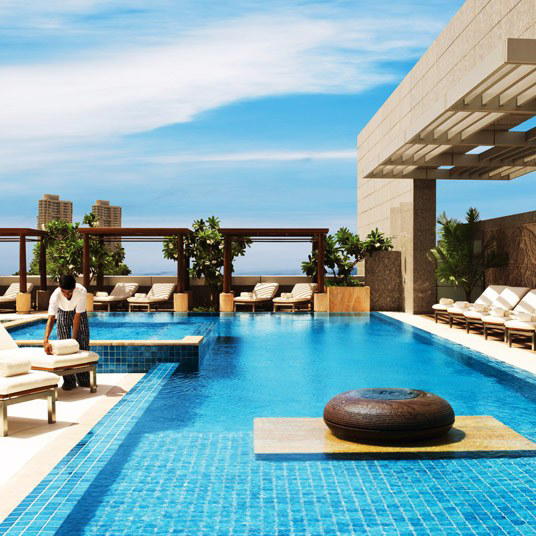
The repeated piece of lore attached to the Taj Mahal complex is that the architect, working from plans drawn up abroad, arrived by boat to find the building had been constructed the wrong way around. The story, verifiable as legend rather than documented fact, has an ironic outcome: the supposed back of the building, which faces the harbour, became the guest-room facade, meaning a higher proportion of rooms look out over the water than would otherwise have been the case. What was reportedly meant to be the entrance driveway became the swimming pool and courtyard instead. The actual entrance is a comparatively low-key affair.
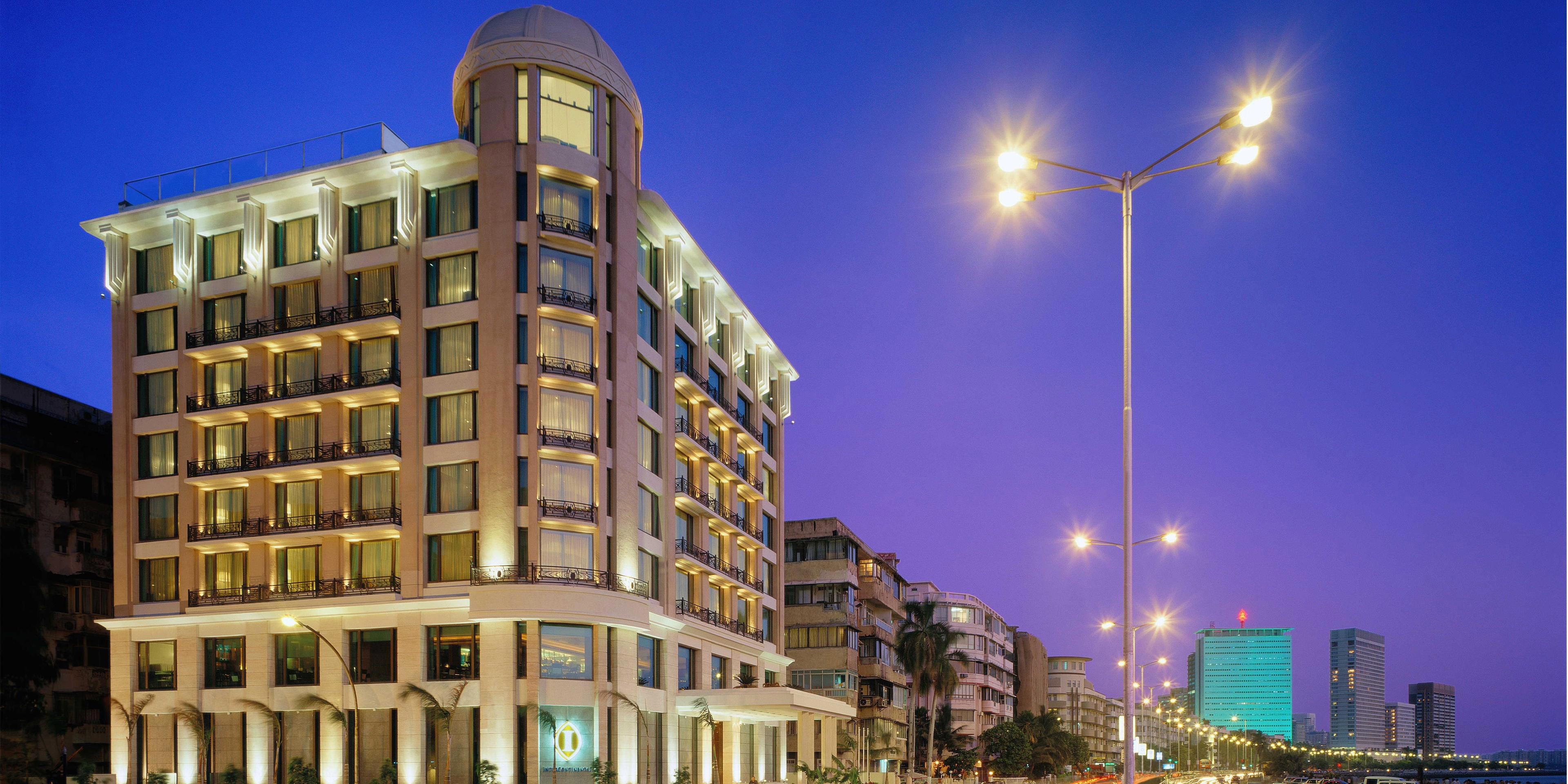
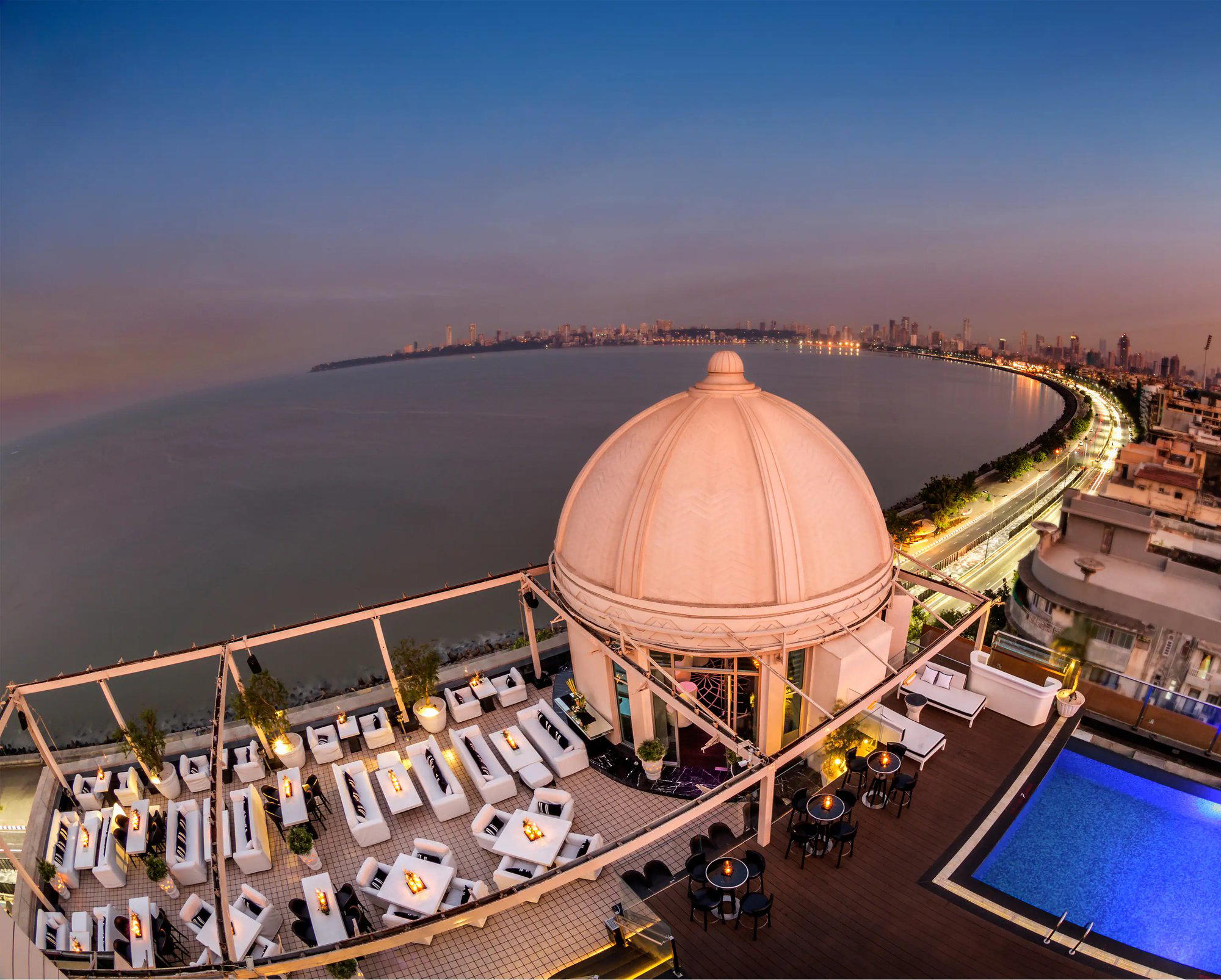
The practical implication for guests choosing rooms in the Tower Wing is direct: harbour-facing rooms offer views over the Gateway of India and the Arabian Sea, while rooms on the other side look down across Mumbai's rooftops. The rooftop panorama is not without its own character, this is a city of extraordinary visual density, but the harbour rooms are the reason most international travellers choose this address over competitors further along the waterfront, such as the InterContinental Marine Drive-Mumbai, which offers Marine Drive views rather than the Apollo Bandar harbour.
Where the Tower Wing Sits in Mumbai's Luxury Market
Mumbai's upper-tier hotel market has stratified over the past two decades. The city now has properties that compete internationally on design, food and beverage programming, and service consistency, not just on colonial legacy. At approximately $350 per night, the Tower Wing sits in the upper-mid range of that tier, below the aggressive pricing at some newer entrants but above the city's international-chain mid-market. The ITC Grand Central, A Luxury Collection Hotel, Mumbai and the ITC Maratha, A Luxury Collection Hotel, Mumbai represent comparable positioning in different parts of the city, with the Maratha sitting closer to the international airport and the Grand Central serving the central business district. For travellers whose itinerary is anchored in South Mumbai, Colaba, the Fort district, Nariman Point, the Tower Wing's location is difficult to match at its price point.
The Sofitel Mumbai BKC represents the Bandra Kurla Complex alternative for business-focused stays, with a design-forward profile that appeals to a different kind of traveller than the one drawn to the Taj address. The Aurika Mumbai International Airport is a further option for travellers prioritising airport proximity over a central location. These properties collectively illustrate that Mumbai's luxury market is now genuinely multi-nodal, with no single neighbourhood holding an unchallenged position across all travel purposes.
Five Restaurants, Three Bars, and the Case for Leaving Anyway
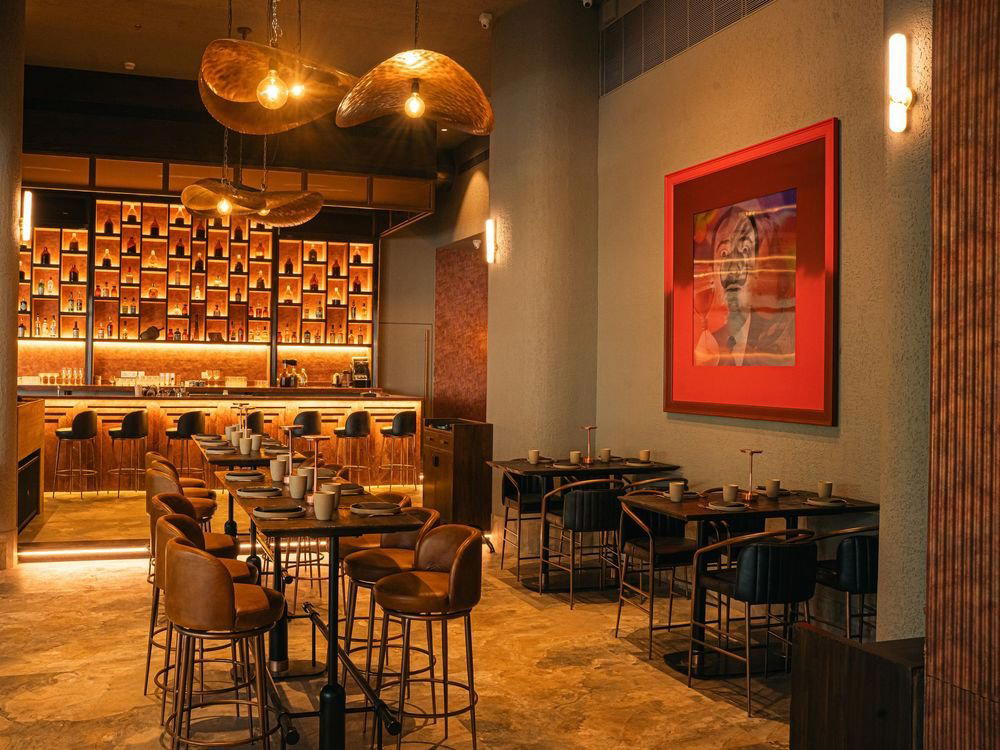
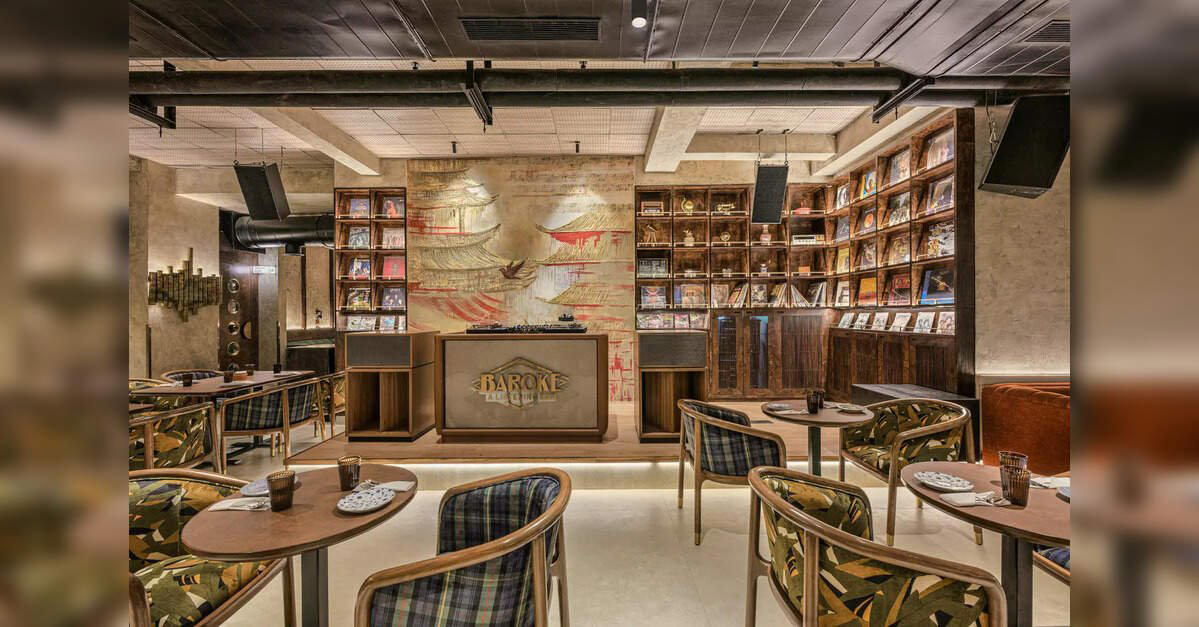
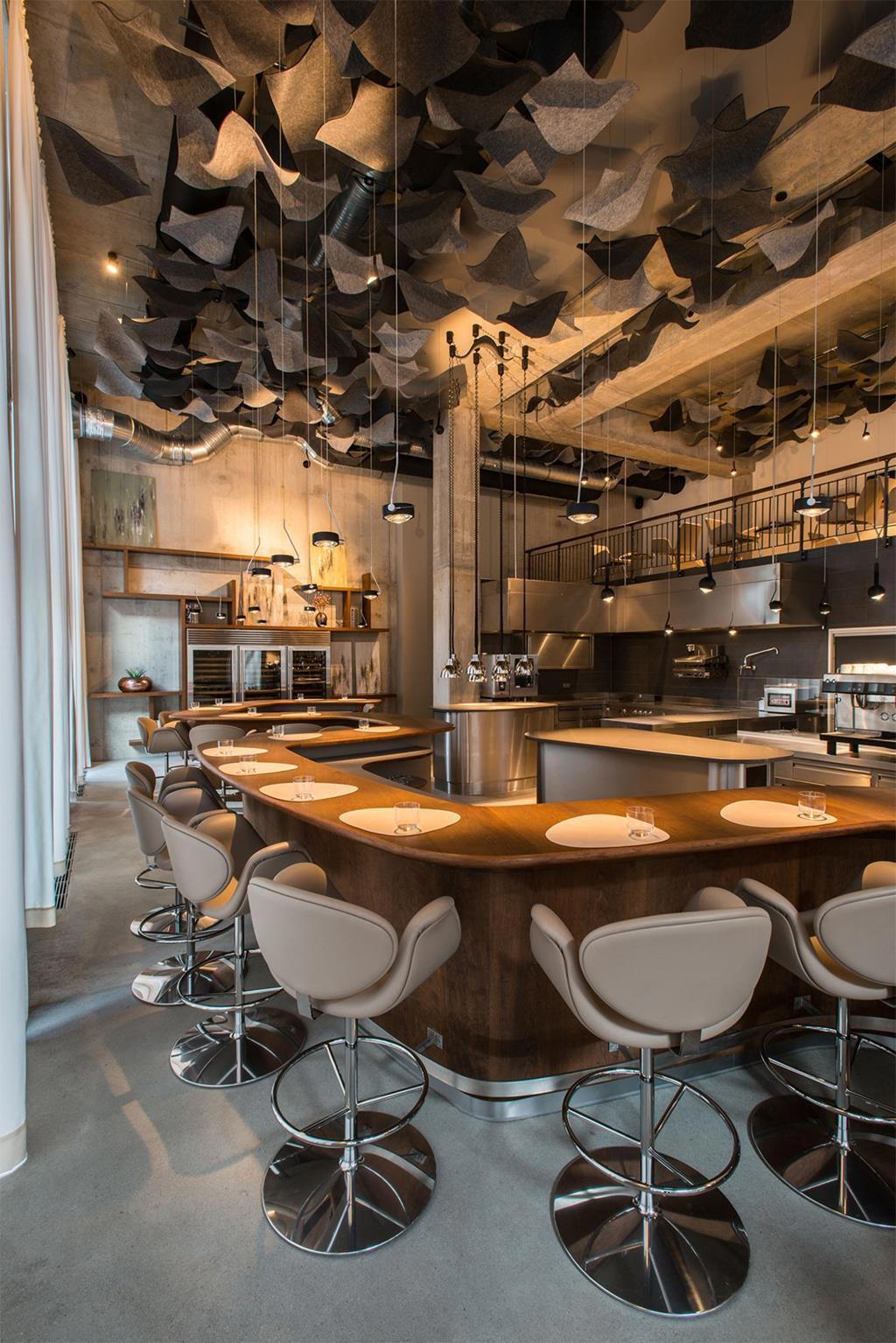
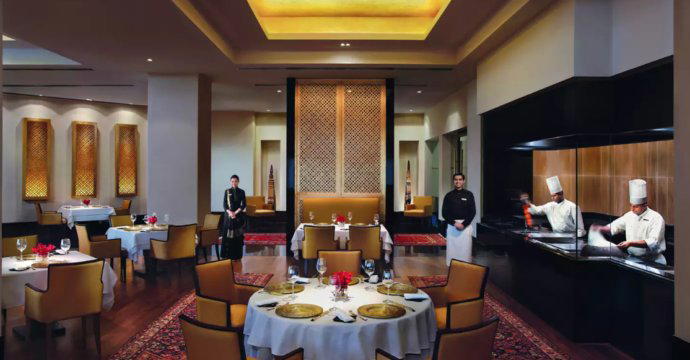
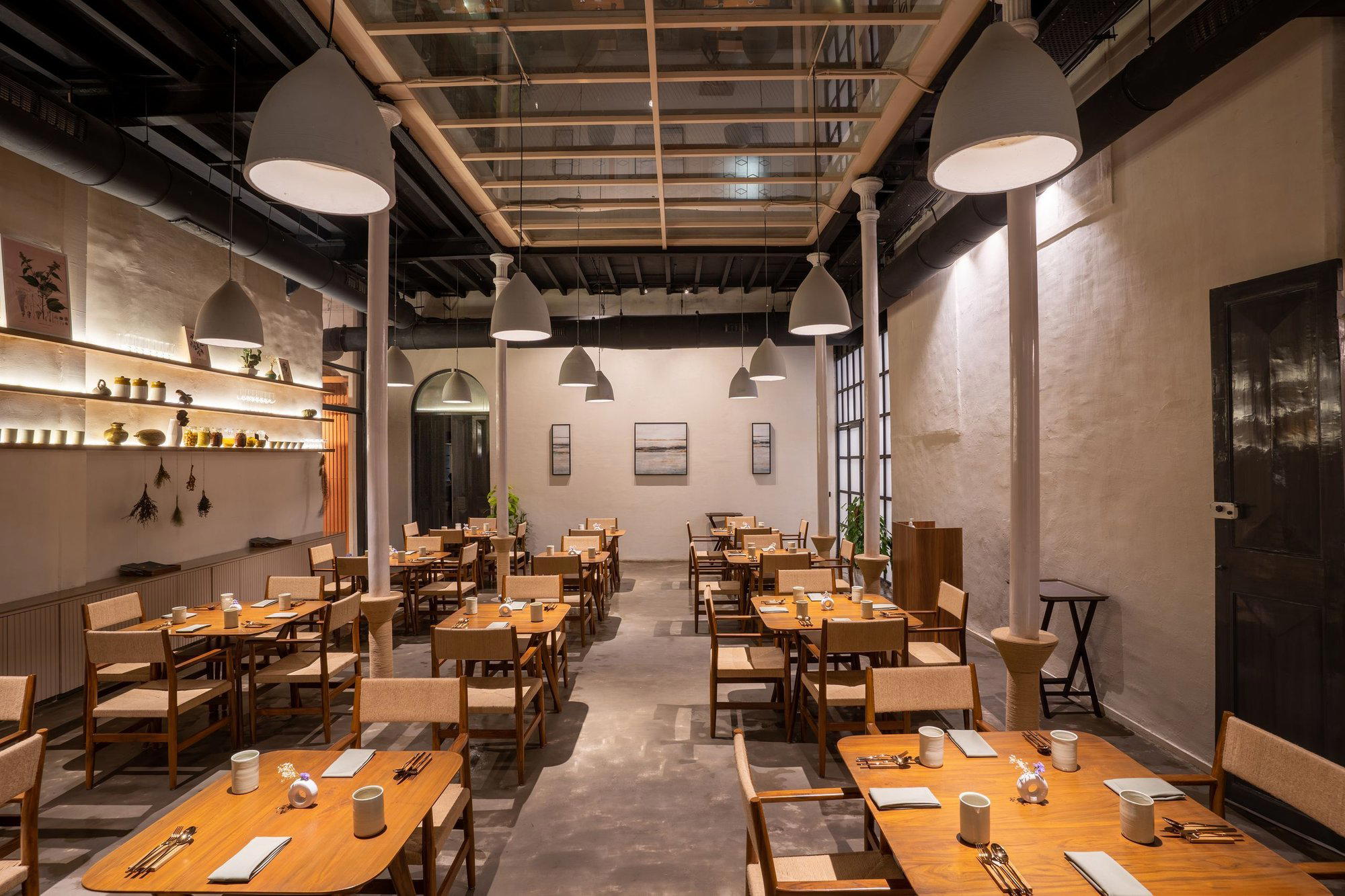
The complex runs five restaurants and three bars, covering a range of cuisines and formats sufficient to fill a stay without stepping outside. This kind of internal F&B; depth is a legacy feature of grand colonial-era hotels, which were designed to be self-contained worlds for international travellers who arrived by sea and might not venture far. In contemporary Mumbai, the calculation is different. The city's independent restaurant scene has expanded substantially, and spending every meal inside a hotel would mean missing the food culture that makes Mumbai one of India's most interesting cities at street and mid-market level. The hotel's F&B; offering is best understood as a convenience and a quality floor, not as the primary reason to choose the address.
The Tower Wing in the Context of Indian Hotel Heritage
India's luxury hotel tradition operates on a different register than most markets. The subcontinent's grand properties, whether Mughal-revival palaces in Rajasthan, hill-station retreats in the Himalayas, or colonial-era urban landmarks like this one, carry a weight of cultural reference that European or American luxury hotels rarely match. Properties like The Leela Palace Jaipur in Jaipur, Amanbagh in Ajabgarh, and The Oberoi Amarvilas in Agra each represent a different strand of that tradition. In Delhi, The Leela Palace New Delhi and Haveli Dharampura in Delhi show how the spectrum runs from large-scale palace hotels to intimate heritage properties.
The Tower Wing does not claim to be the cultural monument that the Heritage Palace is. It is a modern high-rise attached to a storied address. The distinction matters: guests who want the full weight of the 1903 building, its corridors, its guestbook of heads of state and cultural figures, should book the Heritage Wing directly. Those who want the address, the harbour view, and a more efficiently organised room format, at a rate that sits slightly below the Palace tier, will find the Tower a coherent choice. The convention that this address represents the upper tier of Indian urban hotels is not contested by other properties in the city, it is the benchmark against which newcomers are measured, whether they operate in Colaba or further afield.
For travellers using Mumbai as a gateway to wider India, the options beyond the city span an enormous range: Suján Jawai in Pali for wildlife experiences in Rajasthan, Chapslee in Shimla for a smaller-scale colonial hill-station alternative, or Garner Kutch Gujarat in Kutch for something further off the conventional itinerary. The Taj Tower's value, in that larger frame, is partly as an orientation point, a place to arrive into India with a stable reference before the country's complexity fully asserts itself.
Planning a Stay: What to Know Before You Book
The Tower Wing holds 258 rooms, a scale that places it in the large-property tier. Rates start at approximately $270, with harbour-facing rooms commanding a premium over the city-side inventory. The address is in Colaba, adjacent to the Gateway of India, and accessible from Chhatrapati Shivaji Maharaj International Airport by taxi or car; the drive through Mumbai's traffic can range considerably depending on time of day.
At a Glance
Comparable venues nearby, for context on price, style, and recognition.
| Venue | Price | Notes |
|---|---|---|
| Taj Mahal Tower, MumbaiThis venue — the venue you are viewing | $$$$ | Not listed |
| The Oberoi, Mumbai | $$$$ | Nariman Point, Luxurious urban hotel with panoramic sea and city views. |
| ITC Grand Central, A Luxury Collection Hotel, Mumbai | $$$$ | Parel Shivedi, Blend of Raj era character and contemporary design in LEED platinum certified environment |
| Taj Lands End, Mumbai | $$$$ | Bandra B, Luxury urban resort with sea views |
| Aurika Mumbai International Airport | $$$$ | Sahar, Modern luxury airport hotel blending heritage-inspired design with contemporary comfort |
| The Leela Mumbai | $$$$ | Marol, Luxurious urban oasis with landscaped tropical gardens and palatial Indian elegance. |
Recognition history
Dated appearances from independent guides and award organizations, with the underlying list record or original source where available.
Michelin 1 Key
Michelin
At a Glance
- Well Known
- Elegant
- Sophisticated
- Scenic
- Romantic Getaway
- Business Trip
- Anniversary
- Celebration
- Waterfront
- Rooftop Pool
- Destination Spa
- Historic Building
- Panoramic View
- Private Dining
- Butler Service
- Wi Fi
- Pool
- Spa
- Fitness Center
- Room Service
- Concierge
- Business Center
- Valet Parking
- EV Charging
- Restaurant
- Bar
- Waterfront
- Skyline
- Wi Fi
- Pool
- Spa
- Fitness Center
- Room Service
- Concierge
- Business Center
- Valet Parking
- EV Charging
- Restaurant
- Bar
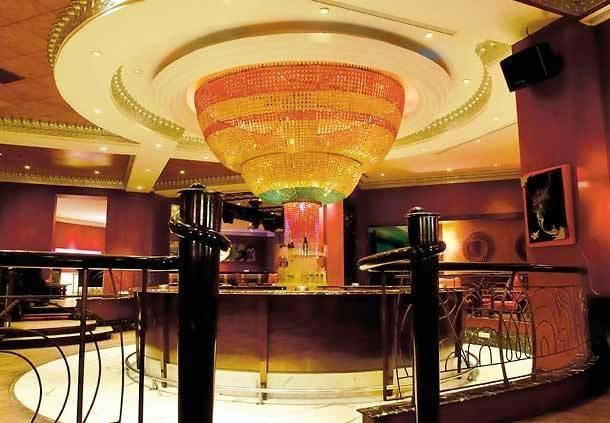
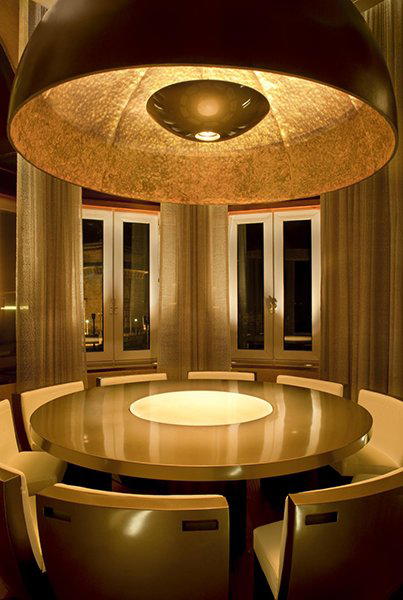
Luxurious and refined with period charm in public areas decorated with antiques, silk carpets, and crystal chandeliers; rooms feature understated elegance with contemporary allure and dramatic Arabian Sea or cityscape vistas.