Sea Palace Hotel occupies a considered position along PJ Ramchandani Marg in Colaba, within walking distance of the Gateway of India and a short distance from The Taj Mahal Palace. For travellers prioritising location over branded scale, it represents one of the more direct entries into Mumbai's most historically layered neighbourhood. The address alone situates a stay inside one of the city's most storied stretches of waterfront.
Pearl is the En Primeur Club membership app — saves, bookings, and concierge access live there. Same editors, same standards.
- Address
- 26, PJ Ramchandani Marg, near Gateway of India, near The TAJ Palace Hotel, Apollo Bandar, Colaba, Mumbai, Maharashtra 400001, India
- Phone
- +91 22 6112 8000
- Website
- seapalacehotel.net
- Directions
- Get directions
 Saves & bookings on Pearl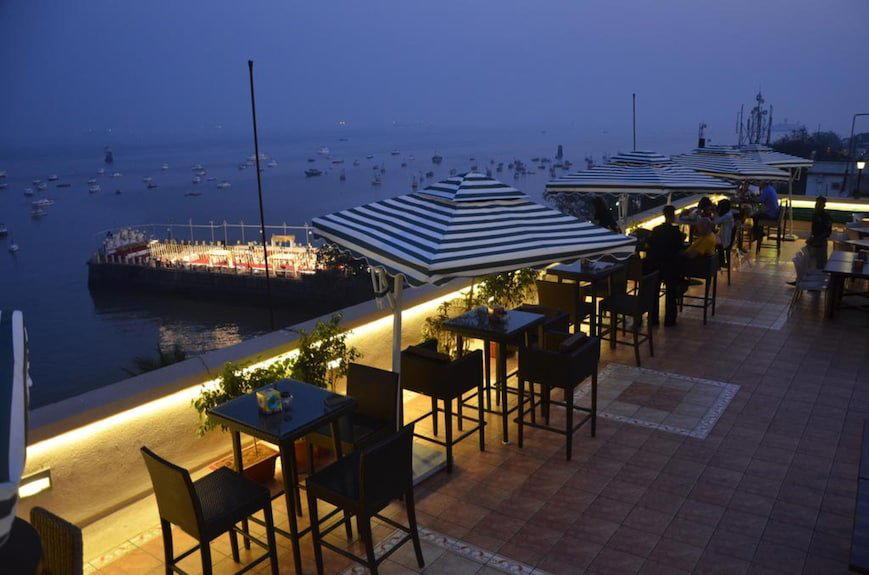
Colaba's Waterfront Address and What It Carries
The approach to Sea Palace Hotel along PJ Ramchandani Marg tells you more about its value than any room specification could. This is the arc of Mumbai seafront that connects Apollo Bandar to the Gateway of India, a stretch where the Arabian Sea sits to one side and a sequence of colonial-era facades lines the other. Hotels along this corridor do not compete primarily on amenities or room count, they compete on proximity to one of the city's most historically weighted public spaces, and on the particular kind of access that only a Colaba address provides.
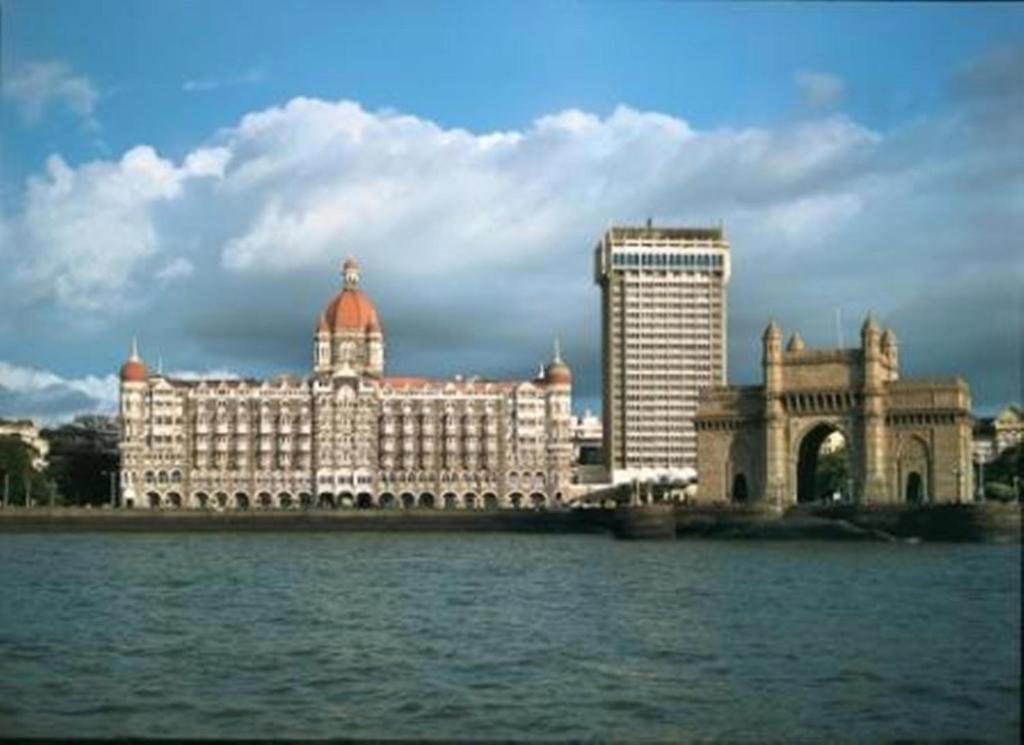
The Gateway of India, completed in 1924 in Indo-Saracenic style, was built partly to mark the arrival of British royalty and later became the departure point for the last British troops leaving India at independence. Standing at its base at dusk, with ferry traffic crossing toward Elephanta Island and the The Taj Mahal Palace dome framing the southern skyline, is an experience that no amount of in-hotel programming can replicate. Sea Palace Hotel's address on PJ Ramchandani Marg places guests within that frame, on foot, without requiring a car or prior planning. Sea Palace Hotel is a 3-star hotel in Colaba, Mumbai, with 50 rooms and a nightly rate from US$62.
The Neighbourhood as the Product
Colaba has operated as Mumbai's tourist and traveller centre for well over a century, and its character has not been softened by that role. The market lanes behind the seafront, the Irani cafés serving chai and bun maska since the early twentieth century, the mix of antique dealers and street tailors along Colaba Causeway, these are not curated experiences but the residue of genuine urban layering. For a visitor arriving in Mumbai for the first time, or returning to catch the city without the insulation of a business district hotel, the neighbourhood offers the immediate contact with the city's plural history.
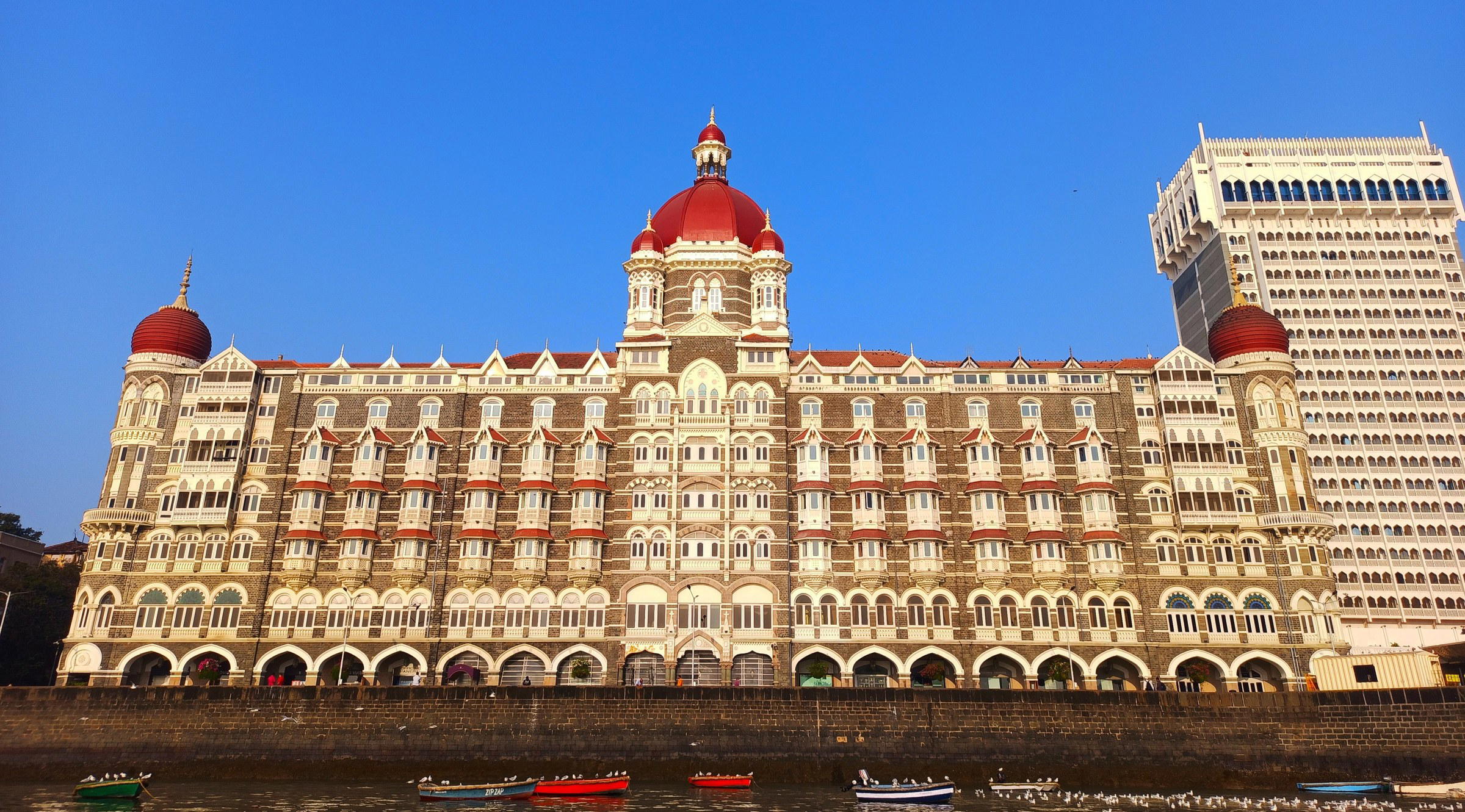
Within this context, the cluster of hotels near the Gateway of India represents a distinct sub-market in Mumbai's accommodation offer. At one end of the spectrum sits The Taj Mahal Palace, opened in 1903 and carrying institutional weight as one of the subcontinent's most documented hotels. The hotel occupies a different tier entirely, smaller in scale, lighter on brand infrastructure, and positioned for travellers who want the location without the room-rate premium that a century of accumulated prestige commands.
Those looking for a contrasting urban approach, further from heritage density but closer to Mumbai's commercial corridors, might consider InterContinental Marine Drive-Mumbai or Sofitel Mumbai BKC for a Bandra Kurla Complex base. For a design-led independent alternative in the city, Le Sutra the Indian Art Hotel and Soho House Mumbai represent the emerging cohort of properties built around curatorial identity rather than address prestige. For airport-proximate arrivals, Aurika Mumbai International Airport and the ITC Maratha serve a different travel logic entirely.
Mumbai in the Context of Indian Heritage Travel
Mumbai is not primarily a heritage tourism destination in the way that Rajasthan's circuit functions, properties such as The Leela Palace Jaipur, Amanbagh, or Suján Jawai draw visitors specifically for architecture and landscape rooted in Mughal or Rajput histories. Mumbai's heritage sits differently: it is embedded in the colonial administrative grid, in the Victorian Gothic buildings of Fort, in the Art Deco facades of Marine Drive, and in neighbourhoods like Colaba where layers of use have accumulated without much deliberate preservation strategy.
The Colaba seafront in particular carries a kind of historical density that is felt rather than signposted. The fishing village of Koliwada still operates within walking distance. The Afghan Church, consecrated in 1858, stands a short distance from the hotel's address. The Sassoon Docks, the oldest wet docks in Mumbai, remain an active working market. Travellers staying along PJ Ramchandani Marg are within reach of all of it without transfers.
That said, Mumbai functions as a gateway city for India's broader heritage circuit. Visitors combining a Colaba base with onward travel to The Leela Palace New Delhi, The Oberoi Amarvilas in Agra, or properties further into the subcontinent such as Haveli Dharampura in Delhi's old city or Chapslee in Shimla, will find that a Colaba stay carries its own logic as a first chapter rather than simply a transit stop. For travellers extending further, Natraj Hotel and Restaurant in Udaipur and Vivanta Vrindavan form part of the wider India itinerary picture.
Planning a Stay
Mumbai's humidity peaks between June and September during the monsoon, and while the city does not shut down, outdoor movement around the Gateway and seafront becomes genuinely uncomfortable for sustained periods. The months from November through February represent one hospitable window: temperatures hold in the low-to-mid twenties Celsius, the sea light at the Apollo Bandar end of Colaba is clearest in the morning, and the footfall around the Gateway is highest during the Christmas and New Year period, which brings its own energy to the waterfront. Visitors planning to spend time in the neighbourhood on foot, which is the correct way to read Colaba, should weight their timing toward the cooler dry months.
Prospective guests should verify current availability and rate structure through third-party booking platforms or direct contact via the property's publicly listed address on PJ Ramchandani Marg. Given the hotel's location in one of Mumbai's most visited corridors, advance booking during peak season is advisable. For comparable experiences at a different scale elsewhere in India, Garner Kutch Gujarat and Gateway Dehradun illustrate how location-led properties outside major metros position themselves, while internationally, Aman Venice and The Fifth Avenue Hotel in New York represent how address prestige functions at the highest price tier elsewhere in the world.
Same-City Peers
Comparable venues nearby, for context on price, style, and recognition.
| Venue | Cuisine | Price | Notes |
|---|---|---|---|
| Sea Palace HotelThis venue — the venue you are viewing | Mid-range urban hotel with sea views and central location | $$$ | Not listed |
| Le Sutra the Indian art hotel | Art-inspired boutique hotel blending Indian philosophy with contemporary luxury. | $$$ | Bandra D |
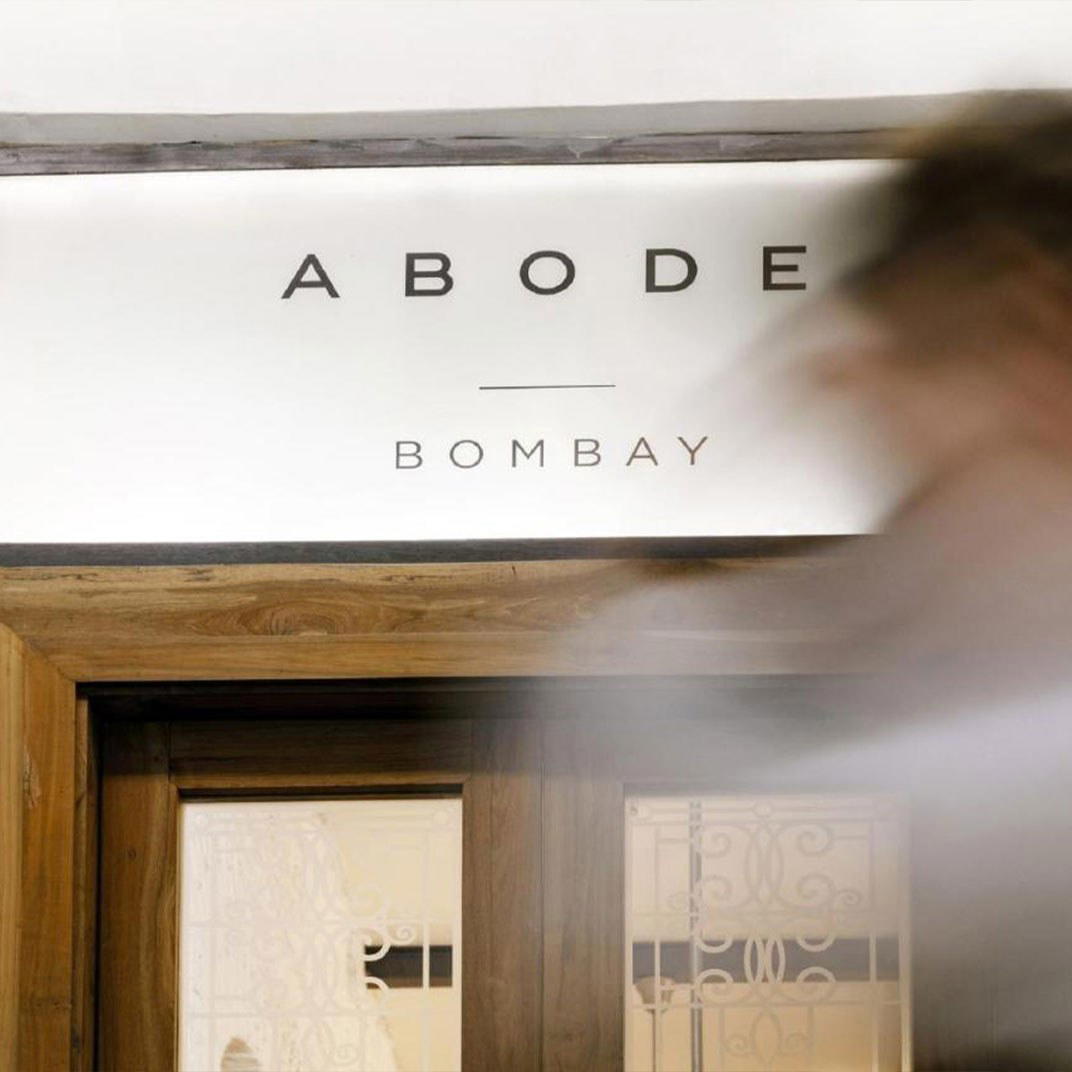
| Abode Bombay | Heritage boutique hotel with eclectic shabby-chic character in a restored 1910 colonial building. | $$$$ | Bombay Colaba |
| Grand Hyatt Mumbai | Contemporary urban resort with Mughal garden influences | $$$$ | Kolekalyan |
| Four Seasons Hotel Mumbai | Contemporary luxury tower inspired by Vastu architecture with landscaped gardens. | $$$$ | Lower Parel |
| ITC Maratha, A Luxury Collection Hotel, Mumbai | Indo-Saracenic luxury with Maharashtrian influences | $$$$ | Sahar |
At a Glance
- Elegant
- Scenic
- Business Trip
- Weekend Escape
- Waterfront
- Terrace
- Wi Fi
- Room Service
- Restaurant
- Business Center
- Airport Transfer
- Elevator
- Waterfront
- Wi Fi
- Room Service
- Restaurant
- Business Center
- Airport Transfer
- Elevator
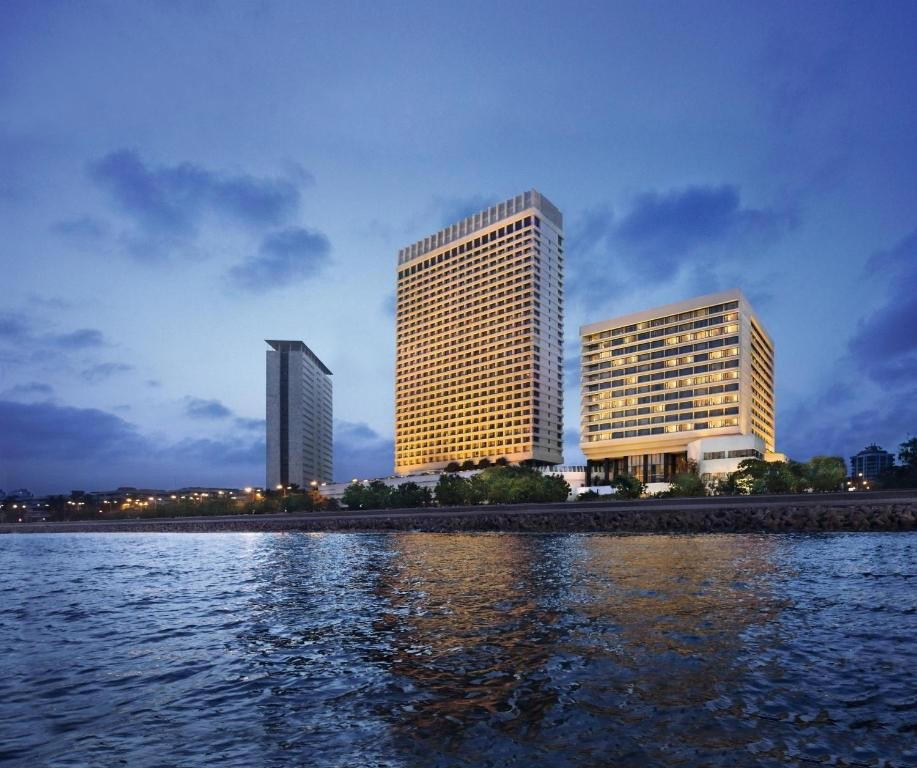
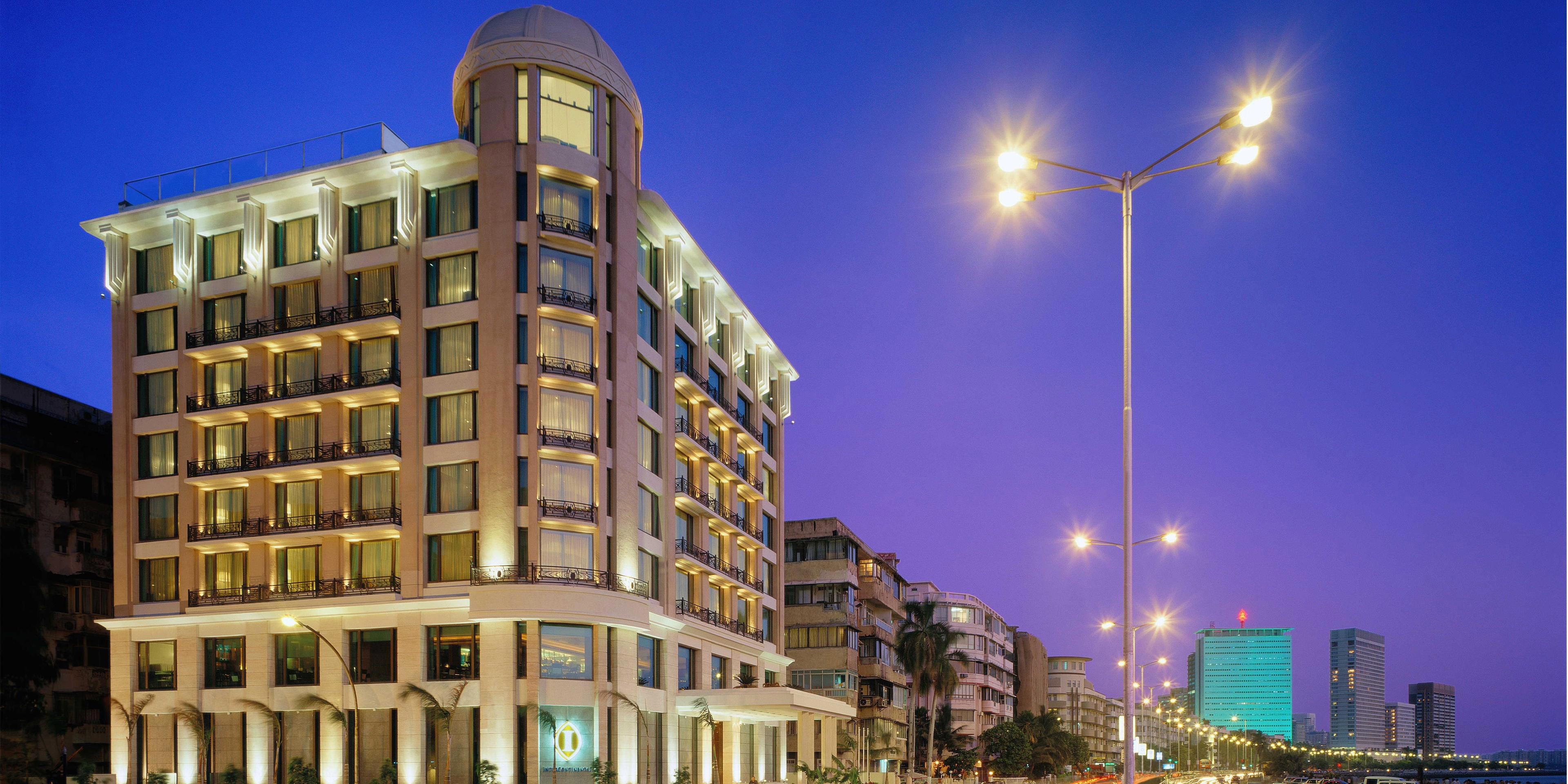
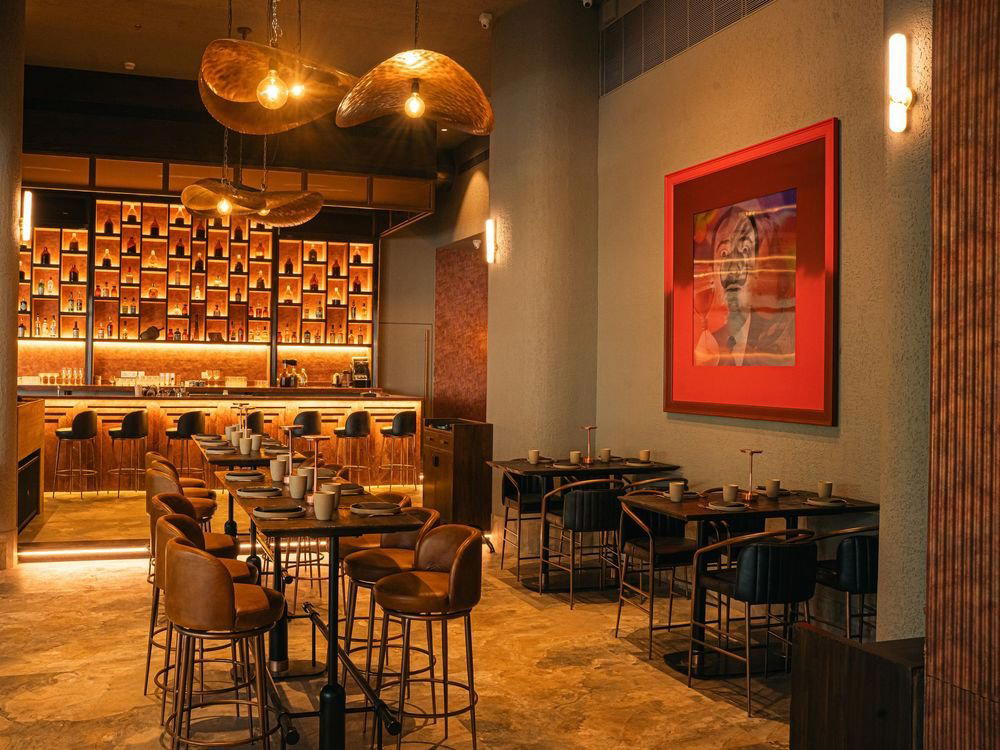
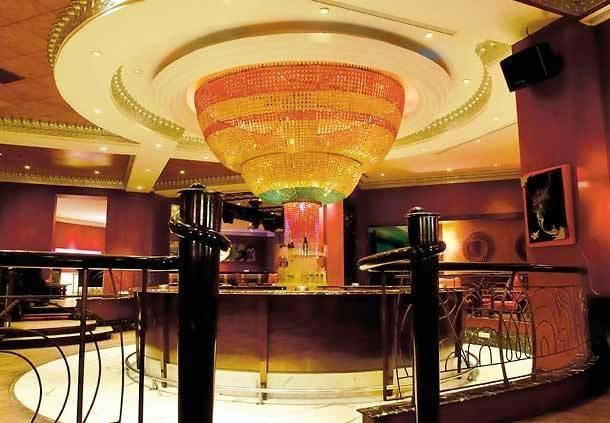
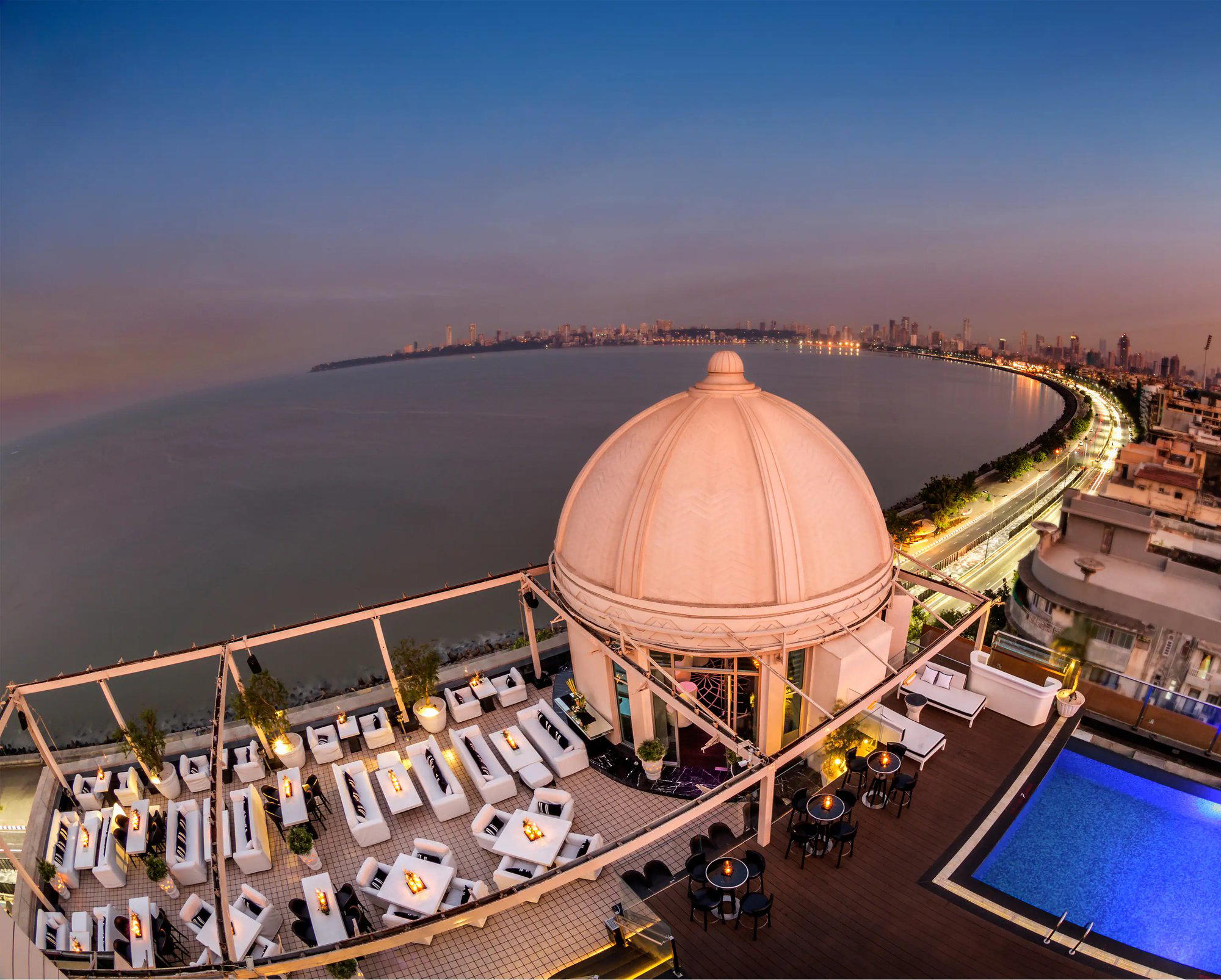
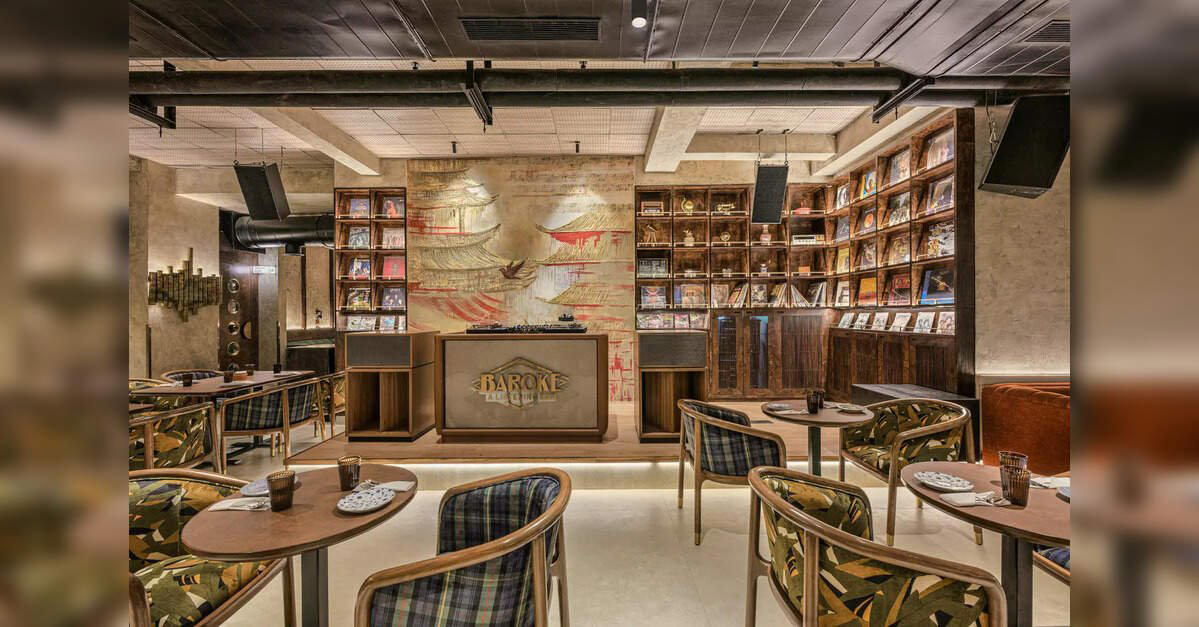
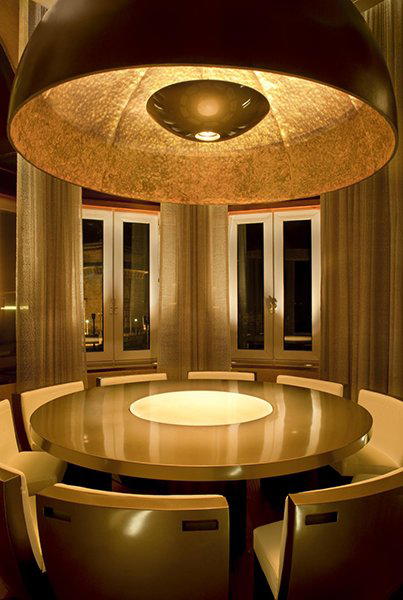
Warm and elegant with minimalist design, sea views from rooms and rooftop, though some areas feel dated per guest feedback.