
Forbes Recommended
Positioned along Marine Drive's art deco promenade in South Mumbai, the InterContinental Marine Drive offers some of the city's largest rooms, most with direct Arabian Sea views, plus the rooftop Dome lounge and pool. The property sits at Churchgate, within reach of the NCPA, Colaba Causeway, and the Crawford Market, making it a practical and atmospheric base for exploring South Mumbai.

Pearl is the En Primeur Club membership app — saves, bookings, and concierge access live there. Same editors, same standards.
- Address
- 135, Marine Dr, Churchgate, Mumbai, Maharashtra 400020
- Phone
- +91 22 6639 9999
- Website
- ihg.com
- Directions
- Get directions
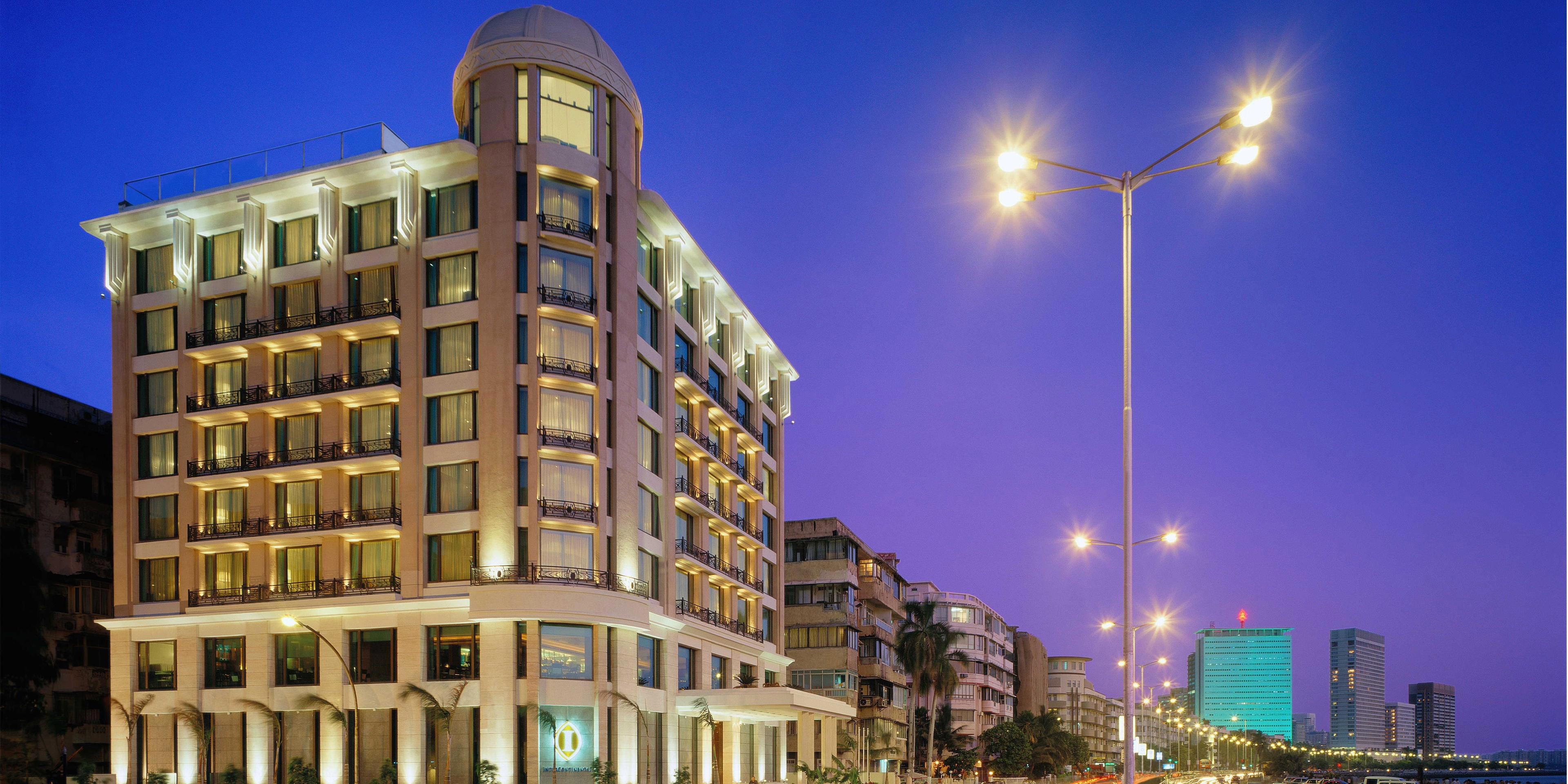
Where the Arabian Sea Sets the Agenda
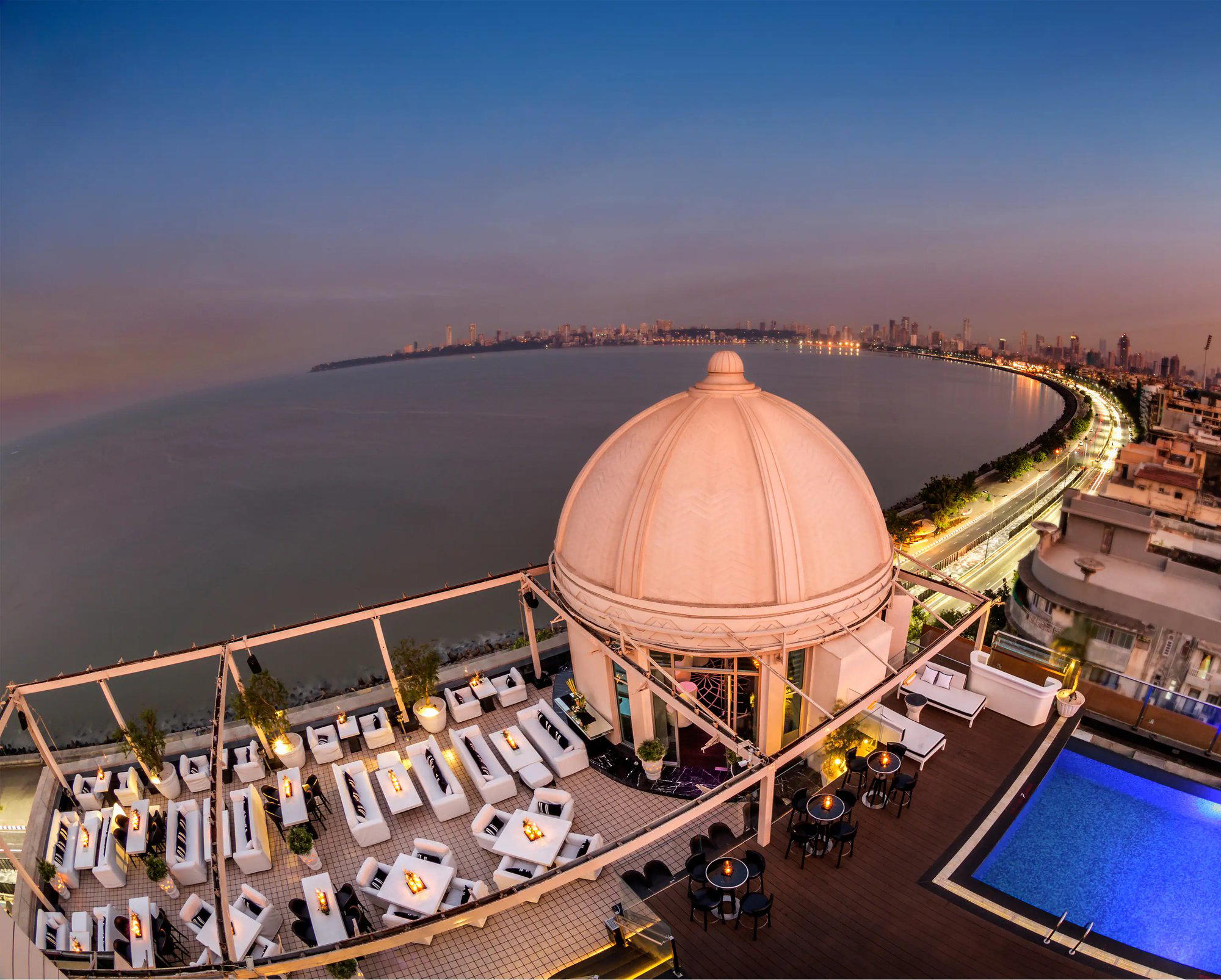
Marine Drive at dusk operates on its own logic. The arc of streetlights that earns this stretch its nickname, the Queen's Necklace, begins to assert itself as the heat softens, and the promenade fills with joggers, families, and people simply watching the water. The InterContinental Marine Drive-Mumbai sits directly on this corridor at 135 Marine Drive, Churchgate, its facade aligned with the art deco buildings that have defined South Mumbai's architectural identity since the 1930s. The location is not incidental; it shapes almost every decision a guest makes, from which room to book to where to spend a Sunday afternoon.
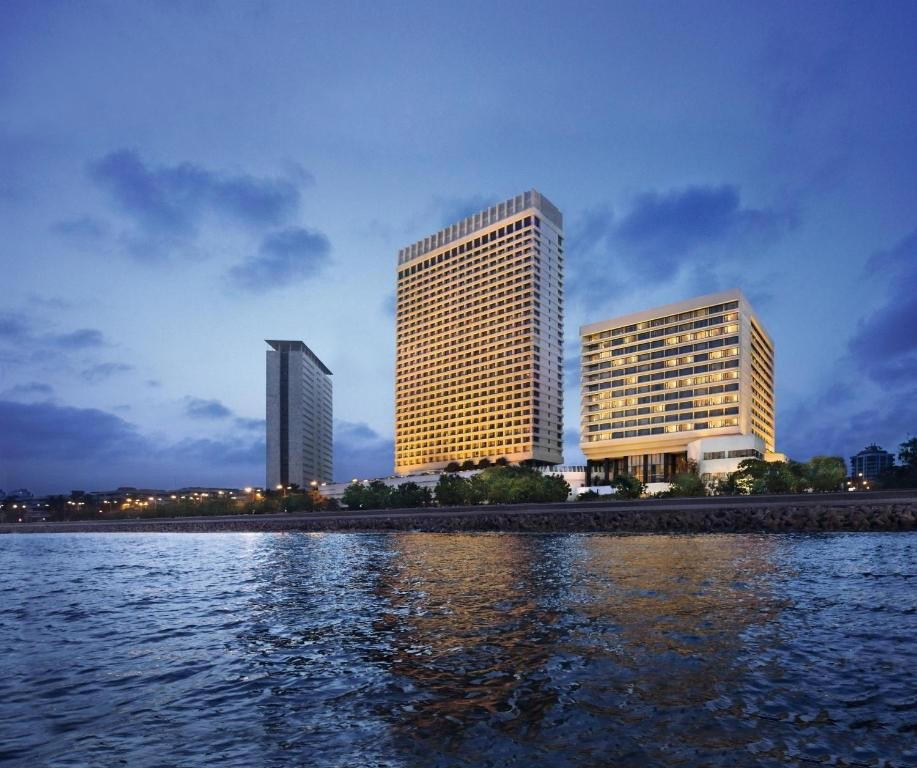
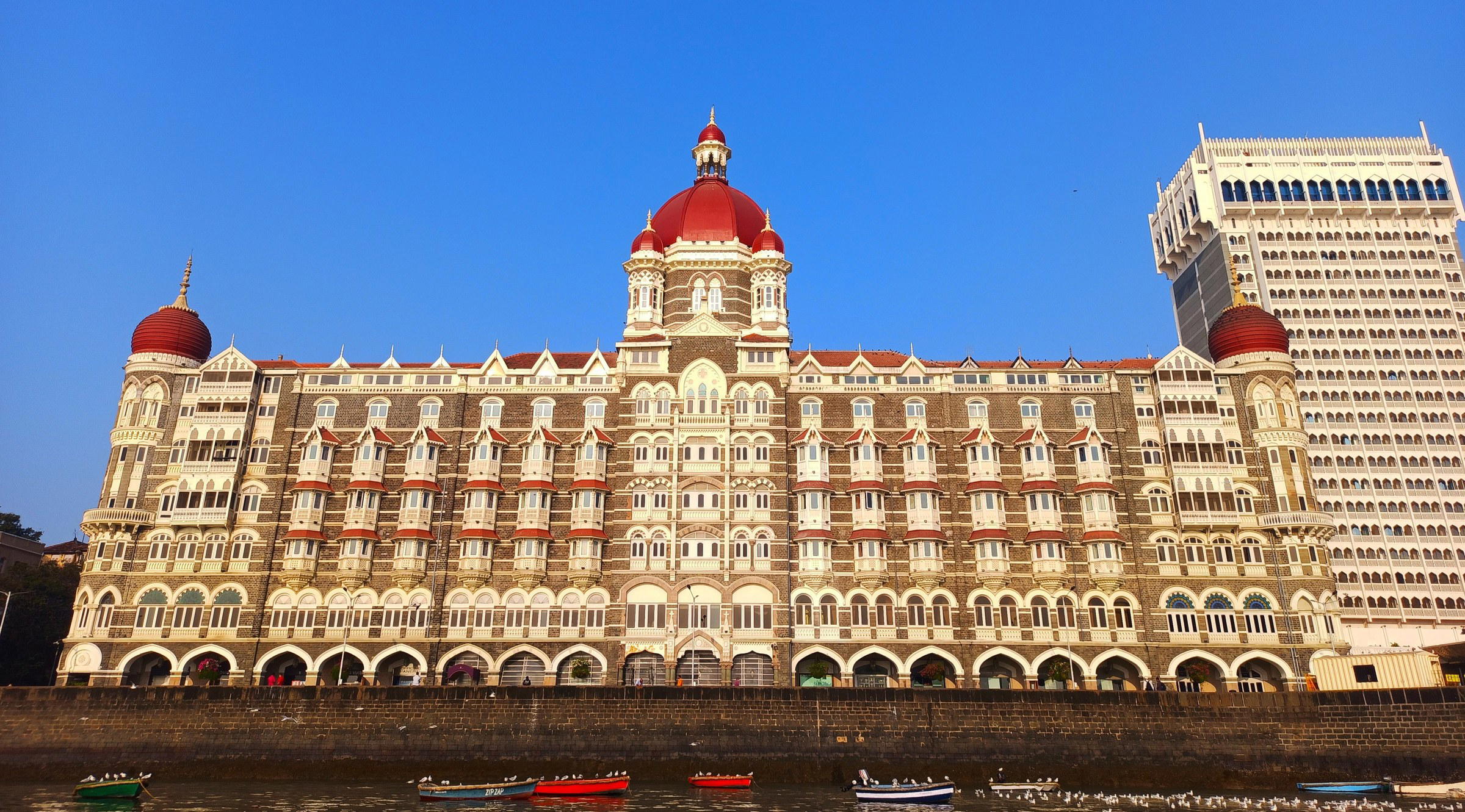
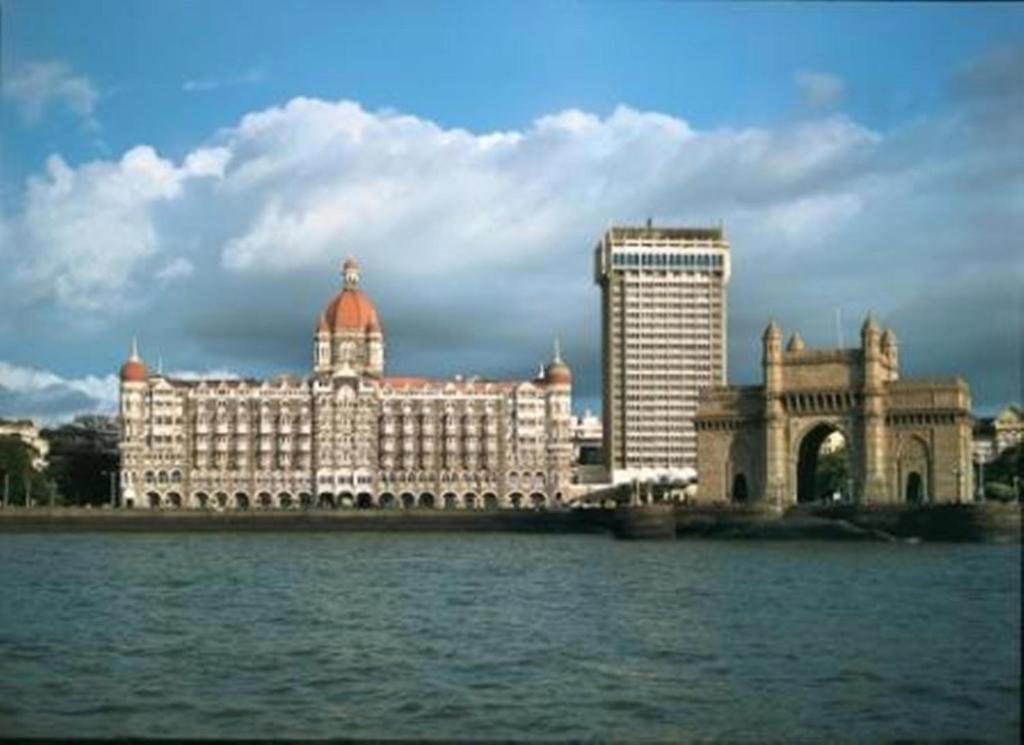
South Mumbai's hotel market divides broadly between the grand heritage properties of Colaba and the business-oriented towers further north. The InterContinental sits between these poles: it draws on the neighbourhood prestige of the former while operating at a scale more consistent with the latter. Compared with The Taj Mahal Palace, Mumbai, which anchors its identity in landmark architecture and a longer institutional history, the InterContinental Marine Drive positions itself around the promenade view itself, treating the Arabian Sea as the primary amenity.
The Dome and the Rooftop Drinking Tradition
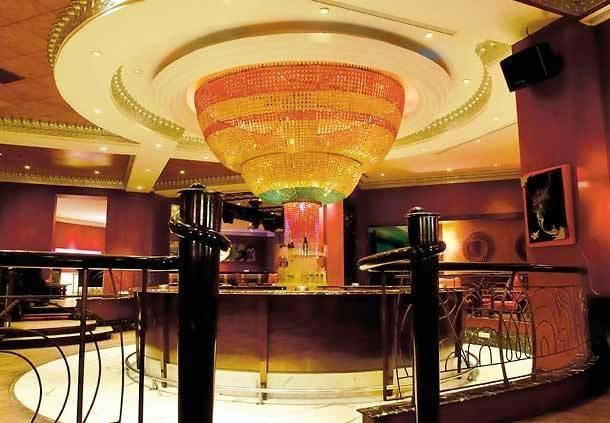
Mumbai has a complicated relationship with rooftop venues. The city's density and building regulations make refined outdoor space genuinely scarce, and the properties that have managed to carve out rooftop programming command attention accordingly. The InterContinental's rooftop lounge, Dome, has established itself as a reference point in local nightlife precisely because it combines something rare: a purpose-built cocktail setting with unobstructed sunset views over the Arabian Sea. The position above Marine Drive means guests can watch the Queen's Necklace take shape in real time while the lounge moves from its afternoon cadence into evening service.
Rooftop bars in Mumbai tend to attract a local clientele that is more selective than the tourist trade that sustains similar venues in other cities. Dome's standing as a neighborhood favourite rather than a purely hotel-facing amenity reflects the quality of its setting and the consistency of its programming. The bar serves cocktails alongside food, positioning it as a destination in its own right rather than simply the hotel's pre-dinner option. For guests arriving from overseas, the venue functions as an immediate orientation point: the sweep of the bay from this height communicates the city's scale in a way that street-level arrival does not.
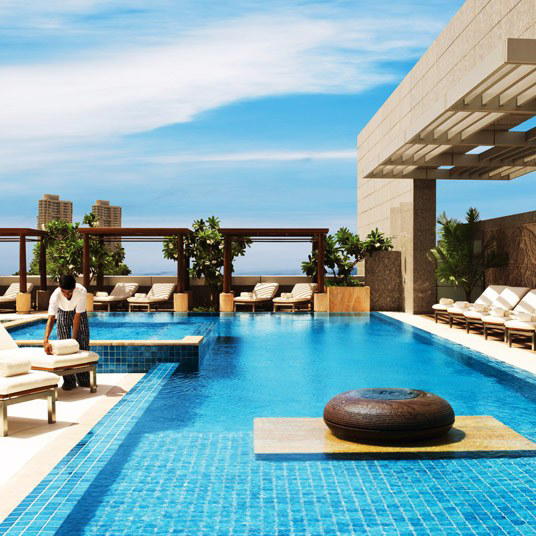
One floor above Dome, the rooftop pool gives guests a version of the same view in a quieter, more private register. Rooftop pools in Mumbai are uncommon at any price tier; combining one with this sight line over the Arabian Sea places the InterContinental in a small peer group that does not include most of the city's other prominent addresses. Guests at Sofitel Mumbai BKC or ITC Grand Central, both positioned in the BKC and Lower Parel corridors, trade this sea-facing outlook for proximity to the city's commercial districts.
Rooms Built Around the View
The hotel's 59 rooms and suites are large by Mumbai standards, a city where even premium properties routinely sacrifice floor area to fit more keys. Wide bay windows are standard across most categories, and the desk-and-armchair configuration acknowledges that guests often want to work against the backdrop of the water without fully sacrificing comfort. Sea views are available from most accommodations, though the Seafront Corner Suites take the logic furthest: double the windows, positioned at the building's corners, extend the panorama in two directions simultaneously.
Bathroom specification across the property runs to marble surfaces, separate shower and soaking tub configurations, and Byredo amenities. Byredo's presence here is a small but legible signal: it is a brand that has become a reliable shorthand for a certain tier of design-led hospitality, common in properties that want to communicate premium positioning without relying exclusively on brand recognition. The specification aligns the InterContinental Marine Drive closer to the upper end of the international luxury segment than its room count alone might suggest.
The property's history adds a layer of local character that guests occasionally find useful. Between the 1960s and the late 1990s, the building operated as Hotel Nataraj. The name persists in the memory of older Mumbai taxi drivers, meaning that guests who mention Nataraj to a driver unfamiliar with the current branding are likely to be understood regardless. This is the kind of navigational intelligence that guidebooks rarely capture.
South Mumbai as the Programme
The editorial angle that matters most for a hotel in this location is what the neighbourhood makes possible. South Mumbai's cultural infrastructure is concentrated enough that guests at the InterContinental Marine Drive can cover significant ground without extended transit. The National Centre for the Performing Arts, which runs a year-round programme of concerts, theatre, and workshops, is approximately six minutes along the promenade. Visitors planning around the Kala Ghoda Arts Festival in February should check the NCPA schedule in advance, as the festival generates a parallel programme of screenings and productions across the district.
Girgaon Chowpatty, the public beach that functions as one of Mumbai's most democratic social spaces and a reliable source of street food from local vendors, is a short distance up the promenade. In the opposite direction, toward Colaba and Fort, the density of cultural points increases: the Gateway of India, the Jehangir Art Gallery, the Chhatrapati Shivaji Maharaj Vastu Sangrahalaya Museum, and Café Mondegar with its Mario Miranda murals each sit within manageable reach. K. Rustom Ice Cream, a local institution serving ice cream sandwiches in flavours including tender coconut and sitaphal (custard apple), operates steps from the hotel entrance.
For shopping, Chor Bazaar, Colaba Causeway, and Crawford Market are all accessible from Churchgate. Kitab Khana, a boutique bookshop known among the city's literary community, rounds out the neighbourhood's more curated retail options.
Guests extending into other parts of India will find the InterContinental's IHG affiliation useful for continuity, though the property's South Mumbai character is distinct from what IHG delivers in other Indian cities. For context on how the broader Indian hotel market positions itself across different segments, the range runs from Amanbagh in Ajabgarh and Suján Jawai in Pali at the design-led wilderness end, to The Leela Palace New Delhi and The Oberoi Amarvilas in Agra for landmark urban and heritage positioning. The InterContinental Marine Drive operates in a different register: urban, sea-facing, and rooted in the specific texture of South Mumbai rather than the grand-hotel narrative.
For guests building a longer India itinerary, properties like Chapslee in Shimla, Haveli Dharampura in Delhi, or The Leela Palace Jaipur each represent distinct formats at the premium end. Mumbai itself offers further contrast: Soho House Mumbai skews toward the creative industry crowd in Lower Parel, while Le Sutra the Indian art hotel takes a design-forward approach in Bandra. A broader overview is available in our full Mumbai restaurants guide.
Planning Your Stay
Churchgate station is the nearest rail access point for guests using Mumbai's suburban rail network. For visitors arriving at the international airport, the drive to Marine Drive varies considerably with traffic; those staying at Aurika Mumbai International Airport for a first or final night before connecting will find the transition more direct than navigating the full cross-city distance on arrival day. Bookings are handled through the IHG network. The Dome rooftop lounge tends to draw local visitors on weekend evenings, so guests who prefer a quieter version of the sunset experience may want to aim for weekday afternoons.
Budget and Context
Comparable venues nearby, for context on price, style, and recognition.
| Venue | Cuisine | Price | Awards | Notes |
|---|---|---|---|---|
| InterContinental Marine Drive-MumbaiThis venue — the venue you are viewing | Churchgate, Oceanfront luxury boutique | Not listed | Forbes Recommended | Not listed |
| Taj Lands End, Mumbai | Not listed | $100–200 | Michelin Selected · La Liste Top Hotels | Bandra B, Luxury urban resort with sea views |
| Aurika Mumbai International Airport | Not listed | Not listed | Preferred Hotels Member | Sahar, Modern luxury airport hotel blending heritage-inspired design with contemporary comfort |
| Grand Hyatt Mumbai | Not listed | $100–200 | Michelin Selected | Kolekalyan, Contemporary urban resort with Mughal garden influences |
| Sofitel Mumbai BKC | Not listed | Not listed | Michelin Selected · World Luxury Hotel Awards WLHA Country Winner | Kolekalyan, Contemporary luxury business hotel with Indian influences |
| ITC Grand Central, A Luxury Collection Hotel, Mumbai | Not listed | Not listed | Forbes 4-Star | Parel Shivedi, Blend of Raj era character and contemporary design in LEED platinum certified environment |
Recognition history
Dated appearances from independent guides and award organizations, with the underlying list record or original source where available.
Forbes Recommended
Forbes
Full recognition history (2 entries)
Forbes Recommended
Forbes
Details
- Elegant
- Sophisticated
- Scenic
- Well Known
- Romantic Getaway
- Business Trip
- Family Vacation
- Rooftop Pool
- Waterfront
- Panoramic View
- Pool
- Fitness Center
- Room Service
- Concierge
- Wi Fi
- Spa
- Business Center
- Valet Parking
- Waterfront
- Skyline
- Wheelchair Accessible
- Elevator
- Step Free Entrance
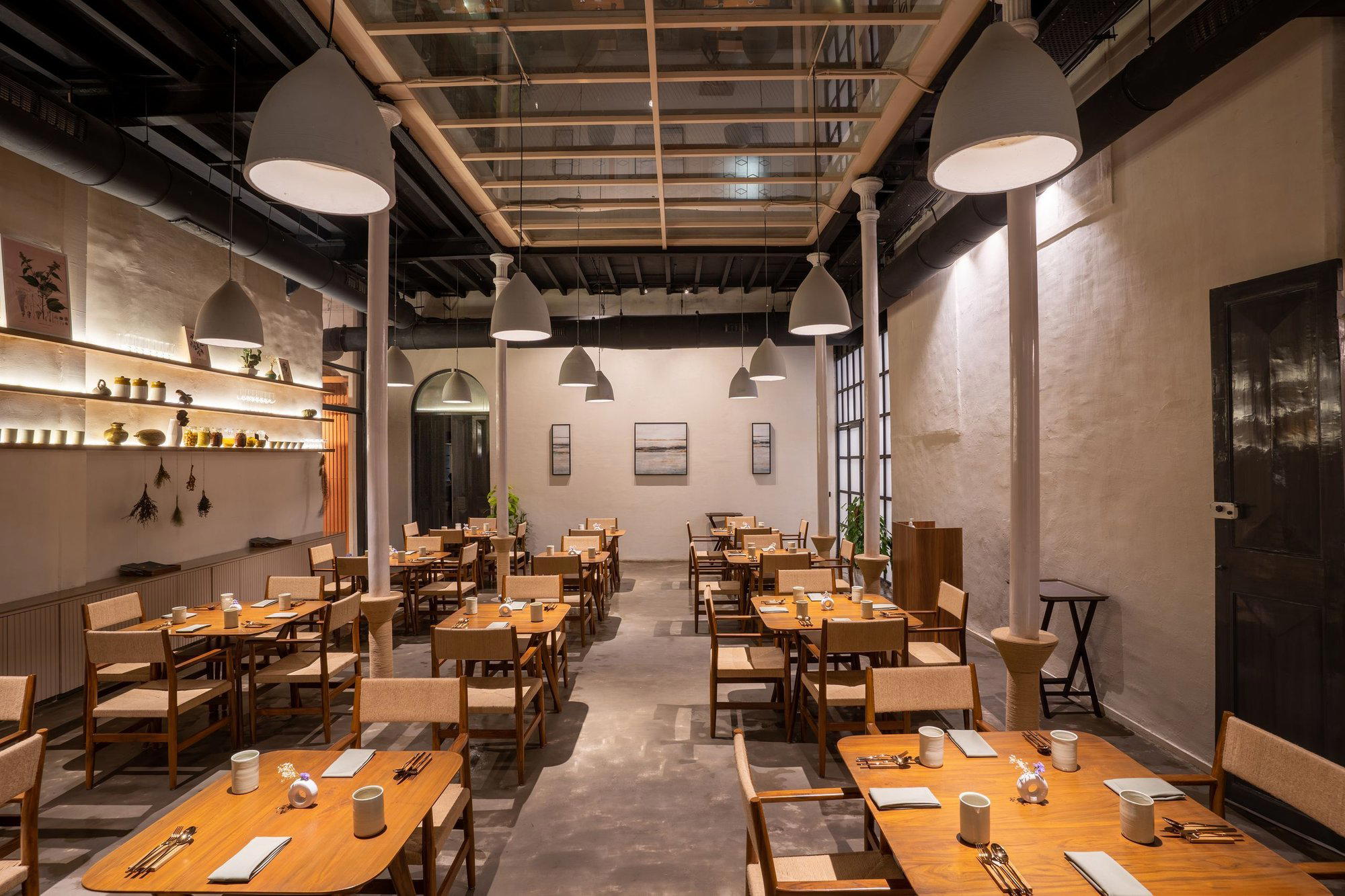
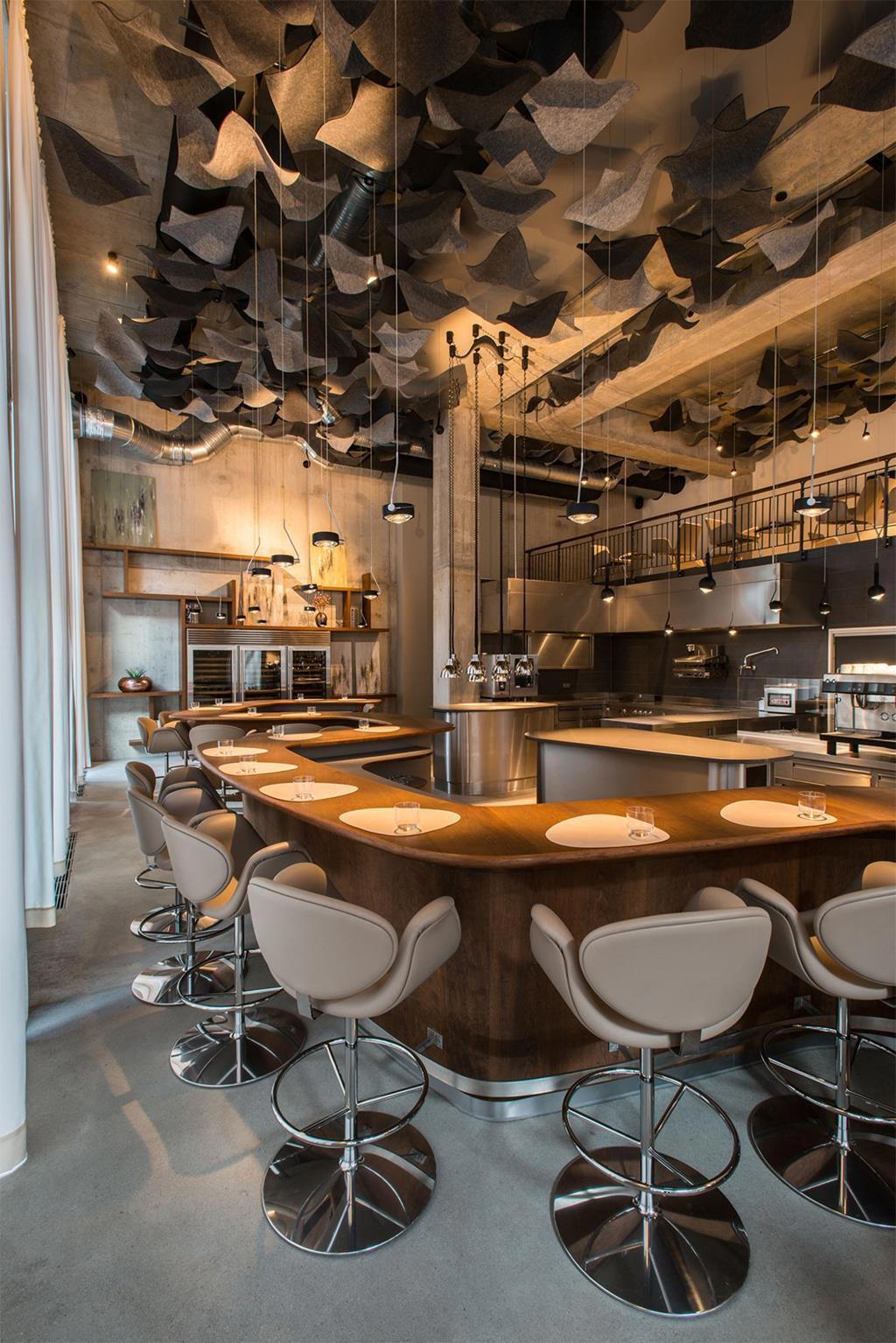
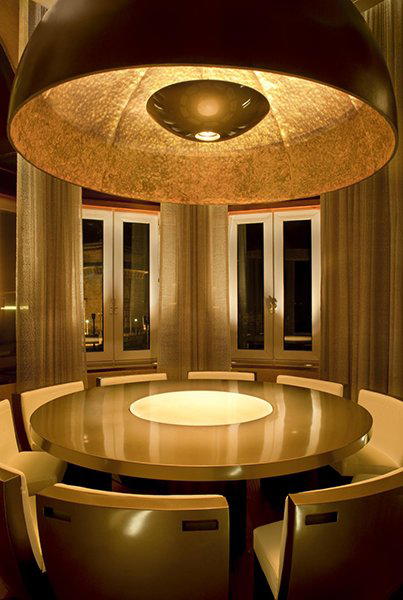
Elegant atmosphere with panoramic sea views, soundproofed rooms, and lively rooftop terrace lighting.