
A colonial-era landmark in Parel, ITC Grand Central translates the mill district's industrial heritage into a luxury hotel anchored by Victorian and Gothic architecture. The cobblestone Millsquare courtyard, 30th-floor champagne lounge with harbour views, and a service model that includes dedicated female butlers and round-the-clock Tower Room attendants set it apart from Mumbai's cluster of sea-facing five-star properties.
Pearl is the En Primeur Club membership app — saves, bookings, and concierge access live there. Same editors, same standards.
- Address
- 287, Dr Babasaheb Ambedkar Rd, Parel, Mumbai, Maharashtra 400012
- Phone
- +91 22 2410 1010
- Website
- marriott.com
- Directions
- Get directions
 Saves & bookings on Pearl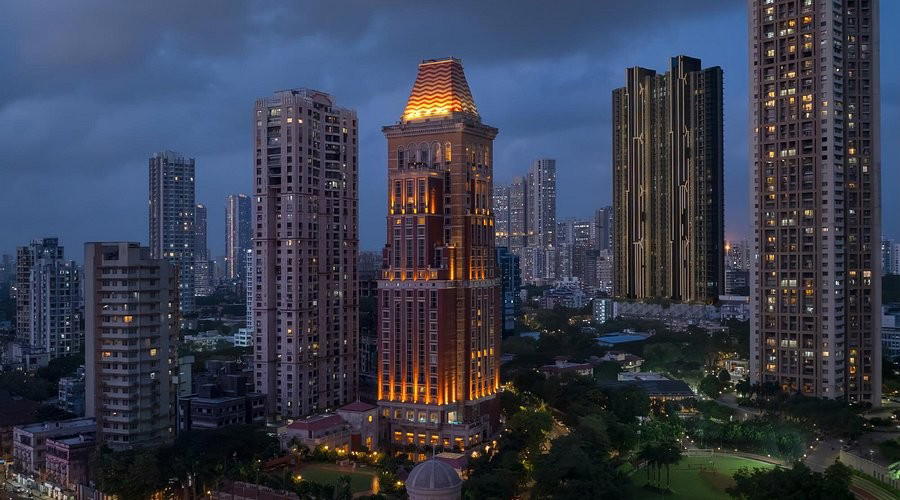
Where Parel's Mill History Meets a Working Luxury Hotel
Mumbai's luxury hotel map has long been drawn around the waterfront: Marine Drive, Nariman Point, and the Apollo Bunder. The concentration of five-star properties along that arc, from The Taj Mahal Palace to the InterContinental Marine Drive, reflects a particular idea of what the city should look like from a hotel window. ITC Grand Central, part of Marriott International, takes a different position entirely: it sits in Parel, a neighbourhood whose identity was shaped not by the Arabian Sea but by textile mills. That context is not incidental to the experience here. It defines it.
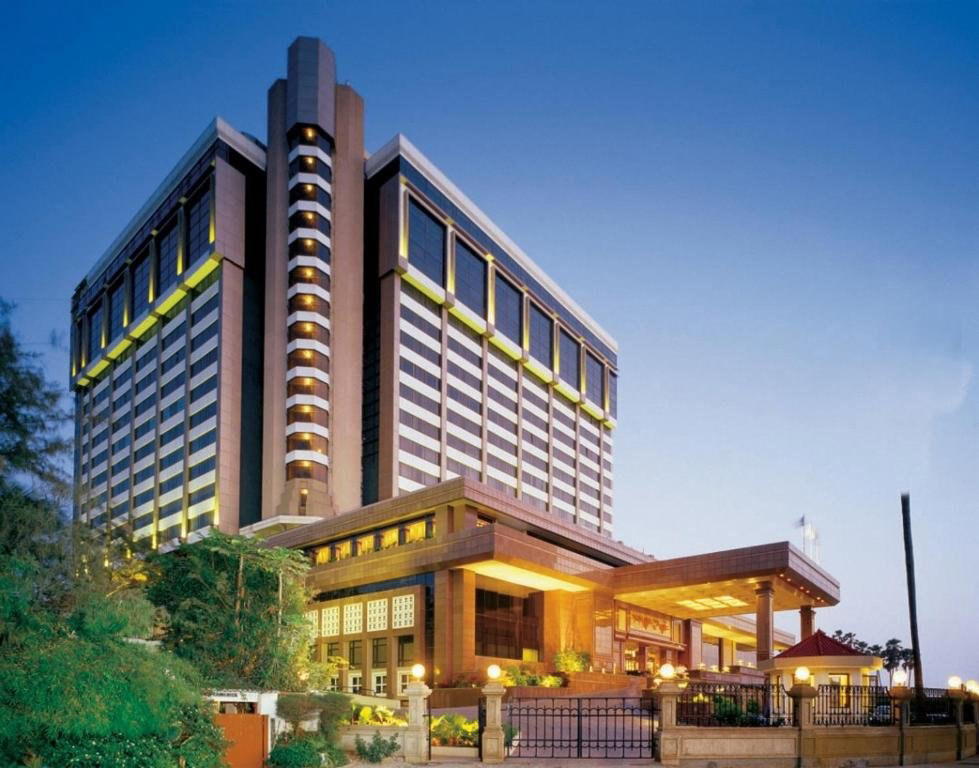
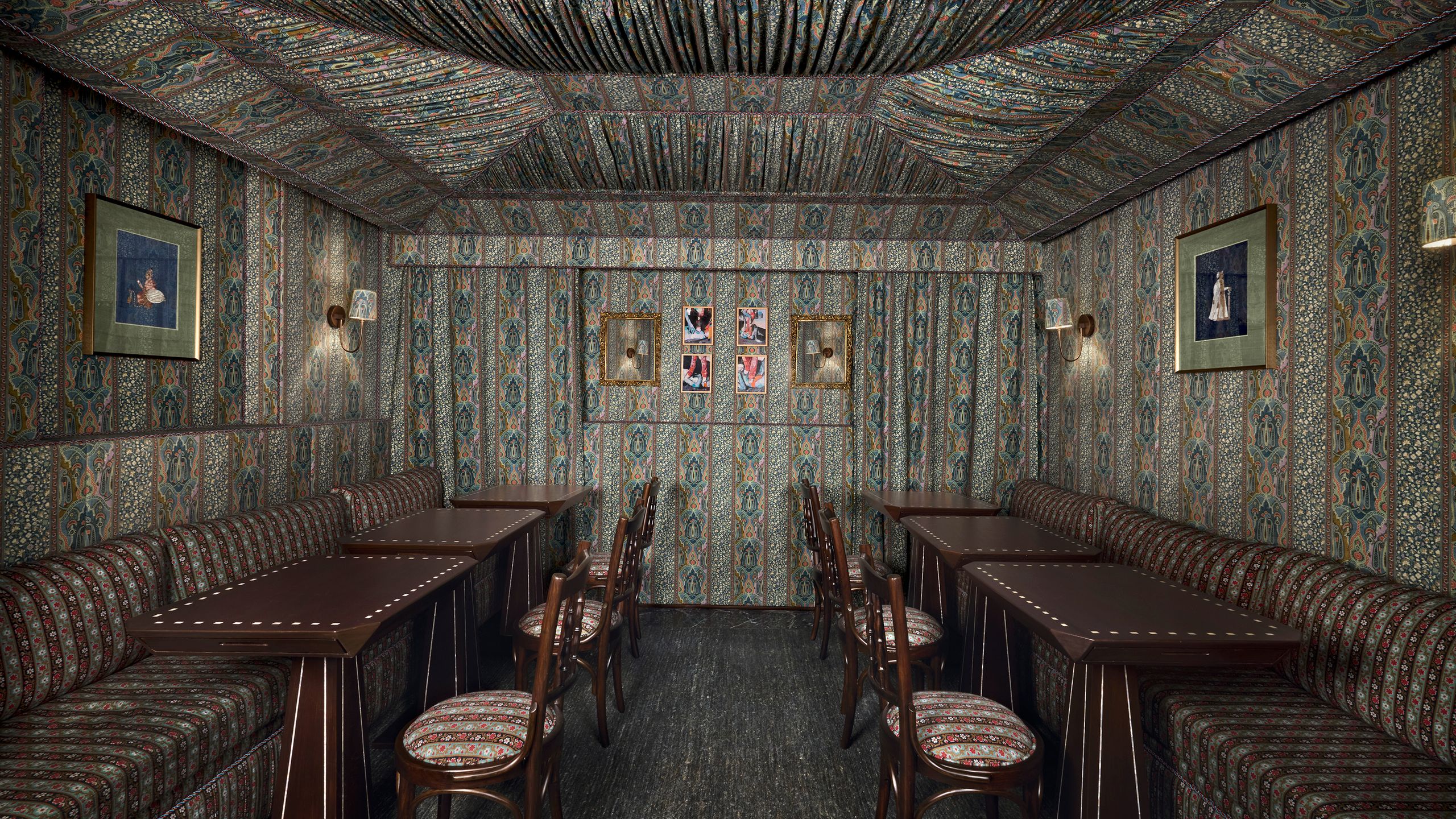
The hotel occupies a building that reads as a deliberate architectural argument. British colonial stonework, Victorian renaissance detailing, and a Gothic-influenced spire give the exterior a civic weight that most new-build luxury hotels in India cannot manufacture. The cobblestone courtyard at the property's centre, named Millsquare as a direct reference to the area's mill culture, is the spatial anchor of the hotel. In the evenings, when the stone cools and the ambient sound of central Mumbai recedes slightly, it becomes one of the more atmospheric outdoor spaces in the city, hosting drinks, coffee, and periodic musical events. For travellers accustomed to atrium lobbies and generic grand entrances, the courtyard format feels like an editorial choice rather than a design default.
A Service Structure Built Around Tiers
The service model at ITC Grand Central is stratified in a way that distinguishes the property from peers that offer a single luxury tier across all rooms. Particularly significant demarcation runs between standard accommodations and the Tower Rooms, which occupy the hotel's upper floors and operate under a dedicated 24-hour butler programme. Access to the Towers Club Lounge is included, providing complimentary refreshments throughout the day without requiring a separate bar or restaurant visit. This kind of embedded lounge access is a meaningful practical consideration in Mumbai, where hotel food and beverage costs at the luxury tier add up quickly.
Property has also addressed a specific gap in the Indian luxury hotel market with its Eva Rooms, a category designed for female solo travellers. The offer goes beyond symbolic gesture: door-view cameras, pre-arrival airport assistance, phone screening protocols, and 24-hour female butler service are built into the room category. In a city where solo female travel carries logistical friction that many hotels ignore, this is a structured, operationally committed response. It is the kind of service architecture that positions the hotel in a different competitive conversation from most of its Mumbai peers.
Even the standard rooms, described as large with pastel and cool-tone interiors, include a sleep amenity programme: pillow menus, essential oils, soothing bath rituals, and bedtime reading. These details matter less as individual features and more as signals of the service culture: anticipatory, layered, and attentive to the texture of the stay rather than just its headline specifications. Among Mumbai's Luxury Collection-branded properties, ITC Grand Central shares this orientation with its counterpart ITC Maratha, though that hotel occupies a different geographic register closer to the airport.
Dining as a Parallel Programme
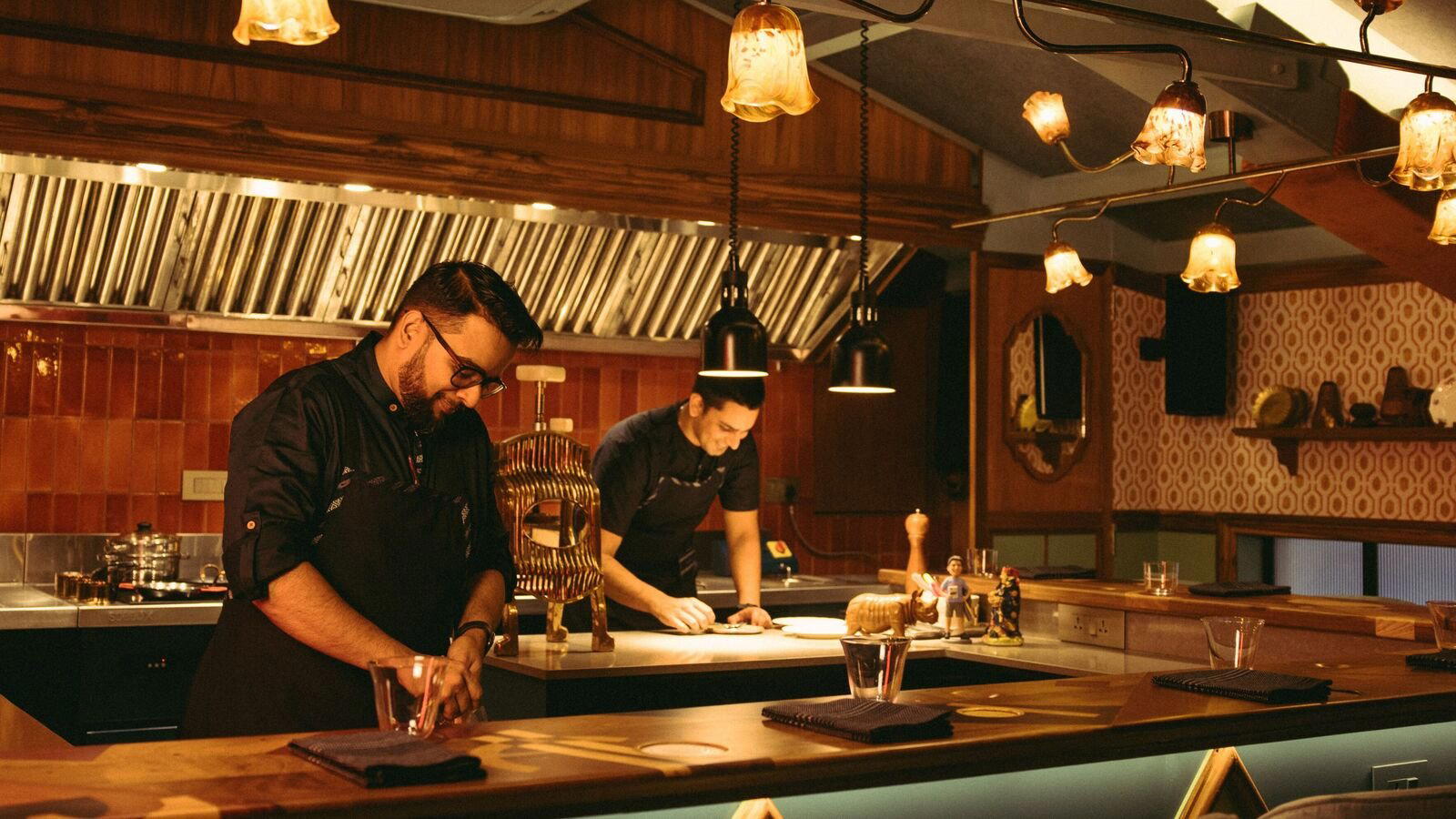
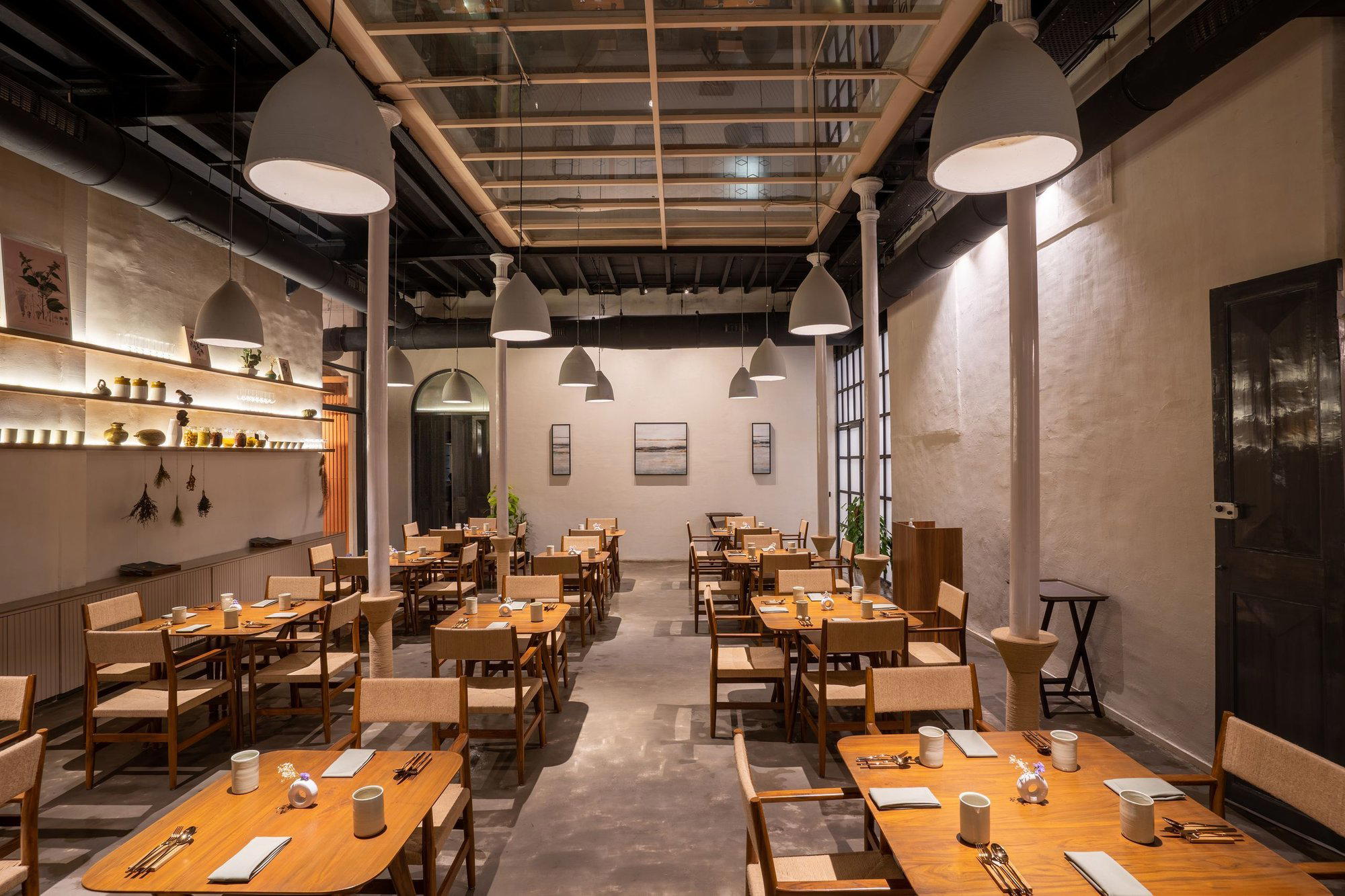
Mumbai's luxury hotel dining scene has matured into a format where restaurants within five-star properties often operate as standalone destinations rather than captive options for in-house guests. ITC Grand Central runs two principal dining programmes with distinct orientations. Kebabs and Kurries frames Indian cuisine around grilled meat and slow-cooked curries, a format with deep roots in North Indian culinary tradition. Shanghai Club offers a Sichuan-inflected Chinese menu, with dishes such as crab with Sichuan chili bean sauce representing the kind of coastal Chinese interpretation that Mumbai has absorbed through its long Hakka Chinese population and more recent mainland-influenced kitchen talent.
Point of View, the two-level lounge on the 30th floor, operates in a different register: champagne service with sweeping city and water views. At that elevation, the Arabian Sea reappears in the picture, providing the kind of panoramic context that the Parel address otherwise trades away. The 30th-floor position makes it one of the higher hotel lounge vantage points in the city. Frederick's Lounge functions at the opposite end of the formality spectrum, a casual diner suited to quick bites, working meetings, or afternoon tea. Together, these four spaces give the hotel a food and beverage programme that covers the full arc of guest needs without requiring departure from the property.
Recovery and the Wellness Argument
Kaya Kalp, the hotel's spa, operates within India's broader tradition of Ayurvedic and traditional healing rather than the globally standardised wellness format found in many international luxury chains. Steam rooms, aromatherapy-based treatments, and practices including the gemstone massage, which combines stones with aromatic Indian blends, and the Indian head massage, represent a regionally specific wellness vocabulary. For travellers arriving from outside India, this is not simply a spa amenity but a contextual introduction to a therapeutic tradition. For Mumbai's domestic luxury travellers, it signals that the hotel is taking the wellness component seriously rather than adding it as a box-ticking exercise.
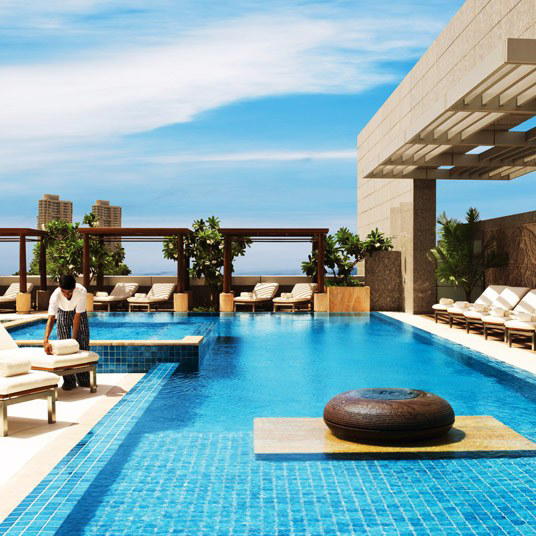
The outdoor pool, partially sheltered to provide shade during Mumbai's extended hot and humid season, is a practical asset that often gets underestimated in hotel assessments. Mumbai's climate from March through October makes unshaded outdoor pools uncomfortable for extended use. The partial interior coverage here is a functional design decision, not an aesthetic one, and it extends the pool's usability across a longer portion of the year.
The Parel Address: What It Costs and What It Gains
Choosing ITC Grand Central means accepting a specific trade-off. The hotel is not on the waterfront, and guests who want to walk to Colaba, the Gateway of India, or Marine Drive will find themselves either in a cab or dealing with the kind of Mumbai traffic that makes distances feel elastic. What Parel offers in return is a neighbourhood that has undergone a significant shift over the past two decades, from post-industrial vacancy to a dense mix of corporate campuses, hospitals, and emerging dining and retail activity. The hotel sits on Dr Babasaheb Ambedkar Road, Parel, Mumbai 400012, within reasonable proximity to the central business activity of Lower Parel.
For business travellers, the Parel location can be an advantage rather than a compromise, particularly given the northward drift of commercial office space in Mumbai. For leisure travellers, the calculus depends on itinerary priorities: those focused on heritage Mumbai and the southern waterfront will feel the distance; those treating the hotel as a base for exploring a less-visited part of the city may find the Millsquare courtyard and the architectural character compelling in their own right.
Mumbai's luxury hotel market runs from heritage properties like The Taj Mahal Palace through international-flag five-stars along the waterfront to design-led boutique options such as Soho House Mumbai and Le Sutra the Indian art hotel. ITC Grand Central occupies a specific position within that range: full-service, architecturally distinct, with a structured service programme that extends from butler tiers to gender-specific safety features.
Travellers planning broader India itineraries from Mumbai will find a range of options worth considering for the next leg, from The Leela Palace New Delhi and The Oberoi Amarvilas in Agra to Rajasthan properties including The Leela Palace Jaipur, Amanbagh in Ajabgarh, and Suján Jawai in Pali. Our full Mumbai guide covers the broader hotel and dining picture across the city's distinct neighbourhoods. For those flying into Mumbai before onward travel, Aurika Mumbai International Airport offers a closer option to the terminal. Further afield across India, properties ranging from Haveli Dharampura in Delhi to Chapslee in Shimla and Garner Kutch Gujarat represent the range of accommodation formats available across the subcontinent.
Planning Your Stay
Reservations can be made through Marriott International's booking channels, which also allow Bonvoy points to be applied. Guests prioritising maximum service should book Tower Rooms directly and confirm butler service at the time of reservation. The Millsquare courtyard events programme varies seasonally, so confirming the schedule in advance is worthwhile if that element of the stay is a priority.
Cuisine Context
Comparable venues nearby, for context on price, style, and recognition.
| Venue | Cuisine | Price | Awards | Notes |
|---|---|---|---|---|
| ITC Grand Central, A Luxury Collection Hotel, MumbaiThis venue — the venue you are viewing | Blend of Raj era character and contemporary design in LEED platinum certified environment | $$$$ | 5-Star | Not listed |
| Roswyn | Luxury design hotel with residential-style suites and lifestyle-driven public spaces. | $$$$ | 5-Star | Vile Parle East |
| Sofitel Mumbai BKC | Contemporary luxury business hotel with Indian influences | $$$$ | 5-Star | Kolekalyan |
| The Leela Mumbai | Luxurious urban oasis with landscaped tropical gardens and palatial Indian elegance. | $$$$ | 5-Star | Marol |
| Fairmont Mumbai | Timeless Art Deco luxury with Neoclassical architecture and nostalgic 1920s grandeur. | $$$$ | 5-Star | Marol |
| Taj Santacruz Mumbai | Art Deco-inspired luxury with spacious rooms | $$$$ | 5-Star | Santacruz East |
Recognition history
Dated appearances from independent guides and award organizations, with the underlying list record or original source where available.
Forbes 4-Star
Forbes
Forbes 4-Star
Forbes
Continue exploring
More in Mumbai
Hotels in Mumbai
Browse all →
Bars in Mumbai
Browse all →
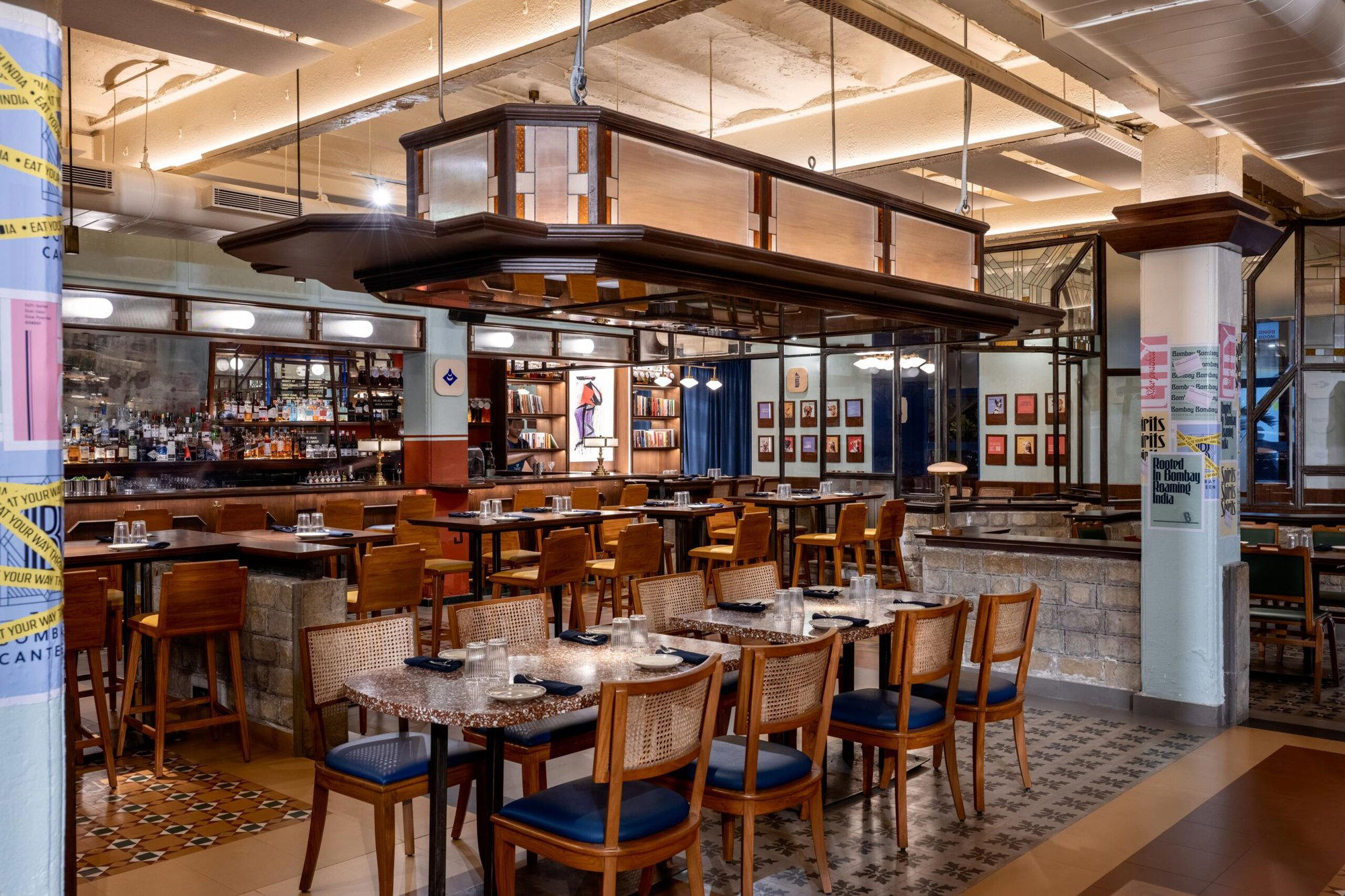
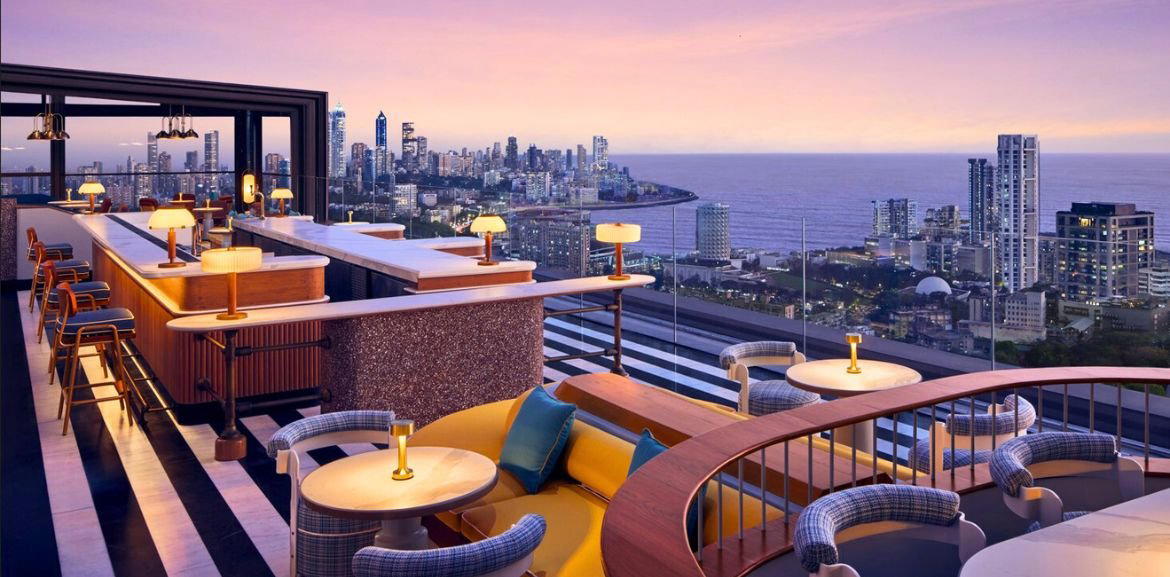
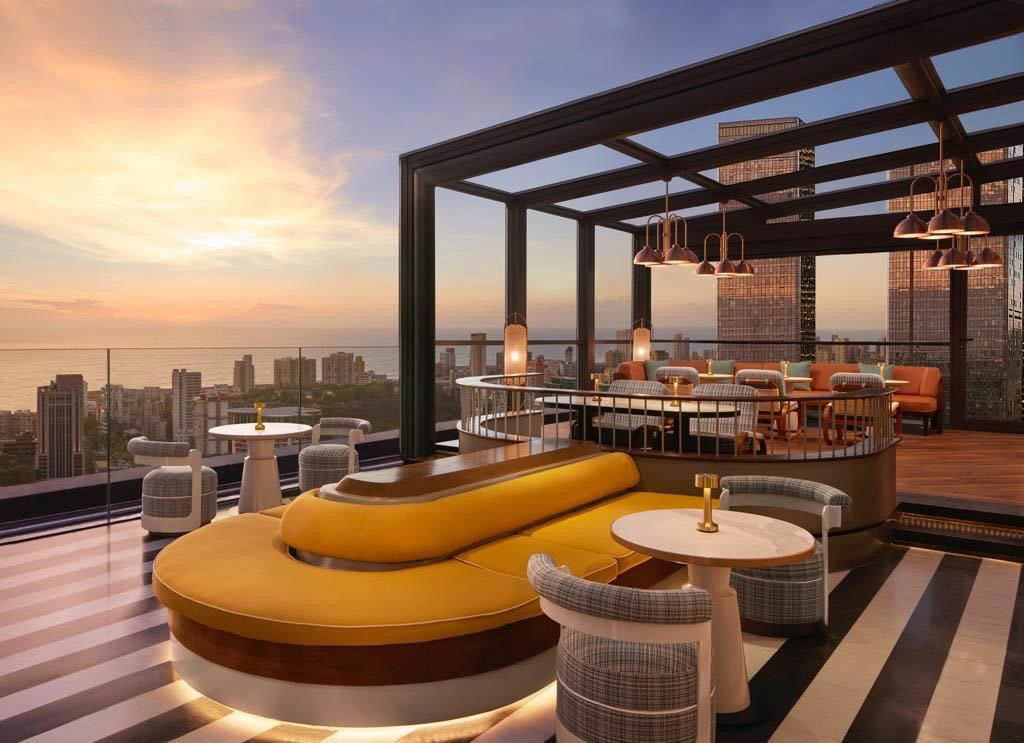
Restaurants in Mumbai
Browse all →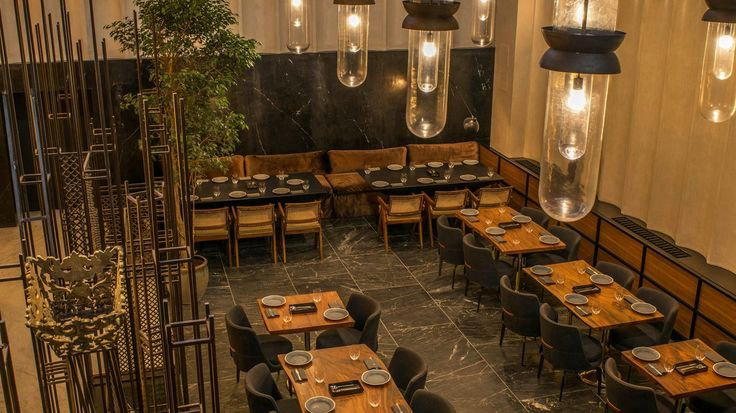
At a Glance
- Elegant
- Sophisticated
- Ornate
- Business Trip
- Romantic Getaway
- Celebration
- Rooftop Pool
- Panoramic View
- Butler Service
- Pool
- Spa
- Fitness Center
- Room Service
- Concierge
- Business Center
- Valet Parking
- Wi Fi
- Skyline
- Pool
- Spa
- Fitness Center
- Room Service
- Concierge
- Business Center
- Valet Parking
- Wi Fi
Elegant and sophisticated with quiet splendour, featuring city views, warm inviting spaces, and a luxurious retreat atmosphere.