
Conde Nast Hot List Restaurants
Our verdict
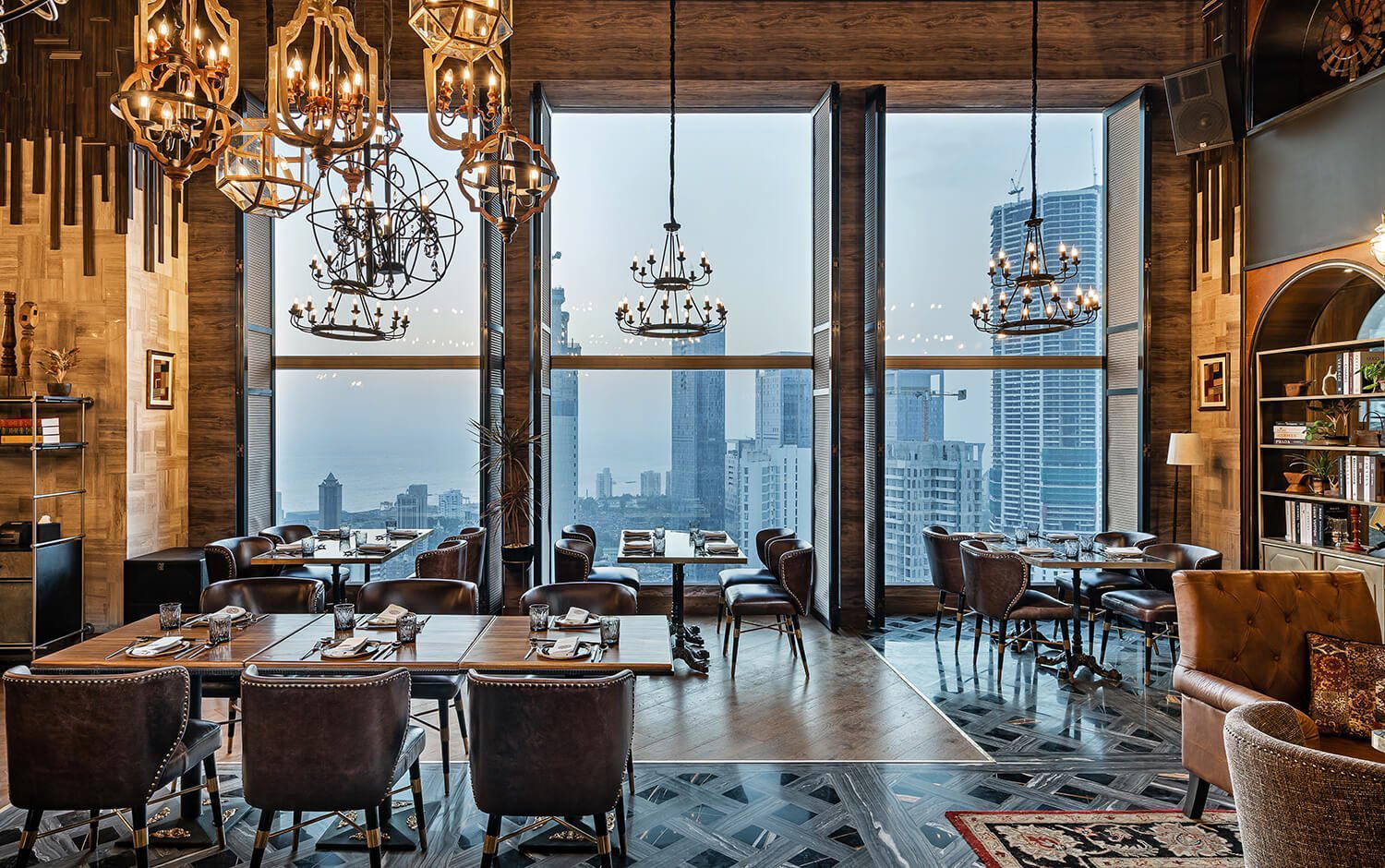
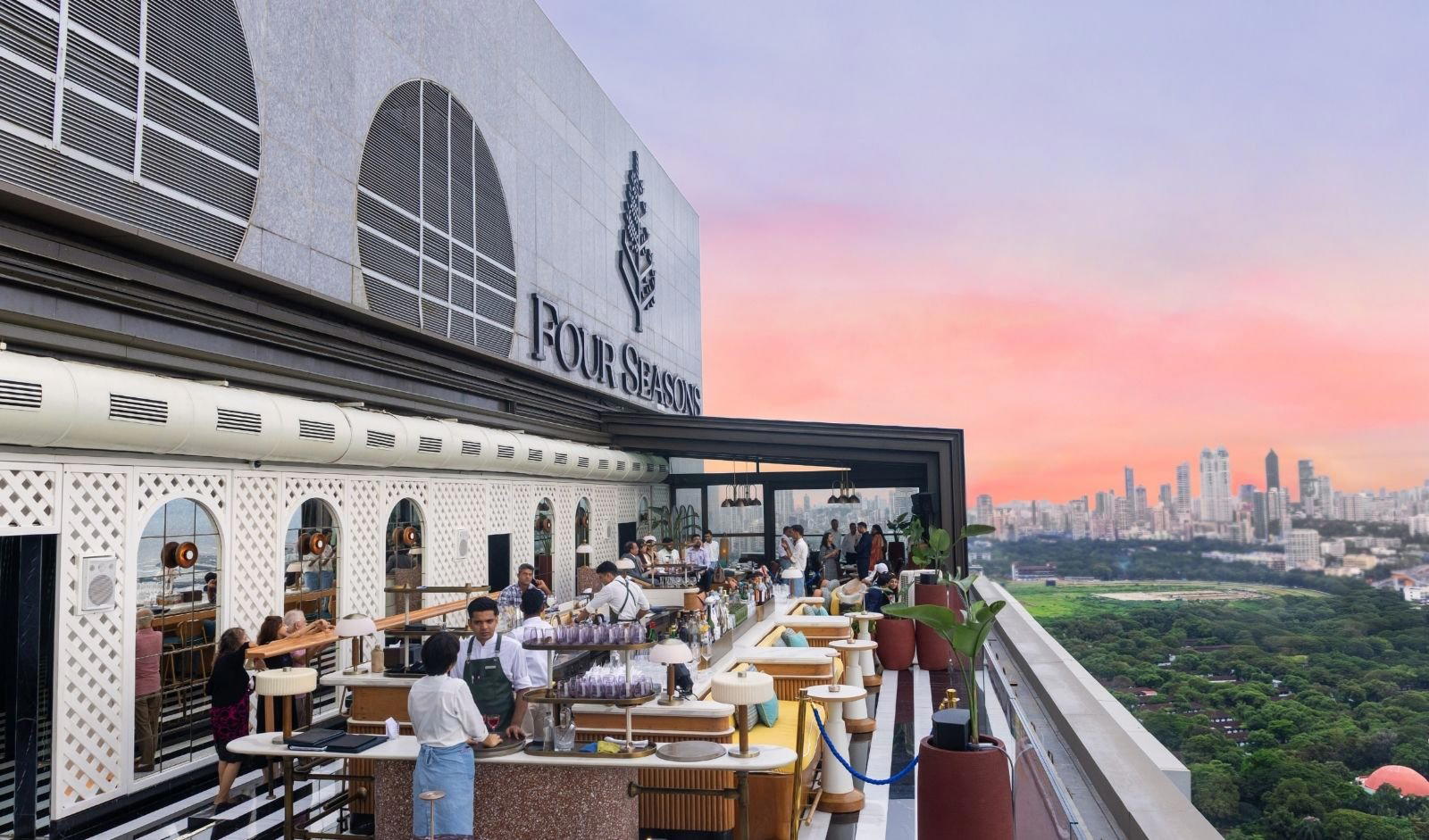
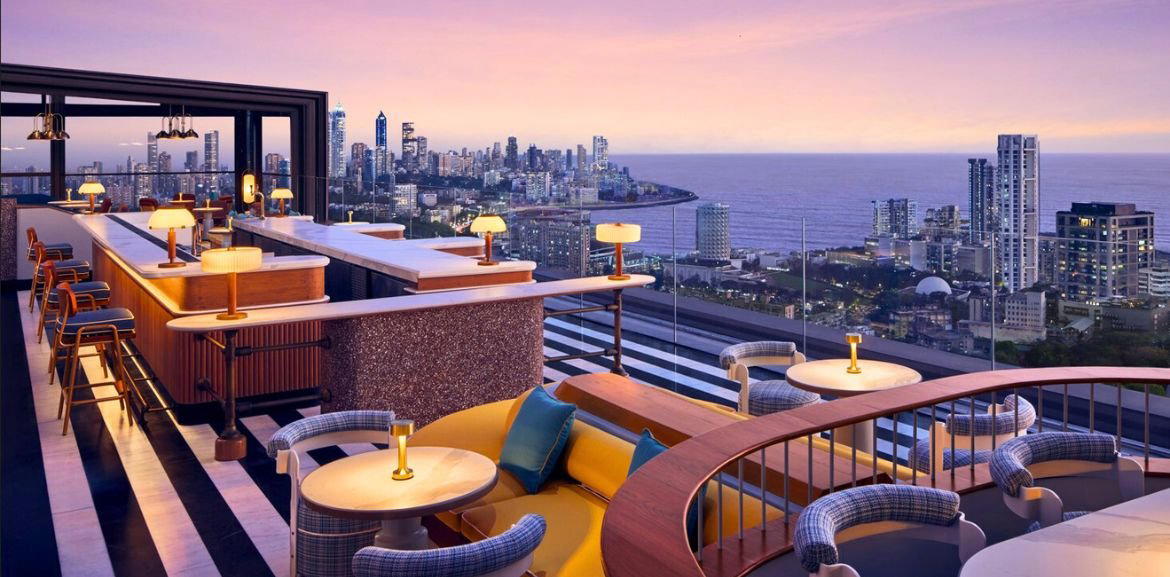
Paradox reads Mumbai’s new drinking culture through Indian ingredients rather than imported bar theatre. In Mahalakshmi’s mill district, the room channels Art Deco Mumbai and the menu moves from tequila with squid ink and pandan to food threaded with produce and pantry cues from Rajasthan to Ladakh.

Pearl is the En Primeur Club membership app — saves, bookings, and concierge access live there. Same editors, same standards.
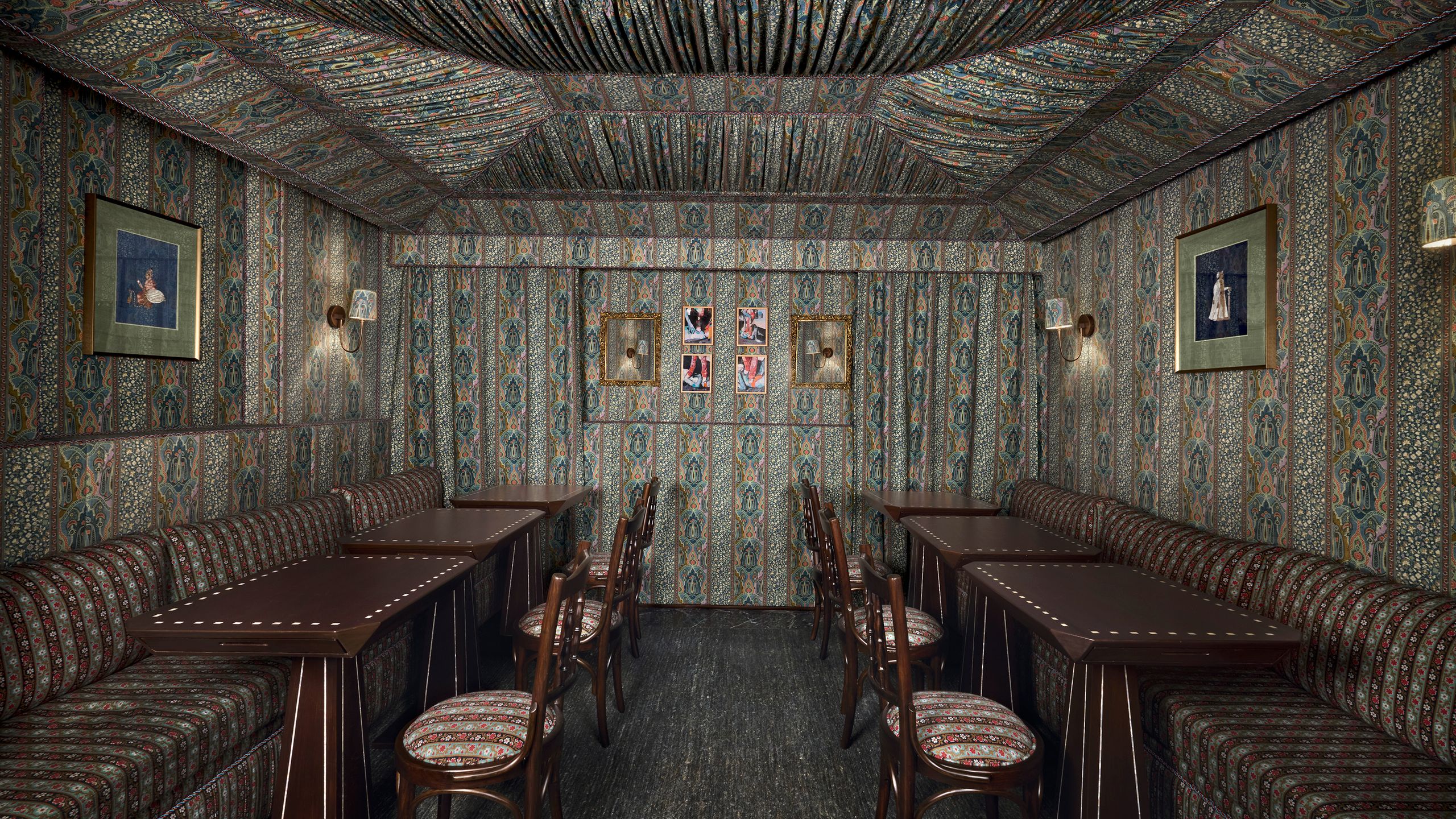
Mumbai gives its sharper hospitality contrasts to rooms that feel built for a city moving late: polished interiors, serious drinks, and a social rhythm that does not treat the bar as an afterthought. Paradox enters that register as a cocktail bar with a design-led, metropolitan mood. The point is not nostalgia. Mumbai becomes the frame for a venue that wants the glass, the plate, and the room to speak the same contemporary language.
That matters because Mumbai’s contemporary dining scene has often treated the bar as an adjunct to the restaurant, a place for aperitifs before dinner or a nightcap after it. The newer shift is more assertive: cocktails are now expected to carry more of the evening. Paradox belongs to that change, with the bar itself positioned as the centre of gravity. Instead of building a luxury code from ceremony alone, the experience points toward a style of drinking that feels rooted in the city’s late, social pace.
The bar drives the room, not just the restaurant ritual
Modern dining has spent the past decade proving that ambitious restaurants do not have to look or feel like old formal rooms. The same question is now moving behind the bar. Paradox gives that idea a sharper cocktail-bar setting, where the more interesting development is how drinks can borrow from food logic: balance, texture, pacing, and garnish as structure rather than decoration.
The strongest impression is not of a hotel-bar template dressed up with regional language. It sits closer to Mumbai’s current appetite for experimentation, where diners accept unusual flavours when the construction is disciplined. The same argument carries through in the snacks and small plates, which are built to keep the room social while still showing the discipline of a serious kitchen.
The food avoids the solemnity that can settle over fine dining when every plate behaves like a thesis. Paradox is more useful when read as a bar where the kitchen has weight: snack-like forms, ambitious seasoning, and enough precision to make the drinks and food feel part of one conversation. The range is useful because it shows where Mumbai is heading: less separation between bar food and serious cooking, more comfort with casual formats carrying ambition and technique.
A Mumbai night room with Masque in the background
Masque gives Paradox immediate context in Mumbai. The city’s contemporary restaurant conversation has been shaped in part by rooms that put disciplined cooking and carefully built experiences at the centre of the evening, and Paradox sits near that broader shift without needing to copy it. Masque remains a reference point for restaurant ambition; this room takes a similar appetite for precision and loosens the service format into something more social, louder, and later.
That distinction matters when reading it against other Mumbai dining rooms. Seven Kitchens, Koishii, Sette Mara, and The Sahib Room all help show the breadth of premium dining in the city. Paradox is playing a different game: it is less about breadth or ceremony than about whether a bar can express contemporary taste with the confidence usually reserved for restaurants. The answer is strongest when the drinks and food feel connected rather than running parallel programs.
There is also a city-specific point here. Mumbai’s drinking culture has long moved between formal rooms, hotel bars, and neighbourhood restaurants where cocktails do not always set the agenda. A room like this reflects a newer premium pattern: the restaurant world is lending its discipline to the bar, while the bar is giving serious kitchens permission to be playful. That is why Paradox’s drinks and snacks belong in the same conversation. Both suggest a city less interested in copying global bar cues and more interested in testing what a serious night out can do after dark.
Where it fits in a Mumbai itinerary
This is a sharper choice for travellers who already understand that Mumbai’s food culture is not a single cuisine but a set of overlapping city habits: late meals, reinvention, hotel dining, regional influence, and a growing willingness to treat cocktails as serious craft. For a broader city read, pair it with our full Mumbai restaurants guide, our full Mumbai bars guide, and our full Mumbai hotels guide. The wider Mumbai planning map also includes our full Mumbai wineries guide and our full Mumbai experiences guide.
Readers comparing Indian dining formats can look beyond one room and read Paradox alongside other contemporary Mumbai dining rooms, hotel restaurants, and ingredient-led bars without forcing them into the same category. The more useful comparison is not a checklist of cuisines, but a question of format: where does serious cooking end, where does serious drinking begin, and how much can a social night venue carry before it becomes too formal? Paradox’s answer is to keep the room focused on cocktails while letting the kitchen give the experience more depth.
The editorial case for Paradox is not that it offers a polite version of familiar flavours for cocktail hour. It is that Mumbai’s serious restaurant thinking has entered the bar with enough confidence to be ambitious, contemporary, and still social. For a city that eats late and argues hard about what modern dining should be, that is the right kind of tension.
Frequently asked questions
Is Paradox a family-friendly restaurant?
Paradox is built as a night venue in Mumbai. Its cocktail-bar focus makes it better suited to adults than to an early family dinner.
How would you describe the vibe at Paradox?
The mood is late-night and design-led, with the feel of a contemporary Mumbai cocktail bar. It is best understood as a social room where drinks set the agenda and the food supports the same energy.
What's Paradox known for in terms of accolades?
Paradox is recognized on Condé Nast Traveler’s 2026 Hot List for restaurants and bars.
Is Paradox open every day?
Check directly with Paradox for current opening days and hours, as schedules can change.
Quick Comparison
Comparable venues by cuisine and price in the same metro.
| Venue | Cuisine | Price | Awards | Notes |
|---|---|---|---|---|
| ParadoxThis venue — the venue you are viewing | Contemporary Cocktail Bar with Small Plates | $50–100 | Conde Nast Hot List Restaurants | Not listed |
| Masque | Modern Indian Tasting Menu | $100–150 | World's 50 Best #15 · La Liste Top Restaurants | Contemporary Indian |
| Seven Kitchens | Multi-cuisine All-Day Dining | $30–50 | Not listed | Not listed |
| Koishii | Nikkei Peruvian-Japanese Fine Dining | Not listed | Not listed | Not listed |
| Sette Mara | Levantine Middle Eastern | Not listed | Not listed | Not listed |
| The Sahib Room | Modern Indian Fine Dining | $20–30 | Not listed | Not listed |
Recognition history
Dated appearances from independent guides and award organizations, with the underlying list record or original source where available.
Conde Nast Hot List Restaurants
Conde Nast
Continue exploring
More in Mumbai
Restaurants in Mumbai
All restaurants in Mumbai →
Bars in Mumbai
All bars in Mumbai →
Details
- Trendy
- Sophisticated
- Industrial
- Intimate
- Energetic
- Date Night
- Special Occasion
- After Work
- Late Night
- Group Dining
- Design Destination
- Standalone
- Craft Cocktails
- Small Plates
- Set Menu
- Craft Cocktails
- Vegetarian Friendly
Current opening hours
- Monday
- Closed
- Tuesday
- 6 PM–1 AM
- Wednesday
- 6 PM–1 AM
- Thursday
- 6 PM–1 AM
- Friday
- 6 PM–1 AM
- Saturday
- 6 PM–1 AM
- Sunday
- 6 PM–1 AM
Hours can change for holidays and private events. Last verified .
Audacious, contemporary, and intimate, with a high-energy cocktail-bar feel designed for dinner and conversation rather than a conventional restaurant experience.