
Wasabi by Morimoto occupies a quietly commanding position inside the Taj Mahal Palace Hotel in Colaba, where Japanese technique meets Indian ingredient sensibility at one of Mumbai's most consistently recognised dining addresses. Booking well ahead is advisable, particularly during the October-to-March season peak.
Pearl is the En Primeur Club membership app — saves, bookings, and concierge access live there. Same editors, same standards.
- Address
- The Taj Mahal Palace, Mumbai, Apollo Bandar, Colaba, Mumbai, Maharashtra 400001, India
- Phone
- +91 22 6665 3366
- Website
- tajhotels.com
- Directions
- Get directions
 Saves & bookings on Pearl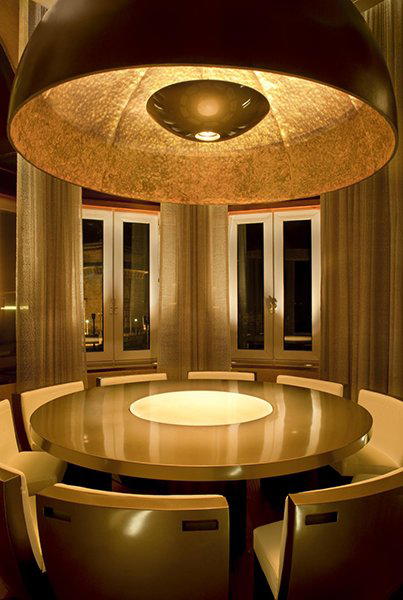
Where Japanese Discipline Meets the Taj's Colaba Address
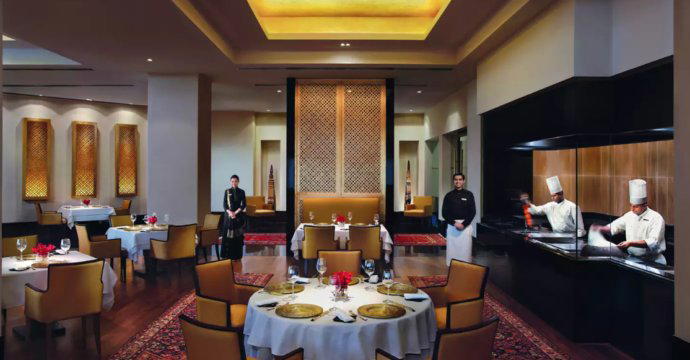
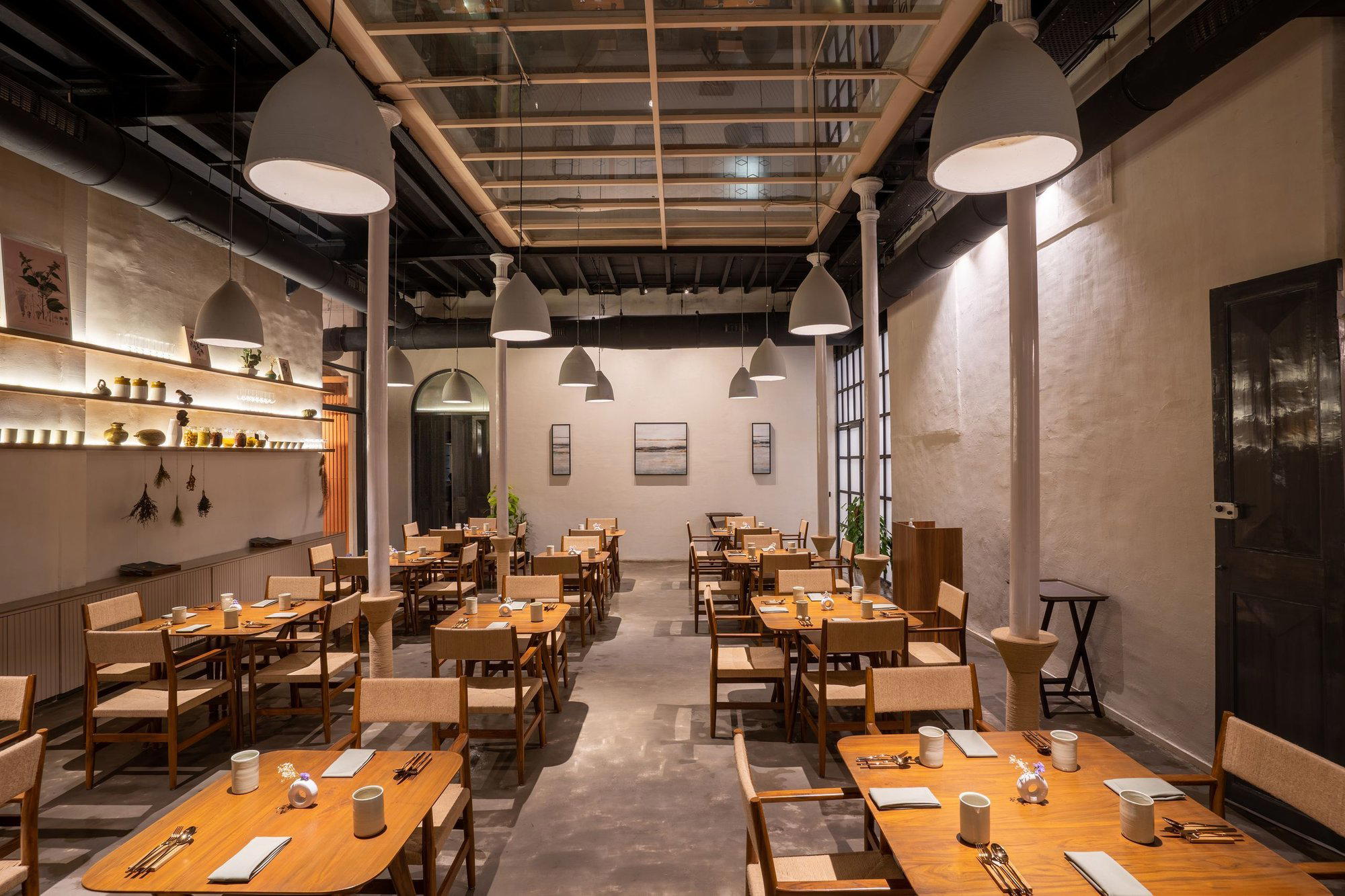
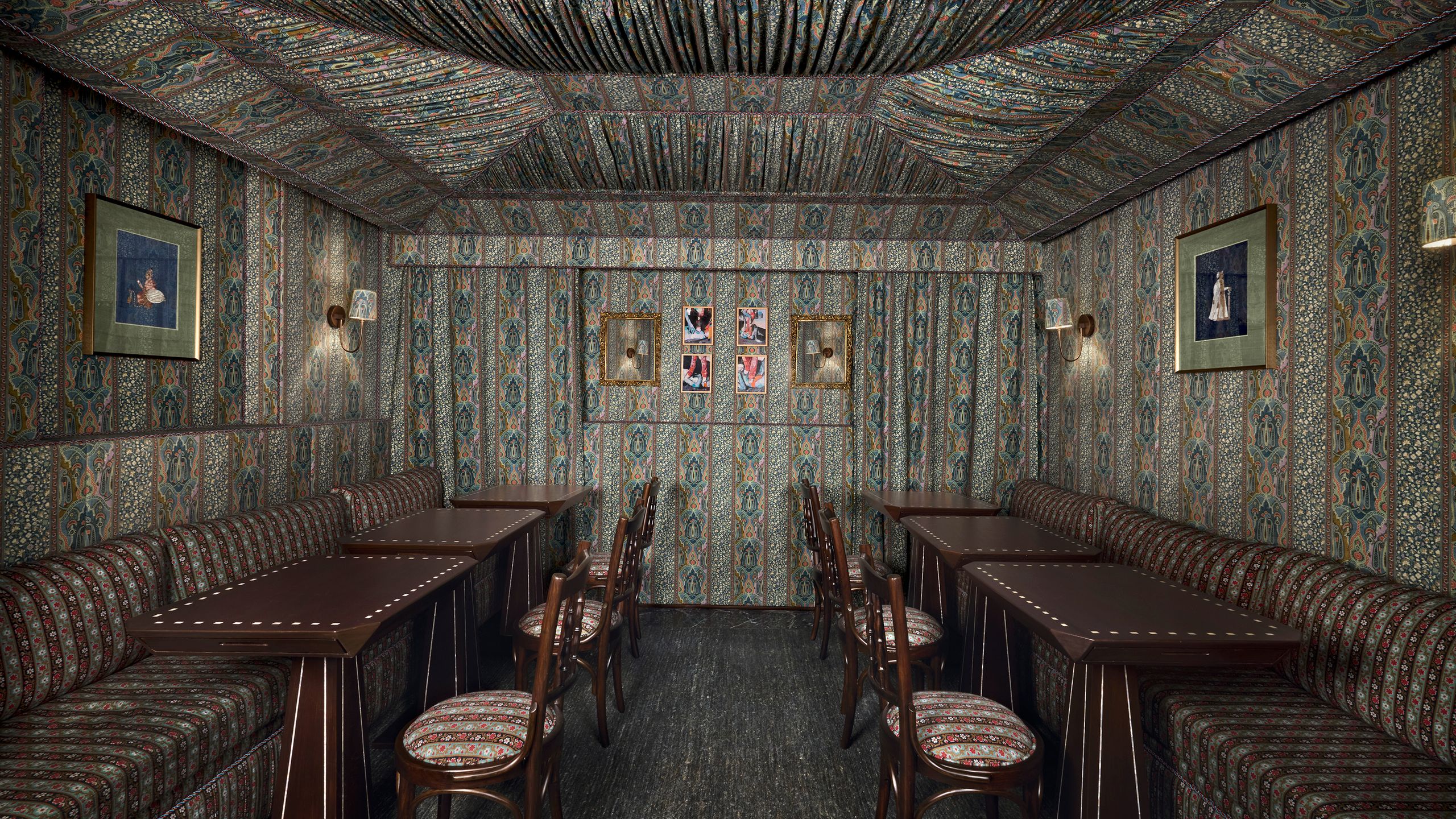
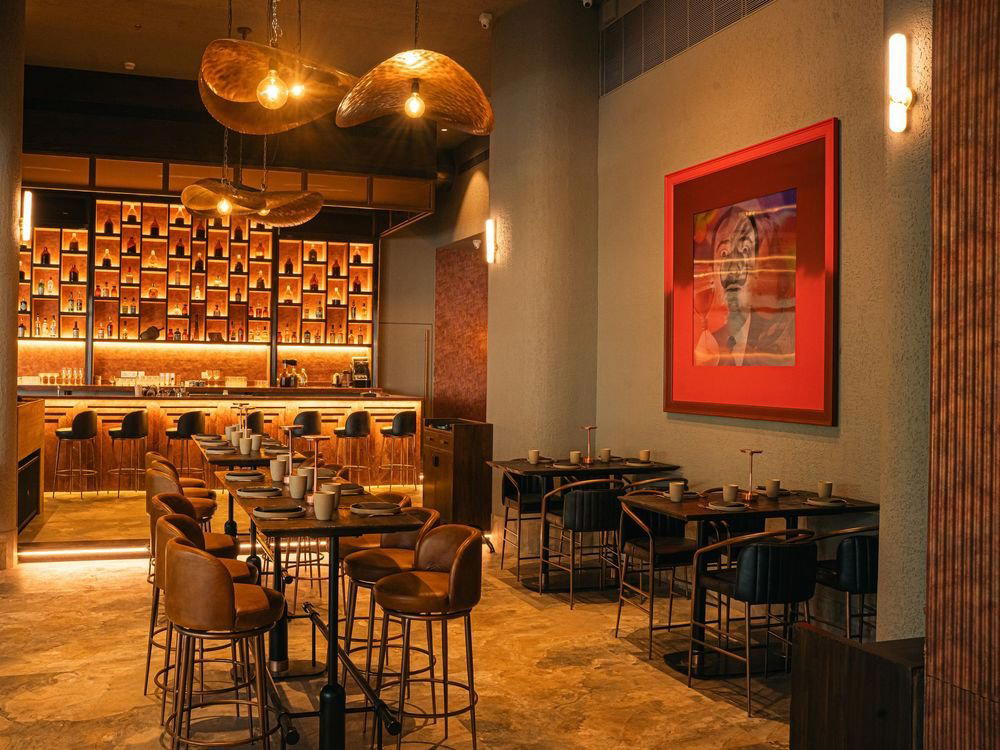
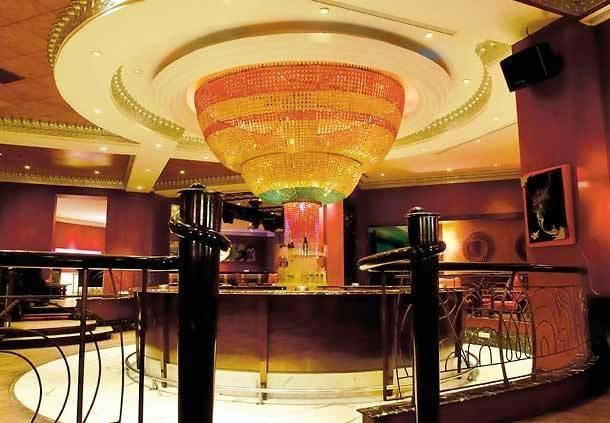
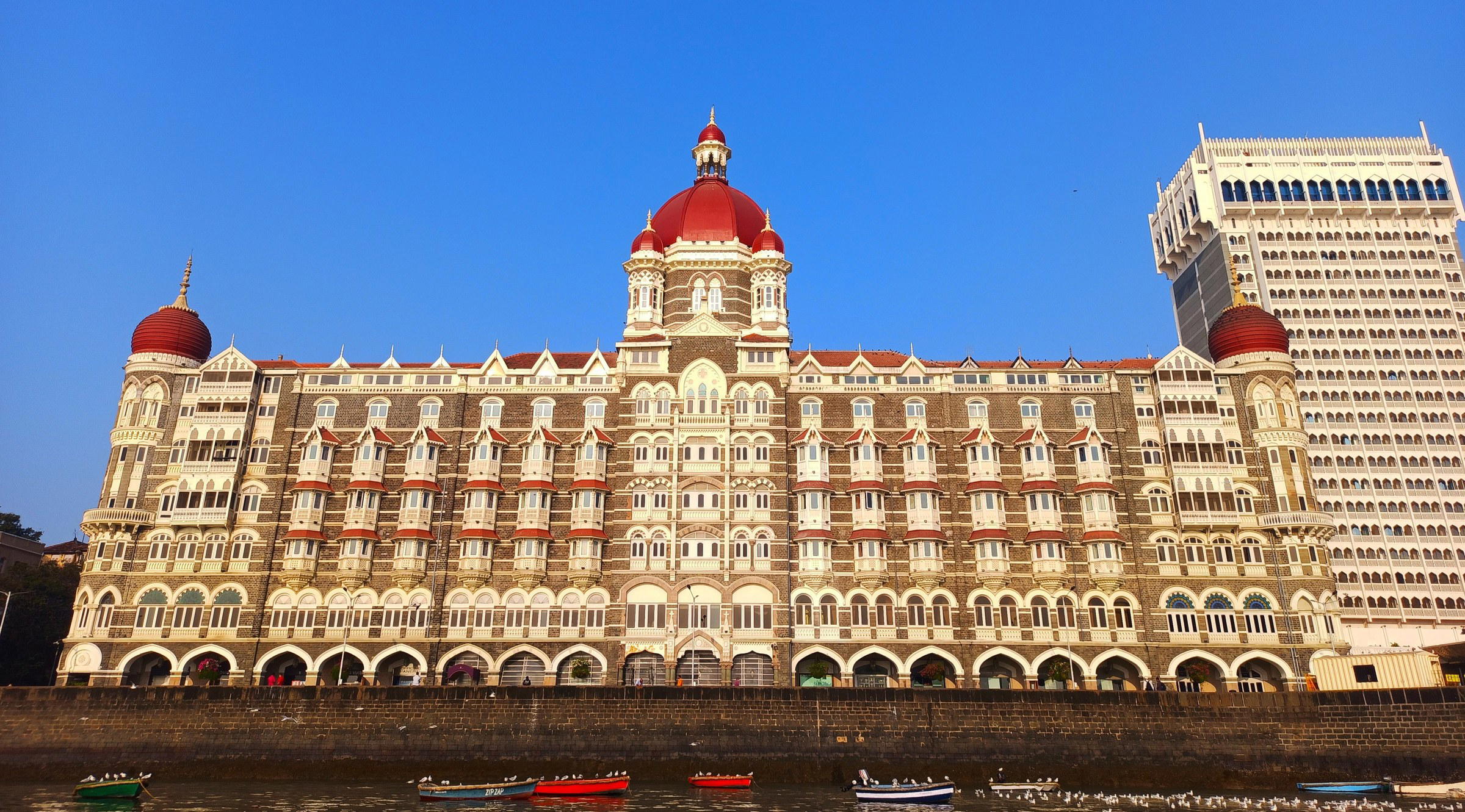
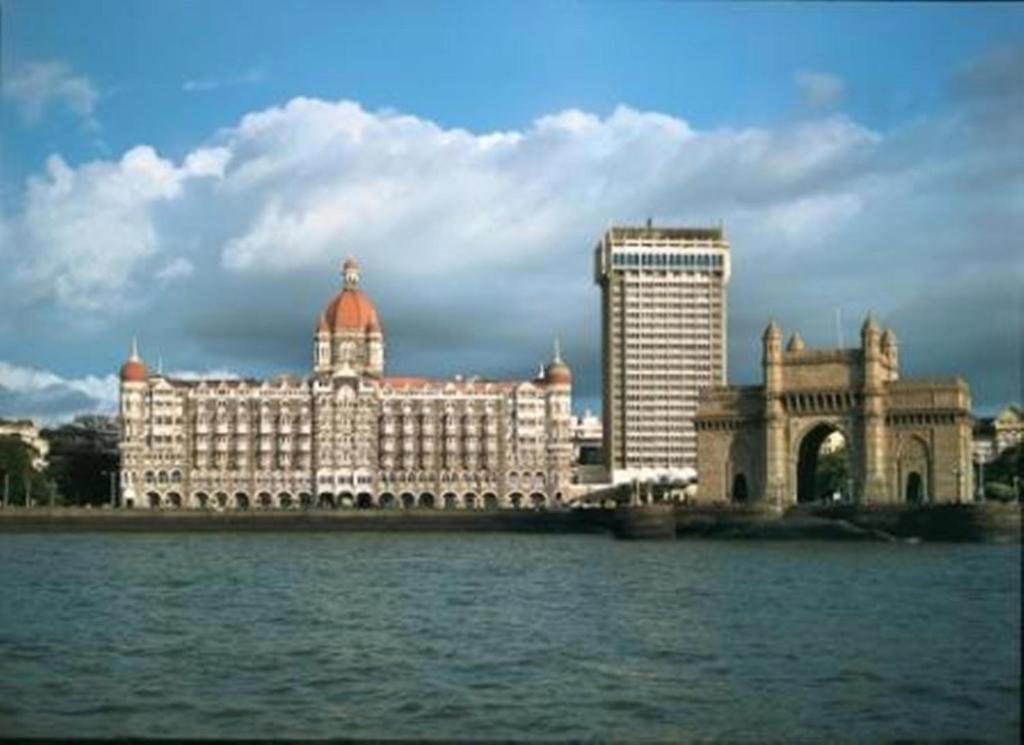
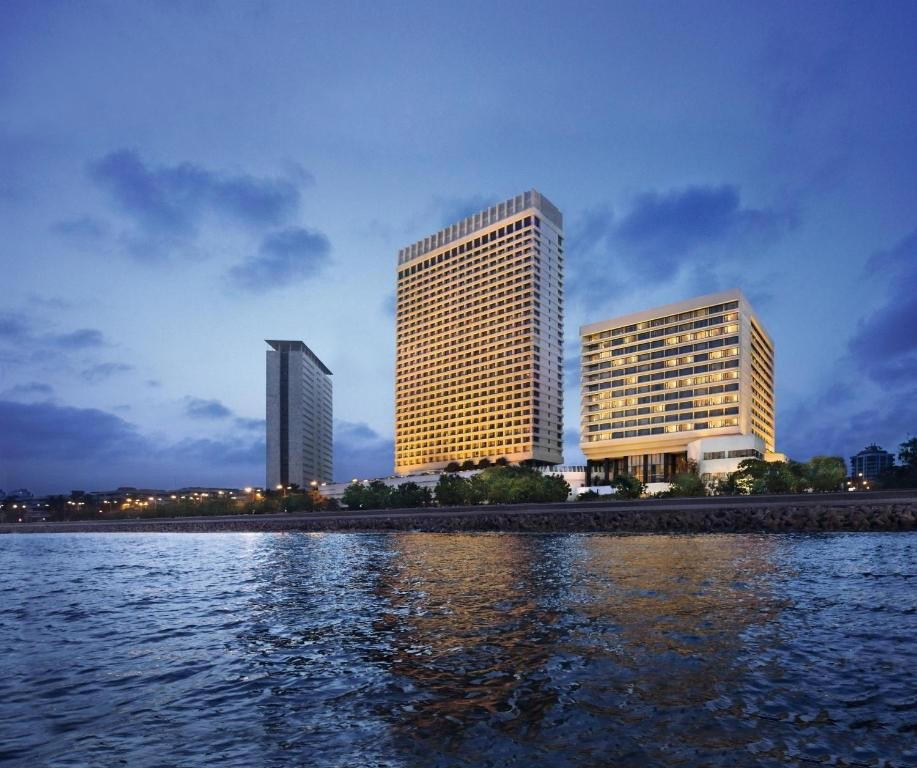
There is a particular category of hotel restaurant that earns its reputation independently of its host property, where the dining room is a destination rather than a convenience. Wasabi by Morimoto, positioned inside the Taj Mahal Palace Hotel on Apollo Bandar, belongs to that category. The Taj itself is among the more photographed buildings in Mumbai, and arriving through its Gateway-facing entrance already shifts the register of an evening. The dining room inherits that gravitas without merely coasting on it. The setting is composed and quiet relative to the hotel's grander public spaces, calibrated for the kind of focused meal that Japanese-influenced cooking actually rewards.
Within India, the category of high-precision Japanese dining is thin, this is not a cuisine with deep local roots in the way South Indian vegetarian or Mughal-derived traditions are, which means Wasabi operates in a relatively uncrowded competitive niche. Guests arriving from markets like New York or Tokyo, where the comparison set for Japanese food is far denser, often find the offering here recalibrated around Indian palate preferences and local ingredient availability. That hybrid orientation is deliberate, and it places the restaurant closer to venues like Atomix in New York City, which also operates at the junction of East Asian culinary tradition and a specific local context, than to a conventional Japanese omakase counter.
The La Liste Signal and What It Means for Booking
For a hotel restaurant in Mumbai, this positioning is meaningful, it places Wasabi in the same global conversation as venues like Le Bernardin in New York City, which has also maintained La Liste recognition over multiple cycles, even if at a different points level.
Within the Mumbai dining scene specifically, the La Liste presence makes Wasabi a comparatively rare animal. Most of the city's celebrated restaurants, from Masque and The Table to The Bombay Canteen, earn their recognition through Indian culinary innovation or local ingredient storytelling. Wasabi earns its place through a different argument: international technical precision delivered within a heritage hotel context. Those are different value propositions for different occasions, and understanding that distinction matters when deciding how to plan an evening.
The practical implication of that institutional recognition is booking pressure. The restaurant recommends reservations, and planning ahead is sensible for dinner. Business travellers staying at the Taj often have the advantage of in-house booking access through concierge channels, but walk-in availability at this time of year is limited. The restaurant has,613 reviews.
The Japanese-Indian Format in Context
The cuisine designation of Japanese-Indian is not a marketing construction. It reflects a genuine hybridity that runs through the menu's architecture: Japanese technique applied to proteins, preparations, and plating disciplines, with Indian spicing registers and seasonal local produce woven into the sourcing and flavour logic. This format has precedents elsewhere in Asia, most notably in the broader tradition of Indo-Japanese fusion that developed in cities with significant Japanese expat populations, but in Mumbai it remains a niche that Wasabi effectively occupies alone at the fine-dining tier.
The foreign-cuisine fine-dining niche has contracted as that domestic confidence has grown. That makes Wasabi's continuing relevance notable: it has maintained its position through a period when the room for internationally-conceived restaurant concepts has actually narrowed. The closest regional analogues in terms of combining a non-Indian culinary tradition with an Indian luxury hotel setting are places like Adaa at Falaknuma Palace in Hyderabad or Dum Pukht in New Delhi, though both anchor themselves in Mughal-Indian tradition rather than importing a foreign culinary grammar.
Colaba's Position and How to Approach the Evening
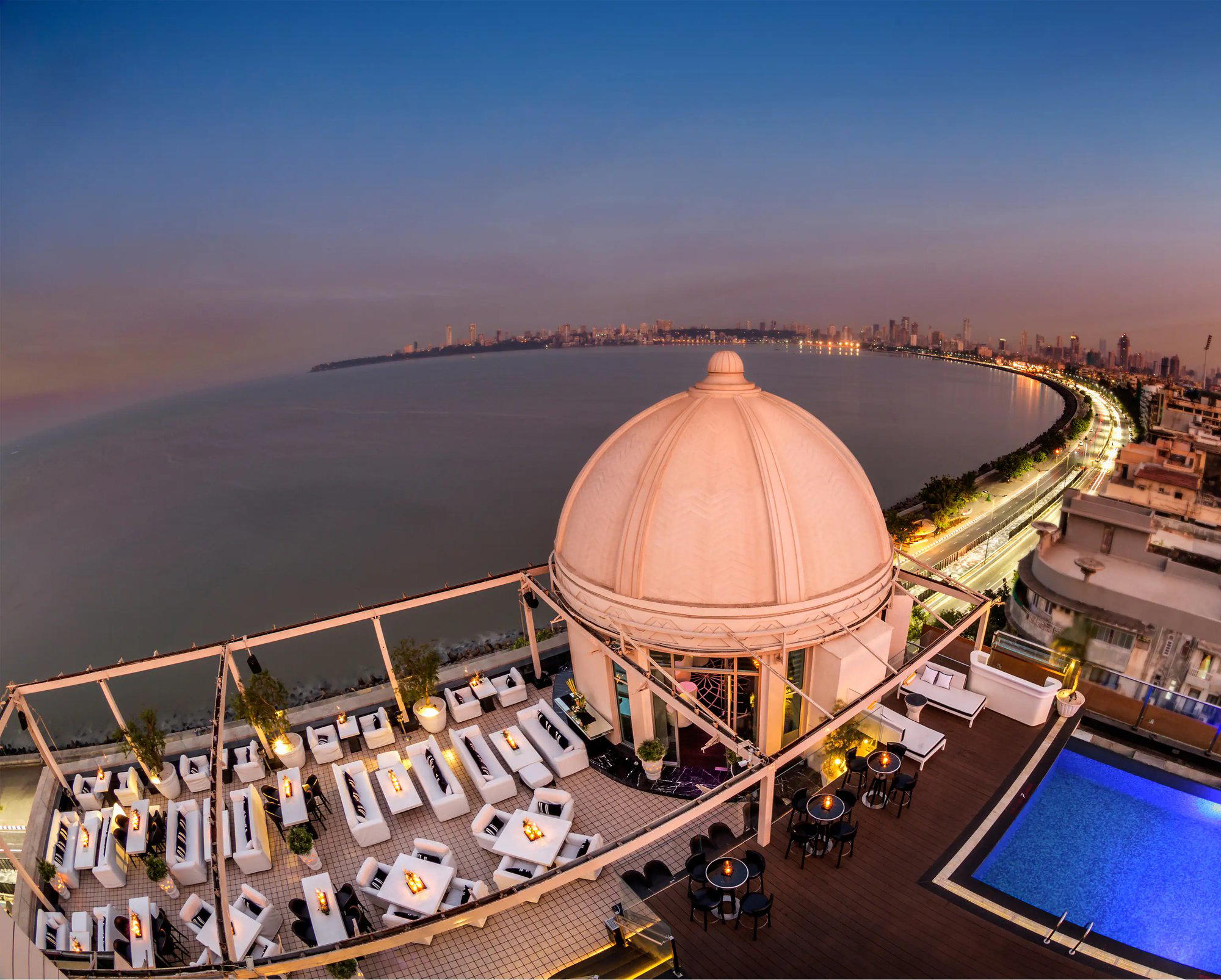
Colaba functions as Mumbai's most visitor-oriented neighbourhood without being a tourist trap in the pejorative sense. The area around the Taj concentrates a significant proportion of the city's high-end hospitality infrastructure, alongside galleries, heritage architecture, and the commercial stretch of Colaba Causeway. An evening at Wasabi fits naturally into a Colaba-centred itinerary rather than requiring a cross-city commitment. For guests not staying at the Taj, arriving by cab to the hotel's main entrance on Madame Cama Road or the sea-facing Apollo Bandar side both work, though the latter approach, with the Gateway of India visible directly ahead, frames the arrival more deliberately. For a fuller picture of what's around, our full Mumbai restaurants guide covers the city's dining options by neighbourhood and cuisine type, and our full Mumbai hotels guide addresses the Colaba luxury property set in detail.
Dinner is the format this setting suits. The room's atmosphere, the pacing of Japanese-inflected service, and the general register of the Taj's evening energy all point toward a longer, more deliberate meal rather than a lunch-and-move-on format. Budget for a full-length dinner and resist the temptation to treat it as a quick stop; the cooking rewards patience.
Travellers moving through India's broader fine-dining circuit will find useful comparisons at Farmlore in Bangalore and Naar in Kasauli for locally-rooted approaches, or at Bomras in Anjuna for another example of South and Southeast Asian culinary synthesis operating in a Goa-adjacent context. Baan Thai in Kolkata offers a further point of comparison for Asian cuisine operating within India's luxury hotel infrastructure.
What to Order at Wasabi by Morimoto at the Taj Mahal Palace Hotel
The menu at Wasabi operates at the intersection of Japanese culinary discipline and Indian ingredient logic. The menu blends Japanese technique with Indian ingredient logic. The Japanese-Indian designation signals that considered cooking will appear in preparations where that hybridity is most deliberate: sushi and sashimi preparations likely sourced with attention to local coastal availability, cooked dishes where Japanese seasoning principles apply to Indian proteins or vegetables, and composed plates where the visual restraint of Japanese plating meets Indian spice complexity. Guests arriving with a strong preference for traditional Japanese purity should note that this is a fusion format by design, not an omakase-style purist counter, the menu's interest lies precisely in that negotiation. The restaurant's. Ordering across multiple sections is a good way to experience the menu.
City Peers
Comparable venues nearby, for context on price, style, and recognition.
| Venue | Cuisine | Price | Notes |
|---|---|---|---|
| Wasabi By Morimoto - The Taj Mahal Palace HotelThis venue — the venue you are viewing | Contemporary Japanese Fine Dining | $$$$ | Not listed |
| Peshawari Mumbai | North West Frontier Indian | $$$$ | Sahar |
| Indigo | Modern Italian Deli | $$$ | Oshiwara |
| O Pedro | Modern Goan-Portuguese | $$$ | Kolekalyan |
| Botticino | Contemporary Italian Fine Dining | $$$$ | Kolekalyan |
| Paradox | Contemporary Cocktail Bar with Small Plates | $$$ | Lower Parel |
Recognition history
Dated appearances from independent guides and award organizations, with the underlying list record or original source where available.
La Liste Top Restaurants
La Liste
La Liste Top Restaurants
La Liste
At a Glance
- Elegant
- Sophisticated
- Ornate
- Date Night
- Special Occasion
- Business Dinner
- Hotel Restaurant
- Open Kitchen
- Sake Program
- Waterfront
Current opening hours
- Monday
- 12:30–2:45 PM, 7–11:45 PM
- Tuesday
- 12:30–2:45 PM, 7–11:45 PM
- Wednesday
- 12:30–2:45 PM, 7–11:45 PM
- Thursday
- 12:30–2:45 PM, 7–11:45 PM
- Friday
- 12:30–2:45 PM, 7–11:45 PM
- Saturday
- 12:30–2:45 PM, 7–11:45 PM
- Sunday
- 12:30–2:45 PM, 7–11:45 PM
Hours can change for holidays and private events. Last verified .
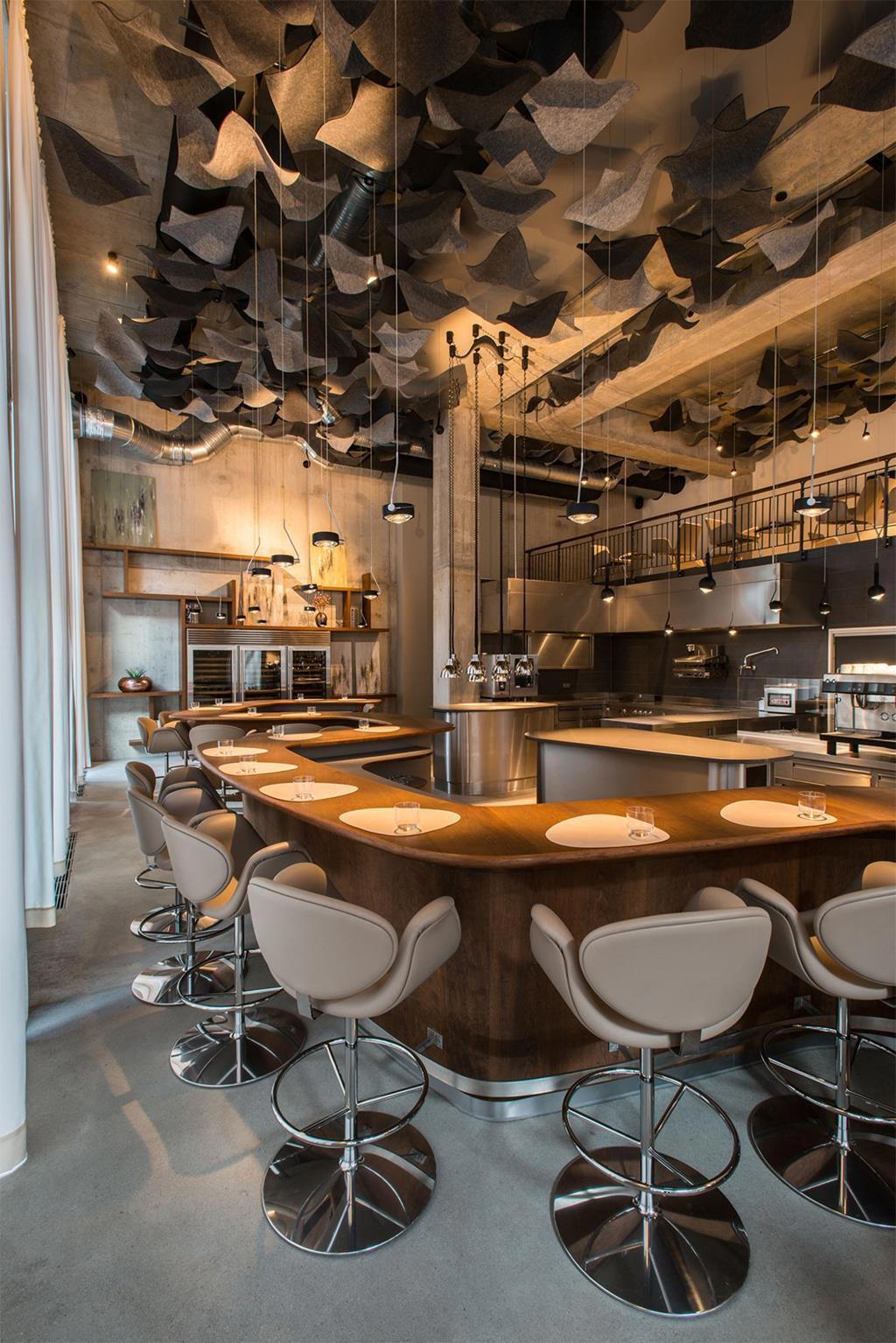
Stylish purple and lime-accented interiors with illuminated cherry blossom installation, offering a refined and occasionally whimsical fine dining atmosphere.