

Mr & Mrs Smith Seal of Approval · World Travel Awards
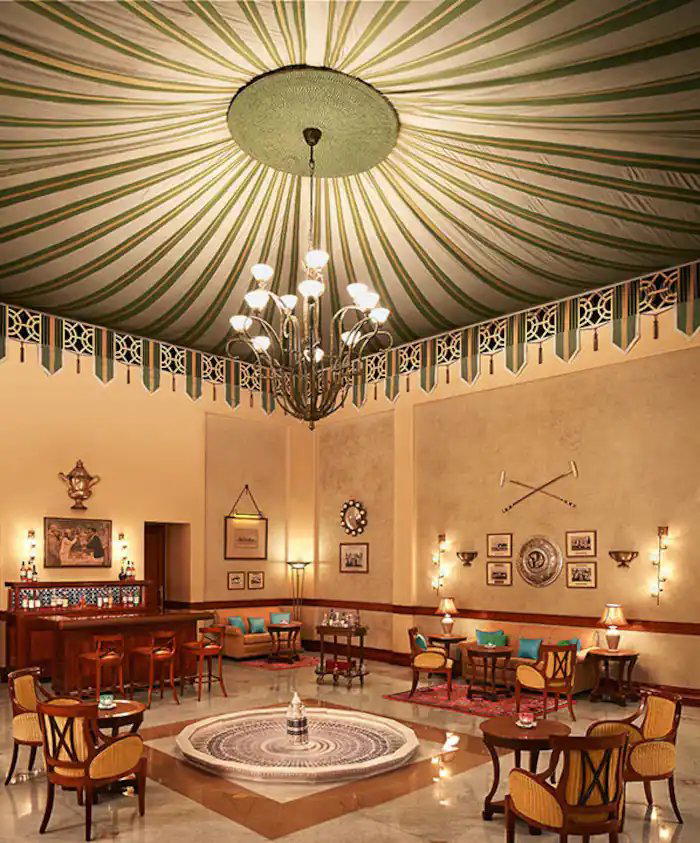
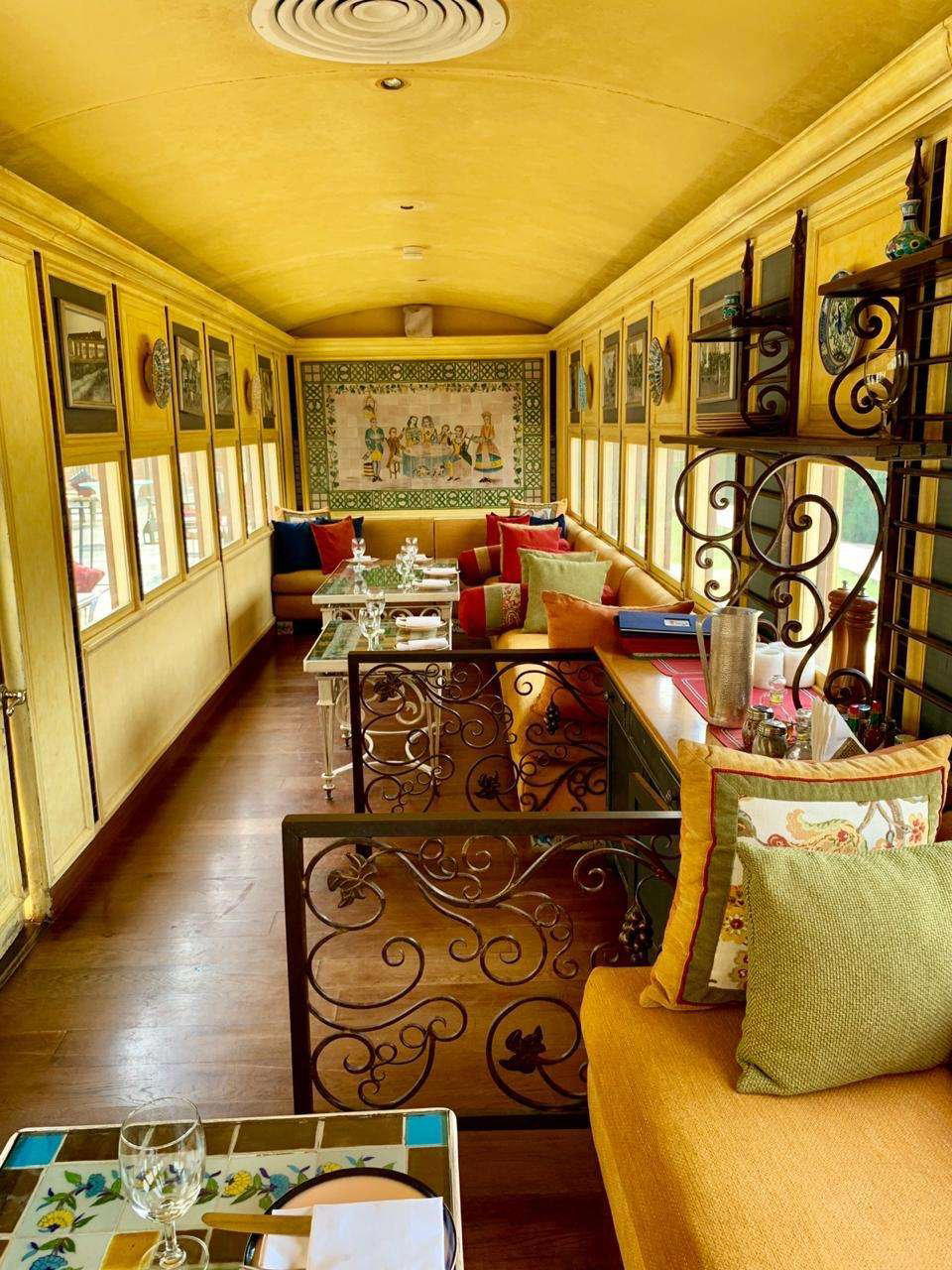
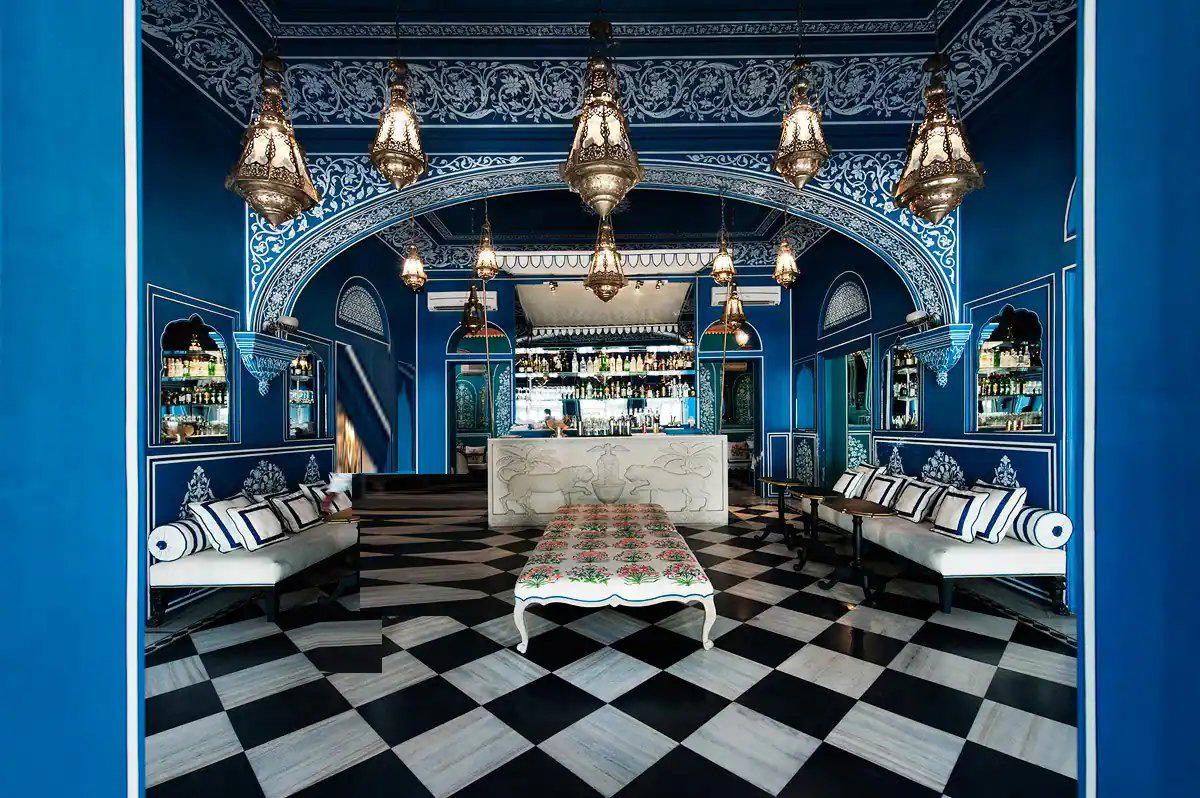
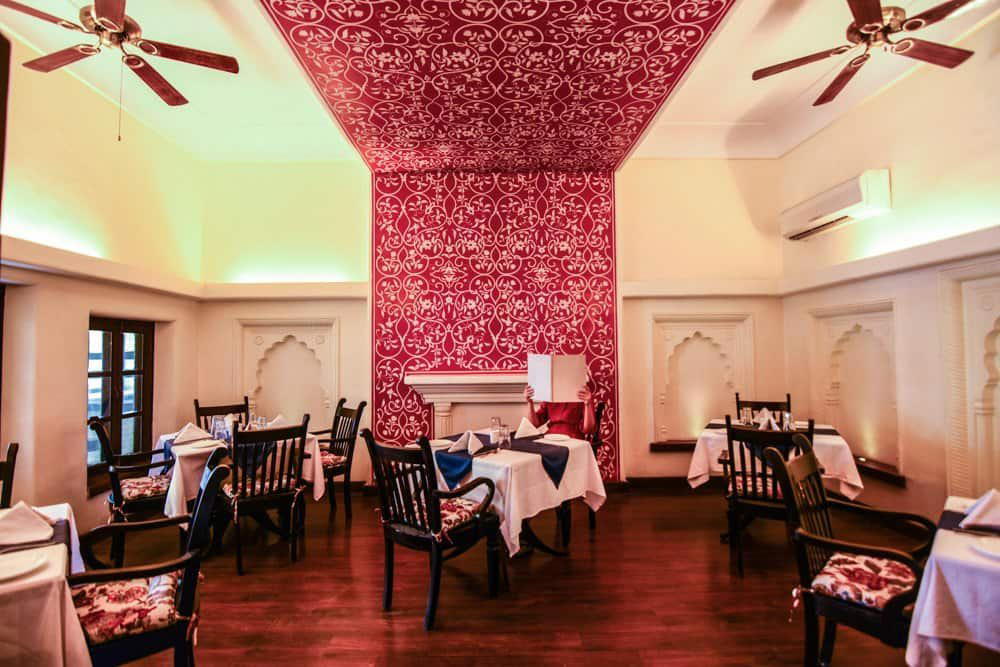
Royal Heritage Haveli, located in Jaipur's Khatipura district, won Rajasthan's Leading Boutique Hotel at the 2025 World Travel Awards. The property operates in the smaller, design-led tier of Jaipur hospitality, where heritage architecture and retreat-oriented programming take precedence over convention facilities and scale. It offers a quieter counterpoint to the city's palace-hotel circuit.

Pearl is the En Primeur Club membership app — saves, bookings, and concierge access live there. Same editors, same standards.
- Address
- Plot No. 116 & 117, Near Khatipura Tiraya, Khatipura, Jaipur, Rajasthan 302012, India
- Phone
- +91 99833 17271
- Website
- royalheritagehaveli.com
- Directions
- Get directions
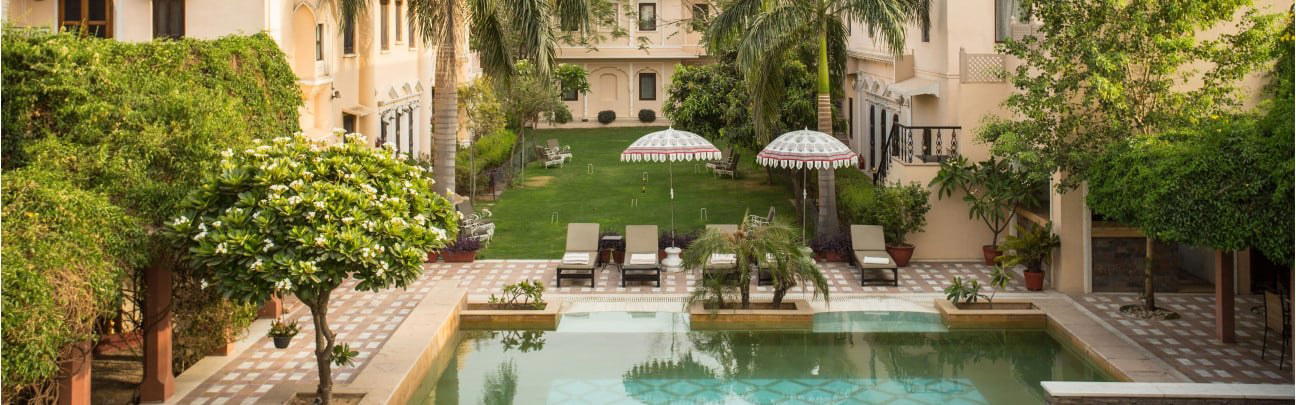
Where Jaipur's Boutique Tier Diverges from the Palace Circuit
Jaipur's hotel market has long been dominated by converted royal properties — the Taj group's Rambagh Palace, Jaipur, the The Oberoi Rajvilas, and newer entrants like Raffles Jaipur and The Leela Palace Jaipur. These are large-footprint operations with banquet halls, multiple dining venues, and pools scaled to international group travel. Alongside them, a smaller category of boutique havelis has been growing steadily: properties with limited keys, courtyard-centred architecture, and a pace of stay designed around withdrawal rather than programming. Royal Heritage Haveli, recognised as Rajasthan's Leading Boutique Hotel at the 2025 World Travel Awards, sits firmly in this second category.
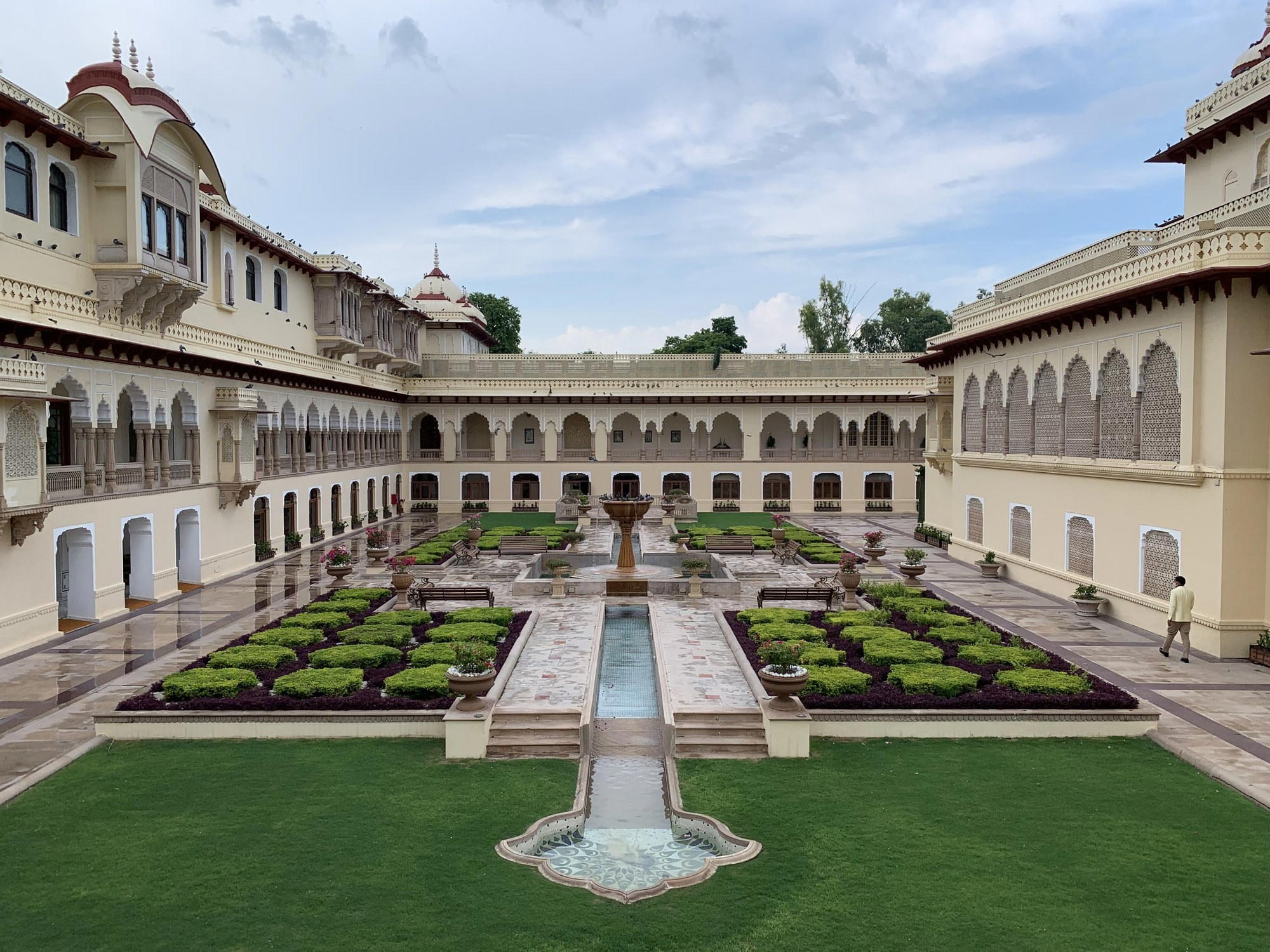
The distinction matters to travellers who arrive in Jaipur specifically to decompress. The Khatipura address places the property away from the busiest tourist corridors, closer to the quieter western edge of the city. That geographical remove is a feature rather than a limitation: arrival feels like stepping out of Jaipur's traffic logic into a different register entirely. The haveli form — typically a multi-storey courtyard house built for Rajasthani merchant or noble families, lends itself naturally to the kind of retreat atmosphere that spa resorts elsewhere construct artificially.
The Haveli as a Retreat Typology
Across Rajasthan, the haveli has become a significant hospitality format. Properties like Haveli Dharampura in Delhi have demonstrated that the typology translates directly into premium boutique accommodation, particularly for guests seeking architectural immersion rather than resort-scale amenity. What the haveli offers, shaded inner courtyards, thick-walled rooms that hold cool through afternoon heat, layered ornamental stonework, is a passive comfort system that larger hotels replicate only through mechanical means.
In that context, the World Travel Awards recognition for Royal Heritage Haveli reflects a broader trend: Rajasthan's boutique tier is being evaluated on its own terms, not simply as a smaller version of the palace hotel. Chapslee in Shimla operates in a comparable register, and Amanbagh in Ajabgarh, though in a different price bracket, shares the underlying premise that retreat quality is architectural before it is amenity-based.
Wellness in a Heritage Frame
The retreat model that boutique havelis offer is less about scheduled programming and more about what the building itself imposes on your pace. Thick sandstone or brick construction moderates temperature without conditioning systems running at full capacity. Courtyard layouts create natural circulation patterns that encourage slow movement through the property, from room to courtyard to terrace, rather than the corridor-and-elevator logic of a tower hotel. In Jaipur, where October through March brings cool, dry mornings and warm afternoons, this architecture aligns precisely with a guest who wants to read in a shaded garden, take breakfast outside, and treat the city's monuments as afternoon objectives rather than morning itineraries.
This positions Royal Heritage Haveli differently from the wellness programming at, say, Taj Devi Ratn Resort & Spa, Jaipur, where the spa infrastructure is the explicit draw. The boutique haveli model offers something less formalised: the ambient deceleration of a building that was not designed for throughput. Whether that suits a given traveller depends on what they want from a Jaipur stay. Guests who prioritise full-service spa access and multiple dining choices will gravitate toward the larger properties. Guests seeking to actually slow down often find that the boutique tier delivers that outcome more reliably.
For reference across the broader region, properties like Suján Jawai in Pali have built retreat identities around landscape and minimal intervention. Royal Heritage Haveli operates on the same philosophical premise within an urban context, which is a harder thing to pull off and arguably a more relevant achievement in a city as dense and active as Jaipur.
Situating the Property in Jaipur's Wider Hospitality Map
Khatipura sits in the western reaches of Jaipur, a district less touristed than the Pink City core or the hotel corridor along Bhawani Singh Road. For guests whose itineraries combine Jaipur with the Golden Triangle, Delhi, Agra, and Jaipur, the western location can complicate access to sites like the City Palace or Hawa Mahal, which require either a private car or time in traffic. The tradeoff is a residential neighbourhood atmosphere that most of the centrally placed palace hotels cannot offer. Travellers connecting from The Leela Palace New Delhi in New Delhi or The Oberoi Amarvilas in Agra should factor in transfer logistics when planning their Jaipur segment.
Jaipur International Airport connects the city to Delhi, Mumbai, and most major Indian hubs, with flight times typically under two hours from Delhi. For the city's dining scene across price points, our full Jaipur restaurants guide covers the range from heritage restaurant dining to contemporary Rajasthani cooking. For broader boutique comparisons across India, Natraj Hotel and Restaurant in Udaipur and Garner Kutch Gujarat in Kutch offer useful regional contrasts, while Hotel Anand in Jabalpur represents a different tier of Indian heritage hospitality entirely. International travellers calibrating expectations against Western boutique benchmarks might reference The Fifth Avenue Hotel in New York City or even Aman Venice in Venice, where the heritage-building boutique format has been taken to its furthest price extreme.
What the 2025 Award Signals
The World Travel Awards recognition positions Royal Heritage Haveli at the front of Rajasthan's boutique category for 2025, not against the full-service palace hotels, but within its own competitive tier. For that tier, the relevant criteria are architectural integrity, service that scales to a small property's pace, and the overall quality of the retreat experience rather than facility count. The award does not confirm spa programming, restaurant credentials, or room technology; it confirms category leadership among boutique properties in the state.
That framing is useful for trip planning. Travellers who have stayed at properties like The Johri, Jaipur, another boutique-tier Jaipur property with design credentials, will have a reasonable sense of what this category delivers. Those comparing across global boutique formats, including Aman New York in New York City or Hyatt House Bengaluru Devanahalli in Bengaluru, will find Royal Heritage Haveli occupies a different position entirely: lower profile, architecturally rooted, and built around the logic of the haveli rather than the logic of the international hotel brand. For a certain type of traveller in Jaipur, that is precisely the point. For reference on comparable hill-station retreats, Gateway Dehradun in Dehradun and Vivanta Vrindavan in Vrindavan offer useful northern India comparisons in the mid-to-upper boutique bracket.
Credentials Lens
Comparable venues nearby, for context on price, style, and recognition.
| Venue | Cuisine | Price | Awards | Notes |
|---|---|---|---|---|
| Royal Heritage HaveliThis venue — the venue you are viewing | Restored 250-year-old Maharaja haveli blending Rajasthani heritage with modern comforts | $100–200 | Mr & Mrs Smith Seal of Approval · World Travel Awards | Not listed |
| 28 Kothi | Boutique guesthouse with Jaipur heritage roots | $200–300 | Michelin Selected · Mr & Mrs Smith Seal of Approval | Civil Lines |
| Jai Mahal Palace | Heritage palace hotel blending 18th-century Rajasthani royal architecture with contemporary luxury and modern amenities. | $100–200 | Michelin Selected | Civil Lines |
| The Raj Palace | Heritage palace converted to luxury hotel with authentic Indian architectural elements and contemporary luxury amenities. | $200–300 | Small Luxury Hotels of the World Member | Central Jaipur |
| Trident, Jaipur | Traditional Rajasthani architecture with modern luxury | $1–100 | Not listed | near Jal Mahal |
| Anantara Jewel Bagh Jaipur | Palatial Rajasthani retreat with verdant grounds and modern elegance. | Not listed | 1 Michelin Key | Sitapura |
Recognition history
Dated appearances from independent guides and award organizations, with the underlying list record or original source where available.
Mr & Mrs Smith Seal of Approval
Mr & Mrs Smith
World Travel Awards
World Travel Awards
Details
- Romantic
- Quiet
- Elegant
- Classic
- Cozy
- Scenic
- Romantic Getaway
- Honeymoon
- Anniversary
- Weekend Escape
- Historic Building
- Garden
- Terrace
- Pool
- Spa
- Wi Fi
- Room Service
- Concierge
- Fitness Center
- Restaurant
- Garden
- Garden
- Wheelchair Accessible
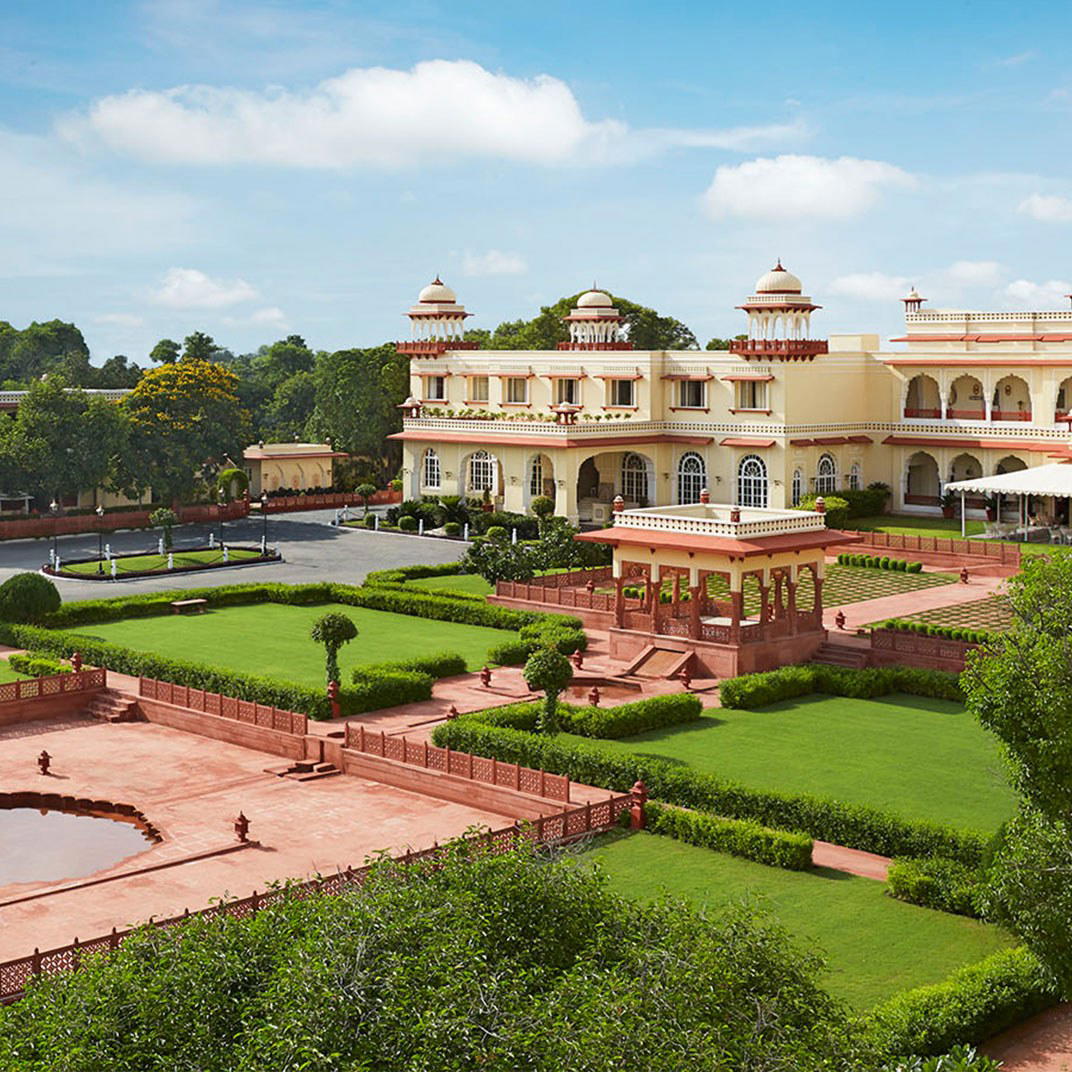
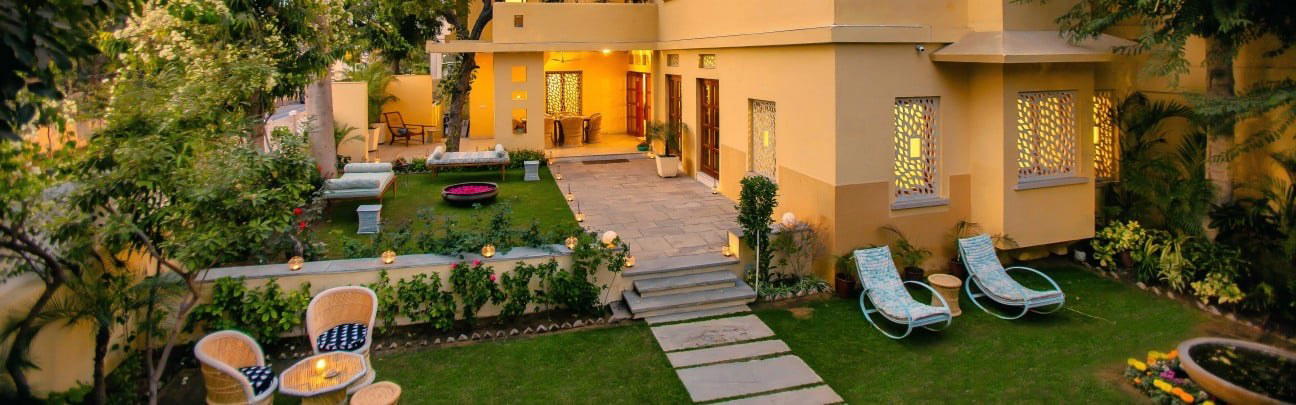
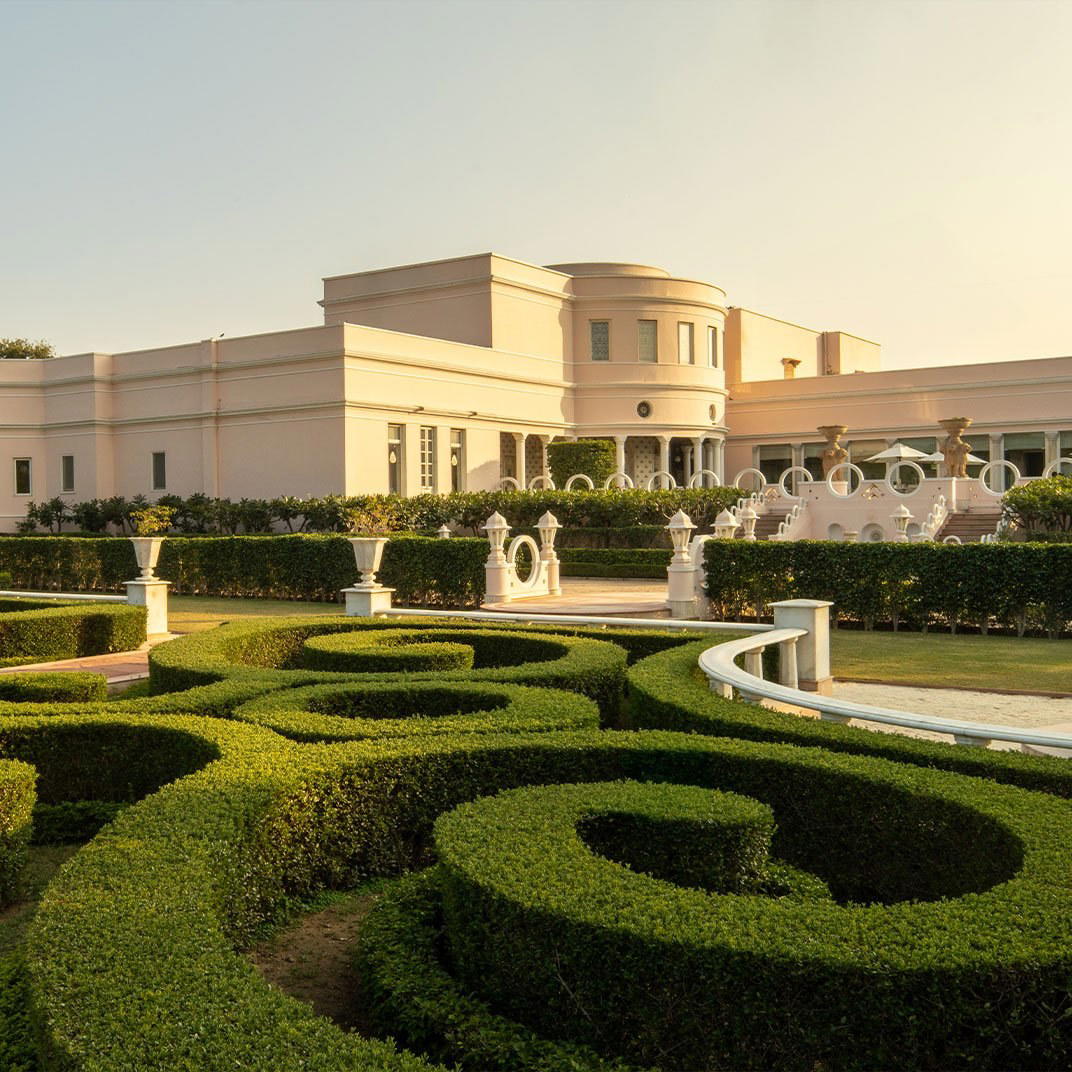
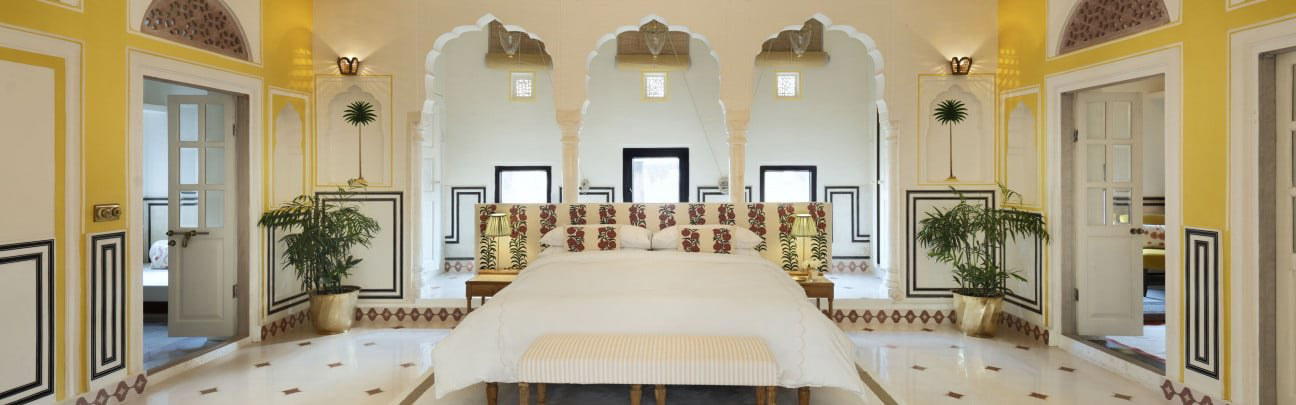
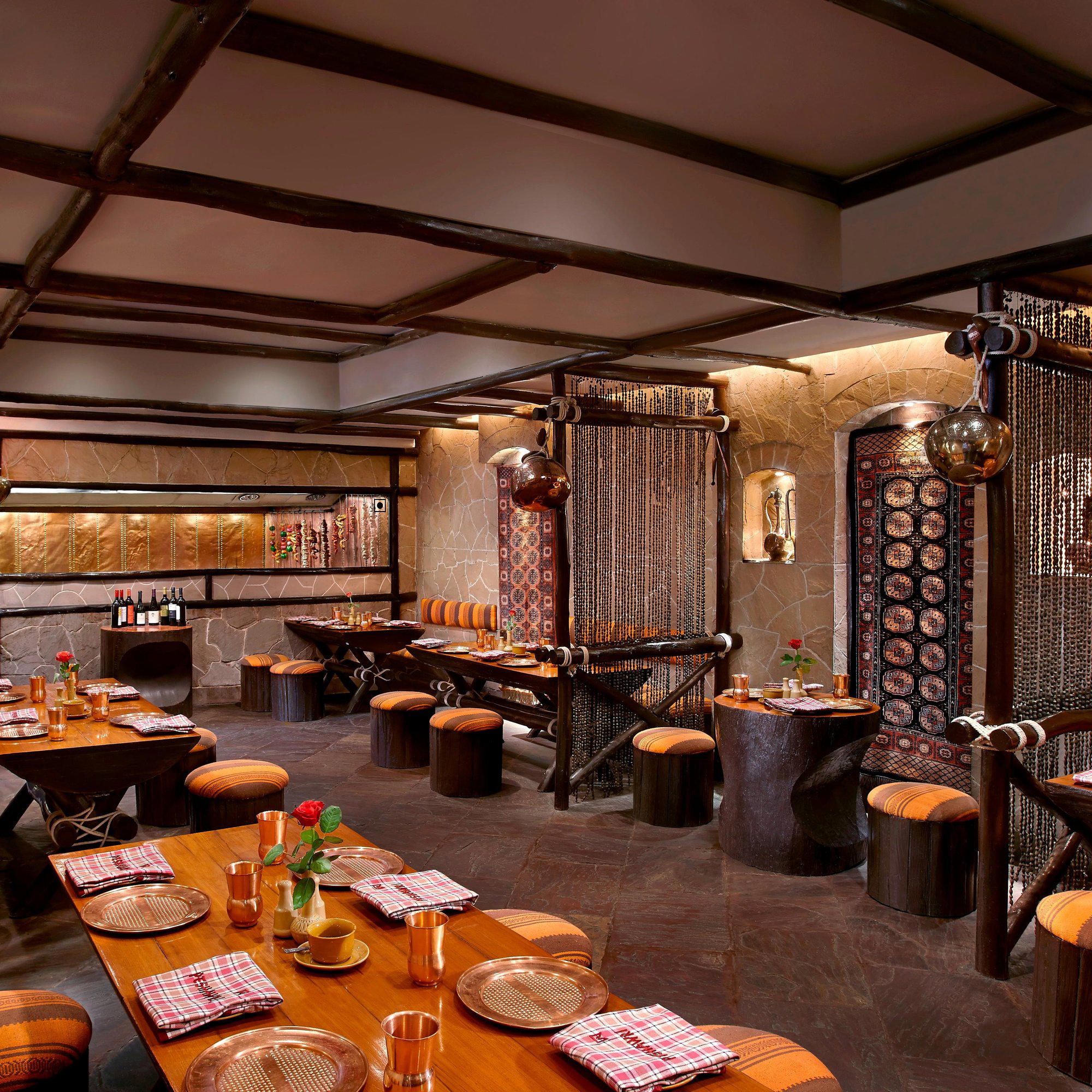
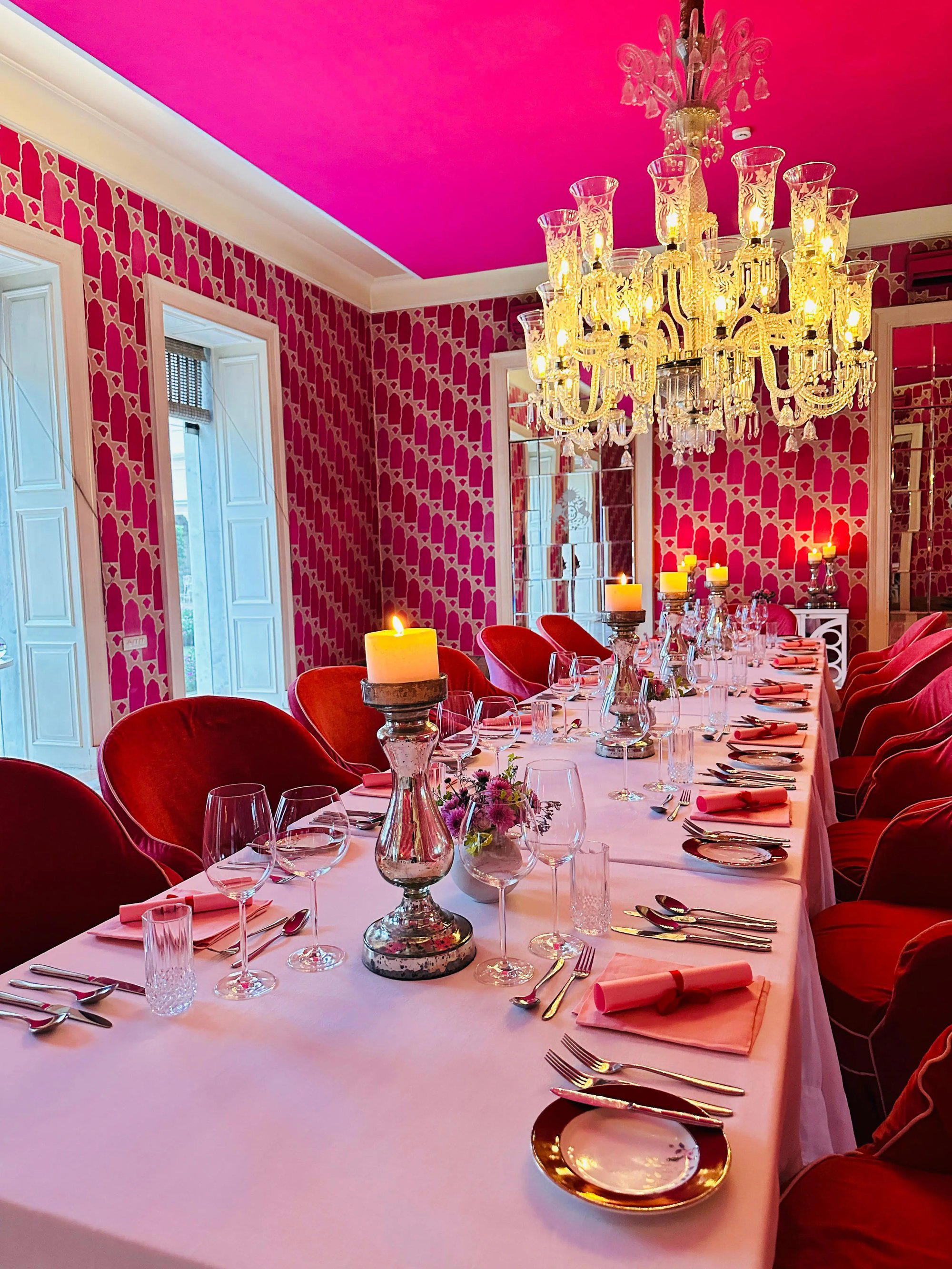
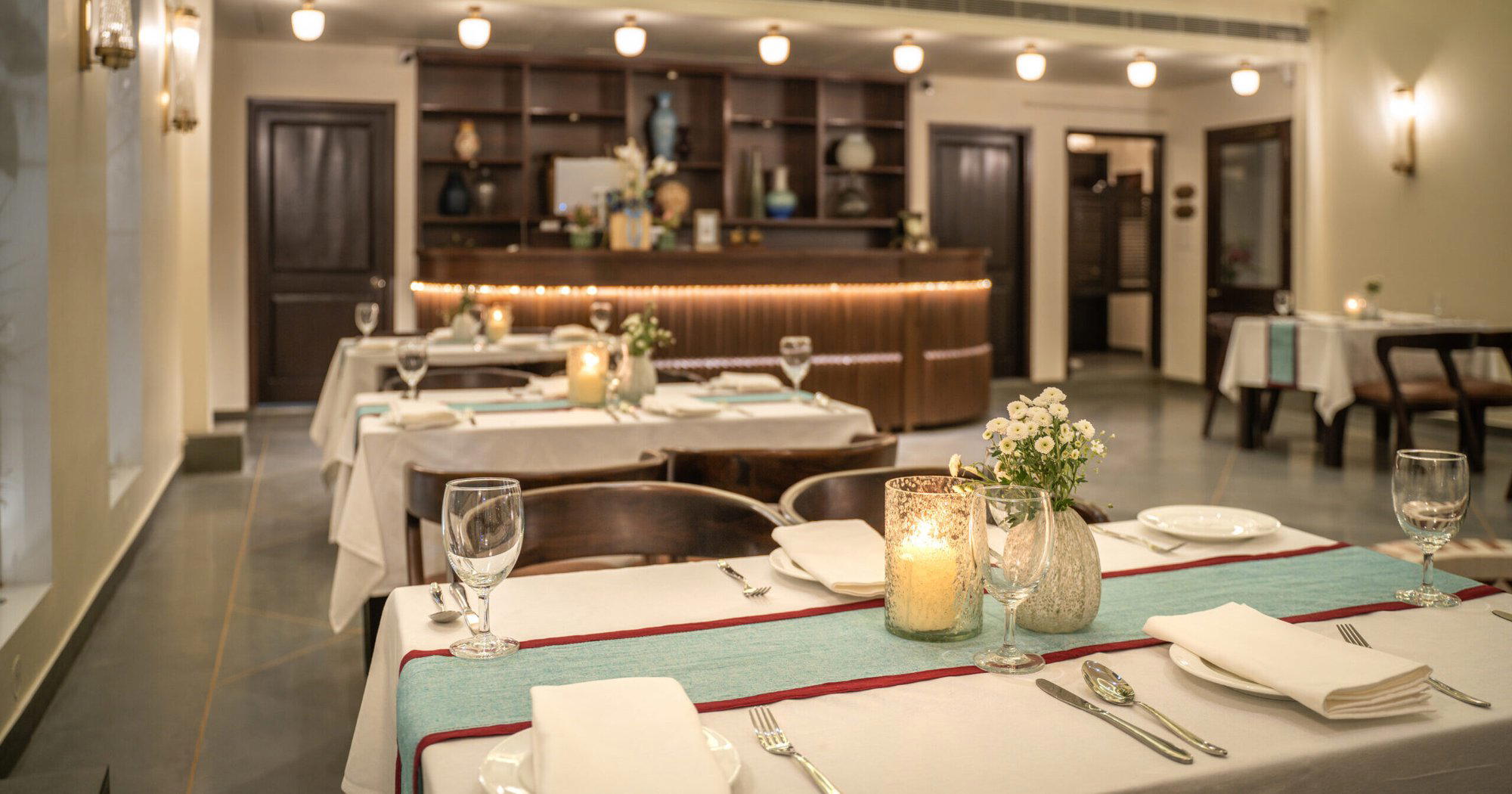
Peaceful and elegant with softly lit courtyards, relaxing garden spaces, and a calm atmosphere praised as an oasis from the city.