A Palace Address and What It Asks of a Kitchen Jaipur's dining scene has always carried the weight of its setting. The city's palace compounds and havelis create a category of restaurant that no urban dining room can replicate: food served inside living architecture, where the stone is centuries old and the evening light arrives differently depending on which courtyard you occupy. 51 Shades of Pink sits within the Rajmahal Palace RAAS on Sardar Patel Marg in C Scheme, a heritage address that places it in a specific and demanding tier of Jaipur hospitality. The RAAS property is one of the city's well-regarded heritage hotel conversions, and dining within its compound carries expectations shaped by that context. The name itself is a direct reference to Jaipur's designation as the Pink City, a title that dates to 1876 when the city's buildings were painted terracotta pink to welcome the Prince of Wales. Fifty-one gradations of that colour is an editorial choice, suggesting that what looks uniform from a distance resolves into complexity on closer examination. Whether the kitchen delivers on that implied promise is what separates the setting from the substance. The Source Question in Rajasthani Cooking Ingredient provenance matters more in Rajasthani cuisine than in almost any other Indian regional tradition, because the cooking evolved as a direct response to scarcity. The Thar Desert's arid conditions produced a culinary logic built around dried and preserved ingredients: ker and sangri, sun-dried lentils, dried berries, and techniques for cooking without water. Game from royal hunts, dairy from desert-adapted cattle, and spice routes through Rajputana all shaped a cuisine that is deeply site-specific. When a restaurant in Jaipur claims to engage with this tradition, the sourcing question is not incidental. It is central to whether the food makes sense. Across the broader Jaipur dining scene, this question divides kitchens sharply. Some properties at the heritage end of the market, including 1135 AD and Suvarna Mahal, have leaned into historical recipe research and regional sourcing as explicit positioning. Others treat the palace backdrop as décor and the menu as interchangeable with hotel dining in any Indian city. The gap between these two approaches is one important thing to understand about Jaipur's premium restaurant tier. At the India-wide level, the sourcing conversation has sharpened considerably over the past decade. Farmlore in Bangalore has built an entire format around direct farm relationships and seasonal menus that shift with harvest cycles. Naar in Kasauli draws on Himalayan forage and altitude-specific produce. Inja in New Delhi applies Korean technique to Indian ingredients in ways that require precision sourcing to work. These are reference points for what ingredient-led ambition looks like in contemporary Indian fine dining, and they set a standard that any heritage-palace restaurant must now be measured against, regardless of how compelling the setting. What the Setting Promises and What It Cannot Deliver Alone The Rajmahal Palace compound provides a physical environment that few purpose-built restaurants can match. Heritage hotel conversions in Rajasthan operate in a specific hospitality register: the architecture does considerable work before the kitchen fires up. Stone courtyards, carved jharokha windows, and the particular quality of evening light in a walled palace garden create a dining experience that is partly architectural and partly culinary. This is neither a criticism nor a compliment. It is a structural reality that defines the category. For comparison, consider how heritage dining operates elsewhere in India. Esphahan in Agra places Mughal-era recipe traditions within a setting that directly references the historical context of that cuisine. The architecture and the food exist in dialogue. That coherence between setting and kitchen output is what distinguishes the strongest heritage dining properties from those that simply occupy interesting buildings. Jaipur's C Scheme location also matters logistically. The neighbourhood sits within the city's more ordered colonial-era grid, separate from the denser lanes of the walled city but close enough to connect. Getting to the RAAS property is direct by auto-rickshaw or car from the central hotel belt, and the address on Sardar Patel Marg is well-known to local drivers. For visitors planning an evening here, the early dinner window tends to make leading use of the courtyard light, which shifts considerably after sunset. Placing 51 Shades of Pink in Jaipur's Dining Tier Jaipur's restaurant scene spans a wider range than many visitors anticipate. At the heritage-formal end, properties like Suvarna Mahal at the Rambagh Palace set the ceiling for ceremony and presentation. At the mid-tier, institutions like Niros Restaurant, operating since 1949, represent the city's longer-standing civic dining culture. More recent arrivals like Jaipur Modern have introduced a contemporary retail-meets-café format that appeals to a different demographic. Peshawri covers the ITC-brand Northwest Frontier register. 51 Shades of Pink, given its RAAS address, sits closest to the heritage-positioned tier, competing less with street-level Jaipur dining and more with other palace and haveli properties. That competitive set is worth understanding before you book. The question is not whether the setting is worth your evening. The RAAS compound provides that answer on its own terms. The question is whether the kitchen programme matches the address, and whether the food engages with Rajasthani sourcing and tradition with the specificity that the leading properties in this tier now offer. Our full Jaipur restaurants guide maps this tier in more detail and provides comparative context across the city's dining categories. For visitors building a broader India itinerary, the regional comparison is instructive. The Table in Mumbai demonstrates how a strong editorial food identity can anchor a restaurant's reputation independently of its setting. 5868 Restaurant in Gandhinagar and Harvest Kitchen Somnath in Veraval represent the western India regional dining spectrum, with different relationships to local sourcing and tradition. Internationally, the debate between setting and substance is equally live: Le Bernardin in New York City demonstrates that a stripped-back room can support the highest culinary ambition, while Lazy Bear in San Francisco shows how a conceptual dining format can carry its own theatrical weight. Beera Chicken House in Amritsar and La Fountain Blu in Navsari occupy entirely different registers but illustrate how varied the India dining map has become at every price point. Nando's in Navi Mumbai anchors the other end of the spectrum entirely. Planning Your Visit The RAAS Jaipur address on Sardar Patel Marg in Shivaji Nagar is the clearest logistical anchor for planning. Given the palace compound setting, an evening reservation generally makes more sense than a lunch visit, allowing the ambient light and courtyard atmosphere to work in the kitchen's favour. Visitors staying elsewhere in Jaipur should allow for Jaipur's variable traffic, particularly around the C Scheme junction during peak evening hours. Frequently Asked Questions Is 51 Shades of Pink suitable for children?Jaipur's heritage palace dining tends toward an atmosphere calibrated for adults, particularly in the evening, when the courtyard settings and table spacing favour quieter, longer meals. That said, Rajasthani cuisine includes a range of mild preparations that work well for younger diners. Whether the specific format at 51 Shades of Pink accommodates families comfortably depends on the kitchen's current programme, and it is worth confirming with the RAAS property directly if children are part of your group.What's the vibe at the restaurant?The venue sits within the RAAS Jaipur compound, which positions it in the heritage-formal register of the city's dining scene rather than the casual or contemporary tier. Expect the atmosphere to lean into the palace architecture and courtyard setting, with an evening energy shaped more by the building than by any deliberate club or lounge affect. Among Jaipur's heritage dining options, the RAAS address places this closer to the considered-occasion end of the spectrum.What should I eat at the restaurant?Rajasthani cuisine at its most coherent draws on the desert pantry: ker sangri preparations, laal maas, dal baati churma, and game-influenced dishes with deep spice profiles. At a palace address in Jaipur, these regional markers should be on the menu in some form, and they are particularly instructive dishes for assessing how seriously the kitchen engages with local tradition.Does the restaurant name connect to anything specific about the food or setting?The name is a direct reference to Jaipur's identity as the Pink City, which derives from the terracotta-pink wash applied to the walled city's buildings in 1876. The fifty-one gradations implied by the name suggest an engagement with that colour register across the setting, décor, or presentation, though the precise way this translates to the dining experience at the RAAS compound is best confirmed on arrival. It is a positioning choice that aligns the restaurant with Jaipur's heritage identity rather than a pan-India or international fine-dining reference point.
Pearl is the En Primeur Club membership app — saves, bookings, and concierge access live there. Same editors, same standards.
- Address
- Rajmahal Palace RAAS, Sardar Patel Marg, Shivaji Nagar, C Scheme, Jaipur, Rajasthan 302001, India
- Phone
- +91 141 414 3000
- Website
- raashotels.com
- Directions
- Get directions
 Saves & bookings on Pearl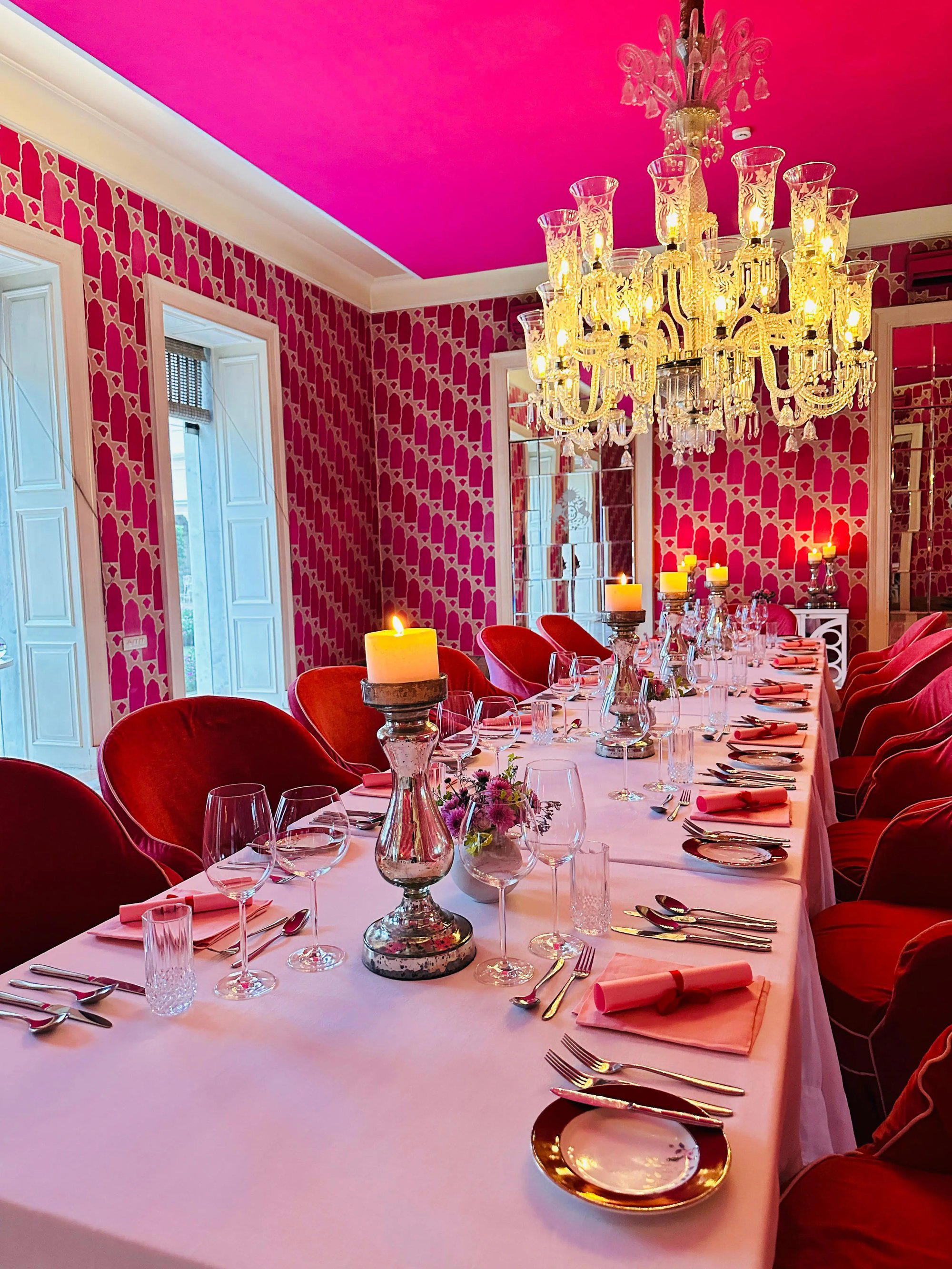
A Palace Address and What It Asks of a Kitchen
Jaipur's dining scene has always carried the weight of its setting. The city's palace compounds and havelis create a category of restaurant that no urban dining room can replicate: food served inside living architecture, where the stone is centuries old and the evening light arrives differently depending on which courtyard you occupy. 51 Shades of Pink sits within the Rajmahal Palace RAAS on Sardar Patel Marg in C Scheme, a heritage address that places it in a specific and demanding tier of Jaipur hospitality. The RAAS property is one of the city's well-regarded heritage hotel conversions, and dining within its compound carries expectations shaped by that context.
The name itself is a direct reference to Jaipur's designation as the Pink City, a title that dates to 1876 when the city's buildings were painted terracotta pink to welcome the Prince of Wales. Fifty-one gradations of that colour is an editorial choice, suggesting that what looks uniform from a distance resolves into complexity on closer examination. Whether the kitchen delivers on that implied promise is what separates the setting from the substance.
The Source Question in Rajasthani Cooking
Ingredient provenance matters more in Rajasthani cuisine than in almost any other Indian regional tradition, because the cooking evolved as a direct response to scarcity. The Thar Desert's arid conditions produced a culinary logic built around dried and preserved ingredients: ker and sangri, sun-dried lentils, dried berries, and techniques for cooking without water. Game from royal hunts, dairy from desert-adapted cattle, and spice routes through Rajputana all shaped a cuisine that is deeply site-specific. When a restaurant in Jaipur claims to engage with this tradition, the sourcing question is not incidental. It is central to whether the food makes sense.
Across the broader Jaipur dining scene, this question divides kitchens sharply. Some properties at the heritage end of the market, including 1135 AD and Suvarna Mahal, have leaned into historical recipe research and regional sourcing as explicit positioning. Others treat the palace backdrop as décor and the menu as interchangeable with hotel dining in any Indian city. The gap between these two approaches is one important thing to understand about Jaipur's premium restaurant tier.
At the India-wide level, the sourcing conversation has sharpened considerably over the past decade. Farmlore in Bangalore has built an entire format around direct farm relationships and seasonal menus that shift with harvest cycles. Naar in Kasauli draws on Himalayan forage and altitude-specific produce. Inja in New Delhi applies Korean technique to Indian ingredients in ways that require precision sourcing to work. These are reference points for what ingredient-led ambition looks like in contemporary Indian fine dining, and they set a standard that any heritage-palace restaurant must now be measured against, regardless of how compelling the setting.
What the Setting Promises and What It Cannot Deliver Alone
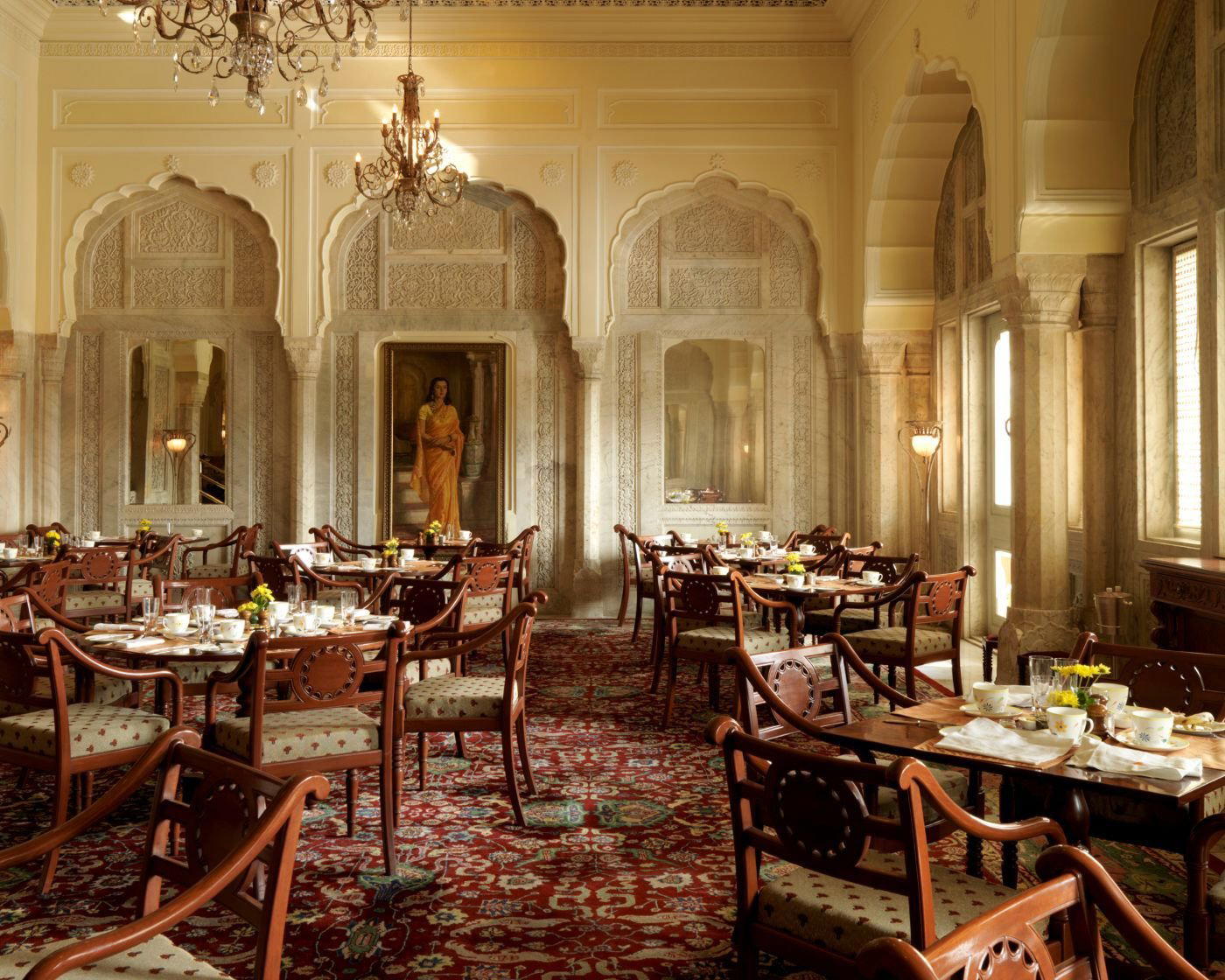
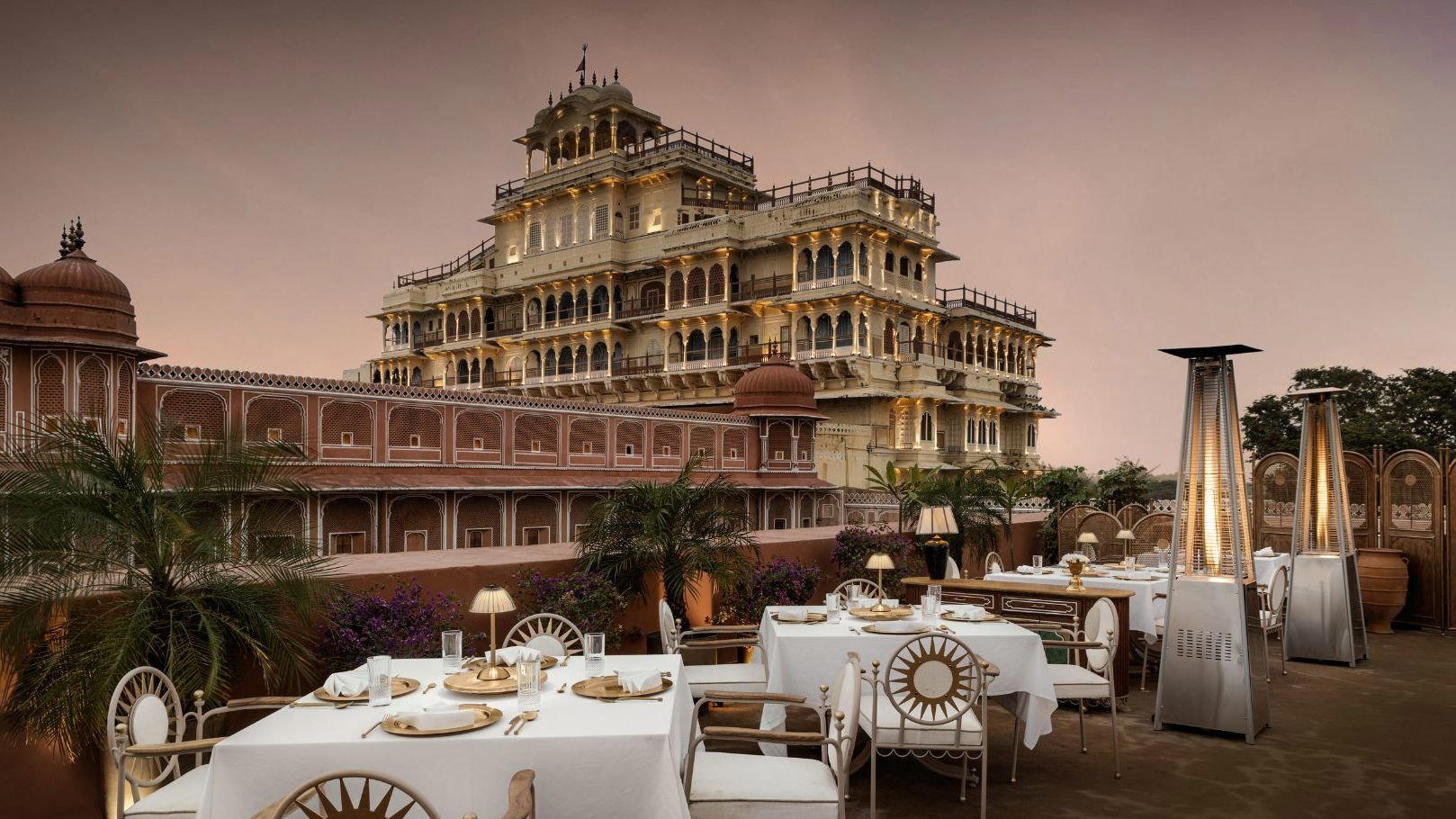
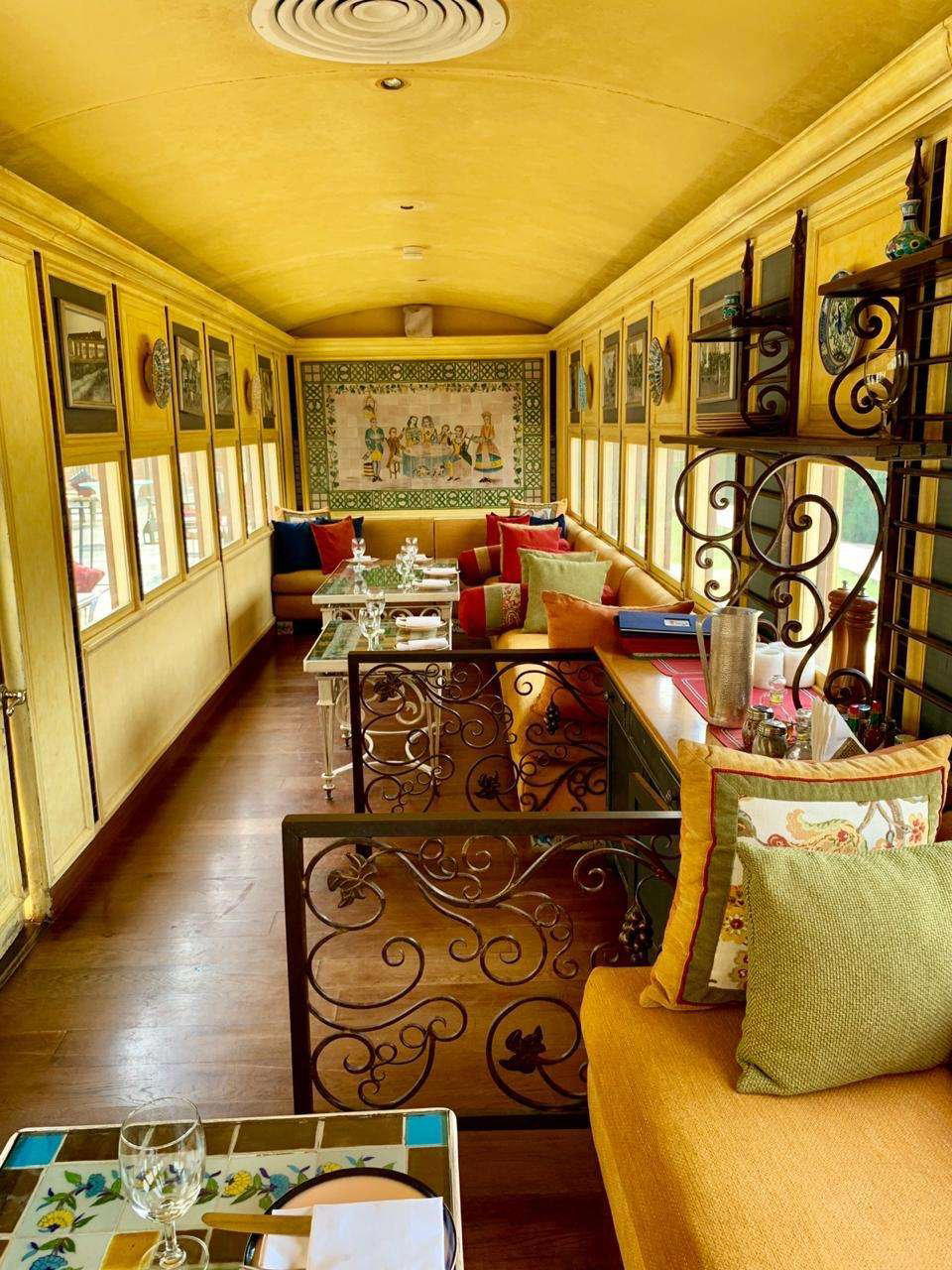
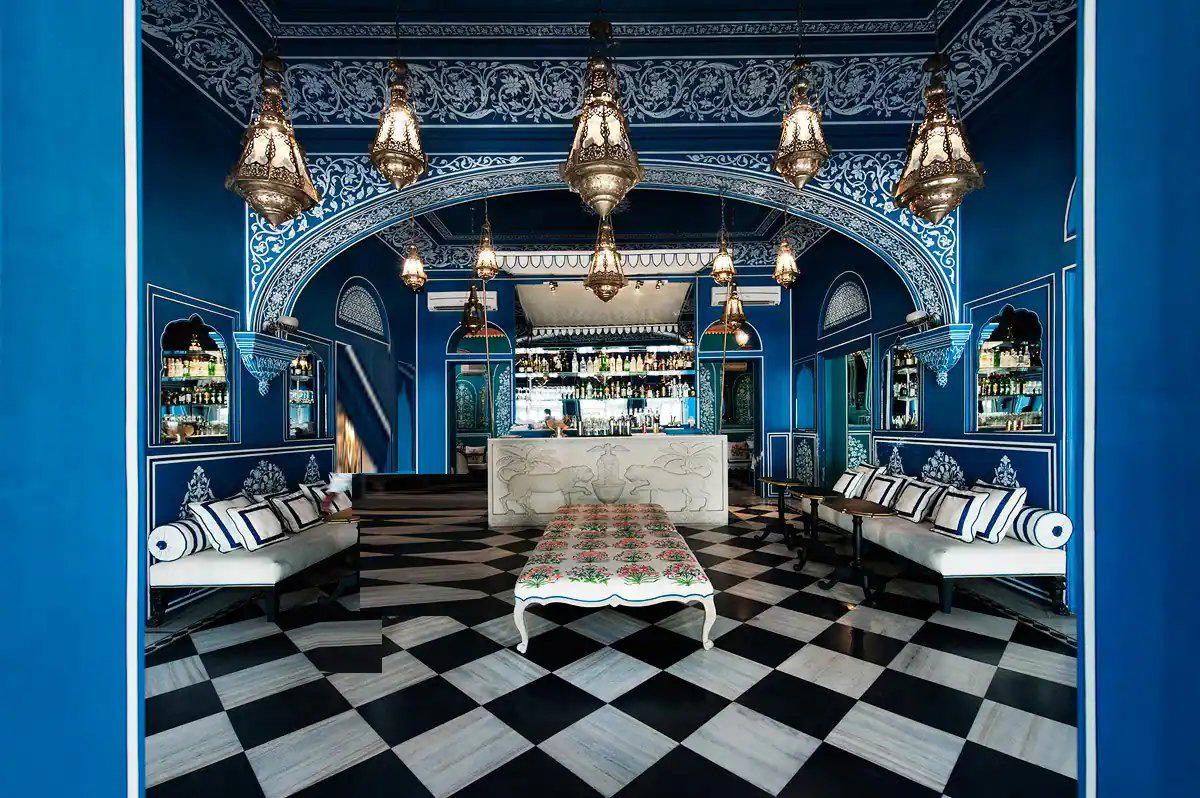
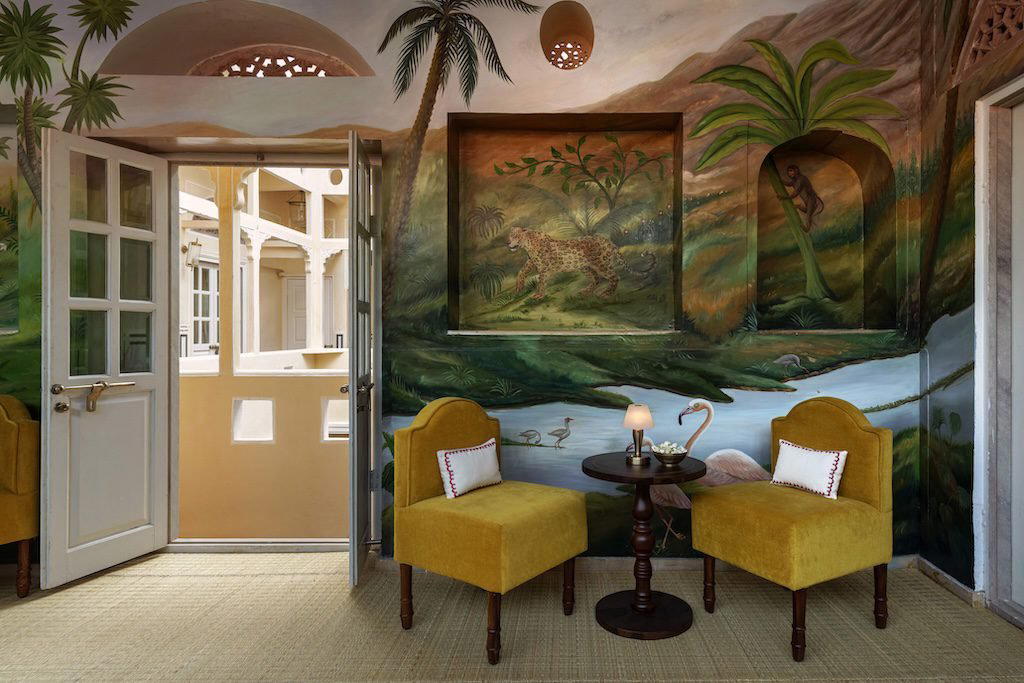
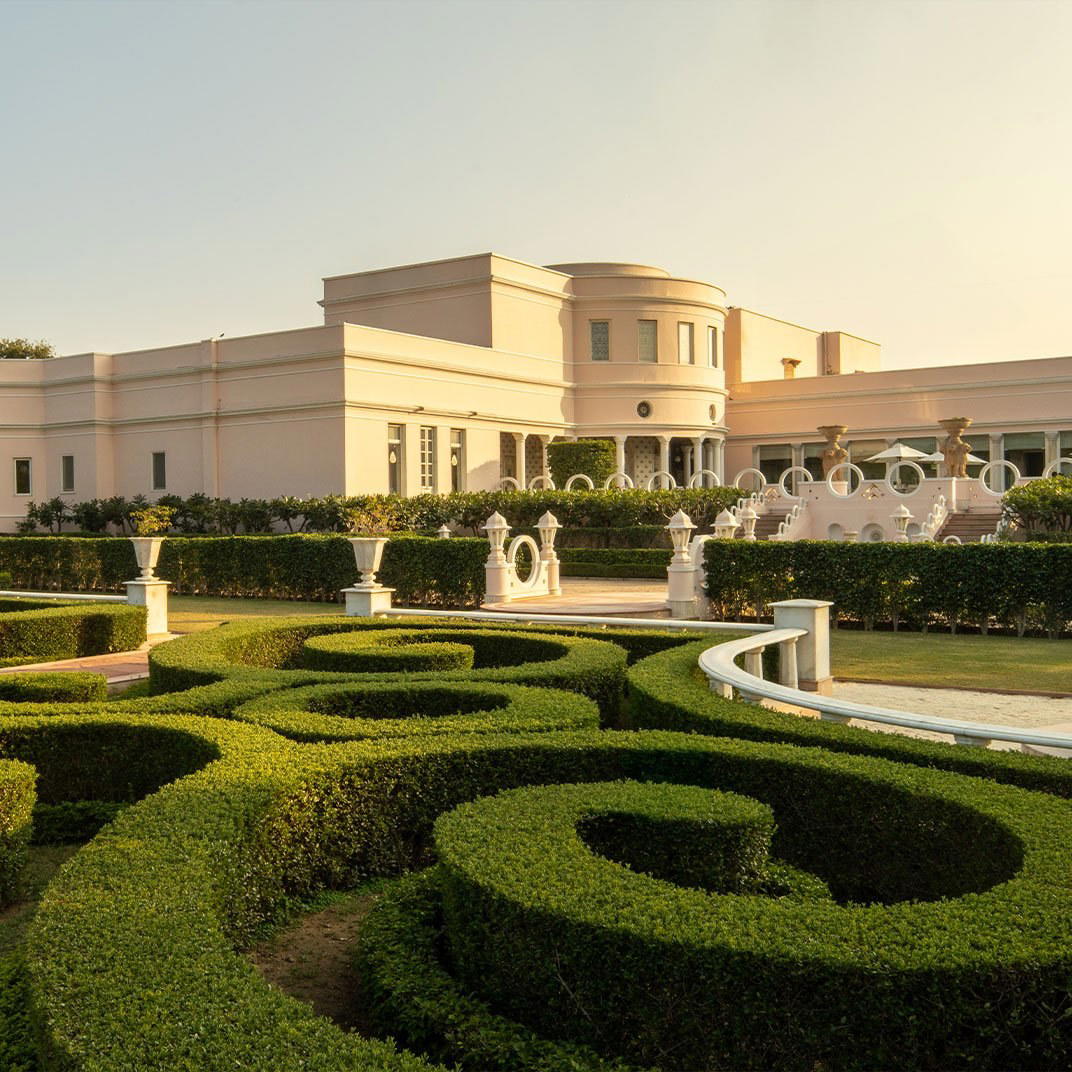
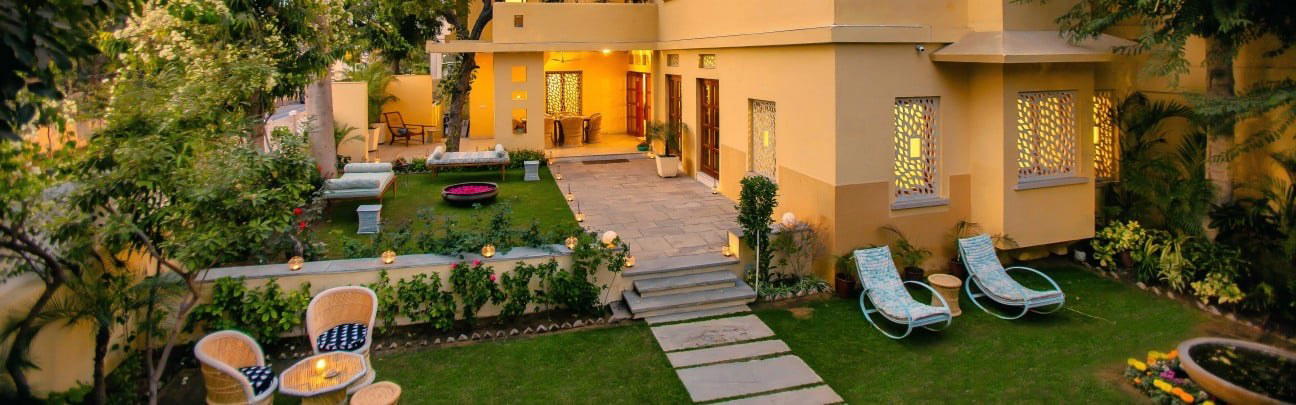
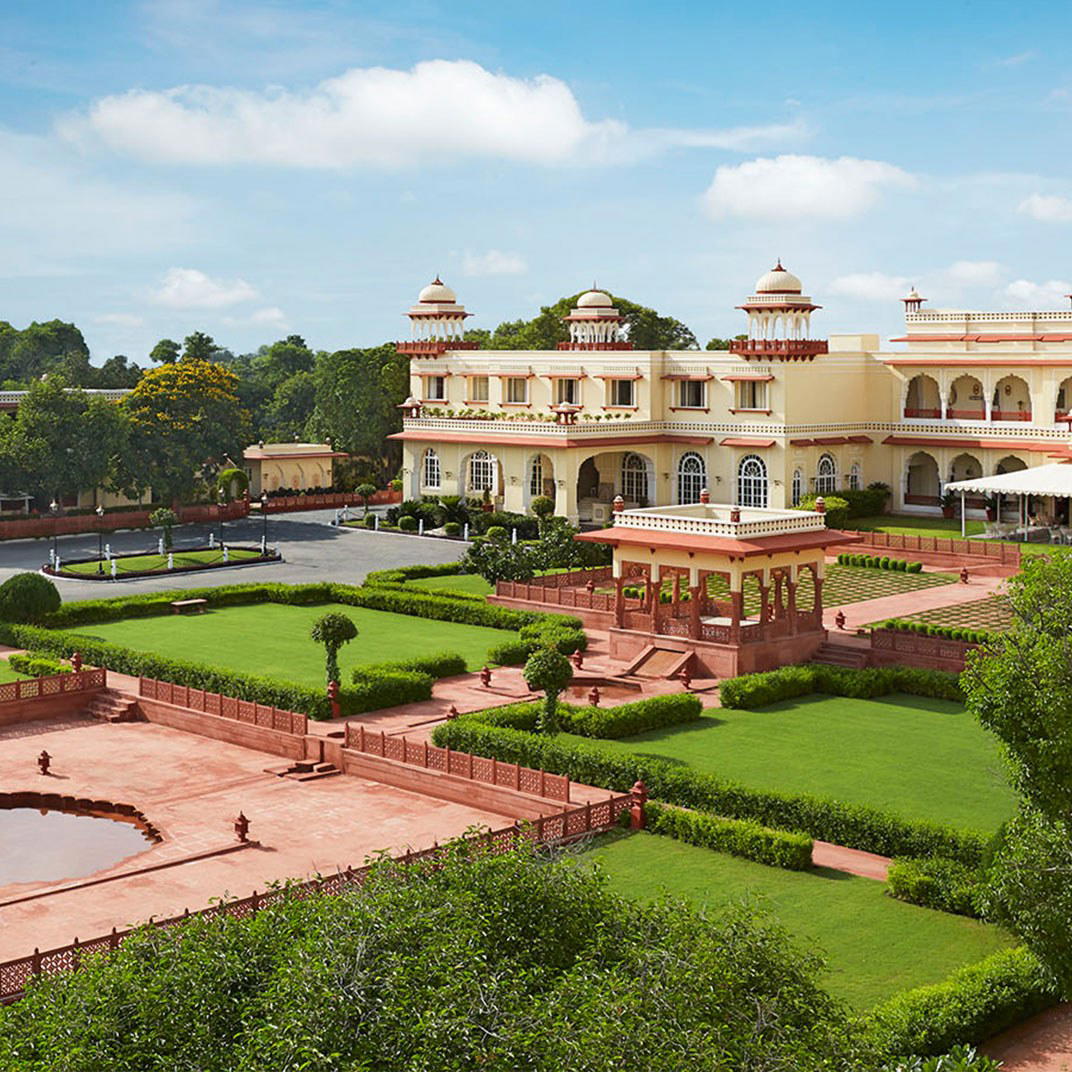
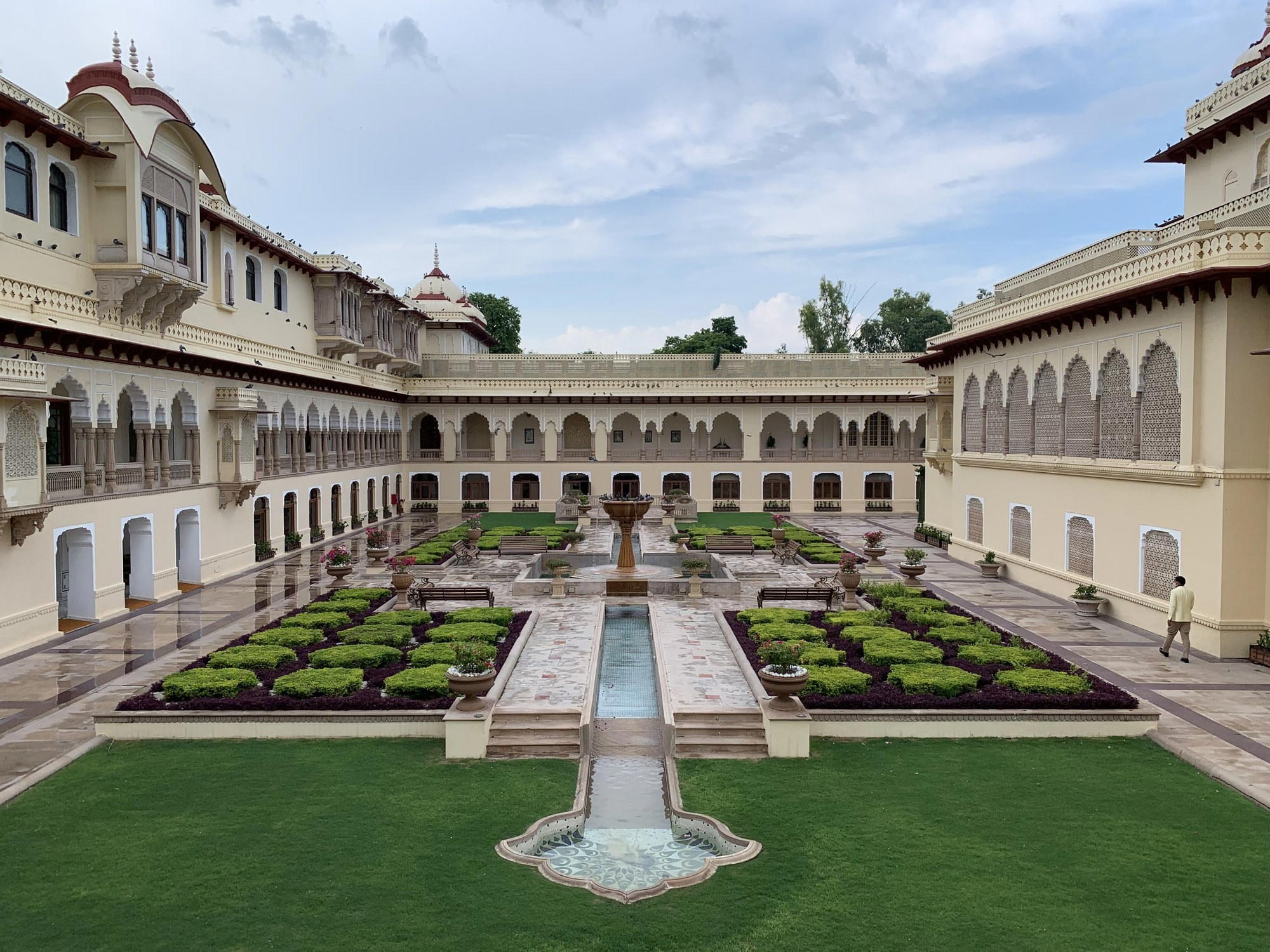
The Rajmahal Palace compound provides a physical environment that few purpose-built restaurants can match. Heritage hotel conversions in Rajasthan operate in a specific hospitality register: the architecture does considerable work before the kitchen fires up. Stone courtyards, carved jharokha windows, and the particular quality of evening light in a walled palace garden create a dining experience that is partly architectural and partly culinary. This is neither a criticism nor a compliment. It is a structural reality that defines the category.
For comparison, consider how heritage dining operates elsewhere in India. Esphahan in Agra places Mughal-era recipe traditions within a setting that directly references the historical context of that cuisine. The architecture and the food exist in dialogue. That coherence between setting and kitchen output is what distinguishes the strongest heritage dining properties from those that simply occupy interesting buildings.
Jaipur's C Scheme location also matters logistically. The neighbourhood sits within the city's more ordered colonial-era grid, separate from the denser lanes of the walled city but close enough to connect. Getting to the RAAS property is direct by auto-rickshaw or car from the central hotel belt, and the address on Sardar Patel Marg is well-known to local drivers. For visitors planning an evening here, the early dinner window tends to make leading use of the courtyard light, which shifts considerably after sunset.
Placing 51 Shades of Pink in Jaipur's Dining Tier
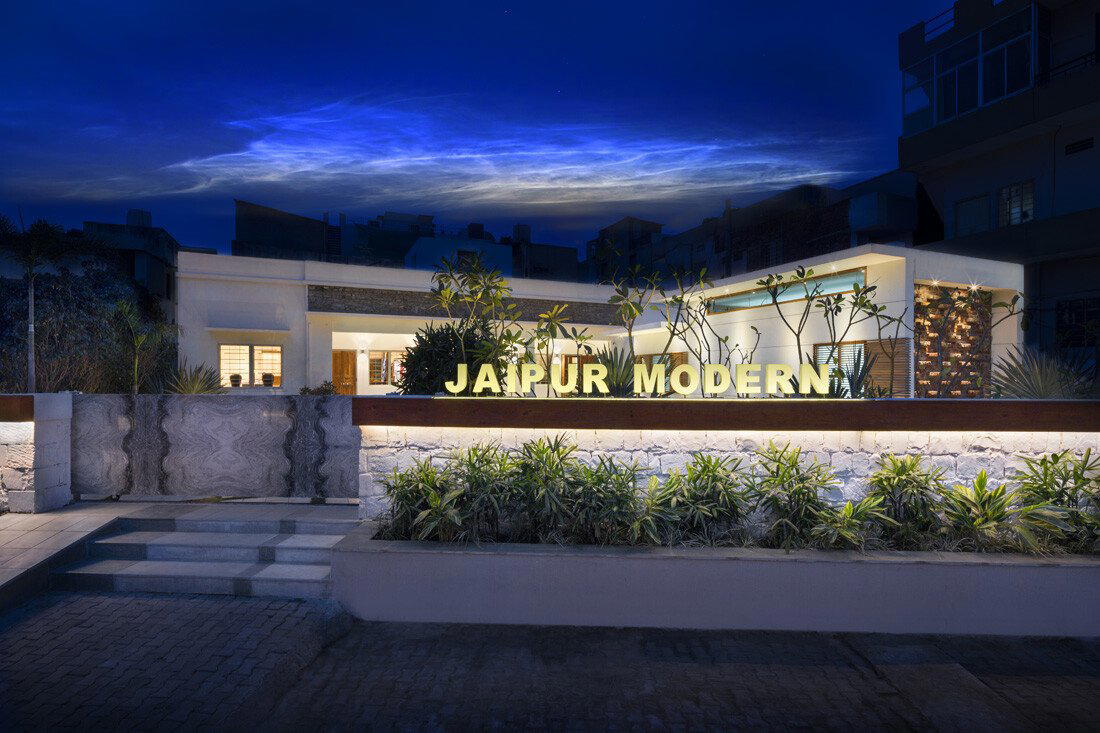
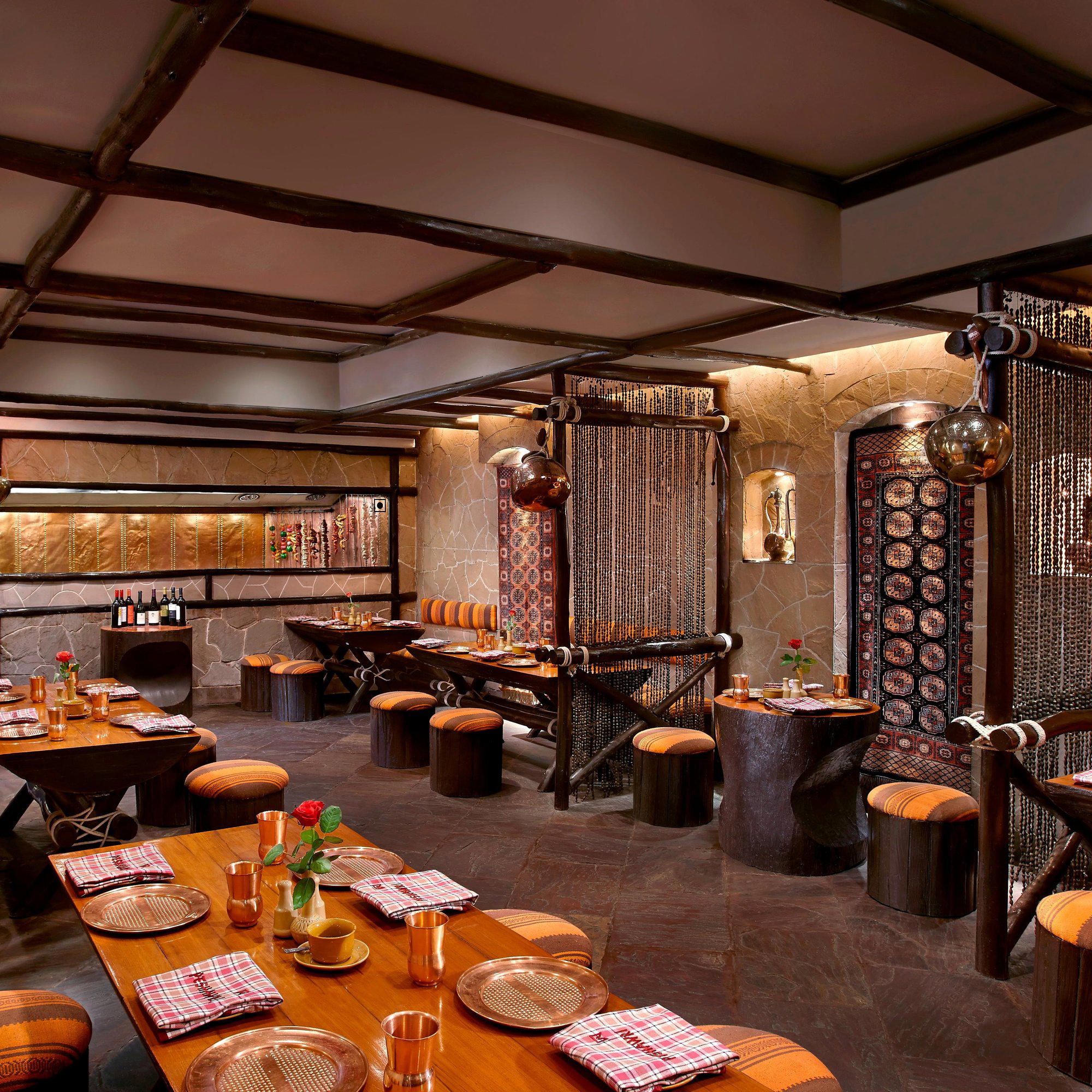
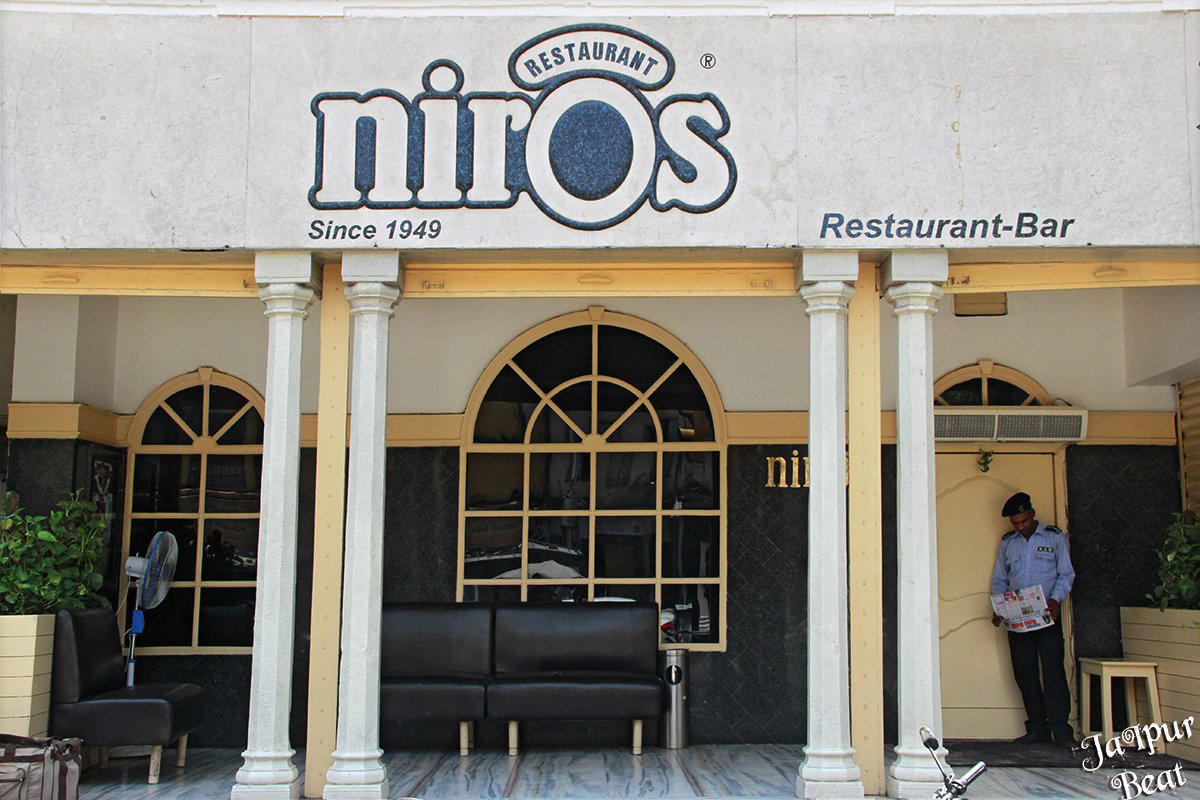
Jaipur's restaurant scene spans a wider range than many visitors anticipate. At the heritage-formal end, properties like Suvarna Mahal at the Rambagh Palace set the ceiling for ceremony and presentation. At the mid-tier, institutions like Niros Restaurant, operating since 1949, represent the city's longer-standing civic dining culture. More recent arrivals like Jaipur Modern have introduced a contemporary retail-meets-café format that appeals to a different demographic. Peshawri covers the ITC-brand Northwest Frontier register. 51 Shades of Pink, given its RAAS address, sits closest to the heritage-positioned tier, competing less with street-level Jaipur dining and more with other palace and haveli properties.
That competitive set is worth understanding before you book. The question is not whether the setting is worth your evening. The RAAS compound provides that answer on its own terms. The question is whether the kitchen programme matches the address, and whether the food engages with Rajasthani sourcing and tradition with the specificity that the leading properties in this tier now offer. Our full Jaipur restaurants guide maps this tier in more detail and provides comparative context across the city's dining categories.
For visitors building a broader India itinerary, the regional comparison is instructive. The Table in Mumbai demonstrates how a strong editorial food identity can anchor a restaurant's reputation independently of its setting. 5868 Restaurant in Gandhinagar and Harvest Kitchen Somnath in Veraval represent the western India regional dining spectrum, with different relationships to local sourcing and tradition. Internationally, the debate between setting and substance is equally live: Le Bernardin in New York City demonstrates that a stripped-back room can support the highest culinary ambition, while Lazy Bear in San Francisco shows how a conceptual dining format can carry its own theatrical weight. Beera Chicken House in Amritsar and La Fountain Blu in Navsari occupy entirely different registers but illustrate how varied the India dining map has become at every price point. Nando's in Navi Mumbai anchors the other end of the spectrum entirely.
Planning Your Visit
The RAAS Jaipur address on Sardar Patel Marg in Shivaji Nagar is the clearest logistical anchor for planning. Given the palace compound setting, an evening reservation generally makes more sense than a lunch visit, allowing the ambient light and courtyard atmosphere to work in the kitchen's favour. Visitors staying elsewhere in Jaipur should allow for Jaipur's variable traffic, particularly around the C Scheme junction during peak evening hours.
At a Glance
- Elegant
- Sophisticated
- Ornate
- Scenic
- Brunch
- Celebration
- Special Occasion
- Garden
- Private Dining
- Hotel Restaurant
- Historic Building
- Garden
Current opening hours
- Monday
- 12–11 PM
- Tuesday
- 12–11 PM
- Wednesday
- 12–11 PM
- Thursday
- 12–11 PM
- Friday
- 12–11 PM
- Saturday
- 12–11 PM
- Sunday
- 12–11 PM
Hours can change for holidays and private events. Last verified .
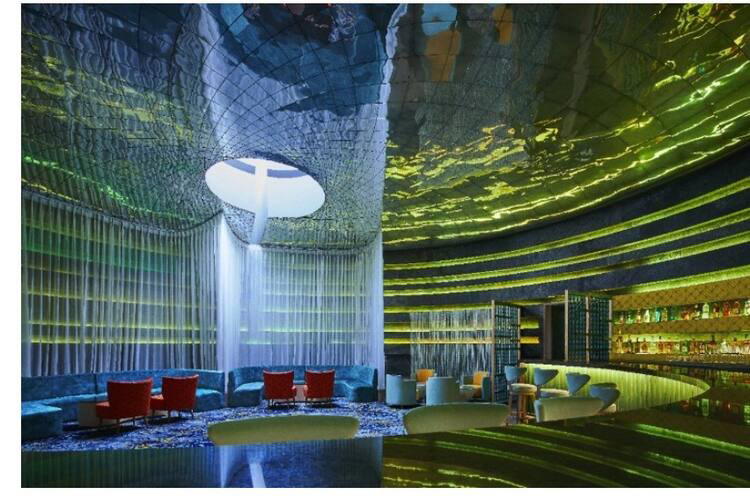
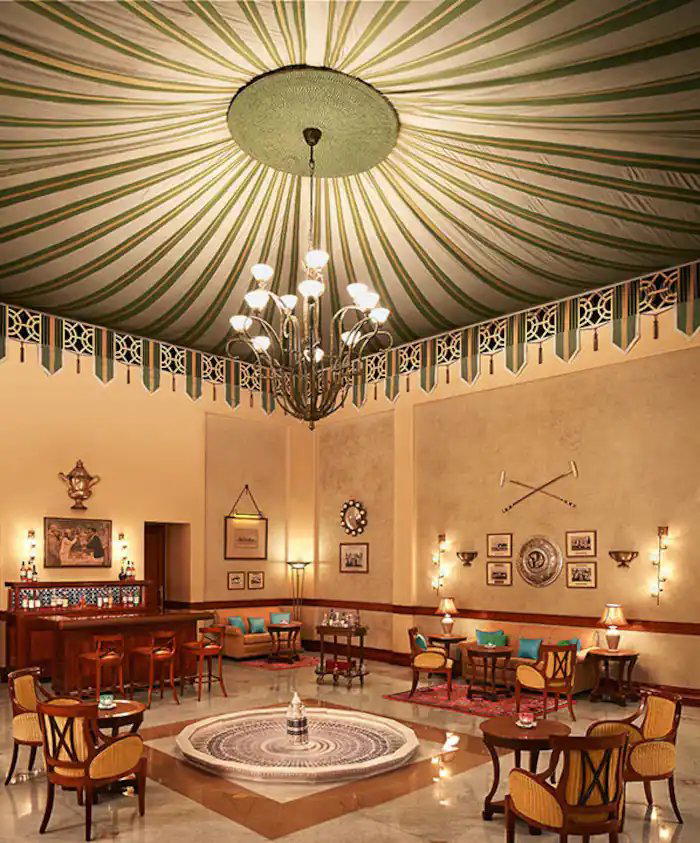
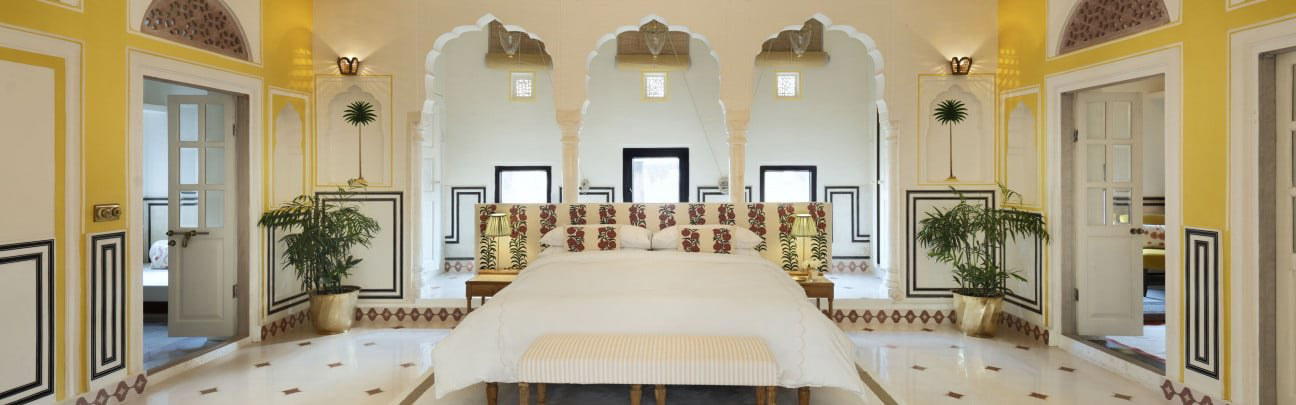
Mirrored interiors flooded with morning light, elegant palace setting with garden views.