



1 Michelin Key · World's 50 Best #94 · Mr & Mrs Smith Seal of Approval
A five-suite haveli in the heart of Johri Bazar, The Johri sits on the World's 50 Best Hotels list at #93 and Tatler Asia-Pacific's 2025 selection — making it one of the most recognised small hotels in India. Each suite is named after a gemstone and decorated accordingly, and the all-vegetarian restaurant doubles as a genuine local fixture. Starting from $411 per night, this is boutique heritage hospitality at a credible international tier.

Pearl is the En Primeur Club membership app — saves, bookings, and concierge access live there. Same editors, same standards.
- Address
- 3950, MSB Ka Rasta, Johri Bazar, Ghat Darwaza, Jaipur, Rajasthan 302003
- Phone
- +91 89055 51680
- Website
- thejohrijaipur.com
- Directions
- Get directions
A Bazaar Address That Earns Its Ranking
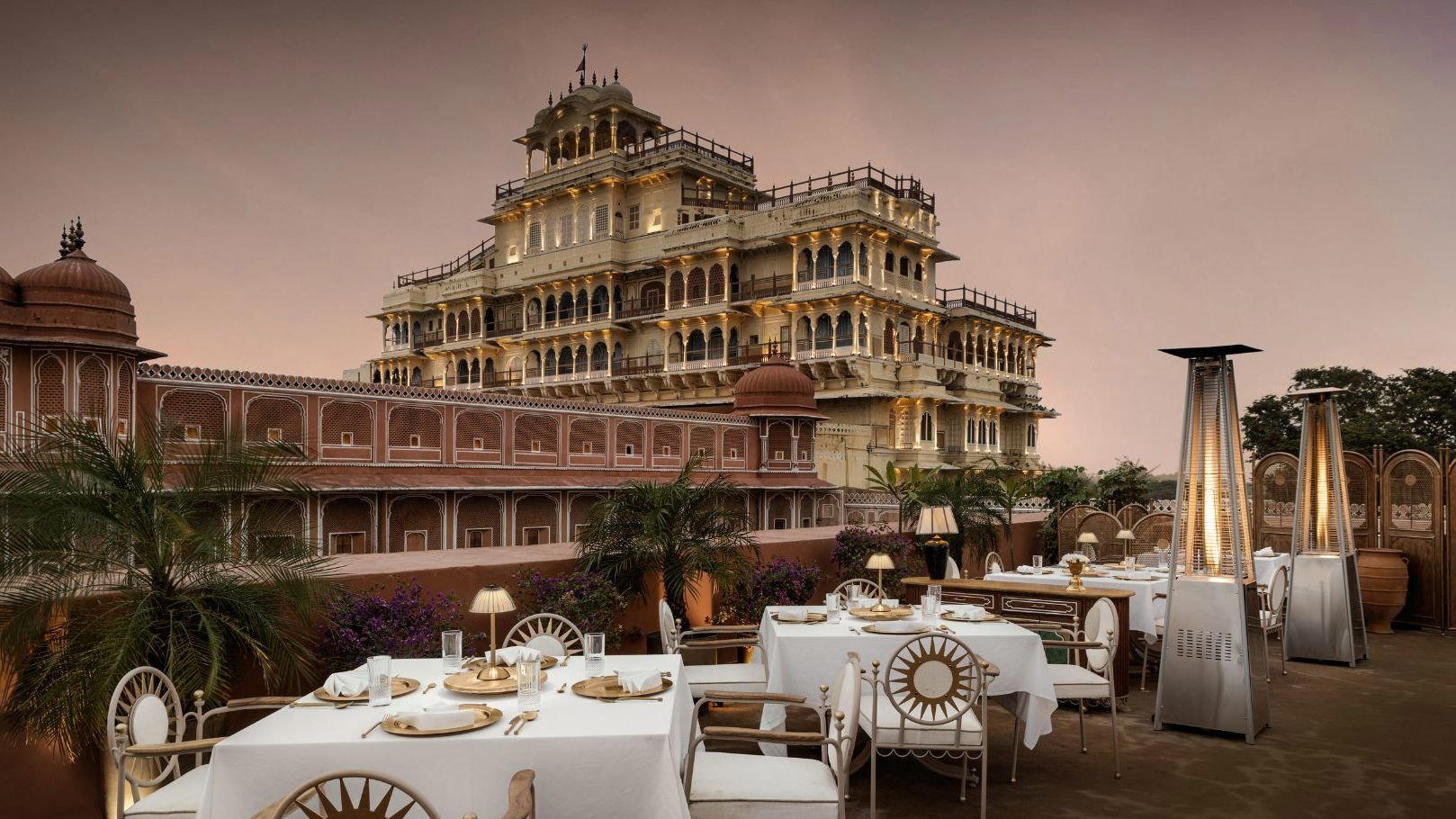
In Jaipur, the premium hotel story has long been told from the palace perimeter: wide lawns, grand gates, and a buffer of distance from the city's noise. The Johri takes a different position entirely. It sits at 3950, MSB Ka Rasta, inside Johri Bazar — the city's jewelry district, one of the oldest and most densely trafficked commercial corridors in Rajasthan. To reach it, you move through a market where goldsmiths have traded for centuries. This is not a retreat from Jaipur; it is an argument that the city itself, at close range, is the experience worth having.
That editorial stance carries weight when you consider the company The Johri keeps on the rankings pages. The property appeared on the World's 50 Best Hotels list at #93 in 2025 and was included in the Tatler Leading Hotels Asia-Pacific 2025 selection — two separate recognition frameworks that tend to converge on properties with genuine architectural character and operational distinction rather than scale. For comparison, Jaipur's larger palace properties, including Rambagh Palace, The Leela Palace Jaipur, and The Oberoi Rajvilas, operate in a larger-footprint, resort-adjacent category. The Johri, with five suites, competes on specificity rather than breadth.
What the Room Actually Gives You
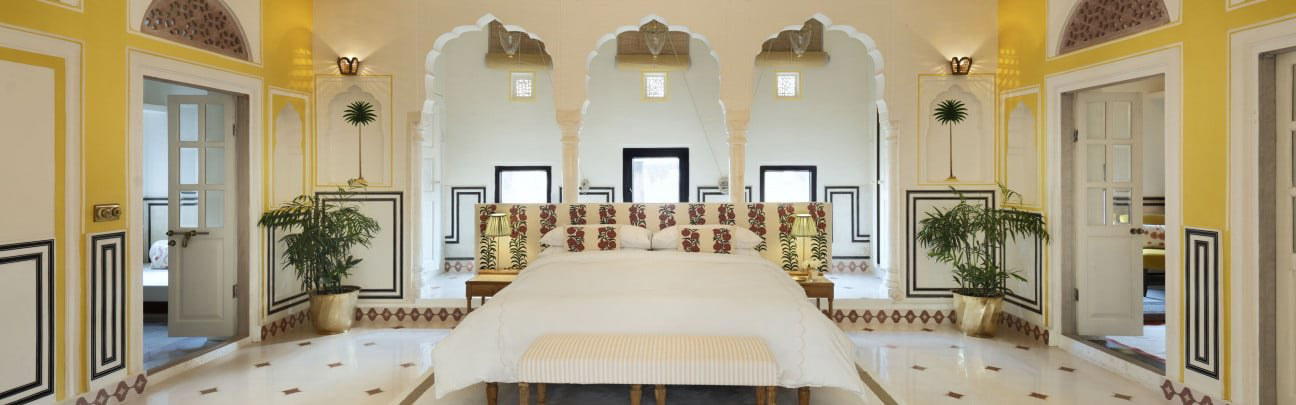
India's boutique heritage hotel tier has expanded considerably over the past decade, but the quality of what happens inside the room varies more than the marketing suggests. At The Johri, the suite concept is built around a single organising idea: each of the five suites is named after a gemstone and decorated in the colour associated with it. This is not accidental theming, the building's location inside the jewelry district of Johri Bazar makes the connection material rather than cosmetic. The neighbourhood outside the window is itself in the business of precious stones.
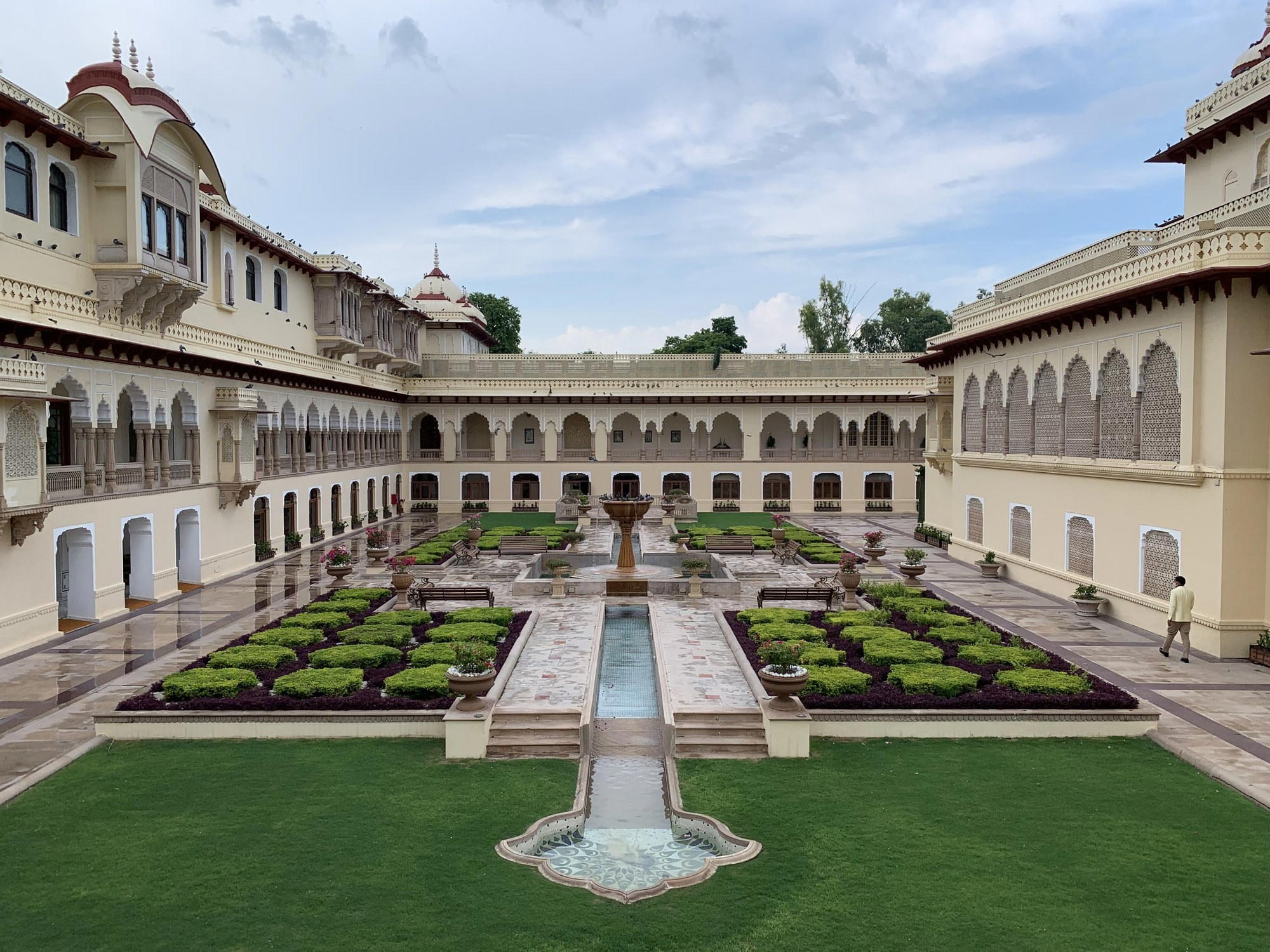
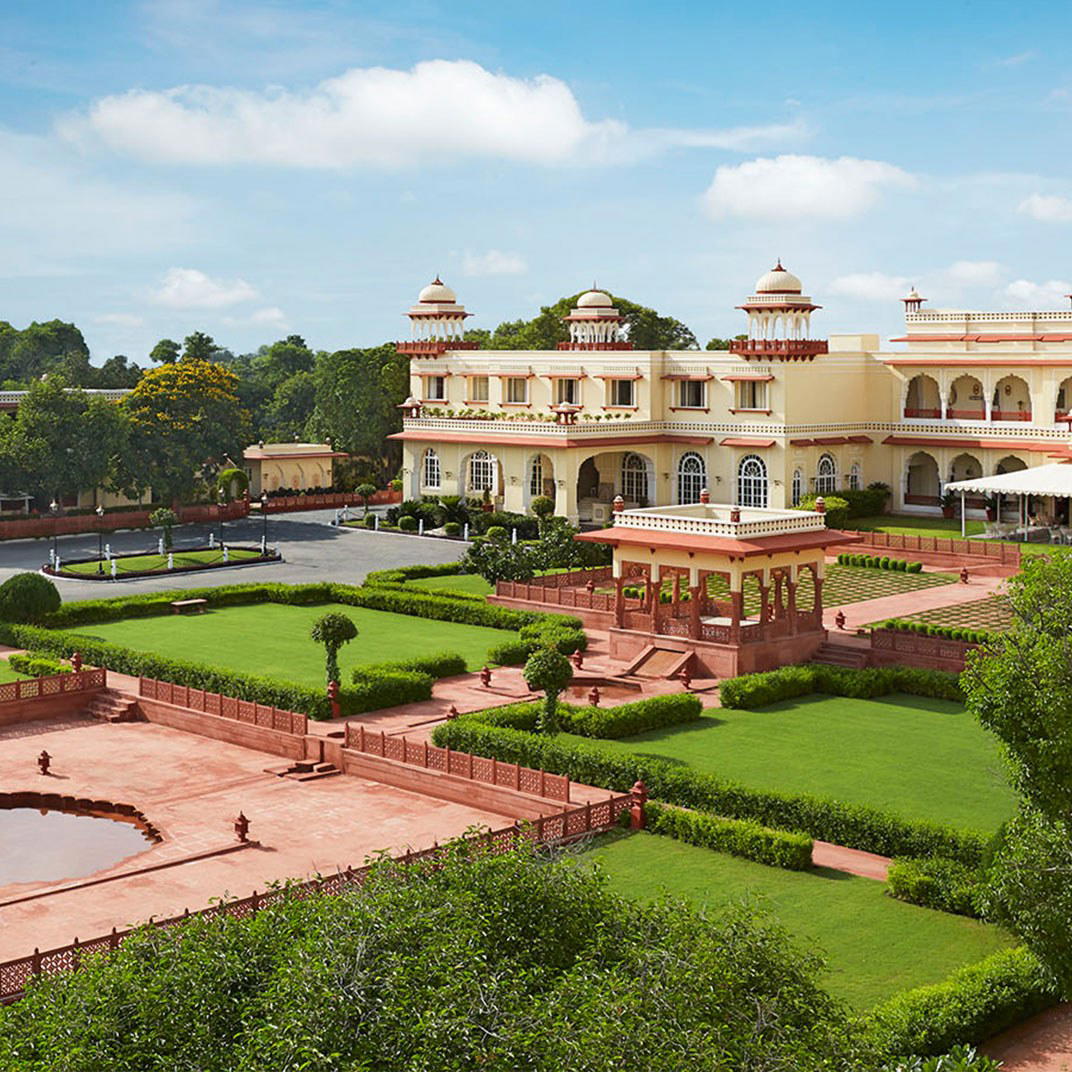
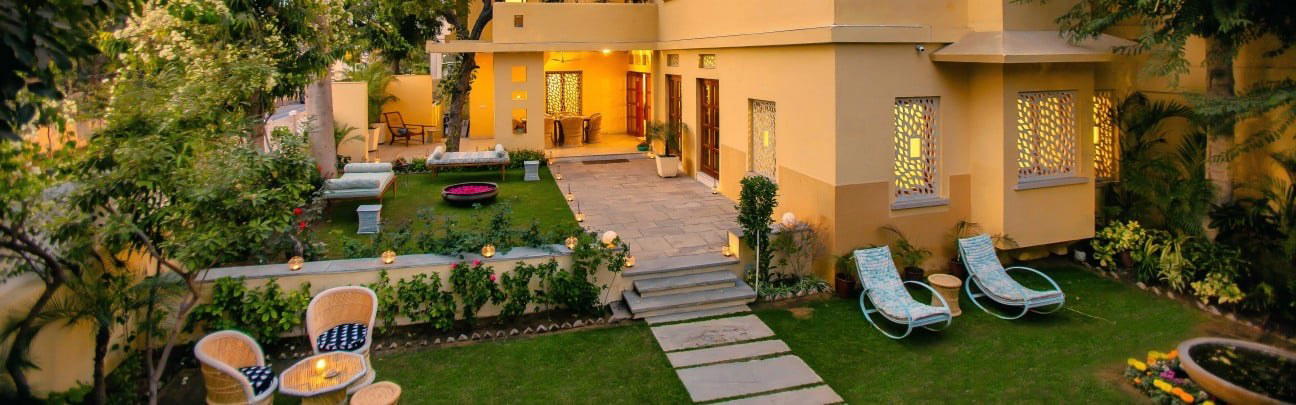
The building was formerly known as Lal Haveli, a private residence belonging to a prominent family. The architectural bones of a traditional haveli, interior courtyards, layered facades, proportioned rooms built for the Rajasthani climate, remain structurally present. The owners, a restaurateur and a jeweler, have overlaid those bones with a contemporary colour sense and deliberately contrasting graphic patterns. The result is described in the property record as anything but minimalist, which is accurate as both a design statement and a promise. Guests who arrive expecting a stripped-back, neutral aesthetic will find something considerably more alive.
The overnight experience here belongs to a specific subcategory of Indian hospitality: the restored private residence that functions with the intimacy of a house rather than the operational rhythm of a hotel. With only five suites, staffing ratios, response times, and the general quality of attention operate differently than they do in properties of fifty or a hundred keys. For reference, similar logic applies at Haveli Dharampura in Delhi and Chapslee in Shimla, properties where the house-scale format is itself a material feature of the stay.
Given the five-suite limit and the property's standing on two major 2025 lists, advance booking is advisable. The Johri requires direct guest communication to confirm reservations, contact through EP Club's customer service team is the route for assistance with this.
The Pukhraj Lounge and What It Signals About the Property's Ambitions
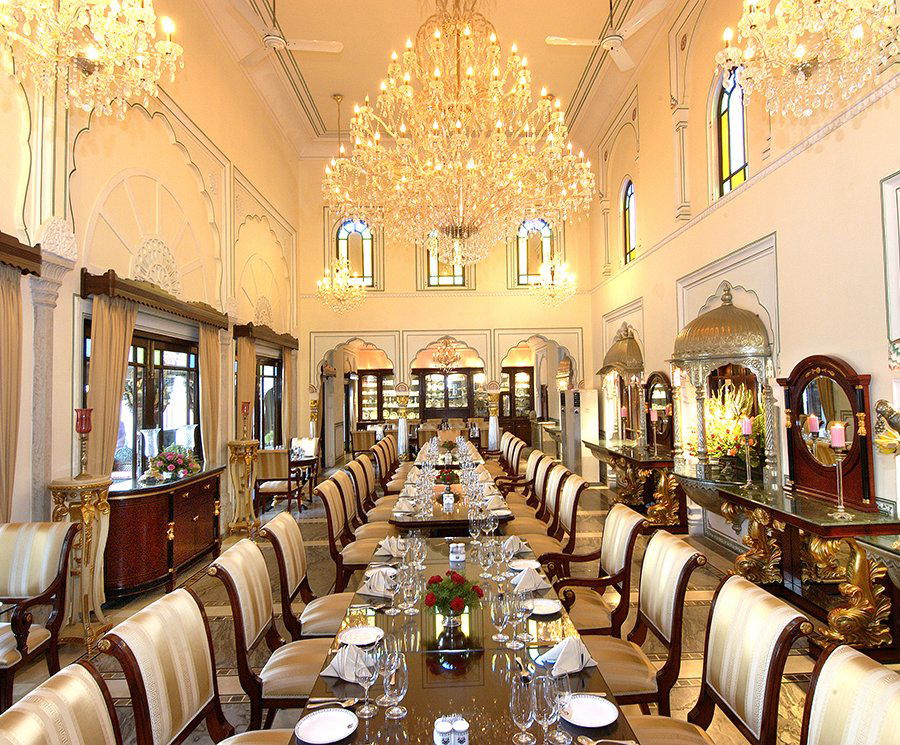
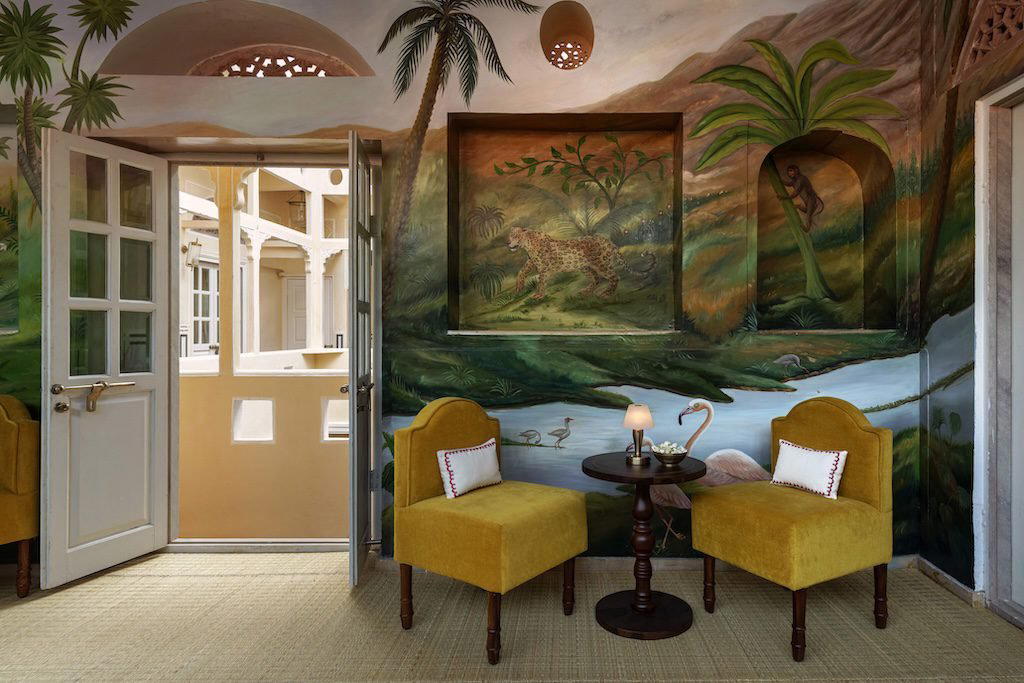
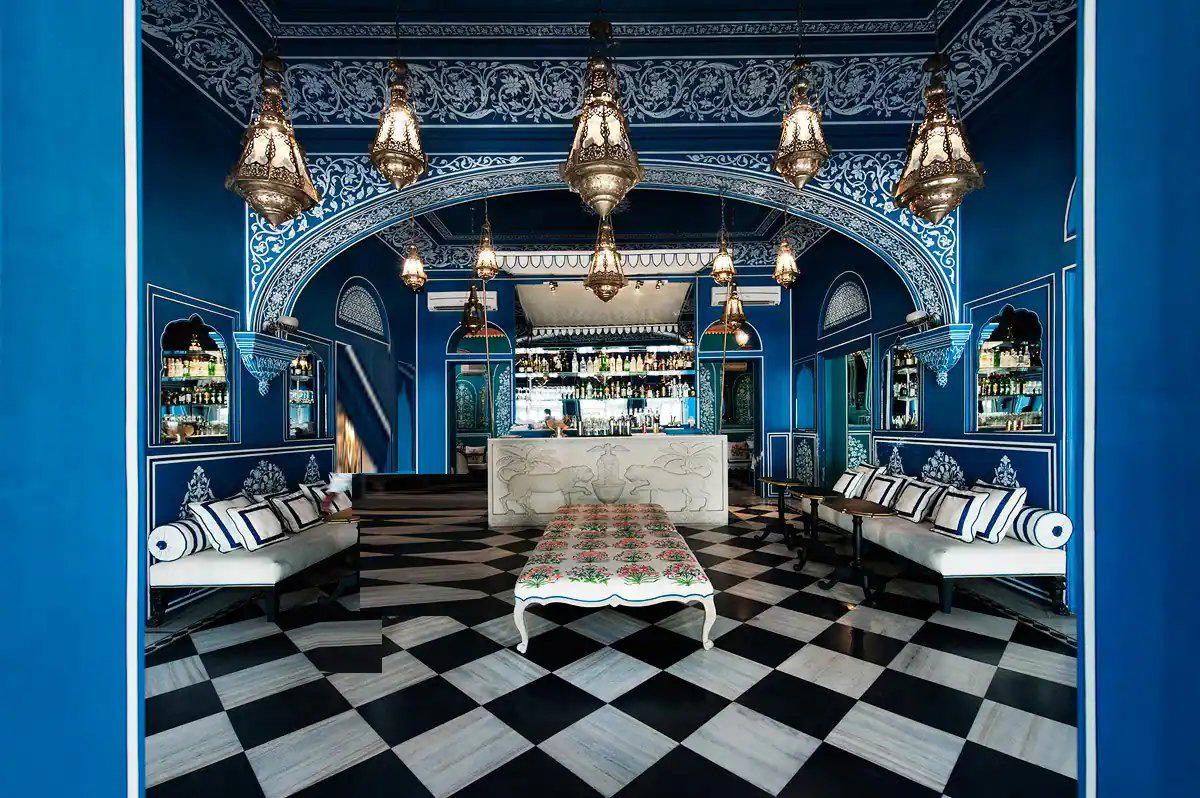
Boutique hotels with minimal room counts often pare back their public spaces to match. The Johri moves in the opposite direction. The Pukhraj Lounge, its walls carrying murals depicting Rajasthan's wilderness, operates as an afternoon tea venue and transitions into a cocktail lounge after dark. For a five-suite property, this is a considered overreach, and it is the right call: a hotel that sits inside a living bazaar needs an interior destination that justifies staying in rather than simply heading out.
The lounge's wildlife mural program is a deliberate design gesture. Rajasthan's relationship with its natural environment, tigers at Ranthambhore, leopards at Jawai, migratory birds across the Thar, is as much a part of the state's identity as its architecture. Properties further afield, such as Suján Jawai in Pali and Amanbagh in Ajabgarh, situate themselves directly inside that landscape. The Johri references it from within the city, using the lounge as a frame for a Rajasthan that extends beyond the bazaar's edge.
The Restaurant as a Local Institution
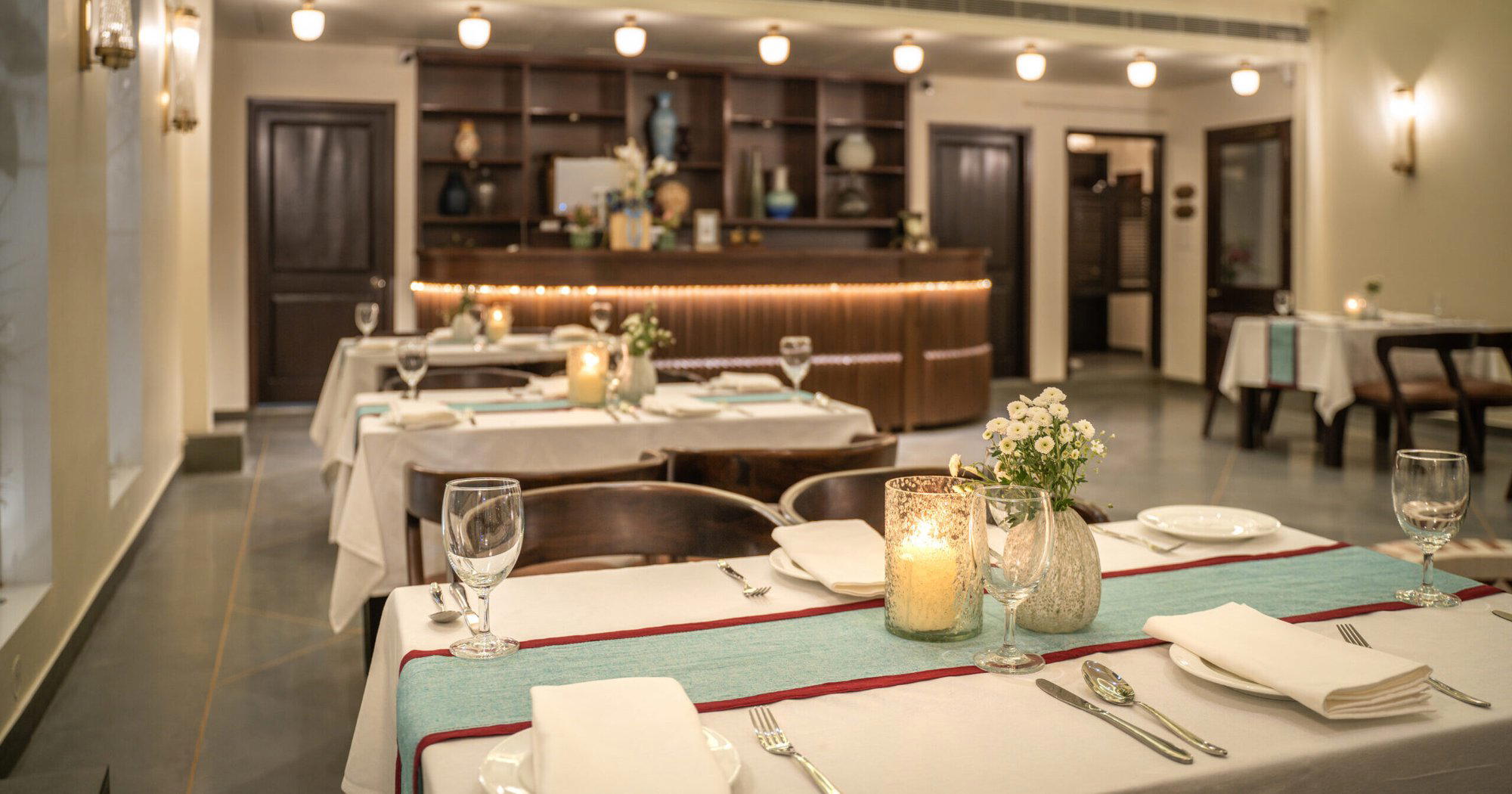
The restaurant at The Johri is, in the words of the property's own record, considerably larger than a five-suite hotel needs. This is an important detail. It signals that the kitchen is not operating primarily for guests, it is operating for the neighbourhood. The menu is all-vegetarian and focused on inventive, locally sourced Indian cooking. In the context of Jaipur's food culture, where Rajasthani vegetarian cuisine has a deep and sophisticated tradition, this is a credible position rather than a limitation.
Jaipur's dining options span a wide range, from street-level dal baati churma to more formally constructed tasting formats. The Johri's restaurant appears to occupy the upper-middle of that range: ingredient-conscious, inventive, and serious without being ceremonial. For a broader survey of where it sits in the city's eating landscape, the full Jaipur restaurants guide provides the necessary context.
Jaipur's premium accommodation market is genuinely stratified. At one end, converted palace properties with significant land, multiple dining outlets, and large pool complexes: Rambagh Palace, The Raj Palace, and Raffles Jaipur occupy that tier. At the other end, smaller heritage properties that trade scale for specificity: Royal Heritage Haveli and Rajmahal Palace RAAS Jaipur belong to a similar design-led cohort. The Johri operates in this second tier but carries heavier international recognition than most of its peer group, which is what the 50 Best Hotels ranking at #93 actually measures: global editorial credibility, not just local standing.
The starting rate of $411 per night is, by international boutique hotel standards, mid-range for this calibre of recognition. It prices below what comparable city-centre design properties command in Tokyo, Paris, or New York, Aman New York and Aman Venice both operate at significantly higher rate floors, which reflects both the India market and the relative value case that Jaipur still offers premium travellers.
For travellers structuring a broader India itinerary, The Johri connects naturally to a set of properties that share a similar design-led, heritage-grounded approach: The Leela Palace New Delhi, The Oberoi Amarvilas in Agra, and The Taj Mahal Palace, Mumbai each offer a different point on the subcontinental luxury map. For those whose India circuit extends further, Vivanta Vrindavan, Taj Devi Ratn Resort and Spa, Jaipur, Garner Kutch Gujarat, Natraj Hotel and Restaurant in Udaipur, Gateway Dehradun, Hotel Anand in Jabalpur, and Hyatt House Bengaluru Devanahalli represent further reference points across different Indian cities and price tiers. And for those also considering the sister property, 28 Kothi operates under the same ownership and shares The Johri's design sensibility.
Practical Notes
The Johri is at 3950, MSB Ka Rasta, Johri Bazar, Ghat Darwaza, Jaipur, a central address that puts the city's old quarter at walking distance. The website is thejohrijaipur.com. Because the property uses a direct-communication booking model rather than a standard online reservation system, guests should expect a more personalised confirmation process. EP Club's customer service team handles this for members. With five suites and two consecutive years of major international list appearances, availability moves quickly during peak Rajasthan season (October to March), and booking lead times of several weeks are a reasonable expectation.
At-a-Glance Comparison
Comparable venues nearby, for context on price, style, and recognition.
| Venue | Cuisine | Price | Awards | Notes |
|---|---|---|---|---|
| The Johri, JaipurThis venue — the venue you are viewing | Restored 19th-century haveli blending Rajasthani heritage with contemporary luxury | Not listed | 1 Michelin Key · World's 50 Best #94 | Not listed |
| Taj Devi Ratn Resort & Spa, Jaipur | Luxury resort blending Rajasthani heritage with contemporary elegance | $200–300 | 1 Michelin Key | Jaipur |
| Rambagh Palace, Jaipur | Former maharaja's residence transformed into a luxury heritage hotel | $300–500 | Michelin Selected · La Liste Top Hotels | Rambagh |
| Rajmahal Palace RAAS Jaipur | Heritage royal palace transformed into luxury boutique hotel | Not listed | 1 Michelin Key · La Liste Top Hotels | Shivaji Nagar |
| 28 Kothi | Boutique guesthouse with Jaipur heritage roots | $200–300 | Michelin Selected · Mr & Mrs Smith Seal of Approval | Civil Lines |
| The Raj Palace | Heritage palace converted to luxury hotel with authentic Indian architectural elements and contemporary luxury amenities. | $200–300 | Small Luxury Hotels of the World Member | Central Jaipur |
Recognition history
Dated appearances from independent guides and award organizations, with the underlying list record or original source where available.
Michelin 1 Key
Michelin
World's 50 Best Hotels 51-100 #94
World's 50 Best
Mr & Mrs Smith Seal of Approval
Mr & Mrs Smith
Tatler Listed in Best Hotels Asia-Pacific
Tatler
Full recognition history (6 entries)
Michelin 1 Key
Michelin
World's 50 Best Hotels 51-100 #93
World's 50 Best
Details
- Elegant
- Intimate
- Sophisticated
- Cozy
- Romantic Getaway
- Honeymoon
- Anniversary
- Historic Building
- Terrace
- Wi Fi
- Spa
- Restaurant
- Room Service
- Concierge
- Laundry Service
- Street Scene
- Elevator
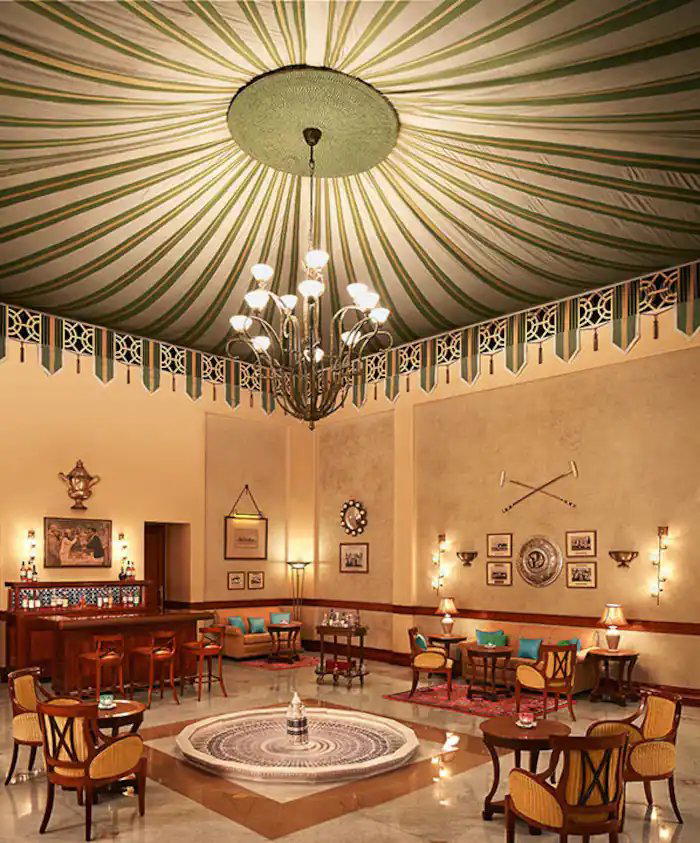
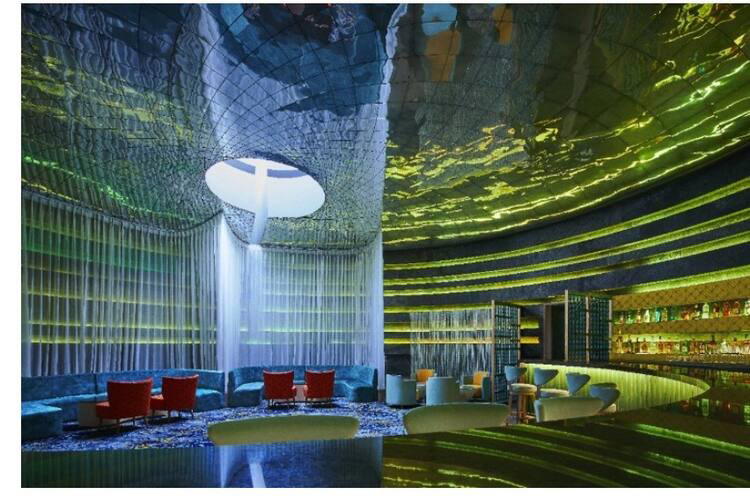
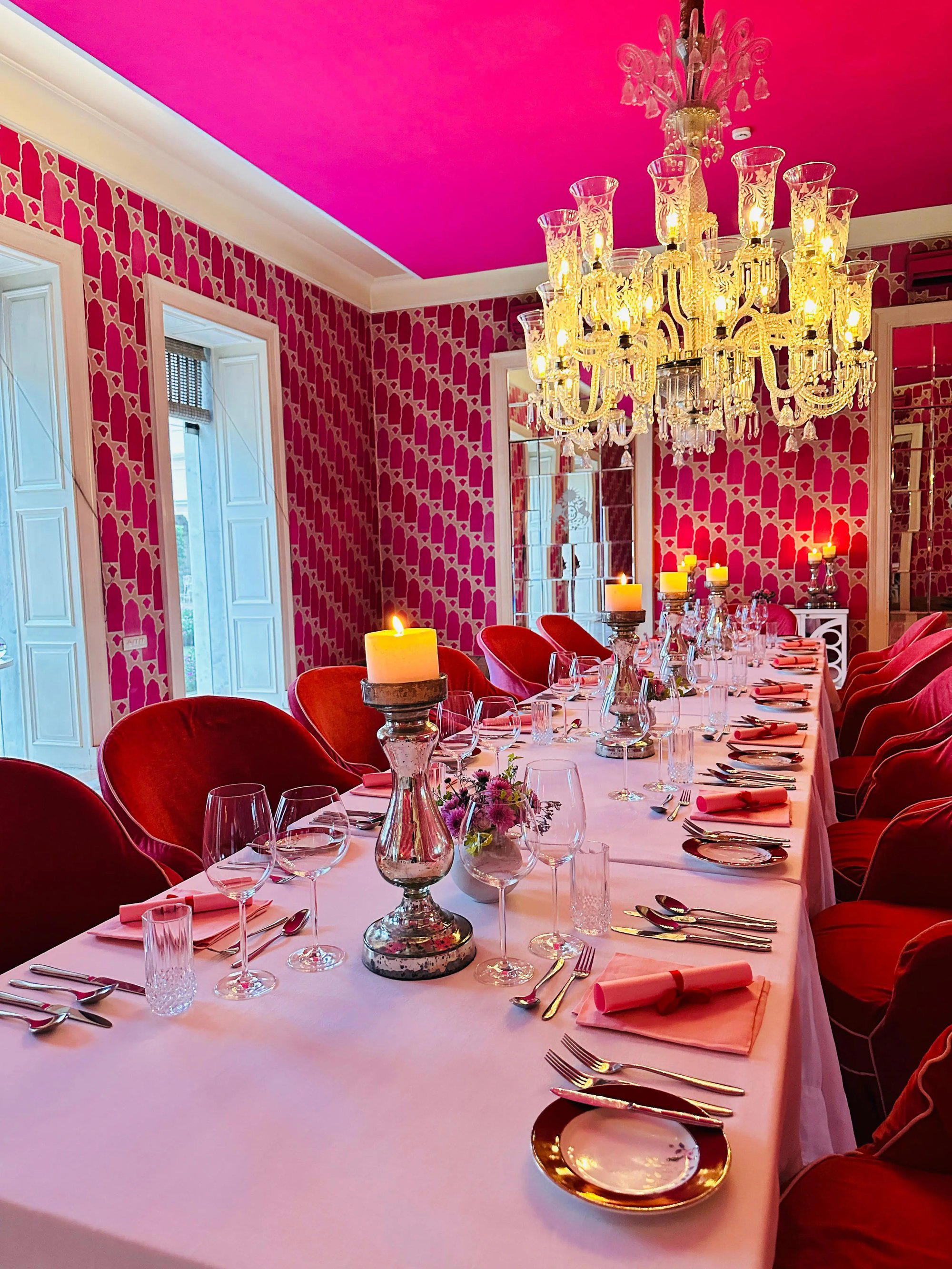
Relaxed splendour with natural light, colorful painted walls, hand-painted murals, antique furniture, and a quiet, personalized atmosphere.