


A 13-room palace hotel owned by the Jaipur royal family, Rajmahal Palace RAAS sits on Sardar Patel Marg with a history that includes Queen Elizabeth II and the Duke of Edinburgh among its guests. Recognised by La Liste (90.5 points, 2026) and Tatler Asia-Pacific Best Hotels 2025, it pairs royal-era architecture with two distinct dining formats: the relaxed Colonnade and the formal 51 Shades of Pink. Rates from $451 per night.
Pearl is the En Primeur Club membership app — saves, bookings, and concierge access live there. Same editors, same standards.
- Address
- Sardar Patel Marg, Shivaji Nagar, Jaipur, Rajasthan 302001
- Phone
- +91 82399 26000
- Website
- raashotels.com
- Directions
- Get directions
 Saves & bookings on Pearl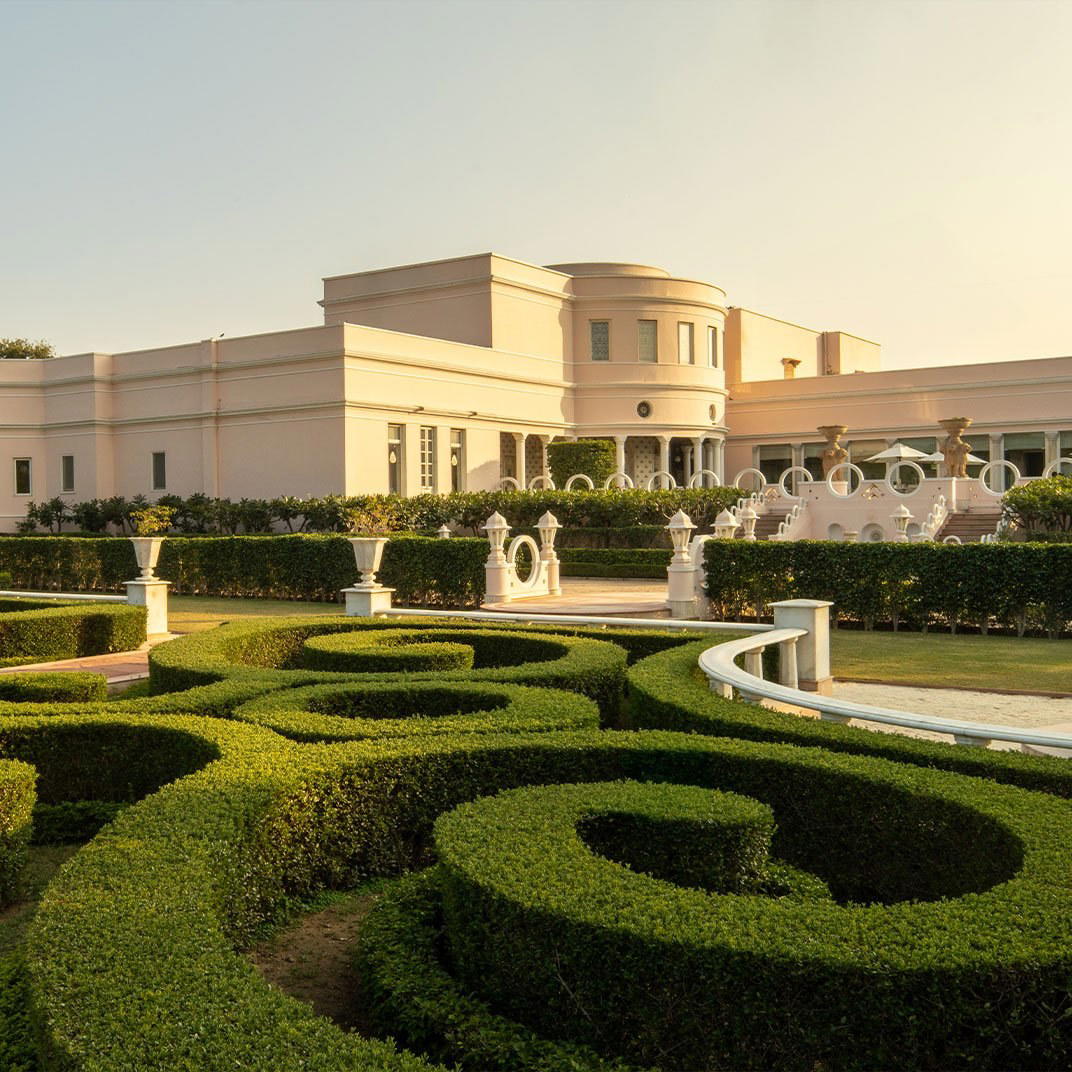
A Palace That Earns Its Provenance
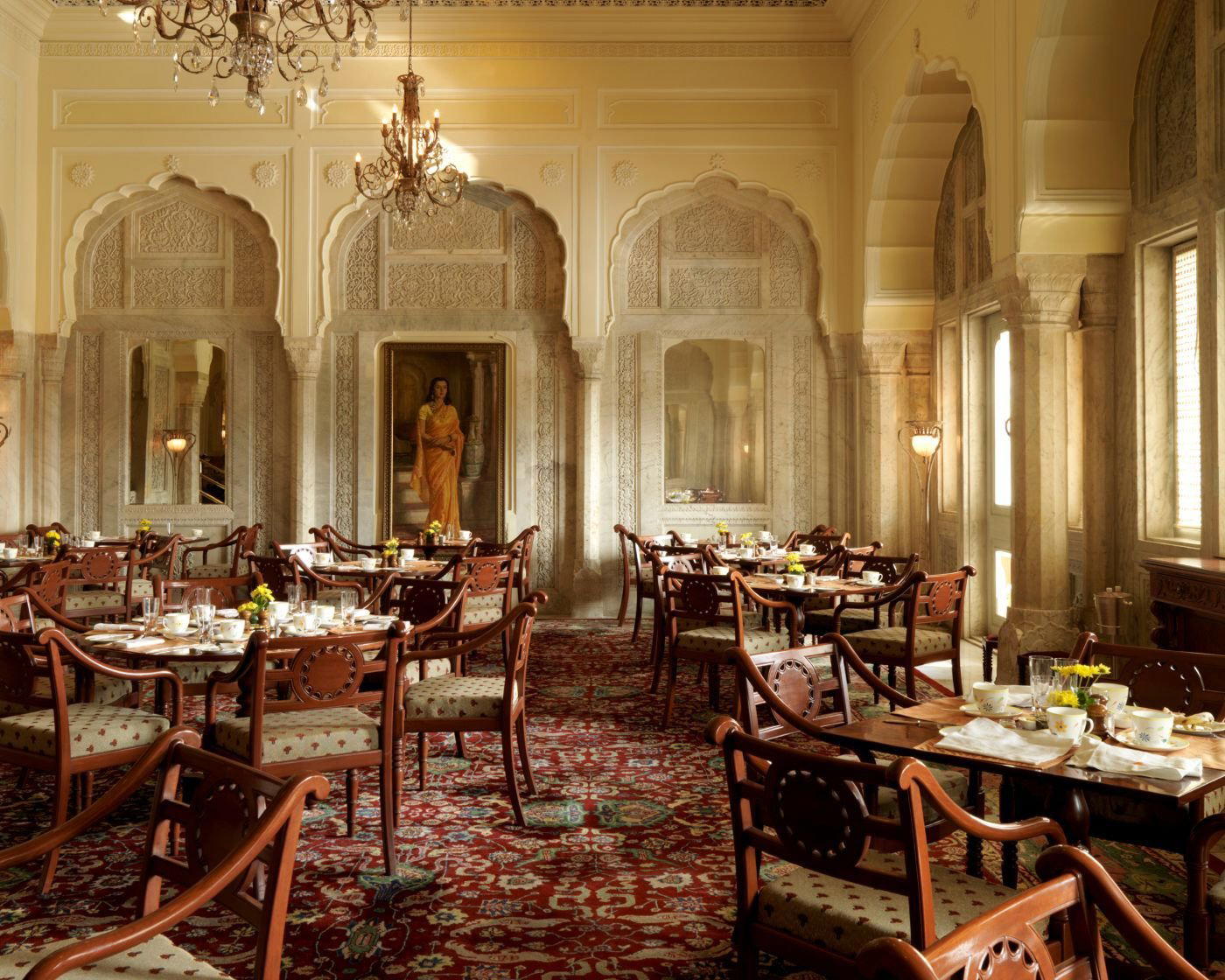
There is a category of heritage hotel in Rajasthan that trades on history without doing much with it, restored havelis where the period detail is thick but the experience feels inert. Rajmahal Palace RAAS operates in a different register. The property on Sardar Patel Marg in Jaipur belongs, as it always has, to the royal family of Jaipur. The building does not perform heritage; it is heritage, and the RAAS Hotels group, which manages the property, has chosen to layer contemporary interior sensibility over that foundation rather than replace it.
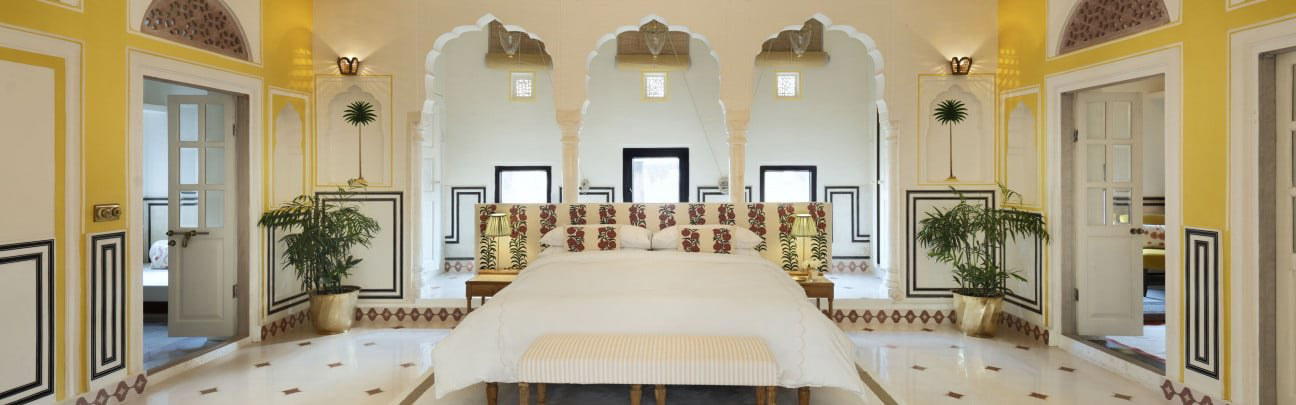
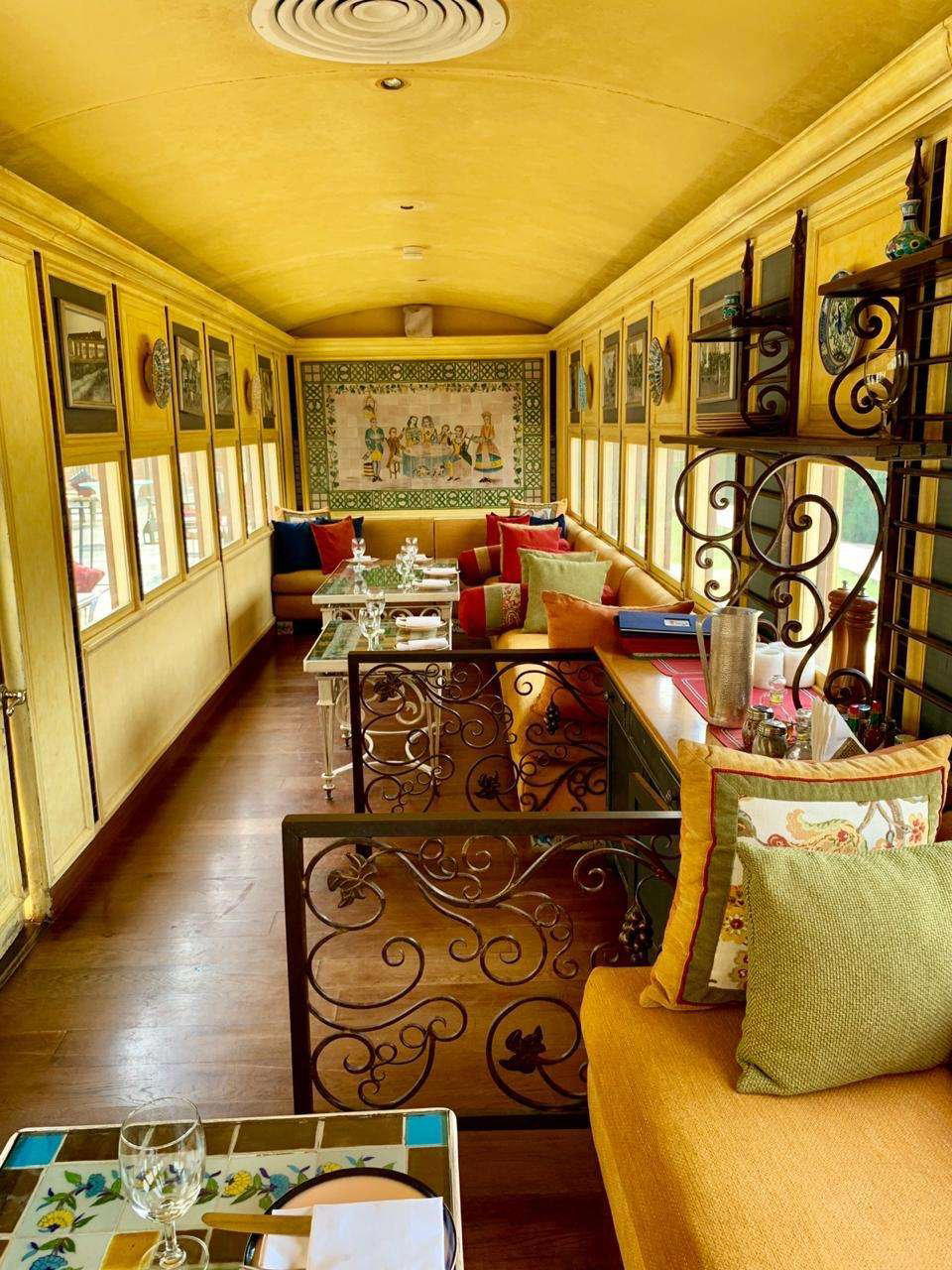
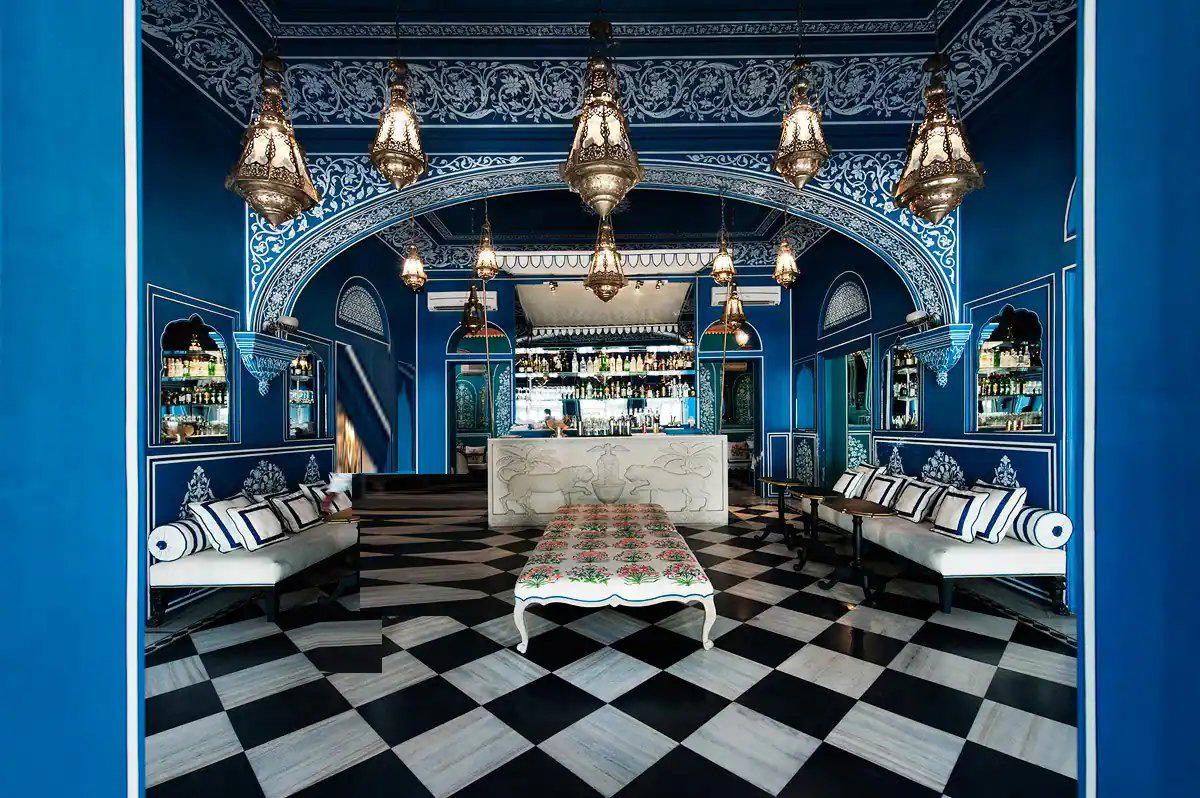
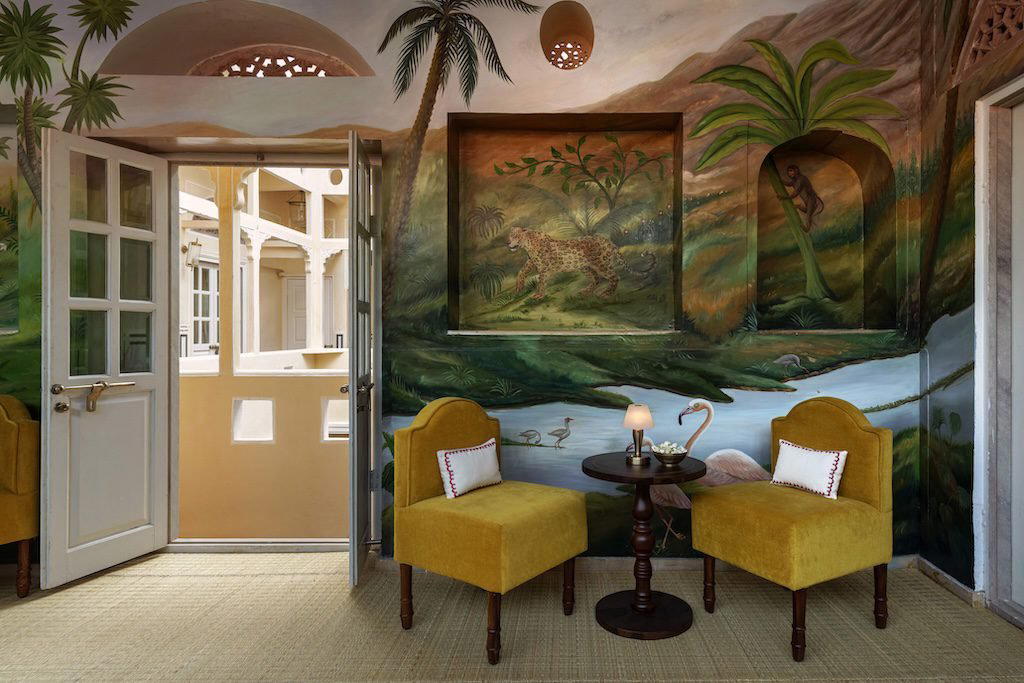
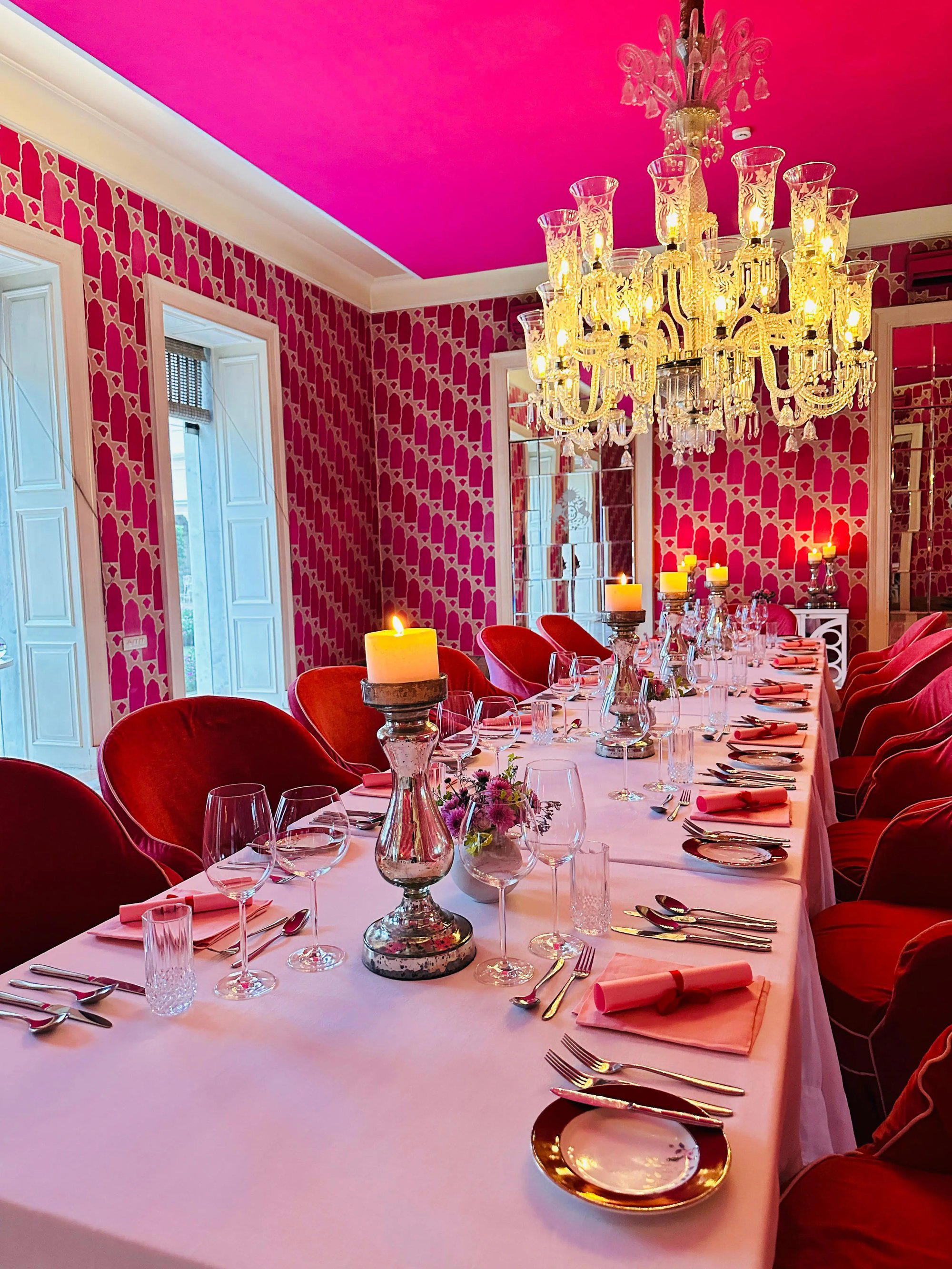
The result is a visual register that reviewers have compared, repeatedly and not inaccurately, to the compositional logic of a Wes Anderson film: symmetrical forms, bold colour punctuations, whimsical objects placed with the deliberateness of production design. It is a reading of royal Rajasthani interiors through a modern curatorial eye, and it holds together in a way that heavier, more reverent restorations sometimes do not. La Liste placed the property at 90.5 points in its 2026 Leading Hotels ranking.
Thirteen Rooms, Distinct in Character
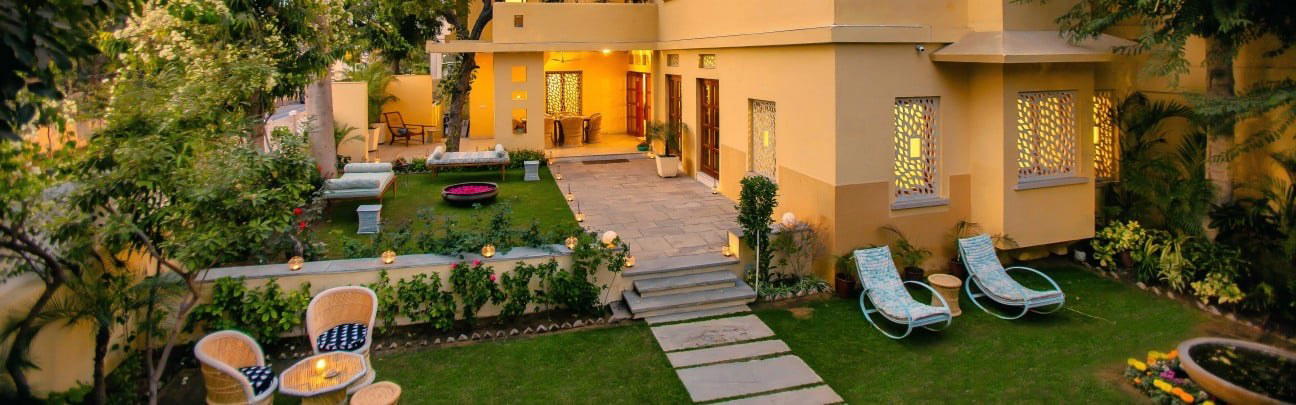
At 13 keys, Rajmahal Palace RAAS is operating at a scale where room differentiation matters considerably. The suites are furnished with handmade decorative wallpaper, velvet armchairs, and wood-carved beds, materials that reference the craft traditions of Rajasthan without reproducing them in a museum-display way. Several suites include separate drawing rooms, which is meaningful for guests staying more than two nights and using the space as a working base. One suite extends to a full-service kitchen and a private patio with a heated plunge pool, positioning it at the extreme of the property's range.
The Art Deco-style pool and manicured gardens function as the social centre of the property during the day. At 13 rooms, the pool and garden are, in practice, semi-private. Rates from $451 per night place the property within the premium heritage hotel tier.
The Dining Programme: Two Registers Under One Roof
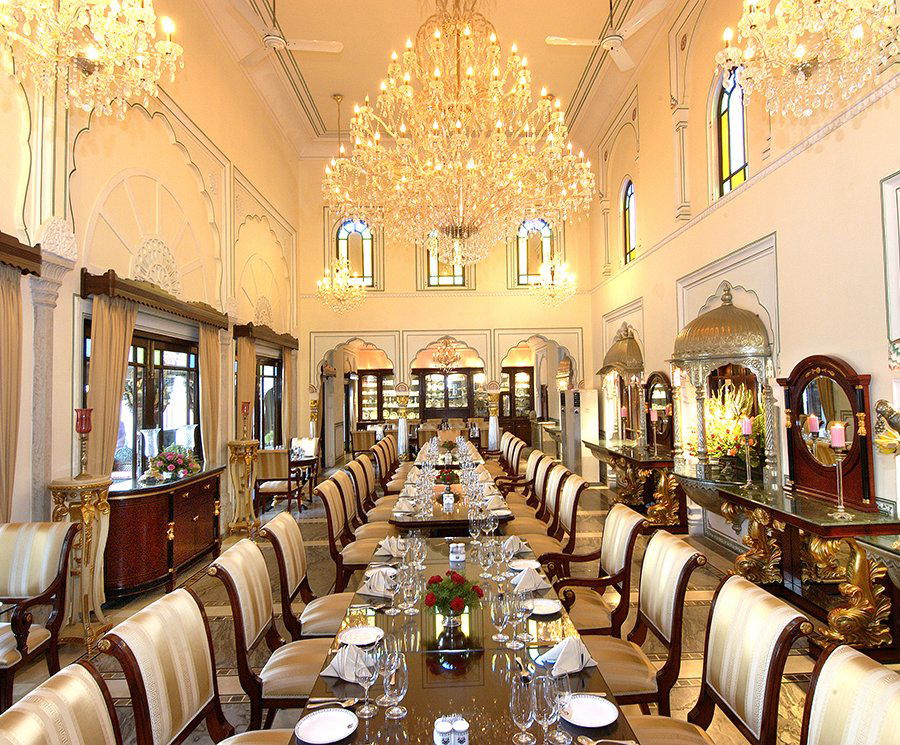
Jaipur's premium hotel dining scene has settled into a fairly legible pattern: grand-scale properties tend to operate multi-outlet programmes that cover all-day dining, regional Rajasthani cuisine, rooftop formats, and pool bars. At 13 rooms, Rajmahal Palace RAAS cannot replicate that breadth, and it does not attempt to. Instead, the property runs two dining outlets that occupy distinct positions on the formality spectrum.
The Colonnade addresses the demand for upscale comfort food, the kind of international and Indian menu that makes sense for guests eating in on a recovery day or a late arrival. It is the more casual of the two, oriented around reliability and ease rather than culinary statement-making. Its counterpart, 51 Shades of Pink, operates in a formal register and focuses on classic Jaipur cuisine. The name is a reference to the city's defining architectural palette, the terracotta-pink sandstone that earns Jaipur its designation as the Pink City.
Classic Jaipur cuisine as a category sits within the broader Rajasthani cooking tradition, which is characterised by dishes developed in a semi-arid environment where preservation and richness took precedence over fresh-produce abundance. Dal baati churma, laal maas, and ker sangri represent that tradition at its most distinctive. A formal hotel context applies refinement to those preparations without always improving them, and the degree to which 51 Shades of Pink honours the underlying culinary logic rather than merely presenting it aesthetically is a question leading answered by guests with direct experience of both the hotel version and the street or family-kitchen version.
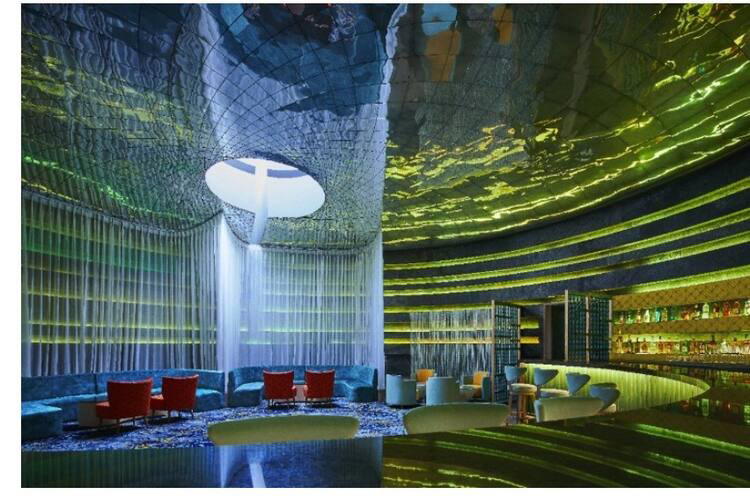
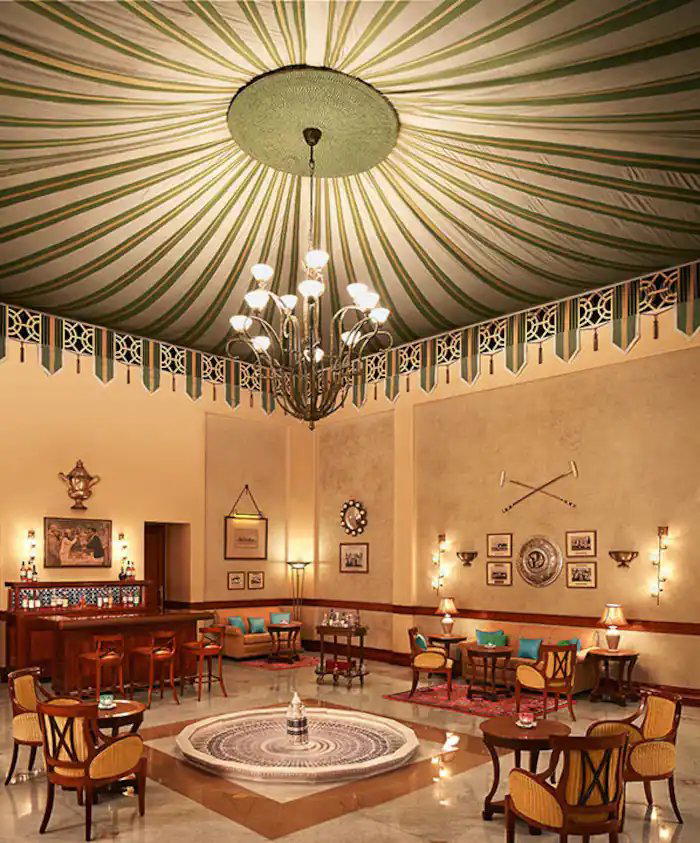
For drinks, the Polo Lounge and the Bar offer two further social spaces. The Polo Lounge name carries obvious equestrian associations, appropriate for a royal Rajasthani context where polo was a serious pursuit of the ruling families. As a category, hotel bars in heritage Rajasthani properties have trended toward gin-forward menus built around Indian botanical distillates, a shift that tracks the broader premium spirits movement across India's metropolitan and resort markets.
Jaipur Heritage Hotels: Where This Property Sits
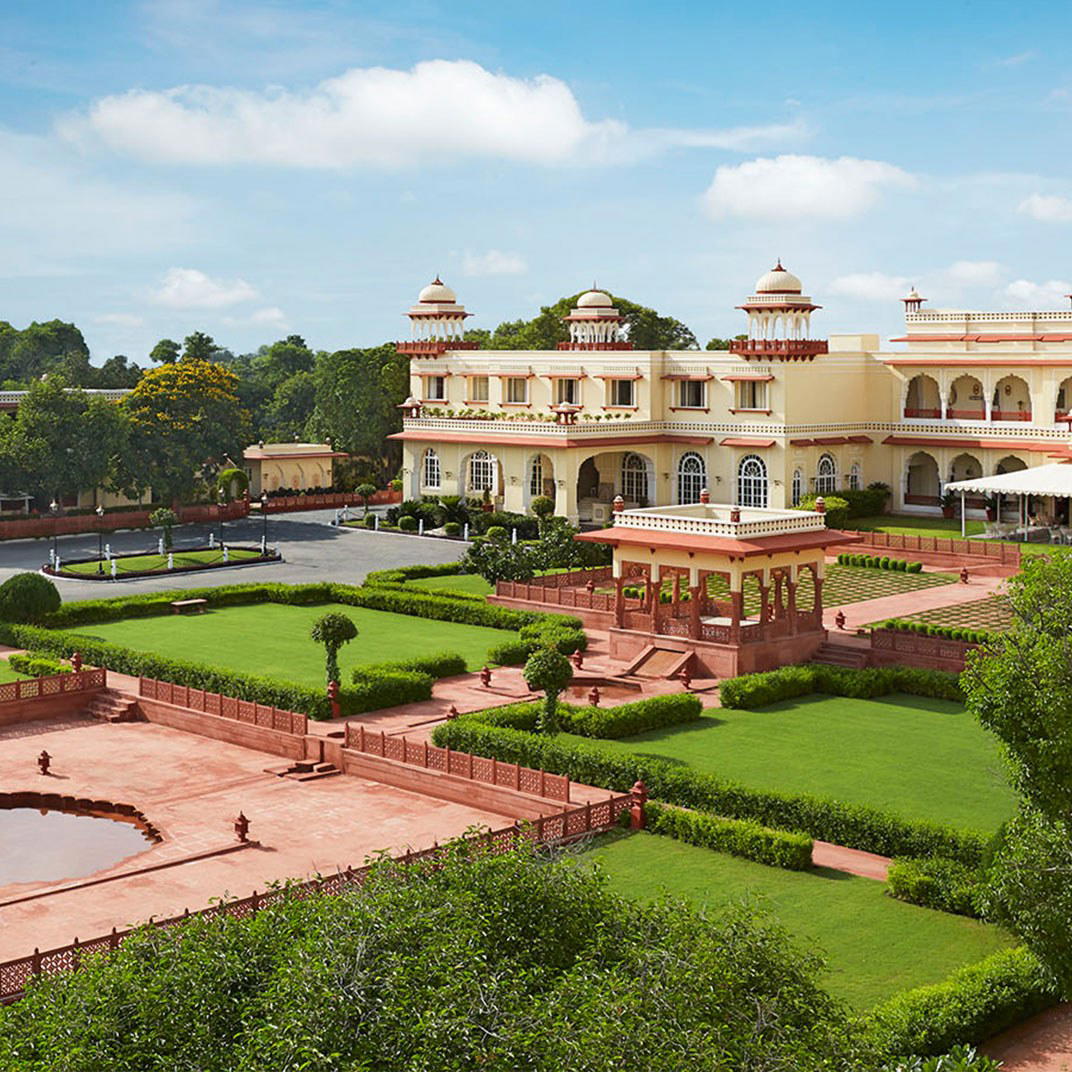
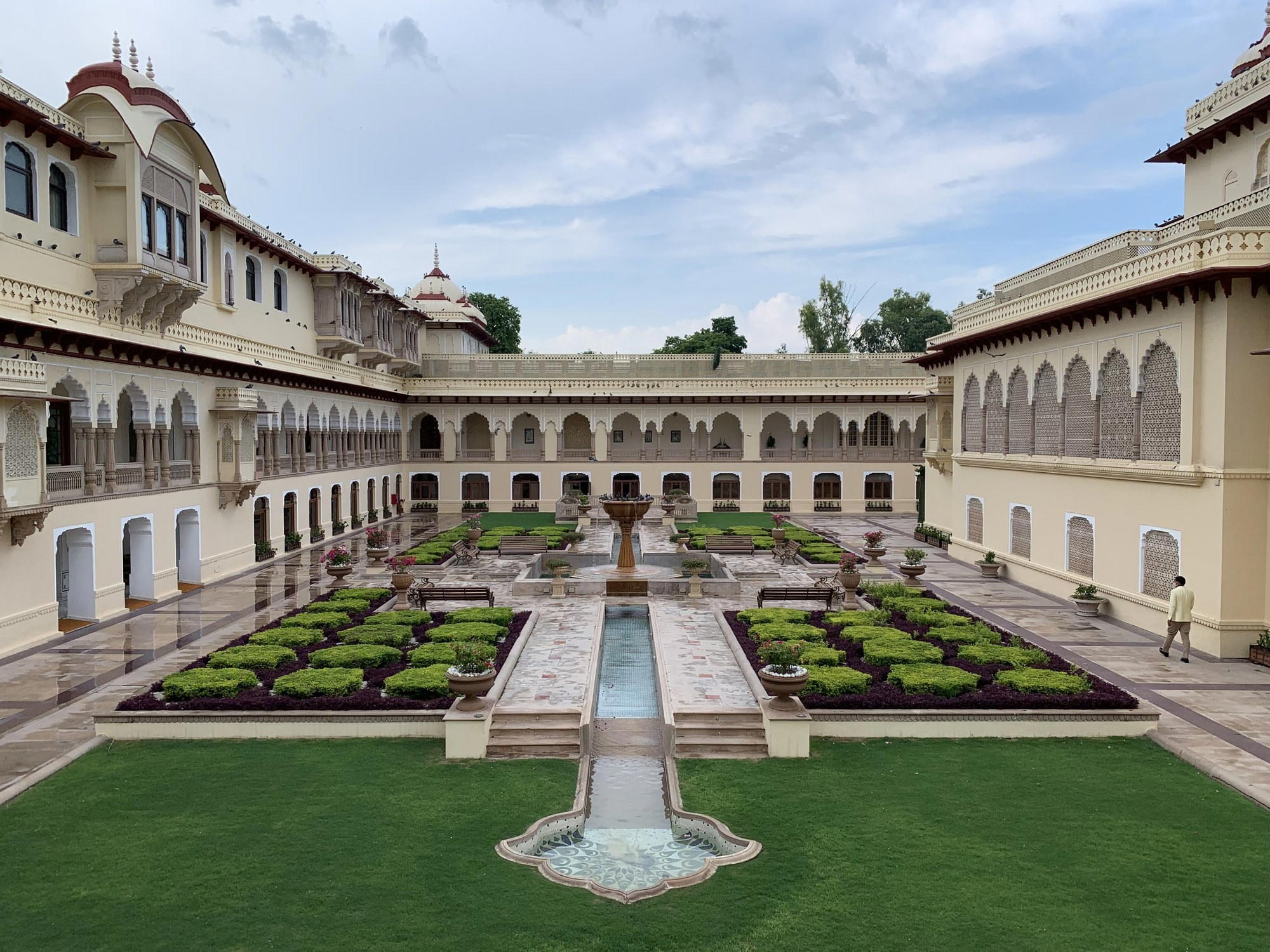
Jaipur's palace-hotel sector is competitive in a way that few Indian cities can match. The city has multiple properties with genuine royal provenance, Mughal or Rajput architectural heritage, and meaningful scale. Rambagh Palace, Jaipur sits at the large-format end of that spectrum; The Raj Palace and Taj Devi Ratn Resort & Spa, Jaipur fill different positions in the mid-to-upper tier. Rajmahal Palace RAAS is, on paper, at the smaller, more intimate end of this field, which is where it finds its argument: 13 rooms, actual royal ownership rather than a managed royal-heritage brand, and a design approach that has attracted international editorial recognition rather than simply domestic prominence.
For travellers covering Rajasthan across multiple properties, the routing context is worth considering. Amanbagh in Ajabgarh covers the wilderness-retreat dimension roughly 90 minutes from Jaipur; Suján Jawai in Pali addresses the safari end of the state's offering. Rajmahal Palace RAAS functions as the urban Jaipur anchor in that kind of itinerary, centrally located, historically grounded, and at a scale that allows the property to be experienced as a place rather than a transit point. For broader India routing, it pairs naturally with The Leela Palace New Delhi in New Delhi or The Oberoi Amarvilas in Agra on a Golden Triangle circuit, or with The Taj Mahal Palace, Mumbai in Mumbai as the metropolitan bookend to a Rajasthan loop.
Planning a Stay
Rajmahal Palace RAAS can be reached at the Sardar Patel Marg address in the Shivaji Nagar area of Jaipur. Rates from $451 per night reflect a premium-heritage positioning; given the 13-room inventory, availability tightens considerably during the October-to-March high season, when Rajasthan's temperatures are at their most tolerable for sightseeing. The shoulder months, late September and early April, offer meaningfully less competition for rooms at a modest climate compromise. The property's dining venues are, in principle, accessible to non-staying guests, though reservation practicalities for 51 Shades of Pink in particular should be confirmed directly given the limited room count and the likely priority given to hotel guests.
Cost Snapshot
Comparable venues nearby, for context on price, style, and recognition.
| Venue | Price | Awards | Notes |
|---|---|---|---|
| Rajmahal Palace RAAS JaipurThis venue — the venue you are viewing | $$$$ | Michelin 1 Key | Not listed |
| Taj Devi Ratn Resort & Spa, Jaipur | $$$$ | Michelin 1 Key | Jaipur, Luxury resort blending Rajasthani heritage with contemporary elegance |
| The Oberoi Rajvilas | $$$$ | Michelin 1 Key | Goner Rd, Traditional Rajasthani resort palace with landscaped gardens and reflection pools |
| The Johri, Jaipur | $$$$ | Michelin 1 Key | Johri Bazaar, Restored 19th-century haveli blending Rajasthani heritage with contemporary luxury |
| The Leela Palace Jaipur | $$$$ | Michelin 2 Key | Kukas, Modern palatial luxury inspired by traditional Indian royal architecture and heritage, combining contemporary amenities with classical design elements. |
| Raffles Jaipur | $$$$ | Michelin 2 Key | Kookas, Palatial recreation of Mughal Zenana with Rajasthani heritage craftsmanship |
Recognition history
Dated appearances from independent guides and award organizations, with the underlying list record or original source where available.
La Liste Top Hotels
La Liste
Michelin 1 Key
Michelin
Tatler Listed in Best Hotels Asia-Pacific
Tatler
At a Glance
- Ornate
- Elegant
- Sophisticated
- Romantic
- Classic
- Honeymoon
- Romantic Getaway
- Anniversary
- Destination Wedding
- Historic Building
- Garden
- Private Dining
- Wi Fi
- Pool
- Spa
- Fitness Center
- Room Service
- Concierge
- Valet Parking
- Garden
- Wi Fi
- Pool
- Spa
- Fitness Center
- Room Service
- Concierge
- Valet Parking
Serene and regal with Art Deco styling, manicured gardens, soft lighting in colonnades, and a peaceful oasis atmosphere amid the city's bustle.