Peshawri at ITC Rajputana brings the North-West Frontier's tandoor tradition to Jaipur's hotel dining circuit. Part of ITC Hotels' long-running Peshawri brand, known across India for its dal, breads, and meat preparations cooked over live fire, the restaurant occupies a position between heritage cooking and premium hotel dining that few addresses in the city attempt.
Pearl is the En Primeur Club membership app — saves, bookings, and concierge access live there. Same editors, same standards.
- Address
- ITC RAJPUTANA, Road, Palace, Jaipur, Rajasthan 302006, India
- Phone
- +91 141 668 1663
- Website
- itchotels.com
- Directions
- Get directions
 Saves & bookings on Pearl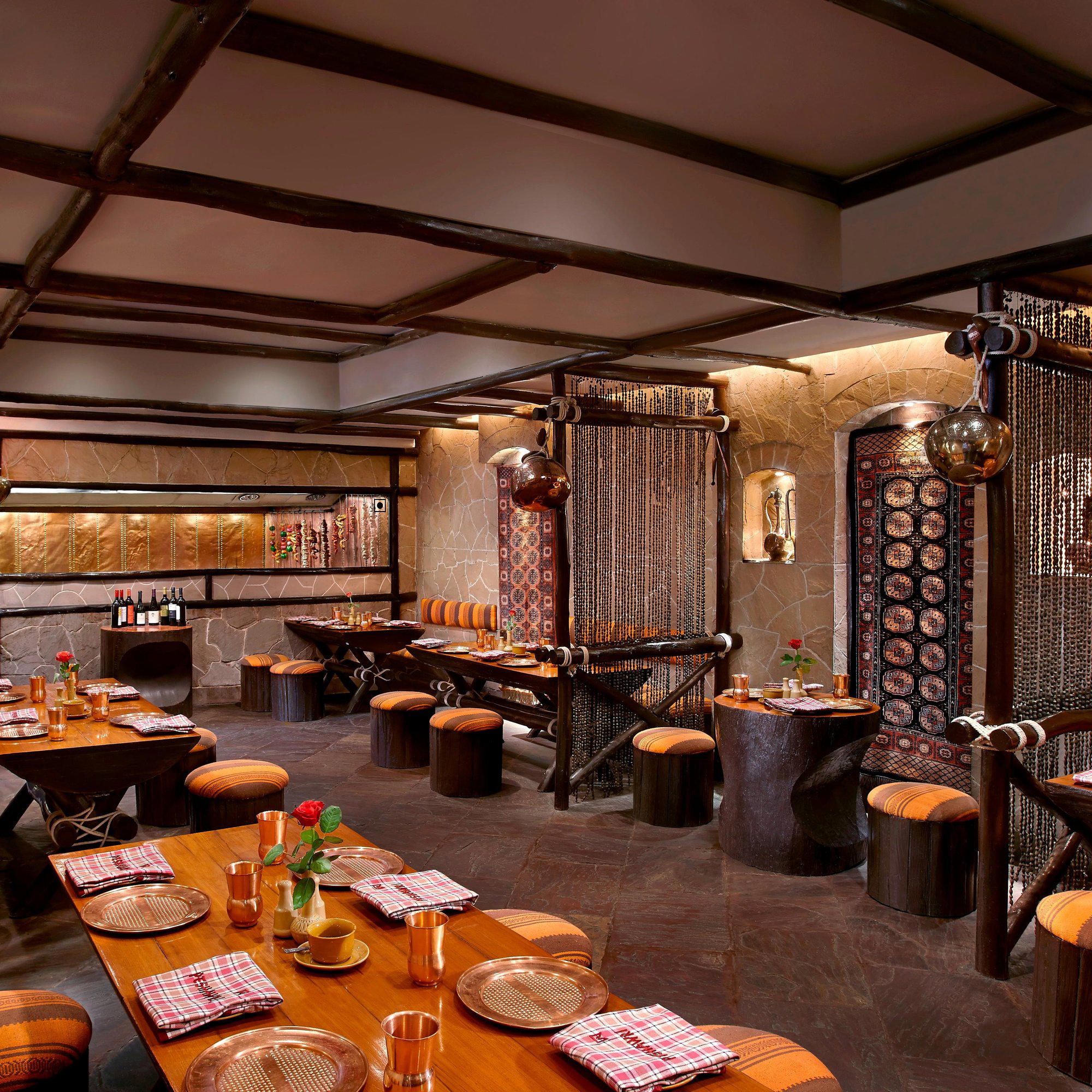
The Frontier Tradition at ITC Rajputana
The tandoor is one of the oldest cooking instruments in the subcontinent, and the North-West Frontier, the region straddling modern-day Pakistan's Khyber Pakhtunkhwa and the historical trade routes into Afghanistan, produced a style of cooking around it that is among the more direct and least adorned in South Asian cuisine. No elaborate spice matrices, no cream-heavy gravies. Just marinated protein, live fire, and time. Peshawri is an ITC Hotels restaurant serving North-West Frontier Tandoori in Jaipur. The Jaipur outpost at ITC Rajputana places it in a city whose own culinary identity runs toward Rajasthani austerity and bold, dry spicing, making it a closer cultural fit than the same brand operating in, say, coastal India.
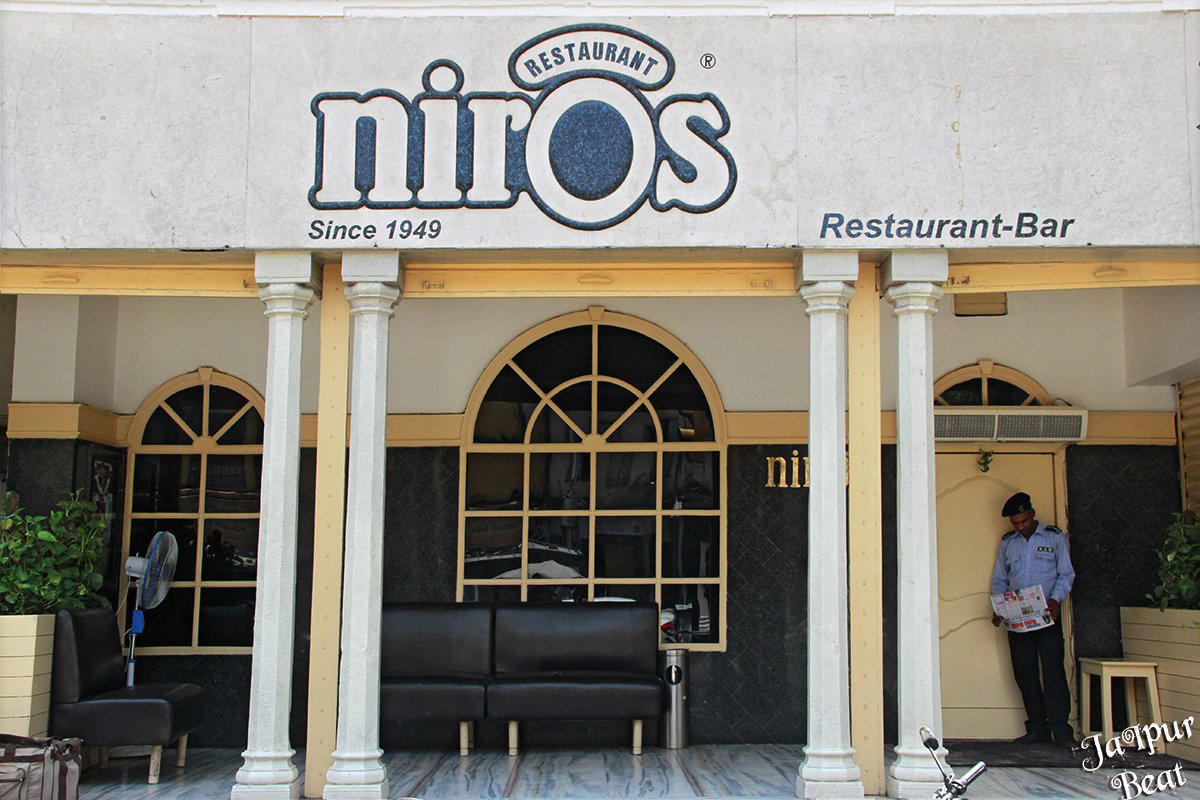
That lineage matters when assessing where Peshawri sits in Jaipur's hotel dining structure. The city has a reasonable spread of premium restaurant addresses: Suvarna Mahal at the Rambagh Palace operates at the formal heritage end, 1135 AD anchors the Amber Fort experience tour, and Niros Restaurant has held the MI Road institution position for decades. Peshawri occupies a different lane: not heritage spectacle, not old-city institution, but a disciplined, format-led hotel restaurant with a defined cooking philosophy inherited from a national brand.
What the Frontier Cooking Tradition Actually Looks Like
Frontier cuisine, in its most honest form, is not sophisticated in the way that Mughal court cooking was sophisticated. It is a pastoral, warrior-belt tradition where whole animals were cooked over open fire, bread was leavened or unleavened but always made fresh, and the dominant flavour agents were ginger, garlic, and smoke. What ITC's Peshawri brand has done across its locations, most famously at Bukhara in New Delhi, which operates as a separate but related ITC property and holds particularly consistent long-term recognition of any Indian restaurant, is formalise that tradition into a restaurant format without stripping its directness.
The through-line across Peshawri locations is the dal, slow-cooked overnight on the tandoor's residual heat, and the breads baked directly on the tandoor walls. Both are preparations that reward patience over technique in the modern culinary sense. Dal Bukhara, the black lentil preparation that has become the single most associated dish with this ITC cooking tradition, is cooked for hours until the lentils collapse into a dense, smoky mass. It is the kind of dish where the cook's role is largely supervisory, the time and the heat do the work. That restraint is precisely what gives Frontier-style cooking its credibility in an era when Indian restaurant formats often overcomplicate their offer.
Jaipur's Hotel Dining Structure and Where Peshawri Fits
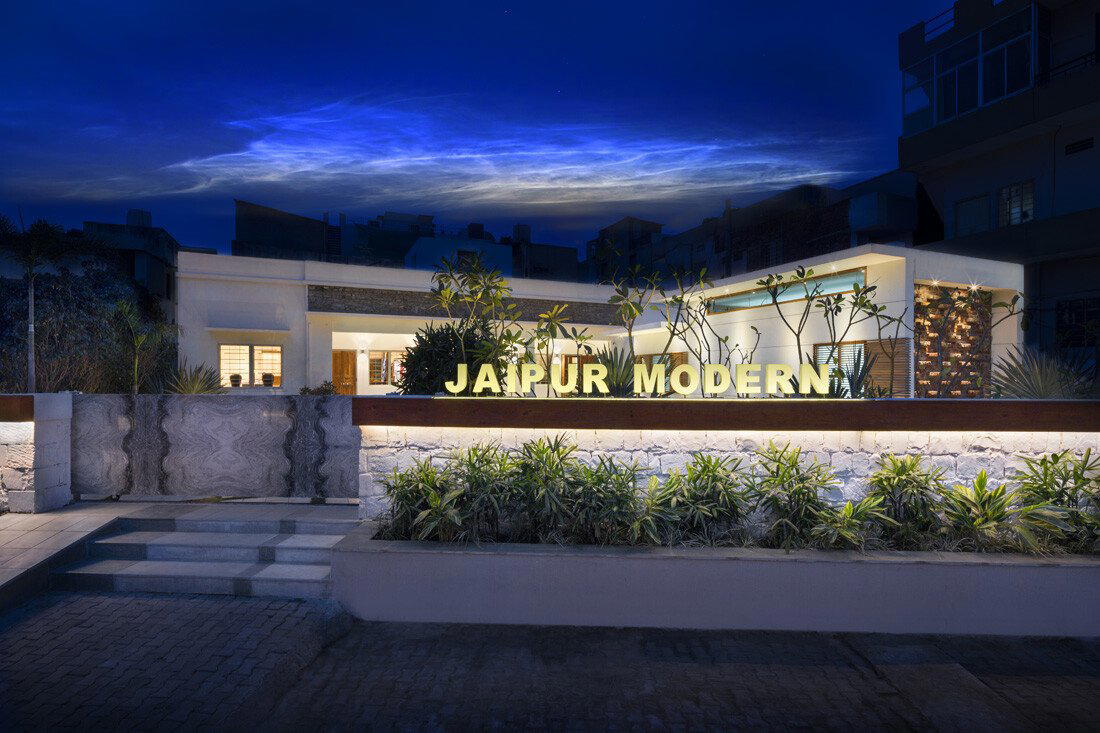
Jaipur's premium dining tends to polarise between heritage property restaurants built around spectacle and a newer tier of contemporary addresses like Jaipur Modern - Store and Kitchen and The Johri that lean into craft and local sourcing. Peshawri at ITC Rajputana does neither. It operates as a dedicated format restaurant inside a large business-and-leisure hotel, a category that is underrepresented in Jaipur's critical coverage but represents a consistent portion of how the city's hotel guests actually eat.
ITC Rajputana sits in the Palace Road area, positioning it among the city's better-known hotel corridor addresses. For travellers moving between Delhi and Jaipur on business or touring itineraries, the ITC group's consistency across properties is itself a consideration. Knowing that the Peshawri format in Jaipur follows the same cooking discipline as the brand's Delhi and other locations reduces uncertainty in a way that a standalone restaurant cannot offer. That reliability is part of the product.
The comparison that works well for context is not local Rajasthani restaurants but the broader category of Indian regional specialists operating inside five-star hotels. Esphahan in Agra, which handles Mughal court cuisine in a similar hotel-restaurant format, faces the same challenge: maintaining cooking credibility within an institutional setting. Peshawri's advantage is that the Frontier tradition is less ornate by nature, so the format-restaurant setting imposes fewer compromises.
Reading the Menu Through Cultural Lens
The absence of elaborate garnishing or table-side theatre is intentional. Frontier cooking came from a region where hospitality meant quantity and directness, a whole roasted leg, a stack of bread, a pot of lentils. The Peshawri menu format respects that. Meat preparations are typically presented simply, the bread selection is the showpiece rather than an afterthought, and the dal functions as the dish that carries one kitchen time and, one prestige within the meal.
For travellers arriving from South India or coastal regions, Peshawri represents a significant shift in reference. Leela Kerala Terrace in Trivandrum operates within a completely different register, coconut, curry leaf, fermented rice, where the tandoor has almost no cultural presence. The North-West Frontier tradition is, by contrast, deeply tandoor-centric, and understanding that distinction is the single most useful frame for approaching the Peshawri menu without expectation misalignment.
Across the broader ITC network, the Peshawri brand has maintained a consistent following among travellers who have encountered it at multiple locations. Farmlore in Bangalore approaches Indian regional cooking from a completely different philosophical direction, provenance-led, seasonal, farm-connected, while Peshawri operates from the opposite premise: tradition as the anchor, consistency as the value.
Planning a Visit
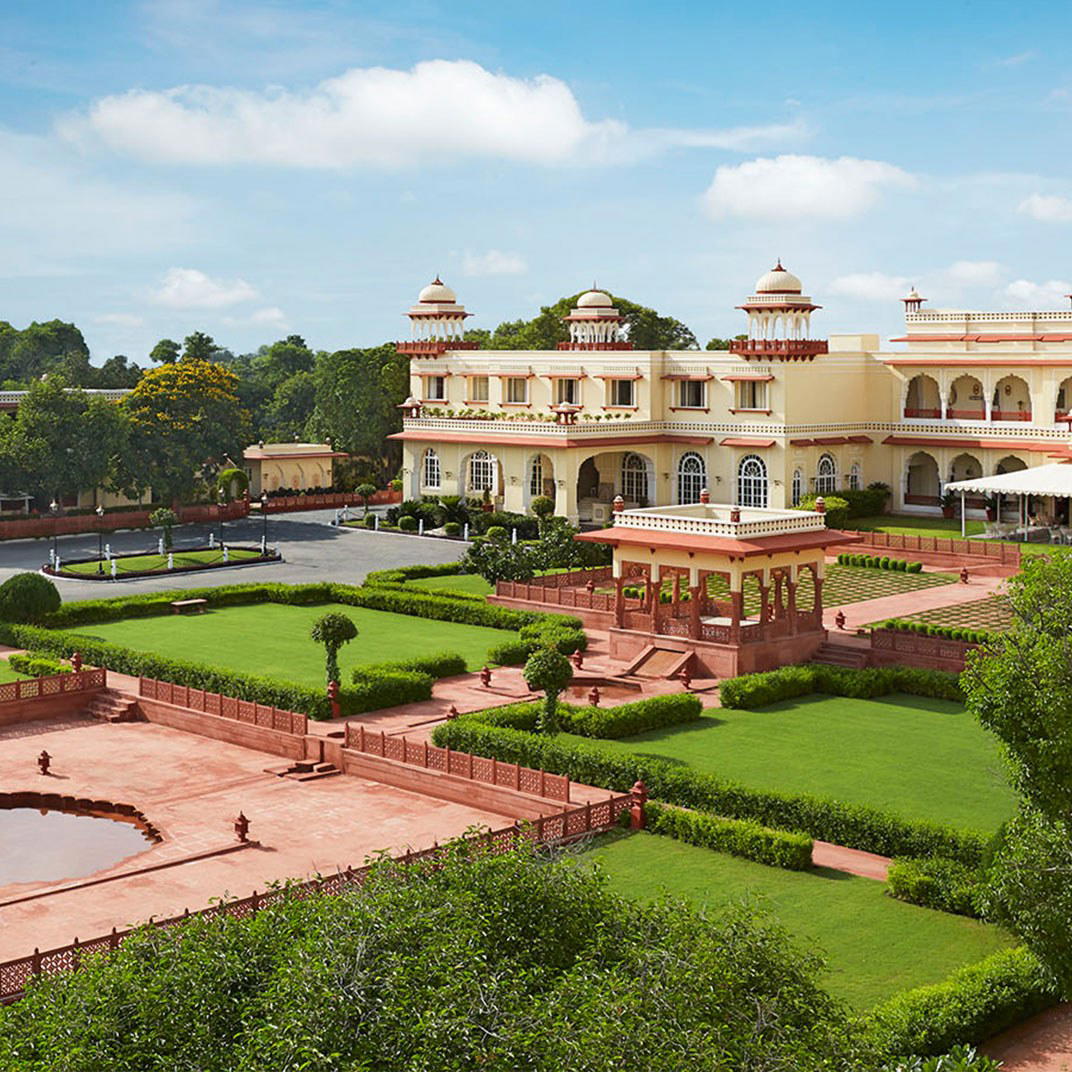
Peshawri is located inside ITC Rajputana on Palace Road, Jaipur, which places it within the city's main hotel corridor and accessible from both the old city and the newer commercial areas. For travellers staying at the property, the restaurant is the obvious choice for an evening meal that does not require venturing out. For those staying elsewhere in Jaipur, the drive is manageable from most central addresses. Reservations are recommended. Dress code is smart casual. Lunch and dinner are served daily.
Booking and Cost Snapshot
Comparable venues nearby, for context on price, style, and recognition.
| Venue | Cuisine | Price | Notes |
|---|---|---|---|
| PeshawriThis venue — the venue you are viewing | Gopalbari, North-West Frontier Tandoori | $$$$ | Not listed |
| 1135 AD | Amer, Royal Rajput Fine Dining | $$$$ | Not listed |
| Verandah Cafe | Ashok Nagar, Multi-Cuisine Café | $$$ | Not listed |
| The Johri | Not listed | $$$ | Johri Bazar, Modern Rajasthani Vegetarian |
| Niros Restaurant | Not listed | $$ | Mirza Ismail Road, Multi-Cuisine Indian with Rajasthani Specialties |
| Suvarna Mahal | Not listed | $$$$ | Bhawani Singh Road, Royal Indian Fine Dining |
At a Glance
- Rustic
- Elegant
- Cozy
- Special Occasion
- Group Dining
- Business Dinner
- Open Kitchen
- Craft Cocktails
Current opening hours
- Monday
- 12:30–2:45 PM, 7–11:45 PM
- Tuesday
- 12:30–2:45 PM, 7–11:45 PM
- Wednesday
- 12:30–2:45 PM, 7–11:45 PM
- Thursday
- 12:30–2:45 PM, 7–11:45 PM
- Friday
- 12:30–2:45 PM, 7–11:45 PM
- Saturday
- 12:30–2:45 PM, 7–11:45 PM
- Sunday
- 12:30–2:45 PM, 7–11:45 PM
Hours can change for holidays and private events. Last verified .
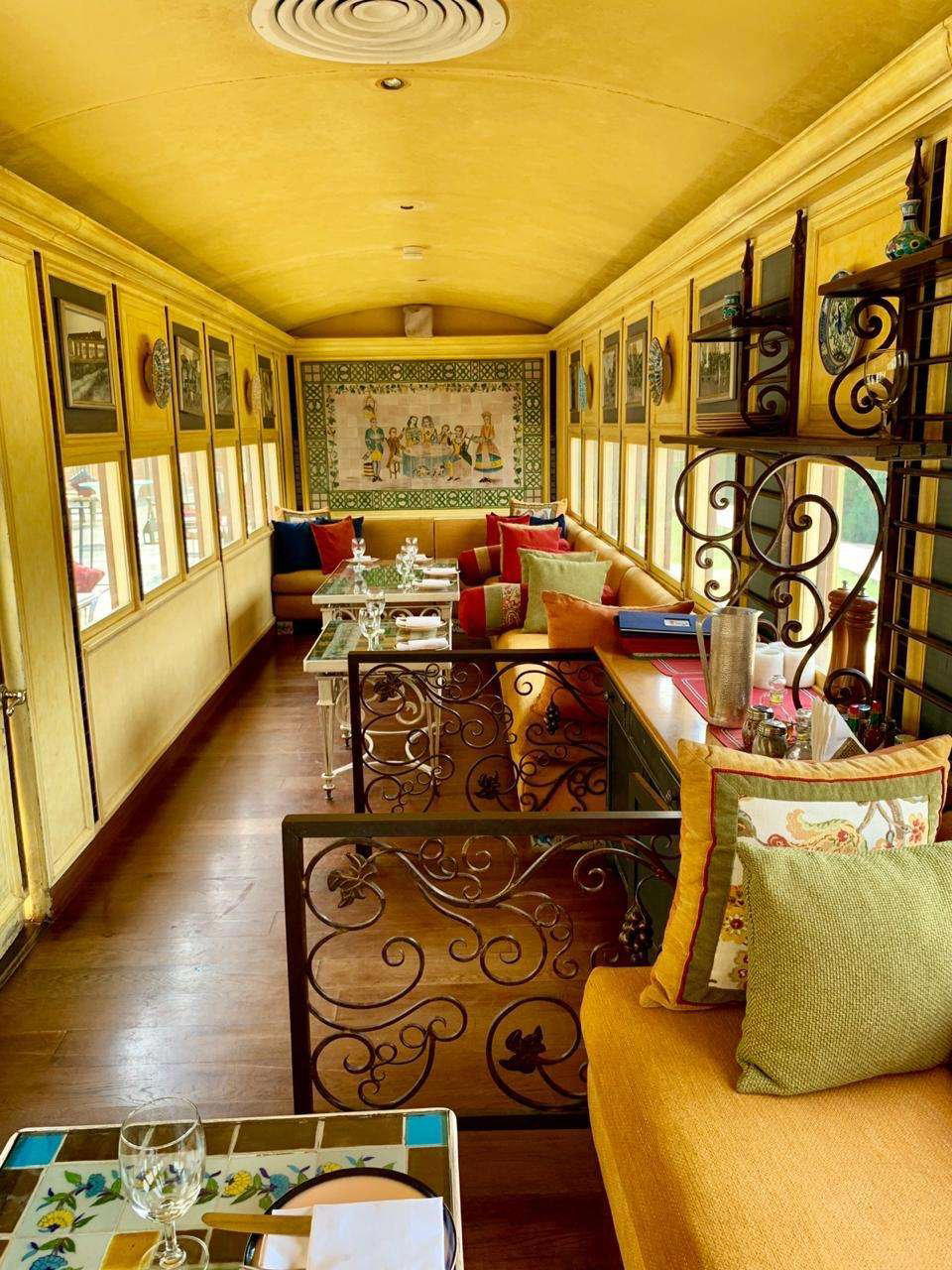
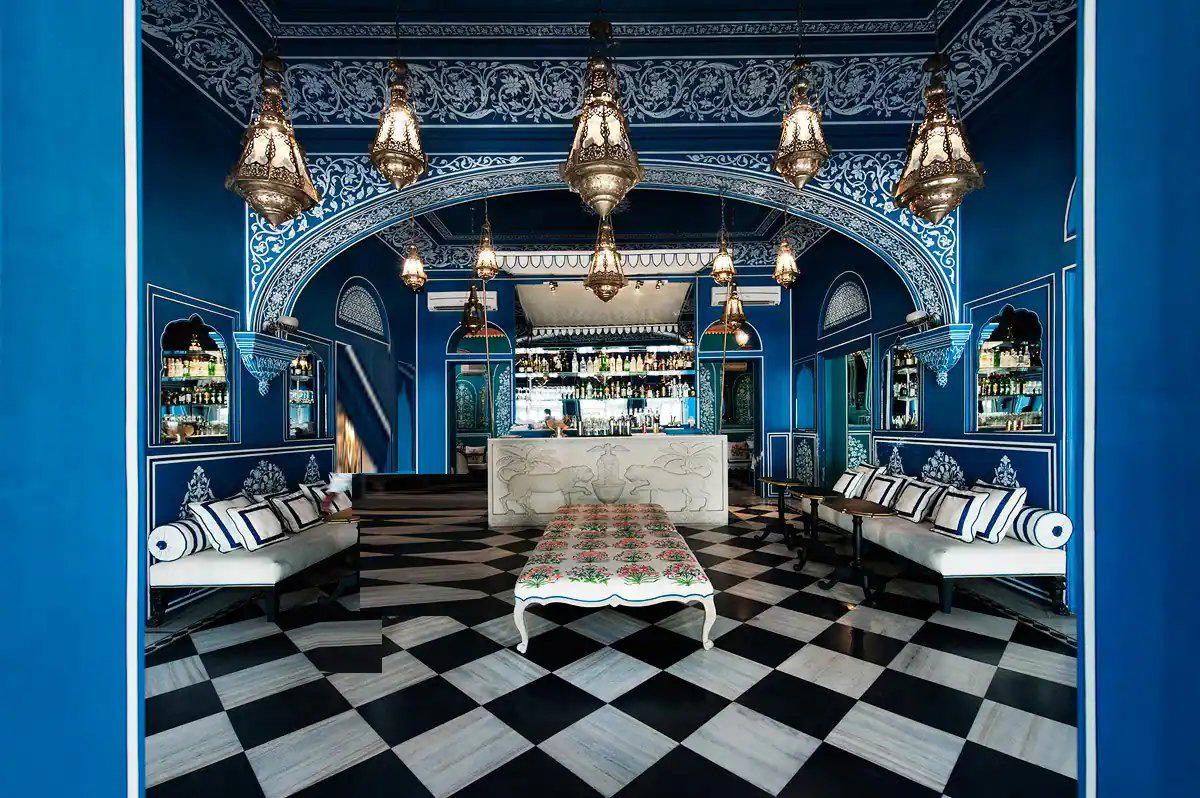
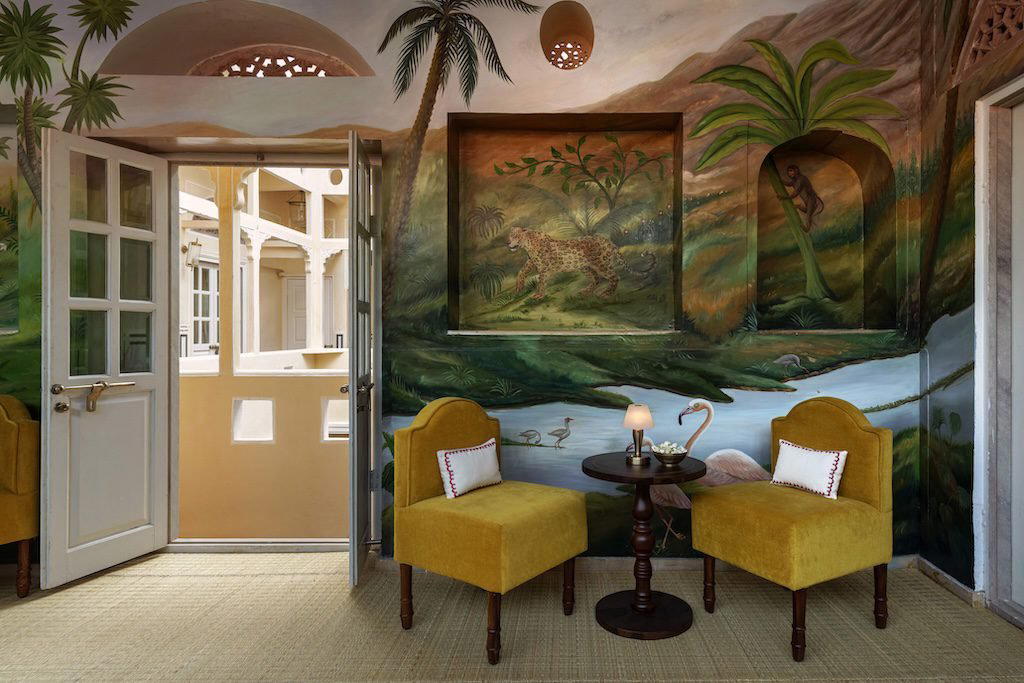
Rustic with stone clad walls, log wood partitions, mudda style seating, ambient lighting in black and orange tones, and view of the busy tandoor kitchen.