ANNO'78 – unverwechsel.bar
A Bar With a Point of View, Far From the City Circuit Germany's serious cocktail bar culture clusters predictably: Hamburg's Le Lion, Berlin's Stagger Lee, Munich's Schumans, Frankfurt's The Parlour. The cities dominate the conversation, the awards cycles, and the bartender migration patterns. What this geography obscures is the small but real number of bars operating outside the urban axis that have developed genuine programmes rather than simply serving spirits in provincial comfort. Bad Sachsa, a town of fewer than 10,000 people on the southern edge of the Harz mountains, is not a place you expect to find a bar with a name as self-aware as unverwechsel.bar — untranslatable in full, but with the root word meaning unmistakable or irreplaceable. The name is a positioning statement as much as a label. Bismarckstraße 23 sits in the older fabric of Bad Sachsa's town centre, a low-key address that gives little away from the outside. The Harz region draws visitors for its landscape and its thermal spa towns, not for its cocktail culture, which means anyone arriving at ANNO'78 has come with some degree of intention. That self-selecting audience shapes the atmosphere: quieter than a city bar by necessity, but less performative too. The Cocktail Programme: What the Name Commits To Germany's bar scene has matured considerably since the early 2000s. The generation of bars that emerged in the 2010s — places like Le Lion Bar de Paris in Hamburg and Stagger Lee in Berlin, established a benchmark: technically literate drinks, sourced with care, presented without unnecessary theatre. The bars that followed in smaller cities and towns either ignored that standard or quietly adopted it. ANNO'78's subtitle, unverwechsel.bar, signals an intention to be defined by a specific character rather than a generalised hospitality offer. In bar terms, that distinction usually expresses itself through the drinks list: whether the programme has a legible point of view, whether the spirits selection tells a story, and whether the house style is consistent across what gets ordered. A bar that simply assembles a wide-ranging back bar without a filtering principle tends toward the interchangeable. One that makes choices, and commits to them, produces something more coherent. The founding year 1978 embedded in the name brings its own implication. It anchors the bar to a specific moment and, presumably, an aesthetic or sensibility drawn from that period. In cocktail terms, 1978 sits in a complex place: before the craft revival of the 1990s and 2000s, but within a decade that has since attracted renewed attention for its drinking culture, its aperitivo habits, and the longer-serve, lower-ABV formats that preceded the high-proof cocktail surge. Whether the programme leans into that reference directly or uses 1978 as a purely aesthetic anchor is a question the menu resolves, but the name at minimum invites a particular kind of drinker to pay attention. Bar Culture in Small-Town Germany: The Context That Makes This Interesting Understanding what ANNO'78 represents requires understanding what it is not surrounded by. Bad Sachsa is not Düsseldorf, where Wyno Weinbar competes in a dense field of serious drinking destinations, nor Wiesbaden, where WINE IN THE HOOD has built an audience from a wine-educated base. In smaller Harz towns, hospitality tends toward the traditional: Gaststätten with local food, hotel bars, and seasonal tourism venues calibrated for walkers and spa guests rather than for guests who have opinions about vermouth ratios. Against that context, a bar that names itself after an unmistakable identity and sets up at a fixed address on a town-centre street is making an argument. The argument is that there is an audience, even here, for drinks made with care and served with knowledge. That argument has been proven in comparable German small-town contexts before: Forstbaumschule in Kiel and Weingasthaus Breuer's in Rüdesheim both operate in mid-sized or smaller German cities with specialist drink programmes that serve a mixed local and visitor audience. ANNO'78 operates on similar logic in a smaller market. Visiting Bad Sachsa: Timing and Practical Context Bad Sachsa sits roughly equidistant from Göttingen and Nordhausen, accessible by car along the B243 and reachable by regional rail with a connection at Herzberg am Harz. The town functions partly as a health resort town, with visitor numbers peaking in summer and during winter walking season. For anyone routing through the southern Harz on a broader itinerary, the region attracts visitors to the Bode Gorge, the Hexentanzplatz near Thale, and the thermal facilities at Bad Lauterberg, an evening stop in Bad Sachsa is a workable detour. ANNO'78 is at Bismarckstraße 23, within walking distance of the town centre. Given the absence of published hours or booking infrastructure in available records, approaching the venue directly on arrival or contacting them through local search channels before visiting is the practical approach. This is a characteristic of smaller independent bars in towns of this scale: they often operate without the digital booking layer that urban venues maintain, which is not a signal of informality so much as a reflection of how their audience, largely local and regular, actually uses them. Visitors from larger German cities looking for a comparable metropolitan reference point might consider how bars like Mona Lisa Bar in Frankfurt, Bar Trattoria Celentano in Cologne, or Schuman's Bar in Munich have each developed distinct identities tied to their city's drinking culture. ANNO'78 is doing something analogous at a fraction of the scale: building an identity that corresponds to a place and a philosophy, not simply filling a category. For the travelling reader with an interest in how bar culture propagates outside city centres, Café La Trova in Miami offers an instructive international comparison: a bar with a strong identity rooted in a specific cultural reference, operating in a distinct neighbourhood rather than a prestige address, and drawing an audience through the clarity of its point of view. The mechanism is different in every city, but the principle, specificity as a form of hospitality, travels. Frequently Asked Questions What's the vibe at ANNO'78 – unverwechsel.bar?The atmosphere is quieter and more considered than a city cocktail bar. Bad Sachsa is a small Harz town rather than an urban drinking destination, so the crowd skews local and intentional. The bar's self-declared identity as unverwechsel (unmistakable) suggests a space that has made deliberate choices about what it is, rather than trying to be everything to a large and varied audience.What should I try at ANNO'78 – unverwechsel.bar?Specific menu items are not available in current records, but the bar's framing around a 1978 founding year and an identity-led name points toward a programme with a defined aesthetic. Bars operating under this kind of self-conscious positioning typically lead with house signatures rather than request-driven classics, so asking the bar team directly for their current house drinks is the right starting point.What's the defining thing about ANNO'78 – unverwechsel.bar?The name unverwechsel.bar is the clearest signal: this is a bar that has committed to a specific character. In a town where serious bar culture is uncommon, that commitment is itself the distinguishing feature. No published awards are on record, but the positioning is unambiguous about its intentions.How hard is it to get in to ANNO'78 – unverwechsel.bar?No booking system or capacity data is available in current records. In towns of Bad Sachsa's scale, walk-in access is typically direct outside local event periods, though confirming hours directly before visiting is advisable. There is no published website or phone number in current records, so local search or physical arrival is the practical route.Is ANNO'78 – unverwechsel.bar worth visiting?For anyone passing through the southern Harz with an interest in independent bar culture beyond the major cities, yes. No formal awards are on record, but the deliberate identity and the relative scarcity of comparable venues in the region give it a clear reason to exist. Managing expectations around the scale and pace of a small-town bar is part of visiting it correctly.What kind of drinks experience does the bar specialise in, and how does that differ from standard Harz hospitality?The bar's subtitle positions it as a destination for craft-minded drinking rather than the generic hotel-bar or Gaststätte format that dominates the Harz region's hospitality offer. While specific menu data is not available in current records, a bar that names itself around irreplaceability in a small German spa town is making a deliberate argument for a more considered drinks programme than the regional norm. That distinction is most legible to visitors who arrive from comparable independent bar scenes elsewhere in Germany, such as those in The Parlour in Frankfurt or the Hamburg circuit.
Pearl is the En Primeur Club membership app — saves, bookings, and concierge access live there. Same editors, same standards.
- Address
- Bismarckstraße 23, 37441 Bad Sachsa
- Directions
- Get directions
 Saves & bookings on Pearl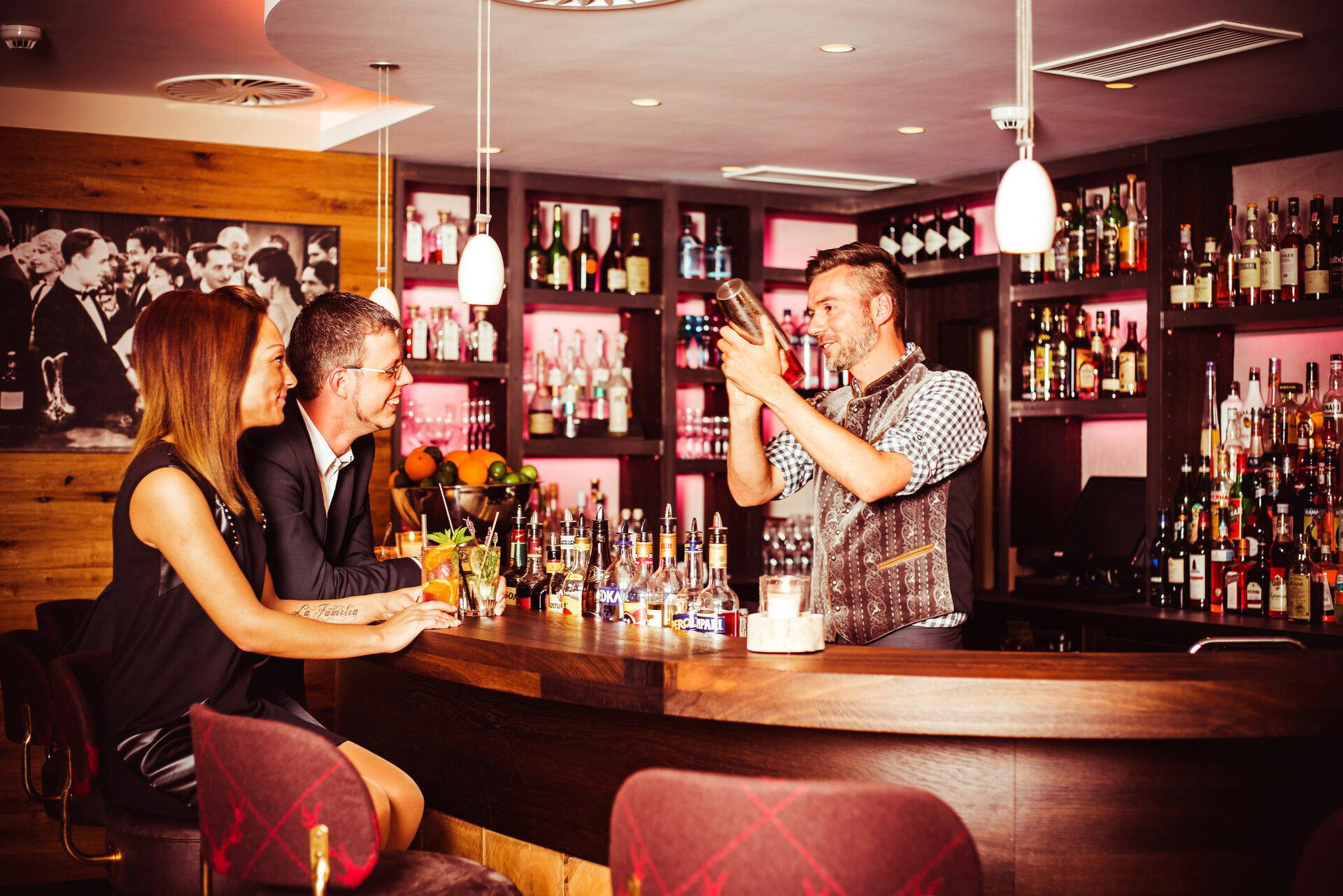
A Bar With a Point of View, Far From the City Circuit
Germany's serious cocktail bar culture clusters predictably: Hamburg's Le Lion, Berlin's Stagger Lee, Munich's Schumans, Frankfurt's The Parlour. The cities dominate the conversation, the awards cycles, and the bartender migration patterns. What this geography obscures is the small but real number of bars operating outside the urban axis that have developed genuine programmes rather than simply serving spirits in provincial comfort. Bad Sachsa, a town of fewer than 10,000 people on the southern edge of the Harz mountains, is not a place you expect to find a bar with a name as self-aware as unverwechsel.bar — untranslatable in full, but with the root word meaning unmistakable or irreplaceable. The name is a positioning statement as much as a label.
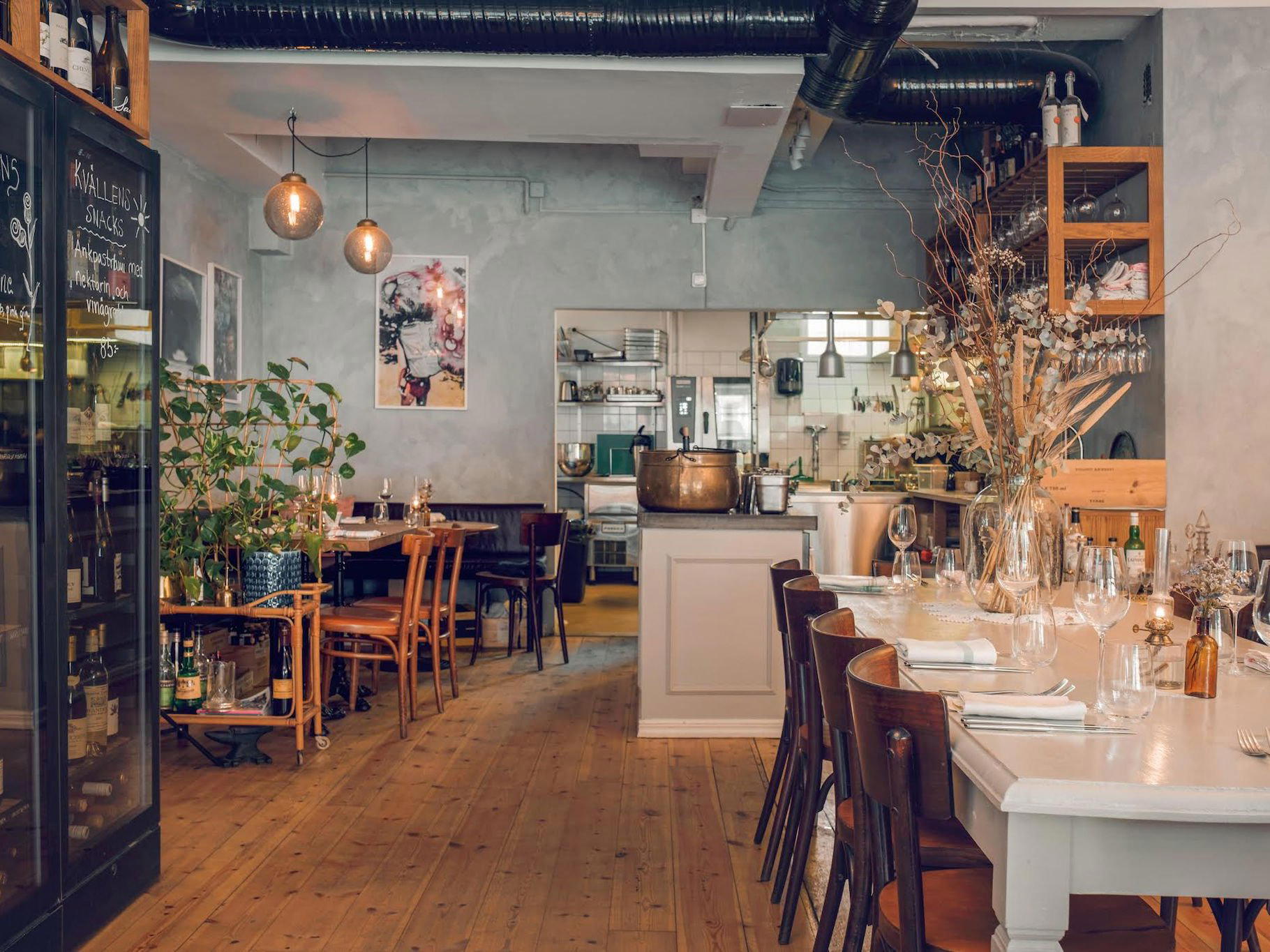
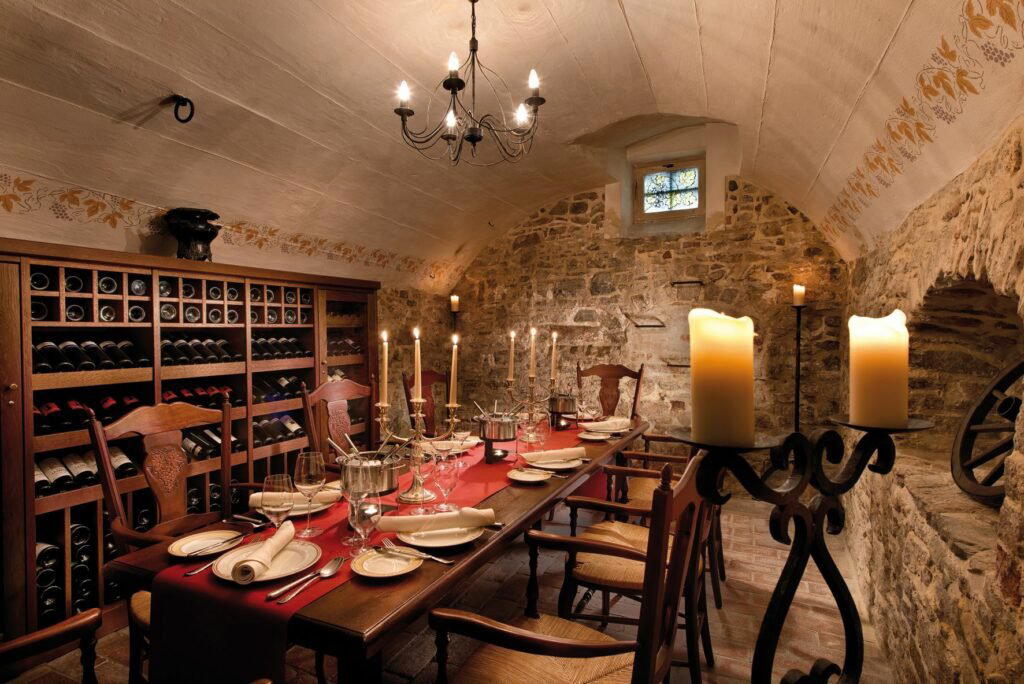
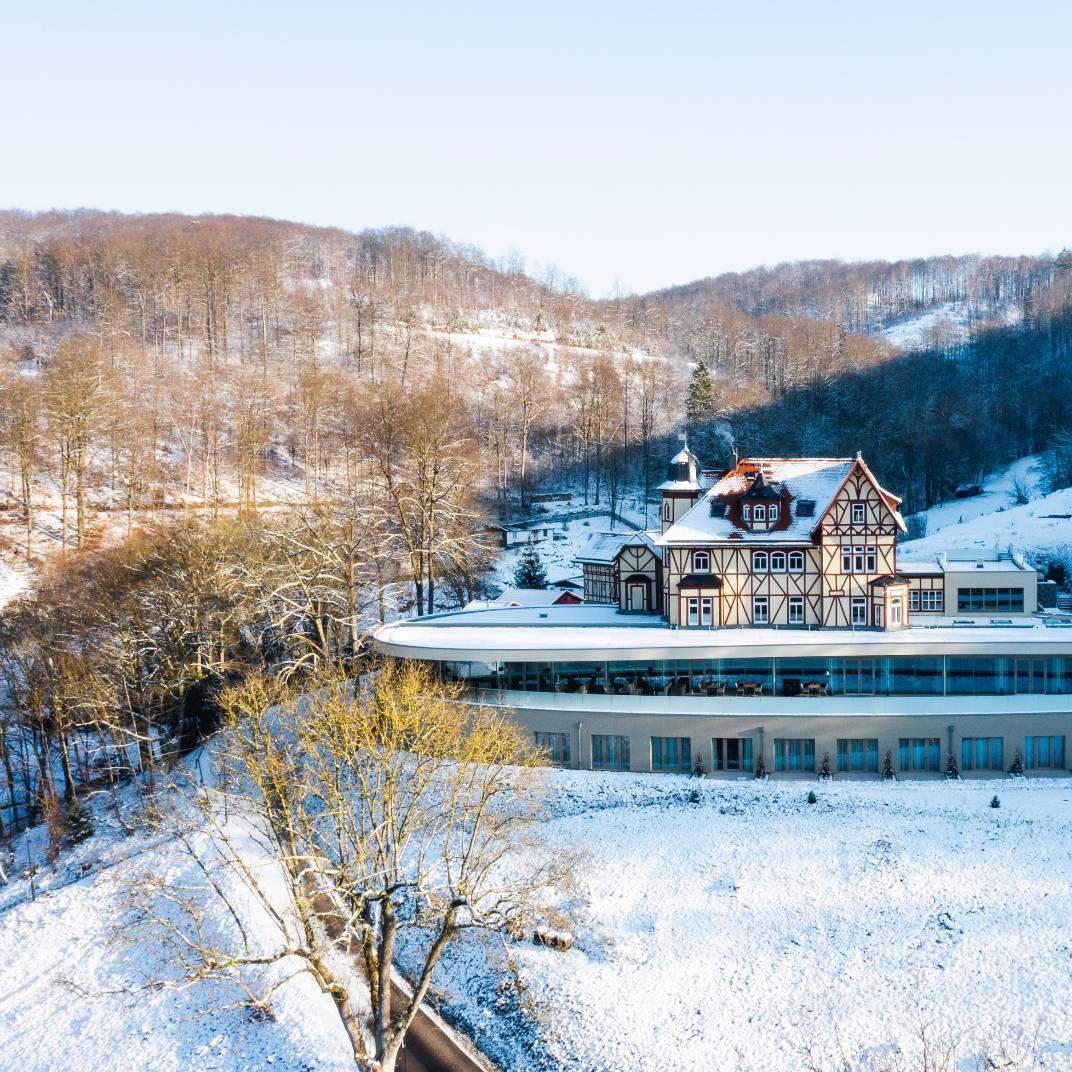
Bismarckstraße 23 sits in the older fabric of Bad Sachsa's town centre, a low-key address that gives little away from the outside. The Harz region draws visitors for its landscape and its thermal spa towns, not for its cocktail culture, which means anyone arriving at ANNO'78 has come with some degree of intention. That self-selecting audience shapes the atmosphere: quieter than a city bar by necessity, but less performative too.
The Cocktail Programme: What the Name Commits To
Germany's bar scene has matured considerably since the early 2000s. The generation of bars that emerged in the 2010s — places like Le Lion Bar de Paris in Hamburg and Stagger Lee in Berlin, established a benchmark: technically literate drinks, sourced with care, presented without unnecessary theatre. The bars that followed in smaller cities and towns either ignored that standard or quietly adopted it.
ANNO'78's subtitle, unverwechsel.bar, signals an intention to be defined by a specific character rather than a generalised hospitality offer. In bar terms, that distinction usually expresses itself through the drinks list: whether the programme has a legible point of view, whether the spirits selection tells a story, and whether the house style is consistent across what gets ordered. A bar that simply assembles a wide-ranging back bar without a filtering principle tends toward the interchangeable. One that makes choices, and commits to them, produces something more coherent.
The founding year 1978 embedded in the name brings its own implication. It anchors the bar to a specific moment and, presumably, an aesthetic or sensibility drawn from that period. In cocktail terms, 1978 sits in a complex place: before the craft revival of the 1990s and 2000s, but within a decade that has since attracted renewed attention for its drinking culture, its aperitivo habits, and the longer-serve, lower-ABV formats that preceded the high-proof cocktail surge. Whether the programme leans into that reference directly or uses 1978 as a purely aesthetic anchor is a question the menu resolves, but the name at minimum invites a particular kind of drinker to pay attention.
Bar Culture in Small-Town Germany: The Context That Makes This Interesting
Understanding what ANNO'78 represents requires understanding what it is not surrounded by. Bad Sachsa is not Düsseldorf, where Wyno Weinbar competes in a dense field of serious drinking destinations, nor Wiesbaden, where WINE IN THE HOOD has built an audience from a wine-educated base. In smaller Harz towns, hospitality tends toward the traditional: Gaststätten with local food, hotel bars, and seasonal tourism venues calibrated for walkers and spa guests rather than for guests who have opinions about vermouth ratios.
Against that context, a bar that names itself after an unmistakable identity and sets up at a fixed address on a town-centre street is making an argument. The argument is that there is an audience, even here, for drinks made with care and served with knowledge. That argument has been proven in comparable German small-town contexts before: Forstbaumschule in Kiel and Weingasthaus Breuer's in Rüdesheim both operate in mid-sized or smaller German cities with specialist drink programmes that serve a mixed local and visitor audience. ANNO'78 operates on similar logic in a smaller market.
Visiting Bad Sachsa: Timing and Practical Context
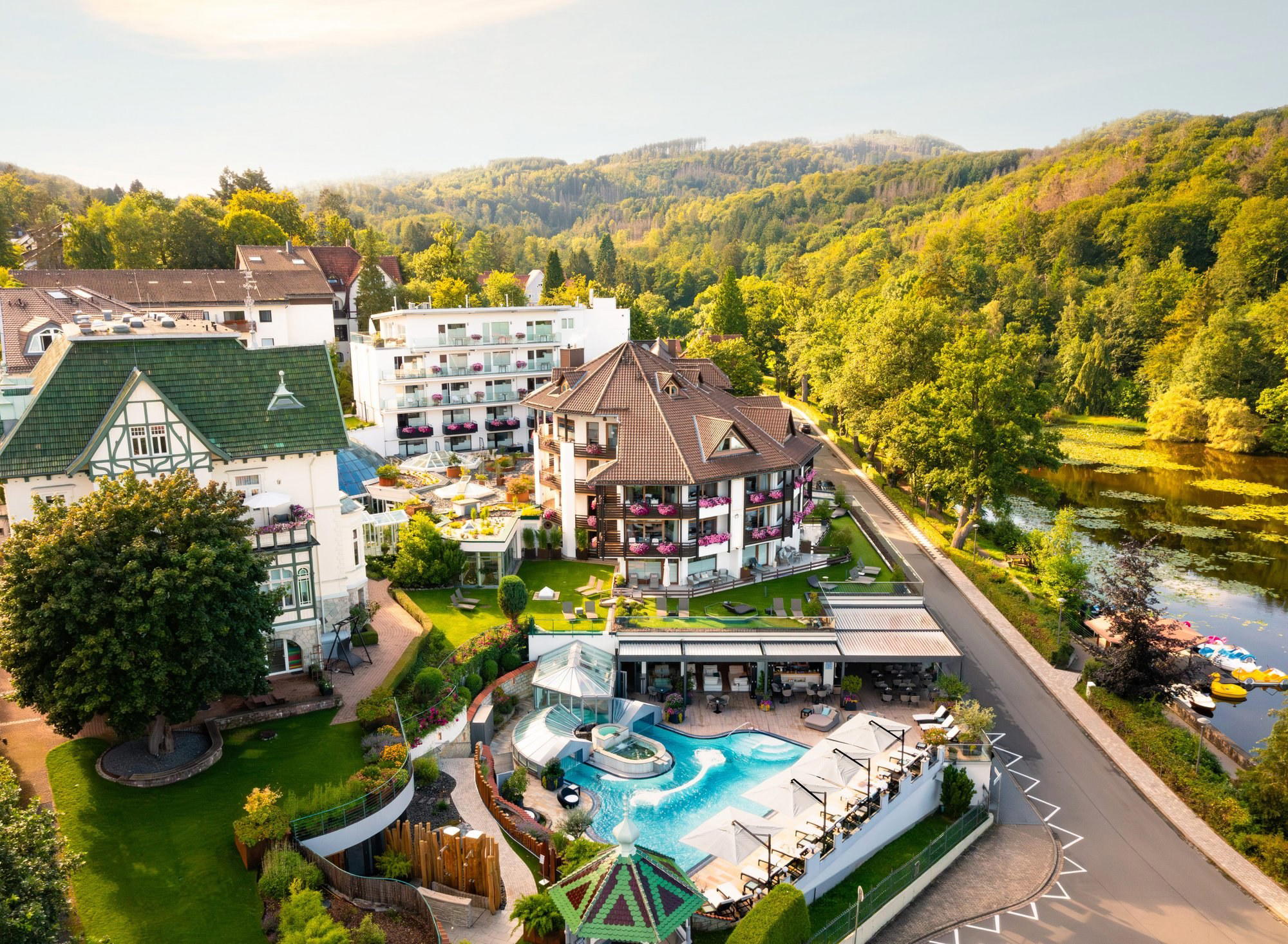
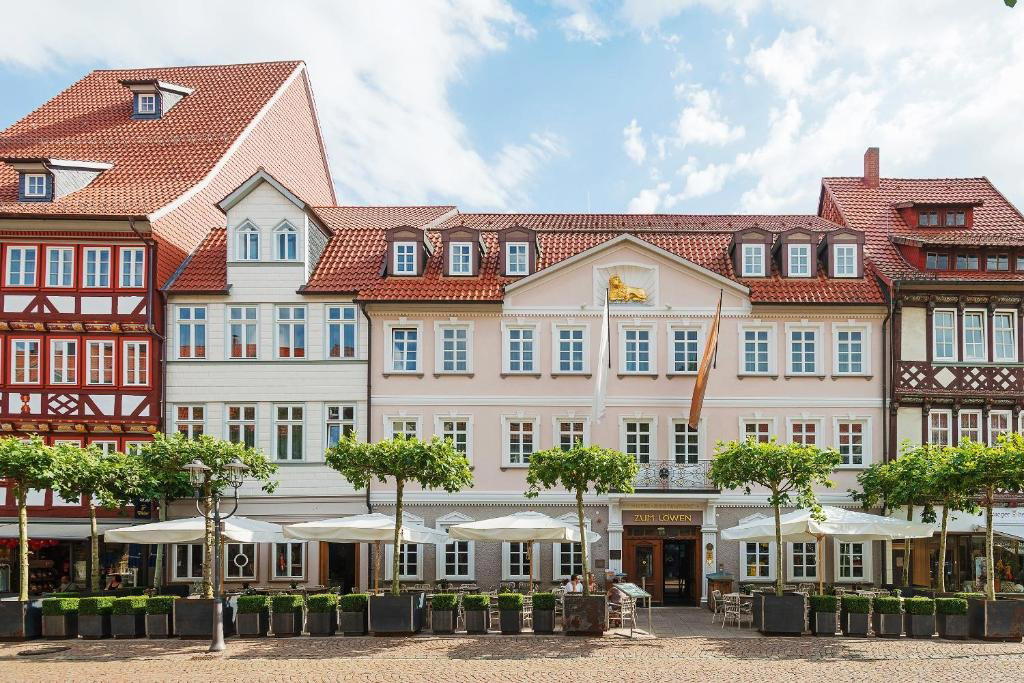
Bad Sachsa sits roughly equidistant from Göttingen and Nordhausen, accessible by car along the B243 and reachable by regional rail with a connection at Herzberg am Harz. The town functions partly as a health resort town, with visitor numbers peaking in summer and during winter walking season. For anyone routing through the southern Harz on a broader itinerary, the region attracts visitors to the Bode Gorge, the Hexentanzplatz near Thale, and the thermal facilities at Bad Lauterberg, an evening stop in Bad Sachsa is a workable detour.
ANNO'78 is at Bismarckstraße 23, within walking distance of the town centre. Given the absence of published hours or booking infrastructure in available records, approaching the venue directly on arrival or contacting them through local search channels before visiting is the practical approach. This is a characteristic of smaller independent bars in towns of this scale: they often operate without the digital booking layer that urban venues maintain, which is not a signal of informality so much as a reflection of how their audience, largely local and regular, actually uses them.
Visitors from larger German cities looking for a comparable metropolitan reference point might consider how bars like Mona Lisa Bar in Frankfurt, Bar Trattoria Celentano in Cologne, or Schuman's Bar in Munich have each developed distinct identities tied to their city's drinking culture. ANNO'78 is doing something analogous at a fraction of the scale: building an identity that corresponds to a place and a philosophy, not simply filling a category.
For the travelling reader with an interest in how bar culture propagates outside city centres, Café La Trova in Miami offers an instructive international comparison: a bar with a strong identity rooted in a specific cultural reference, operating in a distinct neighbourhood rather than a prestige address, and drawing an audience through the clarity of its point of view. The mechanism is different in every city, but the principle, specificity as a form of hospitality, travels.
Continue exploring
More in Bad Sachsa
Restaurants in Bad Sachsa
Browse all →
At a Glance
- Cozy
- Modern
- After Work
- Casual Hangout
- Date Night
- Group Outing
- Hotel Bar
- Standalone
- Seated Bar
- Lounge Seating
- Classic Cocktails
- Craft Cocktails
- Low Abv
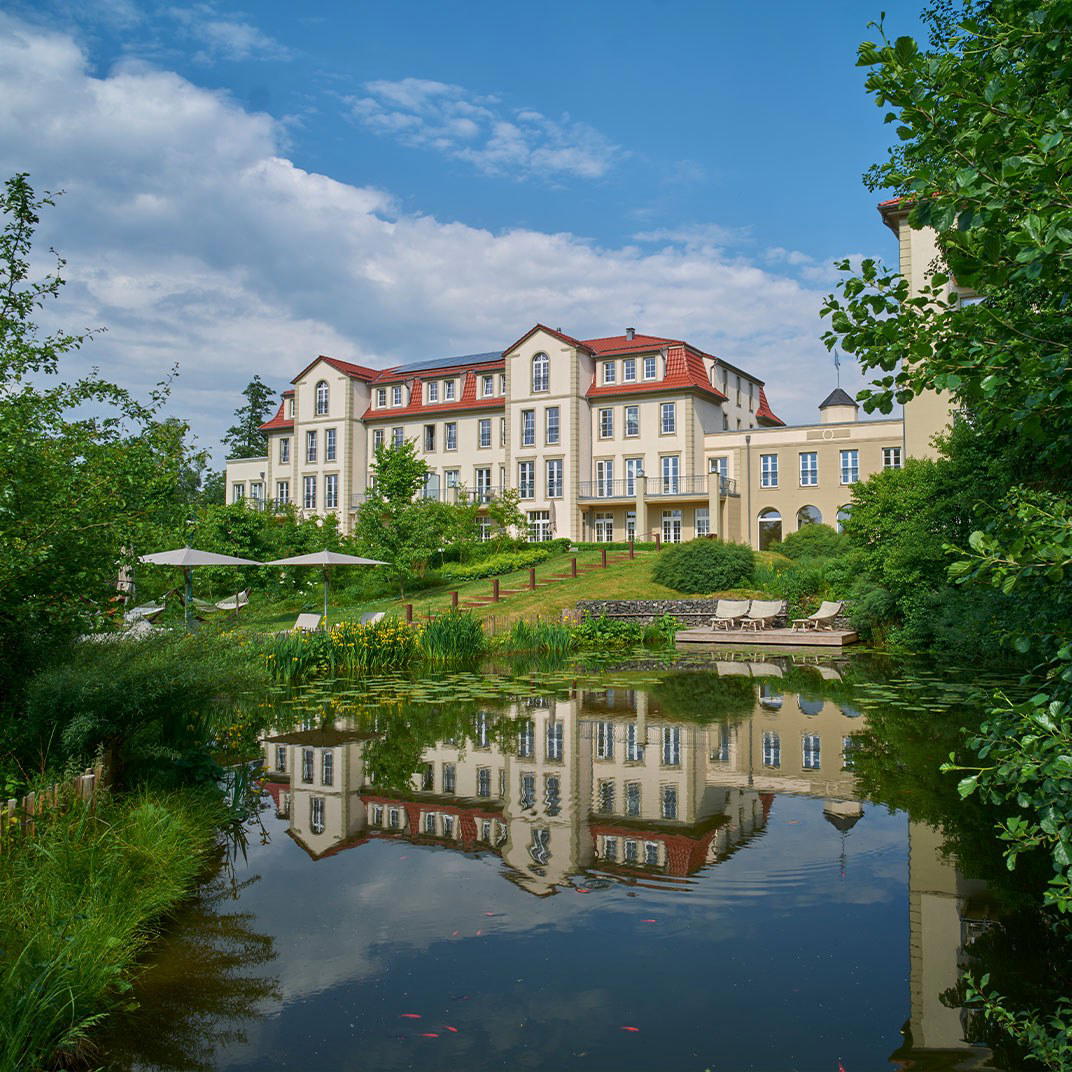
Modern hotel bar with a cozy, relaxed evening atmosphere.