Joseph's Fine Dining

1 Michelin Star
Our verdict
Set inside Hotel Romantischer Winkel on the edge of Lake Schmelzteich, Joseph's Fine Dining holds a Michelin Plate (2024) for creative cooking that draws on local and seasonal ingredients combined with international spices. Chef Joseph Abboud runs an open kitchen format where eight- and six-course set menus are paced across the evening, with floor-to-ceiling windows framing the water throughout.

Pearl is the En Primeur Club membership app, where members save venues, book tables and use the concierge.
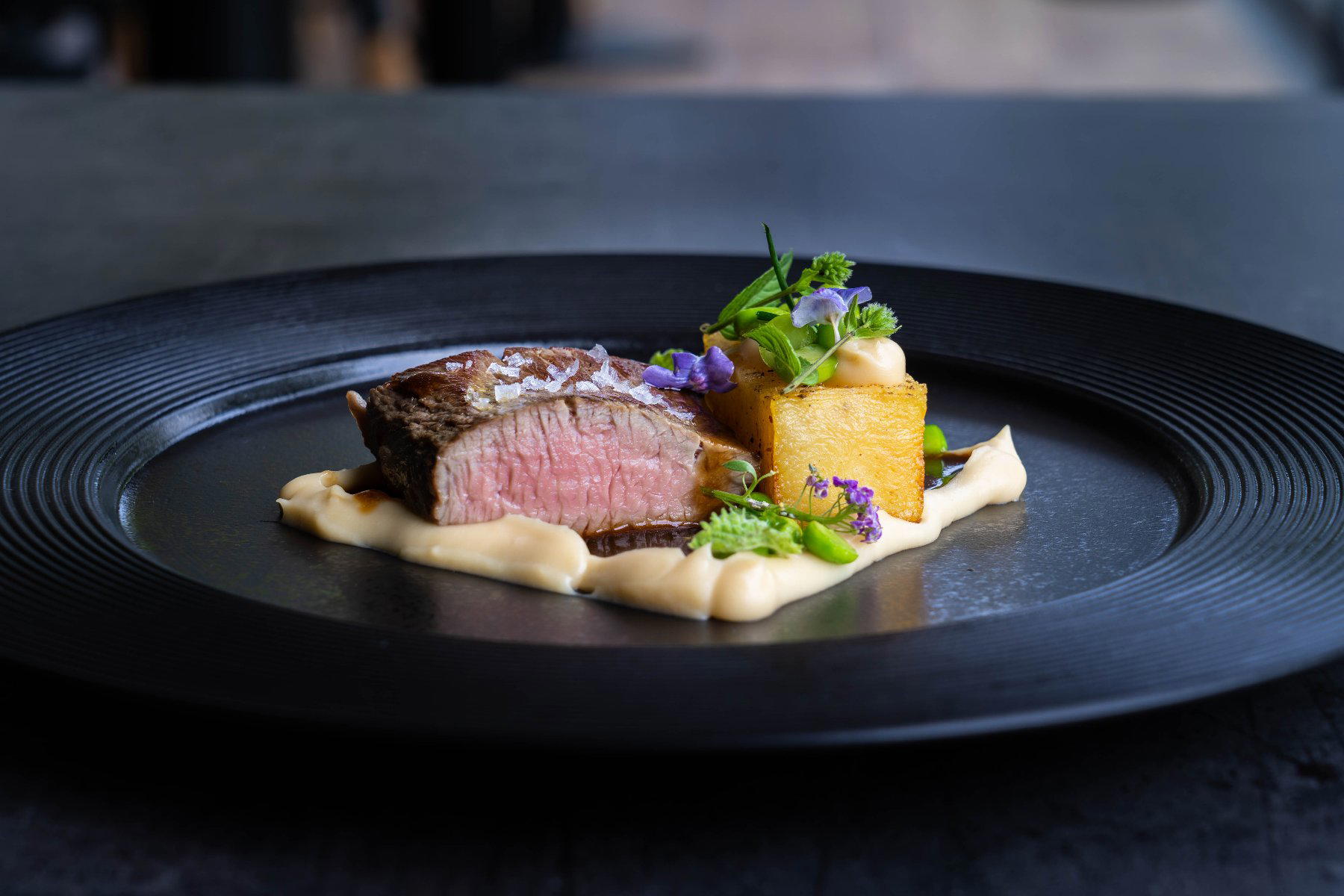
A Lake, an Open Kitchen, and a Menu Built Around the Seasons
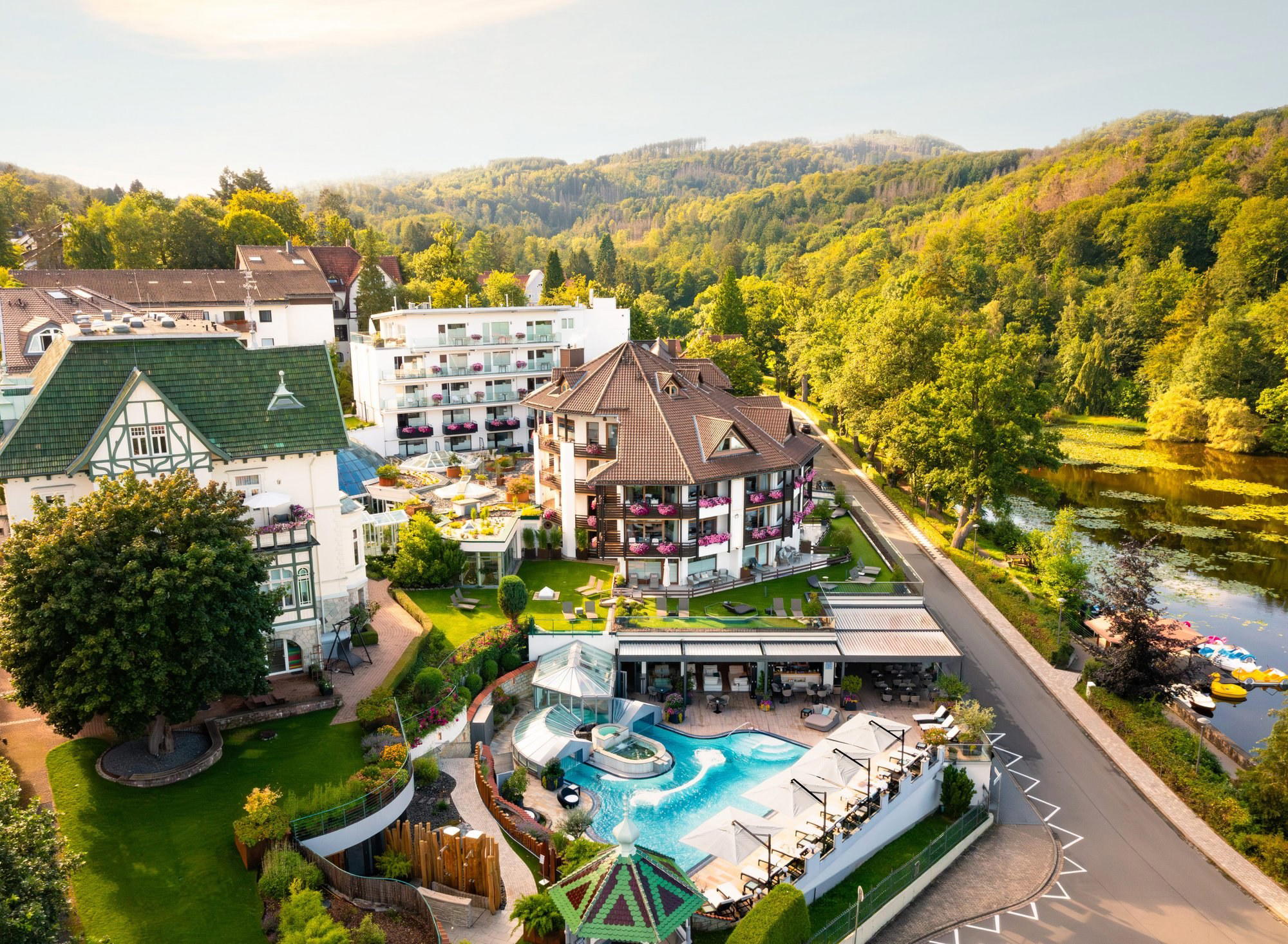
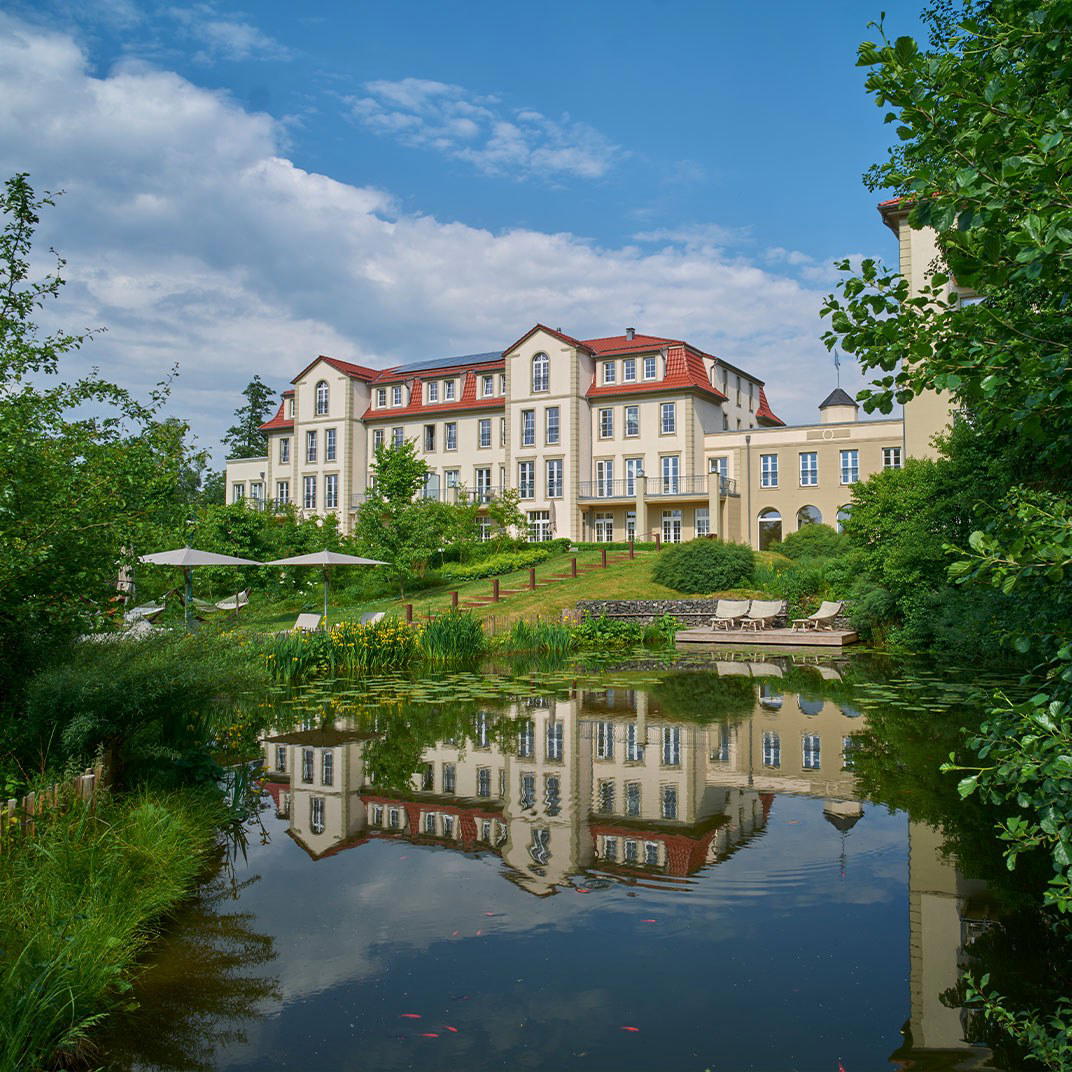
In the Harz region of Lower Saxony, Bad Sachsa sits at the edge of Germany's oldest low-mountain forest, a town known more for walking trails and spa retreats than destination dining. That context matters when reading Joseph's Fine Dining, the kitchen inside Hotel Romantischer Winkel on Bismarckstraße 23. The restaurant occupies a position that most European fine dining doesn't: a genuinely remote setting where the local environment isn't just backdrop but actual ingredient source, and where the dining room looks directly onto Lake Schmelzteich through floor-to-ceiling windows. For guests arriving from larger German cities, the quietness of the approach is part of the offering. For our full Bad Sachsa restaurants guide, this address sits in a category of its own.
What the Open Kitchen Changes
Germany's creative fine dining circuit has developed a particular format in recent years: the structured tasting menu in a formally separated dining room, where the kitchen exists behind a door and communication with the brigade is indirect at leading. Joseph's Fine Dining runs against that model. The kitchen is open, meaning diners can see preparation, hear the service rhythms, and smell the progression of courses before they arrive at the table. Chef Joseph Abboud and his sous-chef guide guests through the evening personally, course by course. The format sits closer to counter dining than to the classical grand restaurant style seen at addresses like Aqua in Wolfsburg or Schwarzwaldstube in Baiersbronn, where the kitchen and the table exist in entirely separate worlds.
Critically, each course is served to every table simultaneously. That synchronised service model demands tight kitchen discipline but it also gives the evening a shared, almost theatrical rhythm. When the whole room moves through the same course together, the dining experience becomes closer to a performance than a transaction. Coffee, served brewed at the table as a final ritual, extends that sense of controlled ceremony to the very end.
The Menu Structure: Großer and Kleiner Gourmetabend
The kitchen operates two set menu formats. Thursday through Saturday, the Großer Gourmetabend runs eight courses. On Wednesdays, a six-course Kleiner Gourmetabend takes its place. Both formats work from the same culinary logic: primarily local and seasonal produce from the Harz region, combined with international spices and aromatics to produce dishes that Abboud gives poetic names. That combination of regional sourcing and global spicing is a recognised approach in contemporary German creative cooking, a way of keeping the larder honest while avoiding the narrowness that can come from strict localism. Restaurants like JAN in Munich and ES:SENZ in Grassau work different versions of the same tension between regional rootedness and wider culinary vocabulary.
The poetic dish names are worth noting as a signal. Kitchens that title their courses with care tend to be kitchens that think about narrative, about how a menu builds across an evening rather than simply accumulating plates. Whether the naming is affectation or genuine expression of the cooking's intent is something only the table can determine, but it aligns with a broader trend in German creative dining toward menus designed as complete texts rather than lists of options.
Where Joseph's Sits in the German Creative Dining Tier
2024 Michelin Plate recognition places Joseph's Fine Dining inside the Guide's acknowledged scope without carrying a star. In the German context, that tier is significant. Michelin's German coverage is precise and the Plate designation means the kitchen is cooking at a standard the Guide considers worth noting. For comparison, restaurants in the €€€€ creative category that carry two or three stars, such as CODA Dessert Dining in Berlin, Vendôme in Bergisch Gladbach, or Victor's Fine Dining by Christian Bau in Perl, operate in major cities or well-established gastronomic circuits. Joseph's runs at the same price tier in a small spa town, which tells you something about the ambition of the project and something about the guest it is designed for.
Across Germany, hotel restaurants in spa and retreat destinations have historically struggled to hold culinary credibility, functioning as convenient rather than chosen dining. The minority that break that pattern tend to share a characteristic: a kitchen with its own identity, not simply an extension of the hotel's hospitality offer. At Joseph's, the open kitchen format and the structured evening programme suggest a restaurant with a defined culinary point of view, placed inside a hotel rather than defined by it. Other addresses in Germany's wine country and spa regions that operate this way include Waldhotel Sonnora in Dreis and Schanz in Piesport.
The Room and the Setting
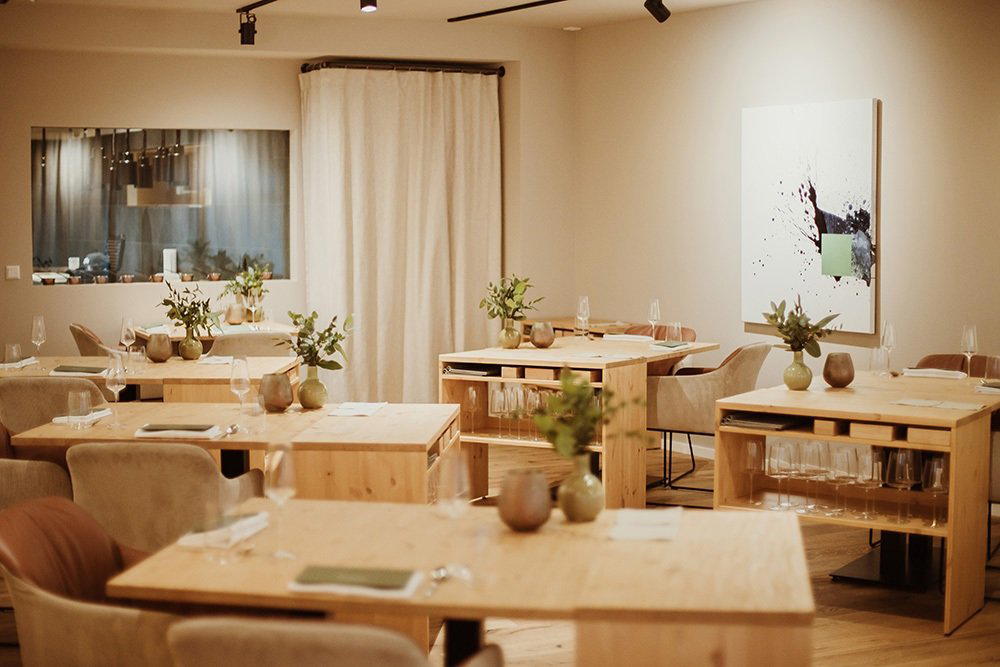
The interior is described as pleasingly modern, which in a hotel restaurant context signals that the design has been updated to sit alongside the food rather than contradict it. Floor-to-ceiling windows looking onto Lake Schmelzteich mean the setting does real work: the water and the Harz landscape contribute to the room's atmosphere in a way that has nothing to do with decor budget. For diners coming from cities where the view is another building's back wall, that perspective is a material part of the value. The hotel's broader offering, including its spa and the lake itself, makes this a credible destination for a longer stay. For accommodation context, see our full Bad Sachsa hotels guide.
Planning Your Visit
Joseph's Fine Dining operates on set evenings: the eight-course Großer Gourmetabend runs Thursday through Saturday, and the six-course version on Wednesdays. Operating days are limited, so booking in advance is advisable, particularly for Thursday-to-Saturday evenings when demand will be higher. The restaurant is located at Bismarckstraße 23, 37441 Bad Sachsa, inside Hotel Romantischer Winkel. Bad Sachsa is approximately 90 kilometres south of Hanover and accessible by road from the A7 motorway. The town is not well-served by direct rail, making a car the practical option for most visitors. Given the evening programme format and the hotel context, an overnight stay removes the question of the return drive entirely and allows the lake setting to extend beyond the meal itself. For further context on the area's dining, drinking, and leisure options, our Bad Sachsa bars guide, wineries guide, and experiences guide cover the broader picture. For creative cooking in comparable formats elsewhere in Germany, Restaurant Haerlin in Hamburg, Bagatelle in Trier, and internationally, Alléno Paris au Pavillon Ledoyen and Arpège in Paris offer useful reference points for the creative fine dining register.
Frequently asked questions
What kind of setting is Joseph's Fine Dining?
Joseph's Fine Dining is a hotel restaurant inside Hotel Romantischer Winkel in Bad Sachsa, a small spa town in the Harz region of Lower Saxony. At the €€€€ price tier with a 2024 Michelin Plate, it operates in the acknowledged fine dining register for the region. The room is modern, with floor-to-ceiling windows overlooking Lake Schmelzteich, and the open kitchen format creates an atmosphere closer to an intimate kitchen table than a formal grand restaurant. The synchronised multi-course format and direct engagement from the chef and sous-chef place it firmly in the experiential tasting menu category.
What do regulars order at Joseph's Fine Dining?
The kitchen doesn't operate à la carte, so there is no ordering in the traditional sense. Chef Joseph Abboud and his team set the menu entirely. On Wednesdays, the six-course Kleiner Gourmetabend is the format; Thursday through Saturday, the eight-course Großer Gourmetabend runs. Both draw on local and seasonal ingredients from the Harz region combined with international spices and aromatics, and every course is served to all tables simultaneously. Regulars choosing between visits tend to time them around the eight-course Saturday evening for the fuller expression of the kitchen's current direction, given the Michelin Plate recognition for creative cooking.
Is Joseph's Fine Dining okay with children?
At the €€€€ price range in a formal set-menu format lasting a full evening, with synchronised multi-course service and an open kitchen where silence and attention are part of the atmosphere, the environment is better suited to adults and older teenagers comfortable with a long, structured dining experience. Bad Sachsa itself, with its outdoor activities and spa infrastructure, offers alternatives well-suited to family visits. For a broader picture of what the town offers across different contexts, our Bad Sachsa experiences guide covers options beyond fine dining.
In Context: Similar Options
| Venue | Cuisine | Price | Awards | Notes |
|---|---|---|---|---|
| Joseph's Fine DiningThis venue (the venue you are viewing) | Modern International Fine Dining | $150–200 | 1 Michelin Star | Not listed |
| Schwarzwaldstube | Modern French Fine Dining | $150–200 | 3 Michelin Stars · World's 50 Best #47 | French, Classic French |
| Aqua | Contemporary German, Italian/Japanese, Creative | Not listed | Michelin 3 Star | Not listed |
| CODA Dessert Dining | Dessert-Inspired Fine Dining | $200–300 | 2 Michelin Stars · World's 50 Best #79 | Creative |
| Tantris | Modern French, French Contemporary | Not listed | Michelin 2 Star | Not listed |
| Vendôme | Modern German Haute Cuisine | $200–300 | 2 Michelin Stars · World's 50 Best #47 | Modern European, Creative |
Recognition history
Dated appearances from independent guides and award organizations, with the underlying list record or original source where available.
Michelin 1 Star
Michelin
Full recognition history (3 entries)
Michelin 1 Star
Michelin
Michelin Plate
Michelin
Continue exploring
More in Bad Sachsa
Restaurants in Bad Sachsa
All restaurants in Bad Sachsa →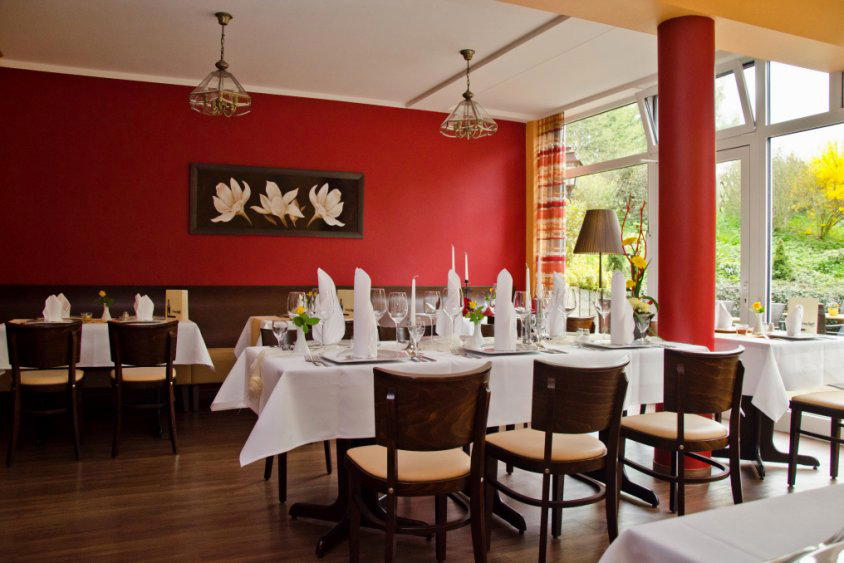
Bars in Bad Sachsa
All bars in Bad Sachsa →
Details
- Intimate
- Elegant
- Sophisticated
- Modern
- Date Night
- Special Occasion
- Celebration
- Open Kitchen
- Chefs Counter
- Waterfront
- Hotel Restaurant
- Extensive Wine List
- Sommelier Led
- Local Sourcing
- Waterfront
- Tasting Menu
- Set Menu
- Wine
Current opening hours
- Monday
- Closed
- Tuesday
- Closed
- Wednesday
- 6:30–11 p.m.
- Thursday
- 6:30–11 p.m.
- Friday
- 6:30–11 p.m.
- Saturday
- 6:30–11 p.m.
- Sunday
- Closed
Hours can change for holidays and private events. Hours as of .
Intimate and modern with an open kitchen that creates an engaging, theatrical dining experience; floor-to-ceiling windows overlook Lake Schmelzteich with soft, refined lighting.