Gaststuben Gothisches Haus
Gaststuben Gothisches Haus occupies a historically significant address on Wernigerode's Marktplatz, where the architecture itself sets the terms for the dining experience. The restaurant draws on the culinary traditions of the Harz region, connecting the table to the surrounding landscape's produce. For visitors to one of the Harz's most characterful medieval towns, it represents a grounded alternative to the more experimental kitchens found elsewhere in Germany.
Pearl is the En Primeur Club membership app — saves, bookings, and concierge access live there. Same editors, same standards.
- Address
- Marktpl. 2, 38855 Wernigerode, Germany
- Phone
- +493943675460
- Website
- travelcharme.com
- Directions
- Get directions
 Saves & bookings on Pearl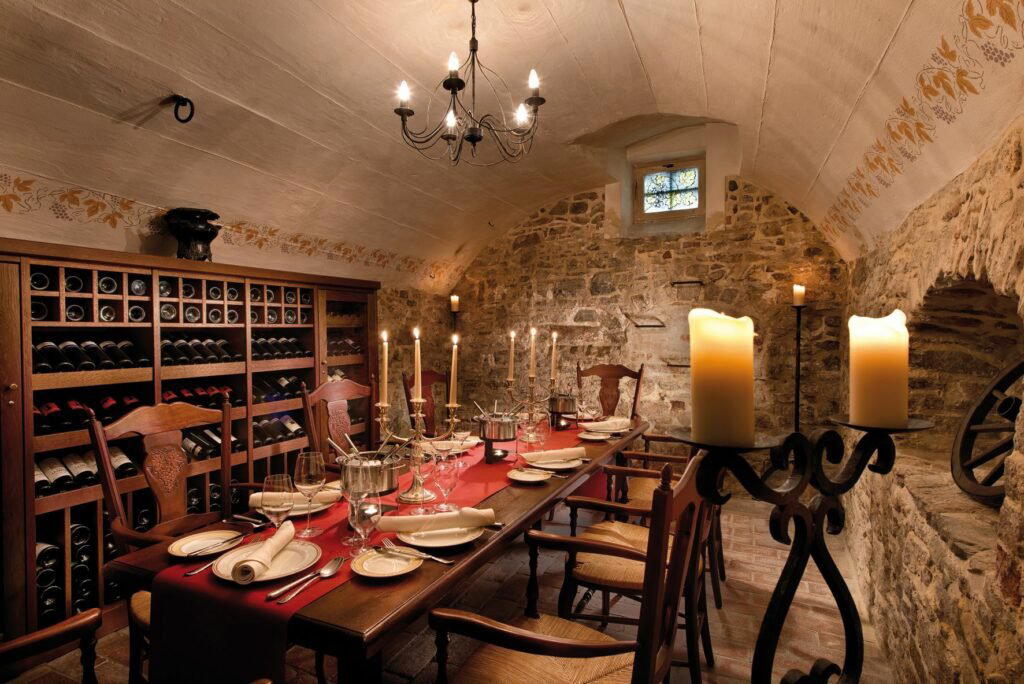
Dining Inside the Medieval Fabric of Wernigerode
Wernigerode's Marktplatz is one of the most architecturally intact medieval squares in northern Germany, and Marktpl. 2 sits at its centre. The Gothisches Haus — the Gothic House — takes its name from the building it occupies, a structure whose carved timber framework and pointed stone detailing have defined this corner of the square for centuries. Before a dish arrives, the room has already made an argument: that place and provenance matter, that the built environment shapes the appetite. Restaurants that occupy genuinely historic buildings often struggle to match the weight of their surroundings, but the setting here sets clear expectations about what kind of cooking belongs inside it. Regional, grounded, and connected to the Harz's specific character rather than gesturing toward an abstract European fine dining template.
The Harz as a Source Region
The Harz mountains form one of central Germany's more distinctive culinary territories. The region's forests, river valleys, and altitude shifts support a larder that differs meaningfully from the flatlands to the north or the Rhine corridor to the west. Wild game from managed Harz woodland, freshwater fish from rivers like the Bode and the Selke, and cool-climate produce from small farms in the surrounding valleys constitute the raw materials of traditional Harz cooking. This is not a cuisine built on luxury imports or on the cosmopolitan sourcing strategies of Germany's leading creative kitchens, the kind of approach you find at Aqua in Wolfsburg or Zeitwerk in Wernigerode, where the sourcing conversation moves well beyond regional boundaries. Harz cooking at its most coherent is instead about proximity: the argument that the distance between the forest and the plate carries its own kind of value.
That philosophy positions a restaurant like Gaststuben Gothisches Haus in a different conversation from Germany's Michelin-tracked creative tier, which includes addresses such as Schwarzwaldstube in Baiersbronn, Vendôme in Bergisch Gladbach, or GästeHaus Klaus Erfort in Saarbrücken. Those kitchens operate with international sourcing networks and technique-led frameworks. The Gothisches Haus belongs to a different category: the historically anchored regional Gaststube, where the measure of quality is fidelity to place rather than innovation for its own sake.
What Traditional Harz Cooking Looks Like on the Plate
German regional cooking in the Harz follows well-established patterns. Braised and roasted game feature prominently in autumn and winter menus, typically venison and wild boar from local shoots, prepared with dark sauces built on red wine, juniper, and root vegetables. Freshwater fish preparations lean toward direct pan work rather than elaborate technique. Dumplings, root vegetable preparations, and preserved or pickled elements appear as accompaniments, reflecting the preservation traditions of a mountain region with pronounced seasonal swings. Bread-based dishes and smoked products carry a distinct character that differs from the smoked goods of Bavaria or the far north.
This is cooking that sits at the opposite end of the spectrum from the dessert-focused technical precision of CODA Dessert Dining in Berlin or the Franco-Japanese refinement of JAN in Munich. It is also, for certain visitors, exactly what is needed: a meal that reads as a direct expression of where you are rather than where the chef has trained.
The Gaststube Format in German Dining Culture
The Gaststube occupies a specific and sometimes underappreciated position in German hospitality. It is neither a casual pub nor a formal restaurant in the French-influenced sense that dominates fine dining discourse. The format implies a certain level of domestic seriousness: a kitchen that takes its regional obligations seriously, a room where the décor is earned rather than designed, and a service approach rooted in reliability over theatre. In a country where the restaurant tier between casual and fully formal is occupied by a wide range of regional institutions, the Gaststube at its finest functions as the honest middle ground.
Wernigerode draws significant visitor numbers year-round, anchored by the Wernigerode Castle above the town and by the narrow-gauge Harz railway network. The Marktplatz location of the Gothisches Haus places it in direct contact with that visitor flow, which shapes both the pace and the scope of what the kitchen must deliver. For context on Wernigerode's wider dining options, the EP Club Wernigerode restaurants guide maps the full range from casual to the more ambitious contemporary cooking at Pietsch.
How It Sits Among Germany's Broader Restaurant Scene
Germany's restaurant scene in recent years has become more internationally visible, with a cluster of three-Michelin-star addresses, Victor's Fine Dining by Christian Bau in Perl, Waldhotel Sonnora in Dreis, Schanz in Piesport, Restaurant Haerlin in Hamburg, Bagatelle in Trier, L.A. Jordan in Deidesheim, and ES:SENZ in Grassau, drawing international attention. That tier operates with a set of assumptions about sourcing, technique, and service that is largely decoupled from regional specificity. The Gothisches Haus operates below that tier and in a different register entirely, one that is arguably more representative of how most Germans actually eat when they eat well: in rooms with historical character, from kitchens that respect regional convention, without a tasting menu in sight.
This is not a frame that diminishes the restaurant. It is a frame that clarifies what it is for. International visitors accustomed to the ambition of Le Bernardin in New York City or the communal theatre of Lazy Bear in San Francisco will find the Gothisches Haus operating on entirely different terms, and that difference is the point.
Planning a Visit
The restaurant is located at Marktplatz 2 in Wernigerode, directly on the central square. Wernigerode is served by rail from Halberstadt and Magdeburg, and the Marktplatz is walkable from the main station in under fifteen minutes. The Harz tourist season peaks in summer and again around Christmas markets in late November and December, which affects both visitor numbers in the town and the pace of service at market-square restaurants. For midweek visits outside the main summer and winter holiday periods, the room is likely to operate at a more measured pace. Specific booking policies, current hours, and pricing are not confirmed in available records and should be verified directly before a visit.
How Gaststuben Gothisches Haus Wernigerode: Booking Verdict compares with similar nearby venues.
| Venue | Cuisine | Price |
|---|---|---|
| Pietsch | Creative | €€€€ |
| Weinstube am Brühl | International | €€€ |
| KIKU Restaurant by Jan Fribus | Modern Cuisine | €€€ |
| Silberstreif | Regional Cuisine | €€€€ |
Continue exploring
More in Wernigerode
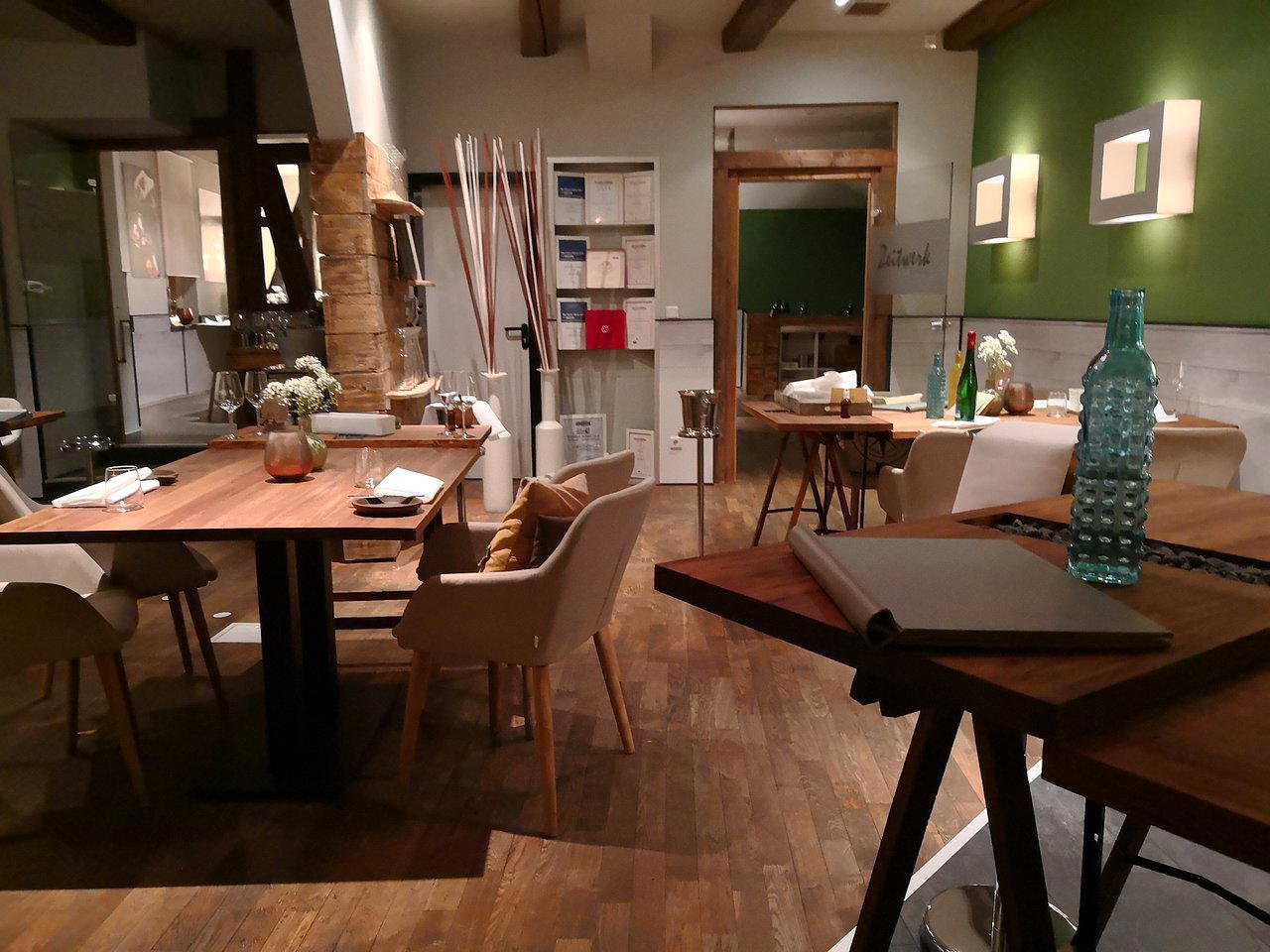
Restaurants in Wernigerode
Browse all →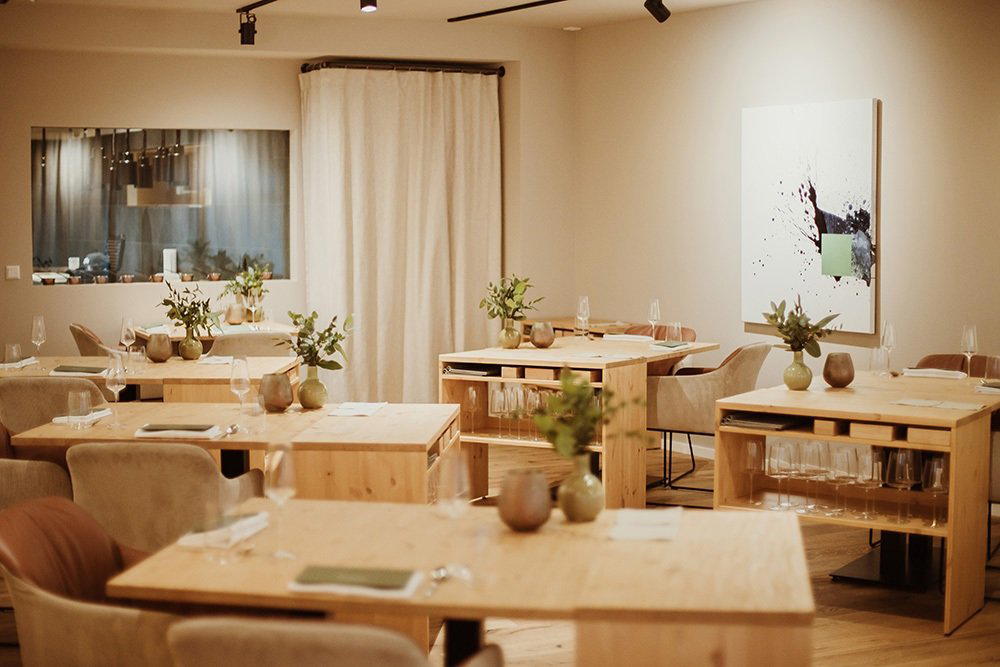
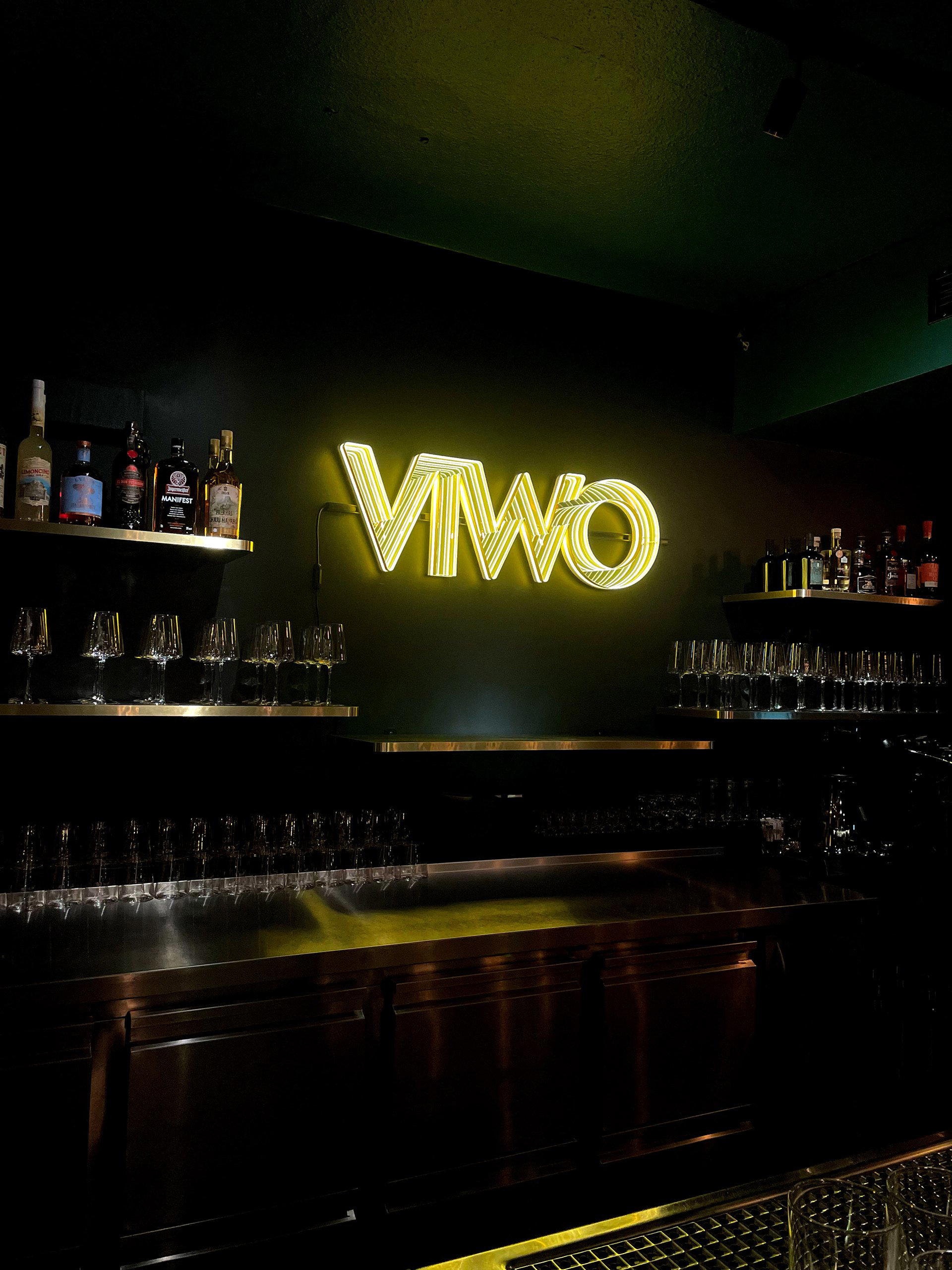
Bars in Wernigerode
Browse all →
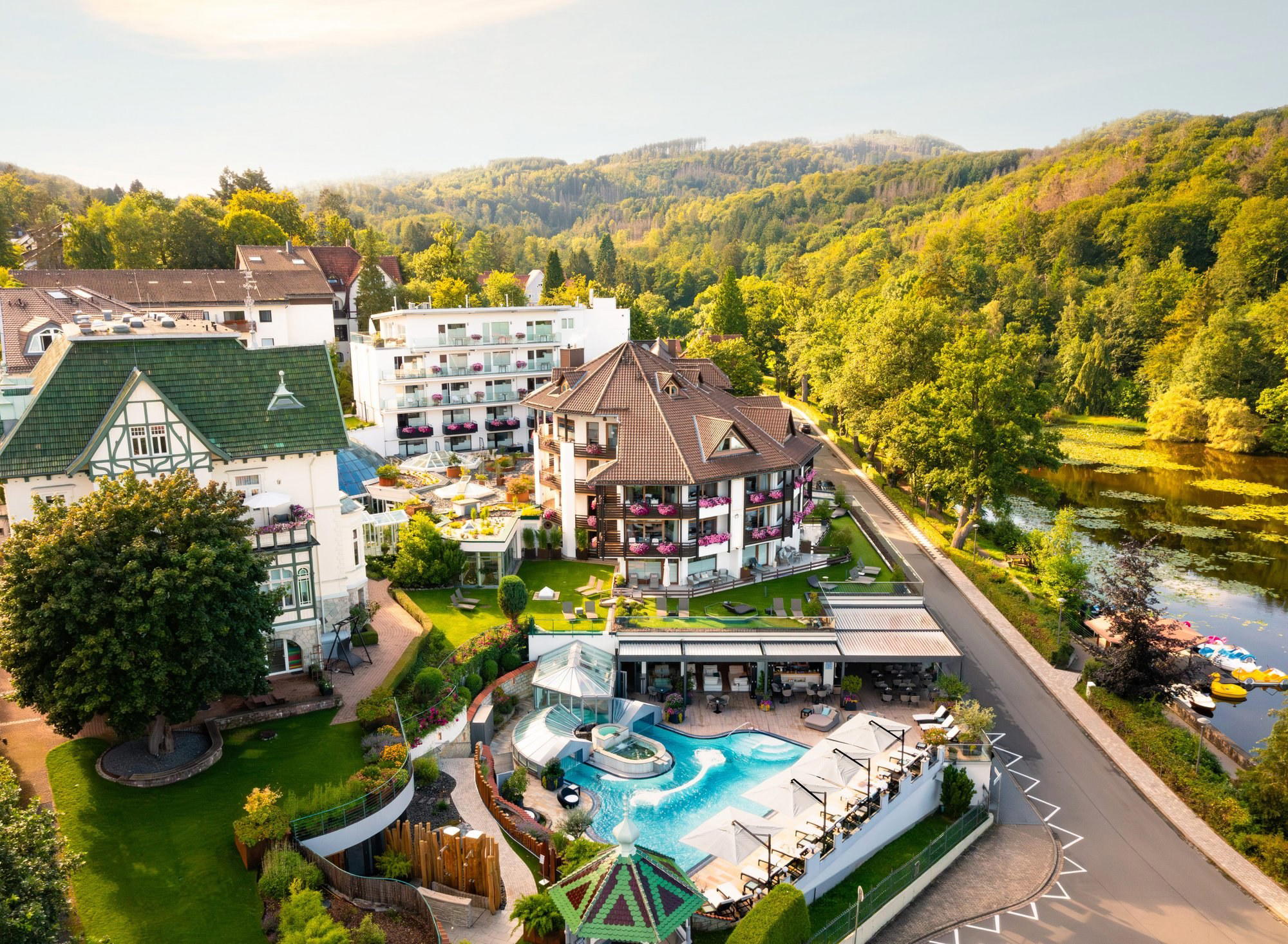
Hotels in Wernigerode
Browse all →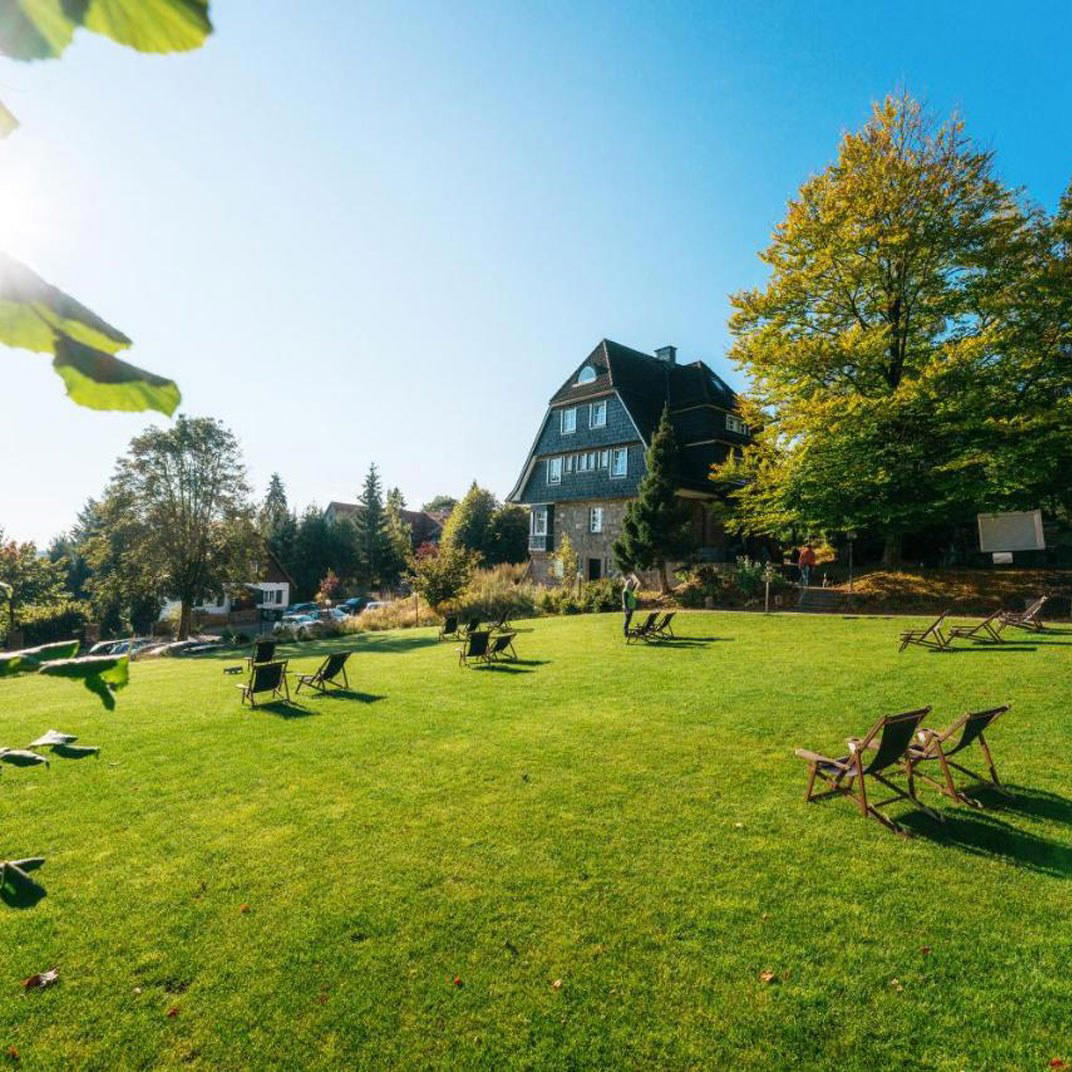
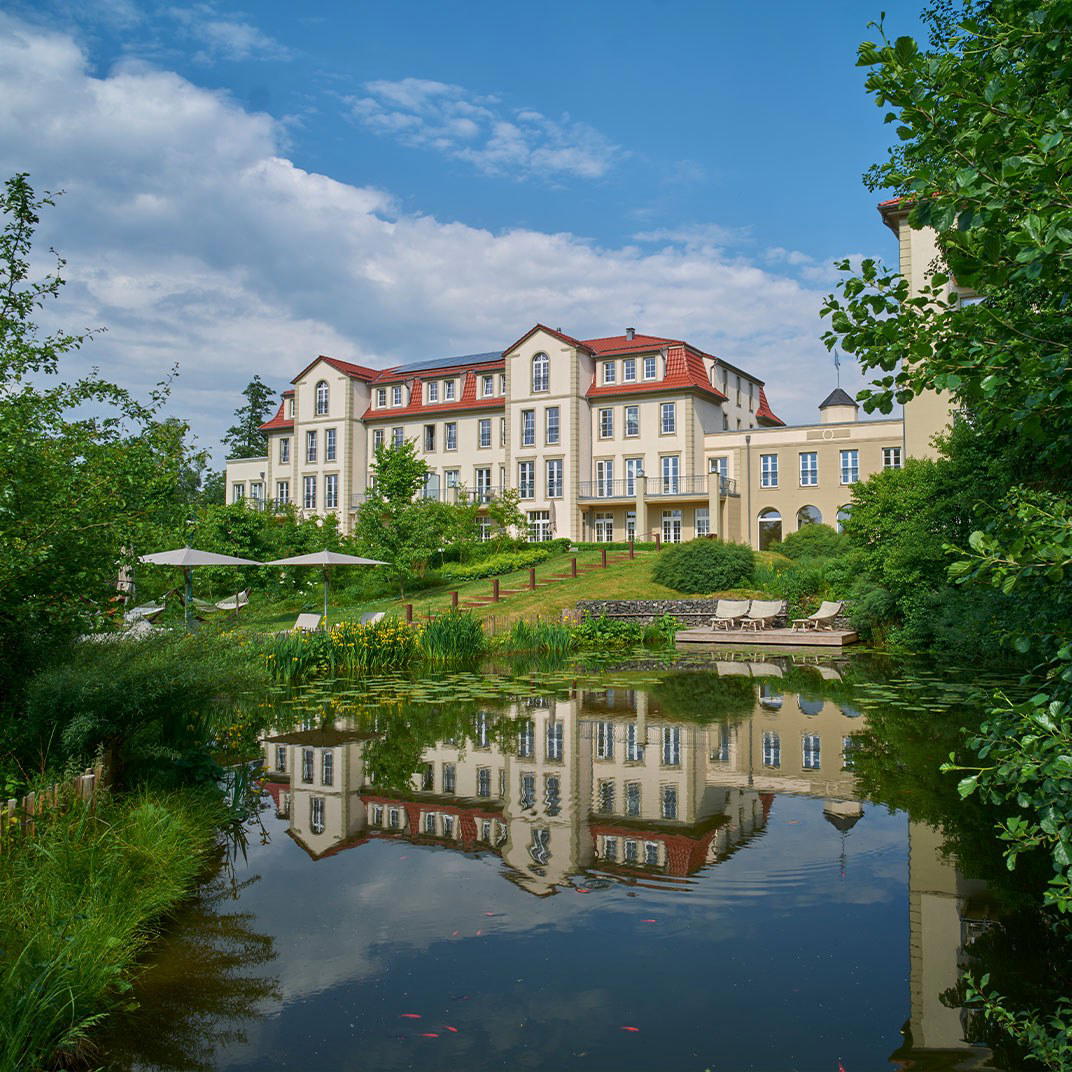
Wineries in Wernigerode
Browse all →
At a Glance
- Classic
- Cozy
- Elegant
- Rustic
- Historic
- Intimate
- Special Occasion
- Date Night
- Historic Building
- Craft Cocktails
- Local Sourcing
- Street Scene
Current opening hours
- Monday
- 6:30 AM–9 PM
- Tuesday
- 6:30 AM–9 PM
- Wednesday
- 6:30 AM–9 PM
- Thursday
- 6:30 AM–9 PM
- Friday
- 6:30 AM–9 PM
- Saturday
- 6:30 AM–9 PM
- Sunday
- 6:30 AM–9 PM
Hours can change for holidays and private events. Last verified .
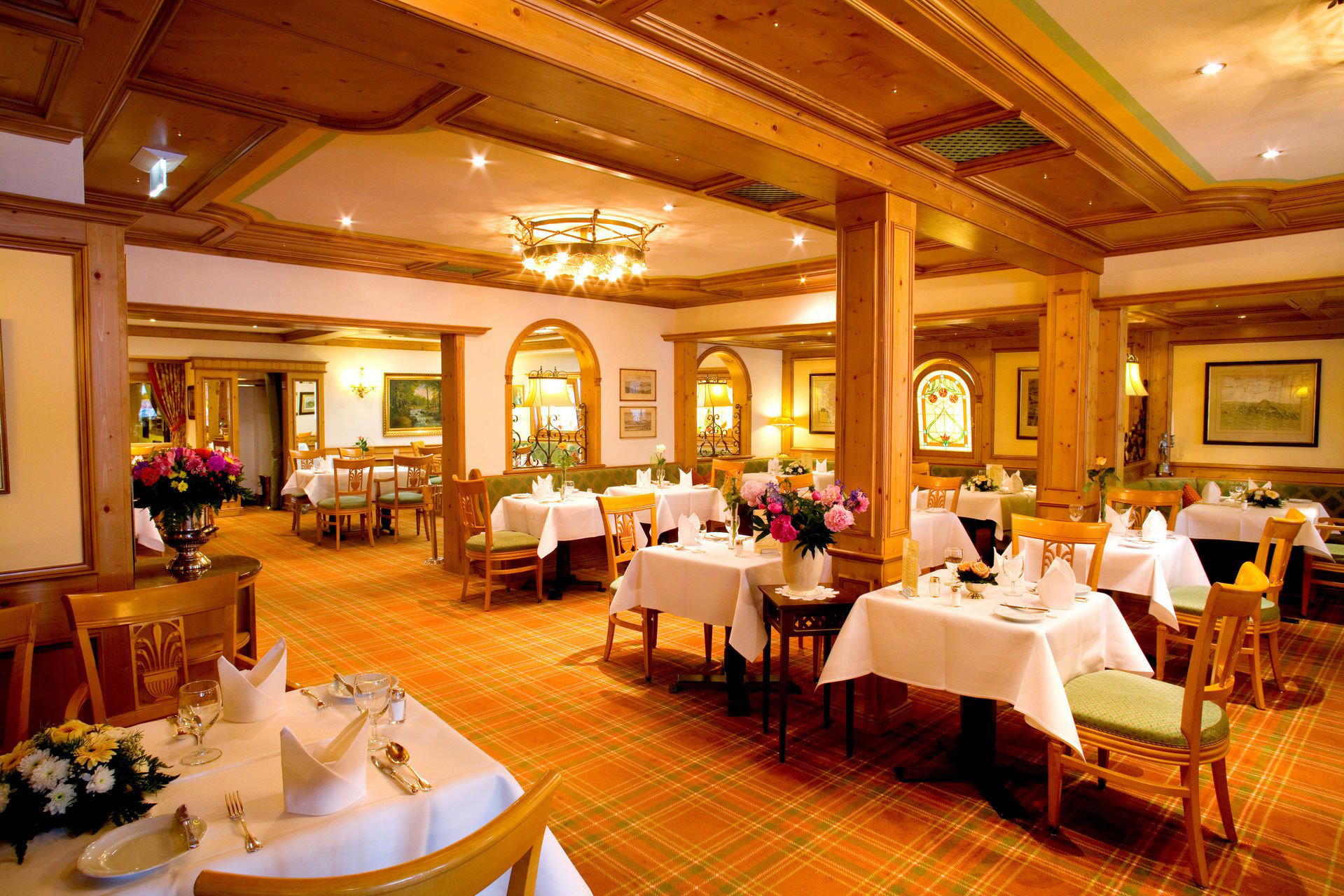
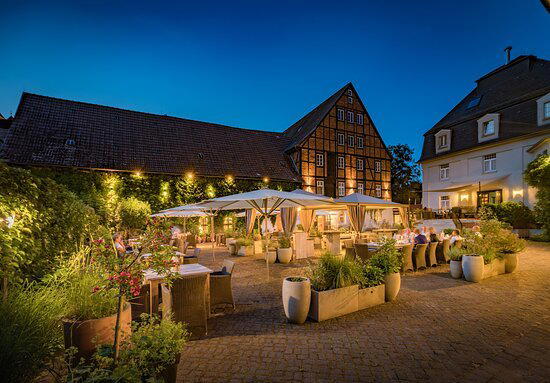
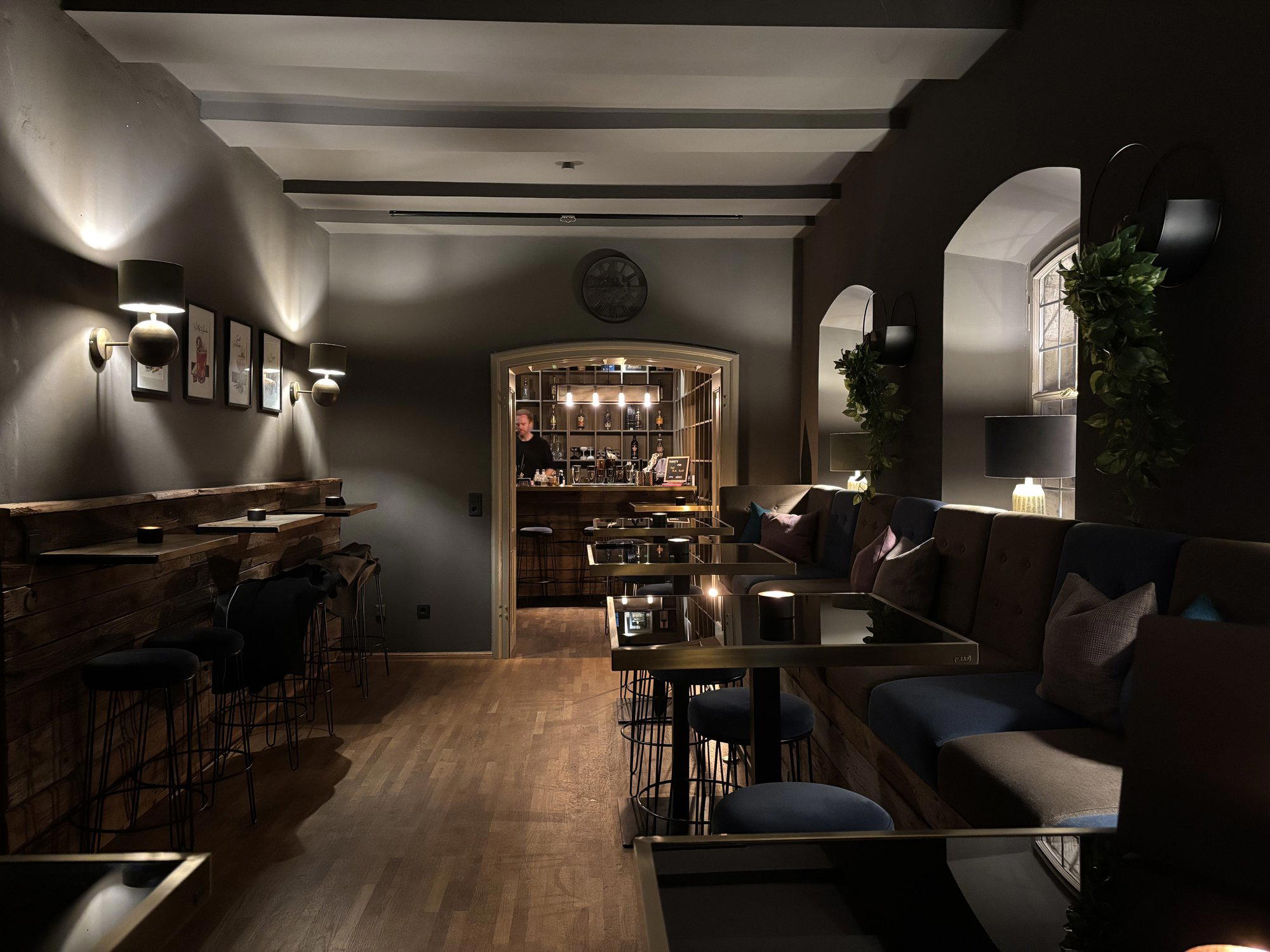
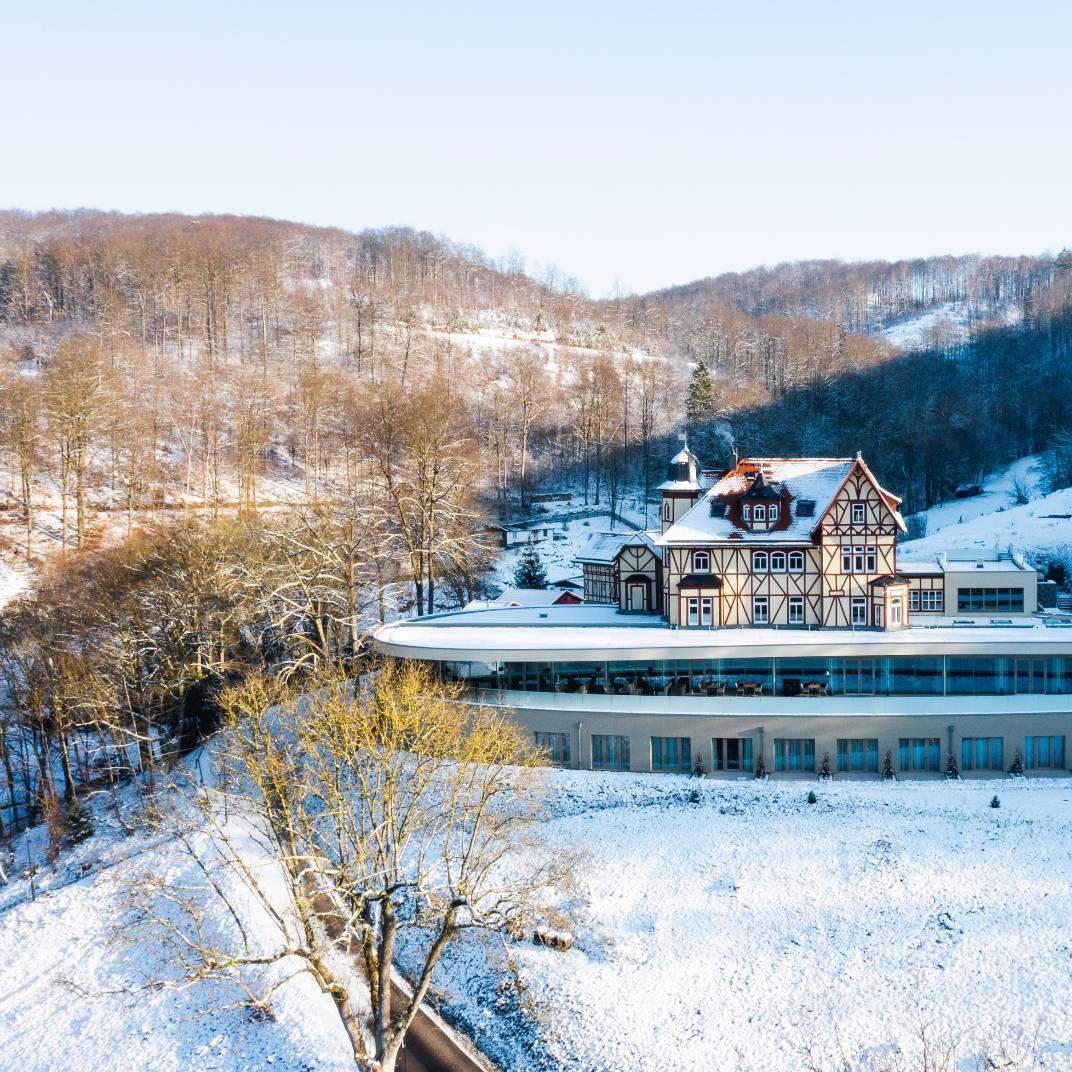
Warm ambiance in historic Fachwerk rooms like Hexen-, Ritter-, and Bohlenstube with candlelight, evoking elegant regional charm.