
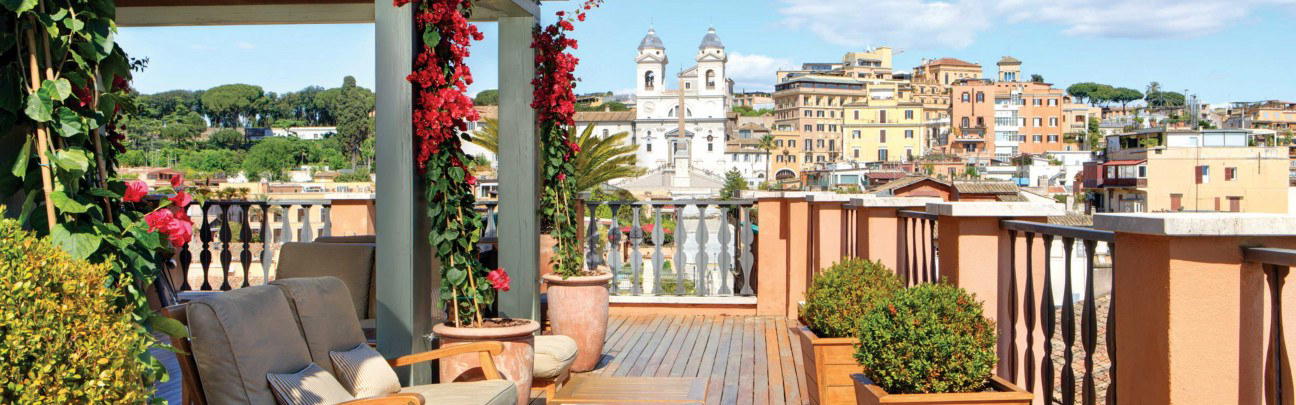
Five private suites within a centuries-old Via del Babuino palazzo, Rocco Forte House at Piazza di Spagna offers a residential format that sits above conventional luxury hotel stays. Access to Rocco Forte's Hotel de la Ville and Hotel de Russie, including Fulvio Pierangelini's restaurants and their spas, extends the footprint without sacrificing the intimacy of a dedicated house manager and a roof terrace overlooking the Spanish Steps.
Pearl is the En Primeur Club membership app — saves, bookings, and concierge access live there. Same editors, same standards.
- Address
- 114 Via del Babuino, Piazza di Spagna
- Directions
- Get directions
 Saves & bookings on Pearl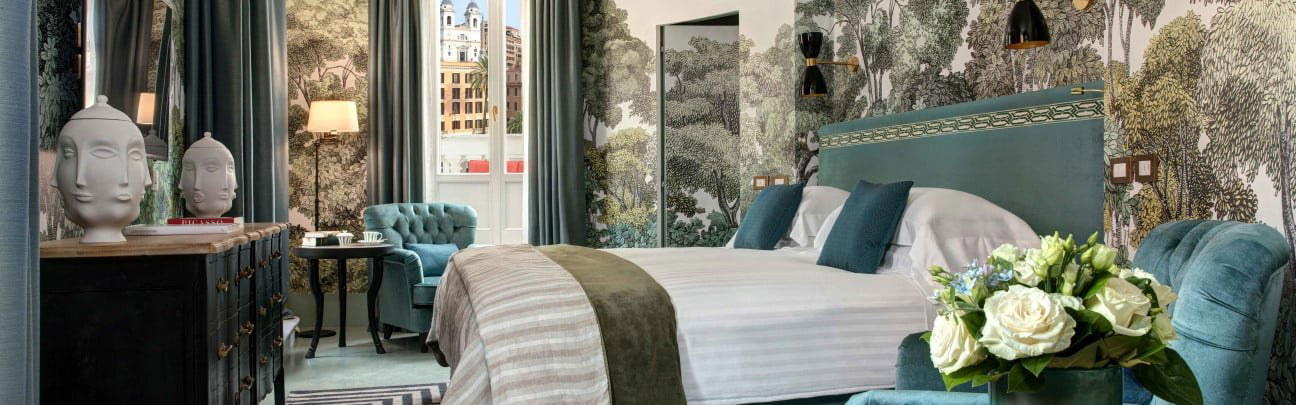
A Palazzo Address in the Heart of the Tridente
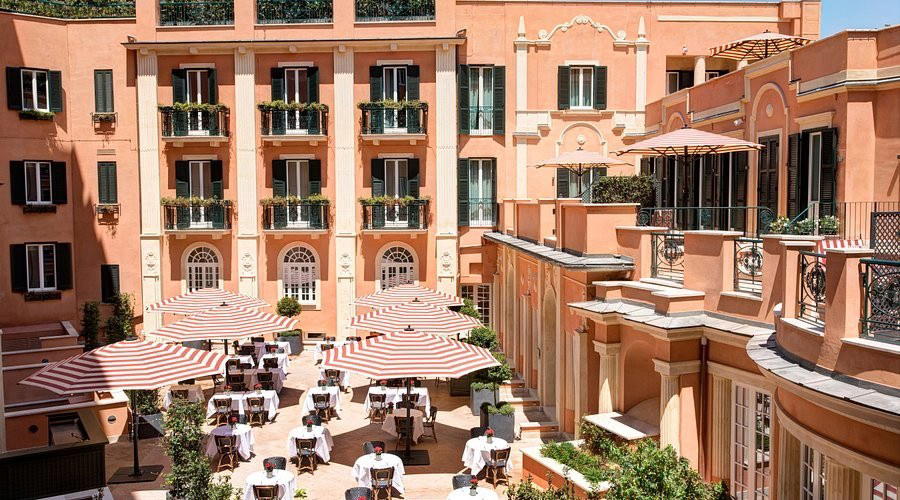
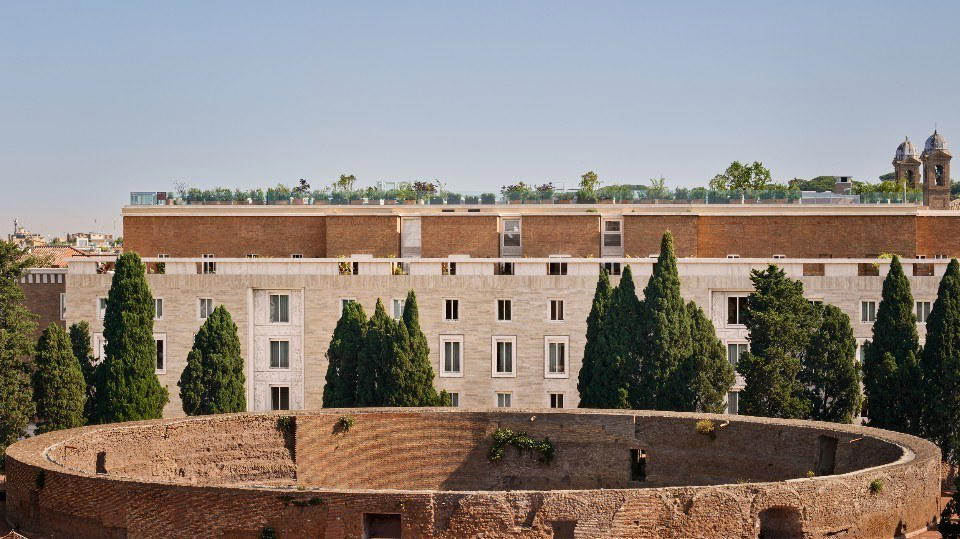
Via del Babuino runs between the Spanish Steps and Piazza del Popolo through what Romans call the Tridente, the three-pronged street plan that has ordered this quarter of the city since the sixteenth century. The street's role as a corridor for galleries, antique dealers, and high-end boutiques means that arriving at number 114 feels like stepping into the architectural fabric of the neighbourhood rather than departing from it. The building is an 18th-century palazzo, and the weight of that typology, high ceilings, substantial masonry, proportions that favour grandeur over efficiency, shapes everything that follows inside.
Rome has produced a particular subspecies of luxury accommodation over the past decade: properties that operate on residential logic rather than hotel logic. The format places a handful of suites inside a period building, assigns a dedicated house manager rather than a rotating front-desk team, and constructs the stay around continuity and familiarity. Rocco Forte House at Piazza di Spagna belongs to this category. It is a five-suite hotel in Rome’s Piazza di Spagna area, with. Five palatial private suites occupy the palazzo, and the proposition is explicit: the intimacy of a private home, underwritten by the standards of a Rocco Forte hotel. For comparison, Portrait Roma on Via Bocca di Leone works a similar residential premise a short walk away, while Hotel Vilòn pursues a comparable low-key, palazzo-within-a-courtyard approach nearby.
Design, Interiors, and the Ziffer Touch
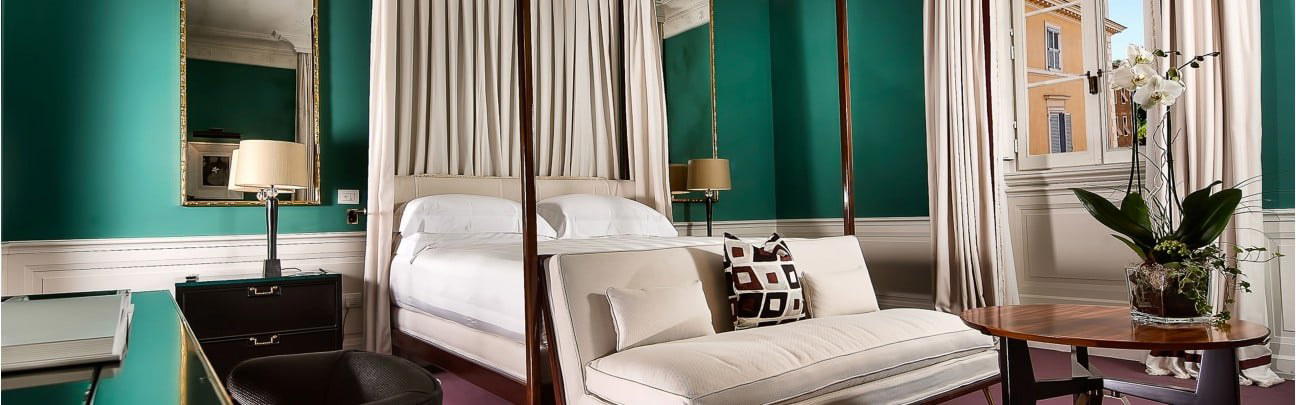
Interior design at Rocco Forte properties has been the consistent work of Olga Polizzi, but here the commission went to Tommaso Ziffer, whose approach tends toward theatrical classicism: layered textiles, period furniture used without irony, and a colour palette that reads as Roman rather than international-hotel neutral. The result is a set of suites that lean into the palazzo's architectural character rather than softening it for contemporary tastes. This is a considered position in a city where many luxury properties default to a safe, beige-inflected modernism that could occupy any capital.
Above the suites, a roof terrace surveys the Spanish Steps and the rooftops of the Tridente. Roof access in this part of Rome carries genuine scarcity value: the density of the historic centre means that refined outdoor space at this level is structurally rare, not merely a design amenity. The terrace's position relative to the Steps gives it a civic quality that balances the domestic scale of the suites below.
Accessing the Rocco Forte Network
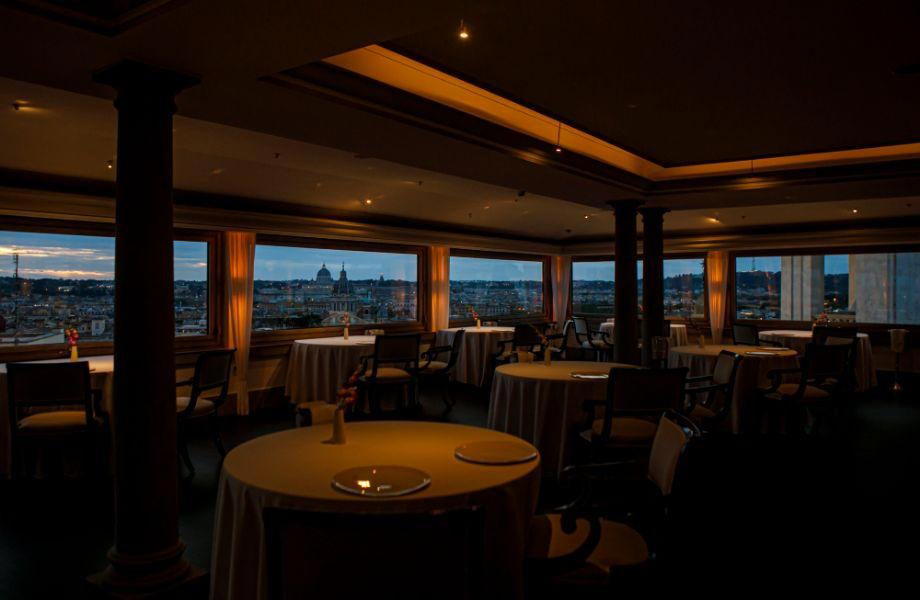
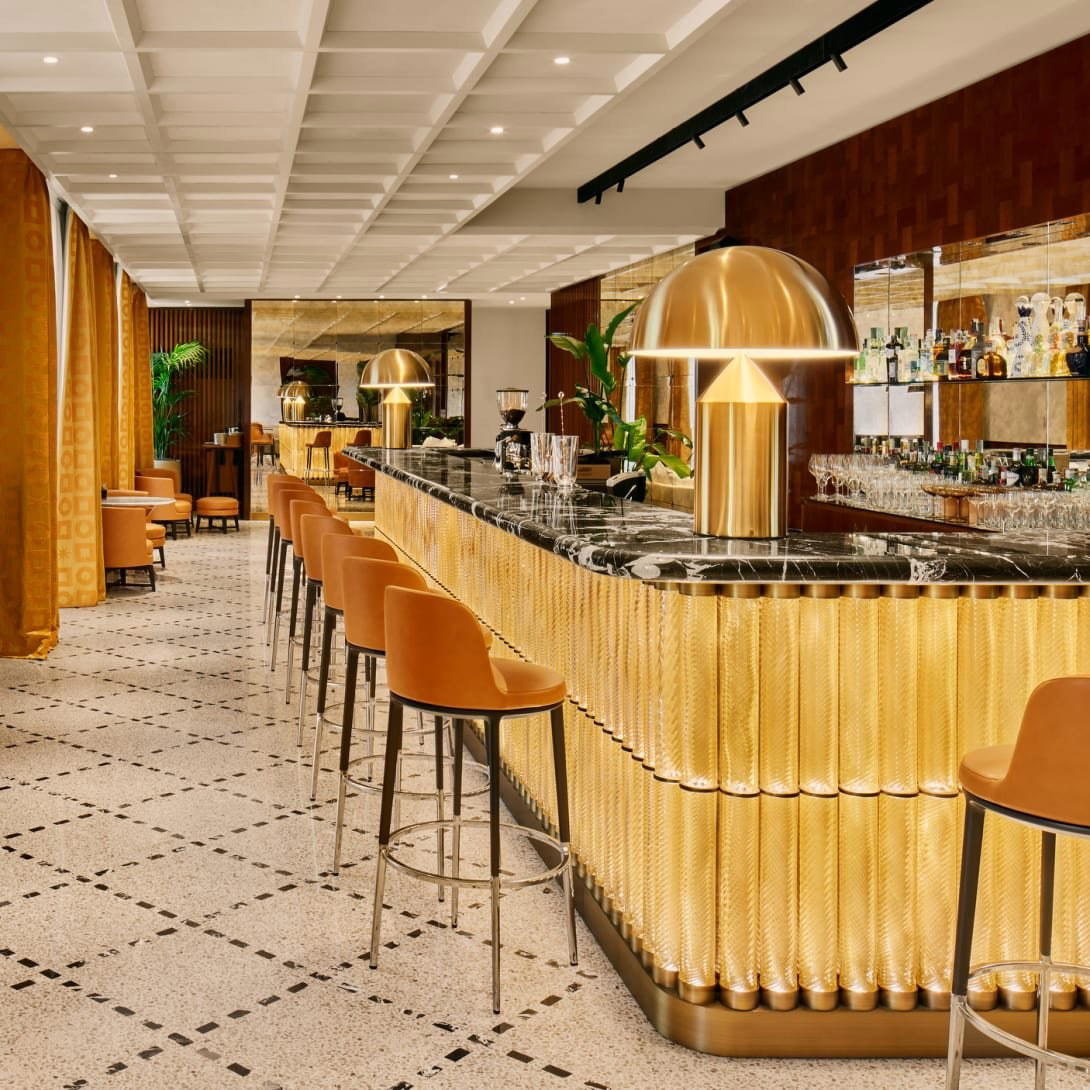
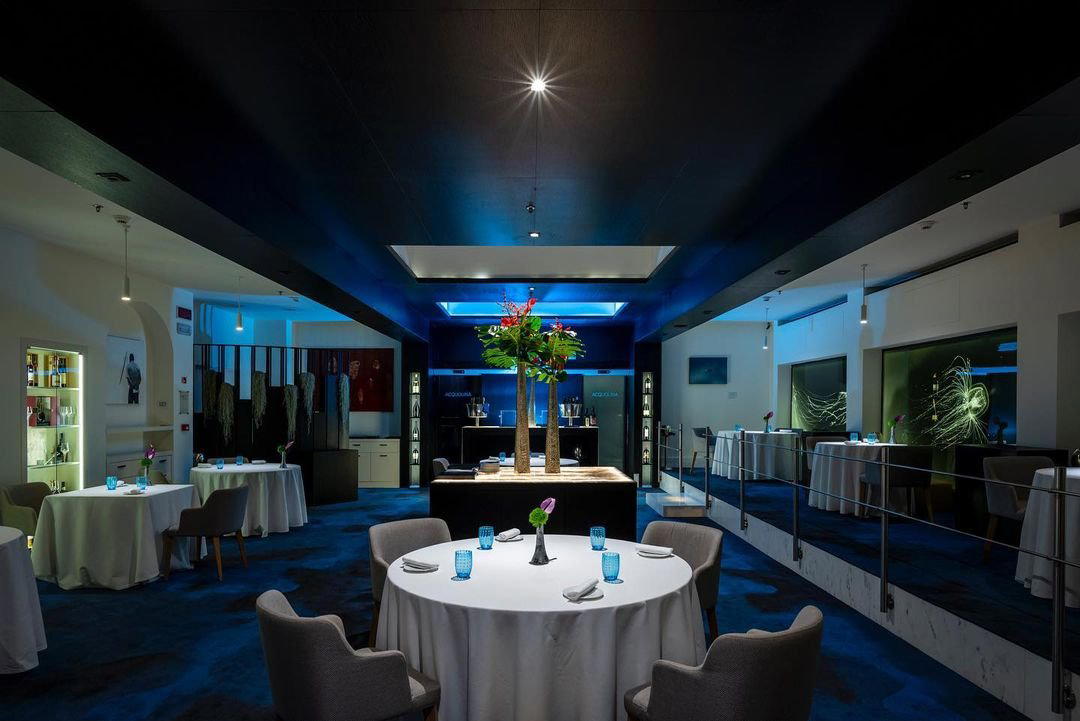
The house model would be operationally thin if it stopped at five suites and a roof terrace. What extends its range is unbridled access to two of Rome's major Rocco Forte hotels: Bulgari Hotel Roma occupies a different tier in the city's luxury hotel market, but within the Rocco Forte network, Hotel de la Ville on the Via Sistina and Hotel de Russie near Piazza del Popolo both bring significant resources to bear. Spa access across both properties substantially expands the wellness provision available to house guests. More significantly for the dining question, both hotels carry the restaurants of Fulvio Pierangelini, whose cooking has been a reference point in Italian fine dining for decades. The arrangement means that house guests eat at those tables without having to compete with the general reservations market, a meaningful operational advantage during Rome's high seasons.
The Rocco Forte House model participates in that tradition while keeping its own format deliberately compressed.
Responsible Luxury in a Historic Building
Operating within an 18th-century palazzo imposes its own form of material discipline. Adaptive reuse of historic Roman fabric, rather than new construction, carries an embedded sustainability argument: the embodied energy of an existing building, preserved and occupied rather than demolished or left dormant, is a different environmental calculation from a purpose-built hotel.
The small scale of five suites also shapes the resource footprint in ways that large-format hotels cannot replicate structurally. A single house manager, consistent occupancy at low capacity, and an operational model that outsources large facilities (pools, spas, restaurant kitchens) to sister properties rather than duplicating them internally all point in the same direction. Across the wider Rocco Forte portfolio, properties like Il Pellicano in Porto Ercole have built a reputation for understated, place-rooted hospitality that resists the homogenising pressure of large-group standards. The house model at Piazza di Spagna carries that ethos into an urban format.
Where It Sits in Rome's Luxury Hotel Market
Rome's luxury accommodation market has stratified significantly. At one end, the grand hotel tradition, Hassler Roma above the Spanish Steps, Hotel Eden on the Via Ludovisi, operates on scale, history, and a public profile that has accumulated over more than a century. At the other, a newer cohort of smaller properties prioritises residential discretion over institutional grandeur. JK Place Roma and Maalot Roma sit within this second group, as does Hotel Locarno in a different register entirely. Rocco Forte House occupies a position that cuts across both categories: it has the brand infrastructure and dining access of a major hotel group, but the physical format and guest-to-staff ratio of a private villa.
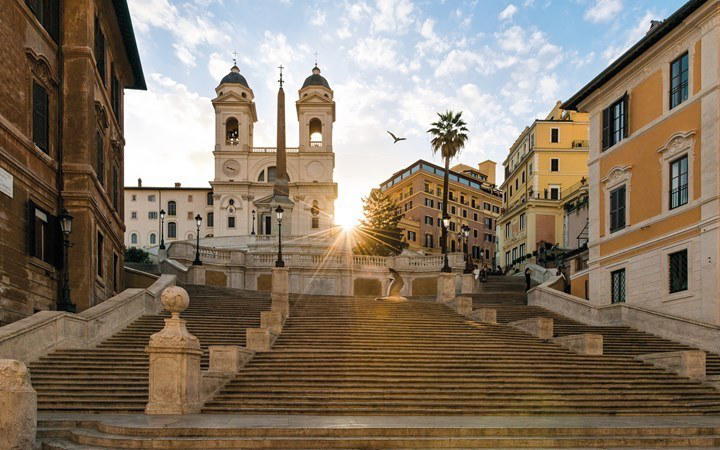
For travellers who want a foothold in the Tridente quarter specifically, within reasonable distance of Piazza del Popolo, the galleries of Via del Corso, and the shopping streets around the Steps, the location is a practical argument independent of the format. The Spanish Steps are a few minutes on foot. The Villa Borghese gardens are reachable without a taxi. Most of the addresses that matter in this part of Rome are walkable, which is a significant consideration given how differently Rome's traffic patterns affect properties on the periphery of the historic centre.
Italy's residential-format luxury extends well beyond Rome. Aman Venice operates on a comparable palazzo logic in the Veneto, and Castello di Reschio in Lisciano Niccone applies a similar philosophy at country scale in Umbria. Casa Maria Luigia in Modena, Borgo Santandrea on the Amalfi Coast, and Rosewood Castiglion Del Bosco in Montalcino each represent variations on the same underlying instinct: fewer guests, stronger sense of place, more deliberate connection to their specific geography.
Planning a Stay
With only five suites, availability at Rocco Forte House compresses quickly during Rome's high seasons: spring (late March through May) and autumn (September through October) are particularly pressured windows, coinciding with optimal weather and peak European travel. The summer months bring heat and crowds to the Tridente specifically, given the Spanish Steps' status as one of the city's most visited public spaces. Winter stays offer the availability and a quieter neighbourhood character, though access to the roof terrace is weather-dependent. Booking well in advance, particularly for spring and autumn dates, is the practical baseline for a five-suite property of this type.
Peers Worth Knowing
Comparable venues nearby, for context on price, style, and recognition.
| Venue | Cuisine | Price | Notes |
|---|---|---|---|
| Rocco Forte House, Piazza di Spagna RomaThis venue — the venue you are viewing | Contemporary Roman palazzo apartments blending tradition with luxury. | $$$$ | Not listed |
| The Pantheon Iconic, Autograph Collection | Modern luxury boutique in historic Roman palazzo | $$$$ | Piazza Navona & the Pantheon |
| Hotel Eden, Dorchester Collection | Modern luxurious sanctuary with authentic Roman spirit | $$$$ | Ludovisi |
| Hotel Splendide Royal Roma | Restored 19th-century noble palace blending historical grandeur with modern luxury | $$$$ | Ludovisi |
| Sofitel Roma Villa Borghese | Renovated luxury hotel blending contemporary and classic Italian design | $$$$ | Ludovisi |
| Corso 281 Luxury Suites | 18th-century palazzo restored into luxury suites | $$$$ | Trevi |
Recognition history
Dated appearances from independent guides and award organizations, with the underlying list record or original source where available.
Mr & Mrs Smith Smith Seal of Approval
Mr & Mrs Smith
Virtuoso Luxury Hotel Partner
Virtuoso

At a Glance
- Elegant
- Ornate
- Sophisticated
- Intimate
- Classic
- Romantic Getaway
- Honeymoon
- Anniversary
- Weekend Escape
- Historic Building
- Terrace
- Panoramic View
- Rooftop Pool
- Wi Fi
- Spa
- Fitness Center
- Room Service
- Concierge
- Air Conditioning
- Skyline
- Street Scene
- Wi Fi
- Spa
- Fitness Center
- Room Service
- Concierge
- Air Conditioning
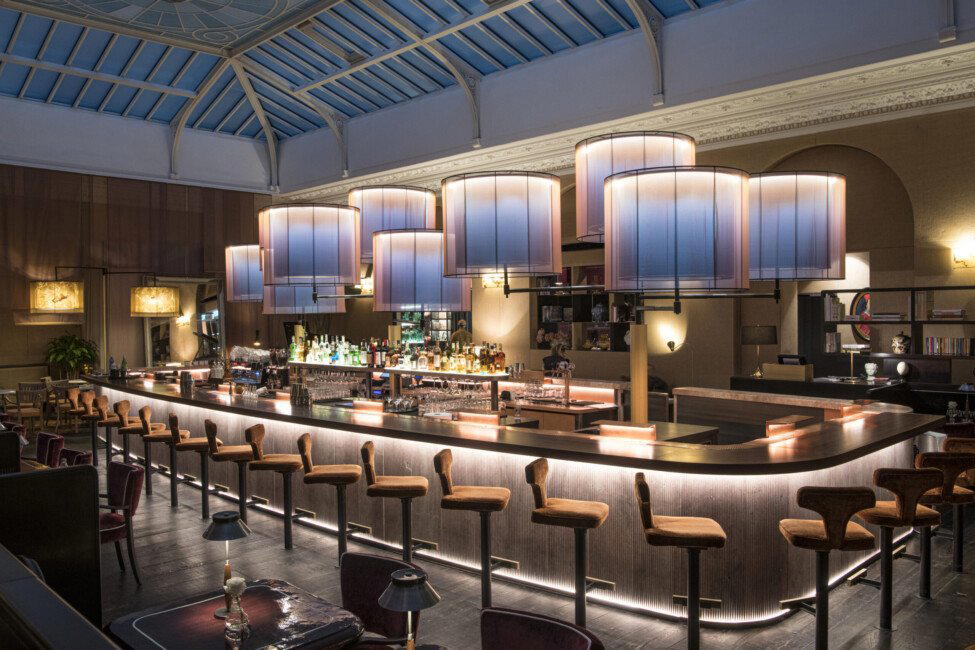
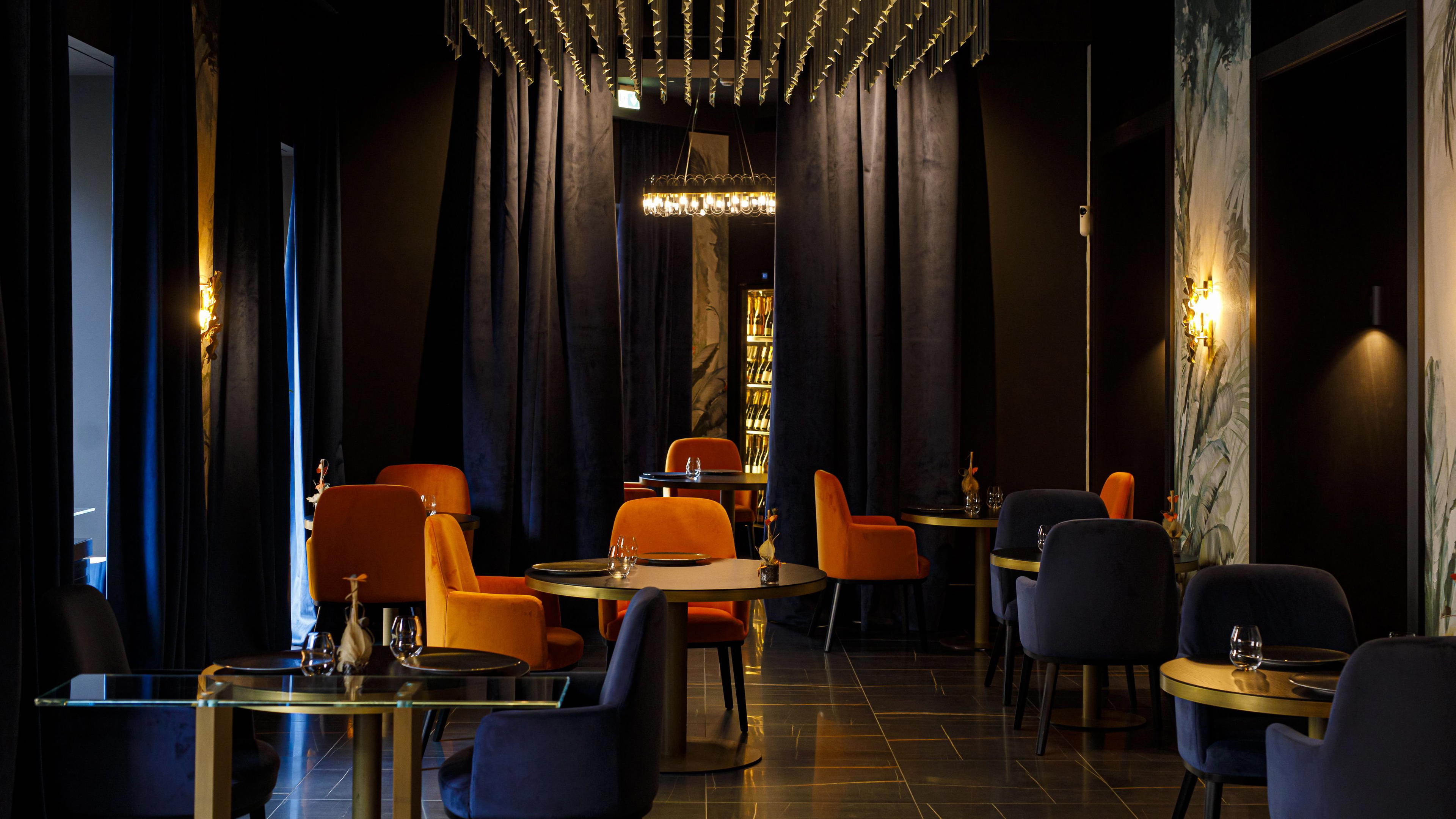
Elegant and ornate with ambient lighting, rich velvet furnishings, stylish artworks, and natural light from panoramic views.