
Falstaff Winery - Listed
Madame Flöck Wines works the Terrassenmosel from Winningen with a natural-wine lens: steep slate terraces, old Riesling and Müller-Thurgau vines, dry farming, wild fermentations, and minimal cellar intervention. The appeal is not polish or scale, but a close reading of Lower Mosel terrain through wines shaped by slope, airflow, slate heat, and hand labor.

Pearl is the En Primeur Club membership app — saves, bookings, and concierge access live there. Same editors, same standards.

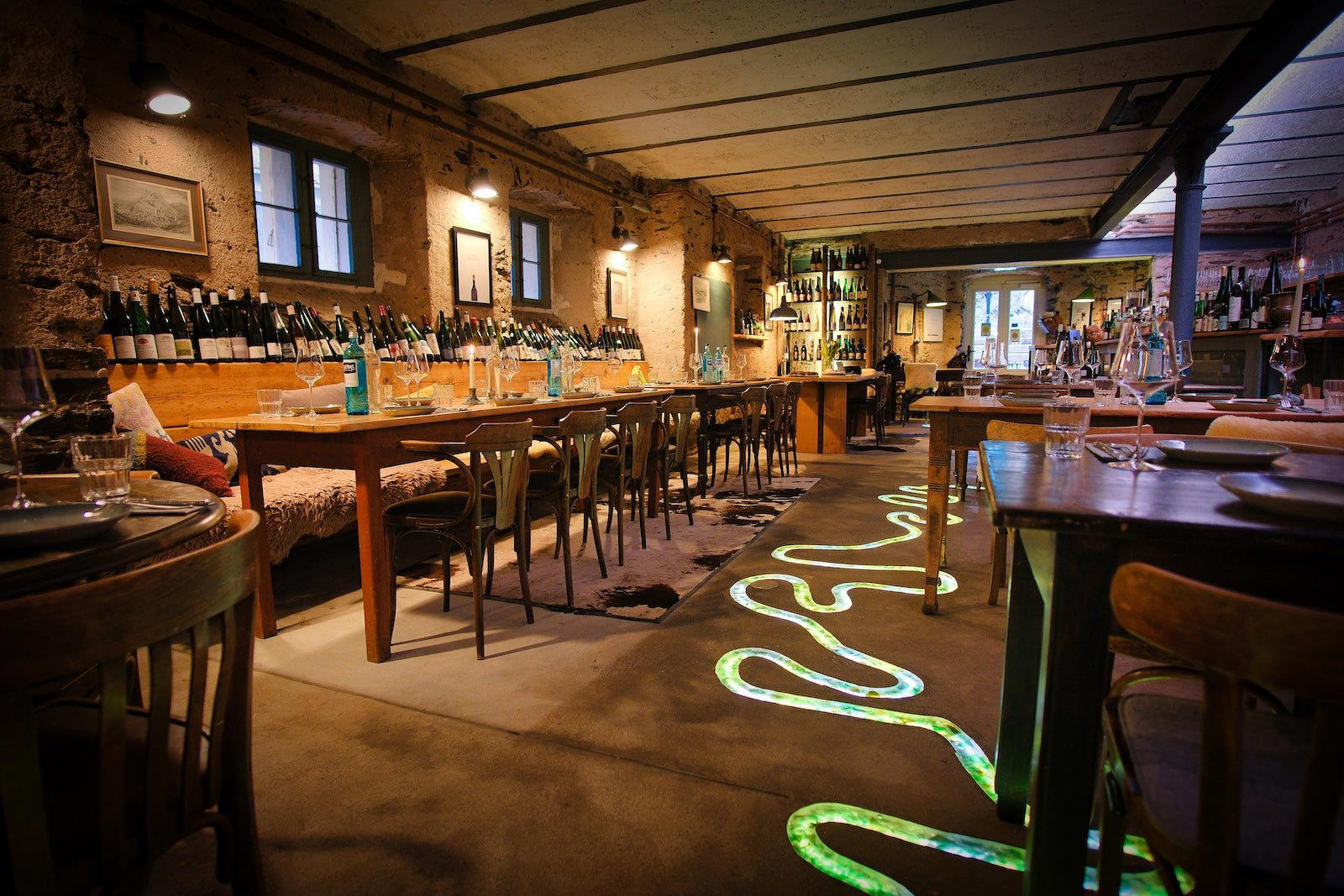
Winningen’s wine country announces itself vertically. The Mosel does not roll here so much as climb: narrow terraces, vines held in place by human persistence rather than machinery. Madame Flöck Wines belongs to that harder, more physical side of the region: a tiny, boundary-pushing natural micro-winery working steep Terrassenmosel vineyards. Its 150-year-old historic cellar in Winningen gives the experience a close, small-producer scale, while the wines are described in raw, mineral-driven terms. The overall impression is not of a grand estate arranged for spectacle, but of a place where the landscape, the cellar, and the wines remain tightly connected. In that sense, the appeal begins before the glass is poured: with the sense that these terraces require attention, restraint, and a willingness to work with a demanding setting.
Terraces and a steep Mosel setting
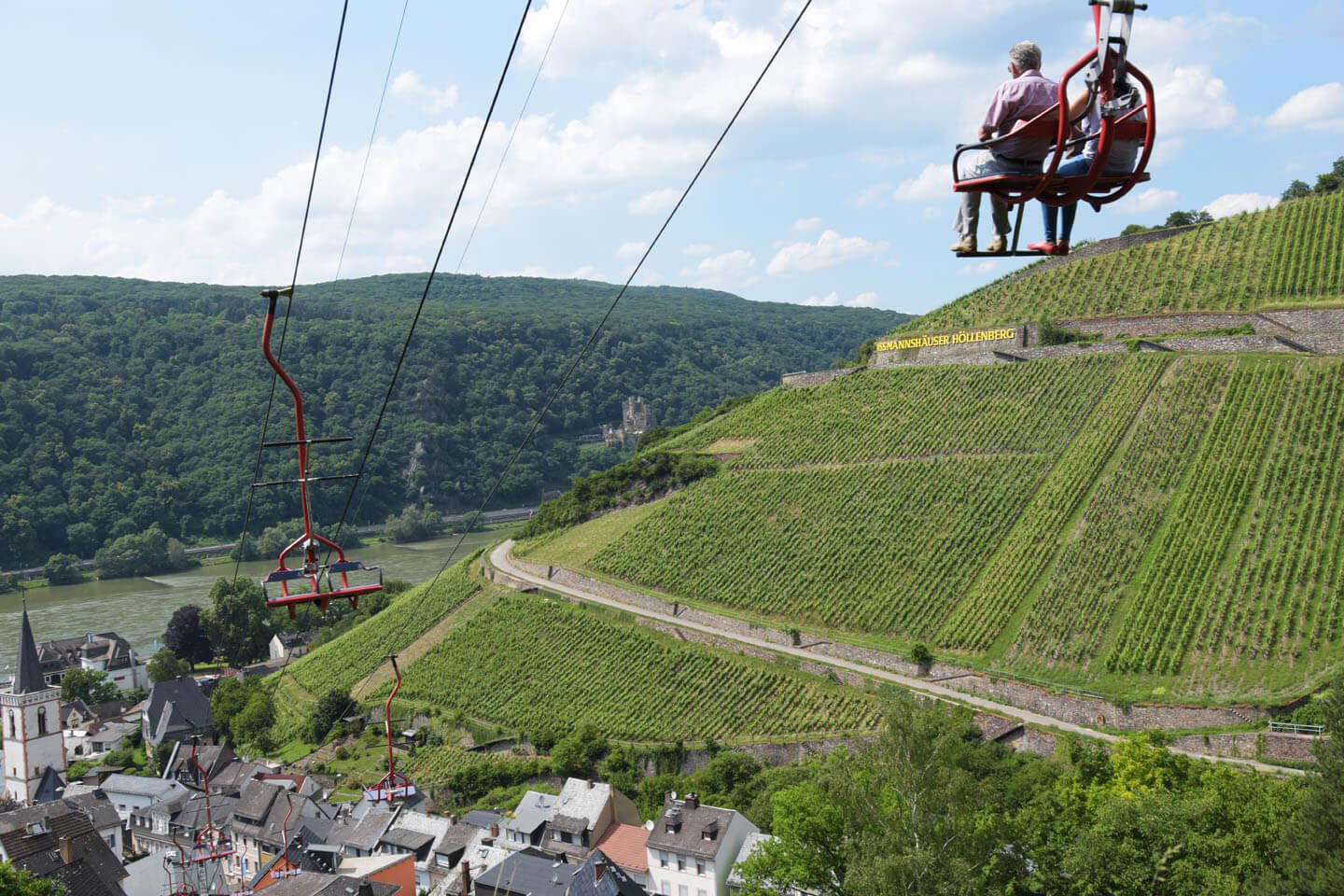
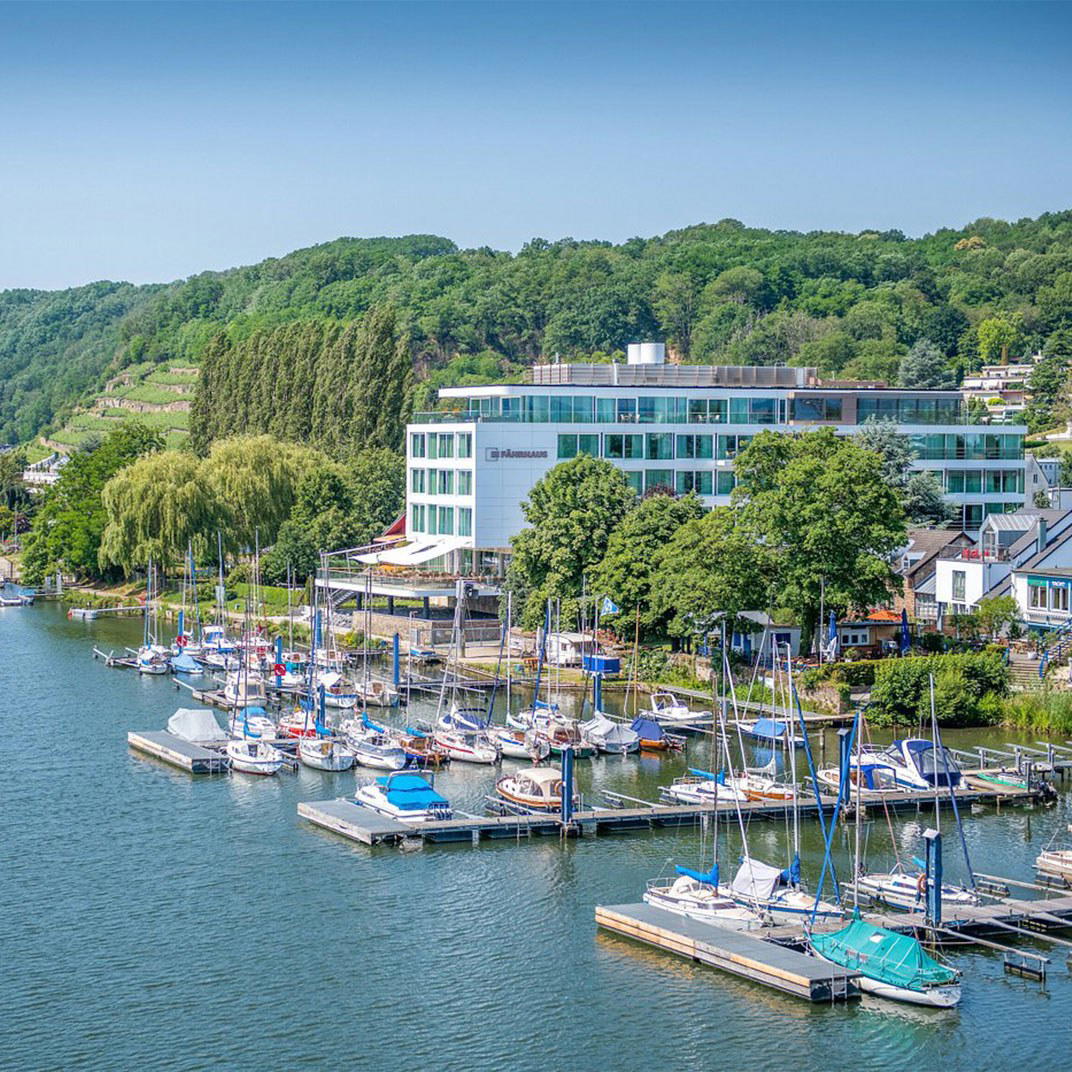
Madame Flöck Wines is best understood through its setting in Winningen and its connection to steep Terrassenmosel vineyards. The picture is not one of a large, polished visitor operation, but of a small producer whose appeal is tied to difficult hillside farming, a historic cellar, and a scenic village context. In a place shaped by slope and river, the word “terrace” is more than scenery. It suggests a practical way of holding vines on land that resists easy cultivation, and it gives the wines’ mineral-driven description a clear geographical frame.
What is clear is the broader identity: Madame Flöck Wines is a natural micro-winery working steep Mosel terraces, with tastings shaped around raw, mineral-driven wines rather than luxury theatre. That distinction matters for planning. The available description supports a visit rooted in atmosphere and producer identity, not a technical dossier or a fully itemized estate profile.
That makes the draw more about place and texture than a formal checklist. The character is rustic, intimate, hidden-gem, and scenic, with the 150-year-old cellar in Winningen anchoring the visit. The cellar adds age and quietness to the experience without needing to be overstated: it frames the tasting as something close to the producer’s working world rather than something detached from it. For visitors who respond to smaller rooms, rougher edges, and a stronger sense of locality, that scale is part of the point.
Natural wine without overstatement
The grounded description of Madame Flöck Wines is concise but distinctive: a tiny, boundary-pushing natural micro-winery in Winningen. That wording supports a natural-wine identity, but it does not verify specific cellar methods, grape varieties, additives, sulphur levels, barrel regimes, or farming certifications. It is best read as a signal of style and sensibility rather than a complete technical guarantee. The useful takeaway is that the wines are presented as raw and mineral-driven, with the emphasis falling on directness, edge, and expression rather than polish for its own sake.
For visitors, the safest expectation is an intimate, hands-on tasting focused on raw, mineral-driven wines. The appeal lies in a direct encounter with a small Mosel producer and the steep Terrassenmosel landscape, not in a confirmed restaurant-style service, food program, or large hospitality format. A tasting here should be approached less as a broad leisure package and more as a concentrated wine experience, where the setting and the producer’s scale shape the mood. That can be precisely the charm, provided expectations remain grounded.
The price is listed at $22 per person. Beyond that, details such as exact tasting duration, group size, booking rules, languages, parking, or additional tour components should be confirmed directly before planning around them. This is especially important because small wineries can feel wonderfully personal, but they may not operate like standardized visitor centers. Confirming the practical details in advance helps preserve the appeal of the visit: arriving ready for a focused cellar-led tasting rather than assuming services that have not been stated.
How to read the experience in Winningen
Madame Flöck Wines makes the most sense for travelers who want a focused wine stop in Winningen with a rustic, intimate feel. The setting combines steep Terrassenmosel vineyards, a 150-year-old historic cellar, and hands-on tastings centered on raw, mineral-driven wines. Read together, those elements point toward a compact but memorable visit: scenic in its surroundings, tactile in its cellar context, and small enough that the personality of the producer remains central.
This is a stronger fit for visitors drawn to small-scale natural wine and scenic Mosel atmosphere than for anyone needing confirmed dining, takeout, delivery, children’s programming, dietary accommodations, or a resort-style winery day. The venue’s strengths are narrower and more specific. It is for people who are comfortable with a wine-first experience, who like the idea of steep terraces as part of the story, and who value the intimacy of a micro-winery over a broad list of visitor amenities.
For wider planning in Winningen, compare Madame Flöck Wines with other local dining and wine options generically, or keep the focus on this cellar-led, small-producer experience. Either approach works, as long as the expectations stay aligned with what is actually described. As a standalone stop, it offers a concentrated expression of Winningen’s steep Mosel character: a small natural-wine producer, a historic cellar, and wines framed by raw, mineral-driven language rather than polished hospitality theatre.
Recognition history
Dated appearances from independent guides and award organizations, with the underlying list record or original source where available.
Falstaff Winery - Listed
Falstaff
Continue exploring
More in Winningen
Wineries in Winningen
All wineries in Winningen →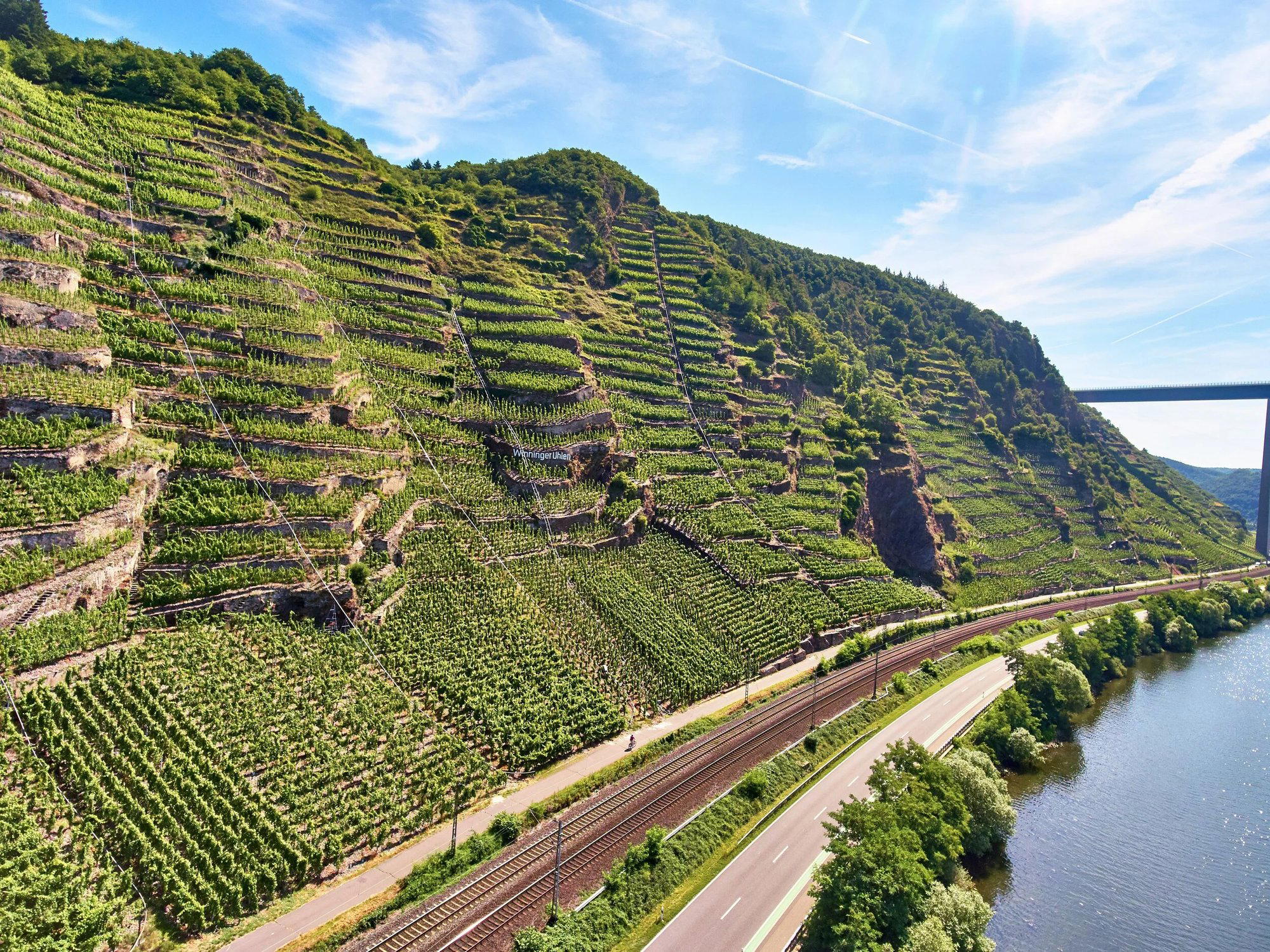
Bars in Winningen
Browse all →
Details
- Rustic
- Scenic
- Intimate
- Bohemian
- Solo Exploration
- Wine Education
- Group Outing
- Special Occasion
- Romantic Getaway
- Vineyard Tour
- Barrel Room
- Historic Building
- Estate Grounds
- Organic
- Dry Farmed
- Sustainable
- Vineyard
- Riesling
- Müller Thurgau
- Pinot Noir
- Pinot Blanc
- Dornfelder
- Still White
- Still Red
- Orange
- Pet Nat
- Cellar Tasting
- Vineyard Tour And Tasting
- Barrel Tasting
- German
- English
Current opening hours
- Monday
- 9 AM–5 PM
- Tuesday
- 9 AM–5 PM
- Wednesday
- 9 AM–5 PM
- Thursday
- 9 AM–5 PM
- Friday
- 9 AM–5 PM
- Saturday
- 9 AM–5 PM
- Sunday
- 9 AM–5 PM
Hours can change for holidays and private events. Last verified .
A tiny, boundary-pushing natural micro-winery working steep Terrassenmosel vineyards, with a 150-year-old historic cellar in Winningen that offers intimate, hands-on tastings focused on raw, mineral-driven wines.