

A candlelit Italian wine bar in Cologne's Komponisten-Viertel, Tanica draws a devoted local crowd with an extensive wine list and an atmosphere shaped more by hospitality tradition than restaurant formality. The address on Engelbertstraße 31A places it squarely in one of the city's most residential and culturally distinct quarters, where the pace is deliberate and the pours are generous.
Pearl is the En Primeur Club membership app — saves, bookings, and concierge access live there. Same editors, same standards.
- Address
- Engelbertstraße 31A, 50674 Köln, Germany
- Phone
- +49 221 2405271
- Website
- rosticceria-massimo.de
- Directions
- Get directions
 Saves & bookings on Pearl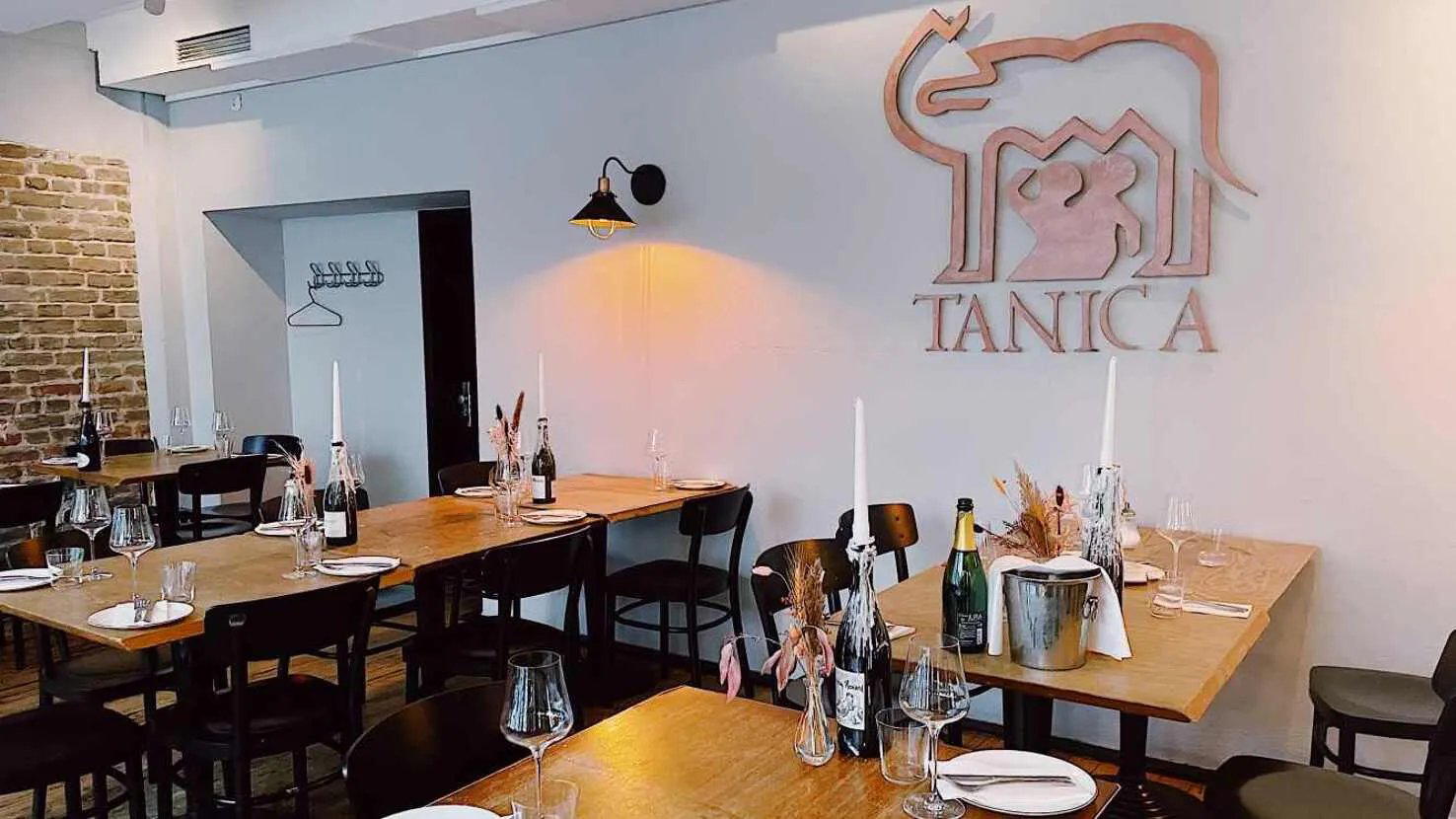
Candlelight and the Italian Enoteca Tradition in Cologne's Composers' Quarter
Tanica is a modern Italian restaurant in Cologne, Germany, known for its candlelit enoteca setting and Italian wine focus. It does not need a celebrity winemaker on the label or a tasting menu with twelve acts. It earns its place through accumulated ritual: candles burned low by midnight, glasses filled from bottles that reward attention, and a room that seems designed to make leaving feel like a mistake. This is the enoteca tradition at its most functional, and it is the tradition that Tanica carries into Cologne's Komponisten-Viertel.
The Composers' Quarter, named for the concentration of streets bearing the names of composers, occupies the southern edge of Cologne's city centre. It is a residential neighbourhood with genuine civic texture, less trafficked by tourists than the cathedral district to the north, more likely to reward the visitor who walks its streets without a plan. Dining in this part of the city tends toward the personal and the long-established. Tanica, at Engelbertstraße 31A, fits that character.
What the Enoteca Format Actually Means
Italy's enoteca culture is worth understanding on its own terms before measuring any specific venue against it. The format emerged from a practical need: a place to buy and drink wine, often with food as an accompaniment rather than the main event. Over time, the better enotecas evolved into something more layered, part wine shop, part wine bar, part neighbourhood anchor. The selection became curatorial rather than comprehensive, and the food, when it appeared, reflected regional Italian logic: cured meats, aged cheeses, dishes that support the glass rather than compete with it.
This differs structurally from what most German cities offer in the Italian dining category. The majority of Italian restaurants in Cologne operate as trattoria-style operations with conventional menus and conventional wine lists weighted toward Chianti and Pinot Grigio. The enoteca model, where the wine list itself functions as the editorial statement and the food plays a supporting role, remains relatively rare. Tanica's reputation among Cologne wine drinkers rests on occupying that narrower position.
The Wine List as the Point
Tanica is a place where the wine list shapes the experience, and the cellar carries real weight. Italian wine in serious depth means navigating a country with more authorised grape varieties than any other wine-producing nation, somewhere north of 350 officially recognised, spread across regions whose winemaking traditions diverge sharply. A wine list that does this material justice requires genuine curation, which is a different skill from simply stocking well-known labels.
For context, other premium dining options elsewhere in Cologne, Ox and Klee, La Cuisine Rademacher, and La Société, are defined by their kitchen ambitions. Tanica operates in a different category entirely: the wine is the anchor, the kitchen exists to serve it, and the format rewards visitors who approach the evening that way. Comparing it to Cologne's fine dining circuit, or to high-end German kitchens like Aqua in Wolfsburg, Vendôme in Bergisch Gladbach, or Schwarzwaldstube in Baiersbronn, misses the point. The relevant comparable set is smaller and more specialised: wine-led Italian rooms where the list is the reason for the visit.
Atmosphere and the Logic of Candlelight
Italian hospitality tradition has long understood that certain conversations, and certainly certain wines, benefit from low light and an absence of visual distraction. The enoteca format at its most considered creates a sensory environment where the wine in the glass becomes one interesting thing in the room. Candles do that work more efficiently than any restaurant lighting scheme.
This approach also signals something about the room's pace. A venue that commits to candles as its primary light source is not built for fast turnover. The evening is expected to unfold slowly. This is consistent with how serious Italian wine bars in cities like Rome, Florence, and Bologna operate, the format assumes that the customer has time, and the hospitality responds accordingly. In a city where the alternative for an extended evening might be Le Moissonnier Bistro or maiBeck, both of which operate at a more formal register, Tanica's warmth and informality occupy a distinct space.
Placing Tanica in Cologne's Broader Scene
Cologne's dining scene has developed considerable depth in recent years. The city's restaurants now span a range from casual neighbourhood kitchens to destination-level fine dining, and the bar programme has grown in ambition. Tanica sits outside the fine dining circuit and outside the casual restaurant category, it occupies the specialist wine bar tier, where the criteria for a good visit are different from both.
The comparison to international benchmarks helps locate it. Places like Le Bernardin in New York City or JAN in Munich represent the kitchen-driven end of the spectrum, where the food programme carries the weight. CODA Dessert Dining in Berlin and ES:SENZ in Grassau demonstrate how concept-led formats can claim a distinct identity. Tanica's concept is the Italian enoteca itself, the wine list, the atmosphere, the particular hospitality logic that puts the guest at ease quickly and keeps them there.
Planning Your Visit
Tanica is located at Engelbertstraße 31A in Cologne's Komponisten-Viertel. The area's residential character means street parking is available in the evenings. Because Tanica operates as a wine bar rather than a booking-driven restaurant, table availability tends to follow the rhythms of a neighbourhood regular crowd rather than a reservation list, arriving early in the evening gives a stronger chance of a relaxed seat before the room fills.
And for those whose interest extends to American wine bar comparisons, Emeril's in New Orleans represents the hospitality-led end of a different tradition.
Price Lens
Comparable venues nearby, for context on price, style, and recognition.
| Venue | Cuisine | Price | Notes |
|---|---|---|---|
| TanicaThis venue — the venue you are viewing | Not listed | $$$ | Not listed |
| Made in Napoli | Neuehrenfeld, Authentic Neapolitan Pizza | $$ | Not listed |
| L´assaggio Da Rocco | Not listed | $$ | Neustadt/Süd, Modern Italian Tapas |
| Ristorante D'amore | Mülheim, Neapolitan Pizza | $$ | Not listed |
| Hase | Not listed | $$$ | Altstadt/Nord, Modern European Bistro |
| Momo Empire | Not listed | $$$ | Altstadt/Nord, Tibetan Momos & Noodles |
Recognition history
Dated appearances from independent guides and award organizations, with the underlying list record or original source where available.
Falstaff Wine Bar - 91 Falstaff Points
Falstaff
Star Wine List
Star Wine List
Continue exploring
More in Cologne
Restaurants in Cologne
Browse all →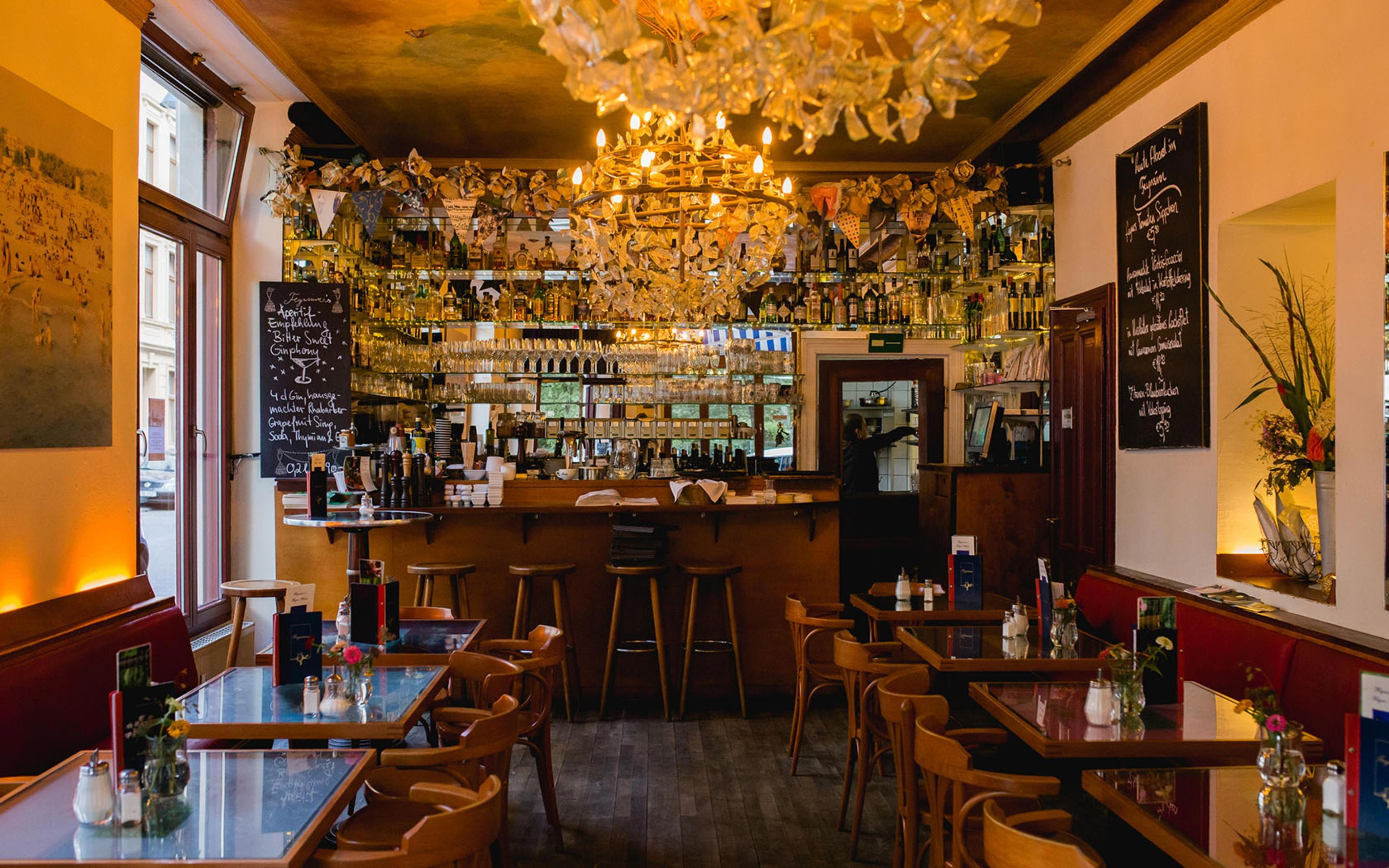
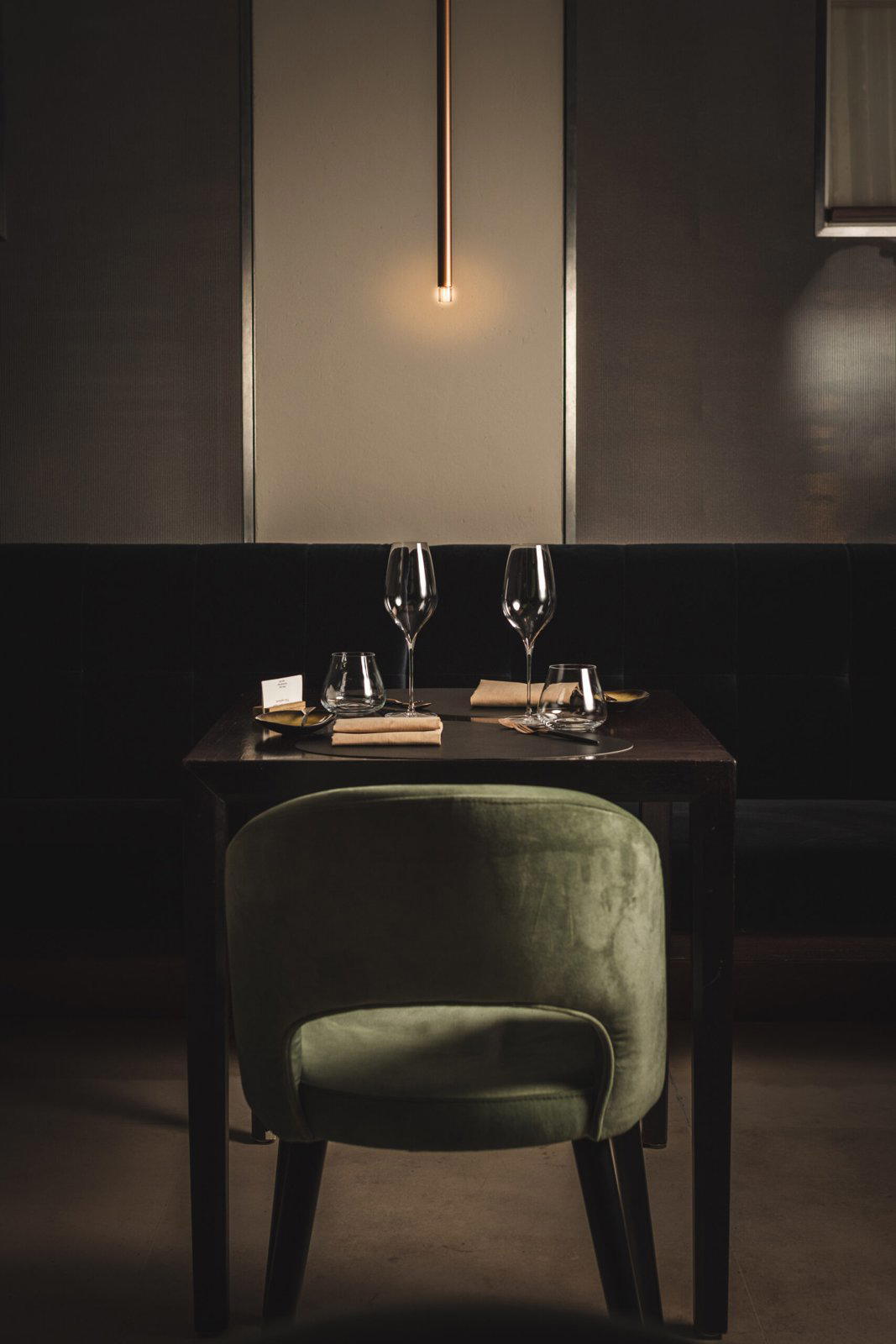
Bars in Cologne
Browse all →
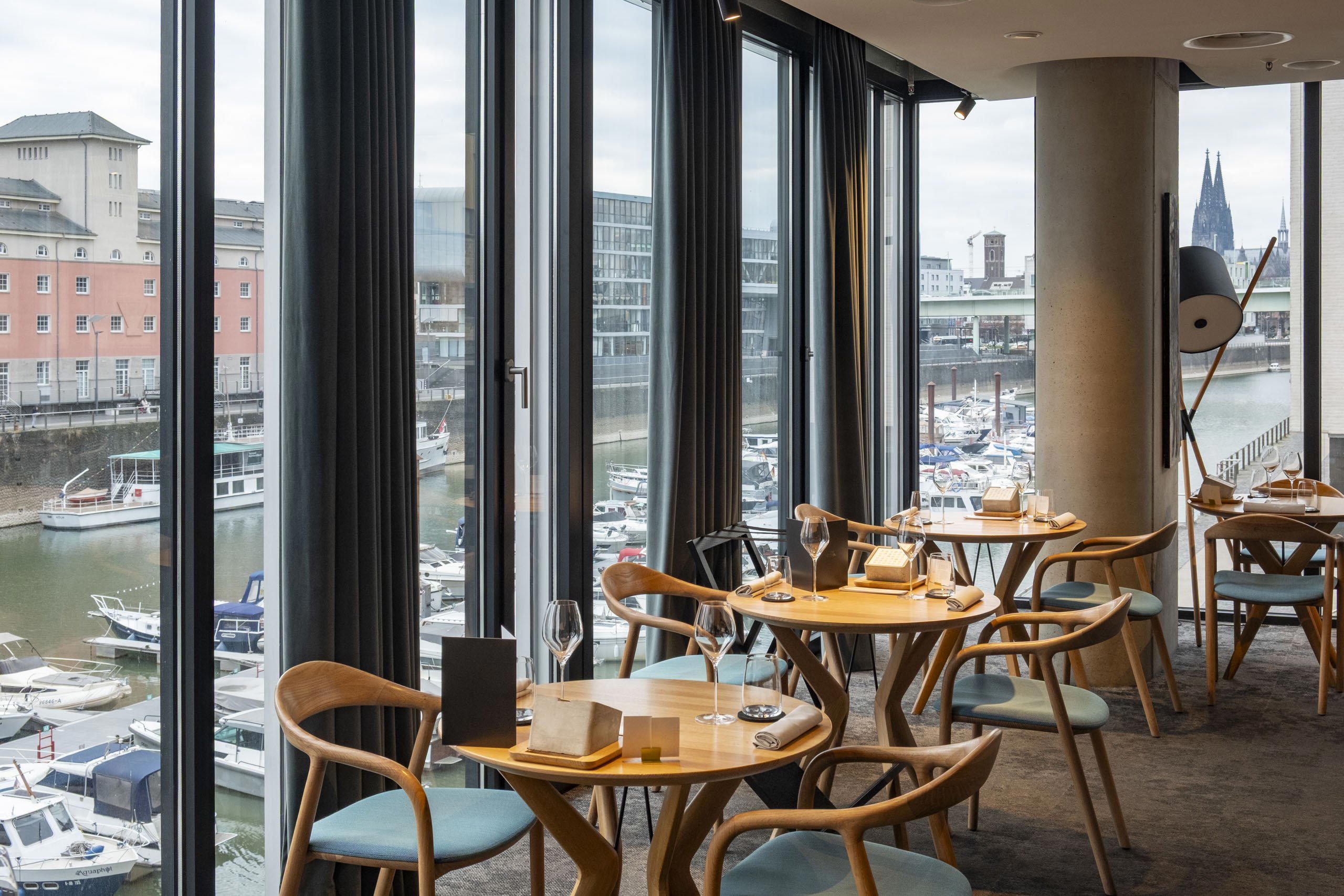
Hotels in Cologne
Browse all →

At a Glance
- Modern
- Lively
- Trendy
- Cozy
- Date Night
- Group Dining
- Special Occasion
- Open Kitchen
- Extensive Wine List
Current opening hours
- Monday
- 12–3 PM, 6 PM–12 AM
- Tuesday
- 12–3 PM, 6 PM–12 AM
- Wednesday
- 12–3 PM, 6 PM–12 AM
- Thursday
- 12–3 PM, 6 PM–12 AM
- Friday
- 12–3 PM, 6 PM–12 AM
- Saturday
- 5:30 PM–12 AM
- Sunday
- 5–9:30 PM
Hours can change for holidays and private events. Last verified .
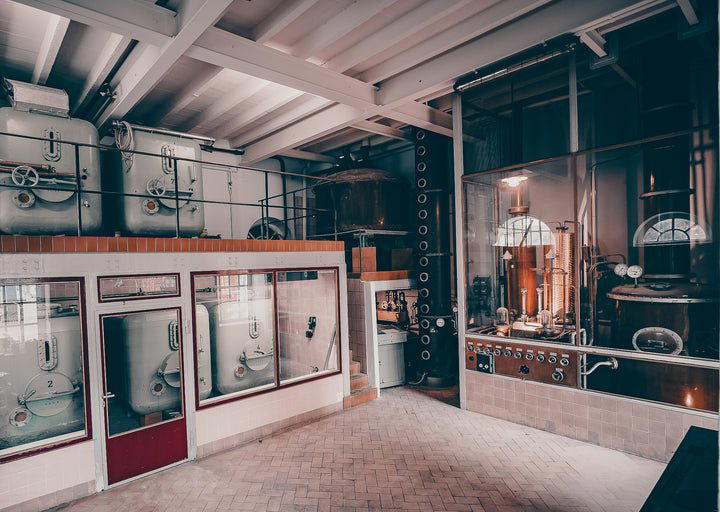
Stylish and lively interior with lots of candles, Italian charm, and a lively atmosphere that can get loud during peak times.