Dr. F. Weins-Prüm

Falstaff Winery - Listed
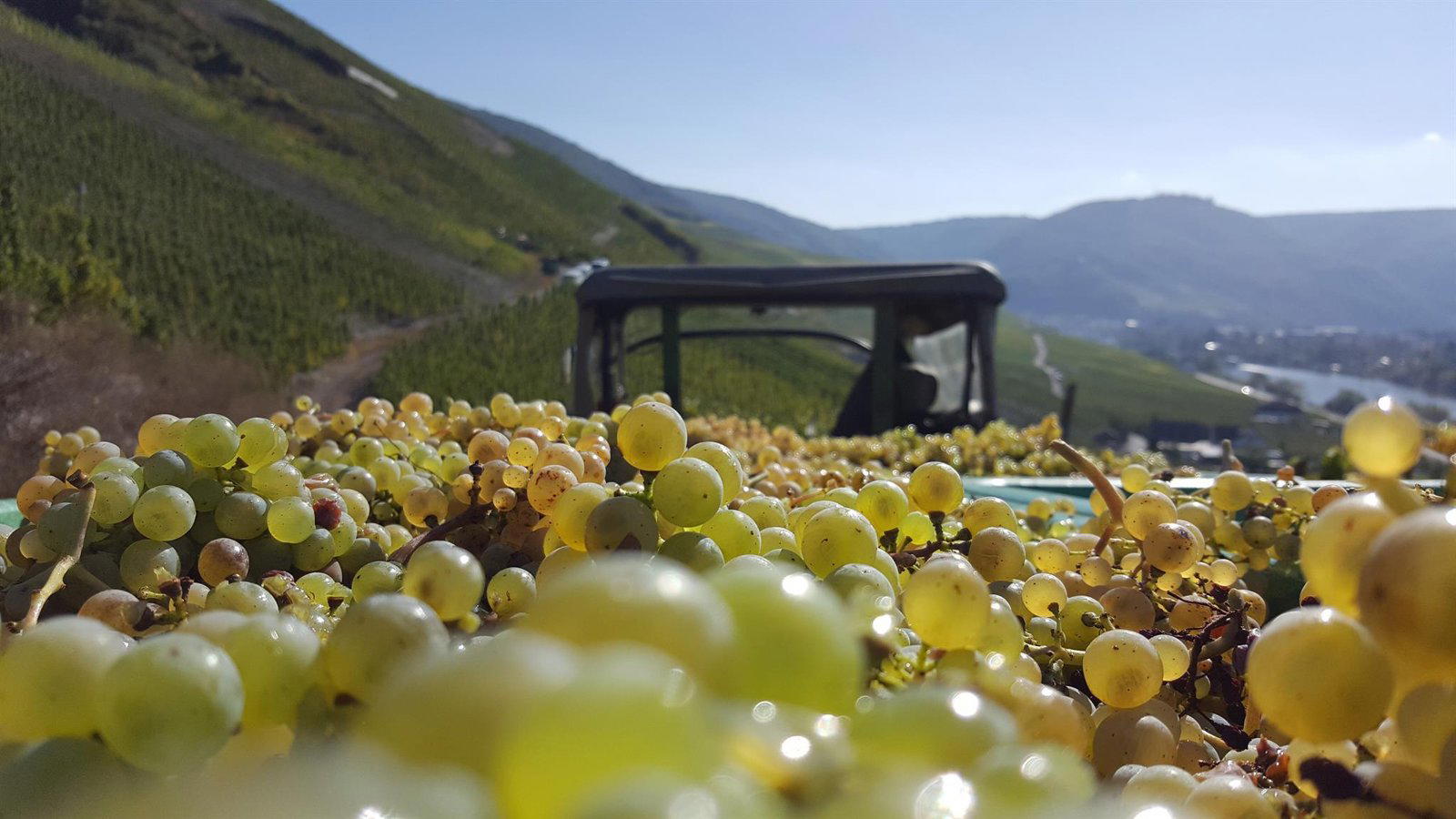
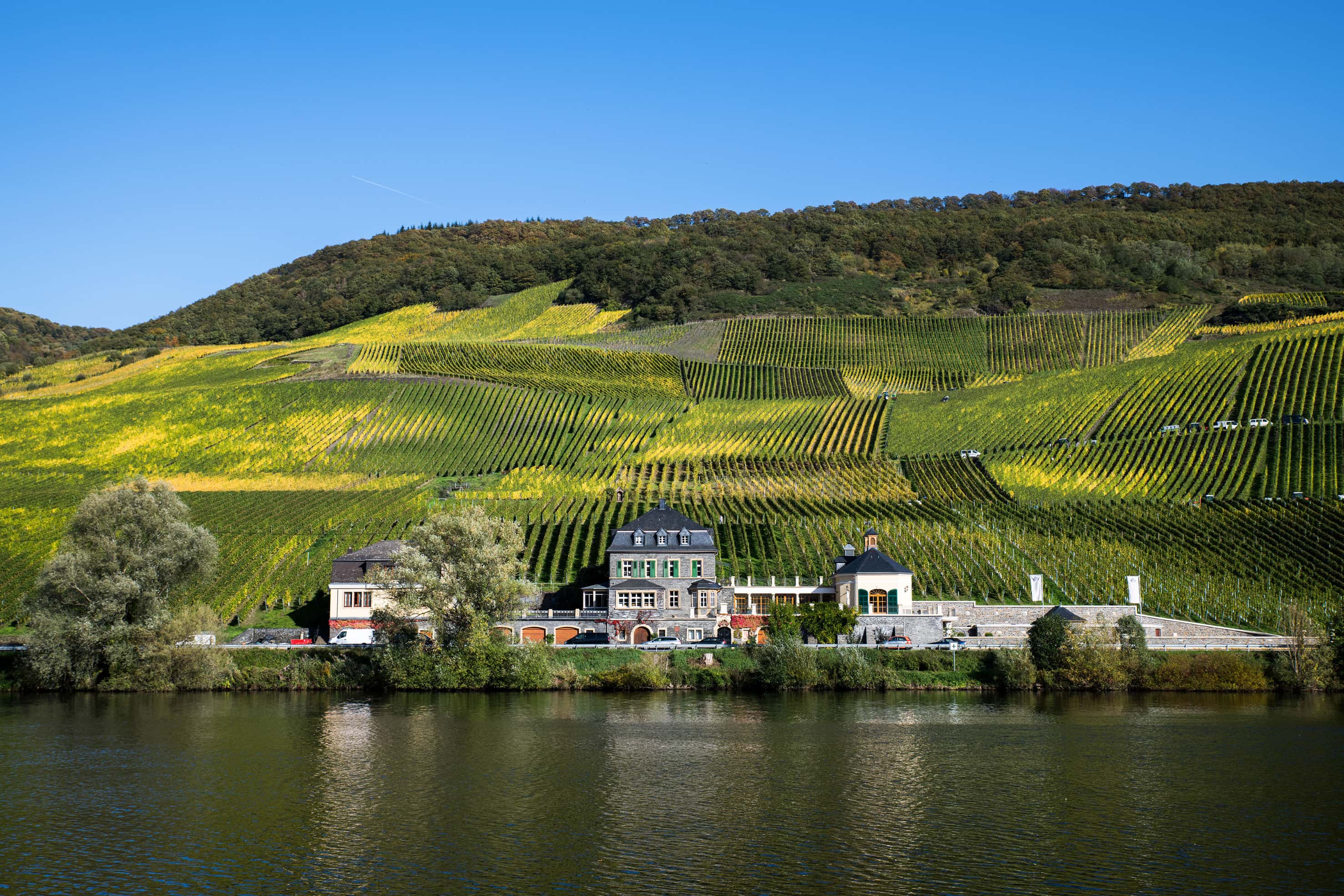
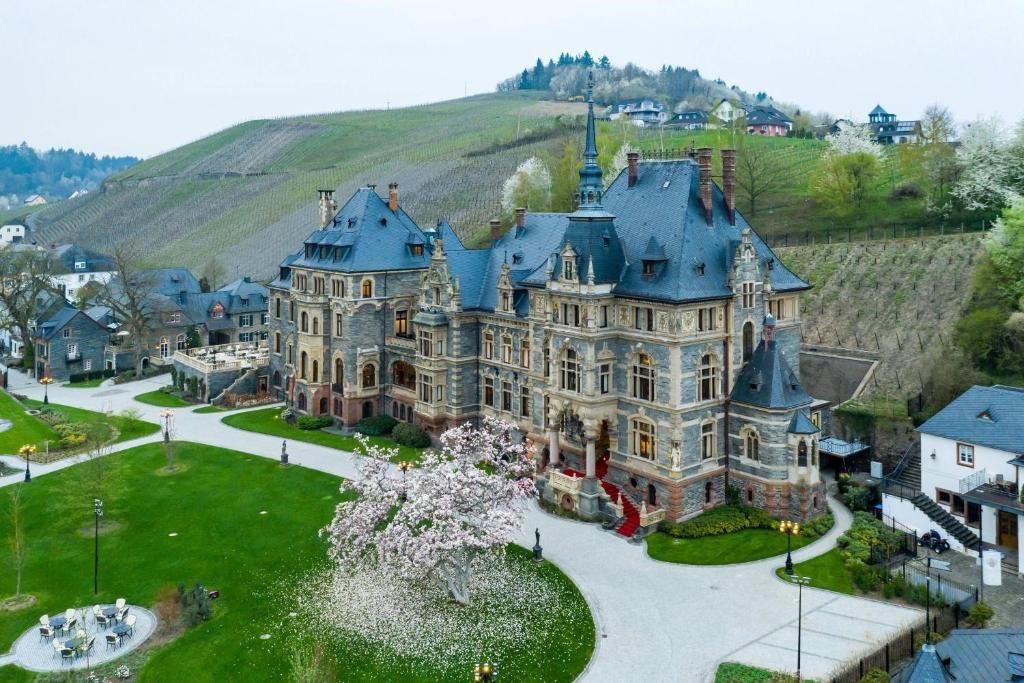
Dr. F. Weins-Prüm is a small family-run Mosel winery in Bernkastel-Wehlen, founded in 1911 and focused on Riesling in one of Germany’s defining river-valley wine regions. The appeal is less about spectacle than about classic Mosel scale: vineyard context, quiet tastings, and a setting shaped by river bends, steep slopes, and the long local argument between sweetness, acidity, and slate-driven precision.

Pearl is the En Primeur Club membership app — saves, bookings, and concierge access live there. Same editors, same standards.
- Address
- Uferallee 20, 54470 Bernkastel-Kues-Wehlen, Germany
- Phone
- +49 6531 2270
- Website
- weins-pruem.com
- Directions
- Get directions

Bernkastel-Wehlen is best approached as a Mosel wine town where the surrounding landscape matters to the visit: river setting, vineyard slopes, and a long local culture of estate winemaking. For travelers using EP Club to plan a stop here, the picture of Dr. F. Weins-Prüm is intentionally simple. It is a family-run Mosel estate winery in Bernkastel-Wehlen, with a traditional, vineyard-focused identity rather than a restaurant, bar, or large hospitality venue.
F. Weins-Prüm is not through invented claims about a tasting format, founding date, grape list, vineyard holdings, awards, opening hours, or cellar program. Those details should be confirmed directly before planning around them. What can be said with confidence is narrower but still meaningful: this is a Bernkastel-Wehlen winery entry for travelers who want a classic Mosel estate context, a scenic and intimate setting, and a visit shaped more by vineyard culture than by spectacle.
Mosel estate context in Bernkastel-Wehlen
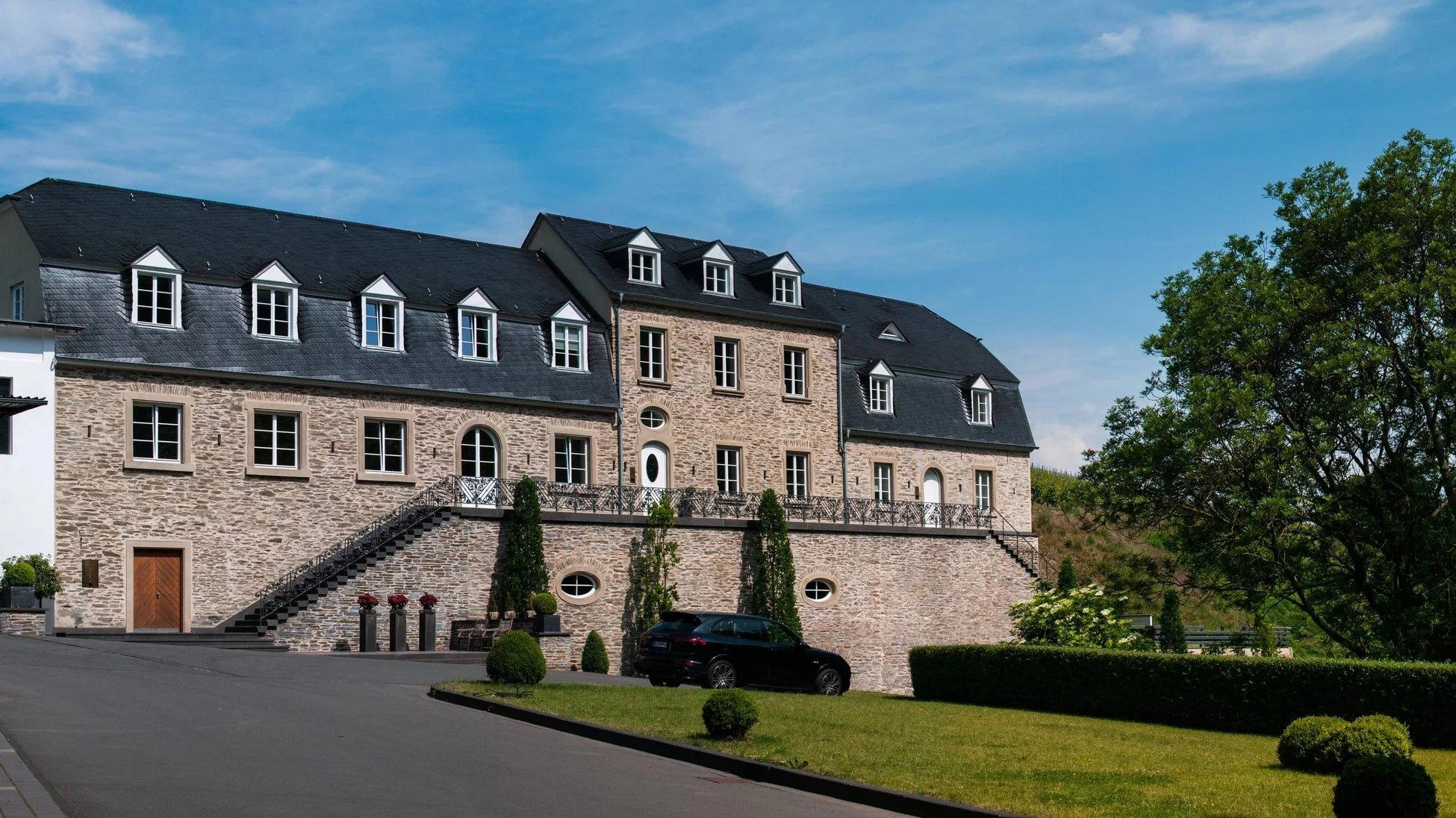
Dr. F. Weins-Prüm belongs in the guide as a family-run Mosel estate winery in Bernkastel-Wehlen. That description matters because it frames expectations correctly. This is not presented here as a full-service dining room, a cocktail destination, or a hotel-style experience. It is best understood as part of the local wine landscape, where the appeal comes from the connection between town, vineyards, and estate identity.
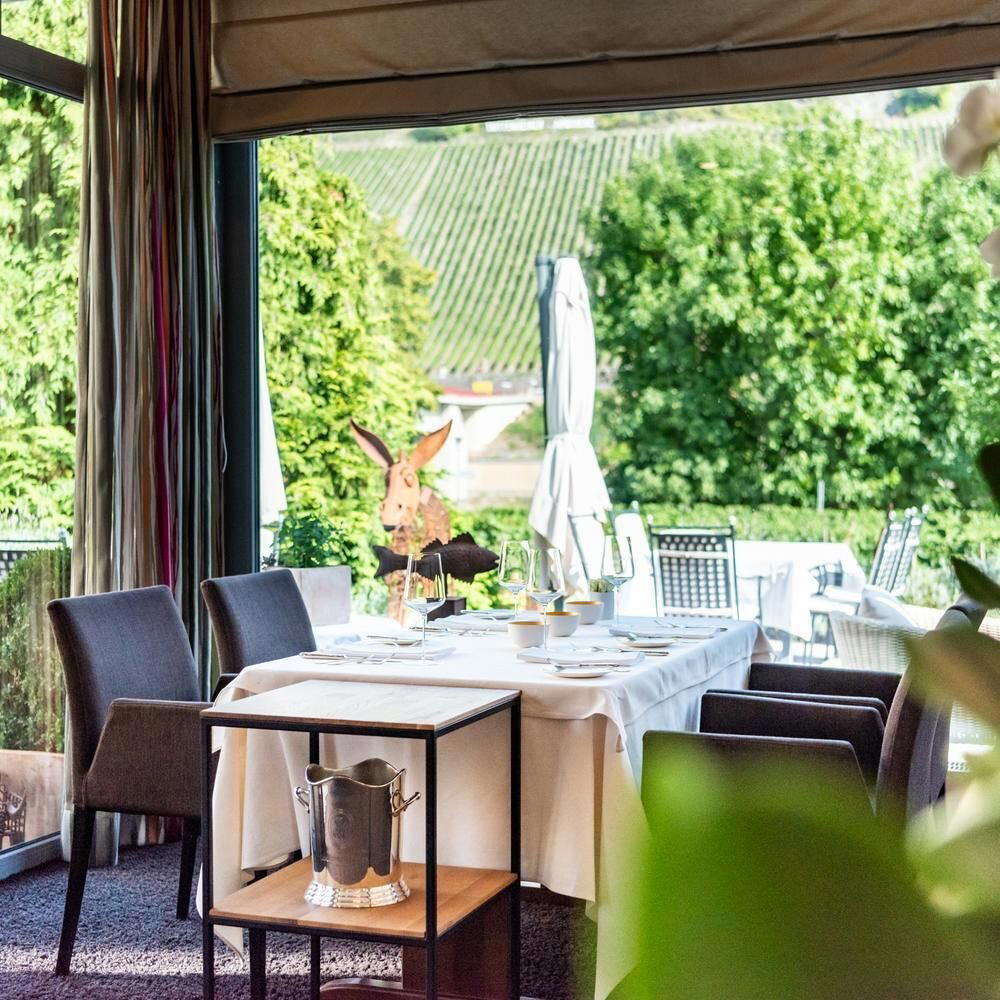
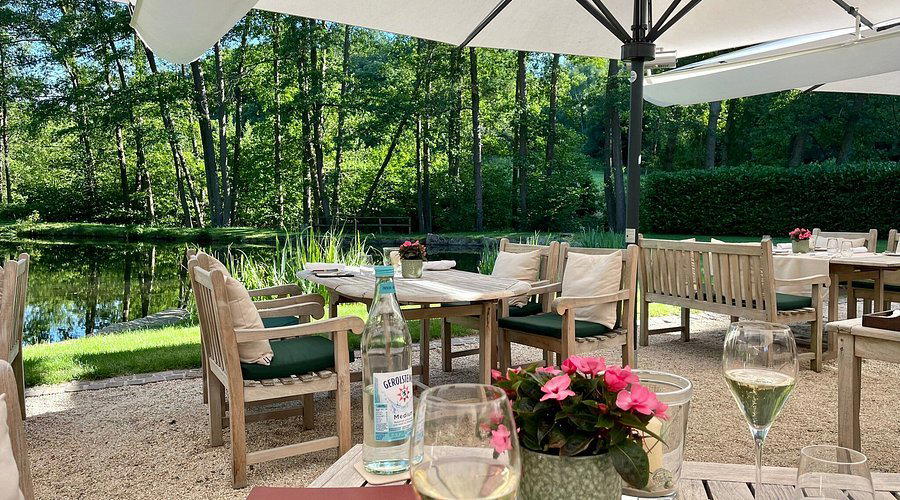
The atmosphere notes point toward a classic, scenic, romantic, and intimate character. Those words should be read as broad guidance rather than a promise of a specific room layout, seating count, tour style, or tasting script. The important takeaway is that Dr. F. Weins-Prüm is suited to travelers looking for a traditional Mosel winery stop in Bernkastel-Wehlen, especially those who prefer a quieter, vineyard-led setting over a highly produced visitor attraction.
That narrower framing is also helpful for planning. A winery visit in Bernkastel-Wehlen can depend heavily on direct confirmation: whether tastings are available, whether reservations are needed, which wines are being poured, and what language support or purchase options may be offered. None of those operational details are here, so they should not be assumed. Treat the listing as a grounded starting point, then contact the estate or use current local information before finalizing a schedule.
The experience favors quiet, vineyard-led tasting over spectacle
The clearest signal for Dr. F. Weins-Prüm is its family-run Mosel estate identity. In practical travel terms, that suggests a visit to be approached with patience and attention to place. Bernkastel-Wehlen is not merely a backdrop; it is the context that gives a Mosel winery visit its meaning. The river setting, vineyard culture, and traditional estate model are central to why travelers include this kind of address in a wine-focused itinerary.
At the same time, it is important not to overstate what is known. EP Club therefore does not present Dr. F. Weins-Prüm as an accolade-driven destination or as a venue defined by a specific tasting menu, cellar tour, lunch service, or appointment policy. The editorial read is more restrained: a classic Bernkastel-Wehlen Mosel winery with a scenic, romantic, intimate profile.
That restraint can be useful. Travelers often need to distinguish between destinations with extensive public hospitality infrastructure and smaller estate addresses where the experience may be more personal, seasonal, or dependent on direct arrangement. Dr. F. Weins-Prüm should be approached as the latter kind of planning item unless current information from the estate indicates otherwise. The safest expectation is a traditional winery context rather than a guaranteed structured program.
How to place it within a Bernkastel-Wehlen wine day
For a Bernkastel-Wehlen itinerary, Dr. F. Weins-Prüm makes the most sense as one part of a compact wine-focused day. Keep the plan flexible, leave time for the town and vineyard setting, and avoid stacking too many stops without confirming availability. The price indicator is $$, which gives only a broad affordability signal; it should not be treated as a confirmed tasting fee, bottle price, or tour cost.
Travelers comparing options should keep the comparison local and generic unless they have separately the details of each stop. Other dining or wine experiences in Bernkastel-Wehlen may suit different needs, but Dr. F. Weins-Prüm is best described on its own terms: a family-run Mosel estate winery in Bernkastel-Wehlen with a classic, scenic, romantic, and intimate character.
The editorial conclusion is deliberately modest. Dr. F. Weins-Prüm is not a page to pad with unsupported claims about famous vineyards, exact styles, award history, or visitor logistics. Its appeal is simpler: a traditional Mosel estate presence in Bernkastel-Wehlen, appropriate for travelers who want a quieter winery stop and who are willing to confirm practical details before visiting. In a region where place and estate continuity carry much of the experience, that is enough to make it a relevant planning note, provided expectations stay grounded.
Recognition history
Dated appearances from independent guides and award organizations, with the underlying list record or original source where available.
Falstaff Winery - Listed
Falstaff
Continue exploring
More in Bernkastel-Wehlen
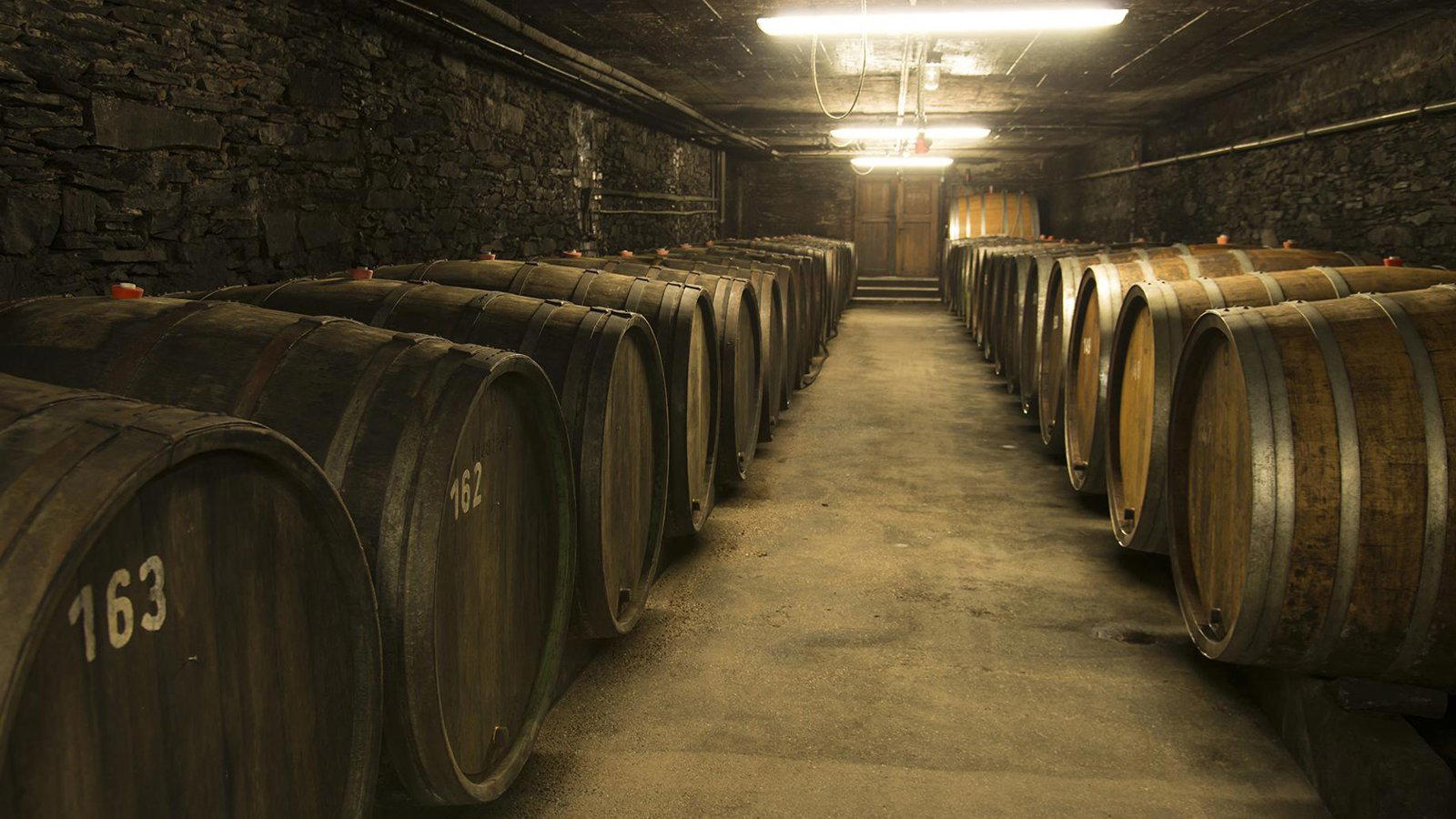
Wineries in Bernkastel-Wehlen
Browse all →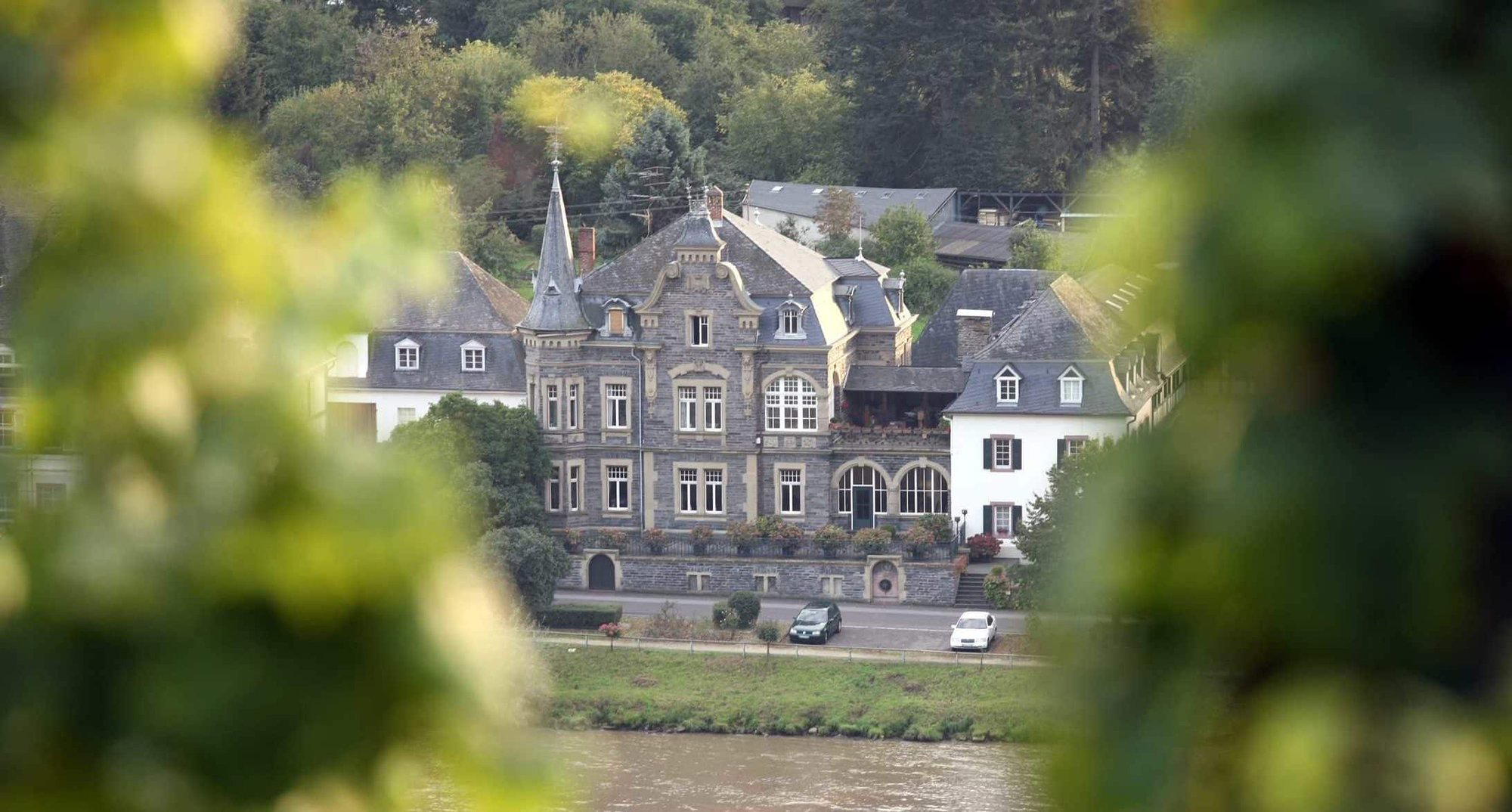
Bars in Bernkastel-Wehlen
Browse all →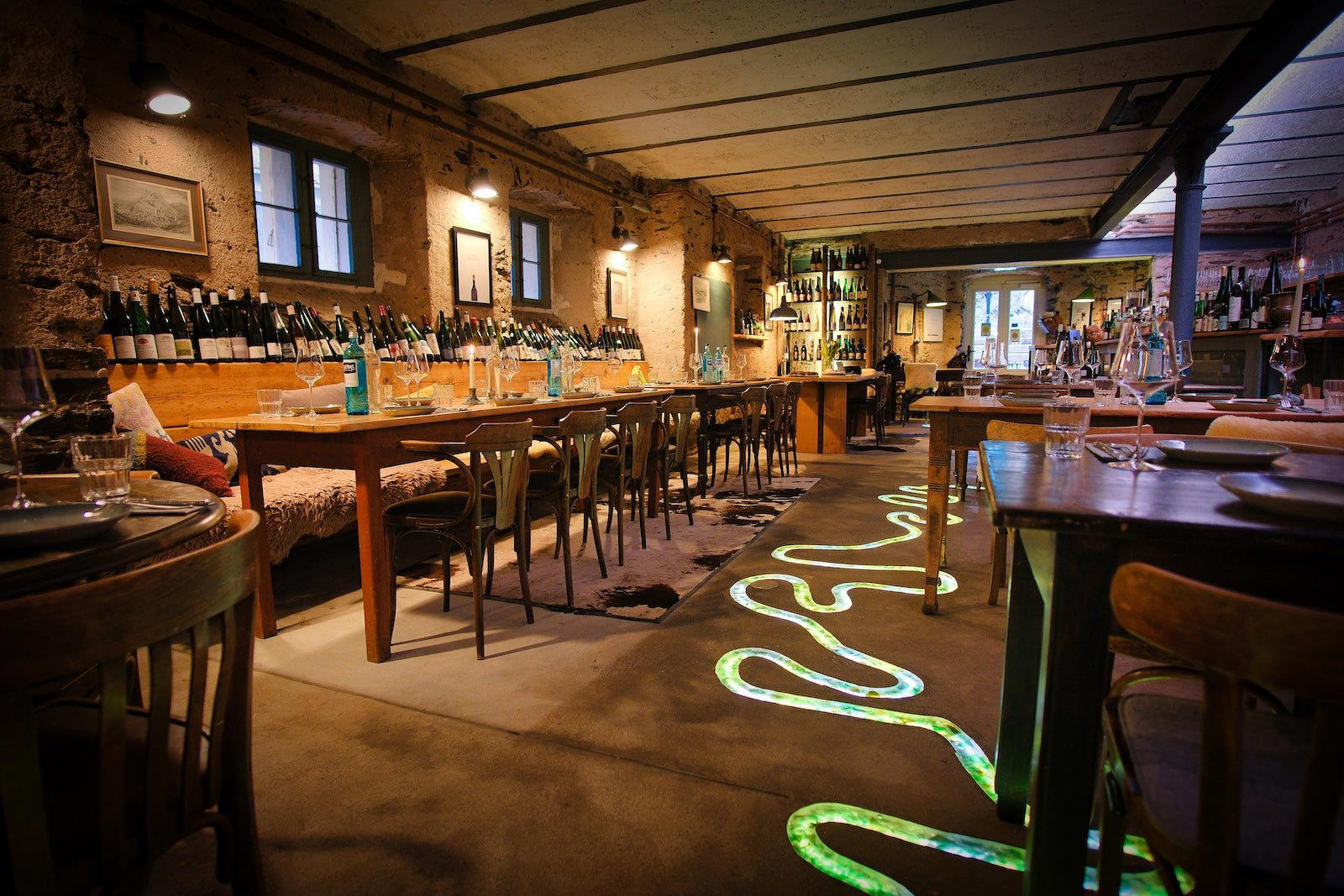
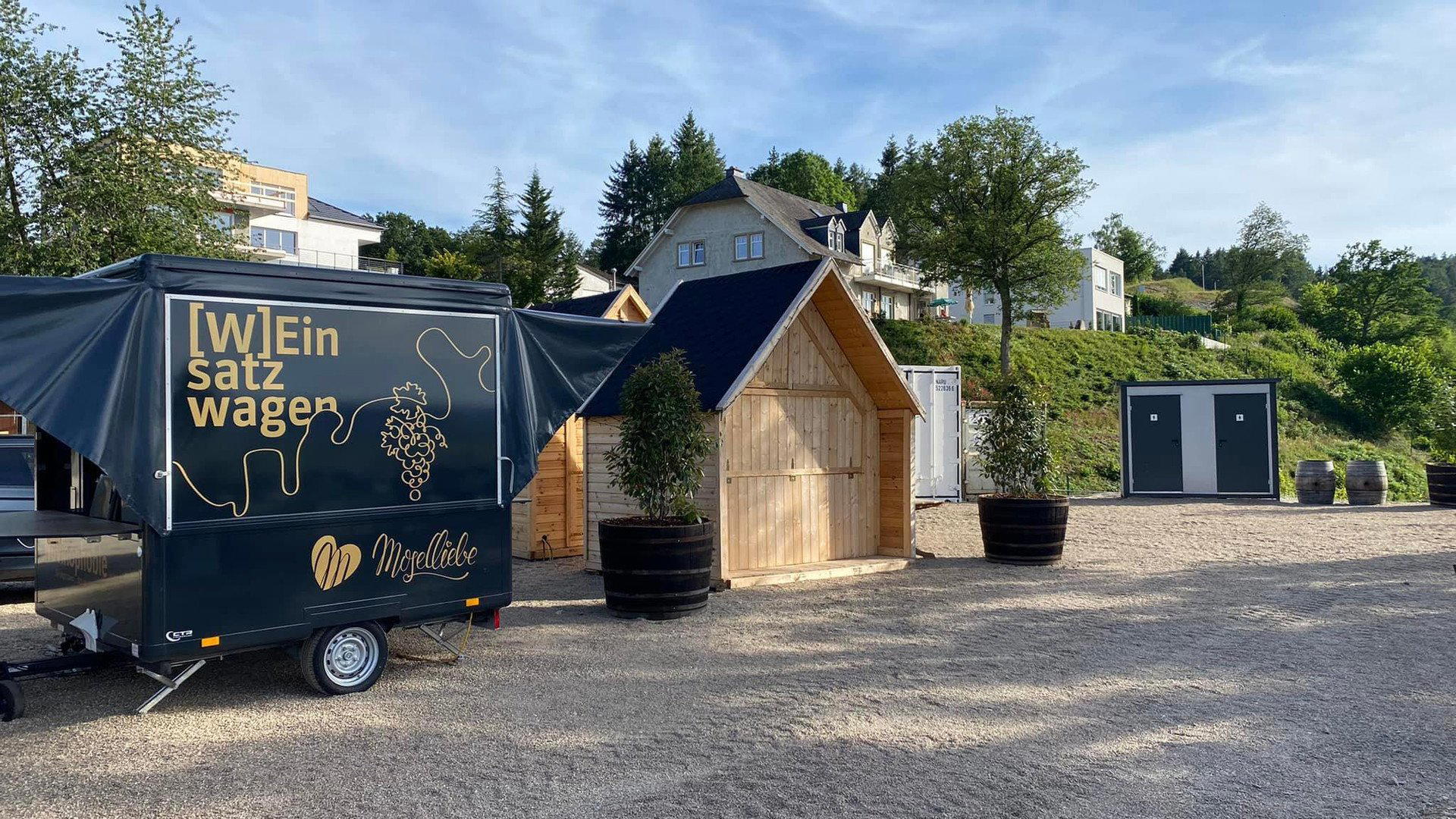
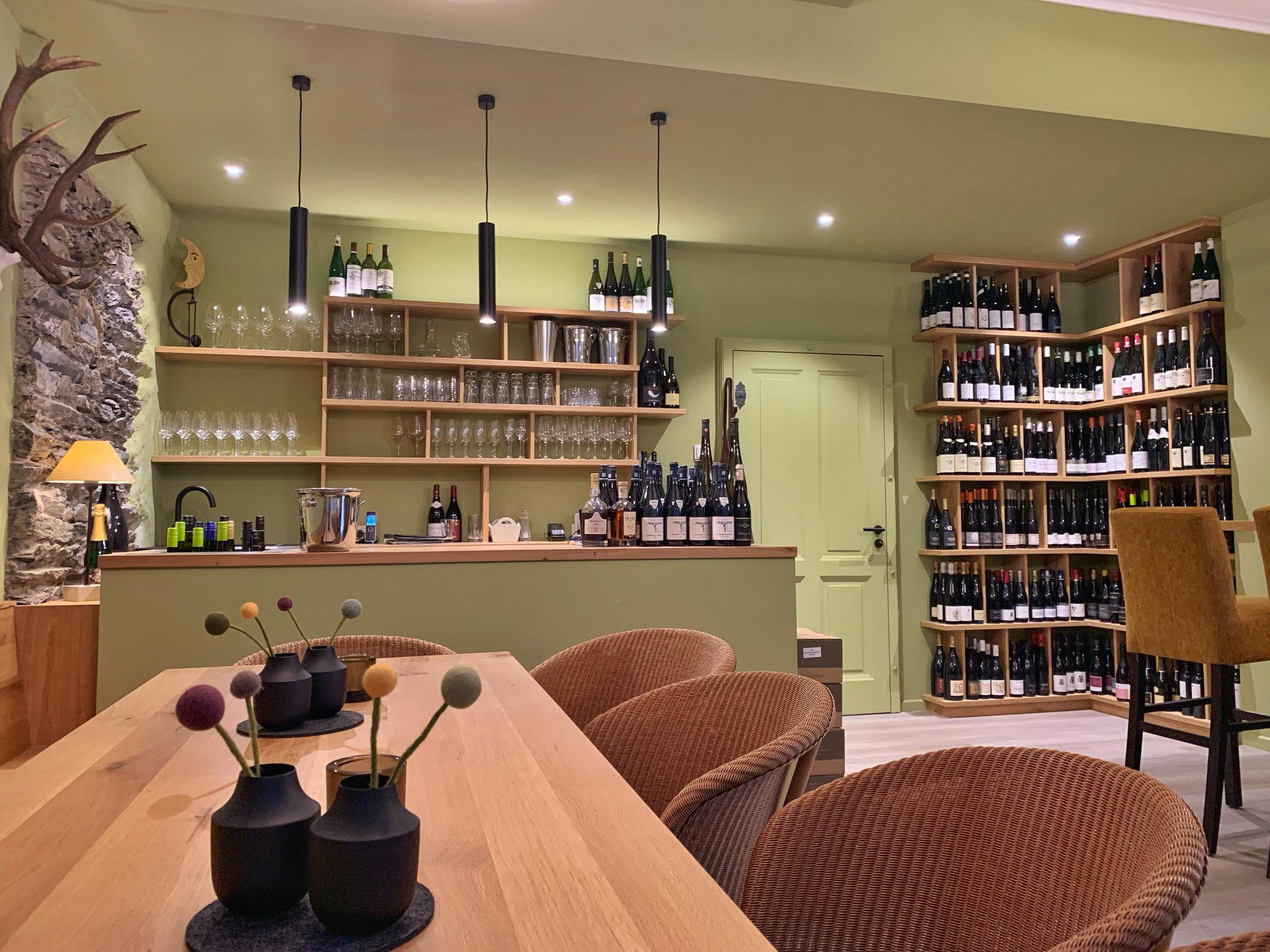
Restaurants in Bernkastel-Wehlen
Browse all →
Details
- Classic
- Scenic
- Romantic
- Intimate
- Vineyard
- Waterfront
- Riesling
- Still White
- Dessert
Family-run Mosel estate winery in Bernkastel-Wehlen; likely traditional and vineyard-focused, but no specific guest atmosphere details were found.