
Michelin Selected
Pearl Star Hotel Atami holds a MICHELIN Selected designation in the 2025 Michelin Hotels guide, placing it within a curated tier of Japanese coastal properties recognised for quality and character. Situated along Atami's eastern shoreline at 6-45 Higashikaigancho, the hotel occupies one of the Izu Peninsula's most storied resort addresses, where Sagami Bay meets a town that has drawn Japanese travellers seeking hot springs and sea views for over a century.

Pearl is the En Primeur Club membership app — saves, bookings, and concierge access live there. Same editors, same standards.
- Address
- 6-45 Higashikaigancho, Atami, Shizuoka 413-0012, Japan
- Phone
- +81 557-48-6555
- Website
- pearlstar.jp
- Directions
- Get directions
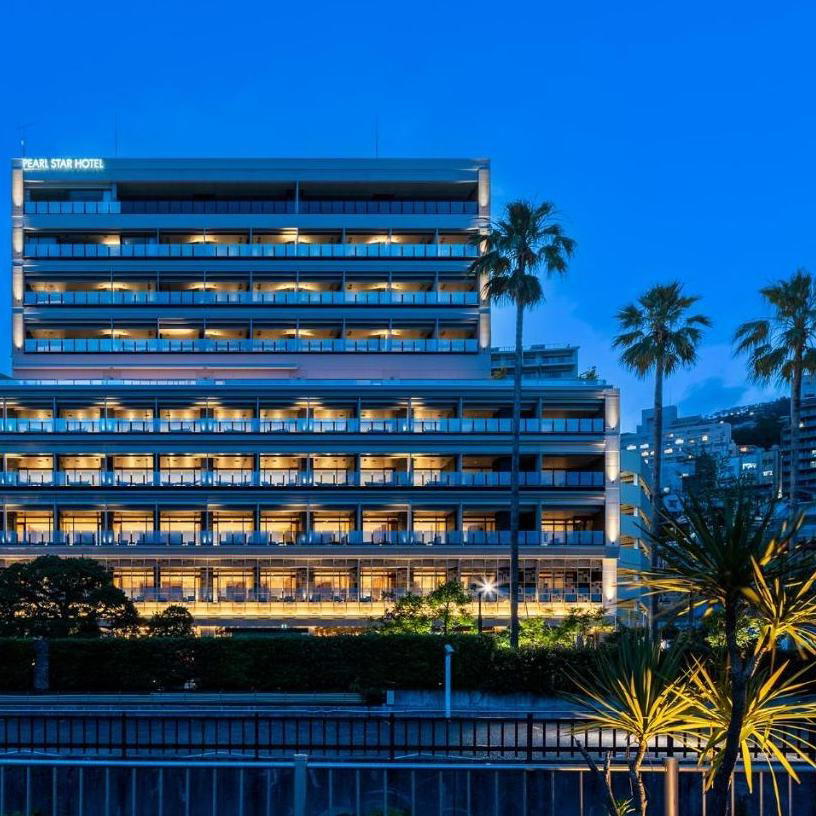
Atami's Coastal Hotel Tier and Where Pearl Star Sits
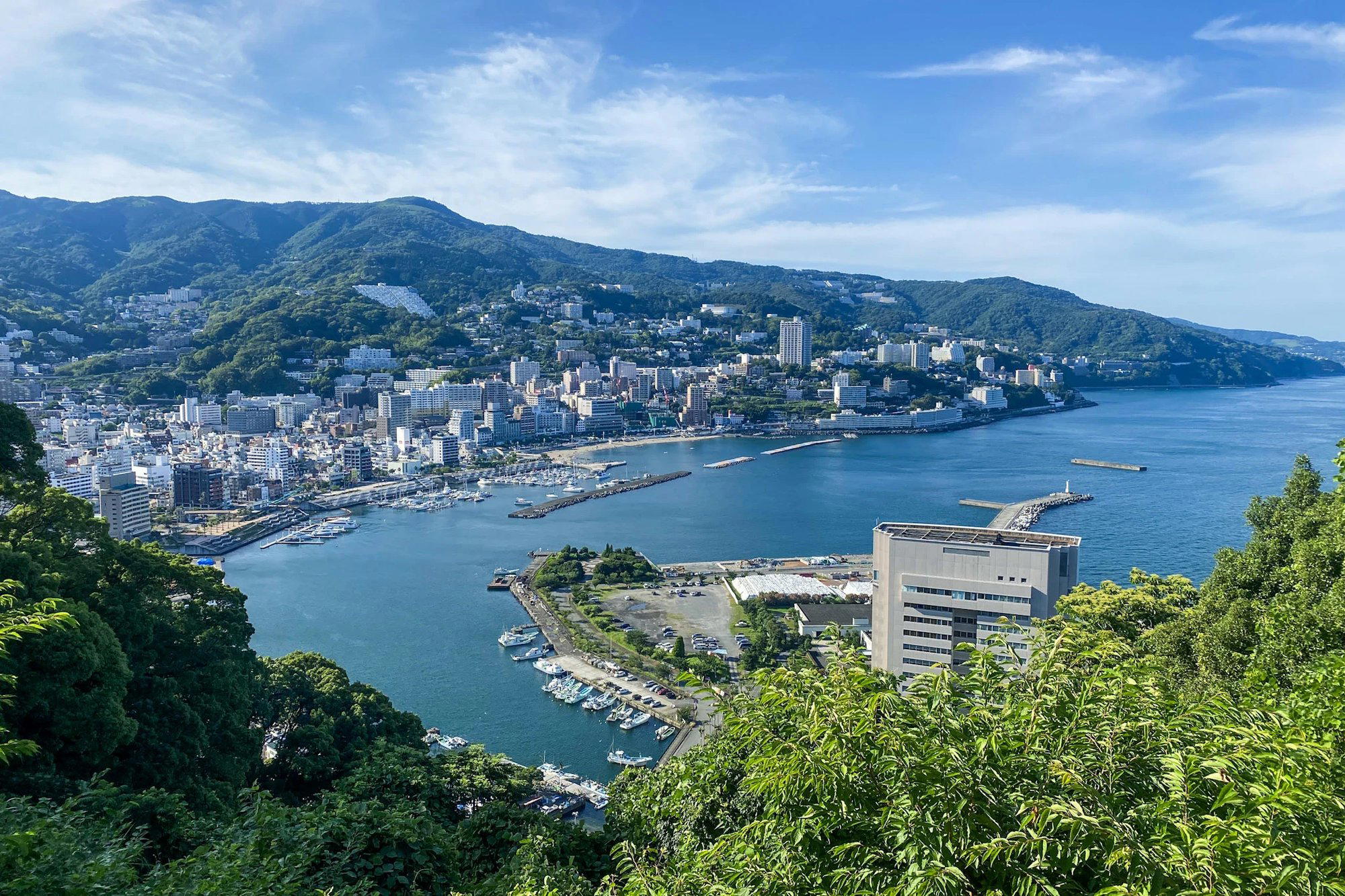
Atami has operated as one of Japan's premier onsen resort destinations since the Meiji era, its hillside hotels and seafront ryokan drawing urban escapees from Tokyo, roughly 100 kilometres to the north, on trains that now arrive in under an hour from Tokyo Station via the Tokaido Shinkansen. That proximity has shaped the town's hospitality in a particular way: Atami competes less with remote mountain retreats and more with Hakone and the broader Izu Peninsula for the weekend market of guests who want hot-spring access without committing to a full multi-day itinerary. Within that context, the accommodation tier has split between large-format resort hotels built for group travel and a smaller cohort of properties with more deliberate positioning. Pearl Star Hotel Atami, holding a MICHELIN Selected distinction in the 2025 Michelin Hotels guide, sits in the latter group, carrying the kind of independent editorial recognition that separates it from the generic resort stock that fills Atami's middle band.
The Michelin Selected designation is not a star rating for restaurants; in the hotels context, it signals that Michelin's inspectors found the property worth including in a curated shortlist, implying a threshold of quality, character, or comfort that the broader market does not uniformly meet. For Atami specifically, that recognition carries weight because the town's hotel inventory skews heavily toward older properties and large-capacity operations.
The Architecture of the Approach: Seafront Positioning on the Eastern Shore
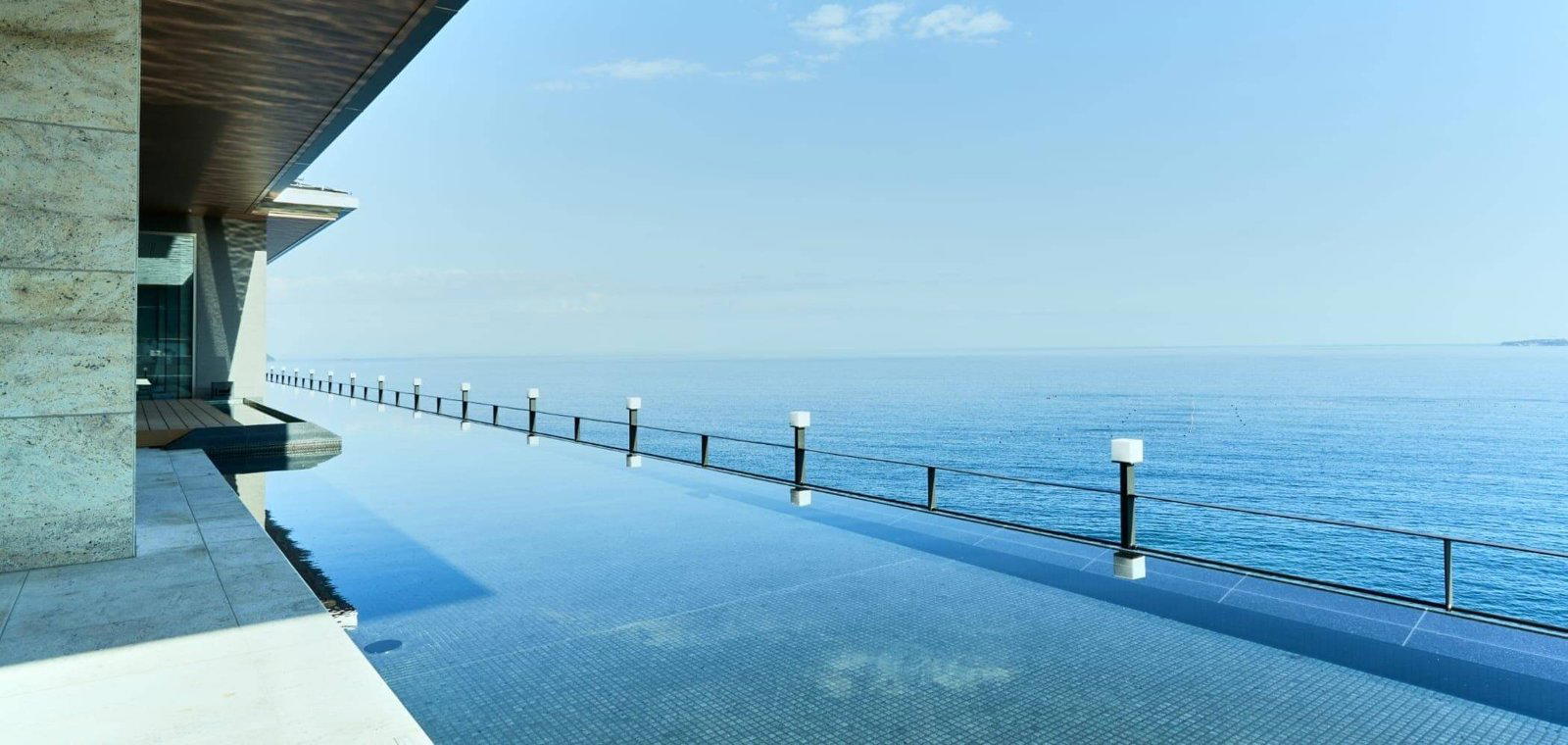
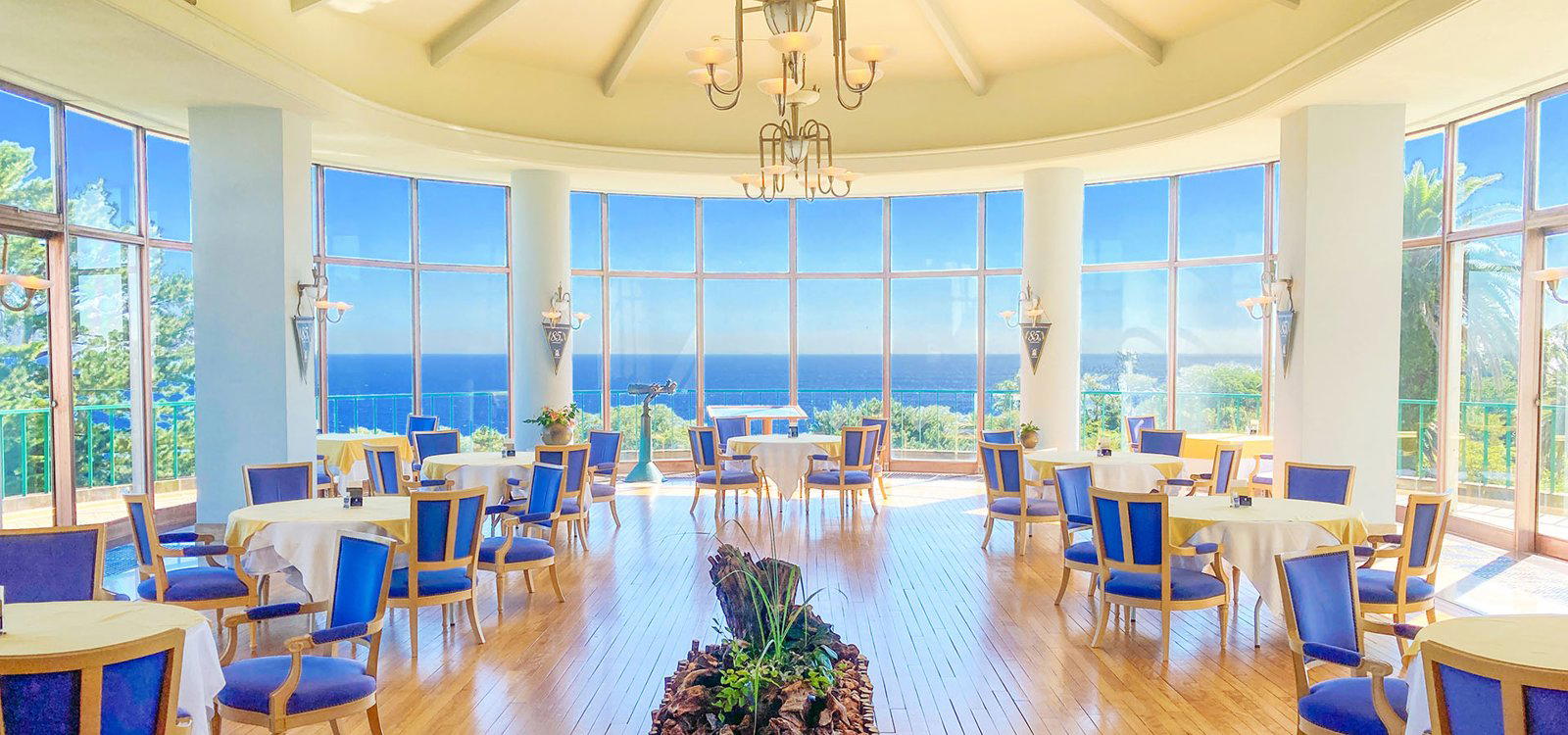
The hotel's address, 6-45 Higashikaigancho, places it on Atami's eastern coastal strip, a stretch of shoreline where the town's built environment opens toward Sagami Bay. Arriving along Higashikaigancho, guests encounter a seafront that has been shaped by decades of resort development, but the eastern coastal road retains a particular quality of light in the morning hours, when the bay catches the early sun before the surrounding hillsides come into full effect. This orientation matters in practical terms: properties on this stretch benefit from direct sea-facing aspects in a way that interior town hotels or hillside properties with partial views do not.
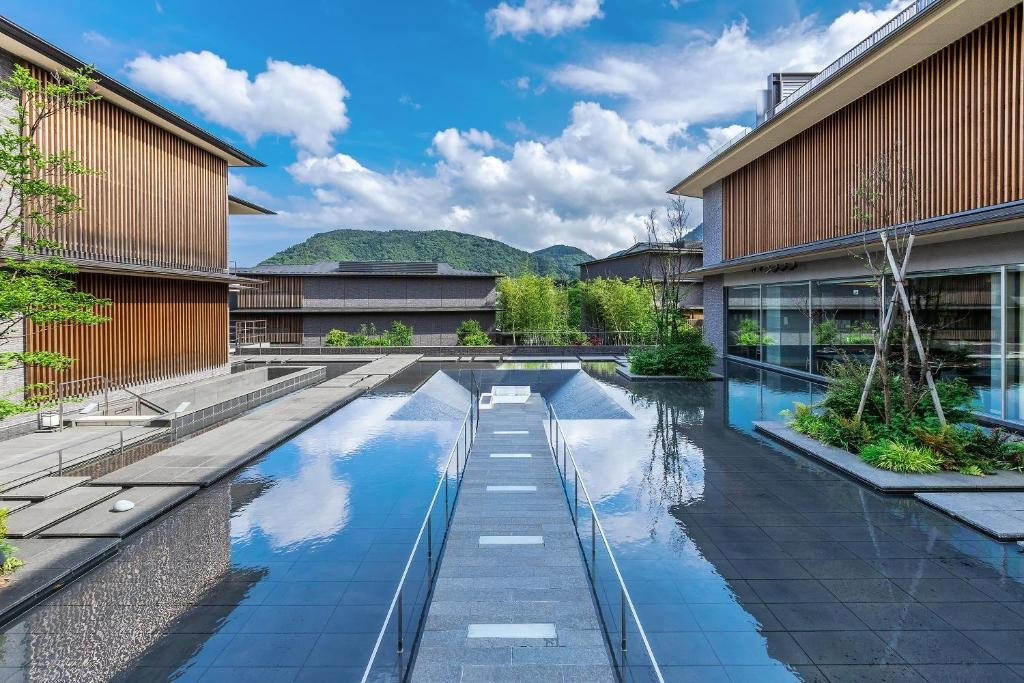
Japanese coastal hotels in this category frequently deploy a specific architectural logic: a vertical structure designed to maximise ocean-facing room count, with communal spaces, baths, and dining positioned to use elevation and framing rather than sprawl. Without specific floor plans available, the broader pattern for Atami seafront hotels of this calibre suggests that the relationship between interior space and the bay view is a deliberate compositional choice, not incidental. Guests choosing a coastal-facing room in properties along this strip are, in effect, buying access to the bay as a designed element of the interior experience.
For context on how the Izu Peninsula's better hotel addresses approach physical space and design, properties like Asaba in Izu and Gora Kadan in Hakone represent the traditional ryokan-influenced approach, where architecture is subordinated to garden, water, and seasonal framing. Pearl Star Hotel Atami operates in a different register, one that leans toward the contemporary hotel format while retaining the onsen infrastructure that defines the Atami guest expectation.
The Atami Onsen Context
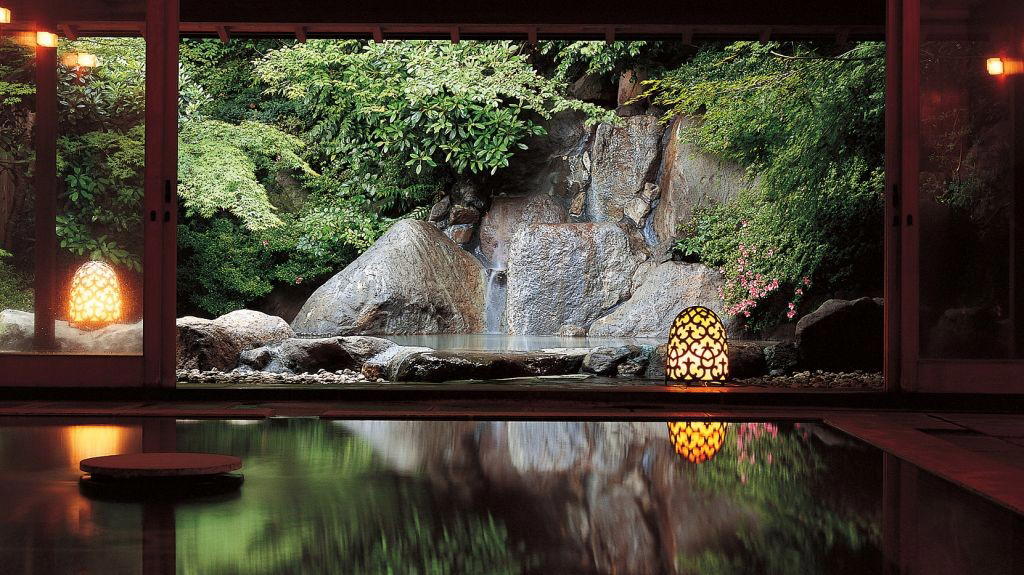
No property in Atami can be evaluated without accounting for onsen access. The town sits on one of Japan's most productive geothermal sources, and hot-spring bathing has been the primary reason guests have come to Atami for generations. The quality, temperature, and delivery format of bathing facilities remain the benchmark against which Atami hotels are quietly measured by returning guests, regardless of what else a property offers. MICHELIN Selected hotels in onsen destinations carry an implicit expectation that the bathing offering meets or exceeds the threshold that earns that designation, and Pearl Star Hotel Atami's inclusion on the 2025 list positions it accordingly within that understanding.
The broader Atami onsen category includes well-established properties with long track records. Atami Izusan Karaku and The Hiramatsu Hotels & Resorts Atami represent two distinct positions within the local competitive set, the former rooted in traditional Japanese hospitality formats, the latter connected to the Hiramatsu group's broader approach to curated gastronomy and interior refinement. Pearl Star Hotel Atami operates as a third point of reference in the town's better-regarded tier.
Planning a Stay: Logistics and Timing
Atami is most accessible from Tokyo via the Tokaido Shinkansen to Atami Station, with journey times around 45 to 50 minutes from Tokyo Station on the Kodama service. From Atami Station, the eastern coastal strip is a short taxi ride. The town's peak periods align with Japanese holiday calendars: Golden Week in late April to early May, Obon in mid-August, and the autumn foliage window in October and November all drive high occupancy across the better Atami properties. The winter months, by contrast, offer quieter conditions and the particular appeal of hot-spring soaking against colder sea air, a combination that draws a more deliberate, repeat visitor rather than the peak-season leisure crowd.
The hotel's address at 6-45 Higashikaigancho, Atami, serves as the reference for mapping and ground-level directions from the station.
For guests contextualising Pearl Star Hotel Atami against Japan's wider premium coastal and onsen hotel field, useful reference points include Fufu Kawaguchiko in Fujikawaguchiko, Nishimuraya Honkan in Kinosaki-cho, Zaborin in Kutchan, and Kamenoi Besso in Yufu. Further afield, Amanemu in Mie represents the upper boundary of what the Japanese coastal onsen hotel category can deliver at a global luxury standard. For city-anchored alternatives before or after an Atami stay, Bvlgari Hotel Tokyo and HOTEL THE MITSUI KYOTO in Kyoto occupy the premium urban end of the Japan hotel market. See also our full Atami restaurants guide for dining context around the property.
For guests whose interests extend to Japan's island and rural properties, Benesse House in Naoshima, Jusandi in Ishigaki, Halekulani Okinawa, Satoyama-Jujo in Niigata, and Nasu Mukunone in Nasu each occupy a distinct regional niche. For internationally oriented comparison, The Fifth Avenue Hotel in New York City, Badrutt's Palace Hotel in St. Moritz, and Hôtel de Paris Monte-Carlo illustrate the wider global tier of MICHELIN-recognised hotel properties.
Comparison Snapshot
Comparable venues nearby, for context on price, style, and recognition.
| Venue | Cuisine | Price | Awards | Notes |
|---|---|---|---|---|
| Pearl Star Hotel AtamiThis venue — the venue you are viewing | Luxury resort hotel blending modern design with traditional Japanese elements. | Not listed | Michelin Selected | Not listed |
| The Hiramatsu Hotels & Resorts Atami | Traditional Sukiya-zukuri ryokan converted into a gourmet auberge | Not listed | 1 Michelin Key | Atami |
| Atami Izusan Karaku | Luxury onsen resort fusing local tradition with modern luxury | $500–750 | 1 Michelin Key | Izusan |
| Hacienda Vison Hotel | Mid-century modern boutique manor house with artist-inspired rooms | $500–750 | 1 Michelin Key | Odaicho |
| Sengokubara COCON | Renovated traditional Japanese company facility into modern luxury ryokan | $750–1,000 | Michelin Selected | Sengokuhara |
| Ishigaki Hills | Modern villas blending architecture with nature for immersive island retreats | $500–750 | Michelin Selected | Miyara |
Recognition history
Dated appearances from independent guides and award organizations, with the underlying list record or original source where available.
Michelin Selected
Michelin
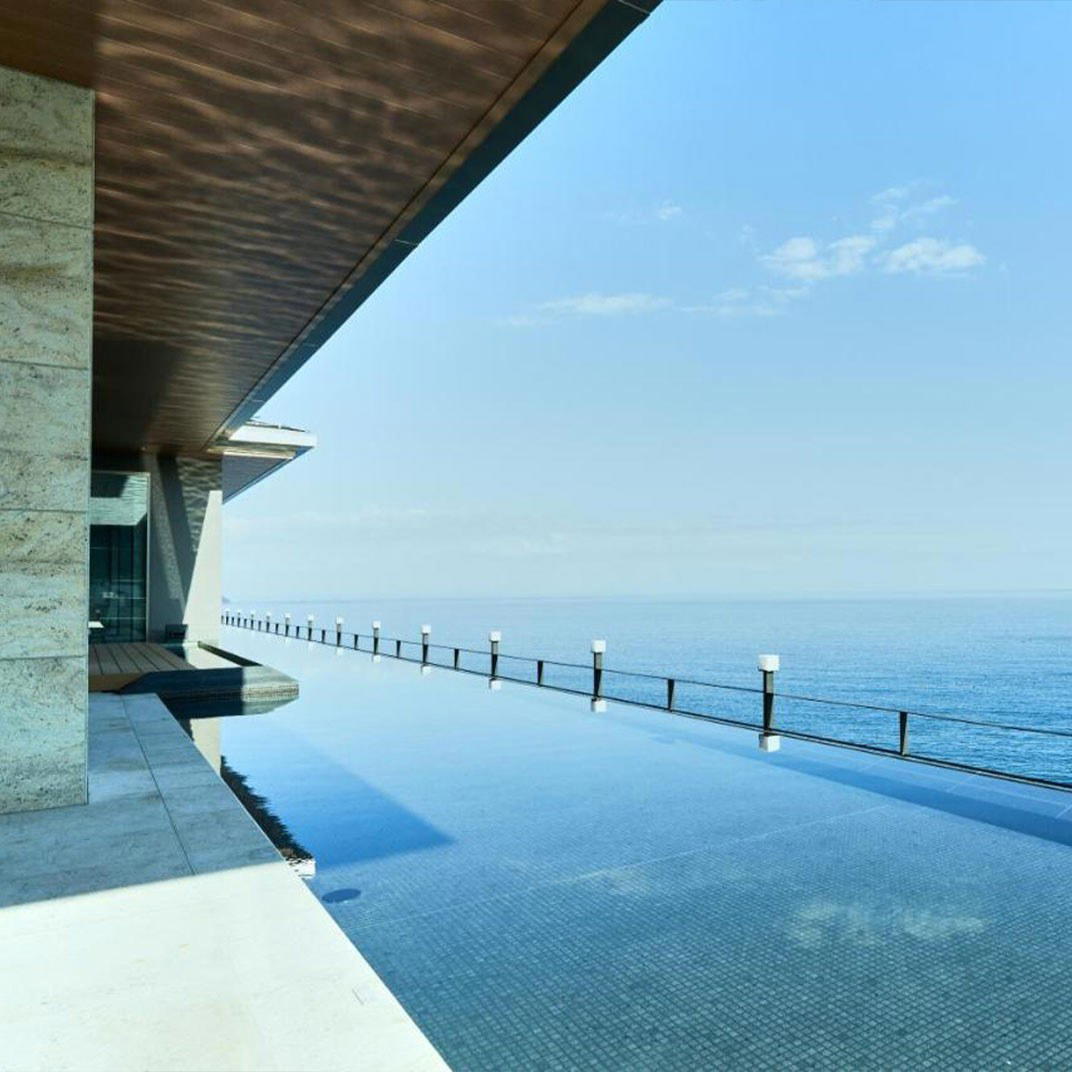
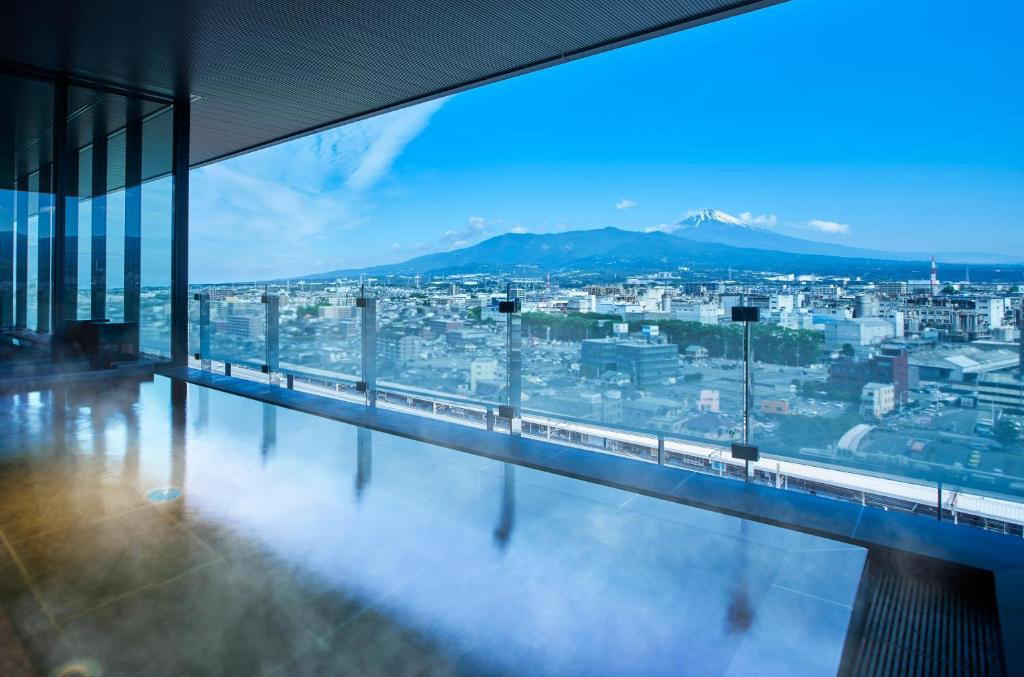
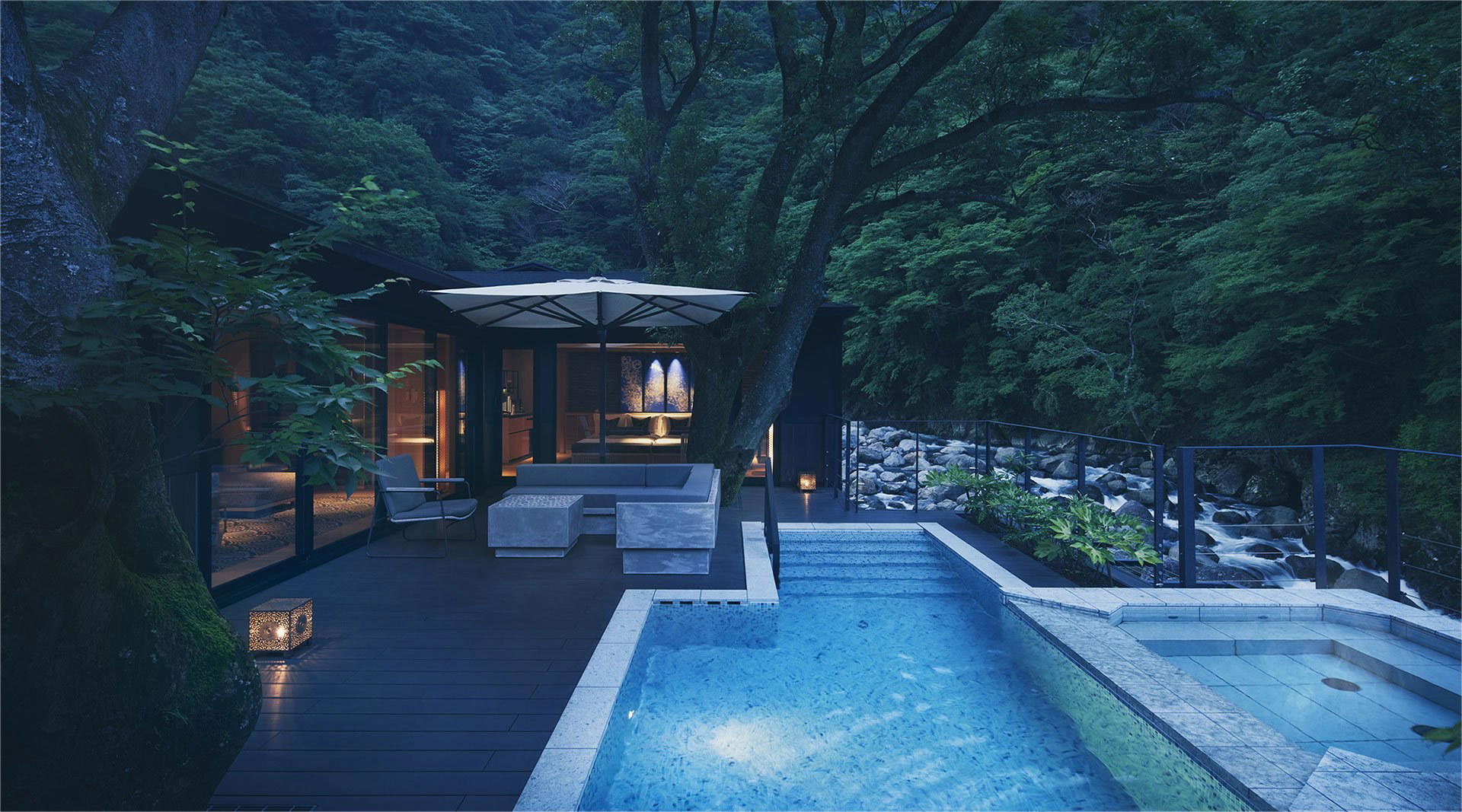
Details
- Modern
- Elegant
- Scenic
- Sophisticated
- Minimalist
- Romantic Getaway
- Honeymoon
- Weekend Escape
- Panoramic View
- Waterfront
- Infinity Pool
- Spa
- Sauna
- Fitness Center
- Room Service
- Concierge
- Waterfront
- Elevator
- Wheelchair Accessible
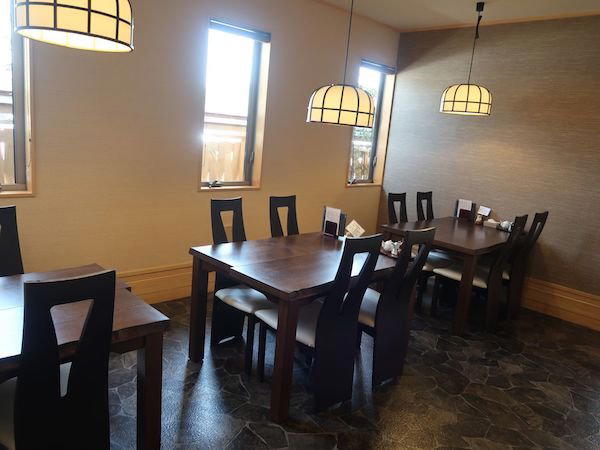
Warm, soothing minimalist luxury with soft light filtering through handmade Japanese paper screens and wood accents.