
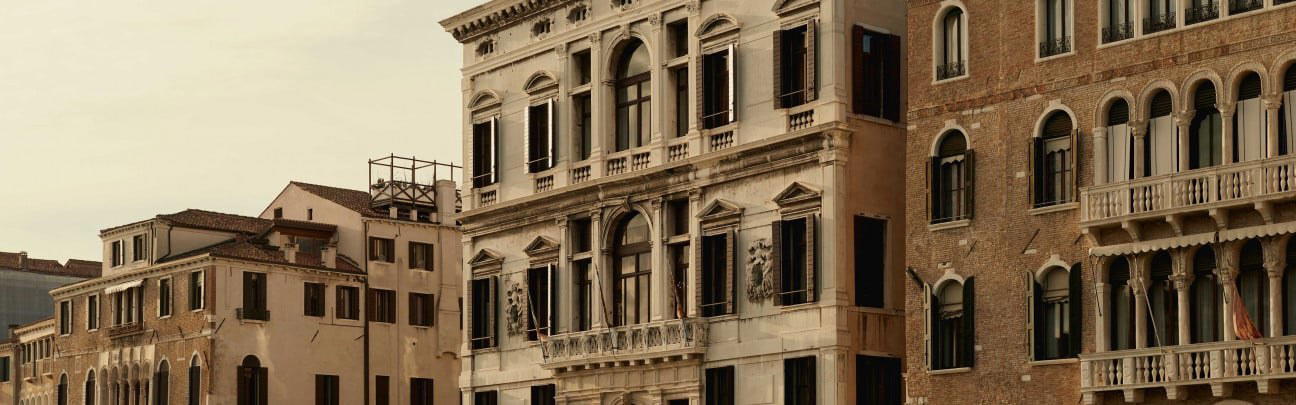
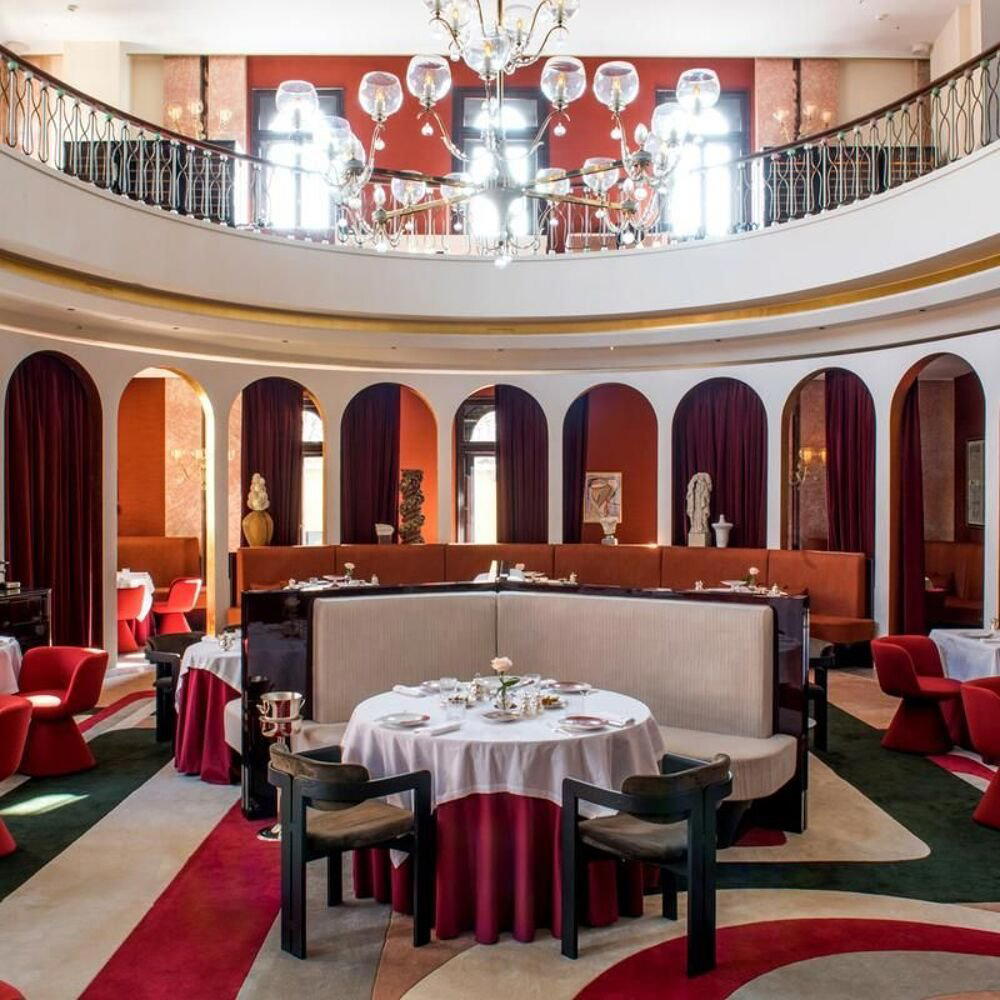
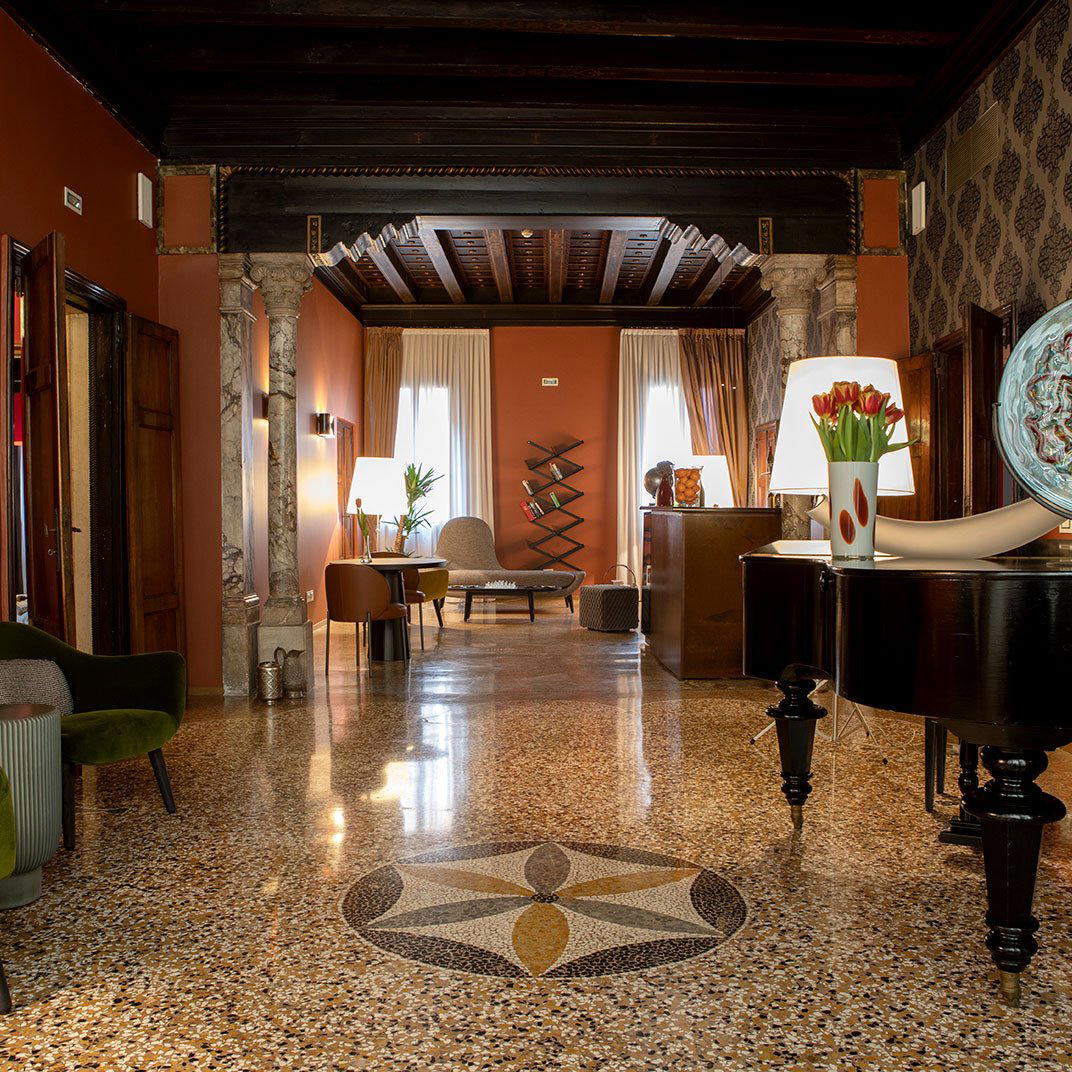
Palazzina Grassi occupies a historic palazzo on the San Marco sestiere, positioning it within Venice's smaller, design-conscious hotel tier rather than its grand-hotel circuit. The address places guests within walking distance of the Grand Canal and the Accademia, with the intimacy of a private residence rather than the scale of a resort. For travellers who read proximity and architectural character as primary criteria, it belongs on a short list alongside the city's other boutique palazzo properties.
Pearl is the En Primeur Club membership app — saves, bookings, and concierge access live there. Same editors, same standards.
- Address
- Ramo Grassi, 3247, 30124 Venezia VE, Italy
- Phone
- +39 041 528 4644
- Website
- palazzinagrassi.com
- Directions
- Get directions
 Saves & bookings on Pearl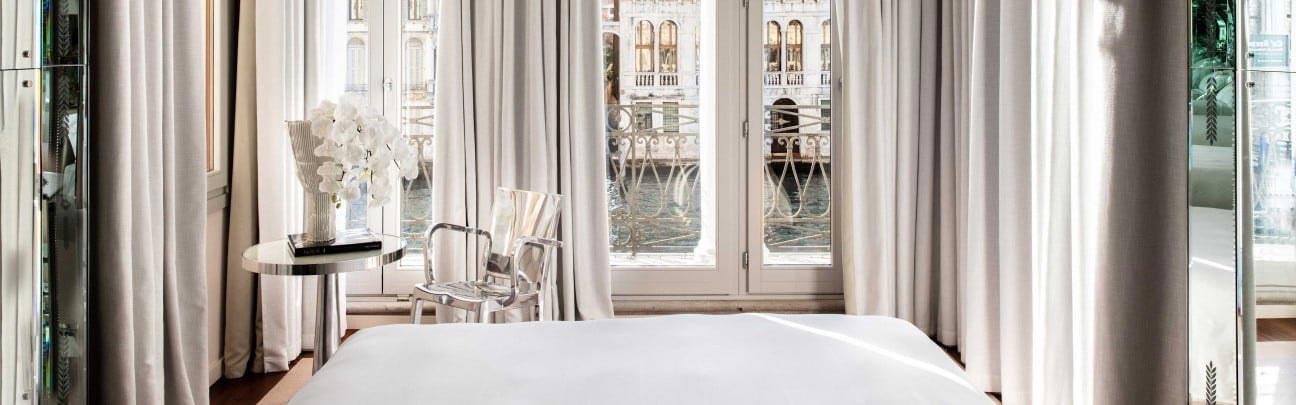
A Palazzo Address in the San Marco Sestiere
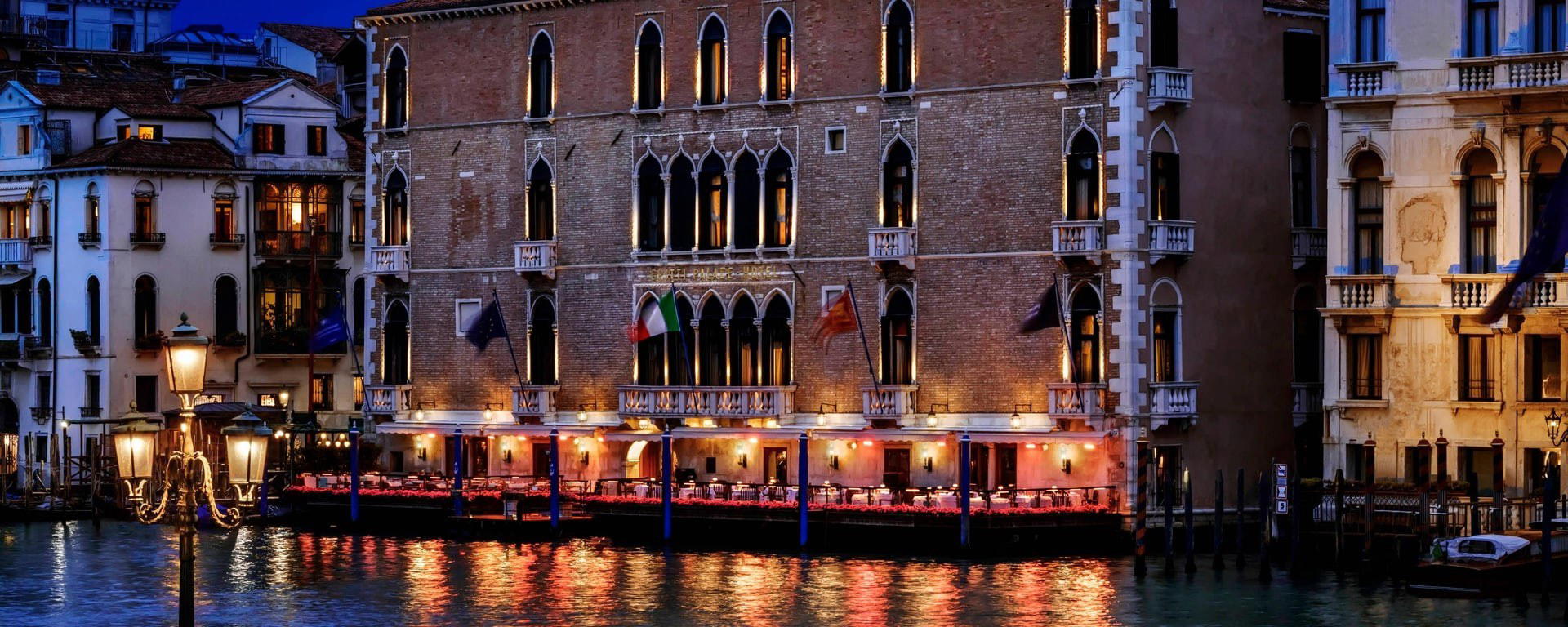
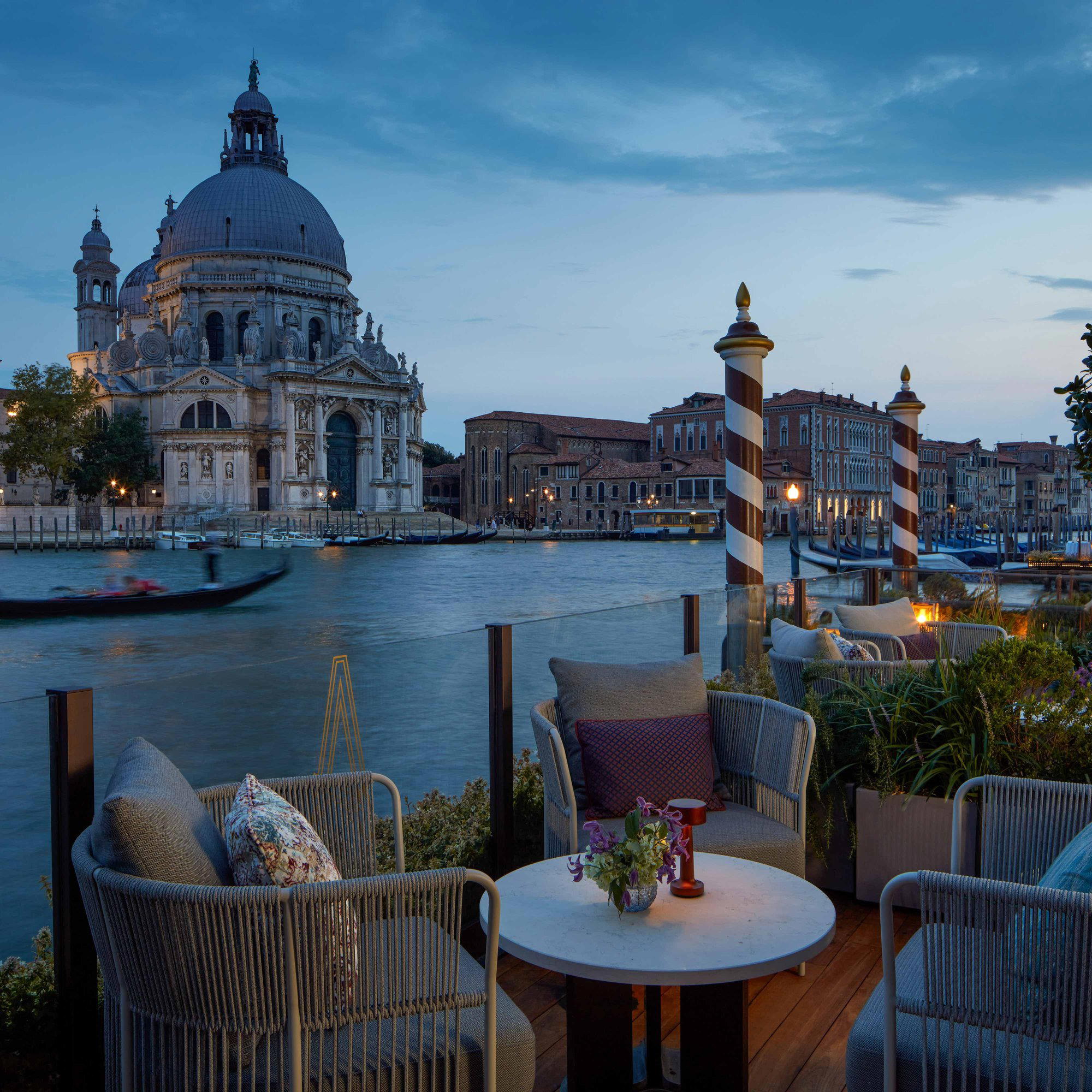
Venice's hotel geography is as consequential as its architecture. The city divides, roughly, into properties that trade on grand-hotel scale and those that operate within the intimate logic of a converted palazzo. Palazzina Grassi falls into the second category, occupying a historic address at Ramo Grassi 3247 in the San Marco sestiere, among the more navigationally connected positions a Venice property can hold. From here, the Accademia bridge is within reach on foot, the Grand Canal is close enough to frame the orientation of the building, and the Dorsoduro's quieter calli open up as an easy extension of any afternoon. That kind of address is not incidental. In a city where the distance between two landmarks can mean the difference between a five-minute walk and a twenty-minute boat journey, the sestiere you occupy shapes the entire rhythm of a stay.
Venice's smaller, design-led properties have grown more self-aware over the past decade. Where the city's large hotels, among them Aman Venice, Cipriani, A Belmond Hotel, Venice, and Hotel Gritti Palace, compete on ceremony, waterfront frontage, and institutional prestige, the smaller palazzo tier competes on access, architecture, and the texture of feeling housed in a building with a specific history rather than a brand identity. Palazzina Grassi operates within this second logic, which means the selection criteria for a traveller considering it are fundamentally different from those that apply when choosing between the Gritti and the Cipriani.
What the Address Actually Provides
The San Marco sestiere is Venice's densest concentration of architectural weight. The Basilica, the Doge's Palace, the Correr Museum, and the Accademia are all within the same navigable radius. For a visitor whose primary interest is the city's visual culture, this positioning functions as a practical advantage: the morning walk to a museum doesn't require a vaporetto schedule. The evening return from a dinner in Dorsoduro is manageable on foot. That compression of distance, in a city that otherwise demands constant logistical calculation, is one of the more substantive things a hotel address can offer.
Properties in the San Marco orbit tend to attract a particular kind of guest: culturally motivated, usually independent rather than group-led, and less reliant on a hotel's internal programming because the neighbourhood itself provides sufficient structure. Palazzina Grassi's position suits that profile. It isn't an island property requiring a boat transfer, nor is it on the Lido, where the physical separation from the city's centre can make even well-appointed rooms feel slightly disconnected from Venice's core logic. The address anchors guests to the city rather than filtering it through resort infrastructure.
Ca' di Dio, Corte di Gabriela, Il Palazzo Experimental, Londra Palace Venezia, and Nolinski Venezia. Each occupies a different position within the boutique tier, whether defined by neighbourhood, design language, or operational scale. The hotel's San Marco address places it in particularly central cluster of this group.
The Broader Italian Context
Venice's palazzo hotel model has parallels across northern and central Italy. Properties like Castello di Reschio in Lisciano Niccone and Four Seasons Hotel Firenze in Florence apply a similar logic: historic architecture used as the primary design asset, with the building's structure setting the guest experience rather than a brand-led renovation flattening it. At the smaller end of this spectrum, properties in Amalfi and the south, among them Borgo Santandrea on the Amalfi Coast and Il San Pietro di Positano, demonstrate that particularly sought-after Italian boutique properties often derive their appeal from site specificity rather than scale. The hotel belongs to that broader pattern, even if its Venetian context makes it a distinct case.
The comparison is instructive: Bulgari Hotel Roma and Borgo Egnazia in Savelletri di Fasano operate at a different scale entirely, where brand presence and resort infrastructure take precedence. The hotel's positioning is closer to the former group. Further south, JK Place Capri, Il Pellicano in Porto Ercole, and Corte della Maestà in Civita di Bagnoregio round out an Italian boutique circuit that shares the same underlying premise: the building and its location carry the argument for the rate.
Planning a Stay
Venice's peak season runs from late spring through early September, with a secondary surge during Carnival in February. The shoulder months of October and early November offer reduced visitor density and more navigable streets, particularly in the San Marco area, which absorbs the highest foot traffic during high season. Guests staying in the sestiere during peak periods should expect the calli immediately around the Basilica to be heavily congested by mid-morning. The advantage of a palazzo address at that time is the ability to return to the property mid-day without the time cost of a vaporetto transfer.
Compact Comparison
Comparable venues nearby, for context on price, style, and recognition.
| Venue | Price | Notes |
|---|---|---|
| Palazzina GrassiThis venue — the venue you are viewing | $$$$ | Not listed |
| Nani Mocenigo Palace | $$$$ | Dorsoduro, Venetian Gothic palace hotel blending historic authenticity with luxury |
| Airelles Venezia, Palladio | $$$$ | Giudecca, Restored historic Venetian palazzo with French luxury hospitality brand positioning, blending classical Italian architecture with contemporary French design sensibilities. |
| San Clemente Palace | $$$$ | Isola di San Clemente, Historic 17th-century palace on a private island transformed into a luxury retreat |
| Charming House iQs | $$$$ | Castello, Contemporary apartments in historic Gothic palazzo |
| Ca' Bonfadini | $$$$ | Cannaregio, Historic 18th-century Venetian palazzo with neoclassical opulence. |
Recognition history
Dated appearances from independent guides and award organizations, with the underlying list record or original source where available.
Mr & Mrs Smith Smith Seal of Approval
Mr & Mrs Smith
Michelin Selected
Michelin

At a Glance
- Elegant
- Sophisticated
- Romantic
- Intimate
- Modern
- Romantic Getaway
- Honeymoon
- Anniversary
- Weekend Escape
- Waterfront
- Historic Building
- Design Destination
- Terrace
- Panoramic View
- Room Service
- Concierge
- Wi Fi
- Waterfront
- Room Service
- Concierge
- Wi Fi
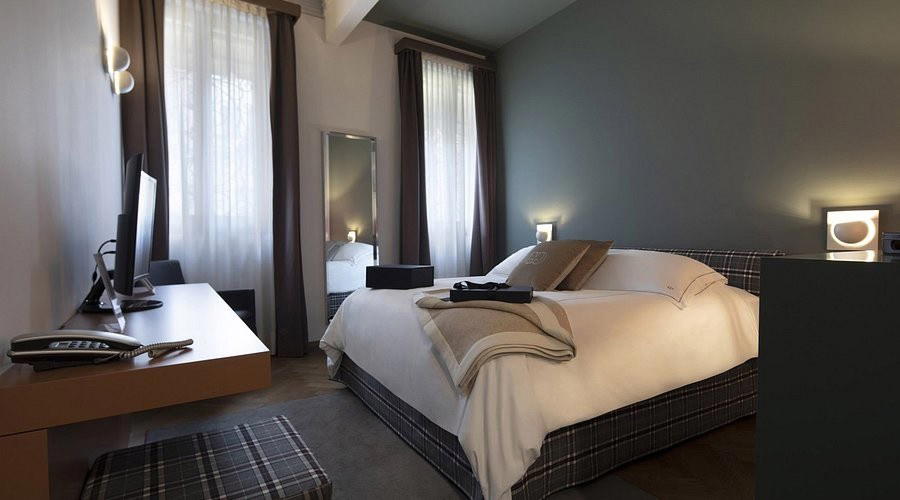
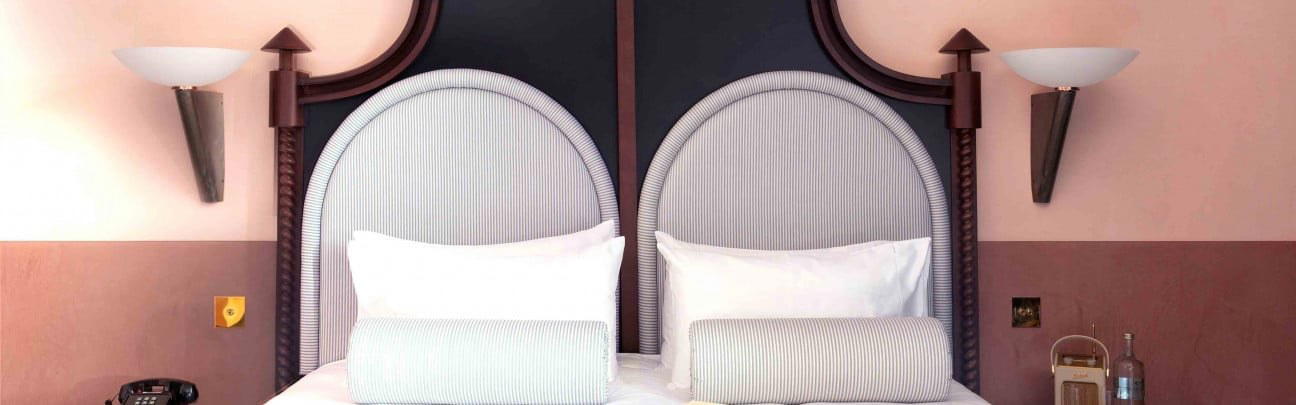
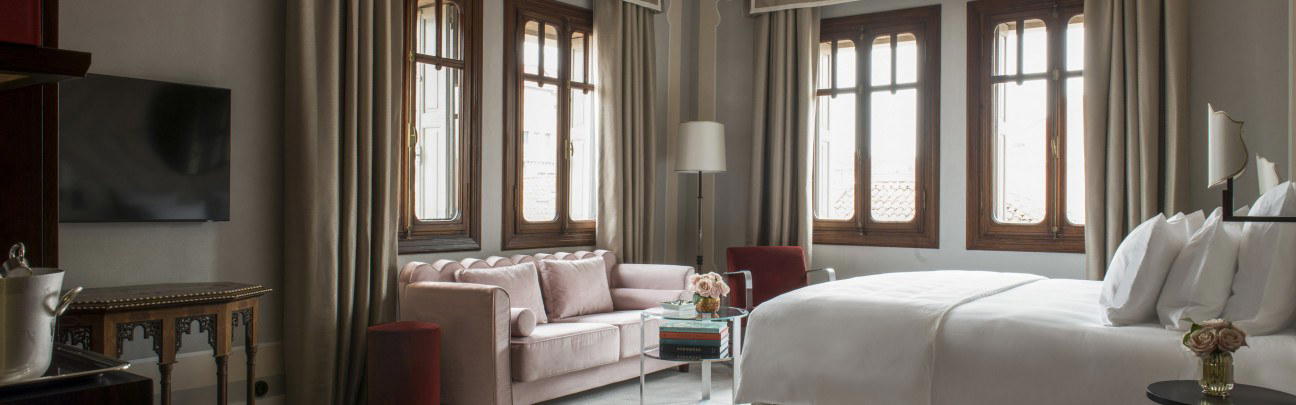
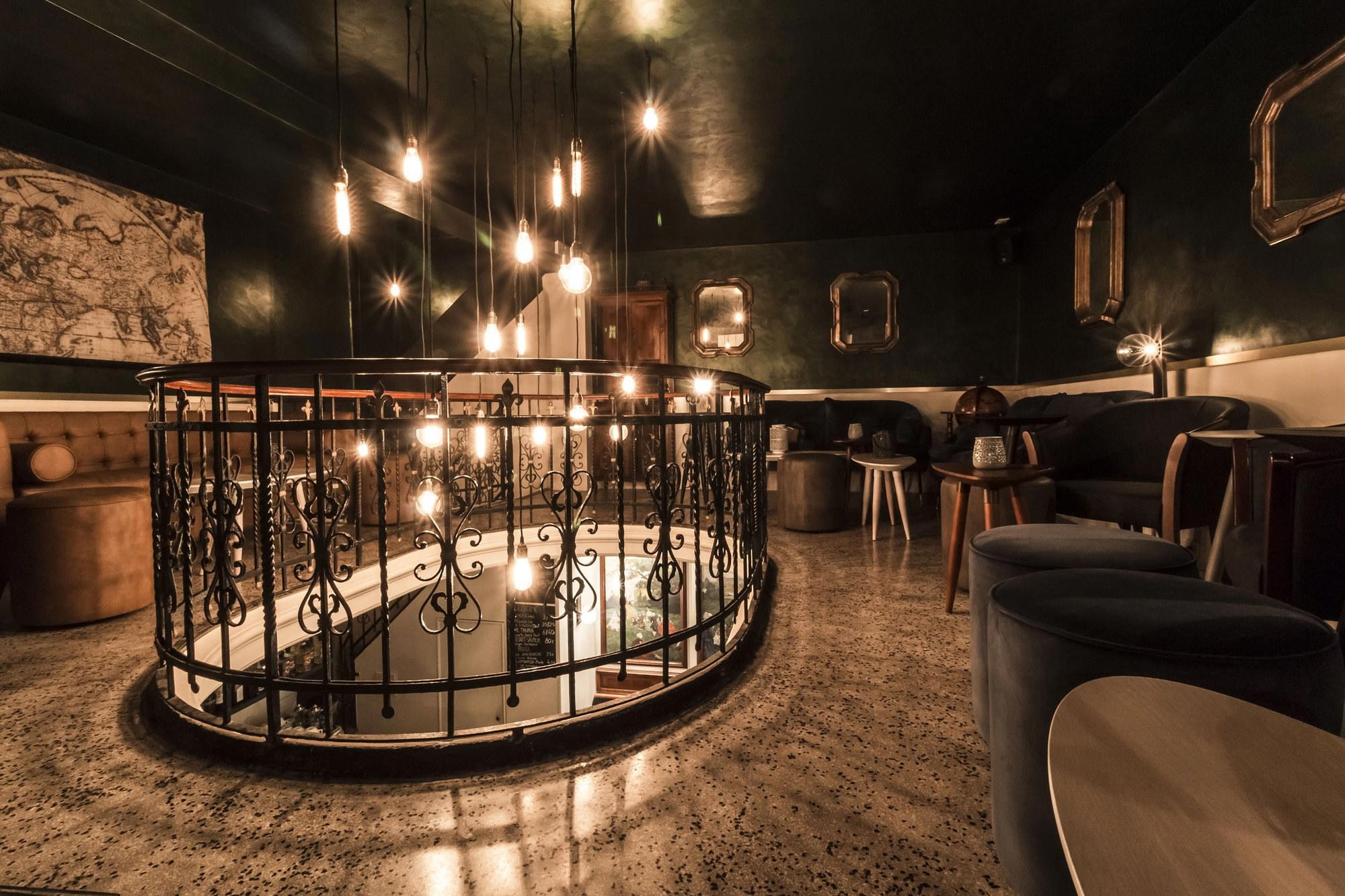
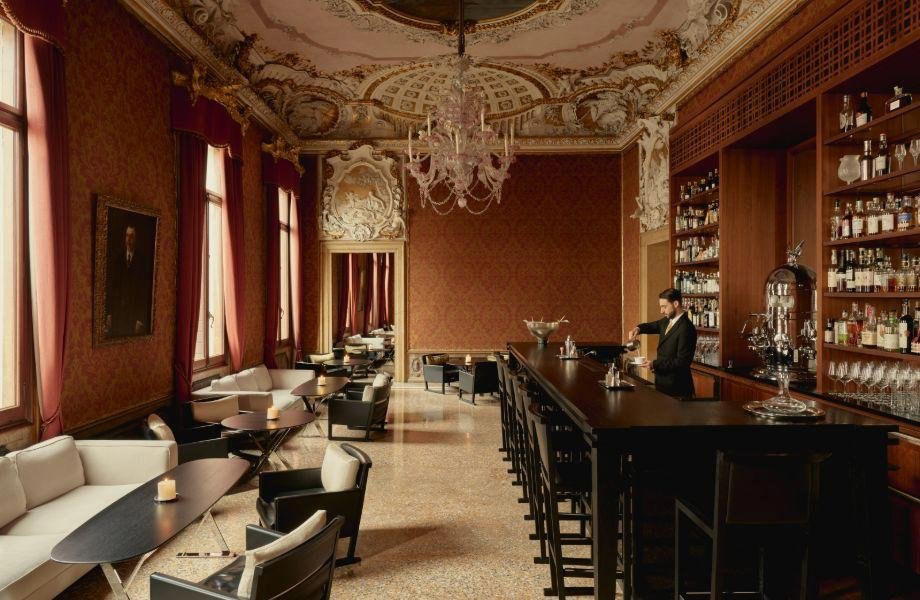
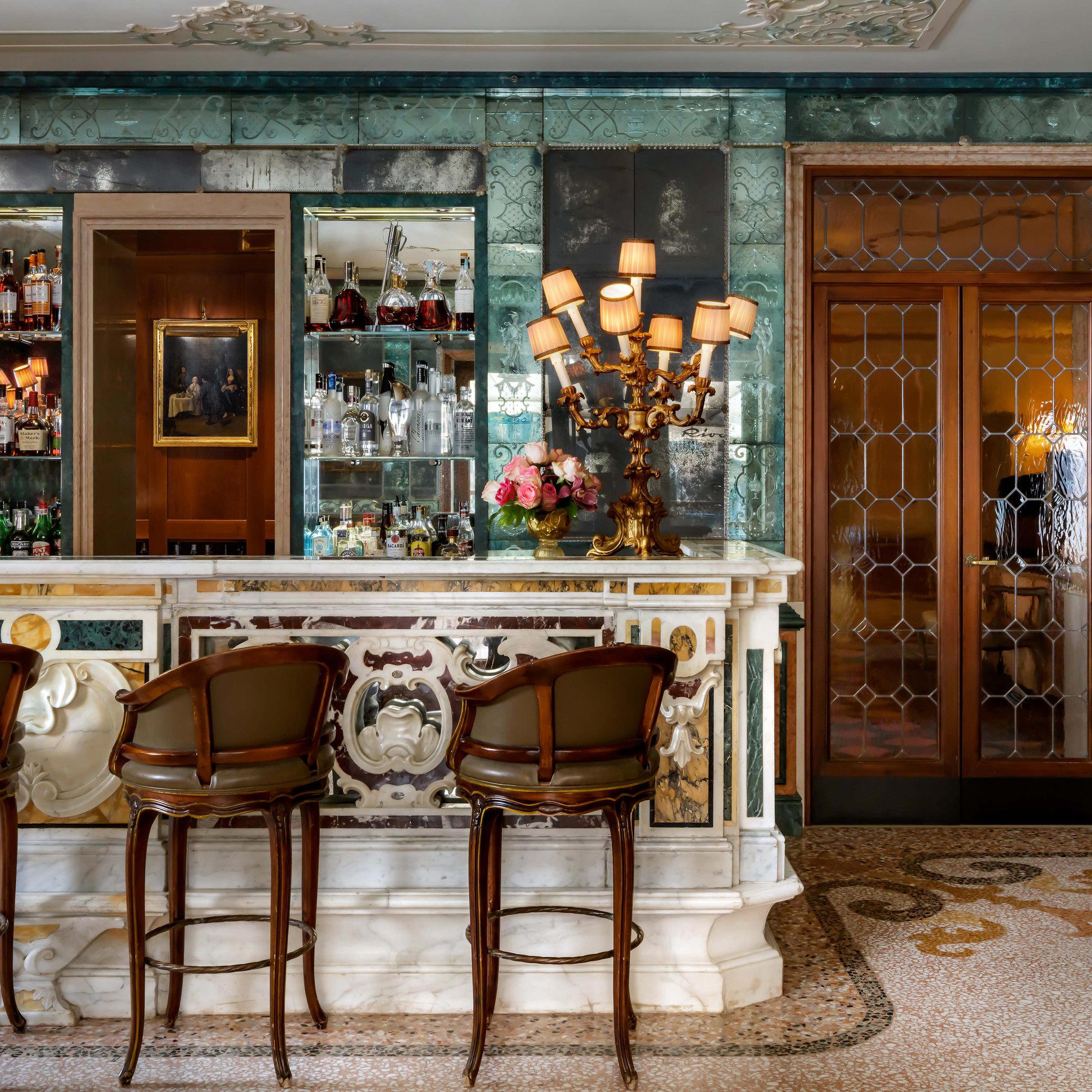
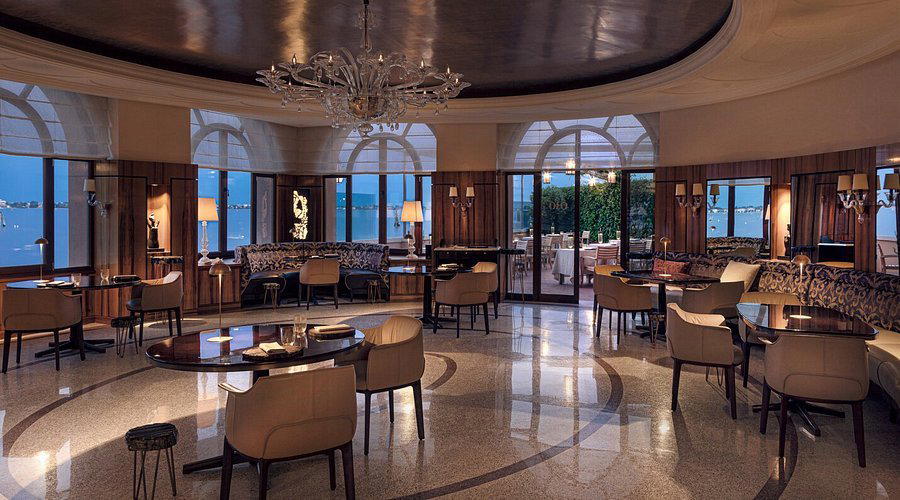
Sensual and elegant with warm lighting, large backlit mirrors, and a cozy, refined atmosphere like a private aristocratic home.