Occupying a historic address in Florence's Oltrarno district, Ostello Tasso sits within the residential fabric of a neighbourhood long favoured by artists and intellectuals. The property's Via Villani location places guests within walking distance of the Pitti Palace and the Boboli Gardens, in a quarter that feels measurably less trafficked than the centro storico. For travellers who want proximity to Florentine history without the density of the tourist core, it occupies a coherent position.

Pearl is the En Primeur Club membership app — saves, bookings, and concierge access live there. Same editors, same standards.
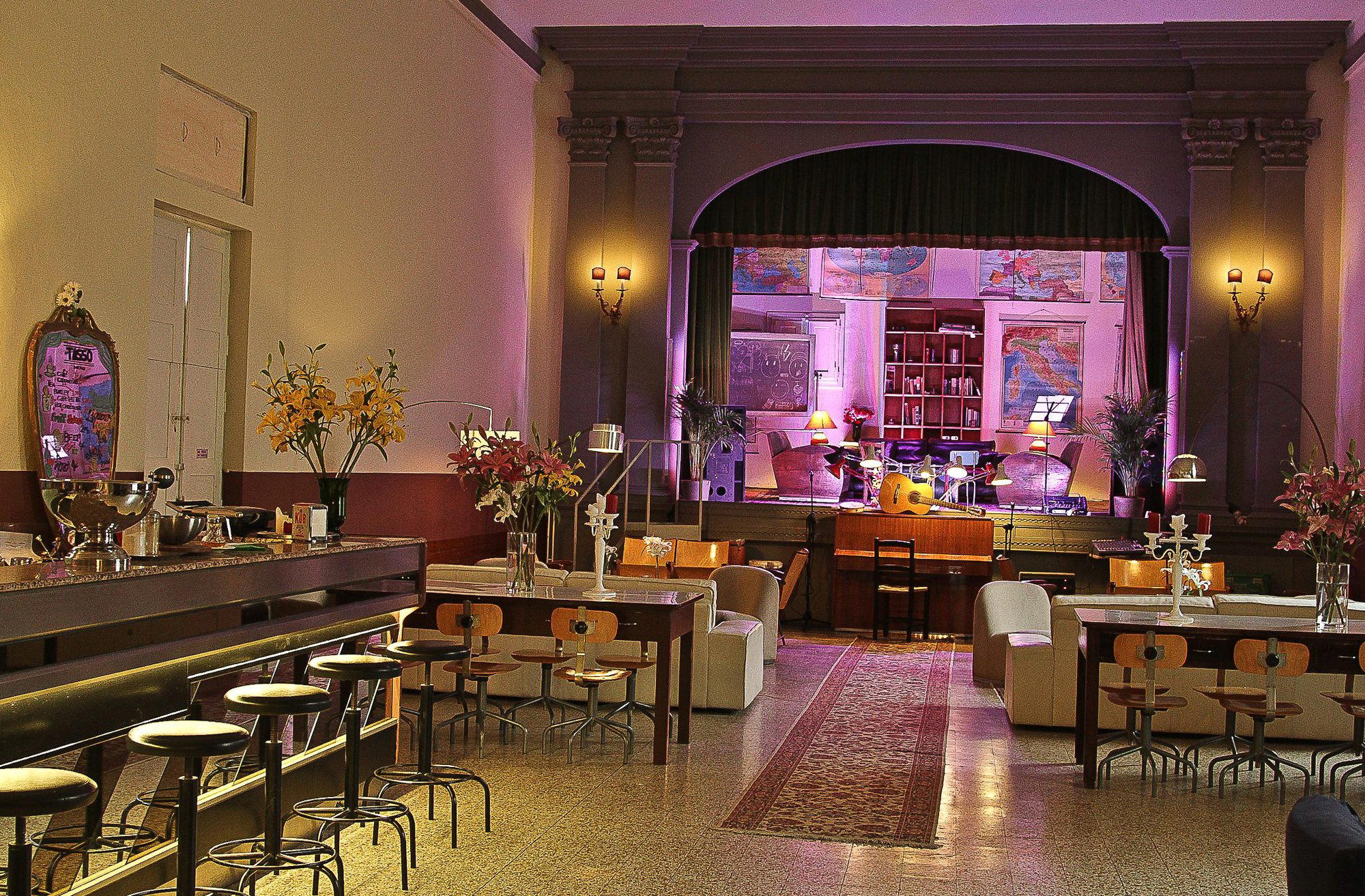
The Oltrarno Quarter and the Buildings That Remember
Via Villani sits on the south bank of the Arno, in a part of Florence where the streets narrow and the tourism thins. The Oltrarno has long functioned as the working counterweight to the postcard-heavy centro storico across the river: artisan workshops, neighbourhood trattorias, centuries-old palazzi that absorbed residents and travellers alike without making much fuss about it. Ostello Tasso occupies one of those buildings at number 15, and arriving on foot from the Ponte Vecchio, past the leather workshops of Via Maggio and the quiet courtyards spilling onto Santo Spirito, gives the address its proper context before you ever step inside.
The Oltrarno's accommodation offer has traditionally split between large-footprint luxury properties closer to the river and smaller, independently run houses further into the neighbourhood. Ostello Tasso belongs to the latter category, the kind of address that has absorbed the area's historical sediment rather than been constructed around a branding exercise.
A Building in Time
Florence's relationship with its residential architecture is unlike almost anywhere else in Italy. Buildings in the Oltrarno have repeatedly served multiple generations and multiple functions, moving between private palazzo, pensione, boarding house, and contemporary hospitality without significant structural interruption. The address on Via Villani carries that layered quality. The building stands in a district that has housed artists, students, and travellers since the Grand Tour era, when northern Europeans would install themselves on the south bank for months to study painting and absorb what could not be imported back home.
The tradition of hosting in this neighbourhood predates the hotel category as we now understand it. What the Grand Tour established, and what the Oltrarno's smaller properties have sustained, is a mode of Florentine accommodation where the building itself provides the primary sense of place. That approach sits at a considerable distance from the approach taken by major international operators in the city. The Four Seasons Hotel Firenze, which occupies the Palazzo della Gherardesca on the north side of the river, operates at the apex of the grand palazzo conversion model, with formal gardens and a spa operation scaled to match. Palazzo Portinari Salviati Residenza D'Epoca takes a comparable approach in the centro storico, restoring a fifteenth-century banking family's home to a polished contemporary standard. Ostello Tasso draws from the same deep well of Florentine architectural history but addresses it through a different register.
Positioning Within Florence's Accommodation Spectrum
Florence's hotel market has grown considerably more stratified over the past decade. At the upper tier, properties such as Villa Cora, positioned on the Viale Machiavelli with formal reception rooms and a rooftop pool, and Villa La Massa, set along the Arno a short drive south of the city, cater to guests for whom the property itself is a primary destination. The mid-range has expanded with design-forward properties like Hotel Calimala in the centro storico and the riverfront positioning of Hotel Lungarno, the latter with a notable art collection assembled by the Ferragamo family. Boutique properties with strong neighbourhood identities, such as Ad Astra and Brunelleschi Hotel, have also found consistent audiences among travellers who prioritise specificity of place over hotel-group infrastructure.
Ostello Tasso operates in a category that prioritises the neighbourhood relationship over amenity volume. That orientation suits a particular kind of Florence visitor: one who has likely seen the Uffizi and the Accademia already, who arrives with a reading list rather than a tour itinerary, and for whom the right base is an Oltrarno address within walking distance of the Boboli Gardens and the Pitti Palace, not a lobby that competes for attention with the city outside.
The Oltrarno as Context
Understanding Ostello Tasso requires understanding what the Oltrarno is doing as a district. Since at least the 1990s, the south bank has attracted a higher concentration of restoration workshops, independent galleries, and neighbourhood-serving restaurants than any comparable zone in the centro storico. The piazza at Santo Spirito operates as an informal public living room, with a weekly market and an evening aperitivo crowd that is substantially more local in composition than the crowds around Santa Croce or the Duomo. Borgo San Jacopo, running parallel to the river, connects the Ponte Vecchio to the Ponte Santa Trinita and functions as one of Florence's more concentrated streets for serious craft and antique trade.
This is the daily geography that an Oltrarno address like Via Villani plugs a visitor into. The neighbourhood does not require a programme of organised excursions because the street life itself constitutes the content. For travellers accustomed to more curated environments, the contrast with properties like Aman Venice or Passalacqua in Moltrasio, where the property acts as a contained world unto itself, is considerable and deliberate.
Planning a Stay
Florence's high season runs from April through October, with April, May, September, and early October generally offering the strongest combination of manageable crowds and stable weather. The city's museum infrastructure operates under heavy booking pressure during summer school holidays, and the Oltrarno's own character shifts slightly in August when some neighbourhood businesses close and the resident population thins. For a stay that captures the area at its most functional as a living neighbourhood, late spring and September represent the more considered choice.
Visitors arriving by rail use Santa Maria Novella station, located on the north bank, with the Oltrarno accessible either via the Ponte alla Carraia or the Ponte Vecchio on foot, a walk of twenty to thirty minutes through the historic centre. Taxis and rideshare services reach Via Villani directly. The address sits within Florence's ZTL restricted traffic zone for much of the day, which is relevant for guests arriving by private car.
For a broader view of where Ostello Tasso sits within Florence's full accommodation and dining picture, the EP Club Florence guide maps the city's options across all categories and price points. Italy's wider hospitality geography extends the Oltrarno's independent-property tradition into properties such as Castello di Reschio in Lisciano Niccone, Corte della Maestà in Civita di Bagnoregio, and Rosewood Castiglion Del Bosco in Montalcino, each operating a distinct version of the Italian house-with-history model. Comparable approaches in other Italian cities include Casa Maria Luigia in Modena and Portrait Milano in Milan.
Comparable Options
| Venue | Price | Awards |
|---|---|---|
| Ostello TassoThis venue (the venue you are viewing) | $1–100 | Not listed |
| Four Seasons Hotel Firenze | $750–1,000 | 3 Michelin Keys · World's 50 Best #12 |
| Hotel Calimala | $300–500 | Michelin Selected |
| Hotel Savoy, a Rocco Forte Hotel | $500–750 | Michelin Selected · La Liste Top Hotels |
| The St. Regis Florence | $500–750 | 1 Michelin Key · La Liste Top Hotels |
| Palazzo Portinari Salviati Residenza D'Epoca | $500–750 | 2 Michelin Keys · Virtuoso Luxury Hotel Partner |
Continue exploring
More in Florence
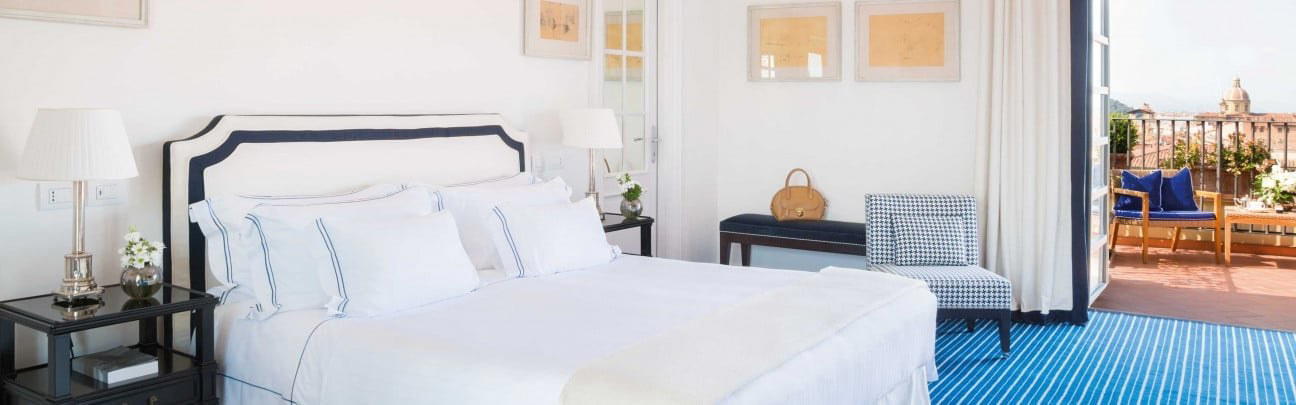
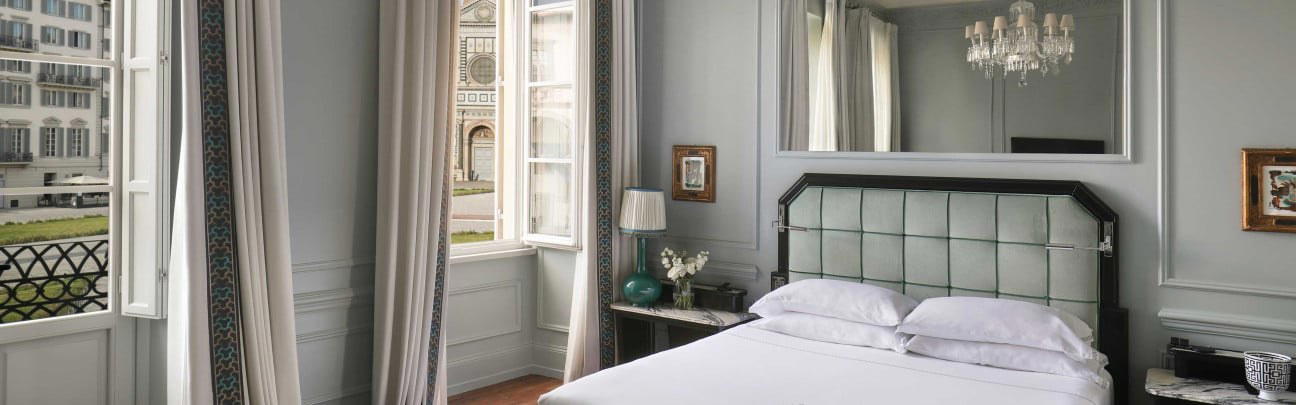
Hotels in Florence
All hotels in Florence →
Bars in Florence
All bars in Florence →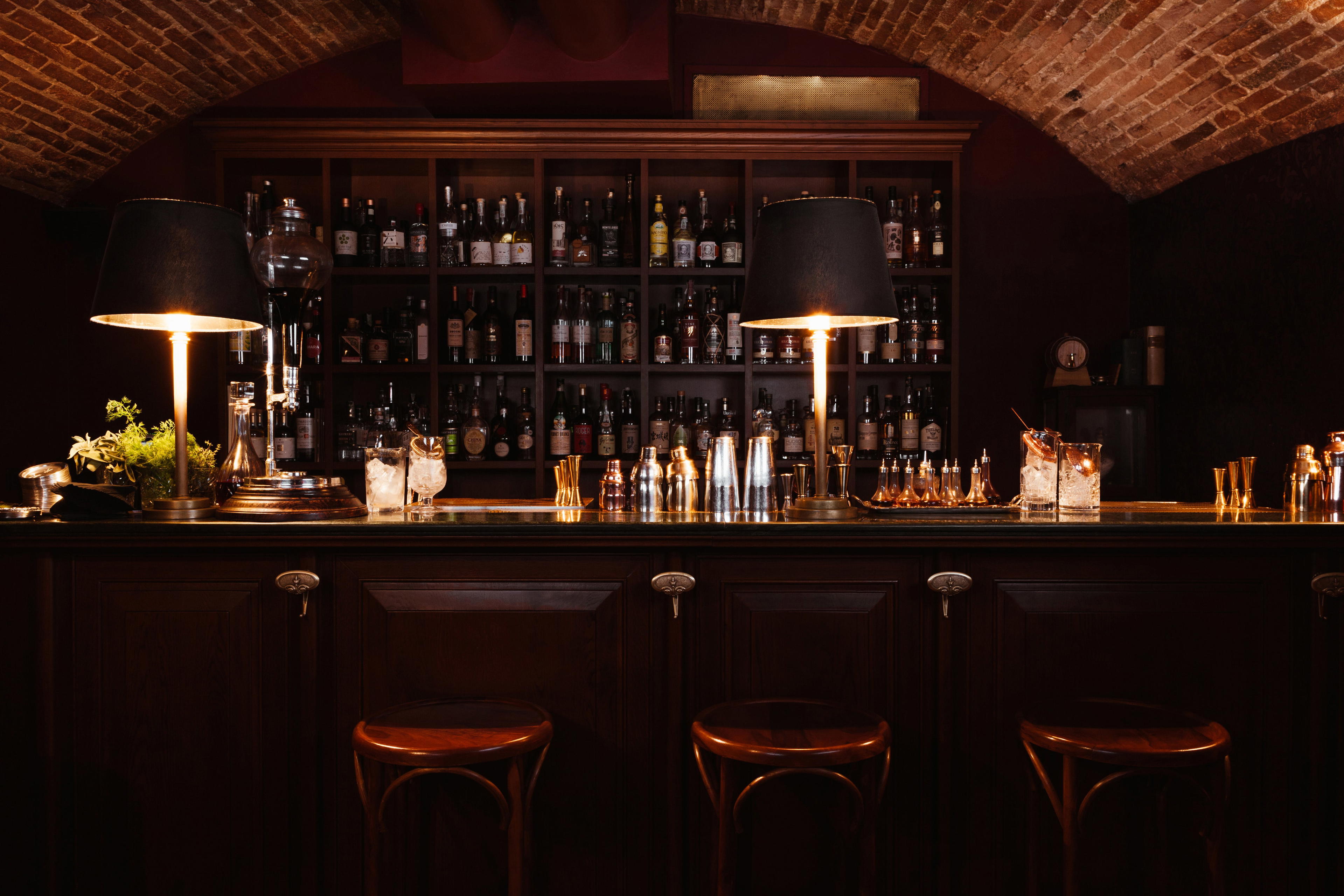
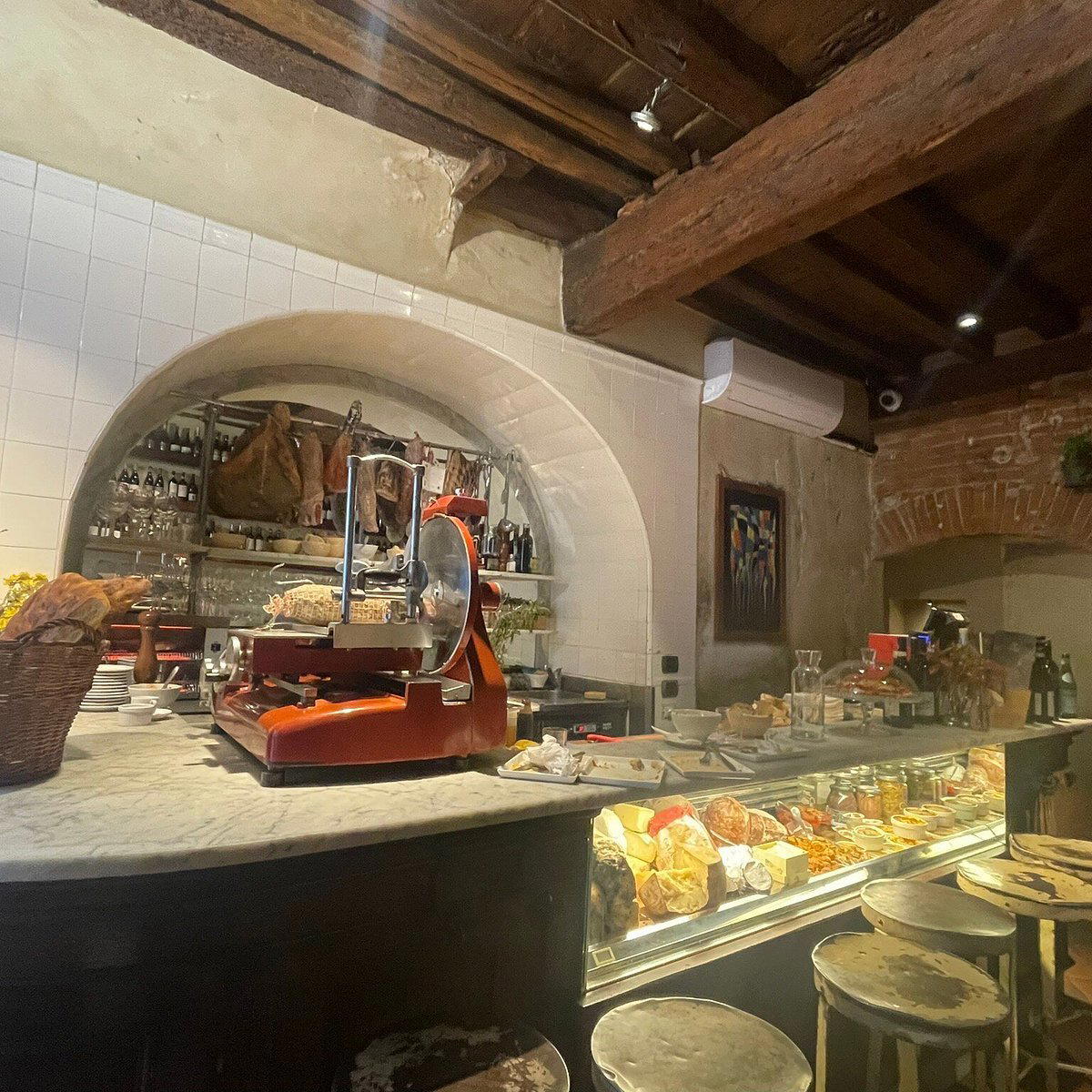
Restaurants in Florence
All restaurants in Florence →

Details
- Trendy
- Cozy
- Lively
- Weekend Escape
- Terrace
- Historic Building
- Wi Fi
- Air Conditioning
- Elevator
- Luggage Storage
- Street Scene
- Elevator
Industrial-chic lounge with lively, creative atmosphere from live performances and social terrace spaces.