Oasyhotel


Mr & Mrs Smith Seal of Approval · Small Luxury Hotels of the World Member
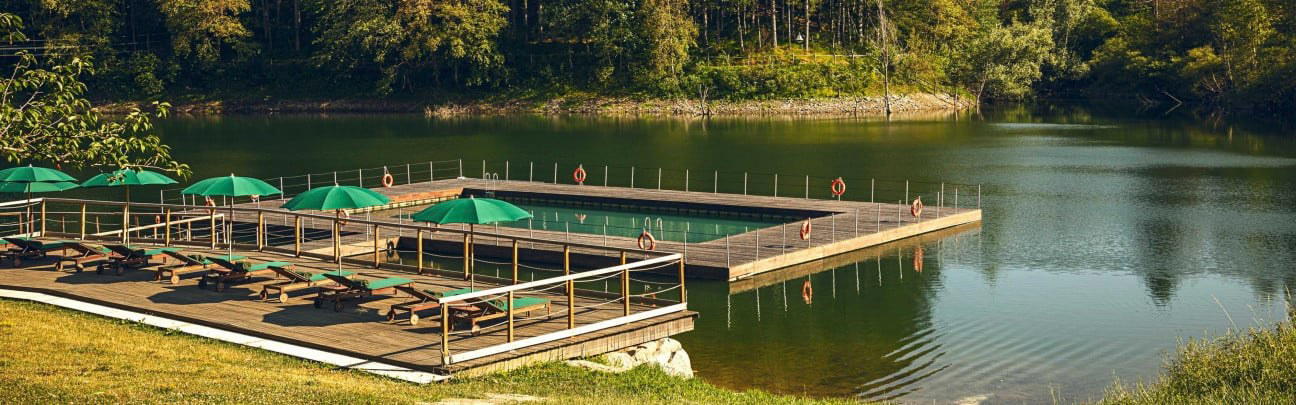
Set within the Dynamo Oasis Nature Reserve in the Tuscan Apennines, Oasyhotel occupies 1,000 hectares of protected wilderness and frames it through a series of contemporary eco-lodges designed to sit lightly on the land. The property belongs to a small tier of Italian nature retreats where architectural restraint and outdoor programming define the offer, positioning it well outside the region's villa-and-vineyard mainstream.

Pearl is the En Primeur Club membership app — saves, bookings, and concierge access live there. Same editors, same standards.
- Address
- Via Ximenes, 662, 51028 Piteglio PT
- Phone
- +39 0573 171 6062
- Website
- oasyhotel.com
- Directions
- Get directions
A Different Kind of Tuscan Address
Most visitors arrive in Tuscany with a fixed image: rolling hills, cypress avenues, stone farmhouses converted into wine-country retreats. The Apennine highlands above Pistoia answer to a different geography entirely. The mountains here are dense with chestnut and beech forest, the light is cooler, and the valleys carry a quieter kind of Italian life that the Chianti circuit never reaches. Oasyhotel sits in this less-visited corridor, in the municipality of Piteglio near San Marcello Piteglio, and its location on the Dynamo Oasis Nature Reserve — a protected expanse of 1,000 hectares — is not incidental to the experience. It is the experience.
The property belongs to a small but growing category of European nature retreats where the architectural approach is defined by restraint rather than renovation. Where properties like Rosewood Castiglion Del Bosco in Montalcino or Borgo San Felice Resort in Castelnuovo Berardenga work within historic stone structures, converting, restoring, adapting, Oasyhotel takes a different position. Its contemporary lodges are designed to read as additions to the landscape rather than anchors in it. That distinction shapes everything about the atmosphere on arrival.
Architecture That Defers to Wilderness
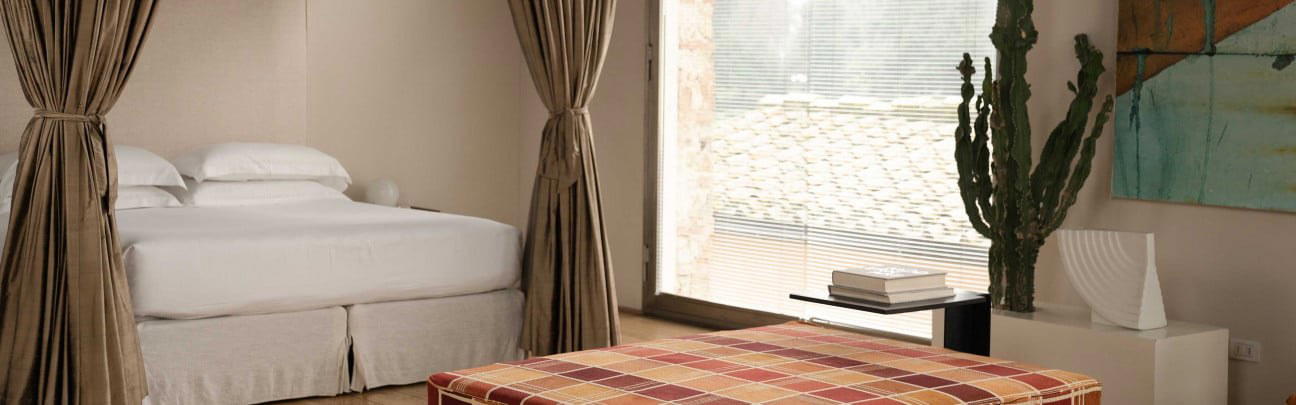
The design language at Oasyhotel belongs to a wider shift in high-end nature hospitality, a move away from the padded-rustic aesthetic that dominated European eco-retreats in the 2000s toward something leaner and more considered. The lodges here are described as sleek and contemporary, a pairing that would sit awkwardly in most rural Italian contexts but works precisely because the reserve setting provides the visual warmth and organic texture the architecture deliberately withholds. The buildings frame the forest rather than competing with it.
This approach has parallels in how some of the more ambitious mountain properties in Italy have repositioned themselves. Forestis Dolomites in Plose operates on a similar premise: architecture as a controlled aperture onto landscape, with the natural environment doing the heavy lifting on atmosphere. What distinguishes Oasyhotel is that it operates at a much lower altitude of recognition, the Tuscan Apennines remain well below the radar of the international luxury traveller, which means the reserve feels genuinely uncrowded in a way that the Dolomites no longer does during high season.
The eco-friendly ethos embedded in the property's identity is not purely aesthetic. The Dynamo Oasis reserve itself is a conservation project, and the hotel's footprint within it is governed by that framework. For travellers accustomed to the polished environmental credentials of properties like Castelfalfi in Montaione or EALA My Lakeside Dream in Limone sul Garda, the difference here is that the conservation context predates and outranks the hospitality offer, rather than being layered on top of it.
What the Reserve Makes Possible
A thousand hectares is a significant amount of space to move through. The outdoor programming at Oasyhotel is built around that scale, with days structured around activities that use the reserve as terrain rather than backdrop. The specific programme varies by season, but the breadth of what a protected Apennine reserve can support, trekking routes through old-growth forest, wildlife observation, cycling on unpaved tracks, open water, equestrian access, is considerably wider than what most Tuscan hotel grounds permit. The reserve is the amenity, and its size means that guests rarely encounter the sense of managed circulation that can make smaller country hotels feel more like themed parks than places in the world.
This is the argument for choosing Oasyhotel over properties with a more polished offering. Italy's most celebrated rural retreats, from Borgo Egnazia in Savelletri di Fasano to Il Pellicano in Porto Ercole, deliver consistently against a known template. Oasyhotel offers something less predictable: a property where the primary relationship is with a protected natural system rather than with a curated hospitality experience.
Placing Oasyhotel in the Italian Luxury Context
Italian luxury hospitality has split broadly into two streams. The first, represented by properties like Four Seasons Hotel Firenze in Florence, Bulgari Hotel Roma in Rome, and Aman Venice, trades on urban heritage, architectural grandeur, and the weight of art history. The second stream operates in the countryside and divides further: wine-country estates oriented around gastronomy and cellar access, coastal retreats oriented around sea and light, and a much smaller category of mountain and forest properties oriented around land and wilderness.
Oasyhotel sits at the frontier of that third category in Italy, alongside a handful of Apennine and alpine addresses that have not yet attracted the same level of international attention as the Amalfi or Chianti circuits. Properties like Castel Fragsburg in Merano and Passalacqua in Moltrasio have built substantial reputations from similarly off-centre Italian geography. The Tuscan Apennines, by contrast, remain underexplored in this context, which means Oasyhotel's reserve setting carries more originality than its address might suggest to someone whose Tuscany reference points stop at Florence and Siena.
For travellers who have already worked through the canonical Italian addresses, Castello di Reschio in Lisciano Niccone, Casa Maria Luigia in Modena, Corte della Maestà in Civita di Bagnoregio, the Dynamo Oasis context offers a genuine change of register. The property is not trying to compete on the terms that define those addresses. It occupies a different position in the Italian travel conversation, and that clarity of positioning is one of its more durable qualities.
Planning Your Stay
San Marcello Piteglio is accessible from Pistoia, which sits on the main Florence-Bologna rail line, making the Apennine approach more practical than the mountain address suggests. The reserve operates year-round, though the outdoor programme shifts substantially between seasons: spring and early autumn offer the most consistent conditions for extended activity in the forest, while summer brings longer days and higher temperatures that push serious trekking toward morning hours. Booking well ahead is advisable during the school holiday windows in July and August, when nature-oriented Italian properties in this category tend to fill from domestic demand before international guests have had a chance to plan. For a broader orientation to the area's dining and local context, see our full San Marcello Piteglio restaurants guide.
Quick Comparison
Comparable venues nearby, for context on price, style, and recognition.
| Venue | Cuisine | Price | Awards | Notes |
|---|---|---|---|---|
| OasyhotelThis venue — the venue you are viewing | Contemporary eco-luxury lodge with sustainable design principles, featuring air-conditioning-free lodges with underfloor heating and recyclable amenities. | Not listed | Mr & Mrs Smith Seal of Approval · Small Luxury Hotels of the World Member | Not listed |
| Villa Paola | Restored 16th-century convent blending historic charm with modern luxury | $300–500 | Michelin Selected | Contrada Paola |
| Dimora Ghirlandaio | Medici-style Renaissance villa estate with contemporary comforts | $500–750 | Michelin Selected · Virtuoso Luxury Hotel Partner | Impruneta |
| Bagni di Pisa Palace & Thermal Spa | Historic thermal spa palace blending 18th-century grandeur with modern luxury | Not listed | Leading Hotels of World Member | San Giuliano Terme |
| Hotel Number Nine | Family-owned 5-star luxury boutique in Renaissance building | Not listed | Michelin Selected · Preferred Hotels Member | Santo Spirito |
| Grand Hotel Portovenere | Historic monastery with informal elegance | $300–500 | Michelin Selected · Virtuoso Luxury Hotel Partner | Porto Venere |
Recognition history
Dated appearances from independent guides and award organizations, with the underlying list record or original source where available.
Mr & Mrs Smith Seal of Approval
Mr & Mrs Smith
Small Luxury Hotels of the World Member
Small Luxury Hotels of the World
Continue exploring
More in San Marcello Piteglio
Hotels in San Marcello Piteglio
Browse all →
Bars in San Marcello Piteglio
Browse all →
Restaurants in San Marcello Piteglio
Browse all →

Details
- Romantic
- Scenic
- Quiet
- Elegant
- Minimalist
- Honeymoon
- Romantic Getaway
- Wellness Retreat
- Family Vacation
- Anniversary
- Panoramic View
- Garden
- Terrace
- Destination Spa
- Private Dining
- Wi Fi
- Pool
- Spa
- Concierge
- Restaurant
- Bar
- Tennis Court
- Mountain
- Garden
Serene and sophisticated with natural light from large windows, birdsong, mountain views, and a calm forest setting that encourages relaxation and connection with nature.