
Michelin Selected
Selected by the Michelin Guide Hotels 2025, Nomad Hotel & Spa Altea occupies a position on the Costa Blanca that rewards travellers willing to look beyond the region's more obvious resort destinations. The property sits in Altea, a whitewashed hilltop town above the Mediterranean, and combines spa facilities with an architectural character shaped by the village's centuries-old building traditions.

Pearl is the En Primeur Club membership app — saves, bookings, and concierge access live there. Same editors, same standards.
- Address
- Carrer Costera dels Matxos, 8, 03590 Altea, Alicante, Spain
- Phone
- +34 615 74 97 53
- Website
- nomadhotelcollection.com
- Directions
- Get directions
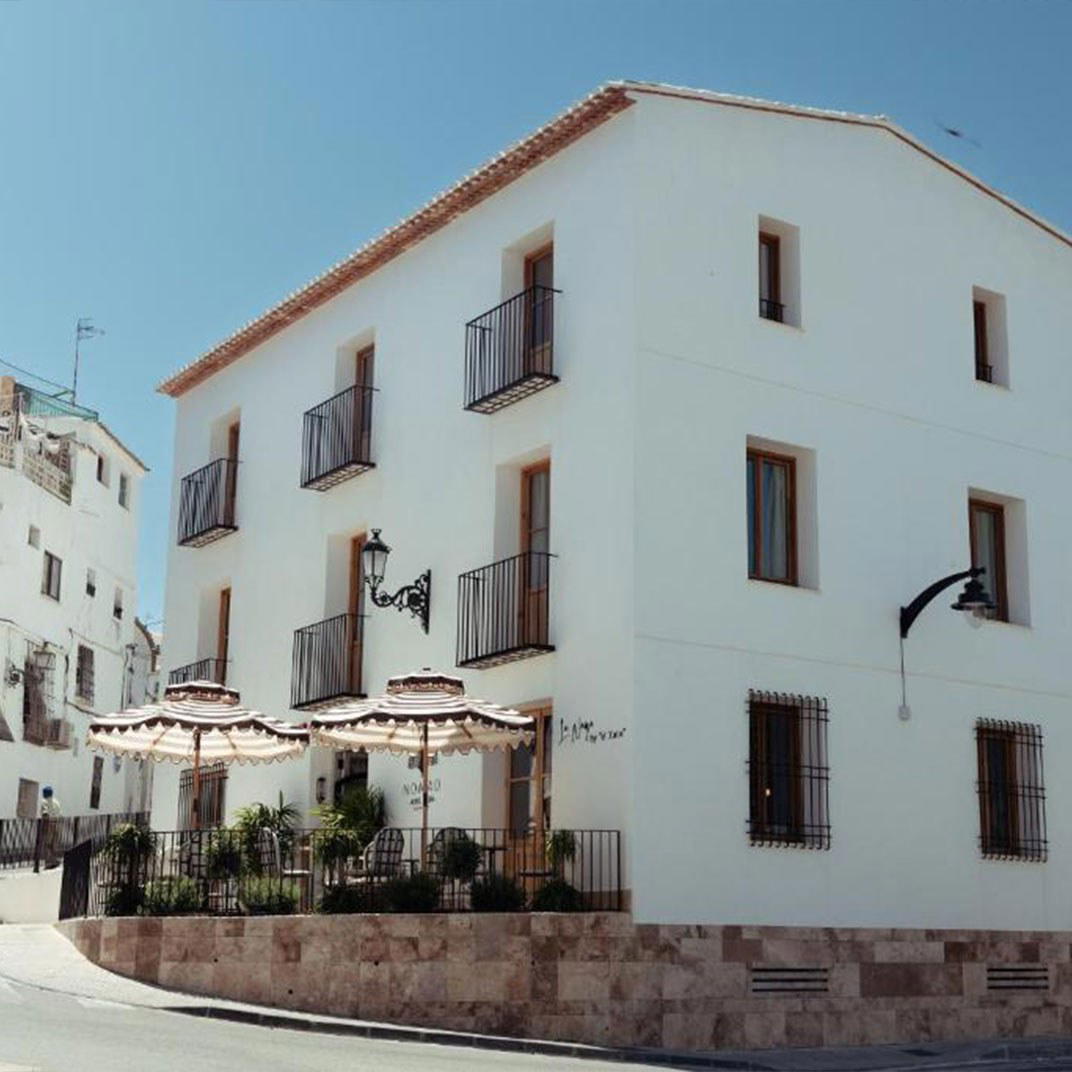
Altea is not the Costa Blanca that most visitors picture. Where Benidorm, forty minutes up the coast, built its identity around scale and volume, Altea cultivated something more resistant to replication: a whitewashed old quarter stacked above the sea, a consistent municipal commitment to preserving its hillside silhouette, and a slow-travel culture that has attracted artists and architects for decades. Within this context, the Nomad Hotel & Spa Altea has earned selection in the Michelin Guide Hotels 2025, which positions it alongside a small cohort of Spanish properties where the physical environment is treated as a design brief rather than a backdrop.
The Altea Setting and What It Demands
The Costa Blanca splits, broadly, between two hospitality models. The first is the large-scale resort complex, oriented around beach access, pool capacity, and package-travel volumes. The second is a smaller, more curated tier that takes its architectural cues from the villages themselves: narrow streets, terracotta, lime-washed walls, and the kind of scale that makes large lobbies both impractical and aesthetically wrong. Nomad Hotel & Spa Altea belongs to the second model.
This is a meaningful distinction when comparing the Spanish Mediterranean hotel spectrum. Properties like Cap Rocat in Cala Blava or Akelarre in San Sebastián demonstrates how a cliffside site can become the organizing principle for an entire property's identity. Mas de Torrent Hotel & Spa in Torrent shows how a Catalan masia can function as an architectural framework for premium hospitality. In each case, the building is the argument. The same logic applies here.
The Spa Component in Context
Spa facilities have become a near-standard feature of premium Mediterranean hotel offerings, but their quality and integration with the wider property vary considerably. On the Costa Blanca specifically, the spa provision at smaller boutique properties often operates as a genuinely useful amenity rather than a checkbox: the climate, with warm summers and mild winters, extends the season during which treatments, pools, and outdoor spaces are usable, which in turn justifies higher investment in those facilities.
The Nomad Hotel & Spa Altea's explicit branding of spa facilities signals that wellness infrastructure is a genuine component of the offer rather than secondary to room accommodation. Among Michelin-selected Spanish coastal properties, this positions it alongside hotels like Royal Hideaway Corales Resort in Adeje and Finca Serena Mallorca in Montuïri, where spa programs are calibrated to the wider guest experience rather than treated as a separate commercial operation.enprimeurclub.com/hotels/mandarin-oriental-ritz-madrid-madrid-hotel">Mandarin Oriental Ritz in Madrid and Mandarin Oriental Barcelona to winery estates like Abadía Retuerta LeDomaine in Teruel and Terra Dominicata in Escaladei. What these selections share is a coherent identity between place, architecture, and guest experience.
For the Costa Blanca specifically, the Michelin selection of Nomad Altea marks a recognition that this stretch of Mediterranean coast, long overshadowed by Barcelona to the north and Marbella to the south, has properties operating at a level of design seriousness that warrants critical attention. For context on the Altea dining and hospitality scene, our full Altea restaurants guide covers the broader picture. Properties like La Residencia, A Belmond Hotel in Mallorca, Hotel Can Cera in Palma, and Predi Son Jaumell in Capdepera have established the Balearic template for architecture-led boutique hotels. Altea is a different proposition: a mainland village with a distinct character, fewer international visitors, and a setting that rewards slower engagement rather than island-hopping efficiency. The town itself is most accessible by car, which also gives visitors the flexibility to explore the surrounding Comarca de la Marina Alta, including the old town of Jávea, the rice-growing communities inland, and the coastal road south toward Villajoyosa.
The Michelin hotel selection does not specify a price tier for Nomad Altea in publicly available data, but properties at this recognition level on the Costa Blanca typically operate in the mid-to-upper boutique range. Booking is leading handled directly through the hotel's own channels or specialist travel services, as the property's scale means availability during peak summer months and Spanish bank-holiday periods requires forward planning. The shoulder seasons, April through June and September through October, offer the most temperate conditions for both outdoor and spa-focused stays.
For travellers building a wider Spanish itinerary that combines coastal and urban stays, the Caro Hotel in València provides a considered urban counterpart to Altea's village scale, with Valencia's culinary scene and architectural heritage offering a meaningful contrast. For those extending toward Galicia or Andalusia, Pepe Vieira Restaurant & Hotel in Poio and Hotel Mercer Sevilla in Seville represent comparable commitments to place-specific design at the Michelin-recognition tier.
A Quick Peer Check
Comparable venues nearby, for context on price, style, and recognition.
| Venue | Cuisine | Price | Awards | Notes |
|---|---|---|---|---|
| Nomad Hotel & Spa AlteaThis venue — the venue you are viewing | contemporary vernacular design inspired by local church domes | $100–200 | Michelin Selected | Not listed |
| Camiral, A Quinta do Lago Resort | Contemporary low-rise art deco with modern Catalan influences | Not listed | Michelin Selected | Caldes de Malavella |
| Vincci Selección Unuk | Grand Luxury boutique hotel blending traditional Sevillian architecture with contemporary design; intimate 34-room property positioned as a design destination with Michelin Key recognition. | $300–500 | 1 Michelin Key | Soho (Seville Old Town) |
| Hard Rock Hotel Ibiza | Luxury five-star resort combining Hard Rock's well-known brand identity with contemporary Mediterranean design and Ibizan island influences. | $300–500 | Not listed | Playa d'en Bossa |
| Palacio de Sancti Petri, Gran Meliá | Andalusian palace resort | $300–500 | Michelin Selected · Leading Hotels of World Member | Novo Sancti Petri |
| The Standard Ibiza | Contemporary boutique hotel celebrating Ibizan sophistication with Californian cool; converted historic movie theatre with streamlined white architecture and curated vintage furnishings. | $300–500 | Michelin Selected · Mr & Mrs Smith Seal of Approval | Ibiza Old Town |
Recognition history
Dated appearances from independent guides and award organizations, with the underlying list record or original source where available.
Michelin Selected
Michelin
Continue exploring
More in Altea
Hotels in Altea
Browse all →
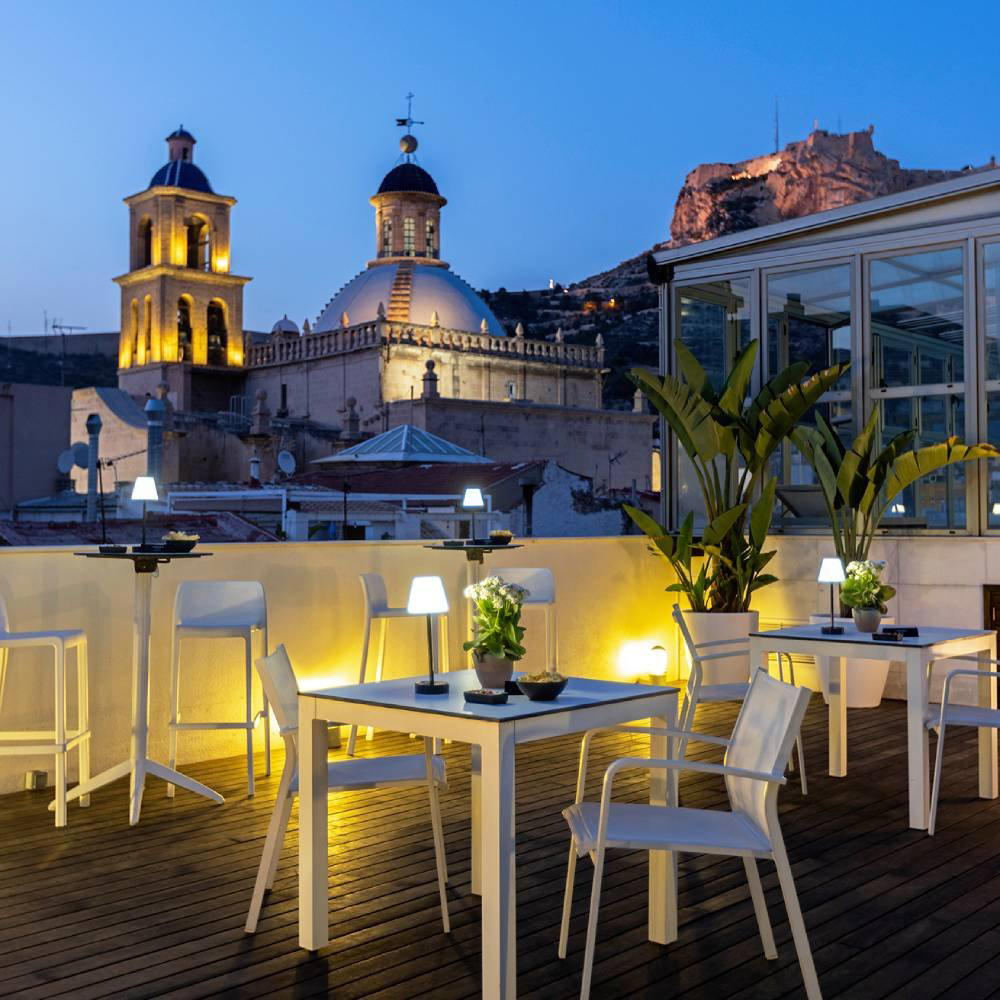
Bars in Altea
Browse all →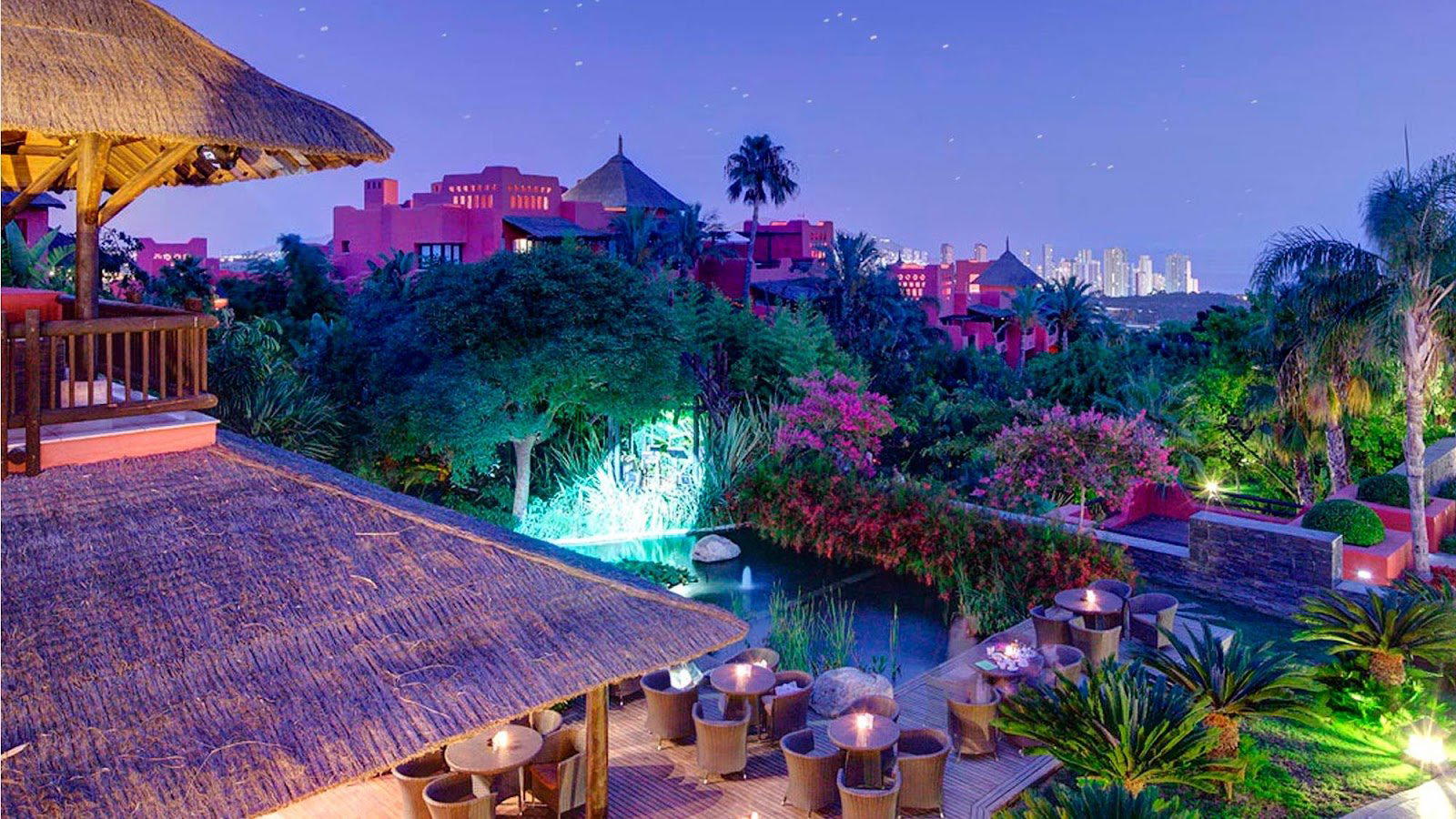
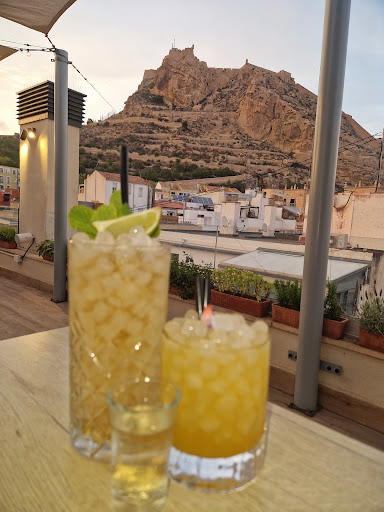
Restaurants in Altea
Browse all →
Details
- Elegant
- Sophisticated
- Romantic
- Scenic
- Modern
- Romantic Getaway
- Wellness Retreat
- Honeymoon
- Weekend Escape
- Terrace
- Panoramic View
- Spa
- Pool
- Fitness Center
- Wi Fi
- Restaurant
- Room Service
- Concierge
- Mountain
- Waterfront
- Elevator
- Step Free Entrance
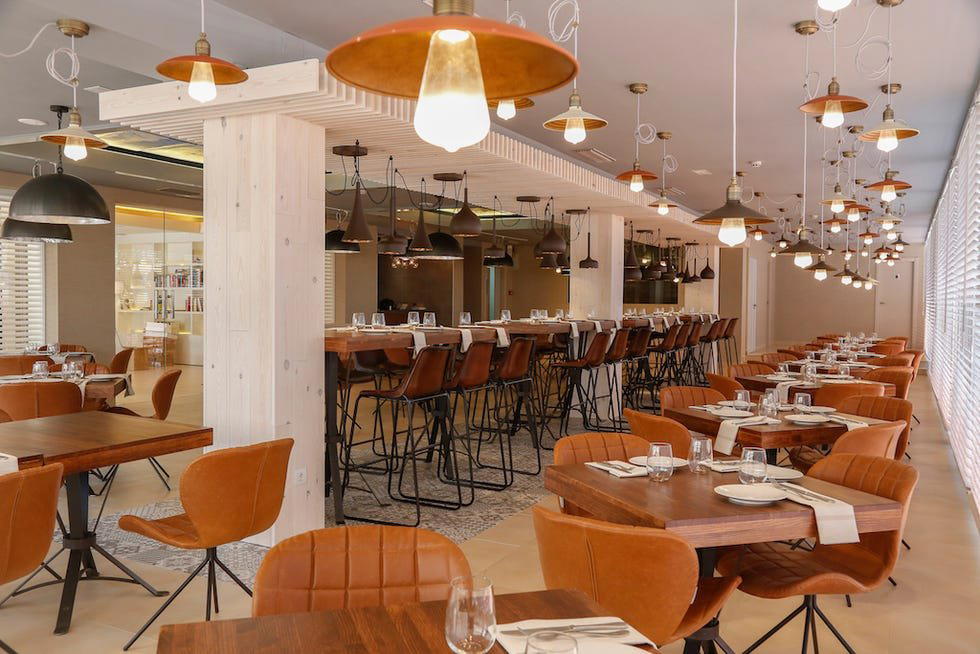
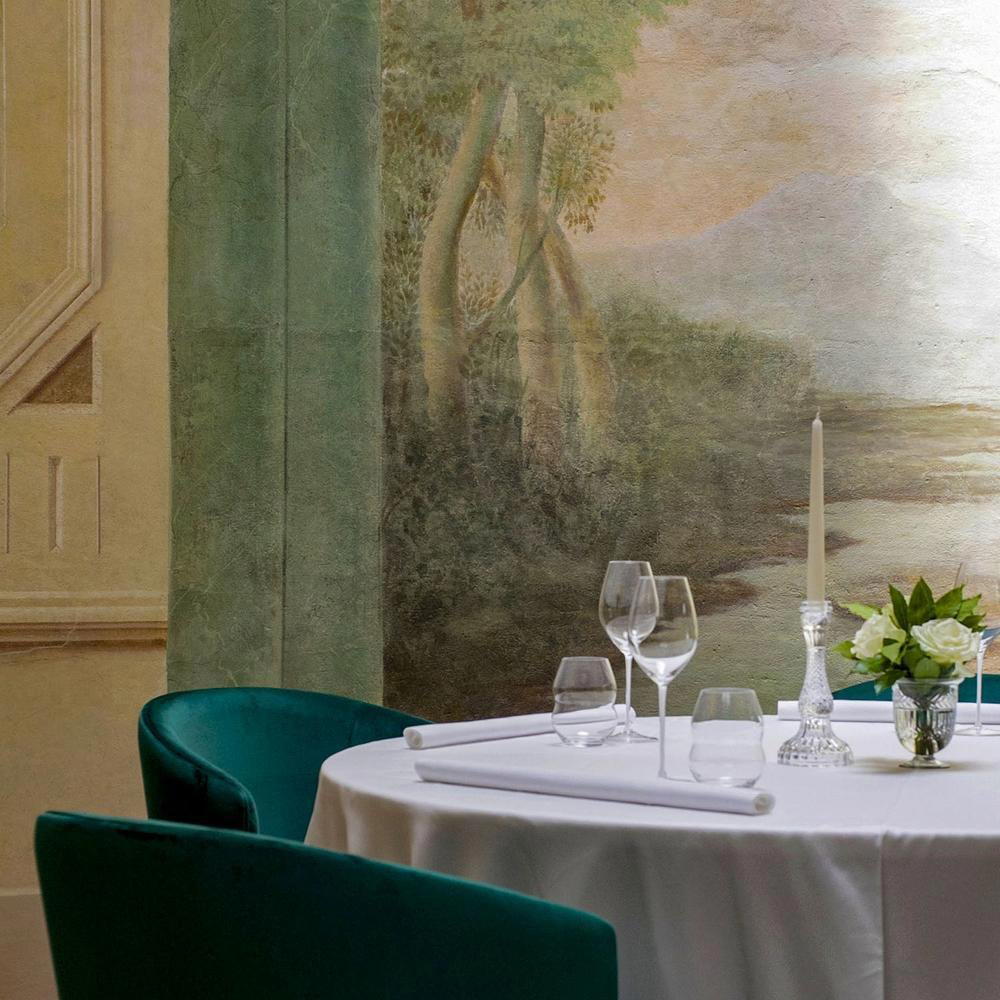
Mediterranean light-filled spaces with handmade details, cozy elegance, and serene wellness atmosphere.